Bumper Plate Wholesale Supplier: Cast Iron vs Rubber Options
Bumper Plate Wholesale Supplier: Evaluating Total Cost of Ownership
For a large-scale commercial gym franchise or a high-traffic CrossFit box, the decision to partner with a bumper plate wholesale supplier involves more than just comparing the initial unit price. While budget-conscious boutique studios might prioritize low upfront costs, professional procurement managers must account for the total landed cost, which includes shipping, long-term maintenance, and potential floor damage. Selecting the right commercial bumper plate supplier requires a strategic balance between immediate capital expenditure and the long-term operational efficiency of the facility.
When sourcing in bulk, the choice between cast iron and rubberized materials significantly impacts your facility's lifecycle costs. For instance, a rubber bumper plate manufacturer provides products designed for high-impact use, which typically offers superior floor protection and noise reduction in heavy-use environments. Conversely, while cast iron remains a standard for strength training, the lack of shock absorption can lead to increased maintenance costs for flooring and higher wear on surrounding equipment. A professional wholesale gym weight plates procurement strategy should weigh these durability factors against your specific training environment to maximize ROI.
Material Selection and Sourcing Implications
To optimize your procurement budget, it is essential to understand how material choices influence both the unit price and the long-term maintenance load. A professional bumper plate wholesale supplier will typically offer two distinct pathways: high-density rubberized options for high-impact zones and cast iron options for traditional strength training areas. Each selection carries different implications for your landed cost and warehouse efficiency.
The following comparison table is designed to assist procurement managers in evaluating the qualitative differences between these two primary material categories when coordinating a bulk order with a China factory. This data focuses on the trade-offs between durability and initial investment to help you determine the best fit for your client's facility requirements.
| Material Type | Primary Use Case | Durability Profile | Maintenance Requirement | Sourcing Advantage |
|---|---|---|---|---|
| Rubberized Bumper | High-impact CrossFit and Olympic lifting | High shock absorption; protects flooring | Low; minimal surface wear | Higher MOQ; specialized molding |
| Cast Iron | Traditional strength and bodybuilding | High density; high impact resistance | Moderate; requires surface inspection | Lower MOQ; standard production |
| Hybrid/Coated | Commercial training and studio use | Balanced impact and surface protection | Low; resistant to oxidation | Variable lead time based on OEM |
When finalizing your selection, we recommend requesting a detailed spec sheet to confirm the specific rubber compound grade or coating adhesion properties. Whether you require a custom ODM solution for a unique brand identity or standard stock for rapid deployment, confirming these technical attributes during the sample approval stage will mitigate the risk of high replacement rates in high-traffic commercial environments.
Logistics and Supply Chain Efficiency
Beyond material selection, professional buyers must consider how the physical characteristics of the chosen product affect the total landed cost through shipping volume and container optimization. A high-density rubberized plate and a standard cast iron plate may have similar weights, but differences in thickness and outer diameter can alter the volumetric footprint within a shipping container. When coordinating with a bumper plate wholesale supplier, it is vital to account for these dimensions to ensure your container loading plan is optimized for maximum weight-to-volume efficiency.
Furthermore, the complexity of the manufacturing process directly impacts the factory QC and lead time. For example, a rubber bumper plate manufacturer must manage additional steps such as rubber molding or dip coating, which requires precise calibration to maintain weight tolerance and edge integrity. In contrast, cast iron production focuses on sand casting and surface finishing. For distributors managing large-scale projects, understanding these nuances allows for more accurate inventory planning. We recommend discussing your specific requirements for export packaging with your supplier to ensure that high-density plates are secured with reinforced corners and heavy-duty cartons, preventing damage during long-distance transit and ensuring a smooth arrival at your warehouse or client site.
Material Comparison: Cast Iron vs. Rubberized Options
Selecting the right material profile is a critical decision for any bumper plate wholesale supplier, as it directly impacts the long-term TCO (Total Cost of Ownership) for your facility. When sourcing through a China factory, buyers must distinguish between the high-density durability of cast iron and the impact-absorption properties of rubberized units to match their specific gym environment and budget constraints.
Cast iron remains a staple for traditional strength training due to its compact footprint and cost-effectiveness. However, for high-impact environments like CrossFit boxes or heavy lifting studios, rubberized options are essential to mitigate noise and prevent structural damage. Choosing the wrong material can lead to increased maintenance costs or premature floor degradation, making it vital to align your sourcing strategy with the intended intensity of the end-user's training.
As a professional commercial bumper plate supplier, we recommend evaluating these two primary categories based on their functional utility and durability in high-traffic settings. While cast iron offers excellent space efficiency and a lower wholesale price point, rubberized plates provide superior floor protection and longevity in high-velocity lifting scenarios.
| Material Type | Primary Process | Commercial Utility | Floor Protection | Typical MOQ Impact |
|---|---|---|---|---|
| Cast Iron | Sand Casting & Powder Coating | Strength & High-Density Training | Low (Requires Mats) | Lower MOQ for Stock |
| Rubberized Bumper | Rubber Molding or Encapsulation | High-Impact & Olympic Lifting | High (Built-in Cushion) | Higher MOQ for Customization |
| Hybrid/Vinyl | Vinyl Dip Coating | General Commercial Fitness | Moderate | Standard Wholesale Tiers |
For distributors looking to maximize margins, wholesale gym weight plates made of cast iron offer a high-volume, low-risk entry. Conversely, if your clients demand premium, high-durability equipment for specialized lifting, investing in a rubber bumper plate manufacturer that utilizes high-grade vulcanized rubber will ensure a more resilient product for heavy-duty commercial use.
Technical Specifications and Procurement Considerations
When evaluating the technical nuances of these materials, professional buyers should look beyond the surface. The structural integrity of a plate depends on the manufacturing route used by the factory. For instance, cast iron plates are typically produced through sand casting followed by machining to ensure the center bore remains concentric. In contrast, high-performance bumper plates often involve a complex molding or encapsulation process to ensure the rubber shell remains bonded to the internal core during high-velocity impacts.
From a procurement standpoint, the distinction between a budget-tier and a premium-tier rubber bumper plate manufacturer often lies in the precision of the weight calibration and the quality of the coating adhesion. A well-managed China factory will implement a multi-step QC process that includes weight spot-checks and thickness verification to ensure consistency across a large wholesale order. Failure to verify these specifications during the initial sourcing phase can result in uneven weight distribution or premature delamination of the rubber layer, increasing your long-term replacement frequency.
Before finalizing your bulk order, we recommend requesting a detailed specification sheet from your bumper plate wholesale supplier. This should include details on the internal filler material, the thickness of the outer layer, and the specific QC protocols used for pre-shipment inspection. Confirming these technical details early helps in calculating a more accurate landed cost and ensures the product meets the durability standards required for your specific commercial application.
Manufacturing Processes and Surface Finishing Standards
Understanding the technical production of weight plates is essential for distributors evaluating a bumper plate wholesale supplier. Most high-volume procurement involves choosing between two distinct manufacturing routes: traditional metal casting and advanced rubber molding. The selection between these processes directly impacts the landed cost, durability, and the long-term maintenance requirements for your clients' facilities.
For iron-based plates, the process typically begins with sand casting to create the core shape, followed by precision machining to ensure the center bore meets standard specifications. To enhance durability and aesthetics, a commercial bumper plate supplier will often implement a professional powder coating line. This adds a protective layer that prevents oxidation and improves the finish. In contrast, high-end rubberized versions utilize centrifugal casting or specialized rubber molding techniques to encapsulate the core, ensuring a seamless edge that protects flooring and reduces noise during heavy use.
When sourcing through a rubber bumper plate manufacturer, importers should verify the quality of the bonding process. A reliable wholesale gym weight plates provider ensures that the rubber coating is integrated deeply with the internal structure to prevent peeling or cracking under heavy impact. For those looking for wholesale options, understanding these material-specific production steps allows for better planning regarding MOQ and specialized OEM requests for custom branding or specific weight tolerances.
Technical Comparison for Procurement Decision-Making
Selecting the right material profile is a strategic decision that affects total cost of ownership and facility maintenance. Whether you are sourcing for a budget-conscious training center or a high-performance facility, the following comparison highlights the technical trade-offs between standard iron and premium rubberized options. This data assists importers in evaluating the value proposition of each tier when negotiating with a supplier.
| Material | Process | Finish | Best For | Sourcing Note |
|---|---|---|---|---|
| Cast Iron | Sand Casting & Machining | Powder Coating or Enamel | Budget Commercial & Strength Training | Lower landed cost; high density |
| Rubberized Core | Centrifugal Casting & Molding | High-Density Rubber Encapsulation | Olympic Lifting & High-Impact Zones | Higher MOQ; superior floor protection |
| Steel/Iron Hybrid | Precision Machining | Phosphate Treatment | Standard Strength Gyms | Standard OEM customization levels |
When evaluating a bumper plate wholesale supplier, technical scrutiny should extend to how these finishes are applied. For instance, a high-quality rubber bumper plate manufacturer will ensure the molding process results in a consistent edge profile, which is critical for stacking efficiency in a warehouse or gym setting. For distributors, choosing the appropriate tier based on these manufacturing standards ensures better margins and fewer replacement requests from end-users.
Critical Inspection Points for Bulk Procurement
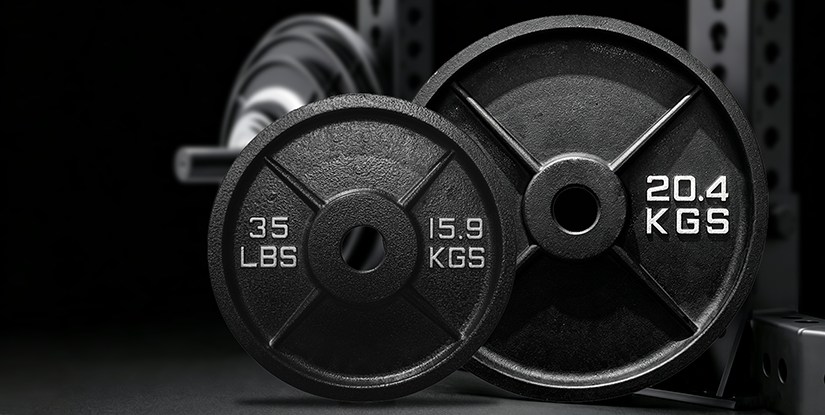
Reliability in high-volume orders depends on more than just the initial material choice; it requires rigorous technical oversight during the production cycle. When sourcing from a bumper plate wholesale supplier, professional buyers must look beyond the surface to verify the structural integrity of the units. A common failure mode in lower-tier production is poor concentricity, where the center bore is not perfectly aligned with the plate's center of mass, leading to uneven weight distribution and vibration during use. This is particularly critical for high-impact training environments where stability is non-negotiable.
To mitigate these risks, a professional commercial bumper plate supplier should implement a multi-stage pre-shipment QC protocol. This typically includes a weight tolerance spot-check to ensure each unit stays within the industry-standard deviation, and a thorough inspection of the bore fit to guarantee compatibility with standard Olympic barbells. For distributors managing large-scale facility builds, confirming that the rubber bumper plate manufacturer performs edge-bonding tests and carton drop tests is a vital step in securing a reliable landed cost and reducing the need for post-arrival replacements.
Effective wholesale gym weight plates procurement also requires a clear understanding of how these QC steps impact your lead time and MOQ. While higher-tier manufacturing processes—such as precision CNC machining for the center bore or advanced centrifugal molding for rubberized edges—may require a longer production window, they significantly reduce the long-term maintenance load and replacement frequency. We recommend that buyers request detailed spec sheets and confirm the specific QC checkpoints utilized by the factory to ensure the final shipment meets the rigorous demands of professional commercial environments.
Critical QC Checkpoints for Bulk Bumper Plate Imports
When sourcing directly from a bumper plate wholesale supplier, technical oversight is the primary defense against commercial loss. For distributors and gym owners, the risk of receiving a batch with inconsistent weight or compromised structural integrity can lead to high return rates and damaged brand reputation. Effective sourcing requires moving beyond visual inspection to verify specific production standards that ensure long-term commercial utility.
A professional commercial bumper plate supplier must implement rigorous China factory QC protocols that address both material and dimensional stability. For high-volume wholesale gym weight plates, procurement teams should focus on three critical pillars: weight tolerance, material consistency, and the structural bonding of the rubberized exterior. Without these checkpoints, bulk order risks include uneven plate wear, uneven weight distribution, and premature surface cracking.
To mitigate these bulk order risks, importers should request specific validation on the following technical aspects during the pre-shipment stage:
- Weight Tolerance Verification: Ensuring each unit within the wholesale batch falls within the industry-standard deviation to maintain professional calibration.
- Material Consistency: Confirming the density and uniform distribution of the rubber compound to prevent structural failure under high-impact use.
- Surface Adhesion: Testing the bond between the internal core and the external coating to prevent delamination during heavy lifting.
Engaging a reliable rubber bumper plate manufacturer means establishing a protocol where factory-level inspections are documented before the final export loading process begins.
Material and Manufacturing Comparison for Procurement Decision-Making
Selecting the correct material profile is a fundamental decision for any professional buyer. Whether you are looking for the high-density impact resistance of a rubber bumper plate manufacturer or the cost-effective stability of cast iron, the manufacturing route dictates both the landed cost and the long-term maintenance requirements of your facility. A strategic sourcing plan must account for how different production methods affect the total cost of ownership (TCO) and durability in high-traffic environments.
The following comparison outlines the technical differences between common commercial options. This data helps distributors and procurement leads determine which specification aligns with their specific market tier, whether they are targeting budget-conscious training centers or premium performance studios.
| Material Type | Primary Process | Key Component/Feature | Commercial Duty Tier | MOQ Impact | Factory QC Point |
|---|---|---|---|---|---|
| Cast Iron | Sand Casting & Machining | Precision Bore/Center Hole | Budget / Commercial | Lower wholesale MOQ | Weight Calibration & Surface Flatness |
| Rubberized Bumper | Injection Molding / Compression Molding | High-Density Rubber Compound | Premium / Performance | Higher wholesale MOQ | Edge Bonding & Material Density |
| Powder Coated Iron | Casting & Powder Coating Line | Enamel or Paint Finish | Standard Commercial | Standard MOQ | Coating Adhesion & Rust Resistance |
When evaluating a bumper plate wholesale supplier, it is essential to understand that the transition from casting to final surface finishing involves multiple stages. For example, high-quality rubber plates require a precise molding process to ensure the internal core remains centered, preventing the "wobble" effect during heavy lifts. Conversely, for cast iron, the focus remains on the precision of the CNC machining during the boring stage to ensure a perfect fit on Olympic barbells. Understanding these technical nuances allows a supplier to provide more accurate lead times and customized solutions for your specific branding requirements.
Optimizing Landed Cost Through Export-Ready Packaging and Logistics
For professional importers, the total landed cost extends far beyond the initial unit price from a bumper plate wholesale supplier. A common pitfall in international sourcing is overlooking the impact of substandard packaging on shipping efficiency and product integrity. Inadequate protection during transit can lead to dented edges on cast iron plates or compromised rubber density, resulting in costly returns and damaged distributor margins.
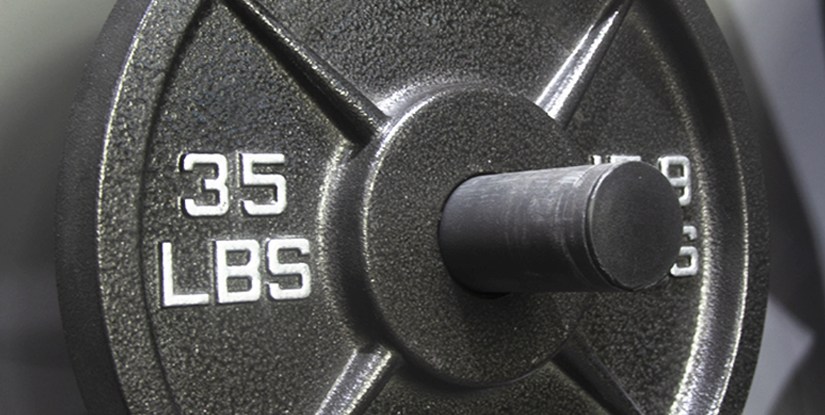
To ensure maximum commercial utility, a professional rubber bumper plate manufacturer must provide specialized export-ready solutions. This includes heavy-duty corrugated cartons, reinforced corner protection, and optimized palletization strategies designed for high-volume sea freight. When managing a wholesale order, the configuration of the container—specifically how weight is distributed to prevent shifting—is as critical as the product's physical specifications.
A high-tier commercial bumper plate supplier will offer several logistical advantages to streamline your procurement:
- Customized Palletization: Ensuring weight is balanced and secured to minimize breakage during long-haul maritime logistics.
- Standardized Export Packaging: Utilizing high-strength materials that withstand moisture and physical impact, protecting your wholesale gym weight plates from the factory to your warehouse.
- Volume Optimization: Coordinating with the factory to maximize container load capacity, effectively reducing the per-unit shipping cost and improving your overall ROI.
Whether you are utilizing OEM services for custom branding or ordering standard stock, always confirm the packaging specifications and loading plan during the pre-shipment stage. Requesting a detailed packing list and container loading plan allows you to accurately calculate your final landed cost and plan your inventory distribution with precision. For complex requirements, consult with your supplier regarding ODM capabilities to tailor both the product and its protective housing to your specific regional market needs.
Sourcing Strategy: MOQ and OEM Customization Capabilities
When establishing a long-term partnership with a bumper plate wholesale supplier, procurement professionals must look beyond unit price to evaluate technical flexibility. For distributors and gym equipment importers, the ability to scale orders based on market demand is critical. Managing a diverse inventory requires a supplier who offers clear MOQ thresholds and robust OEM and ODM services to accommodate both standard stock and specialized product lines.
Securing a competitive edge in the North American market often depends on a strong brand identity. A professional commercial bumper plate supplier provides more than just bulk wholesale gym weight plates; they offer the capacity for private label manufacturing. This includes custom logo application via silk-screen printing or precision molding, ensuring your branding remains consistent across all product categories. Whether you require a specific color-coded weight system or unique dimensional specifications, working directly with a rubber bumper plate manufacturer allows for precise control over your product's visual and functional differentiation.
Effective sourcing also requires rigorous planning regarding lead time and production capacity. Large-scale factory-direct orders for international distribution must account for manufacturing cycles, seasonal demand spikes, and ocean freight transit. By aligning your procurement schedule with the China factory production timeline, you can optimize your landed cost and ensure consistent stock availability for your clients, avoiding the pitfalls of unexpected stockouts or inflated expedited shipping fees.
Material and Production Comparison for Bulk Procurement
Selecting the appropriate material profile is a foundational decision in the sourcing process. For high-traffic commercial facilities, the choice between cast iron and rubberized options dictates long-term maintenance costs and floor protection requirements. A professional bumper plate wholesale supplier will offer distinct production routes for each to ensure the final product meets the specific durability standards of your target market.
The following table outlines the technical and commercial differences between these two primary categories. This comparison is designed to assist distributors in evaluating how material selection impacts MOQ, customization complexity, and the overall landed cost of a shipment.
| Material Type | Primary Production Process | Key Component / Detail | Commercial Duty Tier | MOQ Impact | Factory QC Point |
|---|---|---|---|---|---|
| Cast Iron | Sand casting and CNC machining | Precision bore and surface flatness | Budget to Mid-tier Commercial | Lower requirements for standard weights | Weight tolerance spot-check |
| Rubberized Bumper | Centrifugal casting or molding | Rubber edge bonding and density | Premium / High-impact Commercial | Higher for specialized colors | Coating adhesion and edge integrity |
When evaluating a rubber bumper plate manufacturer, it is vital to confirm the quality of the encapsulation layer. In many commercial settings, the durability of the rubber-to-core bond determines the lifespan of the unit under heavy use. We recommend requesting a sample evaluation to inspect the thickness and uniformity of the coating. For large-scale wholesale orders, a China factory should provide clear documentation regarding their weight calibration and pre-shipment inspection protocols to ensure every batch meets your brand's quality expectations.
Optimizing Logistics and Export Packaging for Global Distribution
Efficient distribution planning is a critical component of the procurement process when sourcing from a bumper plate wholesale supplier. For distributors and large-scale gym operators, the primary objective is to minimize the landed cost by maximizing container utilization and reducing the risk of transit damage. Because weight plates are high-density, heavy-duty items, standard shipping methods often fail to account for the extreme load-bearing requirements of international freight.
A professional commercial bumper plate supplier implements specific volume optimization strategies to ensure that every cubic meter of a shipping container is utilized effectively. This involves precise weight distribution across the pallet to prevent structural failure during sea freight. To protect the integrity of the rubber or cast surfaces, we utilize multiple protective layers, including heavy-duty corrugated cardboard, corner protectors, and reinforced wooden crates or heat-treated pallets. This level of export packaging ensures that the product arrives at your warehouse without surface abrasions or structural deformation, maintaining the premium quality expected from a leading rubber bumper plate manufacturer. By optimizing the stacking density and securing the load with industrial-grade strapping, a reliable China factory helps importers reduce overall logistics expenses and improve the total landed cost of their wholesale gym weight plates.
Packaging Standard Comparison for B2B Procurement
When evaluating your next shipment, understanding the structural differences in packaging between material types is essential for calculating storage requirements and shipping density. A professional bumper plate wholesale supplier will provide standardized packing configurations to ensure stability during long-haul transit. The following table outlines the typical industry standards used by a high-capacity factory to protect different product categories during international sea freight.
| Material Type | Standard Packaging | Protection Level | Volume/Weight Ratio | Sourcing Consideration |
|---|---|---|---|---|
| Cast Iron | Reinforced Corrugated Carton or Wooden Crate | High (Rigid protection against impact) | Low (High density, compact stacking) | Optimized for maximum pallet weight capacity |
| Rubber Bumper | Heavy-duty Double-wall Box with Internal Dividers | Medium-High (Focus on edge and surface protection) | Moderate (Slightly higher volume per unit) | Requires careful stacking to avoid compression deformation |
| Premium PU/Vinyl | Custom Molded Inserts or Specialized Protective Sleeves | Premium (Highest protection for surface finish) | Moderate (Higher volume per unit) | Ideal for high-end studio branding and aesthetics |
For distributors managing large-scale wholesale orders, these packaging distinctions directly impact your MOQ and container loading efficiency. While cast iron units offer superior density for maximizing weight per container, rubberized options require more sophisticated handling to prevent surface scuffing. We recommend confirming specific OEM packaging requirements or custom crate dimensions during the sourcing phase to ensure your landed cost remains competitive and your inventory arrives in retail-ready condition.
Pre-Shipment QC and Technical Inspection Protocols
Before finalizing any bulk order, a rigorous pre-shipment QC process is mandatory to mitigate the risks of high return rates or client dissatisfaction. For any professional importer, the reliability of a bumper plate wholesale supplier is often judged by the transparency and thoroughness of their inspection stages. We implement a multi-step verification sequence that moves from individual component testing to full-batch logistics readiness, ensuring that the physical product matches the technical specification sheet provided during the initial sourcing phase.
Our quality control protocols focus on three critical pillars of commercial durability: weight accuracy, surface integrity, and structural fit. First, we perform a weight tolerance spot-check on a statistical sample of the batch to ensure that the deviation remains within industry-standard limits for commercial-grade equipment. Second, we conduct a coating adhesion test to verify that the rubber or paint remains securely bonded to the core, preventing peeling or cracking under heavy usage. Finally, we inspect the central bore for concentricity and diameter consistency, ensuring a smooth fit on Olympic barbells without excessive play. By maintaining these strict standards, our China factory guarantees that your wholesale gym weight plates meet the high performance expectations of professional gym environments. We encourage all distributors to request a formal inspection report or a sample approval prior to the final production run to ensure total alignment with your brand identity and technical requirements.