Bumper Plate Trade Manufacturer: Commercial Material Specs
Bumper Plate Trade Manufacturer: Material Selection and Commercial Standards
For professional distributors supplying large-scale fitness chains or high-traffic boutique strength studios, the long-term cost of ownership is dictated by the internal composition of the equipment. Selecting a reliable bumper plate trade manufacturer ensures that your bulk sourcing efforts result in products that withstand high-impact drops without premature structural failure. A professional factory focuses on the synergy between a high-density rubber outer shell and a stable internal core to meet international commercial-grade expectations.
The structural integrity of premium bumper plates typically relies on a high-density rubber or polyurethane outer layer bonded to a solid steel core. This construction is essential for maintaining impact resistance and ensuring the plate remains concentric during repetitive use. When negotiating wholesale contracts, procurement leads must verify that the commercial grade rubber used is optimized for durability and shock absorption, as low-quality compounds can lead to cracking or uneven weight distribution over time. As a leading commercial weight plate supplier, we prioritize these material standards to reduce the frequency of replacement cycles for our global clients.
Understanding the distinction between different manufacturing tiers is critical for managing your landed cost and product lifecycle. Whether you are looking for wholesale bumper plates for a budget-friendly gym setup or high-end competition-spec units for a professional facility, the material choice directly impacts your margin and client satisfaction. A specialized OEM bumper plate factory can provide various coating and core options to align with your specific market positioning and MOQ requirements.
Technical Material Comparison and Manufacturing Tiers
Different commercial applications require specific material profiles to balance durability with procurement budgets. For instance, high-traffic strength facilities often demand a robust rubber coating to protect flooring and reduce decibel levels during heavy drops. In contrast, studios focusing on functional training might opt for a more streamlined PU coating for a premium finish and easier cleaning. Evaluating these specifications is a vital part of the sourcing process when working with a bumper plate trade manufacturer to ensure the final product meets the intended usage intensity.
The following table outlines the standard material and process configurations typically offered by a professional OEM bumper plate factory to assist in your selection process:
| Material Profile | Manufacturing Process | Key Component | Commercial Duty | MOQ Impact | Factory QC Point |
|---|---|---|---|---|---|
| High-Density Rubber | Compression Molding | Steel Core | High-Impact / Heavy Duty | Standard | Coating Adhesion |
| Polyurethane (PU) | Injection / Dip Coating | Steel Core | Premium / Boutique Studio | Moderate | Surface Uniformity |
| Vinyl / Thin Rubber | Dip Coating | Solid Core | Budget / Light Commercial | Low | Edge Seam Integrity |
When evaluating a commercial weight plate supplier, it is essential to understand how these manufacturing routes affect your total landed cost. A single-piece cast construction offers maximum durability for heavy lifting, whereas two-piece assembly methods can sometimes be used to manage production speed. We recommend requesting a sample evaluation to inspect the bond between the rubber coating and the steel core, as this is a common failure point in lower-tier production. Ensuring these technical details are verified during your pre-shipment inspection will protect your distributor margins and long-term brand reputation.
Manufacturing Precision and Quality Control Standards
Precision in the manufacturing phase is what separates a standard product from a high-performance commercial asset. For a professional bumper plate trade manufacturer, the challenge lies in maintaining strict tolerances across a high-volume bulk order. Beyond the initial casting or molding, the secondary machining of the central bore is a critical step. If the concentricity is not precisely managed, the plate will wobble during use, leading to uneven wear on barbell sleeves and potential safety issues in high-traffic environments. This level of mechanical accuracy is a non-negotiable requirement for any serious sourcing lead.
A reliable OEM bumper plate factory must implement a multi-stage quality control protocol to ensure consistency. This process typically begins with a weight tolerance spot-check to ensure every unit falls within the industry-standard deviation, followed by a rigorous inspection of the internal steel core and the external coating adhesion. During a professional pre-shipment inspection, we recommend that buyers focus on the following technical checkpoints: the smoothness of the center hole, the uniformity of the surface finish, and the integrity of the edge seams. By verifying these specific components, you can mitigate the risk of receiving defective units and ensure your wholesale shipment meets the high-performance standards your clients expect.
Material Composition and Surface Finishing Processes
Selecting the right material profile is a critical decision for any bumper plate trade manufacturer when fulfilling bulk orders for international distributors. The choice between high-density rubber, polyurethane (PU), or cast iron cores directly dictates the product's impact resistance, surface durability, and the overall TCO for the end-user gym facility. For professional procurement, understanding these material densities is essential to avoid the high replacement costs associated with low-grade, brittle coatings that crack under heavy commercial use.
In the global wholesale bumper plates market, the core composition determines how a unit handles high-volume drop testing. A professional commercial weight plate supplier typically offers three distinct tiers of material construction to meet different budget and durability requirements. High-end OEM specifications often utilize a solid polyurethane encapsulation, which provides superior edge protection and a more consistent density compared to standard rubber-dipped versions. This distinction is vital for distributors looking to provide premium, long-lasting equipment to high-traffic training centers.
The manufacturing sequence begins with the core formation—either through high-pressure compression molding for rubber or specialized casting for the internal weight structure—followed by the application of the outer skin. A reliable factory will implement a multi-stage process involving surface preparation, material injection, and a rigorous concentricity check to ensure the plate remains balanced during rotation. When sourcing from a China factory, buyers should verify the adhesion strength of the outer layer to prevent delamination, a common failure mode in lower-tier production lines.
Technical Comparison of Manufacturing Methods and Surface Finishes
The following table outlines the standard manufacturing routes utilized by a professional OEM bumper plate factory to differentiate between product tiers. This comparison assists procurement leads in aligning material selection with specific commercial use cases and budget constraints.
| Material Core Type | Primary Manufacturing Process | Surface Finish Option | Commercial Duty Tier | Typical Sourcing Context |
|---|---|---|---|---|
| High-Density Rubber | Compression Molding | PU Coating or Rubber Encapsulation | Premium / Competition | High-traffic training centers |
| Synthetic Polymer | Injection Molding | Vinyl Dip or Smooth Coating | Standard Commercial | General fitness studios |
| Cast Iron / Steel | Sand Casting or Centrifugal Casting | Powder Coating or Enamel Paint | Budget / Heavy Duty | Strength and conditioning gyms |
For importers, the choice between sand casting and centrifugal casting affects the precision of the internal weight distribution. While sand casting is a common and cost-effective method for high-volume wholesale orders, centrifugal casting often results in a more uniform density. Furthermore, the durability of the surface finish—such as the adhesion of a powder coating versus a thick PU coating—is a key metric during pre-shipment inspection. A professional supplier will ensure that the coating process includes proper surface preparation to prevent peeling or cracking during heavy-duty impact, thereby protecting the distributor's long-term margins and reducing replacement frequency.
Comparing Commercial Weight Plate Tiers and Procurement Value
Selecting the correct material profile is a critical step in a professional bumper plate trade manufacturer procurement strategy. For distributors and gym operators, the choice between rubber, PU, or urethane dictates the long-term Total Cost of Ownership (TCO) and the replacement frequency of the inventory. When sourcing in bulk, understanding these material tiers allows you to balance initial wholesale bumper plates costs against long-term maintenance and floor protection requirements.
A common pitfall in commercial gym durability planning is selecting a lower-tier material to save on initial sourcing costs, only to face high replacement rates due to surface cracking or scent issues. High-volume importers should evaluate whether the end-user environment requires the impact absorption of a rubber coated unit or the premium durability of a urethane finish to protect their capital expenditure.
| Material Tier | Primary Coating | Commercial Duty Level | TCO Profile | Procurement Context |
|---|---|---|---|---|
| Standard | Rubber Coated | High-traffic/Budget | Moderate (Higher replacement) | Ideal for high-volume wholesale orders |
| Mid-Tier | PU Coated | Premium/Studio | Low (Balanced durability) | Standard for commercial weight plate supplier |
| Premium | Urethane | Elite/Competition | Lowest (Long-term stability) | Best for high-end OEM bumper plate factory runs |
When evaluating your next batch, consider that a PU coated option often provides a smoother surface and better color retention than standard rubber, which can be a deciding factor for boutique studio clients. A professional bumper plate trade manufacturer will typically offer these variations to help you meet different market segments, from budget-friendly fitness centers to high-end performance hubs.
Optimizing Sourcing Strategy: MOQ, Lead Time, and Landed Cost
Navigating the complexities of international logistics requires a clear understanding of how material selection influences your total landed cost. For a professional commercial weight plate supplier, the relationship between product weight, volume, and shipping density is a primary driver of profitability for importers. Heavier, high-density plates may offer better durability, but they also increase freight expenses and container loading constraints. To maintain healthy distributor margins, procurement leads must balance the desire for premium materials with the practicalities of sea freight efficiency.
Furthermore, the scale of your OEM or ODM project directly impacts your production scheduling. High-spec materials, such as high-grade urethane, often require specialized molding processes that can extend the standard production cycle compared to standard rubber. When negotiating with a China factory, it is essential to clarify the MOQ for custom branding or specific color-coding requests. A larger wholesale order typically allows for more competitive pricing and more flexible customization, but it also requires advanced planning for warehouse capacity and inventory turnover.
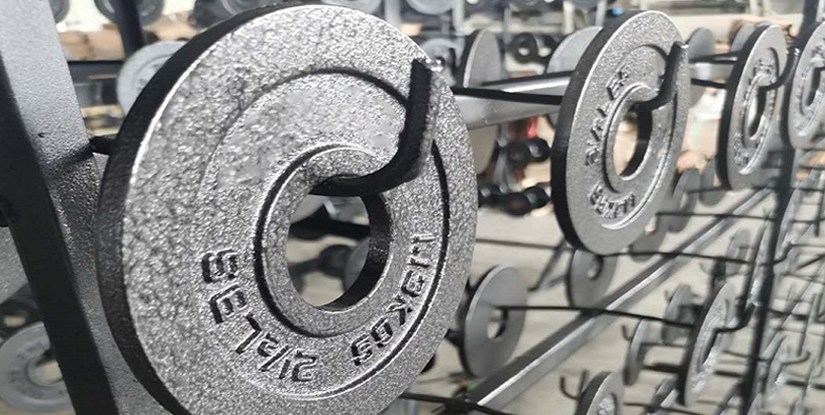
To ensure a seamless transition from production to delivery, we recommend requesting a detailed spec sheet and a formal quote during the initial sourcing phase. This allows you to confirm the exact weight tolerances, packaging specifications, and expected lead times for your specific volume. Before finalizing a bulk order, consider requesting a sample approval or a factory audit to verify the consistency of the coating adhesion and the quality of the export packaging, ensuring your shipment arrives ready for immediate commercial distribution.
China Factory Production and Quality Control Protocols
For distributors and gym procurement leads, understanding the technical workflow of a bumper plate trade manufacturer is essential for ensuring product longevity and reducing long-term maintenance costs. A professional China factory follows a rigorous sequence to transform raw elastomers and steel into high-performance equipment. This structured approach ensures that every bulk shipment meets the durability standards required for high-traffic commercial environments.
The manufacturing process begins with the core structure, typically involving high-density steel or heavy-duty internal components. This stage is followed by precision casting or molding, where high-grade rubber or polyurethane is integrated to provide impact absorption. A reliable commercial weight plate supplier will emphasize the transition from initial molding to final weight calibration, ensuring that the density of the material remains consistent across the entire production run. This precision is critical for maintaining concentricity and preventing uneven wear during heavy usage.
Once the molding and calibration phases are complete, the products undergo strict surface finishing and inspection. This may include secondary processes such as high-grade coating or edge-sealing to enhance durability. For those looking to secure a wholesale bumper plates contract, verifying these specific production milestones—from the initial casting to the final pre-shipment QC—is the best way to mitigate the risk of receiving substandard units with inconsistent weight or poor material adhesion.
Technical Specifications and Production Methodologies
Selecting the right specification requires a clear understanding of how different production routes impact the total cost of ownership. A professional bumper plate trade manufacturer will offer various tiers of construction to suit different budget and durability requirements. For instance, while standard rubber-coated options are common for general gym use, premium polyurethane options provide higher density and better long-term resilience for high-intensity training environments.
To assist in your procurement decision, the following table outlines the standard industry variations used by a leading OEM bumper plate factory. This comparison focuses on the qualitative differences in material and process that influence the final landed cost and product lifecycle.
| Material Tier | Production Process | Key Component/Detail | Commercial Application | MOQ Impact | Factory QC Focus |
|---|---|---|---|---|---|
| Standard Rubber | Compression Molding | High-density rubber shell | General commercial gyms | Standard | Edge bonding & thickness |
| Premium Polyurethane | Injection/Dip Molding | High-density PU core | High-traffic training centers | Higher | Coating adhesion & density |
| Budget/Basic | Sand Casting & Coating | Rubber-dipped steel/iron | Small studios/Home use | Lower | Weight tolerance & surface |
When negotiating with a commercial weight plate supplier, we recommend requesting a detailed spec sheet that clarifies the specific molding method used. For large-scale distributors, understanding the distinction between single-piece casting and two-piece assembly is vital, as this affects the long-term structural integrity and the frequency of replacement. We suggest confirming the specific calibration steps and the pre-shipment inspection protocols—such as weight spot-checks and coating adhesion tests—to ensure your bulk order aligns with your brand's quality standards.
Pre-Shipment Inspection and Export Standards
To mitigate the risk of high landed costs and post-arrival disputes, professional importers must verify the final stage of the supply chain. A reputable bumper plate trade manufacturer implements a multi-point pre-shipment inspection that goes beyond simple visual checks. This protocol typically includes a weight tolerance spot-check to ensure uniformity across the batch, as well as a coating adhesion test to confirm the outer layer will not peel or degrade under heavy commercial use. For high-volume distributors, these technical audits are the final defense against receiving inconsistent stock.
Beyond the product itself, the export packaging process is a critical component of the procurement strategy. Reliable units must be secured in heavy-duty, reinforced cartons designed to withstand the rigors of international sea freight and multiple handling points. A professional OEM bumper plate factory will utilize standardized palletization and corner protection to prevent structural deformation or edge damage during transit. We recommend that buyers confirm the specific packaging dimensions and pallet configurations during the initial quote phase to optimize container loading efficiency and reduce overall shipping volumes.
OEM and Private Label Customization Capabilities
For distributors and gym equipment importers, the ability to differentiate a product line is a critical driver of long-term market share. A specialized bumper plate trade manufacturer provides more than just bulk inventory; they offer the infrastructure required to build a proprietary brand. By utilizing OEM and ODM services, professional buyers can transition from selling generic commodities to managing a distinct product identity that commands higher margins in the competitive fitness market.
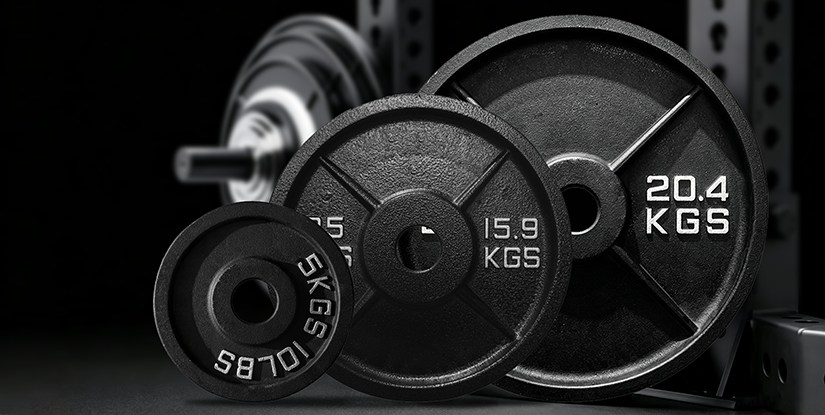
When sourcing through a China factory, the depth of customization options directly impacts your ability to meet specific regional or aesthetic demands. Whether you require specific color-coded weight markings, unique logo placement via silk-screen or heat transfer, or specialized edge-molding for premium studio sets, a dedicated supplier can integrate these requirements into the production line. This level of private label control allows you to align your equipment with a specific brand identity, ensuring that your clients recognize your unique quality standards across all product categories.
However, high-level customization often necessitates a defined MOQ to maintain cost-efficiency and production stability. For those looking to expand their catalog via wholesale procurement, understanding the relationship between custom specifications and unit price is essential for calculating landed costs and maintaining healthy distributor margins. Working with a professional commercial weight plate supplier ensures that your custom requests—from specialized weight tolerances to bespoke packaging—are executed within a standardized manufacturing framework.
Tiered Customization for Market Positioning
Professional procurement managers must decide whether to prioritize volume or specialized branding based on their target clientele. A single bumper plate trade manufacturer can typically accommodate two distinct production paths: high-volume standard runs for budget-conscious commercial gyms, or high-spec customized runs for boutique studios and premium fitness centers. Selecting the wrong tier can lead to higher replacement rates or diminished distributor margins due to mismatched durability expectations.
The following comparison outlines the technical and procurement differences between these two common commercial tiers to assist in your wholesale bumper plates sourcing strategy:
| Material & Finish | Primary Process | Commercial Duty Tier | Branding/Logo Method | Typical MOQ Impact |
|---|---|---|---|---|
| High-Density Rubber | Compression Molding | Premium / High-End Studio | Embedded or Raised Logo | Higher (due to specialized molds) |
| Polyurethane (PU) Coating | Dip Coating / Injection | Elite / Competition Grade | Precision Silk-Screen | Moderate to High |
| Standard Rubber/Vinyl | Sand Casting & Coating | Budget / General Commercial | Standard Color Coding | Lower (optimized for wholesale) |
When evaluating an OEM bumper plate factory, ensure that your chosen customization level aligns with your long-term TCO (Total Cost of Ownership) projections. For instance, while a standard rubber coating offers a lower initial landed cost, a premium PU coating provides superior resistance to wear and environmental factors, which is often a key requirement for high-traffic commercial environments. We recommend requesting a sample approval and a detailed spec sheet to verify that the material density and branding adhesion meet your specific market standards before finalizing a bulk order.
Precision Execution in Custom Manufacturing
To ensure brand consistency, a professional OEM bumper plate factory must integrate high-precision technical processes into the standard production workflow. For premium tiers, the manufacturing sequence moves beyond basic casting to include advanced CNC machining. This step is critical for refining the center bore and ensuring the concentricity required for high-velocity lifting, which reduces uneven wear on barbell sleeves. In many commercial settings, this precision is what separates a standard unit from a high-performance piece of equipment.
The technical execution of a custom order also relies heavily on the durability of the surface treatment. A reliable commercial weight plate supplier will utilize specialized methods for color matching and logo application to ensure the branding does not peel or fade under heavy use. For example, while standard silk-screening may suffice for budget lines, high-traffic studio orders often require heat-transfer or embedded branding to maintain a professional aesthetic. This attention to detail prevents the common failure mode where worn-out logos diminish the perceived value of your private label brand.
Final reliability is secured through a rigorous pre-shipment QC protocol. Before any container is loaded, the factory should conduct spot-checks on weight calibration, coating adhesion, and the integrity of the rubber-to-core bond. For distributors managing complex wholesale bumper plates shipments, verifying these steps is vital to minimizing after-sales claims and ensuring a predictable lead time. We recommend that procurement leads request a detailed production timeline and a specific QC checklist to confirm that all custom specifications are met before the final export departure.
Logistics, Export Packaging, and Bulk Sourcing Optimization
Effective logistics management is a critical pillar for any bumper plate trade manufacturer looking to maintain high distributor margins. For professional importers, the total landed cost is determined not just by the unit price, but by how efficiently the China factory manages bulk shipping and damage prevention during long-distance transit.
Optimizing sea freight efficiency requires precise palletization strategies to maximize container utilization. When sourcing wholesale bumper plates, buyers must ensure that export packaging—such as heavy-duty reinforced cartons and customized pallet wrapping—is robust enough to withstand the rigors of international maritime transport. A professional commercial weight plate supplier will prioritize high-density stacking and corner protection to prevent structural deformation or surface coating abrasions. By focusing on these structural logistics, an OEM bumper plate factory helps importers reduce breakage rates and ensure that the high-value inventory arrives at the destination warehouse in a condition that meets strict commercial standards.
Packaging Configuration and Shipping Standards
Selecting the correct shipping configuration is essential for maintaining a low total landed cost and ensuring inventory integrity. A professional bumper plate trade manufacturer must offer flexible packaging options tailored to the specific volume and durability requirements of the order. For high-volume distributors, the choice between palletized shipments and loose carton loading can significantly impact both container space efficiency and the risk of product damage during transit.
| Packaging Method | Typical Application | Protection Level | Logistics Advantage |
|---|---|---|---|
| Loose Carton Packing | Small to medium wholesale orders | Standardized for light duty | Maximizes individual unit flexibility |
| Reinforced Palletized Crates | Large-scale commercial weight plate supplier orders | High protection against impact | Optimized for rapid warehouse handling |
| Custom Export Crating | High-end OEM or premium precision sets | Maximum stability for sea freight | Reduces breakage during long-distance transit |
When coordinating with an OEM bumper plate factory, procurement managers should verify the specific packaging durability standards used for international sea freight protection. High-quality wholesale bumper plates should ideally arrive in reinforced, double-walled cartons, often secured on heat-treated pallets to meet international phytosanitary requirements. We recommend confirming the MOQ for custom crate configurations during the initial sourcing phase to ensure your shipment is optimized for both safety and container density.
Streamlining Lead Times and Pre-Shipment Protocols
Managing the production cycle requires a highly structured approach to avoid delays in the global supply chain. A professional bumper plate trade manufacturer must provide a transparent lead time that accounts for both the manufacturing duration and the necessary buffer for international logistics. For large-scale distributors, any disruption in the production schedule can lead to missed market opportunities or increased warehousing costs. Therefore, establishing a clear timeline—from the initial order confirmation through the final pre-shipment stage—is essential for predictable inventory management.
To maintain rigorous standards, a reliable OEM bumper plate factory implements a multi-stage QC inspection protocol. This process typically includes weight calibration checks, surface coating adhesion testing, and dimensional accuracy verification of the center bore. Beyond the product itself, the factory must also perform a comprehensive container loading inspection. This ensures that the weight distribution within the shipping container is balanced and that the customs documentation—including packing lists, commercial invoices, and certificates of origin—is perfectly aligned with the physical cargo. For professionals engaging in bulk sourcing, these meticulous steps mitigate the risk of port delays and ensure a seamless transition from the China factory to your local distribution center.