Olympic Plate Wholesale Factory: China Factory Bulk Supply
Optimizing Inventory with an olympic plate wholesale factory
Many procurement managers struggle with high landed costs and inconsistent weight tolerances when sourcing from fragmented traders, often resulting in dead stock or frequent replacements. A more efficient approach involves direct sourcing from a professional olympic plate wholesale factory to ensure consistency and scale. By leveraging China factory capability, distributors can optimize inventory optimization strategies, ensuring that every unit meets commercial-grade standards while maintaining healthy distributor margins through high-volume sourcing.
Selecting a reliable commercial weight plate supplier allows for better control over the entire supply chain, from initial wholesale order placement to final container loading. Whether you are managing a single large-scale facility or distributing to multiple gym networks, establishing a partnership with a specialized olympic plate manufacturing China facility provides the stability needed for long-term operational efficiency. This direct-to-factory model reduces the risk of receiving substandard batches that could compromise your brand reputation or increase maintenance workloads.
Evaluating Material Durability and Total Cost of Ownership
When selecting wholesale olympic plates, procurement professionals must look beyond the initial unit price to evaluate the long-term total cost of ownership (TCO). In a high-traffic commercial environment, the choice between base materials and surface finishes directly impacts maintenance frequency and the replacement cycle. While cast iron offers a cost-effective solution for strength training zones, high-endurance facilities often require advanced coatings to protect both the equipment and the surrounding flooring.
The following comparison assists in making an informed procurement decision by weighing the trade-offs between material durability and capital expenditure. A professional olympic plate wholesale factory will typically offer these variations to satisfy different market segments, from budget-friendly training centers to premium boutique studios.
| Material Type | Surface Coating | Typical Commercial Use | Durability Profile | Procurement Value |
|---|---|---|---|---|
| Cast Iron | Paint or Powder Coating | Strength/Powerlifting Zones | High impact resistance; requires standard maintenance | Optimal for high-volume/low-cost scaling |
| Rubber Coated | Vulcanized Rubber | Crossfit and Functional Training | Excellent shock absorption; reduces floor wear | Mid-range TCO; ideal for high-impact areas |
| Urethane (PU) | Polyurethane Coating | Premium Commercial Gyms | Superior abrasion resistance; maintains color integrity | Higher initial CAPEX; lowest long-term replacement rate |
Understanding these material nuances allows distributors to align their product catalogs with specific client needs. We recommend reviewing technical spec sheets for each coating type to confirm adhesion quality and thickness standards before finalizing a bulk order. To ensure your selection meets your specific facility requirements, please contact us to request a sample evaluation or to confirm the MOQ for customized coating options.
Material Selection and Manufacturing Standards for Commercial Plates
Reliable sourcing begins with understanding the structural integrity of the units being ordered. When a distributor or gym owner identifies a professional olympic plate wholesale factory, they are essentially auditing the metallurgical consistency of the production line. High-volume procurement requires a focus on materials that withstand high-frequency impact and rigorous usage cycles without compromising the weight accuracy or structural safety of the equipment.
Most commercial-grade plates utilize high-quality cast iron or solid steel as the primary core. The selection between these materials often dictates the long-term durability and the total cost of ownership for the end-user. A professional commercial weight plate supplier will typically offer various surface treatments—ranging from basic paint to advanced powder coating—to manage oxidation risks and impact resistance in high-traffic environments.
Ensuring a precise weight tolerance is the most critical technical requirement during the machining and calibration stages. In a professional olympic plate manufacturing China workflow, this involves a sequence of casting, precision machining of the center bore, and rigorous weight spot-checks to ensure that every unit in a bulk shipment meets the expected standard. Discrepancies in plate density or concentricity can lead to uneven barbell loading, which increases maintenance costs and reduces the professional quality of the facility.
| Material Type | Surface Finish | Commercial Duty Tier | Procurement Value (TCO) | Best Use Case |
|---|---|---|---|---|
| Cast Iron | Painted or Powder Coated | Standard Commercial | High (Low Initial Cost) | General Gyms / CrossFit Boxes |
| Solid Steel | Chrome or Galvanized | Premium / Competition | Moderate (High Durability) | Professional Training Facilities |
| Cast Iron Core | Rubber or PU Encapsulated | High-End Commercial | High (Protects Flooring) | Premium Fitness Clubs |
For importers, selecting the right specification affects not just the initial wholesale price, but also the long-term maintenance load and replacement frequency. We recommend reviewing technical spec sheets and confirming the calibration process with your factory to ensure the product aligns with your specific market positioning.
Technical Manufacturing Processes and Surface Treatments
The structural integrity of wholesale olympic plates depends heavily on the precision of the initial casting and the quality of the subsequent finishing. Most high-volume production starts with sand casting to create the core shape, followed by CNC machining to ensure the center bore is perfectly concentric. This machining stage is vital; without precise calibration, the plates may exhibit uneven weight distribution, which can lead to increased wear on barbells and higher replacement costs for the end-user.
Surface durability is the next critical variable in the procurement decision. A professional olympic plate manufacturing China facility will utilize specific coating methods to protect the metal core from oxidation and physical impact. For example, while basic paint offers a low-cost solution, advanced powder coating provides a much more resilient barrier against chipping and scratches in high-traffic environments. For premium facilities, the use of PU coating or rubber encapsulation offers superior shock absorption and floor protection, though it typically involves a different MOQ and higher unit cost compared to standard iron plates.
When auditing a potential supplier, buyers should focus on the consistency of these processes. A high-quality production line follows a strict sequence: casting, machining, surface treatment, and a final pre-shipment QC check. This sequence ensures that the coating adhesion is strong and that the weight-to-bore ratio remains within acceptable industry standards. Failure to verify these technical details can result in higher landed costs due to increased damage during transit or a higher rate of product returns from the end-user.
Before finalizing a bulk order, we suggest requesting a sample or a detailed process report to verify the thickness and adhesion of the surface finishes. Confirming the specific manufacturing route and the calibration standards used by the factory will help you mitigate risks and ensure your inventory meets the durability expectations of your commercial clients.
Precision Machining and Surface Finishing Processes
Maintaining strict weight tolerance and concentricity is the primary indicator of a high-tier olympic plate wholesale factory. For professional distributors, a slight deviation in the center of gravity or a non-flat surface can lead to uneven wear on barbell sleeves and increased maintenance costs for end-users. When managing bulk sourcing, understanding the technical rigor of the manufacturing line is essential to ensuring long-term commercial durability.
A standard production sequence begins with high-grade sand casting of the iron core, followed by essential machining stages to ensure the inner bore is perfectly circular and centered. This precision machining prevents the plate from wobbling during high-volume use in commercial settings. After the structural shaping, the units undergo a surface finishing process—typically involving phosphate treatment or heavy-duty powder coating—to prevent oxidation and improve impact resistance. A professional commercial weight plate supplier ensures that the coating adhesion is uniform across all edges to prevent chipping during transit or heavy lifting.
For importers, the quality of the olympic plate manufacturing China process is often verified through specific technical checkpoints. A reliable China factory will implement a calibration step where each batch is spot-checked for weight consistency and dimensional accuracy. This level of control minimizes the risk of receiving non-compliant stock that could damage a client's reputation or increase the total cost of ownership (TCO) due to premature replacement needs.
Surface Finishing and Coating Comparison for B2B Selection
Selecting the correct finish is a critical decision for distributors and gym owners, as it directly impacts the TCO and the aesthetic longevity of the equipment. The choice of coating determines how the plates handle high-impact drops, how they interact with flooring, and how much maintenance the end-user will require. When ordering wholesale olympic plates, matching the coating type to the specific facility environment—such as high-traffic commercial gyms versus boutique studios—is essential for maximizing distributor margins and client satisfaction.
For instance, a standard powder coating offers a rugged, matte finish that is highly resistant to scratches and oxidation, making it a staple for budget-conscious commercial facilities. However, for premium installations where noise reduction and floor protection are priorities, a rubber coating or high-density PU coating is often the preferred specification. These advanced finishes provide a thicker, more resilient layer that absorbs impact energy and protects the weight plate core from environmental wear.
| Material Finish | Typical Process | Commercial Duty Tier | Best Use Case | Procurement Advantage |
|---|---|---|---|---|
| Bare Iron / Painted | Sand Casting + Enamel | Budget Commercial | Standard Strength Gyms | Lowest landed cost per unit |
| Powder Coated | Machining + Powder Line | Standard Commercial | General Fitness Centers | High durability and low maintenance |
| Rubber Coated | Molding / Encapsulation | Premium Commercial | High-Impact Training Areas | Noise reduction and floor protection |
| PU Coated | Polyurethane Dip | Premium / Boutique | Studio & Specialized Facilities | Superior color retention and texture |
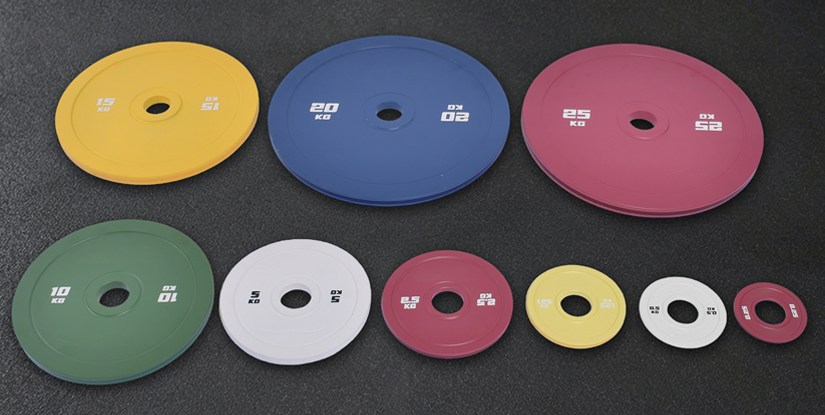
When evaluating your next batch, we recommend requesting a sample of the specific coating type to inspect the adhesion quality and edge smoothness. A professional supplier will be able to provide high-resolution details on how their specific coating method handles heavy-duty use. For large-scale projects, confirming the compatibility between the coating and your local shipping/storage conditions is a vital step in a successful sourcing strategy.
China Factory QC and Export Packaging Protocols
Maintaining strict quality control is a prerequisite for any professional olympic plate wholesale factory looking to serve international distributors. When sourcing high-volume inventory, buyers must mitigate the risk of receiving uneven or poorly finished units that could damage expensive barbell sleeves or increase maintenance costs. A reliable commercial weight plate supplier implements a multi-stage verification process to ensure every batch meets international commercial-grade standards before leaving the China factory.
The production sequence begins with precision machining to ensure structural integrity. Following the casting phase, each unit undergoes a critical concentricity check and surface finishing. This ensures that the central bore remains perfectly centered, preventing wobbling during high-intensity training. Once the dimensions are verified, the plates move to the calibration stage. In many professional settings, this involves a rigorous weight calibration process to ensure consistency across the entire production run, which is vital for maintaining the professional reputation of your brand.
To protect the investment of overseas importers, specialized export packaging is utilized to prevent transit damage. This includes checking the coating adhesion and the integrity of the rubber or paint finish. For bulk orders, the wholesale process concludes with secure palletization and container loading optimization, ensuring that the olympic plate manufacturing China workflow results in a safe, cost-effective, and high-quality arrival at your warehouse or distribution center.
Standardized QC and Export Verification
Effective sourcing requires understanding the technical checkpoints used by a top-tier commercial weight plate supplier. Below is a typical quality verification framework used during the pre-shipment phase to ensure product reliability.
| Inspection Stage | Focus Area | Commercial Duty Requirement | QC Verification Method |
|---|---|---|---|
| Post-Machining | Bore Diameter & Concentricity | Smooth barbell interface | Centering and diameter check |
| Surface Finishing | Coating Adhesion & Texture | Durability under high usage | Visual and touch inspection |
| Weight Calibration | Mass Consistency | Standardized weight increments | Weight spot-check against target |
| Pre-Shipment | Export Packaging Integrity | Damage-free container arrival | Drop test and pallet stability |
Optimizing the landed cost for international distributors requires more than just a low unit price; it requires a sophisticated approach to logistics and protection. For high-volume buyers, the most significant hidden expense often arises from transit-related damage or inefficient container utilization. A professional olympic plate wholesale factory addresses this by integrating strict export packaging protocols directly into the production workflow. By prioritizing shipping durability and spatial efficiency, a specialized olympic plate manufacturing China facility helps minimize the total cost of ownership for the end importer.
Standard palletization procedures are designed to maximize container density while protecting the structural integrity of the plates. For bulk orders involving heavy cast iron or rubber-coated units, the wholesale process typically includes reinforced corner protection, heavy-duty corrugated cardboard layers, and moisture-resistant wrapping. This multi-layered defense prevents oxidation of bare iron surfaces and protects the finish of premium coated plates during long-sea transit. When managing large-scale procurement, ensuring that your commercial weight plate supplier utilizes standardized pallet dimensions and secure shrink-wrapping is essential for reducing warehouse handling time and optimizing shipping costs.
To ensure a seamless transition from the factory floor to your distribution center, we recommend that buyers confirm specific packaging requirements during the initial quote stage. Whether you require custom branding on individual boxes or specific pallet configurations for easier unloading, these details should be finalized during the pre-shipment inspection phase. Contact our team to request a detailed specification sheet, confirm your MOQ, or discuss customized export packaging solutions tailored to your regional logistics requirements.
| Plate Type | QC Focus | Packaging Standard | Shipping Risk Level |
|---|---|---|---|
| Cast Iron | Bore diameter and surface smoothness | Reinforced corrugated cartons and heavy-duty pallets | Moderate (Oxidation risk) |
| Bumper Plates | Edge thickness and rubber density | Double-walled boxes and moisture-resistant wrapping | Low (Impact durability) |
| Polyurethane Coating | Coating adhesion and color uniformity | Protective film layers and reinforced corner guards | Low (Surface scratch risk) |
When evaluating your next batch, understanding the relationship between material type and logistics is vital. A professional olympic plate wholesale factory provides tiered packaging to suit different material needs. For example, while cast iron requires protection against moisture and oxidation, high-end polyurethane coating units require specialized care to prevent surface abrasions during long-sea transit. Selecting the right wholesale tier ensures that your commercial weight plate supplier delivers a product that arrives in showroom condition, protecting your distributor margins and reducing the need for replacement-related overhead.
Custom Branding and OEM/ODM Capabilities for Distributors
For professional importers and specialized fitness retailers, moving beyond generic inventory is essential for building a lasting market presence. Partnering with a professional olympic plate wholesale factory allows you to transition from a simple reseller to a recognized brand owner. By leveraging OEM and ODM services, you can integrate your unique brand identity directly into the product line, ensuring that your clients associate high-performance equipment exclusively with your company name.
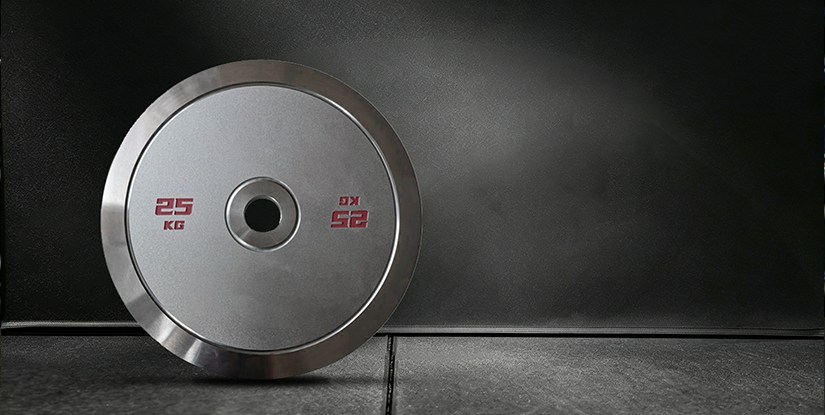
A sophisticated China factory provides the technical infrastructure required for high-level private label production. Rather than purchasing standard stock, distributors can request custom branding solutions such as precision logo embossing on the plate face or specialized color customization to match a specific team or studio aesthetic. These capabilities are not merely cosmetic; they serve as a powerful tool for market differentiation. When your products feature consistent, high-quality branding, it elevates the perceived value of your entire catalog, allowing you to command better distributor margin and build long-term loyalty in competitive commercial sectors.
Successful olympic plate manufacturing China requires more than just basic production; it demands a structured technical workflow to ensure brand consistency across high-volume orders. The transition from a raw casting to a finished, branded product typically involves a sequence of specialized stages. Most professional orders begin with high-precision sand casting to establish the base plate shape. Following this, the units undergo CNC machining to ensure the center bore is perfectly concentric and the weight distribution remains balanced. This precision is critical for distributors, as any deviation in plate thickness or hole alignment can lead to high return rates and damaged reputation.
Once the structural integrity is verified, the olympic plate wholesale factory applies the final aesthetic and protective layers. Depending on your brand requirements, this may involve a multi-stage powder coating line for a durable, matte finish or a high-grade urethane dip for premium bumper plates. For customized orders, the factory integrates logo embossing or specialized paint-layer branding during the surface finishing stage. To maintain operational efficiency, it is vital to coordinate with your supplier regarding the production cycle. Customization steps—such as specialized mold customization for unique shapes or specific color-coding for weight increments—will naturally impact the standard lead time. We recommend confirming your specific design requirements and the required MOQ early in the procurement process to ensure your shipping schedule remains optimized for your local warehouse demands.
Strategic Sourcing: Wholesale vs. Custom OEM Models
Selecting the right procurement model depends on your current inventory strategy and long-term brand objectives. While high-volume wholesale olympic plates orders offer the fastest way to restock standard SKUs, a structured OEM or ODM approach provides the differentiation necessary for market leaders. Understanding the trade-offs between speed, cost, and customization is essential for maintaining healthy distributor margins and reliable warehouse turnover.
| Procurement Tier | Customization Level | Branding Method | Production Time | Cost Impact | MOQ Requirements |
|---|---|---|---|---|---|
| Standard Wholesale | Minimal (Standard Specs) | Factory Default or Basic Sticker | Short (Existing Stock) | Lowest (High Volume Savings) | Lower / Standard |
| Private Label | Moderate (Color/Finish) | Pad Printing or Paint Layer | Medium (Standard Production Cycle) | Moderate Increase | Standard Tier |
| Full OEM/ODM | High (Full Spec Customization) | Embossed Casting or Precision Mold | Long (Custom Tooling/Setup) | Highest (Premium Tier) | Higher / Volume Based |
For distributors focused on rapid fulfillment, sourcing standard wholesale olympic plates directly from a China factory is the most efficient method to minimize landed cost and reduce lead time. However, for those building a premium commercial weight plate supplier reputation, the ODM route allows for deep technical integration. This includes specifying the exact density of the rubber coating or the specific thickness of the steel ring to ensure your products meet unique regional commercial standards. We suggest reviewing your MOQ targets and technical spec sheets before finalizing your order to ensure your sourcing plan aligns with both your budget and your brand's growth trajectory.
Sourcing Strategy: MOQ, Lead Time, and Landed Cost Management
For professional importers, selecting a reliable olympic plate wholesale factory is not just about the unit price; it is about mastering the variables of bulk procurement. Effective inventory management requires a precise understanding of how MOQ requirements and lead time fluctuations impact your total landed cost and warehouse capacity. When sourcing directly from a China factory, failing to synchronize these logistics can lead to stockouts or excessive capital tie-up in slow-moving SKUs.
Optimizing your distributor margin requires a strategic approach to wholesale olympic plates ordering cycles. A professional commercial weight plate supplier provides more than just equipment; they provide predictable supply chain windows. By aligning your sourcing schedule with factory production cycles, you can mitigate the risks of shipping delays and ensure that your inventory turnover remains high, maintaining a competitive edge in the North American market.
Strategic Procurement: Sourcing Model Comparison
Distributors and procurement managers must decide between the speed of local stock and the high-margin potential of direct manufacturing. While trading companies offer low-volume flexibility, a direct olympic plate wholesale factory provides the necessary scale for large-scale gym deployments and long-term contract fulfillment. This comparison helps you evaluate the trade-offs between immediate availability and the optimized landed cost associated with large-scale sea freight.
| Sourcing Model | Primary Advantage | Customization Capability | Typical MOQ | Supply Chain Focus |
|---|---|---|---|---|
| Direct Factory Sourcing | Maximum wholesale margin | Full OEM/ODM support | Higher/Volume-based | Long-term sourcing stability |
| Trading Company | Rapid local fulfillment | Limited/Standardized | Lower/Flexible | Short-term inventory needs |
| Direct olympic plate manufacturing China | Lowest landed cost | High (Custom Branding) | High/Container-load | Direct production control |
When managing a large-scale import, your choice of supplier dictates your ability to offer unique product lines. Utilizing OEM services allows you to integrate your own brand identity into the casting or coating process, transforming a generic commodity into a proprietary product. To ensure your business model remains profitable, we recommend requesting a detailed spec sheet and confirming the current MOQ for your specific weight categories before finalizing your procurement roadmap.
Optimizing Logistics: Export Packaging and Container Efficiency
A significant portion of your total landed cost is determined by how effectively you utilize shipping volume. For high-density items like weight plates, inefficient export packaging can lead to wasted space in a sea container, effectively increasing your per-unit shipping cost. A professional olympic plate manufacturing China partner understands that weight and volume must be balanced to maximize the capacity of a 20ft or 40ft High Cube container.
To maintain high wholesale margins, distributors should prioritize suppliers who implement rigorous container optimization protocols. This includes using heavy-duty, reinforced cartons designed to withstand the pressure of stacked plates and ensuring that the internal palletization or crate structure prevents movement during transit. By coordinating with your supplier to optimize the loading pattern, you reduce the risk of damage during freight handling and minimize the impact of customs inspection delays caused by poorly secured or unstable loads. For large-scale bulk order efficiency, we suggest requesting a preliminary packing list and container load plan during the initial quote phase to accurately forecast your final arrival costs.