Olympic Plate Custom Manufacturer: OEM Contract Supply
Defining the Standards of an Olympic Plate Custom Manufacturer
A professional olympic plate custom manufacturer provides specialized production capabilities for high-volume fitness distributors and gym equipment importers. These experts specialize in high-precision casting and molding processes to ensure every unit meets the rigorous durability and weight consistency required for global commercial weightlifting and strength training environments.
For professional distributors and procurement leads, sourcing from a specialized China factory reduces the risk of inconsistent weight distributions and premature material degradation. Whether you are ordering high-density cast iron plates for traditional strength training or high-performance rubber/urethane bumper plates for high-impact cross-training, selecting a reliable supplier is critical for maintaining your brand's reputation and long-term TCO (Total Cost of Ownership).
The difference between a standard production line and a commercial weight plate OEM facility lies in the control of the manufacturing sequence. A tier-one custom bumper plate factory must manage everything from the initial sand casting or centrifugal molding of the core to the precision machining of the inner ring, ensuring the 50.6mm bore remains concentric and compatible with standard Olympic barbells. Without strict weight tolerance management during the calibration stage, bulk shipments may face high return rates due to uneven loading during commercial use.
Material and Manufacturing Process Comparison
Understanding the technical distinctions between different production methods is essential for optimizing your landed cost and meeting specific market demands. For instance, while sand casting is a common and cost-effective method for producing high-volume iron plates, centrifugal casting or advanced molding techniques are required for premium bumper plates to ensure uniform density and impact resistance.
When you engage an olympic plate custom manufacturer, you are not just purchasing a product; you are selecting a specific manufacturing route that dictates the durability and surface finish of your inventory. A professional custom bumper plate factory will typically offer a range of coating options, from standard powder coating to high-durability PU coating, to suit different commercial environments.
| Material Type | Primary Process | Key Component | Commercial Duty | MOQ Impact | Factory QC Point |
|---|---|---|---|---|---|
| Cast Iron | Sand Casting | Steel Inner Ring | Traditional Strength Training | Standard | Weight Calibration |
| Rubber/Urethane | Centrifugal Casting / Molding | Steel Hub | High-Impact Cross-Training | Higher | Coating Adhesion |
| Steel Core | Machining & Coating | Precision Bore | Competition/Premium Use | Premium | Concentricity Check |
For distributors looking to maximize profit margins, choosing the right combination of material and process is vital. A budget-friendly sand casting process for iron plates offers excellent value for high-volume wholesale, whereas a more complex molding process for bumper plates provides the long-term durability required for high-traffic commercial gyms. We recommend confirming the specific weight calibration and pre-shipment QC protocols with your chosen supplier to ensure all bulk orders meet your local market standards.
Supply Chain Efficiency: MOQ, Lead Time, and Export Standards
Navigating the complexities of international sourcing requires more than just a product specification sheet; it requires a partner who understands the logistical demands of bulk procurement. A professional olympic plate custom manufacturer provides structured solutions for managing large-scale inventory, particularly regarding the balance between MOQ requirements and production lead times. For distributors, the goal is to secure high-quality, consistent stock without tying up excessive capital in long-term production cycles.
Reliable OEM and ODM partners offer tiered production schedules that accommodate both high-volume wholesale orders and specialized, low-volume custom branding projects. When planning your annual procurement, it is essential to account for the time required for material seasoning, casting, and the multi-stage QC process. A well-organized factory will provide transparent timelines that include buffer periods for calibration and pre-shipment inspection, ensuring that your bulk orders arrive on schedule and meet the expected weight accuracy.
Beyond production, the final stage of the supply chain—export packaging and container loading—is a critical factor in controlling your total landed cost. A specialized custom bumper plate factory understands that heavy, high-density items require reinforced, moisture-resistant packaging to survive long-distance maritime transit. This includes heavy-duty cardboard, palletization, and optimized container loading configurations to prevent shifting and damage during sea freight. By ensuring that the export packaging is robust and the loading plan is optimized, a professional supplier helps you minimize shipping overhead and prevent costly damage claims upon arrival at your warehouse.
To optimize your procurement strategy, we recommend requesting a detailed specification sheet and a formal quote during your initial inquiry. Whether you need to confirm the specific MOQ for a custom color run or require a factory audit to verify quality control protocols, proactive communication is the key to successful long-term sourcing. Contact us to discuss your bulk pricing requirements or to begin the sample approval process for your next project.
Material Selection and Manufacturing Processes for Commercial Weight Plates
Selecting a professional olympic plate custom manufacturer requires a deep understanding of how base materials and finishing processes dictate the total cost of ownership for gym operators. When sourcing high-volume orders, distributors must choose between the density of cast iron and the impact-absorption of advanced polymers to ensure long-term durability and minimal maintenance overhead.
A reliable custom bumper plate factory will typically offer a tiered selection of materials to suit different commercial environments, ranging from standard high-density rubber to premium polyurethane. The choice of material directly influences the landed cost and the replacement frequency of the equipment in high-traffic facilities.
Commercial Grade Material and Process Comparison
| Material Type | Primary Process | Key Component | Commercial Duty Tier | Durability Profile |
|---|---|---|---|---|
| Cast Iron | Sand Casting & Machining | Steel Hub | Budget / Standard | High impact resistance; prone to chipping if unprotected |
| Rubber Bumper | Compression Molding | Internal Steel Core | Commercial / High-Traffic | Excellent shock absorption; protects flooring and equipment |
| Polyurethane (PU) | Injection/Dip Coating | Precision Steel Hub | Premium / Competition | Maximum lifespan; highly resistant to abrasion and cracking |
For distributors looking for a commercial weight plate OEM partner, understanding the distinction between a single-piece cast construction and a multi-piece assembly is vital. While a China factory may offer lower MOQ on basic cast iron plates, the long-term ROI of rubberized or PU-coated options is often higher in professional strength and conditioning centers due to reduced vibration and noise. When managing wholesale inventory, buyers should verify the quality of the internal steel hub and the adhesion of the outer coating to prevent premature failure during heavy usage cycles.
Precision Casting and Surface Finishing Standards
The structural integrity of a weight plate is determined long before the final packaging. A professional olympic plate custom manufacturer utilizes standardized industrial routes to ensure each unit meets commercial expectations. For cast iron variants, the process typically begins with sand casting, followed by precision machining of the central bore to ensure concentricity and a smooth fit on Olympic barbells. This sequence is critical for preventing wobbling or uneven weight distribution during heavy lifts.
Beyond the core structure, the surface finishing defines the product's longevity in a professional setting. Most high-tier manufacturers employ a specialized powder coating line to provide a durable, scratch-resistant layer over cast iron or steel. For high-end bumper plates, the process involves advanced molding or dip coating, such as polyurethane application, to create a seamless, high-density shell. This protects the internal steel core and ensures the plate can withstand repeated high-impact drops without cracking or losing its aesthetic identity. When evaluating a supplier, it is essential to confirm if these finishing steps are integrated into their standard production line to maintain consistent quality across large bulk orders.
Strict Quality Control and Pre-Shipment Inspection Protocols
For professional importers, the greatest risk in bulk procurement is receiving a shipment with inconsistent weight or structural flaws. A professional olympic plate custom manufacturer implements a multi-stage quality control system to mitigate these risks. A high-standard custom bumper plate factory does not merely rely on visual checks; they utilize calibrated testing to ensure every unit meets the necessary specifications for commercial use. This rigorous approach reduces the long-term replacement costs and protects the distributor's reputation.
The inspection process focuses on several critical technical points that directly impact the performance of the equipment. First, weight calibration is essential to ensure that every plate within a batch falls within an acceptable industry-standard tolerance. Second, a concentricity check is performed to verify that the central bore is perfectly centered; a lack of precision here can cause uneven weight distribution and bar oscillation during heavy lifts. Furthermore, for rubberized or PU units, the factory must conduct a coating adhesion test to ensure the outer layer will not peel or crack under repeated impact or temperature fluctuations.
The final stage of the commercial weight plate OEM workflow is the pre-shipment QC and logistics safety assessment. Before any container is loaded, the factory must verify the integrity of the export packaging. For heavy, high-volume orders, this includes using reinforced heavy-duty cartons and securing pallets to prevent shifting during sea freight. A reliable olympic plate custom manufacturer will also inspect the cleanliness of the central hub and the durability of the branding to ensure the product arrives in a retail-ready state. When finalizing your sourcing plan, always request a detailed pre-shipment inspection report or a sample approval from the factory to confirm these standards are met before the final payment and dispatch.
Technical Specifications and Component Integrity in Bumper Plate Production
When sourcing high-performance training equipment, professional distributors must prioritize structural integrity to ensure long-term commercial durability. An experienced olympic plate custom manufacturer understands that high-end bumper plates require a sophisticated marriage of a precision-engineered steel core and a high-grade high-density rubber encapsulation. This construction is essential for maintaining consistent bounce and maximizing impact resistance in high-traffic strength facilities.
For procurement leads managing large-scale facility fit-outs, the choice of materials directly influences the total cost of ownership. Selecting a commercial grade solution from a reliable China factory ensures that the units can withstand rigorous drop tests without premature cracking or de-lamination. This technical reliability reduces long-term maintenance loads and replacement cycles for your clients.
Optimizing your sourcing strategy involves more than just comparing price points; it requires validating the manufacturing sequence. A professional custom bumper plate factory typically utilizes a multi-stage process involving precision machining of the inner ring, followed by high-pressure vulcanization of the rubber shell to prevent air pockets and uneven weight distribution. This level of engineering is what separates professional-tier commercial weight plate OEM products from budget-grade alternatives, ensuring a stable, high-quality finish that meets international wholesale standards.
Material and Process Comparison for Bulk Procurement
To assist procurement managers in selecting the most cost-effective and durable options for their inventory, we have categorized the primary production routes used by a leading olympic plate custom manufacturer. Choosing between different material compositions and molding techniques allows distributors to align their product offerings with specific market segments, from budget-friendly training centers to premium performance studios.
| Material Type | Manufacturing Process | Core Structure | Commercial Duty Tier | MOQ Impact | Primary Factory QC Focus |
|---|---|---|---|---|---|
| High-Density Rubber | Compression Molding | Solid Rubber or Steel | Premium / Professional | Higher | Concentricity and surface density |
| Polyurethane (PU) | Injection Molding | Precision Steel | Elite / Competition | Highest | Coating adhesion and weight tolerance |
| Standard Rubber | Vulcanization | Cast Iron or Steel | Standard Commercial | Moderate | Edge smoothness and impact resilience |
| Vinyl / PVC | Dip Coating | Solid Core | Budget / Entry-Level | Lowest | Coating thickness and seam integrity |
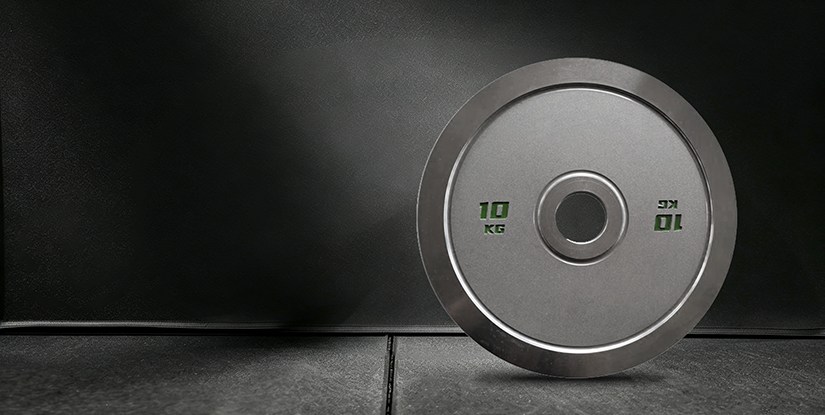
When evaluating a custom bumper plate factory, it is vital to inspect the quality of the inner ring and the encapsulation layer. A common failure mode in lower-tier production is poor coating adhesion or uneven weight distribution caused by air pockets during the molding stage. For high-volume commercial weight plate OEM orders, we recommend prioritizing injection-molded or high-pressure compression-molded units. These processes ensure the center hole remains perfectly calibrated for standard Olympic bars, reducing the risk of wobbling or uneven wear during heavy use. By verifying these technical benchmarks during your pre-shipment inspection, you can protect your distributor margins and ensure a high-quality landed cost for your end users.
Critical Inspection Benchmarks for Bulk Importation
For distributors and large-scale importers, the risk of high return rates stems from overlooked technical deviations in the production chain. A professional olympic plate custom manufacturer must implement rigorous quality control protocols that extend far beyond simple visual checks. Key technical parameters such as weight tolerance, concentricity, and surface finish must be validated across every batch to ensure the product meets the strict demands of professional strength environments.
During the pre-shipment inspection phase, a qualified custom bumper plate factory should provide documented evidence of several critical checks. First, weight tolerance must be monitored through regular calibration to ensure consistency across the entire shipment. Second, the concentricity of the central bore is vital; any deviation can lead to uneven loading on premium Olympic bars, causing mechanical stress. Finally, the surface finish and coating adhesion must be inspected to prevent peeling or cracking under high-impact conditions. Addressing these technicalities during the sourcing stage prevents the landed cost from rising due to faulty inventory or client complaints.
Effective commercial weight plate OEM procurement also requires a focus on the final logistics layer. Reliable olympic plate custom manufacturer partners will utilize heavy-duty export packaging designed to protect the integrity of the rubber and steel components during long-distance maritime transit. This includes reinforced corner protection and moisture-resistant layering to prevent oxidation or structural deformation within the shipping container. For high-volume orders, we suggest confirming the specific export packaging standards and the lead time for your custom specifications during the initial quote request to ensure seamless warehouse integration upon arrival.
Custom Branding and OEM/ODM Capabilities for Global Distributors
Partnering with a professional olympic plate custom manufacturer allows distributors and gym equipment importers to transition from a simple reseller to a recognized brand owner. For those managing high-volume procurement, utilizing OEM and ODM services is the most effective way to build a unique market position. By controlling design specifications and product identity, you can differentiate your catalog from generic stock offerings found in the standard wholesale market.
Establishing a strong brand identity requires more than just a logo; it requires consistency in product feel, weight calibration, and aesthetic appeal. Through a specialized custom bumper plate factory, you can request specific custom logo applications—such as raised casting, recessed debossing, or high-durability paint overlays—to ensure your private label products meet premium market expectations. This level of customization is essential for distributors looking to supply high-end commercial fitness centers or specialized strength training studios.
While customization offers significant competitive advantages, it also involves managing specific MOQ requirements to maintain healthy distributor margins. A professional commercial weight plate OEM partner will provide clear guidance on how design specifications—ranging from the thickness of the rubber bumper to the texture of the center ring—impact both the final landed cost and the production lead time. Whether you are looking for a standard color palette or a completely bespoke color scheme for your brand identity, working directly with a factory ensures that your technical requirements are integrated into the initial sourcing phase.
Technical Customization Matrix for Professional Procurement
To assist in your sourcing evaluation, the following table outlines the typical technical tiers offered by a professional olympic plate custom manufacturer. Choosing the correct specification is critical for balancing product durability with your target landed cost and MOQ thresholds.
| Material Tier | Surface Finish & Process | Key Component Detail | Commercial Duty | MOQ Impact | Factory QC Point |
|---|---|---|---|---|---|
| Cast Iron | Paint or Enamel | Standard Steel Hub | Budget / Commercial | Low | Coating Adhesion |
| High-Density Rubber | Compression Molding | Integrated Steel Core | Premium / High-Impact | Moderate | Bore Concentricity |
| Polyurethane (PU) | Multi-layer PU Coating | Precision Machined Hub | Elite / Competition | High | Surface Uniformity |
When managing a wholesale order, it is vital to understand how these processes affect long-term maintenance. For example, while a standard powder coating is cost-effective for general gym supplier catalogs, a high-grade PU coating offers superior durability for high-traffic commercial environments. A specialized custom bumper plate factory can adjust the thickness of the outer encapsulation or the texture of the center ring to meet your specific brand identity requirements. We recommend requesting a sample evaluation to confirm how different branding methods—such as recessed casting versus surface printing—align with your quality standards before finalizing your bulk sourcing contract.
Standardized Manufacturing Workflow and Quality Control
For professional buyers, the reliability of a olympic plate custom manufacturer is measured by the transparency of its production sequence. A standard industrial workflow begins with high-grade material preparation, followed by precision casting or molding. For high-end units, the process typically includes CNC machining of the central steel hub to ensure perfect concentricity and a smooth fit on Olympic barbells. This mechanical refinement is critical to prevent uneven weight distribution, which can lead to premature wear on commercial barbell sleeves.
After the structural formation, the plates undergo specialized surface finishing, such as sandblasting or chemical cleaning, to prepare the surface for a durable powder coating or polyurethane application. This stage is vital for long-term durability in high-traffic environments. Following the coating, a final calibration step is performed to verify weight consistency across the entire production batch. This rigorous sequence ensures that every unit delivered to your warehouse meets the exact specifications requested during the OEM or ODM design phase.
The final stage of the sourcing process focuses on protecting your investment during international transit. A professional China factory will implement rigorous pre-shipment QC protocols, including visual inspections for coating defects and weight tolerance spot-checks. Once approved, the products are secured using heavy-duty export packaging—often involving reinforced corner protectors and moisture-resistant liners—to withstand the rigors of sea freight. Managing these details effectively helps distributors minimize the risk of transit damage and optimize the total landed cost for their regional clients.
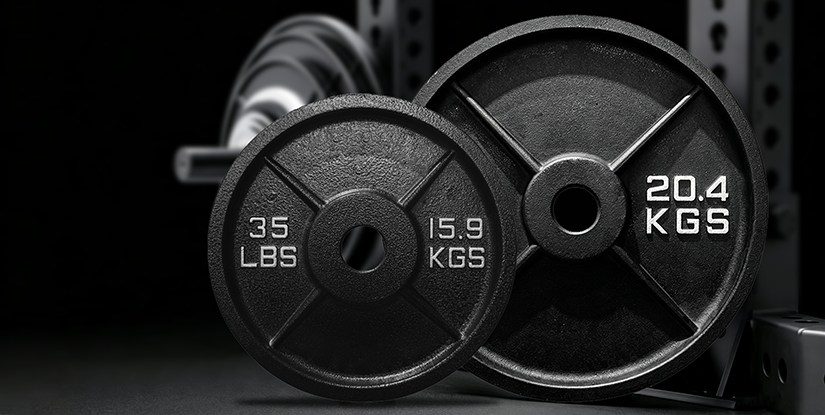
To ensure a seamless transition from production to your distribution center, we recommend coordinating the lead time and shipping schedules closely with your supplier. Whether you are finalizing a small MOQ for a new product line or managing a massive wholesale container order, our team provides full documentation and inspection reports. We invite you to request a formal quote or a detailed specification sheet to confirm how our manufacturing capabilities can support your commercial growth and brand expansion.
Factory QC Protocols and Export Packaging Standards
Maintaining strict quality control is essential for distributors managing long-term inventory and landed cost. When sourcing from a olympic plate custom manufacturer, the lack of standardized inspection often leads to uneven weight distribution or surface defects that damage brand reputation. A reliable factory implements systematic checkpoints to ensure every unit meets commercial-grade expectations before leaving the China factory.
A professional commercial weight plate OEM focuses on three critical areas: precision, durability, and shipping safety. First, the weight tolerance must be strictly monitored through calibrated testing to ensure batch consistency, which is vital for professional gym setups. Second, the custom bumper plate factory must verify the adhesion of the rubber or PU coating to prevent peeling during high-impact use. Finally, robust export packaging is non-negotiable to protect the integrity of the shipment during sea freight. Without rigorous factory QC and standardized palletization, bulk orders face a high risk of damage, leading to increased replacement costs and diminished distributor margins.
To mitigate the risks of long-distance sea freight, a professional olympic plate custom manufacturer utilizes a multi-layered packaging strategy designed for high-density bulk shipments. This process begins with individual unit protection, often involving moisture-resistant wraps or specialized coatings to prevent oxidation during transit through humid maritime environments. Once individual units are secured, the custom bumper plate factory transitions to industrial-grade palletization. Plates are stacked in optimized configurations to maximize container utilization and reduce the landed cost per unit, ensuring that high-value shipments remain stable and do not shift during ocean transit.
Standardized export protocols include the use of heavy-duty corner protectors, reinforced cardboard sleeves, and high-strength shrink wrapping to maintain structural integrity. For large-scale wholesale orders, pallets are typically secured with industrial strapping and placed within reinforced wooden crates or specialized shipping containers to withstand the mechanical stresses of loading and unloading at international ports. By adhering to these rigorous standards, a reliable supplier ensures that the product arrives at your warehouse in pristine condition, protecting your investment and maintaining the high quality expected by your commercial clients.
Standardized QC Checkpoint Matrix for Bulk Procurement
To assist procurement managers in evaluating technical compliance, the following table outlines the typical inspection layers implemented by a professional olympic plate custom manufacturer. This matrix compares the essential checkpoints required to ensure commercial-grade performance and minimize the risk of returns or client dissatisfaction.
| Inspection Category | Standard Check | Commercial Impact | Weight Tolerance | Surface Finish | Packaging Strength |
|---|---|---|---|---|---|
| Dimensional Accuracy | Bore diameter and thickness consistency | Ensures smooth loading on Olympic bars for high-traffic gyms | Standardized batch consistency | Smooth transition to coating | N/A |
| Material Integrity | Coating adhesion and base material density | Reduces long-term maintenance and replacement costs | Stable weight distribution | High-durability powder or PU coating | Protects against abrasion |
| Logistics Readiness | Pallet stability and crate reinforcement | Reduces damage during sea freight and lowers landed cost | N/A | N/A | Heavy-duty industrial strapping |
When finalizing a wholesale agreement, we recommend requesting a specific inspection report or a pre-shipment sample that reflects your exact OEM or ODM specifications. A high-tier supplier will provide clear documentation regarding the weight calibration and the durability of the surface treatment. For distributors managing large-scale projects, confirming these factory protocols during the sampling stage is the most effective way to secure consistent margins and ensure long-term product reliability in the competitive commercial market.
Optimizing Your Sourcing Strategy and Procurement Workflow
Effective procurement begins with selecting a reliable olympic plate custom manufacturer capable of balancing initial capital expenditure with long-term operational efficiency. For distributors and gym operators, the focus must shift from mere unit price to the Total Cost of Ownership (TCO), as the durability of the equipment directly impacts replacement cycles and maintenance overhead.
Choosing between different material profiles is a critical decision in the sourcing process. While cast iron remains a standard for high-volume wholesale orders due to its cost-effectiveness, the integration of a high-grade rubber/urethane coating significantly extends the service life of the product. A premium custom bumper plate factory will utilize advanced molding techniques to ensure the coating adheres perfectly to the inner steel hub, preventing the delamination often seen in lower-tier commercial grade units.
The manufacturing route—ranging from traditional sand casting for standard plates to precision machining for high-end variants—dictates the final weight tolerance and concentricity. In a professional commercial weight plate OEM workflow, these technical variables determine how often a facility must replace worn or unbalanced stock. By investing in superior manufacturing processes, importers can reduce the frequency of secondary orders, thereby optimizing their landed cost and overall inventory turnover.
| Material Tier | Primary Process | Key Component | Commercial Duty | MOQ Impact | Factory QC Point |
|---|---|---|---|---|---|
| Cast Iron | Sand Casting | Steel Hub | Standard Commercial | Lower | Weight Calibration |
| Rubber Coated | Molding/Vulcanization | Encapsulated Core | High-Traffic/Premium | Moderate | Coating Adhesion |
| Urethane Bumper | Injection/Compression | Internal Filler | Competition/Elite | Higher | Concentricity & Flatness |
To secure a competitive edge in your local market, you must align your product assortment with the specific demands of your target clients. Whether you are stocking a budget-friendly strength center or a high-end training facility, your choice of olympic plate custom manufacturer will determine your ability to meet these diverse needs without compromising on quality or margin.
When evaluating a custom bumper plate factory, we recommend reviewing the specific manufacturing-to-packaging workflow. A professional commercial weight plate OEM partner should provide transparency regarding their weight calibration and surface finish testing. For example, high-traffic environments require a robust inner steel hub and a high-grade coating to withstand constant impact. We suggest requesting detailed specifications on the material grade and the molding process used for any rubber or PU-coated variants to ensure they meet your brand's durability standards.
Before finalizing a bulk order, it is prudent to confirm the MOQ and lead times for custom branding or specialized material requests. A well-structured sourcing plan should include a request for a pre-shipment inspection checklist, focusing on critical areas such as coating adhesion, base flatness, and concentricity. By establishing these technical requirements early, you can mitigate the risks of receiving sub-standard stock and ensure that your landed cost remains optimized for long-term profitability.
Effective procurement begins with selecting a reliable olympic plate custom manufacturer capable of balancing initial capital expenditure with long-term operational efficiency. For distributors and gym operators, the focus must shift from mere unit price to the Total Cost of Ownership (TCO), as the durability of the equipment directly impacts replacement cycles and maintenance overhead.
Choosing between different material profiles is a critical decision in the sourcing process. While cast iron remains a standard for high-volume wholesale orders due to its cost-effectiveness, the integration of a high-grade rubber/urethane coating significantly extends the service life of the product. A professional custom bumper plate factory will utilize advanced molding techniques to ensure the coating adheres perfectly to the inner steel hub, preventing the delamination often seen in lower-tier commercial grade units.
The manufacturing route—ranging from traditional sand casting for standard plates to precision machining for high-end variants—dictates the final weight tolerance and concentricity. In a professional commercial weight plate OEM workflow, these technical variables determine how often a facility must replace worn or unbalanced stock. By investing in superior manufacturing processes, importers can reduce the frequency of secondary orders, thereby optimizing their landed cost and overall inventory turnover.
| Material Tier | Primary Process | Key Component | Commercial Duty | MOQ Impact | Factory QC Point |
|---|---|---|---|---|---|
| Cast Iron | Sand Casting | Steel Hub | Standard Commercial | Lower | Weight Calibration |
| Rubber Coated | Molding/Vulcanization | Encapsulated Core | High-Traffic/Premium | Moderate | Coating Adhesion |
| Urethane Bumper | Injection/Compression | Internal Filler | Competition/Elite | Higher | Concentricity & Flatness |
To secure a competitive edge in your local market, you must align your product assortment with the specific demands of your target clients. Whether you are stocking a budget-friendly strength center or a high-end training facility, your choice of olympic plate custom manufacturer will determine your ability to meet these diverse needs without compromising on quality or margin.
When evaluating a custom bumper plate factory, we recommend reviewing the specific manufacturing-to-packaging workflow. A professional commercial weight plate OEM partner should provide transparency regarding their weight calibration and surface finish testing. For example, high-traffic environments require a robust inner steel hub and a high-grade coating to withstand constant impact. We suggest requesting detailed specifications on the material grade and the molding process used for any rubber or PU-coated variants to ensure they meet your brand's durability standards.
Before finalizing a bulk order, it is prudent to confirm the MOQ and lead times for custom branding or specialized material requests. A well-structured sourcing plan should include a request for a pre-shipment inspection checklist, focusing on critical areas such as coating adhesion, base flatness, and concentricity. By establishing these technical requirements early, you can mitigate the risks of receiving sub-standard stock and ensure that your landed cost remains optimized for long-term profitability.