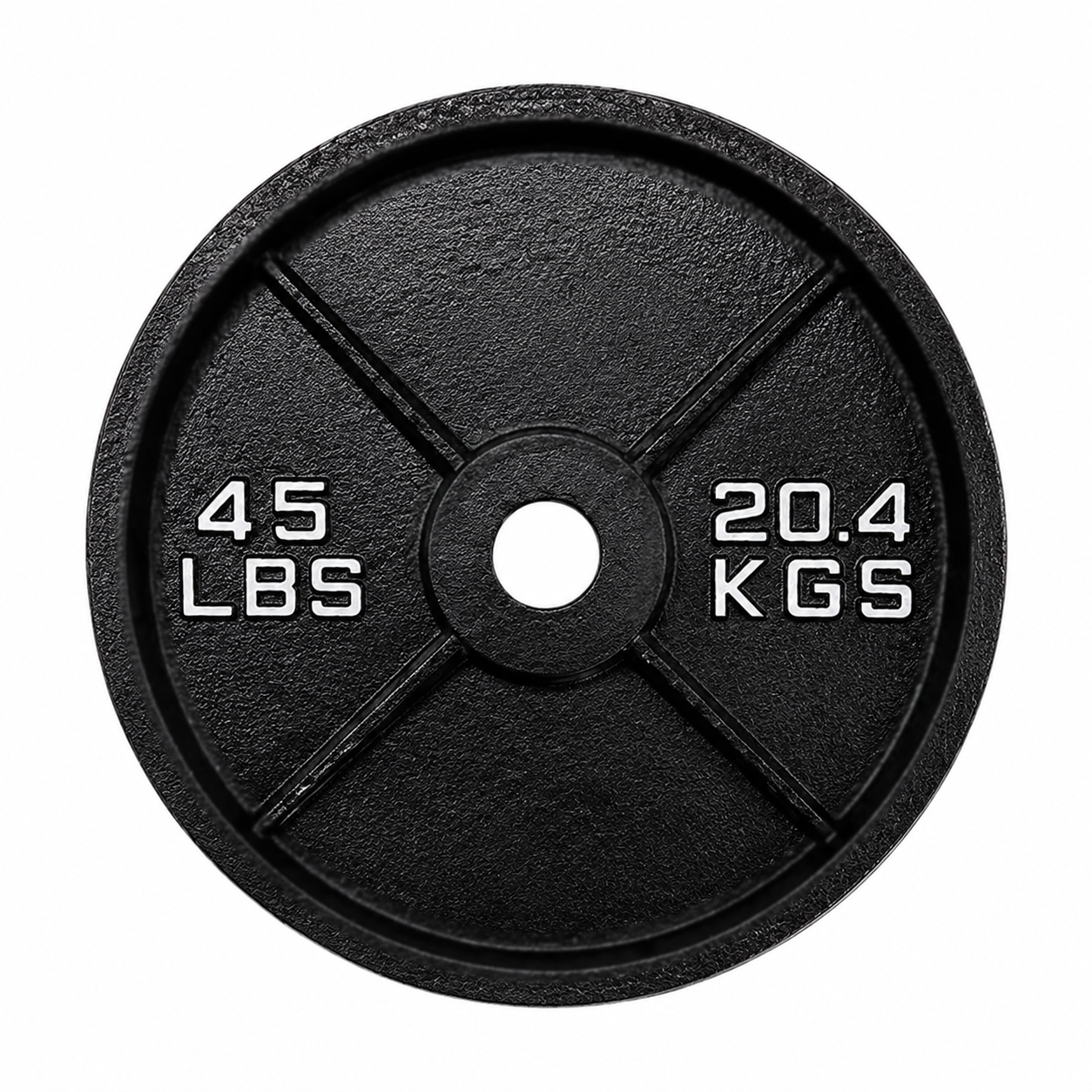
Olympic Plate OEM: OEM Manufacturing for Importers
Olympic Plate OEM: Strategic Sourcing for Global Distributors
For established fitness distributors and large-scale warehouse operators, the difference between a standard inventory and a high-margin proprietary line lies in the ability to control brand identity. When a premium boutique studio or a multi-location gym chain seeks a specific aesthetic, generic stock often fails to meet their branding requirements. Utilizing olympic plate OEM services allows you to transition from a simple reseller to a specialized provider of high-end gym solutions. By working directly with a China factory, you can move beyond the limitations of off-the-shelf products and offer customized weight plate sets that feature your specific logo and specialized finishes.
This level of private label customization is essential for building long-term loyalty among professional clients who demand a cohesive look across their entire facility. Whether it involves specialized color-coded bumper plates or custom-etched cast iron designs, the capacity for custom branding transforms your market position. While managing the MOQ and logistics of a custom order requires careful planning, the resulting increase in distributor margin and brand equity provides a significant competitive advantage over those only selling unbranded, mass-market commodities.
Material and Manufacturing Tier Comparison
Selecting the right production tier is critical for managing the landed cost and long-term durability of your inventory. A commercial weight plate manufacturer typically offers several manufacturing routes, ranging from high-volume cast iron to high-precision steel or specialized rubber-encapsulated versions. Choosing the incorrect tier can lead to high return rates or diminished distributor margin if the product fails to meet the durability expectations of a professional facility. Most importers must balance the initial wholesale cost against the expected lifecycle of the equipment in high-traffic environments.
The following table outlines the standard industry tiers to help you align your sourcing strategy with your target market's requirements:
| Material Tier | Primary Process | Key Component/Finish | Commercial Duty | MOQ Impact | Factory QC Point |
|---|---|---|---|---|---|
| Cast Iron | Sand Casting & Machining | Phosphate or Powder Coating | Standard Commercial/Budget | Lower | Base Flatness |
| Rubber Coated | Steel Core & Vulcanization | High-Density Rubber Layer | Full-Service Gym/High-Impact | Moderate | Coating Adhesion |
| Steel/Competition | Precision Machining | Chrome or PU Coating | Premium/Professional Studio | Higher | Bore Concentricity |
When evaluating wholesale olympic plates, we recommend verifying the specific casting process and surface finish during your pre-shipment inspection. For instance, ensuring the weight tolerance is consistent across the entire batch is essential for maintaining professional standards. If you are looking to develop a high-end product line, we suggest discussing ODM options to refine the material selection and technical specifications of your custom plates. Please contact our team to request a detailed specification sheet or to confirm the MOQ for your next bulk order.
Optimizing Logistics and Export Efficiency
Efficient sourcing requires more than just selecting a high-quality commercial weight plate manufacturer; it necessitates a rigorous focus on the total landed cost. For distributors managing large-scale imports, shipping volume optimization is a critical lever for maintaining competitive pricing. Because weight plates are high-density, low-volume cargo, the way they are packed directly impacts your container utilization. A professional China factory will employ specialized export packaging strategies, such as heavy-duty reinforced cartons or custom wooden crates, to prevent deformation during long-haul maritime transit. Failure to optimize these dimensions can lead to significant wasted space and increased freight costs per unit.
To protect your distributor margin, we recommend a strict pre-shipment protocol that focuses on both product integrity and logistics readiness. Beyond standard weight checks, your inspection should verify the stability of the export packaging and the durability of palletizing methods. High-tier wholesale olympic plates orders should undergo a thorough check of the outer casing and edge protection to ensure the shipment arrives at your warehouse in pristine condition. By coordinating closely with your supplier regarding lead time and container loading patterns, you can better predict arrival windows and manage warehouse stock levels with higher precision. We invite you to reach out to discuss your specific volume requirements, confirm the MOQ for customized orders, or schedule a technical consultation for your next bulk procurement.
Material Selection and Casting Processes for Commercial Plates
Selecting a reliable olympic plate OEM partner requires understanding the foundational relationship between raw material integrity and long-term commercial durability. For distributors and gym owners sourcing high-volume orders, the quality of the base metal directly impacts the lifespan of the inventory and the total cost of ownership.
Most high-quality wholesale olympic plates utilize high-grade cast iron as the primary material. This selection is standard for a commercial weight plate manufacturer because it provides the necessary density and structural stability required for heavy-duty lifting environments. The manufacturing sequence typically begins with sand casting, a process that ensures the plate can handle high-impact use without structural failure. During this stage, the factory must maintain strict control over the molten metal consistency to prevent internal voids or surface cracks that could lead to premature breakage in a commercial setting.
Beyond the initial casting, the precision of the olympic plate OEM process relies on subsequent machining and finishing steps. To meet professional standards, the plates undergo CNC machining to ensure the center bore is perfectly concentric. This step is critical for ensuring the plates sit flat on Olympic barbells, reducing vibration and wear on the bar sleeves. Following machining, the plates are treated with a surface finish—such as a phosphate treatment or specialized powder coating—to prevent oxidation and enhance the aesthetic value of the product for your brand.
Comparison of Casting and Coating Methods for B2B Procurement
When evaluating a commercial weight plate manufacturer, buyers must distinguish between standard casting techniques and specialized coating applications. The choice between a budget-friendly option and a premium finish significantly affects the landed cost and the perceived value of your brand's inventory. For large-scale distributors, understanding how these processes impact durability and maintenance is essential for long-term ROI.
| Material Base | Primary Process | Surface Treatment | Commercial Duty Tier | MOQ Impact | Typical QC Focus |
|---|---|---|---|---|---|
| Cast Iron | Sand Casting | Powder Coating | Commercial / Standard | Standard | Coating adhesion & flatness |
| High-Grade Steel | Machining | Urethane/PU Coating | Premium / Professional | Higher | Bore concentricity & layer thickness |
| Cast Iron | Sand Casting | Vinyl Dip Coating | Budget / Entry-Level | Lower | Thickness uniformity |
For importers seeking a high-end market position, urethane/PU coating offers superior impact resistance and a professional aesthetic compared to basic powder coating. While the manufacturing process for urethane-encapsulated plates is more complex, it provides better floor protection and longevity in high-traffic facilities. When negotiating with a China factory, it is advisable to request samples to inspect the bond line adhesion and the smoothness of the finish. A professional olympic plate OEM provider will provide clear documentation regarding the weight calibration and the uniformity of the coating layers to ensure your bulk orders meet strict commercial-grade specifications.
Standardized Quality Control and Pre-Shipment Inspection Protocols
To mitigate the risk of high return rates and client dissatisfaction, a professional olympic plate OEM workflow must integrate rigorous inspection checkpoints throughout the production cycle. For distributors managing large-scale inventory, a failure in weight accuracy or structural uniformity can lead to significant logistical costs and diminished brand trust. High-standard wholesale olympic plates undergo a multi-stage verification process that begins at the raw material stage and concludes with final container loading protocols.
The first critical checkpoint involves weight calibration and concentricity testing. A reputable commercial weight plate manufacturer ensures that each unit meets the specified weight tolerance through precision machining of the center bore. In many commercial settings, inspectors verify that the bore remains perfectly centered to prevent uneven loading on barbells. Furthermore, the factory must conduct coating adhesion tests to ensure that finishes like powder coating or urethane do not peel or crack under high-impact usage, which is a common failure mode in lower-tier production.
The final stage of the olympic plate OEM process focuses on pre-shipment QC and export packaging. Before leaving the China factory, every batch should be subject to a visual inspection for surface defects, edge smoothness, and branding clarity. To ensure a safe landed cost and minimize transit damage, export packaging must be robust—typically utilizing heavy-duty reinforced cartons or custom wooden crates for palletized shipments. We recommend that importers confirm the specific export packaging standards and request a pre-shipment inspection report to verify that the final product dimensions and weight tolerances align with your procurement specifications before the container is sealed.
Technical Comparison of Plate Manufacturing Standards
When sourcing through an olympic plate OEM, understanding the technical divergence between production methods is critical for managing long-term landed costs and equipment turnover. For distributors and gym operators, the choice between budget-friendly casting and high-performance molding directly impacts the durability and maintenance cycles of the facility. A professional commercial weight plate manufacturer typically offers several tiers of production to meet different market demands, from high-volume retail to premium professional training environments.
The engineering of a plate begins with the core material density and the method used to shape it. While standard cast iron remains a staple for wholesale, premium versions often utilize advanced processes to ensure better concentricity and impact resistance. Selecting the right wholesale olympic plates requires evaluating how the manufacturing route affects the product's lifespan in a high-traffic commercial setting.
| Material Type | Primary Process | Commercial Duty Tier | Durability Profile | Sourcing Context |
|---|---|---|---|---|
| Cast Iron | Sand Casting | Budget / Standard | High impact resistance; prone to surface chipping | High volume wholesale |
| Steel Core | Centrifugal Casting | Premium / Competition | Excellent concentricity; balanced weight distribution | High-end OEM orders |
| Rubber/PU Coated | Molding or Dip Coating | Professional / High-End | Maximum floor protection; high vibration damping | Specialized sourcing |
Engineering Nuances in Manufacturing
The distinction between sand casting and centrifugal casting is a primary factor in the quality of an olympic plate OEM product. Sand casting is a widely used, cost-effective method in a China factory for producing standard plates, but it can result in slight surface irregularities. In contrast, centrifugal casting or advanced CNC machining allows for much tighter tolerances and a more consistent center of gravity, which is essential for high-performance training equipment. Buyers should consider these technical trade-offs when evaluating wholesale olympic plates to ensure the final product aligns with the intended use case and client expectations.
Beyond the core casting method, the secondary finishing stage determines the long-term maintenance load for a facility. For example, a standard powder coating line provides a durable, aesthetic finish for commercial gyms, whereas a high-grade polyurethane (PU) coating offers superior impact absorption and floor protection. When negotiating with a commercial weight plate manufacturer, it is essential to verify the thickness and adhesion of these layers, as poor coating quality often leads to premature peeling or oxidation in high-humidity environments.
For professional buyers, the final QC check must go beyond visual inspection. A reliable factory will perform specific quality control steps such as checking the bore concentricity to ensure a smooth fit on Olympic barbells and conducting weight tolerance spot-checks. Whether you are ordering standard cast iron or high-end coated units, confirming these technical specifications during the pre-shipment stage helps prevent the high cost of replacement and minimizes distributor returns. We recommend requesting a sample evaluation or a detailed specification sheet to confirm that the product meets your specific commercial durability standards before proceeding with a full-scale bulk order.
Precision and Quality Control Standards
A professional factory must implement rigorous verification protocols to ensure that every batch meets international commercial standards. For high-volume wholesale orders, the most critical technical metrics are weight tolerance and bore concentricity. If the center of the plate is not perfectly aligned through the machining stage, it can cause uneven loading and barbell wobble, which increases wear on high-end barbell sleeves and leads to client dissatisfaction.
During the pre-shipment inspection (QC) stage, a qualified supplier should perform a series of physical checks. This typically includes a weight spot-check to ensure consistency across the entire shipment and a flatness test to prevent warping. For coated products, checking the bond line adhesion is vital to ensure the surface remains intact under heavy impact. We suggest that importers and distributors request a detailed QC report or perform a sample approval process to verify these technical tolerances before the final container loading to mitigate the risk of defective landed costs.
Custom Branding and OEM/ODM Capabilities
Developing a distinct brand identity is a critical strategic move for distributors looking to increase market value and long-term customer loyalty. Through professional olympic plate OEM services, importers can transition from selling generic commodities to providing high-value, branded equipment solutions. Whether you are launching a boutique fitness line or supplying large-scale commercial facilities, our China factory provides the technical infrastructure to transform standard specifications into proprietary products.
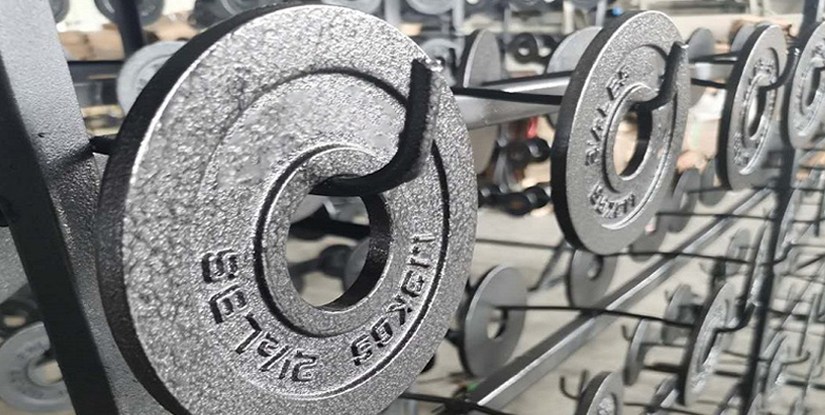
Our ODM and OEM capabilities extend beyond simple marking. We offer comprehensive custom branding options that allow you to control every visual aspect of your product line. This includes precision logo embossing directly into the cast iron or steel surface, ensuring the brand mark remains permanent and does not peel or fade like low-quality stickers. For premium product tiers, we provide color customization through advanced powder coating or specialized urethane layers, enabling you to align your equipment aesthetics with your specific brand guidelines.
To maintain high efficiency for our partners, we offer structured private label solutions tailored to different scales of operation. We understand that wholesale buyers face different constraints; therefore, we provide clear MOQ requirements for various customization levels. While standard logo embossing may require a lower MOQ, more complex color customization or specialized material finishes may involve different sourcing lead times and volume tiers. This flexibility ensures that a commercial weight plate manufacturer can support both growing distributors and established global importers with scalable production-ready solutions.
Technical Material and Finish Options for Bulk Sourcing
Selecting the appropriate material and surface finish is a fundamental decision for procurement leads, as it directly impacts the long-term durability and total cost of ownership (TCO). A professional olympic plate OEM program allows you to specify different production routes based on your target market segment. For high-volume, cost-effective distribution, standard cast iron remains the industry-standard choice, whereas high-end commercial facilities often require the specialized durability of steel-core or polyurethane-encapsulated units.
The following table outlines the primary material-to-process paths available through our wholesale supply chain, helping you align your sourcing strategy with your specific commercial duty requirements.
| Material Type | Primary Process | Key Component/Finish | Commercial Duty Tier | MOQ Impact | Factory QC Point |
|---|---|---|---|---|---|
| Cast Iron | Sand Casting & Machining | Phosphate or Paint | Budget / Standard Commercial | Low | Surface Flatness & Weight Tolerance |
| Steel Core | Machining & Precision Casting | Powder Coating | Premium Commercial | Medium | Bore Concentricity & Coating Adhesion |
| Polyurethane (PU) | Injection Molding / Vulcanization | Encapsulated Shell | High-End Professional | High | Bond Line Integrity & Material Uniformity |
| Rubber Coated | Dip Coating / Compression | Rubber/Vinyl Layer | Standard Commercial | Medium | Thickness Consistency & Surface Smoothness |
When managing large-scale orders, it is essential to consider how these processes affect your lead time and landed cost. For instance, while simple painted cast iron plates allow for faster production cycles and lower MOQ thresholds, more complex wholesale olympic plates featuring precision-machined steel cores or advanced PU coatings require additional calibration and specialized drying stages. We recommend confirming specific material-to-finish requirements during the initial quote stage to ensure your factory production schedule aligns with your expected shipping windows.
Customization Level Comparison for Procurement Decision-Making
To assist in your strategic planning, the following breakdown illustrates how different customization paths impact your procurement variables. Choosing the right level of olympic plate OEM service allows you to balance your desire for a unique brand identity against your required MOQ and budget constraints. Whether you are seeking a high-volume, cost-effective solution or a premium, highly differentiated product line, our China factory can accommodate various scales of development.
| Customization Level | Branding Options | Material/Finish | Typical MOQ | Best For |
|---|---|---|---|---|
| Standard Stock | Basic Logo (Paint/Sticker) | Cast Iron / Paint | Low | Quick-turnover distributors |
| Standard OEM | Embossed Logo / Color Coating | Cast Iron / Powder Coating | Medium | Growing fitness brands |
| Full ODM | Custom Mold / Specialized Shell | Steel Core / PU / Rubber | High | Premium commercial chains |
When evaluating your next batch of wholesale olympic plates, we recommend assessing the total cost of ownership alongside these customization tiers. While higher-level ODM requests provide greater market differentiation, they also necessitate longer sourcing lead times due to specialized tooling and calibration requirements. For the most efficient wholesale procurement, align your branding ambitions with your projected inventory turnover and long-term supplier relationship goals.
Factory QC and Pre-Shipment Inspection Protocols
For importers managing high-volume orders, a reliable olympic plate OEM partner must implement rigorous quality control to mitigate procurement risk. Relying on substandard wholesale olympic plates can lead to high return rates, damaged floor surfaces, and diminished distributor margins due to inconsistent weight tolerance or uneven surface finish. A professional commercial weight plate manufacturer ensures that every batch meets strict commercial-grade standards through systematic inspection.
In a standard China factory workflow, quality assurance begins at the casting stage and continues through final calibration. We focus on critical touchpoints such as bore concentricity and coating adhesion to ensure batch consistency across large wholesale shipments. By implementing these protocols, we help distributors maintain a stable supply chain and reduce the total cost of ownership for their end-users.
Critical Inspection Points for Bulk Sourcing
During the pre-shipment phase, our factory technicians conduct multi-stage checks to ensure the product matches the approved sample. This includes verifying the flatness of cast iron surfaces and checking the structural integrity of the center hub. For rubber-encapsulated or PU-coated units, we prioritize inspecting the bond line to prevent delamination under heavy use. These steps are essential for any OEM or ODM project where brand reputation depends on product longevity.
- Dimensional Accuracy: Verifying the center bore diameter and plate thickness to ensure seamless fit on standard Olympic bars.
- Weight Calibration: Performing spot-checks to maintain industry-standard weight deviations for commercial reliability.
- Surface Integrity: Inspecting the powder coating or rubber layer for bubbles, peeling, or uneven application.
- Structural Uniformity: Checking for casting flaws or warping that could affect the balance of the plate during high-intensity training.
To ensure a smooth export process, we also perform final packaging audits. This includes checking the durability of export-grade cartons and pallet stability, ensuring that your bulk order arrives at the destination without transit-related damage, thereby protecting your landed cost and delivery schedules.
Standardized Inspection for High-Volume Orders
When sourcing wholesale olympic plates, the most significant risk is receiving a batch with uneven weight distribution or poor fitment. To mitigate this, a professional commercial weight plate manufacturer must execute a multi-point inspection focusing on technical precision. Our olympic plate OEM protocols ensure that every unit meets the high-performance expectations of commercial gym operators.
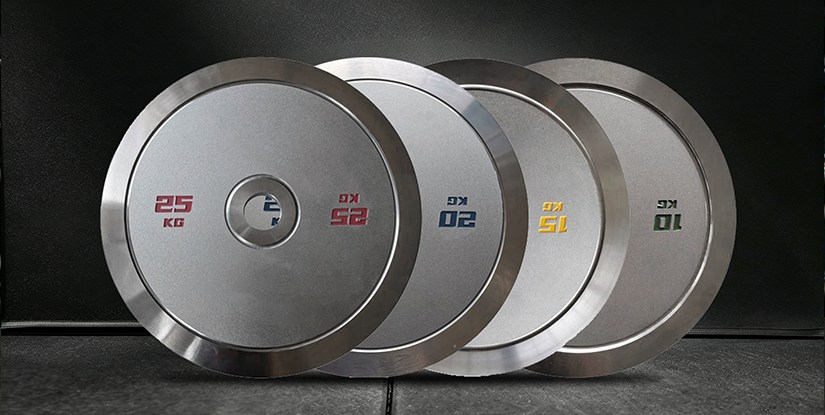
During the final pre-shipment inspection, technicians evaluate the following technical dimensions to guarantee product excellence:
- Weight Calibration: Continuous spot-checks to ensure the weight deviation remains within industry-standard tolerances for commercial-grade reliability.
- Bore Concentricity: Verifying the center hole is perfectly centered and smooth to prevent uneven loading or bar wear.
- Coating Adhesion: Testing the bond between the substrate and the finish—whether powder coating or rubber—to prevent peeling during heavy use.
- Dimensional Tolerance: Measuring plate thickness and diameter to ensure consistent stacking and uniform thickness across the entire order.
For wholesale buyers, these rigorous standards are vital for reducing the cost of returns and maintaining a high-tier brand reputation. Before any export, we conduct a final audit of the export packaging and palletization to protect your bulk shipment from transit damage, ensuring the landed cost remains optimized for your distribution model. We recommend all distributors request a pre-shipment sample approval or a formal factory audit to confirm these quality benchmarks are met.
Pre-Shipment Audit Checklist for Importers
To minimize the risk of receiving defective inventory, professional buyers should utilize a structured checklist during a factory audit or third-party inspection. A high-quality olympic plate OEM production run is defined by its adherence to these technical benchmarks. Using a standardized checklist allows distributors to verify that the wholesale batch matches the approved sample specifications before the final export.
| Inspection Category | Focus Area | Commercial Requirement | Procurement Impact |
|---|---|---|---|
| Casting Integrity | Surface Uniformity | Smooth finish without pits or warping | Reduces maintenance and visual defects |
| Dimensional Precision | Bore Concentricity | Centered hole with smooth edges | Prevents bar wear and uneven loading |
| Weight Accuracy | Calibration Check | Consistent weight within industry-standard tolerance | Ensures reliability for commercial gyms |
| Surface Finish | Coating Adhesion | No peeling or bubbling of powder/rubber | Extends product lifespan and durability |
| Shipping Safety | Packaging Durability | Reinforced cartons and stable palletization | Protects landed cost from transit damage |
We advise all sourcing managers to confirm the specific MOQ and lead times for any custom OEM requests. To ensure your technical requirements are fully met, you may request a detailed spec sheet, a sample evaluation, or a formal factory audit to verify these commercial weight plate manufacturer standards in person.
Optimizing Logistics and Export Packaging for Bulk Orders
Managing the landed cost of heavy iron products is a critical factor for distributors and gym equipment importers. When sourcing olympic plate OEM solutions, the total price per unit is heavily influenced by how efficiently the products are packed for long-distance transit. High shipping volume caused by inefficient palletization can quickly erode your distributor margins and increase the total cost of goods sold.
To maximize profitability, a professional commercial weight plate manufacturer will implement strict weight optimization strategies during the loading process. This involves optimizing the density of each container through precision palletization and strategic stacking of different weight denominations. For high-volume wholesale olympic plates orders, utilizing sea freight remains the most cost-effective method, provided that the China factory provides robust export packaging to prevent shifting or damage during maritime transit.
By coordinating closely with your supplier regarding container load plans, you can ensure that every cubic meter of space is utilized effectively, lowering your per-unit logistics expenses and improving your overall ROI.
Comparison of Packaging Methods for Bulk Import
Selecting the appropriate packaging strategy is a decisive factor in balancing protection and landed cost. For large-scale olympic plate OEM procurement, the choice between standard pallets and custom crates depends on your local warehouse infrastructure and the specific transit distance from the China factory. While higher-tier protection increases upfront costs, it significantly reduces the risk of transit-related damage and subsequent replacement claims.
| Packaging Type | Primary Benefit | Protection Level | Best Use Case | Logistics Efficiency |
|---|---|---|---|---|
| Standard Pallet & Shrink Wrap | High density/Lower cost | Basic (Surface protection) | Standard wholesale olympic plates orders | Excellent for high-volume sea freight |
| Reinforced Wooden Pallet | Structural stability | Moderate (Impact resistance) | Mixed weight denomination shipments | Standard for international export packaging |
| Custom Wooden Crates | Maximum security | High (Heavy-duty protection) | Premium or high-value commercial weight plate manufacturer units | Lower density due to crate volume |
When finalizing your sourcing plan, we recommend requesting a detailed loading plan from your supplier. This allows you to verify the volumetric weight and confirm that the export packaging meets your local customs and unloading requirements. For high-volume wholesale distributors, optimizing the container load via specialized pallet layouts is the most effective way to lower per-unit logistics expenses.
Prioritizing Pre-Shipment QC and Damage Prevention
A critical failure point in the international supply chain is the degradation of product integrity due to improper handling and environmental exposure. For professional buyers, a rigorous pre-shipment QC protocol is not merely an option but a necessity to protect the landed cost. Even high-quality wholesale olympic plates can suffer from surface oxidation or structural issues if the export packaging fails to account for the harsh conditions of long-distance maritime transit.
To ensure effective damage prevention, a reliable commercial weight plate manufacturer must prioritize moisture protection and structural reinforcement. This includes using heavy-duty moisture-resistant liners and high-density shrink wraps to prevent salt-air corrosion on the metal surfaces. Furthermore, the container loading process must be strictly monitored to prevent weight shifting. We implement standardized stacking protocols where heavier denominations form a stable base, ensuring that the load remains secure and the export packaging can withstand the mechanical stresses of ocean freight. By addressing these logistical variables during the pre-shipment QC stage, importers can significantly reduce the risk of transit-related losses and maintain high service standards for their end customers.
Finalizing Your Procurement: Samples and Quotes
For distributors and large-scale gym operators, moving from initial olympic plate OEM discussions to high-volume container orders requires a rigorous verification phase. Relying solely on digital specifications often leads to unforeseen issues in weight distribution or surface durability. To protect your margins and ensure brand reputation, a structured sample evaluation process is essential before committing to a full production run.
During this phase, professional buyers should inspect the physical properties that define commercial gym standards. This includes checking the weight tolerance to ensure consistency across a full set, verifying the surface finish for any coating adhesion issues, and confirming that the center bore diameter is perfectly concentric. A commercial weight plate manufacturer should provide samples that reflect the exact factory output you will receive in bulk. Once the sample meets your quality benchmarks, you can finalize the MOQ and lead time with your supplier to align with your warehouse stocking cycles and seasonal demand.
Securing wholesale olympic plates through a factory-direct channel allows you to control these variables early. By requesting a physical sample, you mitigate the risk of receiving products with uneven casting or substandard rubber encapsulation, ensuring your sourcing strategy remains profitable and reliable.
Comparing Procurement Tiers and Sourcing Models
Deciding between different service levels depends heavily on your target market position and the level of control required over your brand identity. A commercial weight plate manufacturer typically offers several tiers of production, ranging from standard stock items to fully customized solutions. Understanding how these tiers impact your landed cost and customization depth is vital for maintaining healthy distributor margins.
The following table outlines the common procurement options for those seeking wholesale olympic plates. It compares the technical complexity and the financial implications of each path to help you select the best olympic plate OEM model for your current business scale.
| Procurement Tier | Primary Material & Process | Customization Depth | Logistics & MOQ Complexity | Typical Commercial Use |
|---|---|---|---|---|
| Standard Wholesale | Cast Iron with Powder Coating | Logo via stencil or basic paint | Lower MOQ; standard pallet/container loading | Budget-friendly commercial gyms |
| Professional OEM | Machined Steel or High-Grade Rubber | Custom branding and color options | Moderate MOQ; custom packaging requirements | Premium fitness studios & franchises |
| Full Custom ODM | Precision Machined Steel or PU Coating | Complete brand integration & unique specs | Higher MOQ; complex export/container planning | Tier-one global distributors |
When evaluating your next sourcing project, consider that higher customization often necessitates a longer lead time due to the additional machining or coating stages required. For instance, transitioning from basic sand casting to a precision-machined steel hub requires more specialized factory equipment and stricter QC protocols. While the initial landed cost may be higher for premium tiers, the long-term value is found in reduced replacement rates and a stronger competitive position in the high-end market. Before finalizing any bulk order, always request a formal quote that explicitly details the MOQ, shipping terms, and any potential costs associated with your specific OEM requirements.