Olympic Plate Trade Manufacturer: Factory Direct Supply
The Role of a Professional Olympic Plate Trade Manufacturer in Global Sourcing
For large-scale fitness chains or international equipment distributors, the transition from purchasing small batches to establishing a consistent supply chain is a critical inflection point. Managing a high-volume commercial use scenario—such as outfitting a multi-location gym network or a professional training facility—requires more than just finding a product; it requires a reliable olympic plate trade manufacturer capable of meeting strict technical specifications and delivery timelines. Moving toward wholesale procurement from a China factory allows professional buyers to optimize their landed costs while ensuring that every unit meets the durability standards expected in high-traffic environments.
Relying on fragmented sourcing often leads to inconsistent weight tolerances and premature surface degradation, which increases long-term maintenance costs. By partnering directly with a specialized commercial weight plate supplier, procurement managers can secure predictable quality through standardized manufacturing. Whether you are sourcing high-density rubber bumper plates or precision-machined iron plates, direct sourcing from a professional factory ensures that your inventory remains consistent across all global locations, protecting your brand's reputation for quality and reliability.
Navigating the complexities of bulk logistics and technical customization requires a partner who understands the nuances of international trade. A professional olympic plate trade manufacturer provides the necessary infrastructure to handle large-scale orders, offering specialized OEM and ODM services that allow distributors to implement custom branding or specific weight configurations. This level of control is essential for maintaining a cohesive brand identity in the premium fitness market.
Efficiency in a global supply chain is often determined by how well a supplier manages the variables of production and shipping. When ordering wholesale olympic plates, buyers must account for the total landed cost, which includes not only the unit price but also freight, customs, and potential storage overhead. Working with an experienced China olympic plate factory allows you to streamline these factors through optimized export packaging and consolidated container loading. Furthermore, a clear understanding of the MOQ and expected lead time prevents stockouts during peak procurement seasons, ensuring that your distribution or retail operations remain uninterrupted and profitable.
Evaluating Sourcing Models: Factory-Direct vs. General Trading
When scaling a commercial fitness brand, the decision between a direct manufacturer and a third-party trader significantly impacts your long-term margins and quality control. A professional olympic plate trade manufacturer offers direct access to the production line, ensuring that technical specifications—such as the concentricity of the center bore or the adhesion of the powder coating—are monitored at the source. In contrast, general traders often introduce an additional markup and a layer of communication risk that can obscure the actual manufacturing process.
To assist in your procurement planning, the following table compares the typical attributes of direct factory-based sourcing versus general trade-based sourcing for high-volume commercial orders.
| Procurement Dimension | Direct China olympic plate factory | General Trading Company |
|---|---|---|
| Production Control | Direct oversight of casting and machining | Limited visibility into manufacturing |
| Customization Capability | Advanced OEM and ODM solutions | Standardized stock-only options |
| Quality Control (QC) | On-site pre-shipment inspection | Third-party or superficial checks |
| Price Structure | Optimized for wholesale margins | Includes middleman service markups |
| Logistics Management | Expert container loading and export packing | Basic freight forwarding services |
| Typical MOQ | Scalable based on production runs | Often dictated by existing stock levels |
Selecting a specialized commercial weight plate supplier allows you to mitigate the risks of weight variance and surface defects before the goods even reach the port. For distributors, this direct connection is the most effective way to secure a competitive edge through better cost control and highly customized product offerings that align with specific market demands.
Material Composition and Manufacturing Standards for Commercial Weight Plates
Selecting a reliable olympic plate trade manufacturer is a critical decision for distributors and gym operators looking to minimize long-term maintenance costs and maximize equipment lifespan. High-volume procurement requires a deep understanding of how base materials and surface treatments impact the total cost of ownership and long-scale durability in high-traffic environments.
A professional commercial weight plate supplier focuses on the structural integrity of the core to prevent warping or cracking under heavy use. Whether you are sourcing wholesale olympic plates for a new fitness center or managing a large-scale distribution inventory, the material choice directly dictates the frequency of replacement and the overall professional feel of the facility.
Material and Coating Specifications for Durability
Most high-quality production cycles begin with precision casting to ensure consistent density. Depending on your target market—whether premium competition-grade or standard commercial-grade—the manufacturing route will vary. A reputable China olympic plate factory typically employs sand casting for heavy iron plates or specialized molding for high-end bumper versions to ensure the weight remains stable over years of impact.
| Material Type | Surface Process | Commercial Duty Tier | Durability Profile | Sourcing Context |
|---|---|---|---|---|
| Cast Iron | Powder Coating | Standard Commercial | High impact resistance | High volume/Budget friendly |
| Steel Core | Rubber/Urethane Coating | Premium Commercial | Maximum floor protection | Premium gym/Studio fit |
| Solid Steel | Chrome Finish | Professional/Competition | Extreme precision/Low wear | Specialized weight rooms |
When evaluating a supplier, it is essential to inspect the bond line adhesion of the coating. In many commercial settings, a failure in the coating process leads to premature peeling or oxidation, which can damage a distributor's reputation. Ensuring the factory utilizes a multi-stage surface finishing process—moving from initial cleaning to the final application of rubber or PU—is a key step in the sourcing checklist to ensure long-term ROI.
Manufacturing Process and Precision Standards
Reliability in bulk procurement is often determined by the precision of the manufacturing sequence. A standard production route for high-tier units involves a structured workflow: starting with sand casting to establish the core shape, followed by intensive machining to refine the center bore, and concluding with rigorous weight calibration. For importers, understanding these technical stages is vital to avoid the common pitfall of inconsistent weight distribution across a large shipment.
For example, a professional olympic plate trade manufacturer will implement a calibration step after the initial casting and machining. This ensures that the weight tolerance remains within industry-standard limits, preventing the uneven loading that can damage premium barbell sleeves. During the pre-shipment stage, a quality control team should conduct a concentricity check on the inner diameter to ensure the plate sits perfectly centered on the bar, a critical factor for high-end commercial gym stability.
When managing large-scale orders, buyers should also verify the surface treatment execution. While powder coating offers a durable and cost-effective finish for standard iron plates, advanced PU coating or rubber encapsulation provides superior shock absorption and floor protection. We recommend that distributors request specific details regarding the coating adhesion and the thickness of the outer layer to ensure the product can withstand the high-impact environments of modern training facilities.
Pre-Shipment QC and Export Packaging Protocols
Before a container is sealed, a professional China olympic plate factory must execute a multi-layered pre-shipment QC protocol. For high-volume distributors, the risk of receiving damaged or non-compliant goods can lead to significant landed cost increases and logistical headaches. A rigorous inspection process should move beyond simple visual checks to include technical verification of the product's structural integrity.
During the final inspection, quality control teams should focus on three critical areas: concentricity, coating adhesion, and physical dimensions. We recommend that importers verify the center bore alignment to ensure there is no eccentricity that could cause barbell imbalance. Additionally, testing the coating adhesion is vital; the finish must remain intact under standard impact to prevent rust or peeling. Finally, a weight tolerance spot-check ensures that the batch meets the agreed-upon specifications, protecting your reputation as a reliable supplier.
To protect your investment during long-distance ocean freight, the export packaging must be robust. Standard commercial practice involves using heavy-duty pallets and reinforced corner protection to prevent crushing or shifting within the container. For bulk orders, ensuring that the packaging can withstand the rigors of international transit is just as important as the quality of the plates themselves. We suggest confirming the specific palletization and container loading plans with your factory during the initial quote phase to optimize both safety and shipping efficiency.
Precision Machining and Surface Finishing Processes
Maintaining strict weight tolerances is a primary concern for distributors sourcing high-volume inventory. A professional olymstic plate trade manufacturer utilizes a rigorous manufacturing sequence to ensure every unit meets commercial-grade standards. The process begins with high-quality sand casting to create the base plate shape, followed by intensive CNC machining to refine the central bore and outer edges. This stage is critical for ensuring the concentricity check passes, preventing any wobbling or uneven loading during high-intensity training sessions.
After the structural machining is complete, the plates undergo a multi-stage surface treatment to enhance durability. Depending on your wholesale olympic plates specifications, this may involve a phosphate treatment for corrosion resistance or a heavy-duty powder coating line for a premium aesthetic. For high-end requirements, specialized rubber molding or PU coating is applied to provide impact protection and reduce noise. This systematic approach from the China factory ensures that the final product offers long-term reliability, reducing the total cost of ownership for gym operators and protecting your brand reputation.
| Material Tier | Primary Process | Key Component Detail | Commercial Duty | MOQ Impact | Factory QC Point |
|---|---|---|---|---|---|
| Cast Iron | Sand Casting | Standard Bore | Budget/Standard Gym | Lower | Surface Smoothness |
| Steel/Iron Hybrid | CNC Machining | Precision Concentricity | Premium Commercial | Medium | Weight Calibration |
| Steel Core | PU/Rubber Molding | Encapsulation Layer | Elite/Competition | Higher | Coating Adhesion |
When selecting a commercial weight plate supplier, it is essential to verify how these technical steps impact your landed cost and product longevity. A China olympic plate factory that integrates weight calibration and strict pre-shipment inspection can significantly reduce the risk of receiving non-compliant batches. We recommend requesting a detailed spec sheet or a sample evaluation to confirm that the machining precision and coating quality align with your specific market positioning before proceeding with a bulk order.
Selecting the appropriate finish is a critical decision for procurement managers balancing initial capex against long-term maintenance requirements. A high-tier olympic plate trade manufacturer provides several surface options to ensure the product meets the specific environmental demands of your clients, whether they operate a high-traffic strength facility or a premium boutique studio. For high-volume distributors, understanding the relationship between material treatment and durability is essential for optimizing the total cost of ownership (TCO).
The following comparison outlines the standard industry options for surface finishing. While basic paint is a cost-effective solution for standard commercial gym settings, advanced options like high-grade powder coating or polyurethane (PU) encapsulation offer superior protection against oxidation and impact-related wear. When sourcing through an OEM or ODM agreement, you can specify these finishes to align with your brand identity and target market segment.
| Finish Type | Typical Process | Durability Level | Maintenance Load | Ideal Environment |
|---|---|---|---|---|
| Enamel Paint | Liquid Spray Application | Standard | Moderate | Budget Commercial Gyms |
| Powder Coating | Electrostatic Dry Powder | High | Low | High-Traffic Strength Clubs |
| Rubber/PU Coating | Injection/Molding | Premium | Very Low | Elite Performance Centers |
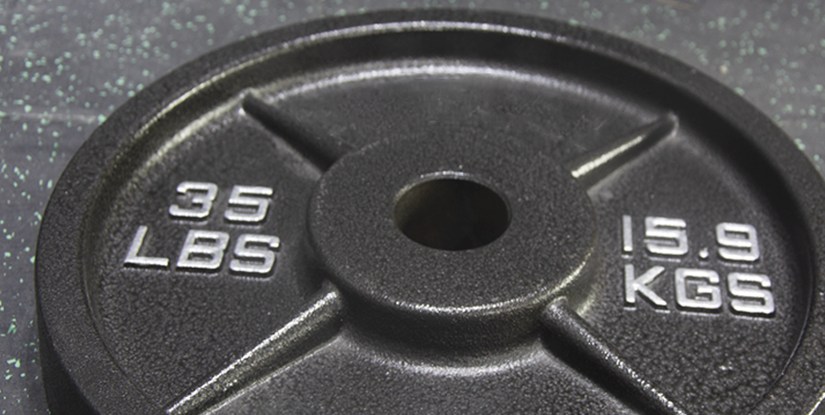
For importers managing large-scale logistics, the choice of finish also affects shipping weight and container loading efficiency. We suggest consulting with your supplier during the initial sourcing phase to evaluate how different coatings affect the final landed cost. To ensure your technical requirements are met, we invite you to request a formal quote or a sample approval to verify the coating adhesion and finish consistency before finalizing your bulk order.
For importers managing large-scale logistics, the choice of finish also affects shipping weight and container loading efficiency. We suggest consulting with your supplier during the initial sourcing phase to evaluate how different coatings affect the final landed cost. To ensure your technical requirements are met, we invite you to request a formal quote or a sample approval to verify the coating adhesion and finish consistency before finalizing your bulk order.
Strict Factory QC and Pre-Shipment Inspection Protocols
Reliability in bulk procurement depends entirely on the rigor of the olympic plate trade manufacturer regarding quality assurance. For distributors and gym owners, inconsistent weight accuracy or poor surface finishes can lead to high return rates and damaged brand reputation. A professional China factory mitigates these risks by implementing multi-stage inspection protocols that ensure every unit meets commercial-grade standards before leaving the facility.
The inspection process begins with raw material verification and moves through casting, machining, and coating. A reputable commercial weight plate supplier focuses on three critical technical pillars: weight tolerance, concentricity, and surface integrity. During the pre-shipment inspection, technicians perform spot checks on the bore diameter to ensure seamless fitment on Olympic bars and verify the surface finish to prevent premature oxidation or coating peeling. This level of scrutiny is essential when ordering wholesale olympic plates to ensure the landed cost remains low by avoiding the high expenses of defective inventory or replacement shipping.
Technical Inspection Standards for Commercial Weight Plates
To maintain high distributor margins and minimize replacement costs, a professional olympic plate trade manufacturer must standardize the technical verification of every batch. Sourcing errors in weight calibration or bore alignment can disrupt your entire inventory management and increase the total cost of ownership for your clients. We utilize a structured inspection sequence—moving from raw casting to final powder coating—to ensure each unit meets the expectations of high-traffic commercial facilities.
The following table outlines the standard quality control points used during our production and inspection cycles to ensure high-performance output for all wholesale olympic plates orders.
| Inspection Pillar | Technical Focus | Manufacturing Process | Commercial Duty Requirement | Factory QC Point |
|---|---|---|---|---|
| Weight Accuracy | Weight calibration | Machining & Finishing | High (Standardized increments) | Periodic spot-checks on weight variance |
| Structural Alignment | Bore concentricity | Casting & CNC Machining | Critical (Smooth bar rotation) | Bore diameter and center-point alignment |
| Surface Integrity | Coating adhesion | Powder coating / Molding | High (Durability & Floor protection) | Visual and physical coating bond test |
| Physical Geometry | Flatness & Warping | Sand casting / Cooling | Standard (Stable stacking) | Surface flatness and edge smoothness |
By prioritizing these technical benchmarks, our China olympic plate factory provides the transparency required for large-scale sourcing. We recommend that importers request a sample evaluation or a formal factory audit to verify these specific quality control points before confirming your final MOQ or bulk order. This proactive approach ensures that your landed cost remains predictable and your product quality remains consistent across all shipments.
Optimizing Export Packaging and Container Loading Efficiency
Beyond individual unit precision, the final stage of the olympic plate trade manufacturer workflow focuses on logistics-ready preparation. For international distributors, the efficiency of export packaging directly impacts the total landed cost and the safety of the inventory during long-haul ocean freight. A high-tier China factory does not merely pack products; we engineer the loading process to maximize container utilization while preventing structural damage to the plates.
Standardized palletization and heavy-duty boxing are essential for wholesale olympic plates to prevent shifting or edge damage during transit. We employ reinforced corrugated cartons and customized wooden crates or heavy-duty pallets to secure the weight. For large bulk orders, our loading teams optimize the stacking patterns within the container to ensure stability and prevent crushing. This meticulous attention to shipping safety ensures that when your shipment arrives at the destination port, the plates maintain their dimensional integrity and surface finish, protecting your profit margins and reducing the need for costly insurance claims or replacement shipments.
OEM/ODM Capabilities and Custom Branding Solutions
For international distributors and large-scale gym operators, a standard catalog often fails to meet the specific requirements of a premium market. Partnering with a professional olympic plate trade manufacturer allows you to move beyond generic inventory and develop a unique product line. Through OEM and ODM services, we provide the technical infrastructure necessary to transform standard weight plates into specialized assets that reflect your specific market positioning.
Developing a distinct brand identity is a critical factor in long-term distributor success. Instead of competing solely on price with generic products, you can leverage custom branding to build brand equity. Whether you require specialized color-coded urethane coatings for high-end studios or specific embossed logos on cast iron surfaces, our China factory provides the flexibility to meet these diverse needs. We assist in managing the transition from a standard wholesale order to a fully branded product line, ensuring that every unit meets your professional standards.
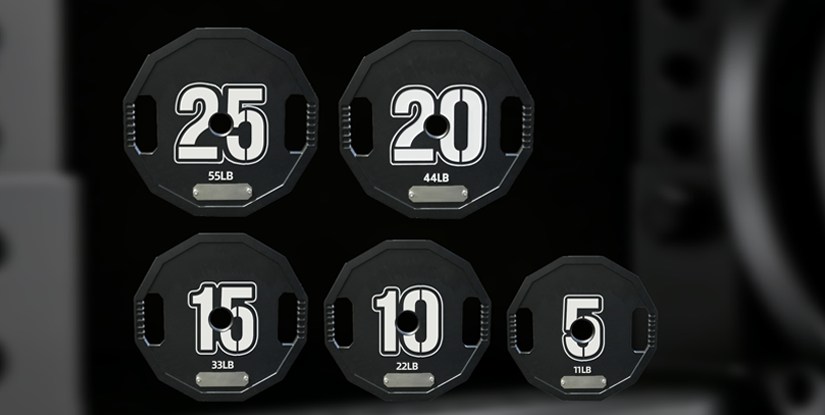
The ability to offer a specialized product range often depends on understanding MOQ requirements and production timelines. We work closely with our clients to balance the complexity of private label designs with efficient manufacturing cycles. As a dedicated commercial weight plate supplier, we ensure that your custom specifications—ranging from specialized hub designs to unique surface finishes—are integrated seamlessly into the production workflow without compromising the structural integrity or the weight calibration of the plates.
Technical Material and Finish Comparison for Procurement
Choosing the correct material and surface treatment is essential for optimizing the total cost of ownership (TCO) and durability in a commercial setting. A mismatch between the coating and the intended environment can lead to premature degradation, higher maintenance costs, and diminished distributor margins. To assist in your sourcing decisions, we have outlined the standard material tiers used by a professional olympic plate trade manufacturer to serve different market segments.
The following table compares the most common material-to-finish configurations used in bulk export. These options allow you to differentiate between budget-friendly training solutions and premium, high-durability equipment for professional facilities.
| Material Type | Surface Finish | Typical Commercial Use | Durability Level | wholesale Impact |
|---|---|---|---|---|
| Cast Iron | Powder Coating | Standard Commercial Gyms | Moderate | Cost-Effective |
| Cast Iron | Rubber Coated | High-Traffic Training Centers | High | Mid-Range |
| Steel/Iron Core | PU Coated | Premium Studios & Boutique Gyms | Very High | Premium Pricing |
| Machined Steel | Chrome / Bare Metal | Competition & Specialized Training | Extreme | High MOQ / Specialized |
When evaluating wholesale olympic plates, procurement managers should consider the specific manufacturing route for each finish. For example, cast iron plates with a powder coating typically undergo a sand casting process followed by a specialized surface finishing line to ensure coating adhesion. In contrast, rubber coated or PU coated options involve a secondary molding or dip process to encapsulate the core, providing superior floor protection and noise reduction. Understanding these technical nuances helps you select the right specification for your target market, whether you are prioritizing low landed costs or high-end durability for professional athletes.
Before finalizing a bulk order, we recommend requesting a sample evaluation to inspect the coating thickness and the quality of the hub machining. Our China olympic plate factory can provide detailed technical sheets for each material-finish combination to ensure your customization requests align with your long-term maintenance and replacement planning.
Technical Execution and Manufacturing Workflow
Reliability in bulk procurement is built on the precision of the manufacturing sequence. A professional olympic plate trade manufacturer does not simply cast and ship; we follow a rigorous multi-stage technical workflow to ensure that every unit meets commercial-grade tolerances. This systematic approach minimizes the risk of weight discrepancies and surface failures, which are common pain points for distributors managing high-volume inventory.
The production cycle begins with high-grade sand casting to create the core geometry. Once the raw cast iron or steel forms are cooled, they undergo CNC machining, specifically targeting the center bore. This step is critical for ensuring concentricity and a smooth fit on Olympic barbells, reducing friction during heavy lifts. Following the machining phase, the plates move through a controlled surface finishing stage—whether it be a high-durability powder coating or a precision rubber molding process—to ensure maximum adhesion and impact resistance.
To maintain strict quality standards, each batch undergoes a dedicated weight calibration phase. This ensures that the final product remains within the industry-standard tolerance allowed for commercial training. The final stage of our process involves a comprehensive pre-shipment QC. During this inspection, technicians verify the flatness of the base, the integrity of the coating, and the precision of the hub. Finally, the plates are secured in heavy-duty export packaging, designed to withstand the rigors of international sea freight and prevent damage during transit to your warehouse.
Understanding these technical milestones allows you to better manage your lead time and landed cost calculations. Whether you are sourcing standard stock or engaging in complex OEM projects, our transparent production stages ensure that your shipment arrives ready for immediate commercial deployment. We invite procurement leads to request a detailed specification sheet or schedule a factory audit to verify these quality control protocols firsthand.
Optimizing Logistics: Export Packaging and Landed Cost Management
For professional distributors and gym equipment importers, the total landed cost is a critical metric that dictates final profit margins. When sourcing from a olympic plate trade manufacturer, the unit price is only one component of the equation. To maintain a competitive edge, buyers must account for international freight, customs duties, and the structural integrity of export packaging to prevent transit damage.
Managing these variables requires a commercial weight plate supplier with proven experience in global logistics optimization. A professional China factory provides value beyond the manufacturing floor by offering optimized container loading patterns and robust packaging solutions. By maximizing the volumetric efficiency of each 20ft or 40ft container, a supplier helps reduce the per-unit shipping expense, directly lowering the overall landed cost for your bulk wholesale orders.
Effective logistics optimization involves more than just selecting a shipping method; it requires precise coordination of shipping efficiency and weight distribution. Whether you are managing wholesale olympic plates or specialized training gear, working with an experienced China olympic plate factory ensures that your cargo is palletized and secured to withstand the rigors of long-haul maritime transport, protecting your investment from the factory floor to your local warehouse.
Strategic Shipping and Volume Optimization
Procurement managers must weigh the trade-offs between speed and cost-efficiency when selecting freight methods. While air freight offers rapid delivery for small-scale boutique studio orders, it is rarely viable for heavy iron or rubber-coated products due to high volumetric weight charges. For high-volume distribution, sea freight remains the industry standard for minimizing the per-unit expense of bulk shipments.
To achieve the lowest possible landed cost, we recommend optimizing the loading density through professional palletization and container management. A strategic commercial weight plate supplier will provide detailed loading plans to ensure that every cubic meter of a 20ft or 40ft container is utilized effectively. This includes selecting appropriate packaging thickness and crate structures that prevent weight shifting during maritime transit.
| Logistics Strategy | Primary Application | Volume Optimization | Landed Cost Impact |
|---|---|---|---|
| Sea Freight (LCL/FCL) | Large-scale bulk distribution | High (via optimized palletization) | Lowest per-unit cost |
| Air Freight | Urgent, low-volume replenishment | Low (limited by weight/volume) | Highest per-unit cost |
| Standard Export Crating | General commercial shipping | Moderate (standardized dimensions) | Predictable/Standard |
| Heavy-Duty Reinforced Pallets | Premium or high-density loads | High (maximizes stability) | Protects against damage/claims |
Understanding the relationship between MOQ and shipping efficiency is vital for maintaining healthy distributor margins. Larger orders typically allow for more efficient container utilization, which helps dilute the fixed costs of international freight and port handling. We advise buyers to coordinate closely with their olympic plate trade manufacturer during the pre-shipment stage to confirm final dimensions, weight, and packaging specifications, ensuring a seamless transition from the China factory to your regional distribution center.
Ensuring Product Integrity Through Pre-Shipment QC and Export Packaging
The risk of transit-related damage—such as surface abrasion, coating chipping, or structural deformation—can significantly increase your total landed cost through replacement claims and lost time. To mitigate these risks, a professional China olympic plate factory implements a rigorous multi-stage protocol designed specifically for long-haul maritime transit. This process begins with a comprehensive pre-shipment QC inspection, where technicians verify the weight tolerance, bore concentricity, and coating adhesion of every unit before it enters the packaging line.
High-quality export-standard packaging is the final line of defense for your bulk investment. For heavy iron or rubber-coated units, we utilize reinforced corrugated cartons and heavy-duty pallets to ensure structural stability. During the container loading phase, professional loaders apply strategic weight distribution techniques to prevent shifting. This attention to detail ensures that your wholesale olympic plates arrive in pristine, retail-ready condition, securing your bulk order security and protecting your distributor margins from the unexpected costs of shipping-related defects.