Olympic Weight Plate Bulk Buy: Commercial Sizing and Spec
The Strategic Value of Olympic Weight Plate Bulk Buy for Commercial Facilities
Many facility managers make the mistake of prioritizing low initial unit prices, only to face escalating replacement costs and high maintenance loads due to poor material density or uneven casting. A more effective procurement strategy involves an olympic weight plate bulk buy from a reliable China factory to secure high-durability commercial weight plates that offer a superior TCO. By focusing on high-grade wholesale olympic plates, distributors and gym owners can significantly improve their long-term ROI through reduced breakage and longer equipment lifecycles.
When managing large-scale inventory, the difference between budget-grade casting and precision-machined commercial units becomes clear in the operational expense report. Selecting a professional supplier for your olympic weight plate bulk buy ensures that each unit meets industry-standard weight tolerances and surface finish requirements, preventing the frequent replacement cycles common with low-quality commercial weight plates.
Material Composition and Durability Comparison
Selecting the correct material profile is critical for long-term asset management. For high-traffic facilities, the choice between cast iron and advanced polymer coatings impacts both the floor protection requirements and the replacement frequency. A professional olympic weight plate bulk buy should account for these qualitative differences in wear resistance and impact absorption to optimize the total cost of ownership.
| Material Type | Primary Manufacturing Process | Key Component / Feature | Commercial Duty Tier | Procurement Context |
|---|---|---|---|---|
| Cast Iron | Sand Casting & Machining | Steel Hub / Inner Ring | Budget / Standard | High MOQ / Low Unit Cost |
| Rubber Coated | Steel Core with Rubber Molding | Impact-Absorbing Rim | Commercial / High-Impact | Standard Commercial Sourcing |
| Polyurethane (PU) | Precision Injection / Vulcanization | Encapsulated Steel Center | Premium / High-End | Specialized OEM / ODM Order |
Understanding these material axes allows distributors to better position their inventory. While cast iron remains a staple for traditional strength training, the integration of high-grade rubber or PU coatings provides essential shock absorption for modern functional training zones. When coordinating an olympic weight plate bulk buy, we recommend evaluating the coating adhesion and the quality of the steel hub to ensure the wholesale olympic plates can withstand rigorous daily use without premature surface degradation or structural failure.
Optimizing Landed Cost and Supply Chain Efficiency
A successful procurement strategy extends beyond the initial purchase price to include the total landed cost, which encompasses shipping, duties, and local logistics. For professional importers, coordinating an olympic weight plate bulk buy directly with a factory minimizes the markup typically added by middle-tier traders. By establishing a direct line to a China factory, buyers can better manage the complexities of container loading and ocean freight, ensuring that high-density products are packed to maximize volume efficiency and minimize movement during transit.
Beyond the logistics of a single shipment, long-term procurement efficiency relies on a supplier capable of meeting consistent MOQ requirements and scaling production with your business growth. Whether you are looking for OEM solutions to establish your own brand identity or require ODM services for specialized plate designs, a direct-to-factory model provides the transparency needed for effective inventory planning. This approach allows for tighter control over the QC process, ensuring that every batch of commercial weight plates adheres to your specific quality standards before leaving the warehouse.
Material Composition and Manufacturing Standards for Commercial Weight Plates
When executing an olympic weight plate bulk buy, procurement professionals must prioritize material integrity to ensure long-term asset value. Sourcing directly from a China factory allows distributors to select specific material compositions—ranging from traditional cast iron to high-performance urethane—that align with their target market's durability requirements and total cost of ownership (TCO).
Selecting the correct material is not merely about weight, but about the lifecycle of the equipment in a high-traffic environment. For instance, commercial weight plates made of cast iron offer excellent cost-efficiency for strength training zones, while rubber or urethane-coated options are essential for high-impact functional training areas to protect flooring and reduce noise. A reliable supplier will provide transparent documentation regarding the molding and coating processes used to achieve these standards.
Material and Manufacturing Tier Comparison
| Material Type | Manufacturing Process | Primary Coating | Commercial Duty Tier | Procurement Benefit |
|---|---|---|---|---|
| Cast Iron | Sand Casting & Machining | Powder Coating | Standard Commercial | High margin for high-volume wholesale olympic plates |
| Steel Hub & Rubber | Injection Molding | Rubber/Urethane | Premium/Functional | High durability for high-impact environments |
| Steel Core | Centrifugal Casting | PU Coating | Elite/Competition | Precision and longevity for specialized studios |
Understanding these distinctions is critical during the sourcing phase. For example, a wholesale order for basic strength gyms might focus on powder-coated cast iron to optimize the landed cost, whereas a premium facility distributor may require the impact resistance provided by high-grade urethane. When negotiating MOQ or OEM specifications, always verify the thickness of the powder coating or the quality of the rubber encapsulation to prevent premature peeling or cracking in commercial settings.
Technical Manufacturing Processes and Surface Finishes
The structural integrity of your order depends heavily on the manufacturing sequence. High-quality commercial weight plates typically follow a rigorous production chain: starting with sand casting for the base weight, followed by CNC machining to ensure the central bore meets industry-standard concentricity, and finishing with a specialized surface treatment. For distributors, the choice between a sand casting process and a precision centrifugal casting method can significantly impact the final product's balance and long-term utility in a professional gym.
Surface finishing is a critical variable in the olympic weight plate bulk buy decision. While a standard powder coating provides a durable, textured grip for cast iron units, high-end functional training facilities often demand PU coating or rubber coating for better shock absorption. When evaluating a supplier, it is essential to confirm whether the coating is a thin paint layer or a deep-molded encapsulation, as the latter offers superior resistance to chipping and environmental wear. A well-managed China factory will implement a multi-stage QC process—including coating adhesion checks and weight calibration—to ensure that every unit delivered meets the expected commercial-grade specifications for your specific market.
Pre-Shipment Inspection and Export Standards
To mitigate the risk of receiving defective or unbalanced units, professional buyers must integrate specific technical checkpoints into their pre-shipment inspection. During an olympic weight plate bulk buy, a standard QC protocol should include a concentricity check to ensure the central bore is perfectly aligned, preventing uneven weight distribution during high-speed use. Furthermore, a weight calibration check is essential; while small deviations are common in mass production, a reputable supplier will ensure that the variance remains within industry-standard tolerances to protect your distributor margins and client satisfaction.
Beyond the physical plate, the logistics of the sourcing process require strict oversight of export packaging and container loading. For heavy items like wholesale olympic plates, the risk of damage during ocean freight is high. Verify that the factory utilizes heavy-duty, reinforced corrugated boxes or custom wooden crates to prevent crushing. A professional China factory will also optimize the loading plan to maximize container volume, directly affecting your final landed cost. Before finalizing any MOQ or shipment, request a detailed inspection report that confirms coating adhesion, bore precision, and the integrity of the packaging to ensure your inventory arrives ready for immediate commercial deployment.
Precision Engineering: Casting and Surface Finishing Processes
Achieving high-performance standards in an olympic weight plate bulk buy requires strict adherence to manufacturing precision. For distributors and gym owners, the difference between a low-tier product and a professional-grade unit lies in the consistency of the casting and the quality of the final finish. When sourcing from a China factory, understanding these technical steps ensures your inventory meets the durability requirements of high-traffic commercial facilities.
The production of commercial weight plates typically begins with sand casting to create the foundational shape of the iron or steel. This process must be followed by rigorous CNC machining to ensure the center bore is perfectly concentric and the surface remains flat. Without precise machining, plates can develop wobbling or uneven weight distribution, which increases maintenance costs and reduces the lifespan of your barbell equipment. High-quality wholesale olympic plates undergo multiple calibration stages to ensure the weight tolerance remains within industry-standard limits across the entire batch.
Once the structural form is finalized, the surface treatment becomes the primary defense against oxidation and wear. Most commercial-grade plates utilize a high-quality powder coating or a specialized plating process to provide a smooth, durable finish. A professional supplier will ensure that the coating adhesion is tested to prevent chipping during heavy use, which is critical for maintaining the aesthetic and structural integrity of the product in a professional setting. Selecting a factory that prioritizes these finishing steps significantly improves the long-term ROI of your procurement through reduced replacement frequency.
Comparison of Surface Finishing and Coating Tiers
When managing a large-scale olympic weight plate bulk buy, the selection of surface treatment directly impacts the total cost of ownership and the maintenance load for the end-user. Choosing between basic coatings and high-end encapsulation is a strategic decision for any wholesale importer. A mismatch between the environment and the coating—such as using bare iron in a high-humidity area—can lead to rapid oxidation and premature replacement, hurting your distributor margins.
For premium facility installations, urethane/PU coating is often the preferred standard due to its superior impact resistance and smooth tactile feel. In contrast, powder coating offers a cost-effective, durable solution for high-volume commercial gyms where weight and surface texture are secondary to structural longevity. Below is a qualitative comparison of the common finishing options available through professional OEM and ODM manufacturing routes.
| Material & Finish Type | Primary Manufacturing Process | Key Component Detail | Commercial Duty Tier | Procurement Context |
|---|---|---|---|---|
| Cast Iron with Phosphate Treatment | Sand Casting & Chemical Bath | Oxidation-resistant surface layer | Budget / Standard Commercial | Best for high-volume basic gym setups |
| Powder Coated Steel/Iron | Casting & Electrostatic Spray | High-adhesion polymer layer | Mid-Tier Commercial | Standard for general fitness distributors |
| Urethane/PU Coated Bumper | Steel Hub & Vulcanized Molding | Integrated rubber/PU rim | Premium / High-Impact | Ideal for high-traffic weightlifting zones |
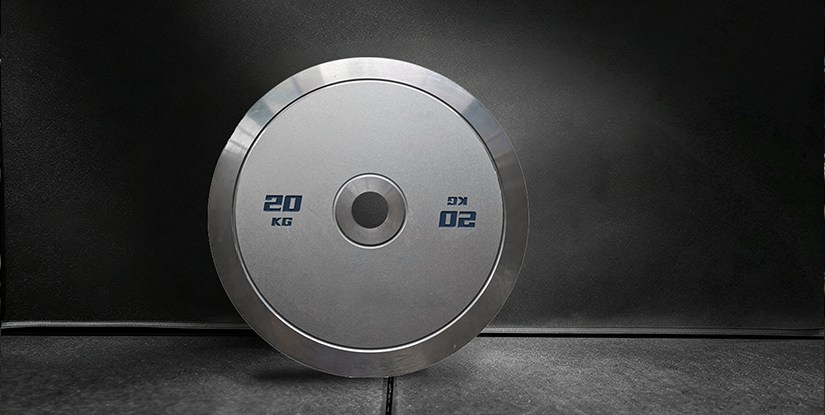
Before finalizing your shipment, it is standard practice to request a sample or a detailed specification sheet to verify the coating adhesion and the quality of the inner ring. For large-scale orders, we recommend confirming the specific process used for the center bore and the thickness of the outer layer to ensure it meets your brand identity requirements. Contact your supplier to discuss how these material choices affect your lead time and total landed cost.
A successful olympic weight plate bulk buy is not finalized at the point of payment, but rather at the moment of successful container unloading. For professional importers, the highest risk involves receiving batches with inconsistent physical integrity, such as uneven concentricity or poor coating adhesion. To mitigate these risks, a professional China factory must implement a multi-stage pre-shipment inspection (QC) protocol that focuses on the mechanical and aesthetic standards required for commercial-grade equipment.
During the final QC phase, technicians should perform specific spot-checks on the base flatness and the structural alignment of the center bore. In many commercial settings, even minor deviations in concentricity can lead to uneven barbell loading, which increases wear on the client's barbell sleeves. Furthermore, a rigorous check of the coating adhesion is essential; the surface must withstand standard impact tests to ensure the finish does not chip or peel under heavy usage. For those managing a large-scale wholesale order, these technical details are what separate a premium shipment from a high-maintenance liability.
Beyond the product itself, the efficiency of your sourcing strategy depends heavily on the quality of the export packaging. Because weight plates are high-density, heavy-duty items, they require specialized palletization and reinforced corner protection to survive long-distance ocean freight. Poorly secured packaging can lead to edge damage or structural stress during transit, which directly impacts your landed cost through potential returns or insurance claims. We recommend that distributors confirm the specific export packaging standards—such as heavy-duty corrugated boxes or reinforced wooden crates—before the production run begins.
When calculating your total procurement budget, do not overlook the relationship between MOQ, lead time, and shipping logistics. While a higher MOQ may lower your unit price, it also affects your warehouse space efficiency and initial capital outlay. A transparent supplier will provide a clear timeline that accounts for both the manufacturing cycle and the time required for pre-shipment QC and container loading. To ensure your technical requirements are met, we suggest requesting a detailed inspection report or a sample approval of the final finished product before the shipment departs the factory.
Optimizing Sourcing via China Factory Direct Channels
Strategic procurement for a olympic weight plate bulk buy requires moving beyond simple retail availability to focus on supply chain control. For distributors and large-scale gym operators, sourcing directly from a China factory is the most effective way to secure higher distributor margin and stabilize the landed cost of heavy iron and rubberized inventory.
When managing high-volume orders, the complexity of logistics and manufacturing scale becomes a central concern. Utilizing a professional supplier allows for greater flexibility in product specifications through OEM or ODM services, ensuring your inventory meets specific regional branding or technical requirements. Navigating wholesale channels directly minimizes the middleman markup, providing a clearer view of the MOQ and lead time required to maintain consistent stock levels for your clients.
By establishing a direct relationship with the factory, buyers can better manage the total cost of ownership. This includes negotiating better terms for commercial weight plates and ensuring that the shipping density—especially for heavy cast iron or bumper plates—is optimized for container loading to reduce per-unit freight expenses.
Evaluating Sourcing Models: Factory-Direct vs. Trading Company
Professional buyers must decide between the agility of a trading company and the cost-efficiency of a direct manufacturer. While traders may offer smaller order volumes, a direct olympic weight plate bulk buy through a manufacturer provides superior control over the technical specifications of the weight plates, particularly regarding the density of the rubber or the precision of the iron casting. For high-volume importers, the ability to influence the production line is often more valuable than the convenience of a single-source trader.
The following table outlines the technical and commercial trade-offs between these two common procurement paths to assist in your sourcing decision.
| Sourcing Model | Primary Material Focus | Manufacturing Capability | Key Component Control | Commercial Duty Tier | MOQ Impact |
|---|---|---|---|---|---|
| Trading Company | Standardized stock items | Limited to pre-made inventory | Standardized packaging/labels | Budget to Mid-tier | Lower initial volume |
| Direct Manufacturer | Custom cast iron or PU/Rubber | Full CNC machining & molding | Custom branding & steel hubs | Commercial to Premium | Higher volume requirements |
When evaluating wholesale olympic plates, procurement officers should prioritize a factory that offers transparent QC protocols. This includes inspecting the concentricity of the center bore and the adhesion of the coating to the metal core. A direct relationship also facilitates better export packaging strategies, such as reinforced crate structures or optimized palletization, which are essential for protecting high-density commercial weight plates during long-haul sea freight to mitigate damage and reduce the final landed cost.
Quality Control Protocols and Pre-Shipment Inspection Standards
Maintaining high margins as a distributor requires minimizing the high costs associated with defective inventory and customer returns. For professionals executing an olympic weight plate bulk buy, relying on a China factory with rigorous inspection standards is the only way to ensure that every unit delivered meets the expected weight tolerance and structural integrity. Without a standardized pre-shipment inspection, a single batch of inconsistent commercial weight plates can damage your reputation and increase your landed cost through replacement liabilities.
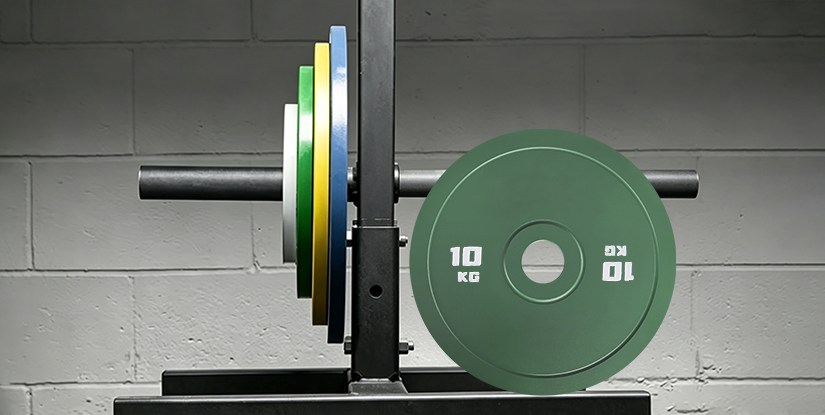
A professional supplier must implement a multi-stage validation process to ensure manufacturing consistency across large-scale orders. This typically begins with a raw material audit of the gray iron or steel, followed by a calibration check after the casting and machining stages. For those managing wholesale olympic plates distribution, requesting a detailed inspection report that covers weight accuracy, concentricity, and coating adhesion is a critical step in the sourcing process to protect your long-term ROI.
Technical Inspection Checklist for Distributors
To protect your distributor margins, your inspection team or third-party agency must look beyond surface aesthetics. A professional olympic weight plate bulk buy requires a technical audit of the physical geometry and material-to-coating bond. When sourcing wholesale olympic plates, failure to verify these specific mechanical attributes often leads to high return rates and diminished brand authority in the commercial fitness market.
| Inspection Focus | Critical Quality Parameter | Commercial Duty Requirement | Typical Failure Mode |
|---|---|---|---|
| Dimensional Integrity | Concentricity and Flatness | Smooth rotation on bar/hub | Warped or uneven casting surfaces |
| Weight Accuracy | Calibration Consistency | Standardized weight tolerance | Significant deviation in mass per unit |
| Surface Durability | Coating Adhesion | High resistance to impact/scratches | Peeling or cracking of rubber/PU layer |
| Structural Soundness | Casting Defects | Uniform density without air pockets | Internal cracks or surface pitting |
During the final stage of the sourcing workflow, verify the export packaging integrity. For high-volume commercial weight plates, the packaging must prevent metal-on-metal friction and moisture ingress during sea freight. Ensure the factory utilizes reinforced heavy-duty cartons or custom pallets that can withstand the high density of steel and iron during container loading. Finally, confirm that the MOQ and lead time alignment includes a buffer for these final QC stages to prevent shipping delays that impact your warehouse stock levels.
When finalizing a olympic weight plate bulk buy, the difference between a profitable shipment and a logistical nightmare often lies in the granularity of the technical audit. Professional buyers must distinguish between budget-grade production and the high-spec standards required for premium gym environments. A standard wholesale order may look acceptable in a showroom, but the true test occurs under the mechanical stress of daily commercial use, where dimensional deviations or coating failures can lead to high replacement costs and reduced distributor margins.
To assist in your procurement decision-making, the following comparison outlines the qualitative differences between standard and premium commercial weight plates. This data is designed to help you align your sourcing strategy with your target market's expectations, whether you are providing entry-level studio equipment or high-end professional training tools.
| Inspection Focus | Standard Commercial Grade | Premium Commercial Grade | Impact on Landed Cost |
|---|---|---|---|
| Surface Finish | Basic powder coating or paint | High-grade PU or vulcanized rubber | Higher initial cost; lower long-term maintenance |
| Dimensional Tolerance | Standard casting thickness | Precision CNC machined inner ring | Ensures consistent bar fit and rotation |
| Weight Accuracy | Standard weight deviation | Strict calibration standards | Reduces liability in professional competition settings |
| Packaging Durability | Single-wall corrugated boxes | Reinforced heavy-duty export packaging | Protects against transit damage and moisture |
| Material Consistency | Common gray iron casting | High-density steel hub or premium iron | Increases durability and impact resistance |
Understanding these variables allows you to optimize your olympic weight plate bulk buy for specific business models. While budget tiers may offer a lower landed cost per unit, the premium tier often provides a better total cost of ownership (TCO) for large-scale facility operators due to increased longevity. We recommend requesting a sample evaluation or a formal specification sheet from your supplier to confirm that the material and coating specifications align with your brand's quality promise before proceeding with a full-scale wholesale order.
Custom Branding and OEM Capabilities for Global Distributors
Distributors seeking to scale their market presence often find that generic products limit their growth potential. When executing an olympic weight plate bulk buy, the ability to transition from a mere importer to a recognized brand owner is a critical factor in long-term profitability. Leveraging OEM and ODM services allows you to move beyond standard inventory and build a proprietary product line that commands higher market value.
Establishing a strong brand identity requires more than just a name; it requires visual consistency across your entire equipment catalog. A professional China factory can provide comprehensive custom branding solutions that differentiate your offerings in a crowded commercial market. Whether you are targeting high-end boutique studios or large-scale commercial gyms, these customization options directly impact your distributor margin by allowing for premium positioning.
Customization Tiers for Brand Identity
Effective private label strategies involve selecting the right method for logo application and aesthetic finishes. For high-volume wholesale olympic plates, the choice between casting and surface treatment affects both the durability of the mark and the overall production lead time. Most commercial weight plates utilize one of the following three branding methods to ensure professional results:
- Casting and Embossing: The most durable method where the logo is integrated directly into the mold during the sand casting process. This creates a permanent, raised, or recessed relief that cannot be worn off through heavy usage, making it ideal for high-traffic commercial environments.
- Color Customization via Powder Coating: For a modern look, many distributors request specific colors for the powder coating layer. This allows you to match your brand colors to the plate surface, providing a sleek, uniform appearance that distinguishes your brand from standard black or gray iron plates.
- Advanced Surface Finishes: Beyond basic paint, options such as high-grade urethane or specialized rubber coatings can be used to enhance the premium feel of the plate while maintaining strict brand color requirements.
By utilizing these OEM capabilities, you can ensure that every piece of equipment shipped under your name meets specific aesthetic and functional standards. This level of control is essential when you are managing large-scale sourcing projects where brand uniformity is a prerequisite for successful distribution.
| Customization Level | Branding Method | Coating Options | Typical MOQ | Commercial Application |
|---|---|---|---|---|
| Standard Wholesale | Raised or recessed casting | Standard black paint or phosphate | Low | General gym supply and budget-tier distribution |
| Mid-Tier Private Label | Precision stencil or pad printing | Custom color powder coating | Medium | Boutique studios and specialized fitness chains |
| Full OEM/ODM | Integrated mold branding + color-matched urethane | High-grade PU or specialized rubber molding | High | Premium commercial brands and professional competition lines |
Selecting the appropriate tier is a strategic decision that affects your total landed cost and long-term brand equity. While a standard olympic weight plate bulk buy offers the lowest entry barrier, a full OEM approach provides the highest level of differentiation for distributors aiming for the premium segment. We recommend reviewing these specifications with your supplier to ensure the branding method aligns with your target market's expectations for durability and aesthetic excellence.
Manufacturing Precision and Quality Control Standards
A common failure mode in low-tier procurement is the discrepancy between the ordered specification and the delivered product, often due to inadequate oversight during the manufacturing stages. For professional importers, the technical integrity of the branding and surface finish is as vital as the weight itself. When managing an olympic weight plate bulk buy, it is essential to understand the specific technical checkpoints that a reliable China factory must execute to ensure long-term durability and brand prestige.
The production sequence typically begins with high-precision sand casting to ensure logo precision. Whether the branding is an embossed raised relief or a recessed cavity, the mold must be maintained to prevent blurring or loss of detail. Following the casting stage, the plates undergo CNC machining to ensure the central bore is perfectly concentric. This step is critical for preventing uneven wear on barbell sleeves, a common issue with substandard commercial weight plates. A professional supplier will emphasize that precision at the machining stage directly correlates to the longevity of the equipment in high-volume commercial settings.
Once the structural form is finalized, the focus shifts to surface integrity and coating adhesion. In many commercial settings, the durability of the finish determines the replacement rate. A robust production process includes a multi-stage surface preparation—such as phosphate treatment—before the application of the final layer. This ensures that the powder coating or rubber encapsulation remains firmly bonded to the iron core, preventing chipping or peeling even under the mechanical stress of constant weight transitions. For distributors, high coating adhesion is a primary indicator of a high-quality wholesale olympic plates order.
Final validation occurs during the pre-shipment QC phase, where rigorous testing protocols protect your landed cost and distributor margins. A reputable manufacturer does not rely on theoretical accuracy; instead, they implement a strict weight tolerance spot-check on a randomized percentage of every batch. This ensures that the actual mass of the plates aligns with the declared specifications within industry-standard variances. Furthermore, a thorough inspection of the export packaging is mandatory. To minimize transit damage and optimize container loading efficiency, plates should be secured in heavy-duty, reinforced cartons or specialized wooden crates, ensuring that the bulk shipment arrives at your warehouse in pristine, retail-ready condition.