Olympic Plate Export Manufacturer: Leading China OEM
Optimizing Inventory Margins with an Olympic Plate Export Manufacturer
For international distributors managing large-scale warehouse stock or boutique studio chains planning seasonal expansions, the complexity of managing logistics and unit costs can significantly impact profitability. Sourcing directly from an olympic plate export manufacturer allows these professionals to bypass mid-tier trading company markups and gain direct access to production schedules. By establishing a direct line to a China factory, importers can better synchronize their supply chain with actual market demand, ensuring that high-demand weight denominations are always available without overextending capital.
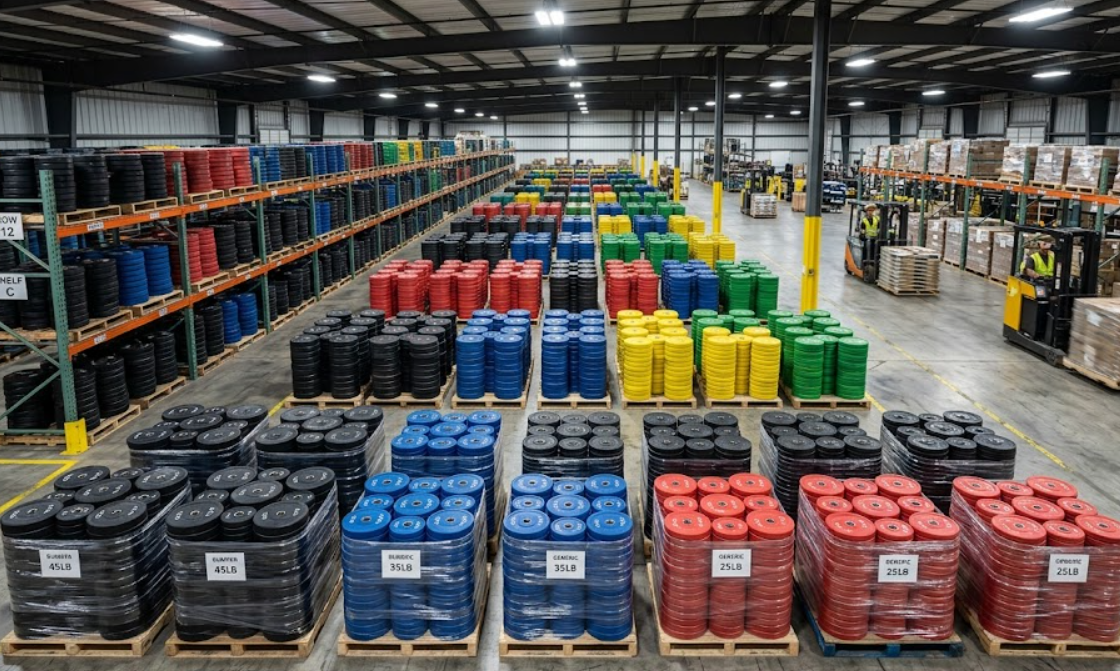
Optimizing your procurement strategy requires more than just finding a low price; it requires a partner capable of handling high-volume wholesale orders with predictable lead time and reliable shipping. When you source through a professional commercial olympic plate supplier, you gain the ability to customize order cycles based on your specific inventory turnover. This strategic approach minimizes the risk of dead stock and optimizes the landed cost of each unit, providing a much higher margin for distributors and large-scale gym equipment retailers.
Comparing Plate Types for Commercial Distribution
Selecting the appropriate material profile is critical for optimizing both the durability of your gym facility and the long-term maintenance load. For distributors, choosing between cast iron and bumper plates involves balancing the weight-to-volume ratio with the specific usage environment of the end-user. A professional olympic plate export manufacturer provides various material options to ensure your inventory meets the specific demands of high-traffic commercial gyms or specialized strength training centers.
The following table outlines the technical and commercial differences to assist in your wholesale bumper plates and cast iron procurement planning. Understanding these qualitative distinctions helps in managing client expectations regarding noise, floor protection, and storage efficiency.
| Material Type | Primary Manufacturing Process | Key Component/Finish | Typical Commercial Use | Storage Efficiency | Procurement Context |
|---|---|---|---|---|---|
| Cast Iron | Sand Casting & Machining | Powder Coating or Enamel | Standard Strength Training | High (Compact Footprint) | Budget-friendly for high-volume stock |
| Rubber Bumper | Compression Molding | Steel Internal Hub | Dynamic/Olympic Lifting | Moderate (Thicker Profile) | Premium tier for high-impact zones |
| PU Coated | Polyurethane Encapsulation | Precision Steel Core | Elite/Competition Training | Moderate (Premium Durability) | High-end facility specialized supply |
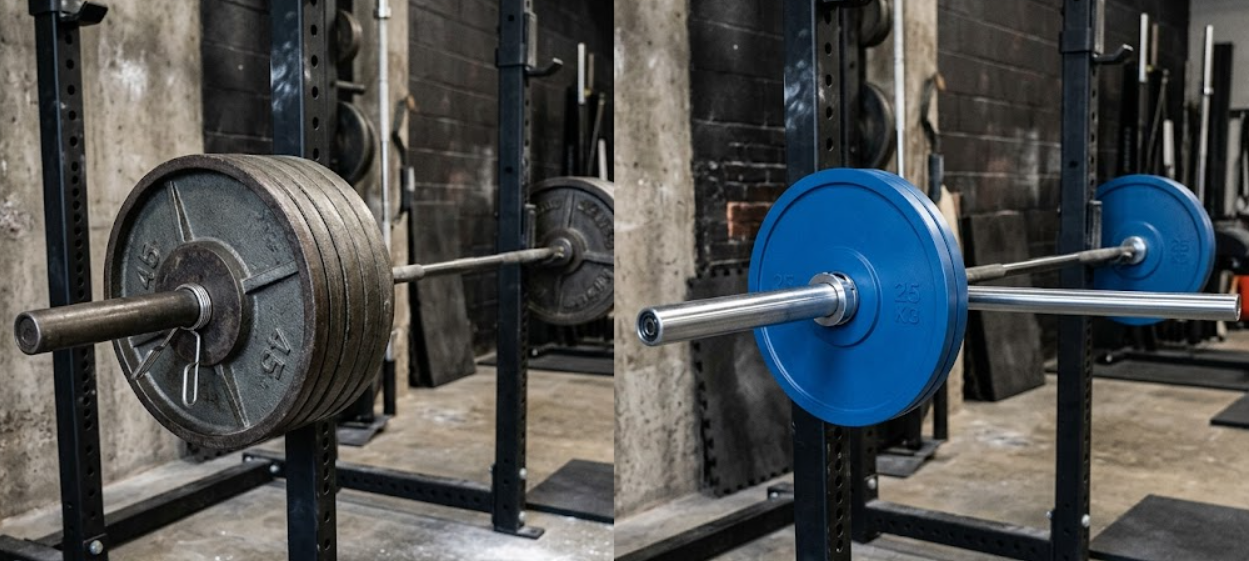
When evaluating your next batch, consider that bumper plates typically offer better floor protection and impact absorption, which is a key selling point for commercial gym owners. However, for traditional strength training environments where space and weight density are priorities, cast iron remains an industry-standard choice. As a reliable commercial olympic plate supplier, we recommend reviewing specific weight-marking and tolerance-check protocols during your pre-shipment inspection to ensure all units meet your brand's quality standards.
Quality Control and Customization Capabilities
Maintaining a premium brand identity requires strict oversight of the manufacturing line. A high-tier China olympic plate factory implements a multi-stage production sequence—starting with precision sand casting or compression molding, followed by CNC machining for the central bore, and ending with professional powder coating or polyurethane encapsulation. This structured approach ensures that every unit maintains a consistent center of gravity and professional finish, which is vital for high-traffic commercial environments.
For distributors seeking to expand their product lines, our OEM and ODM services provide the flexibility to develop specialized inventory. This includes custom weight markings, bespoke color schemes, or specific thickness profiles to meet local market preferences. To ensure your landed cost remains competitive and your reputation stays intact, we implement rigorous pre-shipment QC protocols. This includes weight tolerance spot-checks, inspecting the bond line adhesion of rubber coatings, and verifying the concentricity of the internal steel hub. Furthermore, our specialized export packaging is designed to withstand long-distance sea freight, protecting the edges and surfaces of your bulk orders from transit damage.
Whether you are looking for a standard catalog replenishment or a unique private label solution, we invite you to contact us to request a detailed spec sheet, confirm your specific MOQ, or arrange a sample evaluation for your upcoming procurement cycle.
Material Selection and Manufacturing Standards for Commercial Use
Selecting the correct substrate is a critical decision for distributors and gym owners to manage total cost of ownership and equipment longevity. A professional olympic plate export manufacturer provides various material configurations to meet different commercial gym requirements, ranging from high-impact shock absorption to high-density stability. Understanding the structural differences between these materials allows importers to optimize their sourcing strategy based on the specific durability needs of their target fitness facilities.
When procuring in bulk, buyers must distinguish between traditional metal-based plates and modern high-impact alternatives. While cast iron remains a staple for strength training, high-performance facilities increasingly demand rubber or polyurethane options to reduce floor vibration and noise. A reliable China factory will offer diverse manufacturing routes to ensure that each product tier aligns with the intended commercial environment, whether it is a heavy-duty strength club or a high-traffic functional training studio.
Commercial Grade Material Comparison
| Material Type | Manufacturing Process | Key Component/Finish | Commercial Duty Tier | Sourcing Advantage |
|---|---|---|---|---|
| Cast Iron | Sand Casting & Machining | Powder Coating or Enamel | Standard Commercial | High durability, low cost |
| Rubber Bumper | Compression Molding | Steel Inner Hub | Premium High-Impact | Floor protection, noise reduction |
| Polyurethane (PU) | Injection/Dip Coating | Precision Steel Core | Elite/Competition | Maximum longevity, color retention |
For distributors seeking a commercial olympic plate supplier, the choice between a wholesale bumper plates order and a cast iron batch often depends on the end-user's facility type. Bumper plates typically utilize a steel hub integrated with high-density rubber or PU to withstand frequent drops, whereas cast iron plates are optimized for static weight stability and cost-effective wholesale distribution in traditional lifting environments.
Quality control during the production phase is essential for maintaining consistent weight standards. In a professional China olympic plate factory, the process typically involves a sequence of casting or molding, followed by precision machining of the inner ring to ensure a standard Olympic collar fit, and finally, a surface treatment such as powder coating or encapsulation. This ensures that the sourcing process results in products that meet the strict concentricity and weight tolerance expectations of international commercial buyers.
Technical Specifications and Manufacturing Workflow
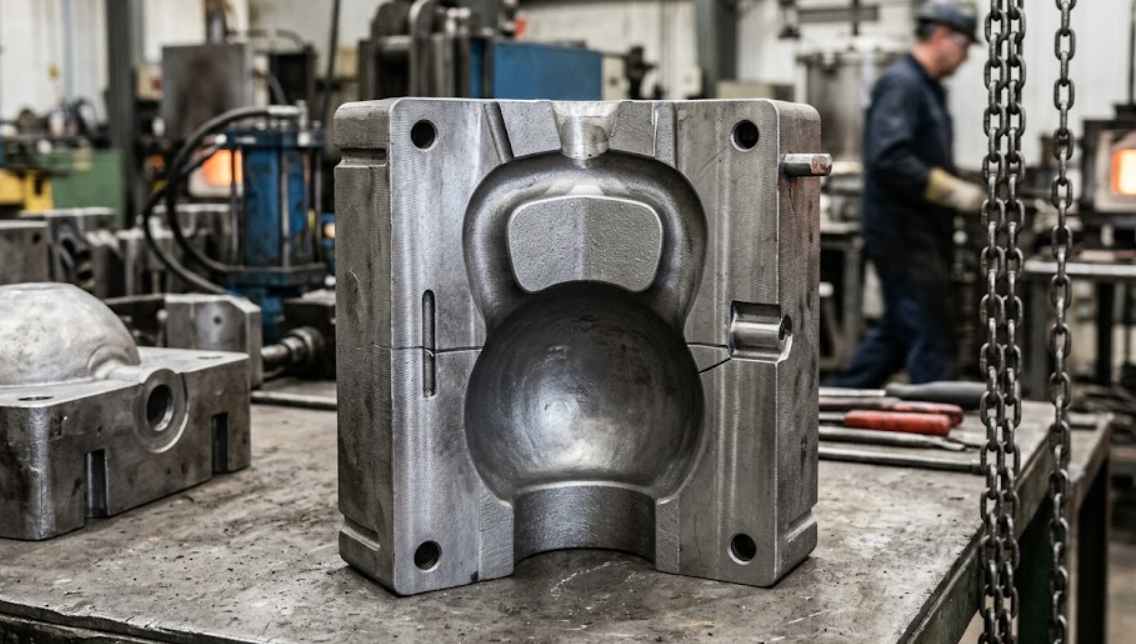
A standardized production sequence is what differentiates a professional olympic plate export manufacturer from lower-tier operations. For metal-based plates, the workflow begins with sand casting, followed by CNC machining of the central bore to ensure a precision fit for Olympic barbells. For high-performance wholesale bumper plates, the process shifts to high-density molding around a reinforced steel hub. This structural integration is vital for maintaining the integrity of the bond line under high-impact stress, a key factor in reducing long-term replacement costs for large-scale distributors.
Beyond the core casting or molding, the surface finishing stage determines the product's resistance to oxidation and mechanical wear. A reputable commercial olympic plate supplier will implement a multi-stage finishing process, such as a phosphate treatment or a high-grade powder coating line, to ensure long-lasting color retention and grip. During pre-shipment, a thorough QC check focuses on the concentricity of the weight and the quality of the inner ring to prevent any imbalance during heavy lifting sessions.
When managing a wholesale procurement plan, buyers should confirm the specific manufacturing route for their order to ensure it meets the durability standards of their specific market. Whether you are sourcing high-density rubber for functional training zones or traditional cast iron for heavy lifting platforms, verifying the manufacturing steps—from the initial casting to the final surface coating—is a fundamental part of a successful sourcing strategy. We recommend requesting a detailed spec sheet or a sample evaluation to confirm that the material density and finish quality align with your brand identity and commercial requirements.
Technical Precision in Bumper Plate Production and Calibration
For global distributors and gym equipment importers, the reliability of a single shipment depends on the technical consistency of the olympic plate export manufacturer. In high-volume wholesale procurement, even minor deviations in weight or diameter can lead to significant inventory discrepancies and increased customer returns. Achieving professional commercial gym standards requires a production workflow that prioritizes precision calibration and material uniformity across every batch.
The manufacturing process begins with high-density rubber or high-grade polyurethane (PU) molding around a precision-engineered steel hub. This core component is critical; a high-quality commercial olympic plate supplier ensures the steel center maintains perfect concentricity during the molding phase. If the hub is not perfectly centered, the plate will wobble during high-impact use, creating a safety risk and increasing the maintenance load for the end-user. For large-scale sourcing, verifying the quality of this internal steel-to-rubber bond is a vital step in the China factory inspection process.
To mitigate the risks of uneven wear and uneven weight distribution, a professional China olympic plate factory implements a strict calibration sequence. This typically involves a multi-stage process: initial casting or molding, followed by precision machining of the inner diameter to ensure a consistent fit on Olympic barbells, and finally, a rigorous weight tolerance check. By maintaining tight control over the weight accuracy and the thickness of the outer rim, a reliable factory ensures that every plate in a bulk order meets the exact specifications required for professional strength and conditioning environments.
Production Methodology: Casting vs. Molding for Commercial Use
When evaluating your next batch of wholesale bumper plates, it is essential to understand how the choice between casting and molding affects the total cost of ownership (TCO). For high-traffic commercial facilities, the manufacturing route determines not just the initial landed cost, but also the long-term durability and floor protection capabilities of the equipment.
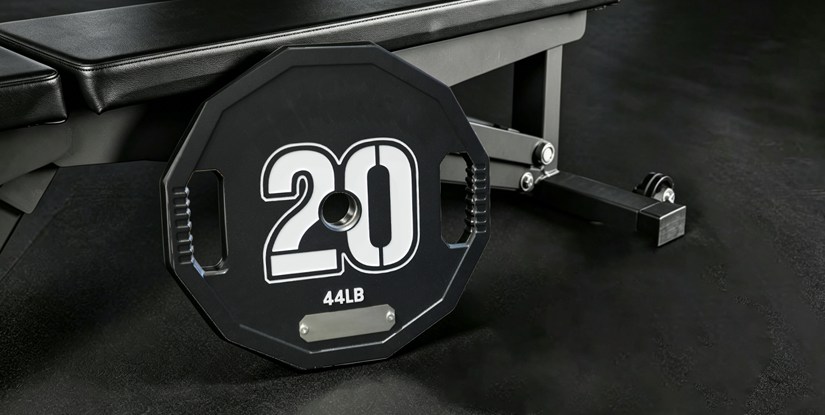
The primary difference lies in the structural integrity and impact absorption. While traditional casting is often used for standard iron plates, high-performance rubber or PU-coated plates require a complex molding process around a steel core. A professional olympic plate export manufacturer will utilize different production lines depending on whether the client requires the rigidity of cast iron or the impact-resistance of a bumper plate. For distributors, selecting the correct method is a critical procurement decision that impacts both shipping weight and the durability of the surface finish.
| Material Type | Primary Process | Key Component | Commercial Duty | MOQ Impact | Factory QC Point |
|---|---|---|---|---|---|
| Cast Iron | Sand Casting & Machining | Single-piece iron body | Standard Strength Training | Lower MOQ requirements | Weight tolerance & base flatness |
| Rubber Bumper | Steel Hub Injection Molding | Steel center & rubber rim | High-Impact/Crossfit | Higher MOQ for specialized colors | Hub concentricity & bond adhesion |
| PU Bumper | Polyurethane Molding | Steel hub & PU coating | Premium/Competition Grade | Strict volume-based pricing | Coating thickness & surface density |
For importers, the technical distinction between a two-piece assembly and a single-piece cast unit is a key factor in assessing potential failure modes. A reliable supplier will provide detailed specifications regarding the thickness of the outer rubber layer and the quality of the internal steel hub to ensure the product can withstand repeated drops in a commercial setting. We recommend requesting a sample or a detailed specification sheet to confirm the internal build quality before finalizing any large-scale wholesale purchase.
Pre-Shipment Inspection and Export Quality Control
Before any container is cleared for departure, a professional olympic plate export manufacturer must execute a rigorous pre-shipment inspection to eliminate the risk of defective units reaching your warehouse. For distributors managing large-scale inventory, the cost of receiving a batch with uneven weight or poor structural integrity far outweighs the initial savings of a low-cost source. A reliable China olympic plate factory operates with a standardized QC protocol that focuses on the critical points of failure inherent in high-impact training equipment.
The inspection sequence typically begins with a visual and physical assessment of the coating adhesion and surface uniformity. In high-performance bumper plates, inspectors check the bond between the rubber or PU layer and the internal steel hub to ensure no delamination occurs under stress. Simultaneously, a concentricity check is performed on the central bore to verify that the plate remains balanced during high-speed rotation. This level of detail is essential for maintaining the professional reputation of your brand when supplying premium fitness facilities.
Furthermore, weight consistency is verified through a randomized sampling of the bulk order. Rather than relying on theoretical calculations, a qualified commercial olympic plate supplier uses precision scales to ensure every unit within the weight tolerance band meets the specified commercial grade. This step is vital for maintaining trust with end-users who rely on precise loading for strength and conditioning. We suggest that during your sourcing process, you request a formal QC report or a sample approval protocol to confirm that the factory's pre-shipment standards align with your specific commercial requirements and distributor margins.
Sourcing Strategies for a Commercial Olympic Plate Supplier
Transitioning from small-scale retail purchasing to high-volume commercial gym distribution requires a fundamental shift in procurement logic. For gym owners and equipment distributors, the goal is no longer just finding a single unit, but establishing a reliable supply chain that ensures consistency in weight, durability, and landed cost. Selecting a professional olympic plate export manufacturer allows businesses to bypass the markups of middle-tier traders and gain direct access to production-level pricing and customization capabilities.
A successful sourcing strategy must prioritize the stability of the China factory partner. When scaling up, the ability to manage high-volume wholesale orders while maintaining strict quality standards is the difference between a profitable facility and one plagued by high replacement costs. By working directly with a commercial olympic plate supplier, importers can better control their inventory turnover, optimize shipping container utilization, and secure more favorable MOQ terms for specialized or wholesale bumper plates orders.
Material Selection and Commercial Utility Framework
A critical part of the procurement decision involves choosing the correct material composition to balance durability with budget requirements. For instance, high-density cast iron is a standard for strength-focused facilities, while rubberized or PU-coated options are essential for high-traffic functional training areas to minimize floor damage and noise. Understanding these material trade-offs is vital when negotiating wholesale pricing and long-term maintenance costs.
The following framework helps procurement officers evaluate the technical specifications and commercial suitability of various plate types offered by a china olympic plate factory.
| Material Type | Production Process | Key Component / Finish | Commercial Duty | MOQ Impact | Factory QC Point |
|---|---|---|---|---|---|
| Cast Iron | Sand Casting & Machining | Powder Coating or Enamel | Strength & Standard Lifting | Lower MOQ typical | Weight calibration & base flatness |
| Rubber Coated | Steel Hub & Injection Molding | Rubber Rim / Outer Layer | High-Impact / Functional Training | Higher MOQ for specialized colors | Coating adhesion & bond line |
| Polyurethane (PU) | Steel Core & PU Encapsulation | Premium PU Coating | Elite Gyms / High-End Studio | Premium pricing / Strict MOQ | Surface smoothness & weight tolerance |
When evaluating an olympic plate export manufacturer, it is recommended to request a detailed specification sheet for each material tier. This ensures that your custom branding or private label requirements align with the structural integrity of the core components, such as the steel hub or the thickness of the coating, before finalizing a bulk order.
Customization and OEM Capabilities for Global Distributors
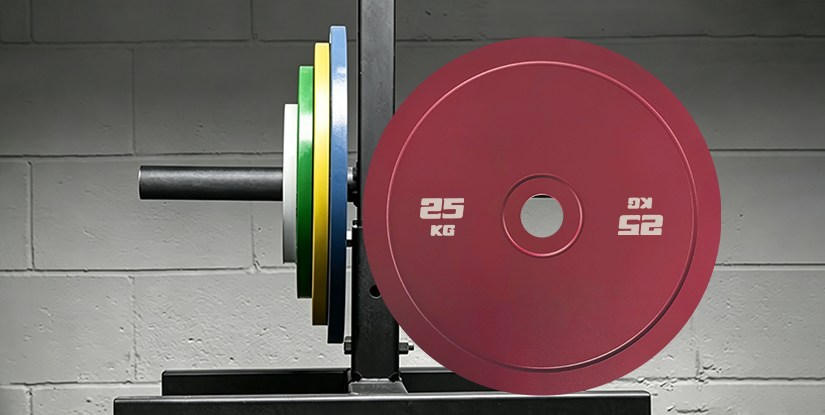
For professional distributors and gym equipment importers, the ability to differentiate a product line through brand identity is a critical competitive advantage. As a specialized olympic plate export manufacturer, we provide comprehensive OEM and ODM solutions that allow your company to move beyond generic stock items toward a proprietary product catalog. Whether you are establishing a new fitness brand or expanding an existing professional series, our China factory supports the technical transition from a standard design to a fully branded commercial asset.
Our custom branding services are designed to meet strict commercial gym requirements, ensuring that your logo and aesthetic identity remain durable under heavy usage. We offer various levels of private label integration, ranging from simple embossed or printed weight markings to high-end customized color schemes for bumper plates. By managing the sourcing and manufacturing process directly, we help you maintain control over the finished look and perceived value of your equipment. We also offer flexible MOQ structures to accommodate different stages of market entry, ensuring that your initial wholesale orders remain manageable while providing the scalability needed for long-term growth.
Technical Specifications and Material Customization
A reliable commercial olympic plate supplier must offer more than just standard stock; we provide precise control over the material composition and surface finish to suit your specific market tier. For high-traffic commercial environments, we offer several distinct manufacturing routes. Standard cast iron plates undergo a rigorous sand casting and machining process to ensure concentricity, while premium bumper plates feature a high-density rubber or PU coating for enhanced impact absorption and floor protection. This material selection directly impacts the long-term maintenance load and the total cost of ownership for your end clients.
To maintain high standards during bulk procurement, our production sequence follows a strict protocol: casting or molding, followed by CNC machining for the inner ring to ensure a precise Olympic collar fit, and finally, a specialized coating application. Whether you require a rugged powder coating for cast iron or a seamless polyurethane encapsulation for bumper plates, our processes are designed to prevent coating adhesion failure. This attention to detail ensures that weight markings remain legible even after years of heavy use in commercial settings.
| Material Tier | Primary Process | Key Component/Finish | Commercial Duty | MOQ Impact | Factory QC Point |
|---|---|---|---|---|---|
| Cast Iron | Sand Casting & Machining | Powder Coating | Standard Commercial | Lower | Weight Calibration |
| Rubber Bumper | Compression Molding | High-Density Rubber/PU | Premium/High-Impact | Moderate | Coating Adhesion |
| Steel Core | Centrifugal Casting | Steel Hub & Vinyl | Specialized/High-End | Higher | Concentricity Check |
When evaluating your next batch of wholesale bumper plates, it is essential to verify the weight calibration and the quality of the internal hub. Our China olympic plate factory utilizes a systematic approach to quality control, where every unit is checked for dimensional accuracy and surface uniformity before it reaches the export packaging stage. This ensures that your wholesale shipments arrive with consistent weight tolerances, reducing the risk of disputes or returns from your distributors. We recommend discussing your specific technical requirements with our team to confirm how our customization options align with your target landed cost and brand positioning.
When planning a large-scale procurement cycle, understanding the relationship between customization complexity and lead time is essential for maintaining a stable supply chain. As a professional olympic plate export manufacturer, we provide tiered solutions that allow you to balance your target margins with the specific performance needs of your market segment. Whether you are sourcing high-volume budget options for general fitness centers or specialized premium units for professional strength facilities, our China factory offers the scalability required for diverse distribution models.
The following comparison outlines how different customization levels and material choices impact your wholesale logistics, specifically regarding MOQ and production timelines. High-spec wholesale bumper plates often require more intensive molding and drying processes, which can influence the total lead time for your sourcing plan. By selecting the appropriate tier, you can optimize your inventory turnover and landed cost while meeting the durability standards expected by your clients.
| Customization Tier | Primary Focus | Typical Branding Method | Lead Time Impact | Target Market |
|---|---|---|---|---|
| Standard Stock | Cost Efficiency | Standard Stencil or Molded | Low (Fastest) | Budget Commercial |
| Professional OEM | Brand Identity | Custom Color & Logo | Moderate | Mid-Tier Gyms |
| Premium ODM | High-Performance | Full Customization/Materials | Higher (Longer) | Elite Strength Clubs |
To ensure a seamless transition from order placement to final delivery, we recommend requesting a detailed spec sheet and sample approval during the early stages of your sourcing process. For distributors looking to establish a unique product line, our OEM services allow for deep integration of your brand identity into the manufacturing flow. We invite you to contact us to confirm current MOQ requirements and to discuss how our specialized production capacities can support your next large-scale import or distribution project.
Quality Control and Export Logistics for China Olympic Plate Factory Orders
Maintaining product consistency is a critical challenge for distributors sourcing heavy equipment. When engaging an olympic plate export manufacturer, the difference between a profitable shipment and a high-return loss lies in the rigor of the quality control protocols applied during production. For high-volume importers, a single batch with inconsistent weight tolerance or poor surface finish can compromise distributor margins and damage brand reputation.
A professional China factory must implement a multi-stage inspection sequence to meet international commercial gym standards. This process typically begins with raw material verification of the gray iron or rubber compounds, followed by precision machining to ensure concentricity. Before any container is loaded, a formal pre-shipment inspection should validate the dimensional accuracy and coating adhesion of every unit. By prioritizing these technical checkpoints, a reliable commercial olympic plate supplier minimizes the risk of landed cost spikes caused by faulty inventory or shipping delays.
Effective wholesale procurement requires more than just selecting a product; it requires a partner capable of managing complex logistics efficiency. From optimizing pallet density to ensuring robust export packaging that withstands maritime transit, every step in the supply chain must be optimized to protect your sourcing investment and ensure timely arrival at your warehouse.
Technical Standards for Quality Inspection and Global Shipping
For distributors managing large-scale inventory, the technical integrity of a shipment is determined by the manufacturer's ability to control micro-level variables. A high-tier olympic plate export manufacturer focuses heavily on the precision of the inner ring and the bond line of the exterior coating. Whether you are sourcing cast iron or high-density rubber, the calibration of weight and the structural stability of the steel hub are non-negotiable for commercial-grade certification.
When evaluating a China olympic plate factory, procurement leads should demand transparency regarding the following technical differentiation between product tiers:
| Material Type | Manufacturing Process | Key Component Detail | Commercial Duty Tier | MOQ Impact | Factory QC Point |
|---|---|---|---|---|---|
| Cast Iron | Sand Casting & Machining | Knurled inner ring | Budget/Standard | Low | Concentricity & Base Flatness |
| Rubber Bumper | Compression Molding | Steel internal hub | Premium/Professional | Medium | Coating Adhesion & Rim Uniformity |
| PU Coated | Injection Molding | Integrated core | Elite/Competition | High | Weight Calibration & Surface Smoothness |
Beyond the product itself, the logistics of wholesale bumper plates require specialized handling to ensure a low landed cost. Effective export packaging must include heavy-duty reinforced corner protection and moisture-resistant wrapping to prevent oxidation during sea transit. We recommend that all buyers confirm the sea freight optimization plan with their supplier—specifically regarding pallet stacking height and container loading density—to maximize shipping volume and reduce per-unit freight expenses. Before finalizing any bulk order, we suggest requesting a formal sample approval and a detailed pre-shipment inspection report to validate that all technical specifications meet your local market requirements.