Bumper Plate OEM: Commercial Material Specs and Sourcing
Bumper Plate OEM: Material Selection and Commercial Standards
A professional bumper plate OEM project requires a strategic balance between high-impact durability and cost-effective production. For distributors and gym owners, selecting the right rubber compounds and structural components ensures long-term product reliability, lower maintenance costs, and a higher return on investment for commercial facilities.
When managing sourcing for large-scale fitness projects, the distinction between material grades directly dictates the landed cost and the lifespan of the inventory. High-volume importers must evaluate the interplay between the outer protective layer and the internal structural core to avoid premature wear or weight inaccuracies that lead to customer dissatisfaction and high replacement rates.
Material Hierarchy and Structural Composition
The durability of a weight plate is determined by its internal architecture. Most premium units utilize high-density steel hubs to provide a stable center of gravity and consistent diameter. This internal ring is typically surrounded by a heavy-duty rubber layer, which is essential for protecting both the equipment and the facility flooring during high-impact drops. For those looking into rubber bumper plate wholesale opportunities, understanding the difference between standard rubber and high-grade polyurethane (PU) is vital for positioning a product in the premium or budget tier.
Effective commercial bumper plate manufacturing involves a multi-step process to ensure the outer shell adheres perfectly to the core. A common failure mode in lower-quality production is the separation of the rubber from the steel center due to poor vulcanization or low-grade adhesives. Professional buyers should verify that the factory utilizes a consistent molding or dip-coating process to maintain structural integrity under repeated stress.
| Material Tier | Core Component | Outer Layer | Commercial Duty | Sourcing Context |
|---|---|---|---|---|
| Premium | Solid Steel Hub | High-Density Polyurethane | Competition/High-Traffic | High MOQ / Custom Branding |
| Commercial | Steel or High-Density Rubber | Vulcanized Rubber | Standard Gym/CrossFit | Standard Wholesale |
| Budget | Compressed Rubber/Composite | Vinyl or Thin Rubber Dip | Light Commercial/Home | Low MOQ / Stock Items |
When evaluating custom branded weight plates, the choice of material will influence your ability to offer private label solutions that meet specific market demands. For instance, a China factory specializing in high-end OEM production can provide specialized rubber compounds that offer better color retention and impact absorption, which is a key selling point for premium distributors.
Technical Comparison of Manufacturing Processes
Understanding the manufacturing route is essential for calculating the total cost of ownership. While a standard bumper plate OEM project might focus on basic weight accuracy, the sophisticated production methods used by a high-tier factory determine how well the product handles the daily rigors of a high-traffic training environment. Choosing between molding and dip-coating methods will impact both your wholesale margins and the long-term durability of the finished goods.
For large-scale sourcing, buyers must distinguish between the different production sequences to avoid common quality issues such as surface peeling or uneven weight distribution. A reliable supplier will provide clear documentation on the manufacturing stages, ensuring the structural integrity of the core and the adhesion of the outer shell.
| Material Type | Primary Manufacturing Process | Key Component Focus | Commercial Application | MOQ Impact | Pre-shipment QC Point |
|---|---|---|---|---|---|
| High-Density PU | Injection Molding | Precision Steel Hub | Elite Competition/CrossFit | High (Custom Tooling) | Diameter & Surface Uniformity |
| Vulcanized Rubber | Compression Molding | Integrated Core/Rim | Standard Commercial Gyms | Medium (Standardized) | Rubber-to-Steel Adhesion |
| Vinyl/Rubber Dip | Dip Coating | Composite/Compressed Core | Budget/Light Commercial | Low (High Volume Stock) | Coating Thickness & Texture |
When finalizing a custom branded weight plates order, it is recommended to request a sample for physical evaluation. Professional procurement teams should specifically inspect the junction between the internal hub and the outer material to ensure no separation occurs during high-impact testing. Confirming these technical specifications with your China factory contact during the pre-shipment stage will help mitigate the risks of high return rates and ensure your brand identity remains associated with premium quality.
Core Material Composition and Manufacturing Processes
For professional importers and distributors, understanding the internal architecture of high-performance lifting gear is essential for long-term bumper plate OEM success. High-quality bumper plates are not single-material units; they are precision-engineered assemblies designed to withstand high-volume impact in commercial settings. A reliable China factory will typically utilize a multi-component construction to ensure both weight accuracy and long-term durability.
The structural integrity of a premium unit relies on a high-grade steel hub, which serves as the central core. This internal component is often manufactured through precision machining to ensure a perfectly concentric center bore, allowing for smooth loading on Olympic barbells. This steel core is then encased in a thick, high-density rubber layer. This outer shell is critical for providing the necessary impact resistance required in heavy-duty training environments. Through a controlled vulcanization or molding process, the rubber is bonded to the steel, creating a seamless unit that prevents delamination under heavy use. For commercial grade applications, the density of this rubber must be consistent to prevent uneven wear or bounce issues. When managing commercial bumper plate manufacturing, sourcing partners must verify that the bond between the inner steel and outer rubber can endure repeated high-velocity drops without compromising the unit's structural integrity or weight calibration.
Comparative Analysis of Bumper Plate Material Tiers
Selecting the correct material composition is a critical decision for distributors managing total cost of ownership (TCO) and equipment longevity. The choice between rubber, polyurethane (PU), and urethane impacts not only the initial wholesale price but also the long-term maintenance load and floor protection requirements for your clients. For instance, while standard rubber remains a staple for general fitness centers, premium PU or urethane options offer superior density and color retention for high-end boutique studios or competition-grade environments. Understanding these trade-offs allows procurement officers to align their sourcing strategy with the specific durability needs and budget constraints of their target market.
| Material Type | Manufacturing Process | Key Component | Commercial Duty Tier | MOQ Impact | Factory QC Point |
|---|---|---|---|---|---|
| Standard Rubber | Compression Molding | Steel Hub & Rubber Shell | Budget/General Commercial | Lower | Bonding/Delamination Check |
| Polyurethane (PU) | Injection Molding | Precision Steel Core | Premium/High-End Studio | Higher | Surface Smoothness & Color Consistency |
| Urethane/Hybrid | Advanced Vulcanization | Reinforced Inner Ring | Professional/Competition | Medium-High | Impact Resilience & Weight Calibration |
When negotiating rubber bumper plate wholesale contracts, it is vital to request detailed specifications regarding the molding process. A high-quality custom branded weight plates project often requires a specific level of surface finish and edge precision to ensure the plates stack neatly in a commercial rack. A professional supplier will provide clarity on whether the plates are single-piece cast or two-piece assemblies, as this directly influences the long-term stability of the unit under heavy usage. Always confirm that the manufacturing route includes a rigorous calibration step to maintain weight consistency across the entire batch, especially when managing large-scale bumper plate OEM orders for international distribution.
Production Workflow and Quality Assurance Standards
A predictable production sequence is the foundation of a successful bumper plate OEM partnership. For large-scale distributors, the risk of receiving inconsistent batches can lead to high return rates and damaged professional reputations. A standard, reliable production flow begins with the preparation of the central steel core, followed by precision machining to ensure the bore diameter meets industry standards. Once the core is finalized, the molding or vulcanization process is initiated, where the high-density rubber or PU is bonded to the steel. This sequence—moving from casting or machining to molding and finally to weight calibration—is essential for maintaining a consistent center of gravity and ensuring the plates do not become unbalanced during high-impact use.
To mitigate the risks associated with bulk commercial bumper plate manufacturing, professional buyers must implement a rigorous pre-shipment inspection protocol. Rather than relying on general claims, procurement leads should request verification of specific checkpoints, such as the weight tolerance of the finished units and the adhesion strength of the outer coating. In many commercial settings, a common failure mode is the separation of the rubber shell from the steel hub due to poor bonding or inconsistent vulcanization. Therefore, a competent supplier will perform spot-checks on the thickness and density of the material, alongside a final weight calibration to ensure every plate in the shipment adheres to the agreed-upon specifications. Furthermore, because these items are heavy and high-volume, the export packaging must be robust—typically involving reinforced cartons and heavy-duty pallets—to prevent structural deformation or surface scuffing during long-distance sea freight. When planning your next order, always confirm the MOQ and expected lead time to account for these critical QC stages, ensuring your landed cost remains optimized without sacrificing the quality of your custom branded weight plates.
Comparing Commercial Bumper Plate Manufacturing Tiers
Distinguishing between manufacturing grades is essential for distributors and importers managing landed costs and long-term product durability. When sourcing through a bumper plate OEM, understanding the relationship between material density and the intended commercial environment prevents costly returns and replacement cycles. A China factory typically produces three distinct tiers to accommodate different market segments, from high-traffic commercial gyms to professional competition venues.
The quality of commercial bumper plate manufacturing is largely determined by the integration of the steel hubs and the quality of the rubber compounds used. While budget options prioritize low initial procurement costs, premium tiers focus on weight consistency and impact absorption to protect flooring and equipment longevity.
| Tier Level | Primary Material Focus | Core Construction | Typical Commercial Use | Sourcing Value |
|---|---|---|---|---|
| Budget Tier | Recycled Rubber | Single-piece cast or basic mold | Standard fitness studios | High volume / Low MOQ |
| Standard Commercial | High-density Rubber | Integrated steel hub assembly | Full-scale commercial gyms | Balanced TCO / wholesale |
| Premium Competition | Advanced Polyurethane/Rubber | Precision machined steel core | Professional weightlifting venues | High margin / custom branded weight plates |
For procurement managers, selecting the right tier involves balancing the MOQ against the target end-user's durability requirements. Higher-tier custom branded weight plates offer better weight retention and surface resilience, which is a critical factor for distributors selling to premium fitness franchises.
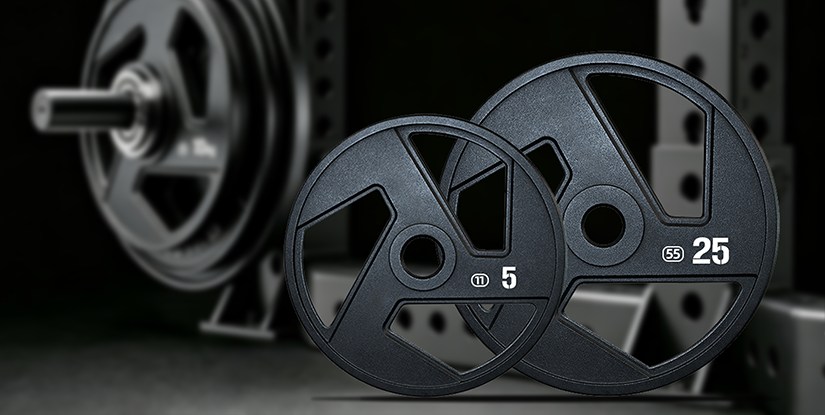
When evaluating a rubber bumper plate wholesale order, the technical distinction between tiers often rests on the precision of the internal components. A professional buyer must consider how the assembly method affects the long-term landed cost and the frequency of replacement requests from end-users. A lower-tier product may offer an attractive initial price, but a lack of precision in the hub-to-rim connection can lead to premature deformation under heavy use.
To ensure high-performance standards, many professional importers request a detailed specification sheet from their supplier to verify the thickness of the encapsulation layer and the quality of the internal steel ring. For those seeking high-end custom branded weight plates, the focus shifts from simple weight delivery to precision machining and advanced coating adhesion, ensuring the brand identity remains intact even after rigorous commercial use.
Before finalizing a bulk purchase, it is highly recommended to request a sample evaluation or a factory audit. Confirming the MOQ and discussing the specific tolerances for the inner diameter will help mitigate the risk of compatibility issues with high-end Olympic barbells. We suggest buyers confirm the specific packaging and container loading plans during the initial quote stage to optimize shipping efficiency and manage total landed costs effectively.
For procurement managers, selecting the right tier involves balancing the MOQ against the target end-user's durability requirements. Higher-tier custom branded weight plates offer better weight retention and surface resilience, which is a critical factor for distributors selling to premium fitness franchises.
When evaluating a rubber bumper plate wholesale order, the technical distinction between tiers often rests on the precision of the internal components. A professional buyer must consider how the assembly method affects the long-term landed cost and the frequency of replacement requests from end-users. A lower-tier product may offer an attractive initial price, but a lack of precision in the hub-to-rim connection can lead to premature deformation under heavy use.
To ensure high-performance standards, many professional importers request a detailed specification sheet from their supplier to verify the thickness of the encapsulation layer and the quality of the internal steel ring. For those seeking high-end custom branded weight plates, the focus shifts from simple weight delivery to precision machining and advanced coating adhesion, ensuring the brand identity remains intact even after rigorous commercial use.
Before finalizing a bulk purchase, it is highly recommended to request a sample evaluation or a factory audit. Confirming the MOQ and discussing the specific tolerances for the inner diameter will help mitigate the risk of compatibility issues with high-end Olympic barbells. We suggest buyers confirm the specific packaging and container loading plans during the initial quote stage to optimize shipping efficiency and manage total landed costs effectively.
Critical Component Inspection and Factory QC Protocols
For distributors managing large-scale imports, the cost of a single faulty batch can devastate profit margins. High return rates often stem from inconsistent bumper plate OEM production standards, where subtle deviations in material density lead to significant weight discrepancies. To maintain commercial-grade reliability, a China factory must implement rigorous pre-shipment inspection protocols that go beyond surface aesthetics to validate the structural integrity of every unit.
Effective commercial bumper plate manufacturing requires strict oversight of two critical variables: weight tolerance and rubber compound consistency. If the rubber density varies between batches, the impact characteristics and bounce height will fluctuate, causing uneven wear on gym flooring and potential client dissatisfaction. Professional sourcing managers should prioritize suppliers who perform systematic calibration of the steel hub and the thickness of the outer casing to ensure each plate meets the expected weight class within industry-standard margins. This level of technical scrutiny prevents the logistical headaches of shipping defective, underweight, or unbalanced units to overseas warehouses.
Technical Inspection Checklist for Bulk Procurement
When conducting a factory audit or a remote inspection for custom branded weight plates, buyers must look beyond the external logo to the fundamental assembly. A high-tier supplier will provide detailed documentation regarding the internal structural integrity. A critical focal point during bumper plate OEM validation is the adhesion between the rubber or urethane layer and the internal steel hub. Poor bonding often leads to delamination or "bubbling" under high-impact use, which can significantly increase the total cost of ownership for your end-users.
To ensure high-performance standards, incorporate the following technical checkpoints into your wholesale procurement workflow:
- Steel Hub Concentricity: Verify that the center bore is machined with precision to prevent wobbling or uneven loading on Olympic bars.
- Edge Smoothness: Inspect the outer perimeter for any jagged edges or uneven casting lines that could compromise safety or user handling.
- Rubber/Urethane Adhesion: Confirm the vulcanization or molding process ensures a seamless, tight fit around the steel core to prevent separation.
- Packaging Durability: Evaluate the export-grade boxing and palletization methods to ensure heavy units survive long-distance sea freight without structural deformation.
For large-scale rubber bumper plate wholesale orders, we recommend requesting a sample to verify these physical attributes before finalizing the MOQ or production schedule. A successful factory audit should always include a visual and tactile check of these core components to protect your distributor margins and brand reputation.
| Inspection Category | Standard Commercial Spec | Premium/Competition Spec | QC Focus | Impact on Landed Cost |
|---|---|---|---|---|
| Steel Hub Integrity | Single-piece cast steel | Machined precision steel | Bore concentricity and diameter stability | Higher unit price due to CNC machining requirements |
| Outer Layer Bonding | Standard rubber molding | Advanced PU or high-density vulcanized rubber | Adhesion strength and delamination resistance | Increased material cost for high-grade compounds |
| Weight Calibration | Standard weight class tolerance | Strict high-precision weight control | Consistency across the entire batch | Lower replacement/return costs for distributors |
| Surface Finish | Basic coating or paint | Multi-layer high-durability coating | Coating adhesion and impact resistance | Protects long-term product value and brand image |
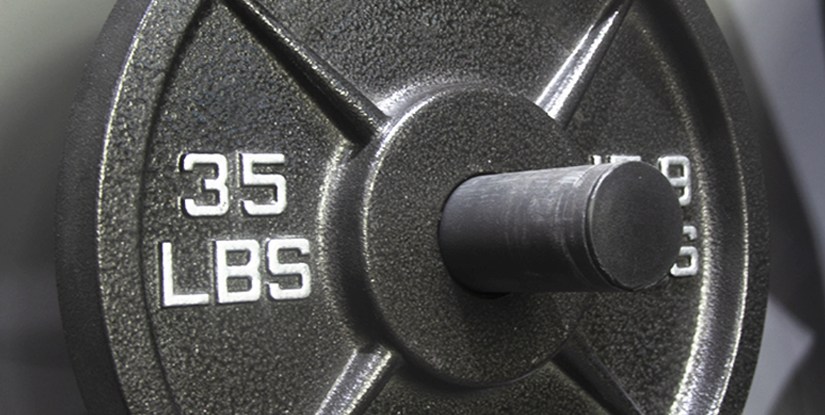
Reviewing these technical tiers allows procurement managers to align their bumper plate OEM orders with specific market positioning. While a standard tier may offer a lower entry point for high-volume, budget-friendly gym setups, the premium tier is essential for high-end training facilities where equipment longevity and precision are non-negotiable. We suggest contacting your supplier to request specific material data sheets or a sample evaluation to confirm which tier best serves your target demographic and protects your long-term ROI.
OEM and Private Label Customization Capabilities
For professional distributors and gym equipment importers, the ability to build brand equity through bumper plate OEM services is a critical competitive advantage. A reliable China factory can transform standard weight plates into proprietary assets, allowing you to move beyond generic commodity trading toward high-margin custom branded weight plates that resonate with your specific target market.
Our OEM and ODM solutions cover the full spectrum of professional branding requirements. Depending on your MOQ and desired aesthetic, we offer diverse private label capabilities to ensure your brand identity remains consistent across all product lines. These options range from high-durability rubber compounds integration to precision steel hub customization, ensuring the structural integrity of the plate matches your brand's premium positioning.
Standard branding methods include high-relief embossing directly into the mold for a permanent, high-end look, or high-precision industrial printing for detailed logos. For distributors seeking a more specialized look, we can customize the texture of the rubber compounds or adjust the finish of the inner ring to meet specific competition or commercial standards. When sourcing specialized equipment, we recommend discussing your MOQ requirements early to determine the most cost-effective branding methods for your specific production run.
Customization Tiers and Sourcing Logic
Navigating the technical differences between production tiers is essential for effective commercial bumper plate manufacturing. Procurement managers must balance the desired aesthetic of their custom branded weight plates against the impact on landed cost and production lead times. Selecting the appropriate tier ensures that your brand positioning remains consistent with your actual capital expenditure.
The following table outlines the qualitative differences between common sourcing tiers to assist in your procurement planning. Note that higher-tier specifications often require a higher MOQ and longer production windows due to specialized material handling and advanced calibration steps.
| Material Tier | Core Components | Primary Process | Commercial Duty | MOQ Impact |
|---|---|---|---|---|
| Budget Commercial | Standard Rubber & Steel Hub | Compression Molding | High-Volume Gyms | Lower |
| Professional Grade | Enhanced Rubber Compound | Precision Vulcanization | Boutique Studios | Moderate |
| Premium/Competition | High-Density Urethane/Rubber | Multi-Stage Injection | Elite Training Centers | Higher |
When evaluating rubber bumper plate wholesale options, consider that premium tiers often utilize advanced rubber/urethane options to improve impact resistance and surface longevity. While a standard steel core/hub specifications profile meets most commercial requirements, premium tiers may offer refined inner ring tolerances for smoother barbell transitions. We recommend requesting a detailed specification sheet and confirming the MOQ for your specific tier before finalizing your sourcing strategy to ensure alignment with your distributor margins and delivery schedules.
Sourcing Logistics: MOQ, Lead Times, and Export Packaging
Managing the procurement of bumper plate OEM orders requires a strategic understanding of how production cycles and shipping logistics intersect. For professional distributors and gym equipment importers, navigating the complexities of commercial bumper plate manufacturing involves balancing immediate inventory needs against the inherent constraints of a China factory production schedule. Effective planning ensures that your landed cost remains competitive while maintaining a consistent supply of high-demand weight plates.
The primary variable in B2B procurement is the relationship between order volume and production capacity. Most wholesale arrangements are governed by a specific MOQ, which directly influences the manufacturing priority and the ability to implement custom branded weight plates protocols. While a higher MOQ may optimize the unit price through economies of scale, it also necessitates longer lead time windows to accommodate the molding, vulcanization, and specialized coating processes required for premium rubberized units.
Beyond the production phase, logistics professionals must account for the distinction between production lead time and shipping transit. A supplier must provide clear visibility into whether the lead time refers to the completion of the rubber bumper plate wholesale batch or the departure of the container from the port. Furthermore, because bumper plates are high-density, high-volume goods, export packaging and container loading optimization are critical to minimizing freight costs and ensuring the structural integrity of the rubber coating during long-haul ocean transit.
Export Packaging and Pre-Shipment Quality Control
To protect your investment during long-haul ocean transit, a professional supplier must employ rigorous export packaging standards. For bulk bumper plate OEM shipments, standard single-unit boxes are insufficient. Instead, high-density plates should be secured in reinforced, heavy-duty cartons or custom-sized wooden crates designed to withstand stacking pressures in a standard 20ft or 40ft container. Utilizing high-strength pallets and edge protectors prevents the crushing of corner profiles and ensures that the rubber bumper plate wholesale order arrives without structural deformation or surface scuffs.
Effective sourcing also requires a strict pre-shipment inspection protocol to mitigate the risk of costly returns or damaged goods. Before any container is sealed, the factory should conduct specific QC checkpoints, including weight tolerance spot-checks to ensure consistency across the batch, and coating adhesion tests to verify the rubber-to-steel bond. Additionally, inspectors must verify the concentricity of the central bore and the cleanliness of the inner ring to ensure seamless loading on Olympic bars. For distributors, confirming these technical details during a factory audit or via a third-party inspection is essential to maintaining high product standards and protecting your brand reputation.
Sourcing Model Comparison: Stock vs. Customization
Selecting the right procurement path depends on your business scale and branding objectives. For many distributors, the choice between purchasing standard stock and initiating a bumper plate OEM project is a trade-off between speed and market differentiation. While stock orders allow for rapid restocking, a dedicated China factory partnership offers the ability to build long-term brand equity through unique specifications.
| Category | Stock/Wholesale Model | Custom OEM/ODM Model |
|---|---|---|
| Primary Focus | Immediate Availability | Brand Identity & Differentiation |
| MOQ | Lower (Standard Carton/Pallet) | Higher (Per Specification/Color) |
| Lead Time | Short (Ready to Ship) | Extended (Production + Tooling) |
| Customization | Limited to Standard Sizes | Full (Color, Logo, Material) |
| Branding | Generic or Existing Brand | Custom Branded Weight Plates |
| Pricing Structure | Standardized Unit Cost | Volume-Based Tiered Pricing |
When evaluating your next rubber bumper plate wholesale purchase, consider your current inventory turnover. A stock model is ideal for filling immediate gaps in a retail catalog or a sudden large-scale gym build-out. However, if you are looking to establish a premium market position, a custom branded weight plates approach—leveraging OEM or ODM capabilities—allows you to control the technical nuances, such as specific rubber durometer or unique color palettes, that set your product apart from generic alternatives. We recommend discussing your specific sourcing requirements with your supplier early to determine if your volume meets the necessary MOQ for specialized production runs.