Bumper Plate Bulk Order: Material QC for Export Supply
Strategic Value of a Bumper Plate Bulk Order for Distributors
Securing a reliable bumper plate bulk order requires more than just comparing unit prices; professional importers must evaluate the intersection of material consistency, logistical precision, and long-term durability. For distributors, the primary risks involve inconsistent weight tolerances and coating failure, which can lead to increased returns and diminished brand authority. By identifying a specialized China factory OEM supplier, buyers can mitigate these variables through standardized production cycles and rigorous pre-shipment inspections that ensure every unit meets commercial-grade expectations.
Optimizing your distributor margin depends heavily on the efficiency of your sourcing strategy and the total landed cost of your inventory. When managing high-volume wholesale gym equipment, small discrepancies in MOQ or unexpected lead time extensions can disrupt warehouse workflows and stall seasonal product launches. A direct relationship with a factory allows for better control over the production schedule, ensuring that your stock levels remain stable while maintaining a competitive edge in the local market.
Effective procurement of commercial bumper plates involves balancing the high-impact requirements of heavy-use facilities with the economic realities of global shipping. High-quality rubber or PU encapsulation is essential to prevent chipping and maintain the aesthetic integrity of the plates during long-term use. By focusing on the manufacturing depth of your supplier, you ensure that the technical specifications—such as the precision of the Olympic collar fit and the adhesion of the surface coating—are optimized for both performance and profit.
Procurement Tier Comparison for Market Segmentation
To maximize profitability, distributors must align their inventory with specific end-user segments. Selecting the correct tier within a bumper plate bulk order ensures that your catalog meets the functional requirements of the facility while protecting your margins. A China factory typically offers different production lines to accommodate these varying commercial duties, from entry-level training centers to high-end performance studios.
| Procurement Tier | Primary Material & Process | Key Component Focus | Commercial Duty | MOQ Impact | Typical Factory QC Point |
|---|---|---|---|---|---|
| Budget Tier | Cast iron with paint or enamel finish | Standard thickness and weight accuracy | General fitness and light commercial use | Lower MOQ for rapid stock turnover | Surface smoothness and paint adhesion |
| Commercial Tier | High-density rubber coating over core | Bore diameter and concentricity | Standard commercial gyms and CrossFit boxes | Standard wholesale volume requirements | Rubber edge bonding and weight spot-check |
| Premium Tier | Polyurethane (PU) or high-grade vulcanized rubber | Precision Olympic collar fit and finish | Professional competition and high-traffic facilities | Higher MOQ due to specialized materials | Material density and coating durability |
Choosing between these tiers is a strategic decision regarding total cost of ownership (TCO) and brand reputation. For instance, a supplier specializing in wholesale gym equipment can often provide OEM or ODM services to add custom branding to the premium tier, allowing you to build a proprietary product line. When evaluating your next sourcing project, always confirm whether the factory utilizes single-piece casting or two-piece assembly, as this fundamental manufacturing difference dictates the long-term durability of the product in high-impact environments.
When managing large-scale inventory, the ability to scale through OEM and ODM capabilities is a critical differentiator for growth. A professional China factory does not merely manufacture a product; they provide a scalable platform for your brand identity. Whether you are looking to introduce a specialized color-coded system for a high-end studio or a high-volume, budget-friendly line for general fitness centers, your supplier must possess the technical infrastructure to execute these variations without compromising on the core structural integrity of the plates.
A successful bumper plate bulk order strategy also requires a deep understanding of export-ready logistics. Beyond the production line, the focus must shift to high-durability export packaging that protects the product from transit-related damage, such as bore deformation or surface scuffing. By coordinating directly with a factory to oversee pre-shipment inspections and container loading protocols, distributors can minimize the risk of damaged goods upon arrival, thereby protecting their bottom line and ensuring a seamless distribution cycle to their end customers.
Material Composition and Surface Coating Standards
When managing a bumper plate bulk order, understanding the distinction between core materials and outer layers is vital for long-term procurement success. For professional importers and distributors, the goal is to balance initial landed cost with a low Total Cost of Ownership (TCO). A China factory typically offers two main structural paths: a high-density steel core or a solid cast iron center, both of which dictate the long-term durability and impact resistance of the equipment in high-traffic commercial environments.
Selecting high-quality commercial bumper plates requires a deep dive into the bond between the internal weight and the external coating. A failure in coating adhesion or a low-grade rubber density can lead to premature cracking or unsightly peeling, which increases maintenance frequency and devalues your inventory. For those looking for wholesale gym equipment, the material integrity of the rubber-to-steel interface is the most critical factor in ensuring the product survives the rigors of professional training.
Material Tier Comparison for Procurement
| Material Configuration | Core Construction | Outer Coating Type | Commercial Duty Tier | Durability Profile |
|---|---|---|---|---|
| Standard Bumper | Steel or Iron Core | High-Density Rubber | Budget Commercial | Standard Impact Resistance |
| Premium Bumper | High-Grade Steel | Polyurethane (PU) | Premium Professional | High Abrasion Resistance |
| Specialized Bumper | Solid Steel | Advanced Rubber Compound | Elite/Competition | Maximum Bounce Control |
As a professional supplier, we recommend evaluating the thickness and elasticity of the rubber during the sourcing phase. A robust China factory OEM supplier will utilize a compression molding process to ensure the rubber encapsulates the core without air pockets, which prevents the "delamination" often seen in lower-tier products. This attention to detail directly impacts the lifespan of the plates and your overall ROI.
Pu Coating vs. Rubber Coating: Technical Selection
For high-end gym owners and distributors, the choice between PU coating and standard rubber coating is a strategic decision regarding maintenance and longevity. Polyurethane (PU) coating offers a much higher level of coating adhesion and a smoother surface finish, making it the standard for premium competition-grade equipment. While the initial cost per unit may be higher, the superior abrasion resistance and lower maintenance load often lead to a better long-term ROI for high-traffic facilities.
In contrast, standard rubber coating is a common choice for high-volume wholesale gym equipment orders where cost-efficiency is the primary driver. While rubber provides excellent shock absorption and floor protection, it is more susceptible to surface wear and environmental degradation over time compared to PU. When managing a bumper plate bulk order, buyers must decide if the target facility requires the high-density, precision feel of PU or the cost-effective durability of a rubber-encapsulated core.
Regardless of the chosen material, professional sourcing requires verifying the manufacturing process. A reliable China factory OEM supplier will ensure that the weight calibration and the bonding of the outer layer to the internal core are handled through a controlled molding or dipping process. This prevents the common failure mode of edge cracking or weight shifting, ensuring that each unit meets the strict weight tolerance standards required for professional commercial use.
Surface Integrity and Pre-Shipment Inspection Protocols
Maintaining high standards of surface uniformity is essential for ensuring that every unit in a bumper plate bulk order arrives ready for professional use. For distributors, surface defects such as pitting, uneven textures, or inconsistent thickness are not merely aesthetic issues; they are indicators of potential structural weaknesses that can lead to higher replacement rates. A professional China factory OEM supplier should implement a rigorous inspection routine that covers the entire surface area of the plate to ensure the coating is seamless and the edges are free from sharp irregularities.
A critical step in the quality assurance workflow is the coating adhesion test. This process verifies that the outer layer—whether it is high-density rubber or polyurethane—is permanently bonded to the internal core. In high-traffic commercial settings, poor adhesion can lead to delamination, where the coating peels away from the weight center, significantly reducing the product's lifespan. To mitigate this risk, a reliable supplier will conduct spot checks during the production phase to ensure the bonding process remains stable under standard industrial conditions.
Before any shipment leaves the warehouse, a comprehensive pre-shipment QC must be completed. This includes a weight tolerance spot-check to ensure consistency across the batch and a visual inspection of the bore diameter to guarantee a perfect fit on Olympic barbells. Furthermore, the export packaging protocol must be strictly followed; plates should be secured in heavy-duty, reinforced cartons designed to withstand the stresses of long-distance ocean freight and container loading. Proper packaging prevents edge damage and ensures that your wholesale gym equipment arrives at your facility in pristine, retail-ready condition.
Manufacturing Processes and Precision Engineering
A professional bumper plate bulk order requires a rigorous production sequence to ensure both durability and weight consistency across high-volume shipments. For distributors and gym owners, understanding the transition from raw material to finished product is essential for evaluating the long-term value and reliability of their wholesale gym equipment investment.
The production cycle typically begins with high-grade sand casting to form the structural core of the plate. Following the initial casting, each unit undergoes precision machining to ensure the central bore meets industry-standard Olympic collar specifications. This stage is critical for maintaining concentricity, preventing any wobbling or uneven weight distribution during high-impact use. A professional China factory will implement a systematic calibration process, where each plate is weight-checked to ensure it stays within acceptable commercial tolerances. This meticulous approach to weight calibration and concentricity check reduces the risk of uneven wear on barbell sleeves, ultimately protecting the buyer's total cost of ownership. For those managing a bumper plate bulk order, these technical checkpoints ensure that every unit in the container meets the same high-performance standard, minimizing the need for post-import replacements.
Material Integrity and Surface Coating Standards
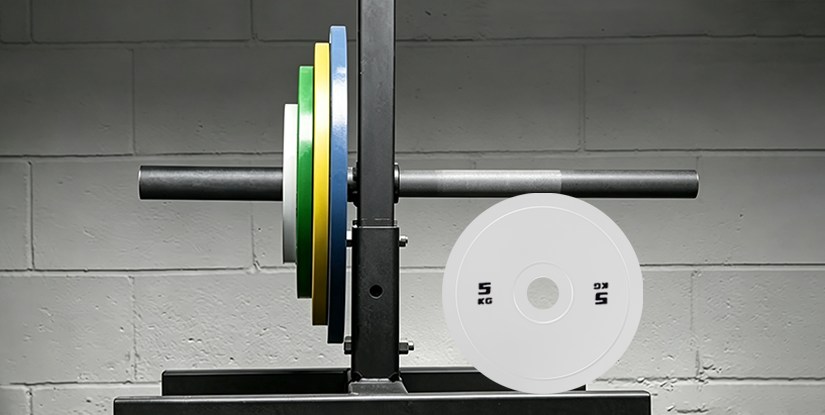
The durability of commercial bumper plates is largely determined by the adhesion of the outer layer to the internal core. In many commercial settings, a failure in the bond line between the rubber and the weight plate can lead to peeling or cracking, which increases maintenance costs and shortens the product lifecycle. When sourcing for a bumper plate bulk order, procurement leads must distinguish between different coating technologies to ensure the longevity of their inventory.
The following table compares the two most common surface treatments found in high-volume wholesale gym equipment production. This comparison assists in determining which specification aligns with your target market's needs, whether it is a budget-conscious commercial facility or a premium training center.
| Material/Coating Type | Process Detail | Key Component | Commercial Duty | MOQ Impact | Factory QC Point |
|---|---|---|---|---|---|
| Rubber Coated | Compression molding or dip coating | Encapsulation layer | Premium / High-Impact | Higher | Coating adhesion and edge bonding |
| Powder Coated | Electrostatic spray and heat cure | Surface finish | Standard Commercial | Standard | Surface smoothness and chip resistance |
| PU Coated | Polyurethane injection | Internal filler/shell bond | High-End Competition | High | Concentricity and shell thickness |
For importers, the choice between a rubber/urethane coating and a standard powder coating involves a trade-off between initial landed cost and long-term durability. While powder coating provides a clean, professional aesthetic for standard weight sets, a high-quality rubberized or PU-coated exterior is essential for high-traffic facilities where impact absorption and floor protection are critical. We recommend requesting a sample evaluation or a detailed spec sheet from your supplier to verify the thickness and adhesion strength of the chosen coating before finalizing a large-scale procurement.
China Factory QC Protocols and Export Inspection
Managing a bumper plate bulk order requires more than just selecting a low price; it requires a rigorous verification of the production chain to protect your distributor margins. For professional importers, the risk of receiving batches with inconsistent density or peeling surfaces can lead to high return rates and damaged brand reputation. A reliable China factory must implement a multi-stage inspection workflow that covers everything from raw material verification to final container loading to ensure every unit meets commercial standards.
The standard pre-shipment inspection for high-volume wholesale gym equipment typically begins at the casting stage to ensure material density is uniform. Once the plates move to the finishing line, quality control shifts toward coating adhesion testing to prevent premature wear in high-traffic commercial environments. Furthermore, a professional supplier will perform a weight tolerance spot-check across the entire batch to ensure the deviation remains within industry-standard limits for commercial bumper plates. This systematic approach minimizes the risk of landed cost surprises and ensures that your OEM or ODM specifications are strictly honored before the goods leave the factory.
Standardized Inspection Benchmarks for High-Volume Procurement
To mitigate the risk of receiving defective inventory, procurement managers should evaluate a China factory OEM supplier based on their ability to provide a detailed inspection report. A professional bumper plate bulk order should be subject to a structured verification process that moves from the core material to the final export packaging. Rely much on qualitative tiers rather than unverified numeric claims when reviewing a supplier's capability.
| Inspection Category | Key Component / Focus | Commercial Duty Tier | Typical Factory QC Point |
|---|---|---|---|
| Material Integrity | Cast density and core consistency | Commercial / Premium | Density uniformity check |
| Surface Finish | Coating adhesion and edge smoothness | Standard / Premium | Scratch and peeling resistance |
| Dimensional Accuracy | Bore diameter and concentricity | All Tiers | Olympic collar fitment test |
| Weight Calibration | Batch weight deviation | Commercial / Competition | Randomized weight spot-check |
| Export Packaging | Carton strength and corner protection | Wholesale / Bulk | Drop test and stackability verification |
For those managing a wholesale gym equipment distribution, the final stage of the bumper plate bulk order process is the container loading inspection. This ensures that the export-grade cartons can withstand the rigors of long-distance sea freight without collapsing. We recommend that buyers request a sample approval and a pre-shipment inspection report to confirm that the weight calibration and coating quality align with your specific OEM requirements before finalizing the lead time and shipping schedule.
Optimizing Container Loading and Export Packaging Efficiency
Protecting your landed cost begins with rigorous export packaging standards. For a large-scale bumper plate bulk order, the primary threat to your margin is not just product defect, but transit damage. High-density rubber or polyurethane coatings can suffer from compression or surface abrasions if the packaging lacks structural integrity. A professional China factory utilizes heavy-duty, double-walled corrugated cartons and reinforced corner protectors to ensure that the weight of the plates does not cause the bottom layers to collapse during long-haul sea freight.
Effective wholesale gym equipment logistics also rely on container loading optimization. To maximize your shipping efficiency and reduce the per-unit freight cost, the supplier must demonstrate expertise in palletization and volumetric density. This includes ensuring that the weight distribution within the container is balanced to prevent shifting during transit. When negotiating your MOQ and lead time, we recommend confirming the exact pallet dimensions and stacking limits. This level of detail ensures that your commercial bumper plates arrive at your warehouse in a condition that allows for immediate distribution, maintaining the high quality expected of your brand.
OEM/ODM Customization and Private Label Capabilities
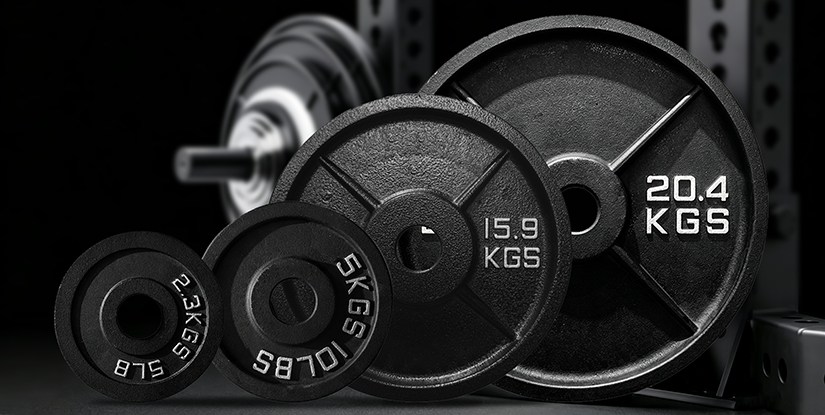
For international distributors and large-scale gym operators, a bumper plate bulk order is more than a simple procurement of weight units; it is a strategic opportunity to build brand equity. Utilizing OEM and ODM services allows you to transition from a mere reseller to a recognized brand owner in your local market. By integrating custom specifications into your wholesale gym equipment strategy, you can differentiate your product line through unique aesthetics and specialized functional features.
A professional China factory provides the technical infrastructure necessary to execute high-level branding and customization. Whether you require specific color-coded weight markings, specialized logo application via silk-screening or laser etching, or unique bumper thickness profiles, the supplier can align production with your brand identity. Most private label projects are governed by a specific MOQ to ensure the economic viability of custom tooling or specialized coating runs. Engaging in commercial bumper plates customization helps you control your market positioning and ensures your equipment meets the exact commercial gym requirements of your target clients, from boutique studios to professional training centers.
Customization Tiers and Production Complexity
When planning a bumper plate bulk order, understanding the technical distinction between standard stock and fully customized units is vital for managing your landed cost and lead time. While standard units offer rapid fulfillment, advanced OEM requests involve more complex production sequences—such as specialized mold creation or multi-stage coating processes—which can impact your total procurement timeline.
| Customization Level | Material & Finish Options | Branding & Identification | Production Complexity | Typical MOQ Impact |
|---|---|---|---|---|
| Standard Wholesale | Standard Rubber/PU Coating | Standard Color-Coded Markings | Low (Standard Casting) | Minimal |
| Professional OEM | Custom Color Selection | Silk-Screen or Laser Logo | Medium (Custom Branding) | Moderate |
| Premium Private Label | Advanced Material/Texture | Full Brand Identity Integration | High (Custom Tooling/Molds) | Significant |
Selecting the right level of commercial bumper plates customization allows you to balance brand exclusivity with operational efficiency. For instance, while a China factory can easily facilitate color-coded weight markings for better gym organization, more intricate logo applications or unique edge profiles may require a higher MOQ to offset the setup costs of the production line. We recommend reviewing your specific branding requirements with your supplier during the initial sourcing phase to ensure accurate lead time projections and budget alignment.
Logistics and Export Standards for Large-Scale Shipments
Managing the logistics of a bumper plate bulk order requires rigorous attention to export packaging and container loading efficiency. Because high-density weight plates are heavy and prone to edge impact during transit, a professional China factory OEM supplier must implement standardized protective measures. This typically includes heavy-duty reinforced cartons and corner protectors to prevent damage to the rubber or PU coating. For high-volume wholesale gym equipment shipments, optimizing the stacking pattern within a 20ft or 40ft container is critical to minimizing the landed cost per unit and maximizing shipping container utilization.
Effective bulk order management also relies on a strict pre-shipment QC process that verifies both product integrity and packaging durability. Before any container is sealed, the supplier should conduct spot checks on weight tolerance, logo adhesion, and the structural integrity of the outer packaging. For distributors managing complex commercial bumper plates inventories, requesting a detailed pre-shipment inspection report—covering weight consistency and carton drop tests—ensures that the goods arriving at your warehouse meet professional commercial standards. We suggest confirming all packaging specifications and lead time buffers during the initial sourcing stage to prevent any disruption to your local distribution or retail cycles.
Optimizing Logistics and Container Loading Efficiency
Managing a bumper plate bulk order requires more than just material oversight; it demands sophisticated logistics planning to protect distributor margins. For professional importers, the primary challenge lies in the high volumetric weight of rubberized plates, which can quickly inflate shipping costs if not managed through precise container loading efficiency. A well-coordinated China factory will utilize strategic stacking and palletization to maximize every cubic meter of a 20ft or 40ft container, directly lowering your landed cost per unit.
Effective wholesale gym equipment distribution relies on reducing "dead air" within the shipping container. By implementing advanced volume optimization techniques—such as nesting different plate diameters or utilizing reinforced heavy-duty pallets—a reliable supplier ensures that the maximum weight capacity of the vessel is reached before the volume limit is hit. This level of sourcing expertise prevents the common pitfall of paying for shipping air, ensuring your commercial bumper plates arrive in a configuration that optimizes both transit safety and your total procurement budget.
Packaging Selection and Transport Protection
When managing a bumper plate bulk order, the choice between palletized and loose loading is a critical decision for your logistics department. While loose loading might appear to maximize space, it often leads to higher breakage rates and labor-intensive unloading processes at the destination warehouse. For high-volume wholesale gym equipment, we recommend standardized export packaging protocols that balance density with structural integrity.
| Packaging Method | Protection Level | Space Efficiency | Logistics Suitability | Typical Use Case |
|---|---|---|---|---|
| Loose Loading | Low: Higher risk of impact damage | High: Maximizes container weight capacity | Manual unloading required | Budget-tier bulk shipments |
| Standard Palletization | Medium: Protects edges and weight distribution | Medium: Requires pallet footprint | Forklift-ready for rapid turnaround | Standard commercial bumper plates distribution |
| Reinforced Crating | High: Maximum protection for premium units | Low: Increased volumetric weight | High-security, high-value transit | Premium OEM or specialized orders |
To prevent common transit failures, a professional China factory implements specific breakage prevention measures, such as corner protectors and heavy-duty cardboard sleeves for individual plates. When negotiating your next sourcing contract, confirm whether the supplier utilizes reinforced palletizing or specialized container bracing. Optimizing these details ensures that your landed cost remains predictable and that your inventory arrives ready for immediate distribution without the need for extensive quality-check replacements.
Pre-Shipment QC and Final Inspection Protocols
The final stage of a bumper plate bulk order occurs during the critical pre-shipment QC window. A professional China factory OEM supplier does not merely count units; they perform a rigorous validation of the entire shipment's integrity before it is sealed in a container. For distributors, this stage is the last opportunity to mitigate the risk of high return rates or damaged inventory arriving at a destination warehouse.
A standard bulk order inspection for high-end plates focuses on three specific technical pillars: weight accuracy, coating adhesion, and container stability. The inspection process typically includes a spot-check of the Olympic collar fit to ensure concentricity, a visual check for any scuffs on the rubber or PU surface, and a verification of the weight tolerance to ensure the batch meets the agreed-upon specifications. Furthermore, the inspection must confirm that the export-standard packaging—such as heavy-duty cartons and reinforced pallets—is structurally sound and capable of withstanding the mechanical stresses of long-distance maritime transit.
To ensure maximum container stability, experienced logistics teams focus on weight distribution during the loading process. This involves balancing the heavy plates across the container floor to prevent shifting, which can lead to structural damage or container imbalance during sea transport. When you engage with a professional China factory, we recommend requesting a detailed loading plan or even a pre-shipment photo report. Verifying that the weight is evenly distributed and that the load is properly braced will protect your long-term margins and ensure your wholesale gym equipment arrives in a condition that is ready for immediate retail or commercial deployment.