Bumper Plate ODM: Coating and Material Selection Supply
Bumper Plate ODM: Material Selection and Structural Integrity
When navigating professional bumper plate ODM procurement, importers must evaluate three critical checkpoints: material durability, structural consistency, and the impact of weight distribution on long-term landed costs. Choosing the wrong material profile can lead to premature surface cracking or uneven wear, increasing the total cost of ownership for your clients. A professional China factory provides the necessary technical documentation to ensure that the chosen construction meets the specific density and impact requirements of your target market, whether for high-traffic strength facilities or premium boutique studios.
The selection of a high-grade rubber or polyurethane shell directly influences the lifespan of the equipment and the maintenance load for the end-user. For large-scale distribution, understanding the distinction between standard rubber and premium polyurethane (PU) is essential for managing inventory diversity and price points. A robust steel hub serves as the structural core, ensuring that the plate remains concentric and balanced during high-velocity drops, which is a fundamental requirement for commercial durability in professional training environments.
For distributors looking to optimize their product catalog, the rubber bumper plate OEM process allows for precise control over the outer layer thickness and the internal density of the core. While traditional rubber options are widely used for general strength training, PU-coated plates offer a more refined finish and higher resistance to environmental degradation, making them a preferred choice for high-end commercial deployment. Selecting the correct material-to-hub ratio is a key step in the wholesale sourcing process to ensure that the finished product can withstand the rigorous demands of professional lifting without compromising the integrity of the internal steel ring.
Material and Construction Comparison for Commercial Sourcing
To maintain high distributor margins, professional buyers must understand how material density and assembly methods affect both the initial unit price and the long-term reliability of the product. A specialized custom weight plate supplier will provide tiered options to help you balance market competitiveness with equipment longevity. The following table outlines the standard commercial-duty tiers used in professional commercial bumper plate manufacturing to assist in your procurement decision-making.
| Material | Core Construction | Surface Coating | Commercial Application | Sourcing/MOQ Impact | Factory QC Point |
|---|---|---|---|---|
| High-Density Rubber & Steel Hub | Textured Rubber Finish | General Strength & CrossFit Gyms | Standard wholesale pricing; lower MOQ | Coating adhesion & edge smoothness |
| Polyurethane (PU) & Steel Hub | Smooth PU Coating | Premium Studios & Boutique Gyms | Premium pricing; higher MOQ requirements | Surface consistency & color uniformity |
| Solid Rubber (Single-Piece) | Integral Rubber Shell | High-Impact Training Facilities | Variable lead time based on volume | Weight tolerance & concentricity |
From a technical standpoint, the quality of the bumper plate ODM service is often determined by how the factory manages the interface between the inner steel ring and the outer coating. In many professional settings, a common failure mode involves the separation of the coating from the hub due to improper thermal bonding or low-grade internal fillers. During a pre-shipment inspection, it is standard practice to verify the concentricity of the inner ring to ensure the plate does not wobble during high-speed rotations. For distributors managing large-scale imports, confirming these structural specs early in the sourcing phase helps prevent costly returns and protects your brand reputation in the North American market.
Ensuring Structural Integrity and Export Reliability
A critical factor in the bumper plate ODM workflow is the precision of the steel hub construction. A high-quality steel hub must be machined to maintain strict concentricity, ensuring that the weight remains balanced during high-velocity impact. For professional importers, a lack of precision in the inner ring can lead to uneven wear on barbell sleeves, which increases maintenance costs for the end-user. When managing a bulk order, it is standard practice to verify that the coating adhesion between the rubber or PU shell and the internal steel structure is robust enough to prevent delamination under heavy usage.
To mitigate risks during long-distance shipping, a professional factory must implement rigorous pre-shipment QC protocols. This includes checking the weight tolerance and the structural bond of the components before the items are moved to the export packaging stage. Efficient export packaging is not just about protection; it is a logistical necessity to optimize container loading and reduce the landed cost for the distributor. By coordinating closely with your supplier regarding lead time and packing specifications, you can ensure that your shipment arrives in optimal condition, ready for immediate commercial deployment without the risk of transit-related damage or weight discrepancies.
Comparing Commercial Bumper Plate Manufacturing Standards
Selecting the right material configuration is a critical decision for importers and distributors managing long-term asset lifecycles. When engaging in bumper plate ODM, the choice between high-grade rubber, PU, or specialized steel hub constructions directly impacts the durability and impact resistance of the final product. For professional procurement, understanding these engineering distinctions ensures that your bulk order meets the specific demands of high-traffic commercial environments.
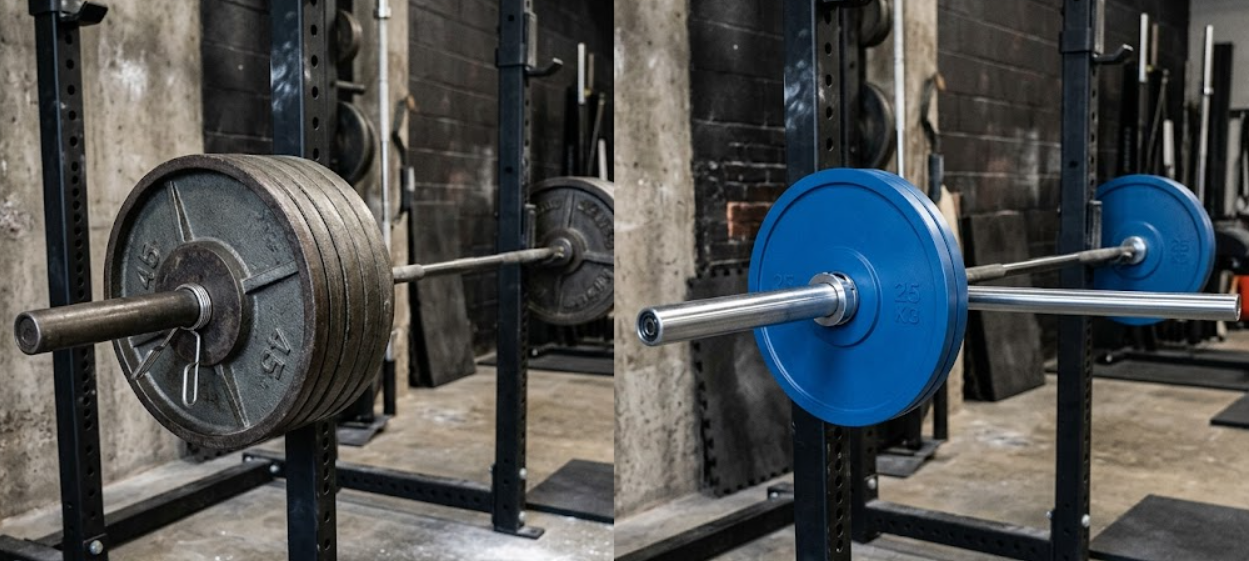
The engineering of a rubber bumper plate OEM typically focuses on shock absorption to protect both the equipment and the facility flooring. While high-grade rubber remains the industry standard for general commercial use, premium options like PU (polyurethane) offer higher density and improved bounce characteristics, often preferred for high-end studio deployments. A reliable custom weight plate supplier will also emphasize the integrity of the steel hub, ensuring the central ring can withstand repetitive high-impact strikes without structural deformation.
| Material Type | Primary Construction | Impact Resistance | Commercial Duty Tier | Sourcing Consideration |
|---|---|---|---|---|
| High-Grade Rubber | Solid Rubber with Steel Hub | High (Maximum Absorption) | Standard Commercial | Best for high-volume gym floors |
| Polyurethane (PU) | Dense PU over Steel Core | Moderate (Controlled Bounce) | Premium Studio/Competition | Higher durability for intensive use |
| Hybrid/Vinyl | Vinyl/Rubber Dip over Steel | Moderate | Budget/Light Commercial | Lower landed cost for entry-level |
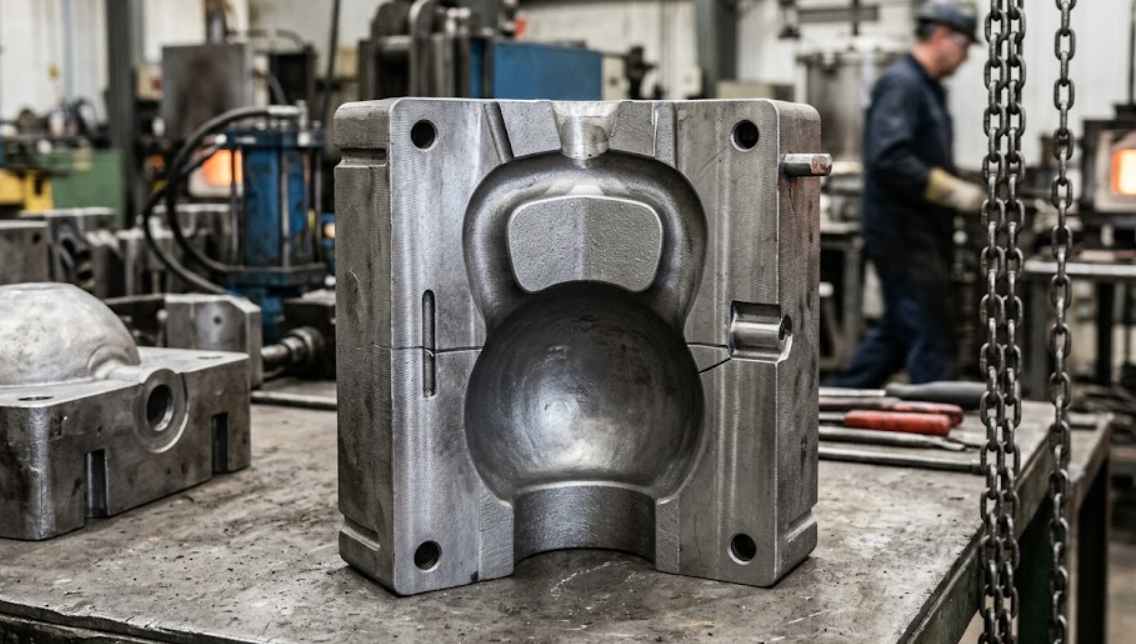
Effective commercial bumper plate manufacturing requires a strict sequence of casting, machining, and calibration to ensure weight consistency across a full set. When sourcing from a China factory, it is essential to verify the assembly quality of the internal steel hub and the adhesion of the outer coating. Professional buyers should request details on the molding process to ensure the material remains cohesive under heavy use, reducing the long-term maintenance load and replacement frequency for the end-user.
Procurement Focus: Quality Control and Sourcing Efficiency
For distributors and large-scale gym developers, the total cost of ownership (TCO) is driven by more than just the initial unit price. A high-quality bumper plate ODM service must integrate rigorous pre-shipment inspections to prevent the high replacement costs associated with material delamination or hub deformation. When managing bulk orders, the risk of receiving inconsistent weight tolerances or poorly bonded coatings can disrupt your entire product launch or facility deployment.
To mitigate these risks during the sourcing process, professional buyers should focus on specific technical checkpoints. A reliable custom weight plate supplier will provide transparency regarding their manufacturing sequence—typically moving from high-precision steel hub machining to the molding or dipping phase, followed by a final calibration and QC check. We recommend requesting sample evaluations that specifically test coating adhesion and the concentricity of the central ring to ensure compatibility with high-end barbell sleeves.
Furthermore, understanding the relationship between material density and shipping logistics is vital for optimizing your landed cost. While PU options provide a premium feel, high-grade rubber remains a highly efficient choice for high-volume wholesale due to its superior shock absorption and durability in heavy-duty settings. Before finalizing your procurement, please contact us to confirm the current MOQ, detailed lead times for customized branding, and to request a technical spec sheet for your upcoming project.
Precision in Rubber Bumper Plate OEM Production Processes
In professional gym deployment, the structural integrity of weight plates determines long-term maintenance costs and equipment lifespan. For importers, a bumper plate ODM project must prioritize the synchronization of the internal steel hub with the external high-density outer layer to prevent de-lamination under heavy impact. Selecting a reliable custom weight plate supplier involves auditing how the factory manages the transition between the metal core and the protective coating to ensure consistent performance across high-volume usage.
The engineering of a premium unit typically follows a multi-stage manufacturing route: starting with a precision-machined steel hub, followed by the injection or molding of the outer shell. For high-end studio requirements, high-grade rubber is often preferred for its impact absorption, while PU (polyurethane) is utilized when buyers demand superior color retention and a more durable, non-abrasive surface. Understanding these material nuances is critical for commercial bumper plate manufacturing to avoid the common failure mode of rubber cracking or hub loosening during bulk deployment.
Material and Construction Specifications for Bulk Sourcing
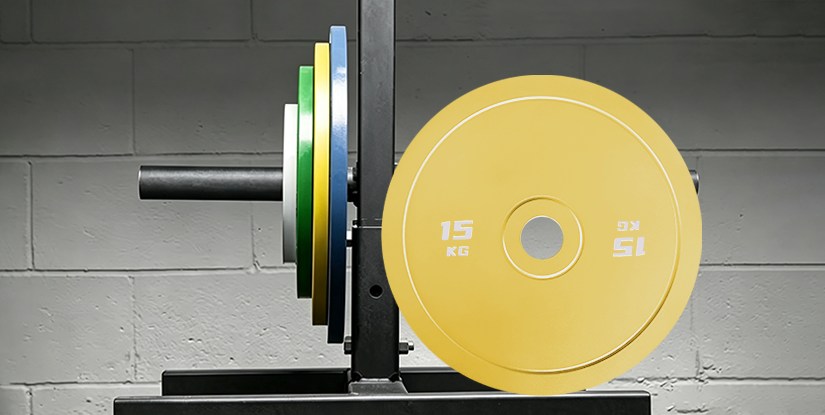
When evaluating technical specifications for a rubber bumper plate OEM order, professional buyers must distinguish between different density levels and assembly methods. The choice between standard rubber and high-density polyurethane (PU) significantly impacts the landed cost and the long-term durability of the inventory. A well-structured bumper plate ODM process ensures that the internal core and the outer shell are engineered to withstand the high-impact environments of commercial training facilities.
| Material Tier | Manufacturing Process | Key Component | Commercial Duty | MOQ Impact | Factory QC Point |
|---|---|---|---|---|---|
| High-Density Rubber | Injection Molding | Steel Hub | High-Impact / CrossFit | Standard | Coating Adhesion |
| Polyurethane (PU) | Precision Casting | Steel Hub | Premium Studio / Boutique | Higher | Surface Uniformity |
| Standard Rubber | Compression Molding | Steel Hub | General Commercial Gym | Lower | Weight Tolerance |
For distributors managing large-scale projects, verifying the coating adhesion and the concentricity of the steel hub is a mandatory step in the pre-shipment QC. A professional China factory will typically implement a multi-stage inspection—moving from the initial casting of the metal core to the final surface finishing and weight calibration—to ensure each unit meets the expected commercial standards. We recommend that buyers request a sample evaluation to confirm the material density and the seamless integration of the outer layer before finalizing any bulk sourcing agreement.
Factory QC and Component Inspection for Export Compliance
Maintaining strict quality control standards is essential for distributors managing high-volume imports. When sourcing through a bumper plate ODM, the risk of receiving inconsistent batches—such as uneven coating thickness or weight deviations—can significantly impact your landed cost and brand reputation. A professional China factory mitigates these risks by implementing multi-stage verification protocols that ensure every unit meets commercial gym requirements before leaving the warehouse.
A reliable custom weight plate supplier focuses on several critical touchpoints during the pre-shipment inspection. This includes verifying the coating adhesion of the rubber or PU layer to the steel hub to prevent premature peeling, and conducting weight tolerance spot-checks to ensure consistency across the entire wholesale order. Furthermore, export-ready packaging—such as reinforced heavy-duty cartons or palletized bundling—is audited to prevent transit damage, ensuring that your rubber bumper plate OEM order arrives at your facility in professional, retail-ready condition.
Technical Inspection Checklist for Bulk Procurement
To minimize the risk of returns or client dissatisfaction, professional buyers should utilize a technical audit checklist during the final inspection stage. Whether you are managing a single OEM order or a large-scale wholesale distribution, verifying the structural integrity of the steel hub and the outer coating is vital. A structured approach to inspection ensures that the bumper plate ODM specifications provided during the design phase are strictly adhered to in the finished product.
| Inspection Category | Specific Checkpoint | Commercial Importance | QC Focus |
|---|---|---|---|
| Hub Integrity | Concentricity and inner ring diameter | Ensures smooth rotation and prevents barbell wear | Alignment and fitment accuracy |
| Surface Finish | Coating adhesion and thickness consistency | Prevents peeling or cracking during high-impact use | Visual inspection and touch test |
| Weight Precision | Weight tolerance across the batch | Maintains uniformity for professional training standards | Randomized scale sampling |
| Structural Durability | Steel hub to rubber/PU bond strength | Prevents separation under heavy impact or temperature shifts | Material-to-metal interface stability |
| Export Readiness | Packaging strength and pallet stability | Reduces transit damage and lowers landed cost | Load-bearing capacity of cartons |
We recommend that all importers schedule a formal factory audit or request high-resolution video verification of these specific points before finalizing the shipping documents. This level of due diligence is a standard practice for any experienced supplier looking to secure long-term, high-margin distribution partnerships.
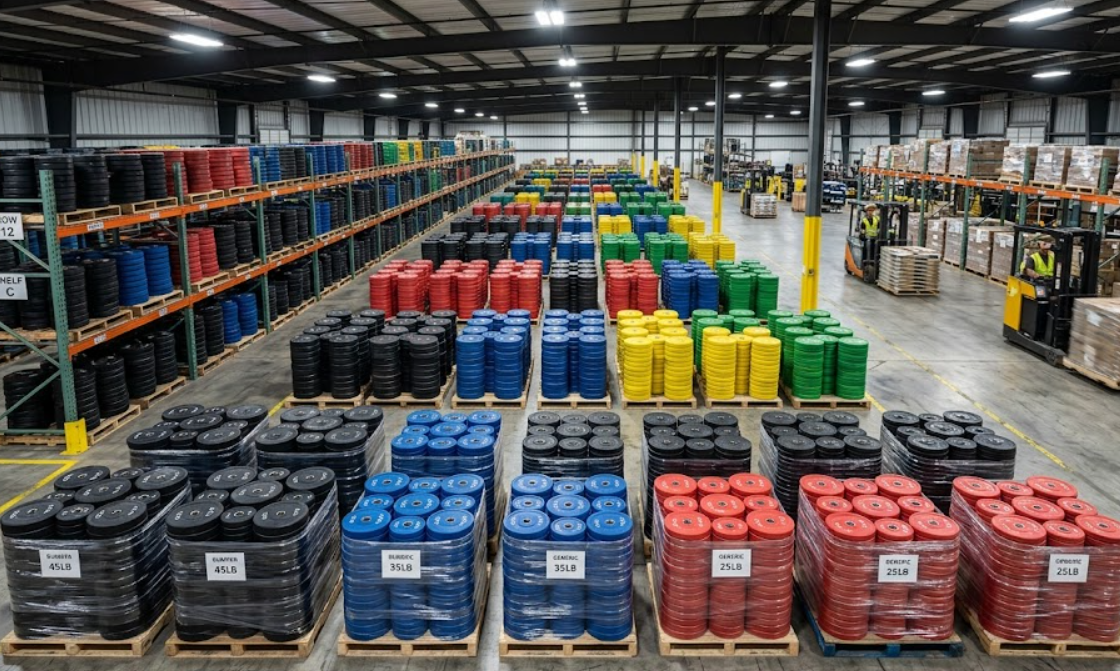
Optimizing the logistics chain requires a clear understanding of how commercial bumper plate manufacturing directly influences your final landed cost. For distributors, the goal is to maximize shipping container density without compromising product integrity. A professional factory will implement strategic loading protocols, such as standardized palletization and reinforced corner protection, to ensure that high-density weight products do not shift or crush during sea freight transit. By aligning your MOQ with optimized container volumes, you can reduce per-unit shipping expenses and improve overall warehouse efficiency.
When managing large-scale wholesale shipments, the relationship between inspection depth and lead time is a critical variable. Higher MOQ tiers often allow for more rigorous, randomized sampling protocols, providing an extra layer of security for your bulk order. Whether you are pursuing a custom ODM project or sourcing standard stock, coordinating closely with your supplier on pre-shipment timelines and container loading plans is the most effective way to ensure a predictable and profitable supply chain.
Custom Branding and Private Labeling for Global Distributors
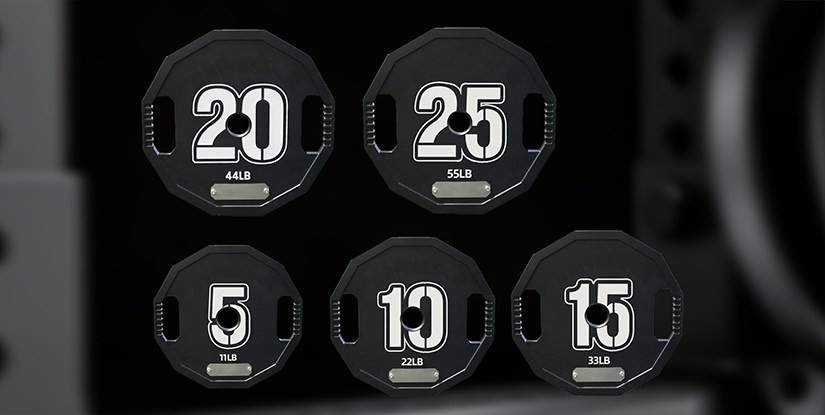
For international distributors and large-scale gym equipment importers, the ability to differentiate a product line is a critical factor in maintaining high margins and long-term market positioning. Utilizing a professional bumper plate ODM service allows you to transition from a mere reseller to a recognized brand owner. Whether you are launching a premium boutique studio line or a high-volume commercial fitness series, professional custom branding options—such as precision logo embossing or high-durability silk-screen printing—help establish a distinct brand identity that resonates with your specific target audience.
Successful private label programs require a strategic approach to material selection to ensure the finished product meets the expectations of professional environments. Depending on your sourcing strategy, you may choose between various construction methods. For example, a rubber bumper plate OEM process typically involves a high-grade rubber outer layer bonded to a structural core, whereas high-end boutique offerings may utilize a PU (polyurethane) coating for a smoother, more premium tactile feel. For high-impact or high-density requirements, a steel hub construction is often preferred to ensure dimensional stability and longevity under heavy usage. Working directly with a China factory allows you to tailor these specifications to your budget and market tier, ensuring the MOQ and technical requirements align with your inventory turnover goals.
Material and Branding Comparison for Commercial Deployment
Selecting the appropriate construction method is vital for managing total cost of ownership and long-term durability in commercial environments. A professional bumper plate ODM partner will provide various tiers of production to match your specific market positioning, from high-volume budget-friendly options to premium boutique specifications. The following table outlines the technical differences between common manufacturing routes to assist in your procurement decision-making.
| Material Type | Branding Method | Durability Level | Best Commercial Use | Sourcing Complexity |
|---|---|---|---|---|
| Rubber (High-Density) | Embossed or Silk-Screen | Standard Commercial | High-Traffic Strength Gyms | Standard |
| PU (Polyurethane) | Precision Color Coding | Premium/Boutique | Luxury Studios & Hotels | Moderate |
| Steel Hub Construction | Laser Marking/Etched | High-Impact/Heavy Duty | CrossFit & Performance Centers | High |
When engaging in commercial bumper plate manufacturing, it is essential to evaluate how each material interacts with your specific branding requirements. For instance, a custom weight plate supplier can offer different surface treatments—such as recessed areas for logo injection or specialized coatings that ensure high adhesion for silk-screened graphics. These technical details directly impact the perceived value of your brand and the long-term maintenance load for your end-users. We recommend reviewing these material-to-branding compatibility factors during the initial sourcing phase to ensure the final product meets your brand's quality standards and your target market's durability expectations.
Logistical Optimization and Quality Control for Bulk Orders
Navigating the complexities of international procurement requires more than just selecting a product; it requires a deep understanding of how customization affects your total landed cost and supply chain efficiency. When managing a bumper plate ODM project, buyers must account for the fact that advanced branding or specialized material layers—such as high-grade polyurethane—can influence both the production lead time and the final unit price. For instance, complex two-piece assembly or specialized coating processes may extend the manufacturing cycle compared to standard stock items. Transparent communication with your supplier is essential to ensure that these variables do not disrupt your seasonal inventory replenishment or project timelines.
To mitigate risks during bulk procurement, professional distributors implement rigorous pre-shipment inspection protocols. A reliable custom weight plate supplier should provide detailed documentation regarding weight tolerance and coating adhesion. During the QC process, it is industry-standard to perform spot-checks on logo durability and the structural integrity of the steel hub to prevent premature failure in high-traffic commercial settings. Furthermore, optimizing export packaging is a critical step to protect your investment; high-density rubber or PU plates require robust, reinforced crating to prevent deformation or surface damage during long-haul sea freight. By aligning your sourcing strategy with a factory that prioritizes these technical QC points and efficient container loading, you can ensure a predictable landed cost and maintain healthy distributor margins.
Optimizing Landed Cost Through Bulk Sourcing and Packaging
For distributors and gym equipment importers, the total landed cost of a shipment is determined by more than just the unit price from a China factory. When managing a bumper plate ODM project, procurement professionals must balance the physical density of the product against the total shipping volume to maximize container utilization. Selecting the right material profile directly affects how many units fit into a 20ft or 40ft HQ container, which in turn dictates your margins during wholesale distribution.
A common procurement pitfall is overlooking the relationship between material thickness and volumetric weight. For example, high-density rubber or PU-encapsulated plates may offer superior durability for premium studios, but their increased diameter can lead to higher freight costs per unit compared to more compact steel-hub designs. A professional custom weight plate supplier will provide precise dimensions and weight-to-volume ratios during the sourcing phase to help you calculate the most efficient loading patterns.
Efficient commercial bumper plate manufacturing requires a strategic approach to both product design and export packaging. Whether you are requesting a specific rubber bumper plate OEM specification or a standard commercial build, the way the plates are stacked and palletized can significantly reduce breakage risks and optimize the internal space of a sea container. By optimizing the thickness-to-diameter ratio, importers can achieve a lower cost-per-kilogram during transit, ensuring a more competitive edge in their local markets.
Material Selection and Logistics Efficiency Comparison
Deciding on a specific material profile is a critical step in the bumper plate ODM process, as it dictates both the long-term durability and the immediate logistical footprint. For professional buyers, the choice between high-density rubber, polyurethane (PU), and standard steel-hub construction is a trade-off between product positioning and shipping efficiency. A high-quality custom weight plate supplier will offer various density profiles to ensure the final product meets your market's specific requirements while remaining cost-effective for bulk transport.
| Material Type | Core Component | Typical Commercial Duty | Shipping Efficiency | Cost Tier | Procurement Focus |
|---|---|---|---|---|---|
| High-Density Rubber | Steel Hub | Standard Commercial Gyms | Moderate (Volume-heavy) | Mid-Range | Durability & Impact Absorption |
| Polyurethane (PU) | Precision Steel | Premium Studios & CrossFit | Lower (Larger Diameter) | Premium | Aesthetics & Longevity |
| Standard Rubber | Cast Steel | Budget-Friendly Facilities | High (Compact Profile) | Budget | Landed Cost Optimization |
When managing a rubber bumper plate OEM order, it is essential to verify the diameter-to-thickness ratio before finalizing the container loading plan. While premium PU-coated plates offer high durability and a sophisticated finish, their increased outer diameter may reduce the total number of units per container compared to more compact rubber options. We recommend requesting a detailed spec sheet and a sample evaluation to confirm how each material profile impacts your total wholesale volume and container utilization. To ensure your project meets specific density or diameter requirements, please contact our team to discuss your MOQ and request a formal quote for your upcoming shipment.
Export Packaging and Pre-Shipment Inspection Standards
To protect your investment during long-distance maritime transit, a professional bumper plate ODM partner must implement rigorous export packaging protocols. For bulk orders, standard cardboard boxing is insufficient; instead, high-grade heavy-duty corrugated cartons and reinforced wooden pallets are industry-standard to prevent crushing and structural deformation. A reliable custom weight plate supplier will ensure that each pallet is tightly shrink-wrapped and corner-protected, minimizing movement within the container to mitigate the risk of shipping damage.
Effective commercial bumper plate manufacturing also includes a critical pre-shipment QC phase focused on logistics readiness. This involves checking the weight calibration of the plates, the integrity of the rubber-to-hub adhesion, and the sturdiness of the palletized units. By confirming these details before the container is sealed, distributors can avoid the high costs of returns or replacement parts due to transit-related defects. We suggest coordinating a pre-shipment inspection to verify that the packaging meets your specific warehousing and handling requirements, ensuring your rubber bumper plate OEM order arrives in a condition ready for immediate commercial deployment.