Bumper Plate Supplier: Material QC and Export Standards
Bumper Plate Supplier Selection: Material and Durability Standards
Many importers fail by prioritizing low initial unit costs over long-term TCO, often resulting in premature rubber cracking or core deformation that necessitates costly replacement cycles. A professional bumper plate supplier avoids these pitfalls by focusing on the structural integrity of the internal core and the density of the outer layer. For distributors and gym operators, the difference between a budget unit and a high-performance piece lies in the precision of the material bond and the quality of the raw components used during wholesale production.
Reliable wholesale bumper plates must utilize a high-density rubber compound wrapped around a reinforced steel core to maintain structural alignment under heavy impact. Without this synergy, the plates often suffer from uneven weight distribution or "dead" bounces, which increases maintenance loads for facility managers. When sourcing from a China factory, it is essential to verify that the manufacturer utilizes a consistent casting and molding sequence to ensure that the high-density rubber remains tightly bonded to the inner skeleton, providing the necessary impact resistance for high-traffic commercial environments.
For specialized facility requirements, a premium rubber bumper plate supplier will offer various grades of material to match specific usage intensities. While standard commercial-grade units focus on cost-effective durability, competition-spec versions often prioritize tighter tolerances and specialized coatings. Understanding these material tiers allows procurement leads to optimize their initial Capex while ensuring long-term commercial-grade durability across their entire inventory.
Technical Material and Manufacturing Comparison
Selecting the right tier of equipment requires a deep understanding of how different manufacturing routes affect the long-term landed cost and durability of your inventory. A professional commercial bumper plate manufacturer will categorize products not just by weight, but by the specific material-process combination designed for certain usage intensities. For example, the choice between rubber and urethane is a critical decision point for distributors balancing upfront procurement costs against the long-term replacement cycles of their clients' facilities.
The following table provides a qualitative comparison of common material tiers used in the industry to assist in your technical evaluation during the sourcing process.
| Material Tier | Core & Surface Process | Typical Commercial Use | Durability Level | MOQ Impact | Factory QC Focus |
|---|---|---|---|---|---|
| Standard Rubber | Steel core with rubber molding | General fitness and light commercial | Standard | Lower | Bond line adhesion |
| High-Density Urethane | Reinforced steel with PU coating | High-traffic professional gyms | Premium | Higher | Surface coating uniformity |
| Competition Grade | Precision machined steel and specialized coating | Professional strength and conditioning | Elite | Highest | Weight tolerance and concentricity |
When evaluating a rubber bumper plate supplier, procurement teams should request specific details regarding the casting and coating sequences. A standard production route typically follows a strict sequence: steel core fabrication → weight calibration → high-pressure molding or dip coating → surface finishing → pre-shipment QC. Ensuring that the wholesale bumper plates you order undergo a thorough weight tolerance spot-check and a coating adhesion test will significantly reduce the risk of surface peeling or material degradation in high-impact environments, ultimately protecting your distributor margins and client satisfaction.
Critical QC and Export Inspection Protocols
Effective procurement goes beyond selecting a material; it requires verifying the rigorous inspection protocols a commercial bumper plate manufacturer employs before shipping. To protect your landed cost and minimize returns, a professional bumper plate supplier must implement a multi-stage QC process that addresses both structural integrity and export-readiness. For high-volume distributors, relying on a standardized pre-shipment check is the most effective way to mitigate the risks of receiving substandard batches that could damage your brand reputation.
A reliable China factory will typically execute a strict inspection sequence that includes weight tolerance spot-checks, concentricity verification for the center bore, and coating adhesion testing. During the pre-shipment check, inspectors should verify that the rubber-to-steel bond is seamless and that the surface finish is uniform across the entire batch. Furthermore, for international orders, the quality of export packaging is a critical variable; ensuring that heavy plates are secured in reinforced, moisture-resistant containers prevents transit damage and optimizes container loading efficiency, directly impacting your total landed cost.
When discussing OEM or ODM requirements, always confirm the factory's ability to provide detailed inspection reports and sample approval protocols. Whether you are managing a small boutique studio order or a large-scale distribution shipment, clear communication regarding lead time and quality benchmarks ensures that your custom branding and technical specifications are met without unexpected delays in the supply chain.
Material Composition and Casting Processes for Commercial Use
Selecting a reliable bumper plate supplier requires a deep understanding of how base materials and manufacturing techniques affect long-term durability and landed cost. For professional distributors and gym owners, the choice between different casting methods and coating layers determines the replacement frequency and maintenance load of a commercial facility.
In the global sourcing market, most wholesale bumper plates are produced using two primary manufacturing routes: sand casting and centrifugal casting. A professional commercial bumper plate manufacturer typically utilizes sand casting for high-volume, cost-effective production, where molten iron is poured into a mold to create the core shape. For high-end requirements, centrifugal casting or advanced CNC machining may be employed to ensure better concentricity and a more uniform weight distribution, which is critical for high-impact training environments.
Core Material Structures and Surface Finishes
The structural integrity of a rubber bumper plate supplier product depends on the bond between the inner core and the outer protective layer. Most commercial-grade units utilize a high-density cast iron or solid steel core, which is then encapsulated in specialized materials to manage impact energy and noise. Depending on your sourcing requirements and target market, you may choose between different coating tiers to balance durability against the initial procurement budget.
Common material configurations include:
- Cast Iron Core: The industry standard for high-density, durable weight plates used in heavy lifting.
- Rubber/Urethane Coating: A thick, impact-resistant layer designed to protect both the equipment and the gym flooring.
- Steel Base: Often used for high-performance competition-style plates that require precision and extreme longevity.
When negotiating with a China factory, it is essential to clarify whether the coating is a surface paint or a deep-molded encapsulation, as this significantly impacts the coating adhesion and the long-term replacement cycle for the end-user.
Material and Process Comparison for Procurement Decisions
For professional buyers, understanding the qualitative difference between material tiers is essential for calculating the total cost of ownership (TCO). A professional bumper plate supplier must provide transparency regarding how the core material and the outer encapsulation process influence the lifespan of the unit in a high-traffic commercial setting.
The following table compares common B2B supply options to assist in your sourcing strategy, focusing on how material choices impact your distributor margins and long-term product reliability.
| Material Tier | Primary Process | Key Component Focus | Commercial Duty | MOQ Impact | Factory QC Point |
|---|---|---|---|---|---|
| Budget/Entry | Sand Casting | Single-layer paint | Light Commercial | Lower | Surface smoothness |
| Standard Commercial | Centrifugal Casting | Rubber/Vinyl Dip | Full Commercial | Moderate | Coating adhesion |
| Premium/High-Impact | CNC Machined Steel | Polyurethane (PU) | Professional/Elite | Higher | Bore concentricity |
When evaluating a rubber bumper plate supplier, we recommend inspecting the bond line between the internal core and the external coating. In many commercial settings, a common failure mode is the separation of the rubber layer from the steel or iron core due to poor adhesion during the molding process. To mitigate this, a high-tier factory will utilize a multi-stage process involving surface preparation and thermal bonding to ensure the encapsulation layer remains intact even under repeated high-velocity drops.
Before finalizing a bulk order, we suggest requesting a sample to verify the weight tolerance and the density of the outer shell. Confirming these technical specifications and the specific OEM customization capabilities will ensure your landed cost remains optimized while meeting the durability standards of your target market.
Comparing Bumper Plate Production Tiers and Specifications
Distinguishing between production tiers is a critical step for procurement managers looking to optimize their inventory for different facility types. A professional bumper plate supplier categorizes products based on material density, impact resilience, and manufacturing precision to meet specific commercial demands. Whether you are stocking a high-traffic strength center or a boutique studio, understanding these grades ensures your landed cost aligns with the expected durability and usage frequency of the end-user environment.
When sourcing wholesale bumper plates, buyers often encounter three distinct levels of specification. The budget tier is typically designed for light commercial use or low-impact training, whereas the premium tier is engineered for high-intensity strength and conditioning environments where consistent bounce control and long-term material integrity are non-negotiable. Selecting the correct tier through a reliable commercial bumper plate manufacturer helps prevent premature replacement cycles and minimizes long-term maintenance overhead.
| Production Tier | Primary Material Profile | Typical Use Case | Impact Resilience | Procurement Focus |
|---|---|---|---|---|
| Budget | Standard Rubber/Recycled Core | Home Gyms or Light Studios | Moderate | Low MOQ / High Volume |
| Commercial | High-Density Vulcanized Rubber | Full-Service Gyms / CrossFit | High | Standard Wholesale |
| Premium/Competition | Advanced Polyurethane (PU) | Professional Strength Centers | Extreme / Precision | Custom Branding / OEM |
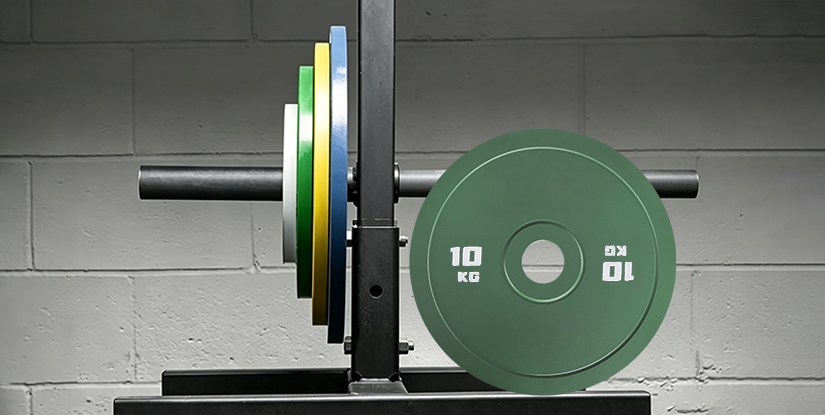
For distributors managing large-scale inventory, choosing a rubber bumper plate supplier that offers specialized tiers allows for better market segmentation. A factory capable of producing both standard and high-density variants can support your growth from local studio orders to large-scale facility deployments. When evaluating your next batch, always confirm if the supplier provides technical specifications regarding the outer coating thickness and the internal core density to ensure the products meet your specific brand identity standards.
Selecting the appropriate tier is not merely about price, but about aligning material properties with the mechanical stresses of a commercial environment. A high-quality bumper plate supplier will provide clear documentation regarding the molding and casting methods used for each tier, as these processes directly impact the lifespan of your inventory and the total cost of ownership for your clients.
Material and Manufacturing Specifications by Tier
The distinction between a standard rubberized unit and a high-precision polyurethane unit lies in the molecular density and the precision of the manufacturing route. While many importers focus on the initial purchase price, professional procurement specialists prioritize the long-term reliability of the coating-to-core bond. A specialized commercial bumper plate manufacturer will utilize different production lines to ensure that the high-impact requirements of a professional strength facility are met without the risk of delamination or uneven weight distribution.
| Tier | Primary Material | Surface Finish | Typical Use Case | Sourcing Focus |
|---|---|---|---|---|
| Budget | Recycled Rubber Core | Standard Rubber Dip | Light Commercial / Home | Low MOQ / High Volume |
| Commercial | Virgin Rubber / High-Density Core | Vulcanized Rubber Coating | CrossFit / Full-Service Gyms | Standard Wholesale |
| Premium | Advanced Polyurethane (PU) | High-Gloss PU Coating | Competition / Elite Training | OEM / Custom Branding |
When negotiating with a rubber bumper plate supplier, it is essential to clarify the manufacturing sequence—specifically whether the plates undergo a single-step dip or a multi-stage molding process. For distributors, a factory that offers both standard vulcanized rubber and high-grade PU options provides the flexibility needed to serve diverse market segments. We recommend requesting a sample evaluation to inspect the coating adhesion and the uniformity of the weight markings before finalizing any large-scale bulk order or wholesale contract.
The distinction between a standard rubberized unit and a high-precision polyurethane unit lies in the molecular density and the precision of the manufacturing route. While many importers focus on the initial purchase price, professional procurement specialists prioritize the long-term reliability of the coating-to-core bond. A specialized commercial bumper plate manufacturer will utilize different production lines to ensure that the high-impact requirements of a professional strength facility are met without the risk of delamination or uneven weight distribution.
| Tier | Primary Material | Surface Finish | Typical Use Case | Sourcing Focus |
|---|---|---|---|---|
| Budget | Recycled Rubber Core | Standard Rubber Dip | Light Commercial / Home | Low MOQ / High Volume |
| Commercial | Virgin Rubber / High-Density Core | Vulcanized Rubber Coating | CrossFit / Full-Service Gyms | Standard Wholesale |
| Premium | Advanced Polyurethane (PU) | High-Gloss PU Coating | Competition / Elite Training | OEM / Custom Branding |
When negotiating with a rubber bumper plate supplier, it is essential to clarify the manufacturing sequence—specifically whether the plates undergo a single-step dip or a multi-stage molding process. For distributors, a factory that offers both standard vulcanized rubber and high-grade PU options provides the flexibility needed to serve diverse market segments. We recommend requesting a sample evaluation to inspect the coating adhesion and the uniformity of the weight markings before finalizing any large-scale bulk order or wholesale contract.
Critical Quality Control and Pre-Shipment Inspection Protocols
For distributors and large-scale gym operators, the cost of a single failed batch can devastate profit margins. A professional bumper plate supplier must implement rigorous quality control to mitigate the risks of weight discrepancies and material failure. When sourcing from a China factory, understanding the specific inspection points is vital to ensure that every unit meets the high-impact demands of a commercial environment.
The primary concern in bulk wholesale procurement is weight tolerance and material consistency. Inconsistent density within the rubber or urethane can lead to uneven wear or structural cracking under heavy use. A reliable commercial bumper plate manufacturer utilizes a systematic approach—from the initial casting of the internal steel core to the final encapsulation process—to ensure that the rubber bumper plate supplier delivers products that remain balanced and durable over thousands of drops.
To prevent high return rates and protect your brand reputation, a pre-shipment inspection should focus on three critical areas: the bond line adhesion between the core and the outer layer, the concentricity of the center hole, and the uniformity of the surface coating. For high-volume orders, we recommend requesting a sample approval or a factory audit to verify that the MOQ and lead time commitments are backed by a stable production line and a disciplined QC protocol.
Technical Comparison of Manufacturing Tiers and Quality Checkpoints
When evaluating a rubber bumper plate supplier, procurement officers must distinguish between different production standards. The quality of the casting process and the strength of the coating adhesion directly impact the long-term landed cost by reducing replacement frequency. High-tier units often undergo more rigorous weight calibration and concentricity checks than budget-grade alternatives.
| Material Tier | Core Process | Key Component Focus | Commercial Duty | MOQ Impact | Factory QC Point |
|---|---|---|---|---|---|
| Standard Commercial | Sand casting and rubber molding | Internal steel core stability | General fitness and studio use | Lower MOQ requirements | Weight tolerance spot-check |
| Premium Professional | Precision machining and PU/Urethane encapsulation | Center hole concentricity and bond line | High-traffic commercial gyms | Higher MOQ for custom runs | Coating adhesion and surface uniformity |
| Competition Grade | High-density molding and specialized calibration | Perfectly balanced weight distribution | Elite training and sanctioned events | ||
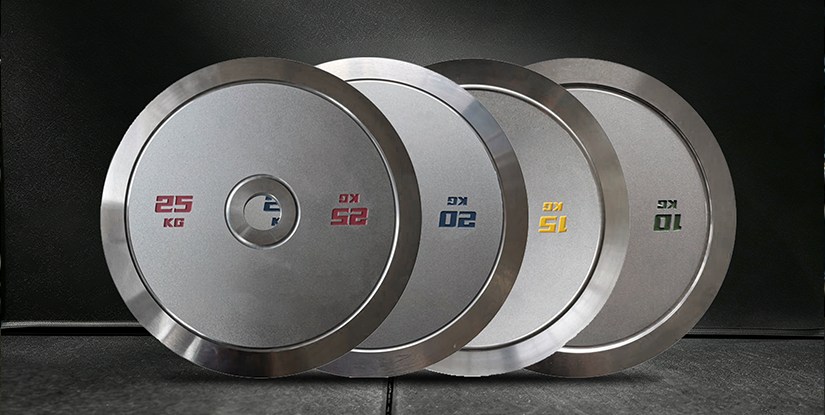
For distributors managing an OEM or ODM project, the technical specifications of the center hole are non-negotiable. A lack of concentricity can lead to uneven wear on expensive barbell sleeves, increasing maintenance costs for the end-user. We recommend that during your sourcing phase, you request a detailed specification sheet that outlines the manufacturing sequence—specifically the transition from the initial casting to the final surface finishing—to ensure the product can withstand high-volume commercial use without structural failure.
OEM/ODM Capabilities and Custom Branding Solutions
For distributors and gym equipment importers, the ability to differentiate a product line through a professional bumper plate supplier is a critical factor in establishing market presence. Rather than selling generic unbranded stock, high-tier buyers leverage OEM and ODM services to transform standard production into a specialized product line that reflects a specific brand identity. This transition from a commodity buyer to a brand owner allows for higher margins and better customer loyalty in competitive fitness markets.
A professional commercial bumper plate manufacturer provides more than just standard weight increments; they offer technical customization that ensures commercial-grade durability while meeting aesthetic requirements. Whether it is a specific color-coded scheme for weight recognition or a precision-applied logo, these services allow you to build a cohesive look across your entire strength training range. However, these custom requirements are typically tied to a specific MOQ to ensure the factory can maintain cost-efficiency during the specialized production runs.
When engaging in private label sourcing, the complexity of the request directly impacts the lead time and the final landed cost. For example, a standard rubber bumper plate supplier might offer basic color options for high-volume wholesale orders, but more intricate custom branding—such as recessed logo molding or multi-layered color coatings—requires specialized tooling and additional calibration steps. Understanding these variables allows procurement leads to better manage client expectations and inventory turnover.
| Service Tier | Branding Method | Customization Scope | Typical MOQ Impact | Commercial Application |
|---|---|---|---|---|
| Standard Wholesale | Basic Color Coding | Standard Weight Increments | Lower | General Commercial Gyms |
| Standard OEM | Silk-screen or Laser Logo | Color & Basic Logo | Moderate | Boutique Studios & Retail |
| Premium ODM | Integrated Molded Logo | Full Color & Custom Texture | Higher | Professional Training Brands |
Selecting between standard wholesale bumper plates and fully customized solutions requires a strategic assessment of your long-term distribution goals. While stock orders offer the fastest lead time and lowest initial MOQ, they lack the unique market positioning provided by a dedicated commercial bumper plate manufacturer. For distributors aiming to build a high-end strength equipment line, the investment in ODM services—such as specialized rubber density or proprietary color schemes—can significantly increase the perceived value and competitive edge of your catalog.
The production complexity of customized units often dictates the final landed cost. A standard rubber bumper plate supplier can easily provide high-volume wholesale orders with basic color-coded markings. However, advanced custom branding, such as recessed branding within the rubber molding or high-durability paint finishes, requires additional steps in the manufacturing sequence. These processes, including specialized molding and surface finishing, must be closely monitored during the factory pre-shipment inspection to ensure the brand identity remains consistent across all weight increments.
To optimize your sourcing strategy, we recommend evaluating the technical requirements of your target market before finalizing your OEM agreement. High-tier professional training facilities often demand specific material textures or integrated logos that go beyond basic weight marking. By aligning your procurement with a supplier that offers comprehensive customization capabilities, you can effectively manage the trade-off between higher MOQ requirements and the long-term benefits of a differentiated, professional-grade product line.
Logistics, Export Packaging, and Bulk Order Management
Managing the logistics of heavy weight plates requires more than just a standard shipping plan; it requires a specialized bumper plate supplier capable of handling high-volume freight. For distributors and gym owners, the primary concern is ensuring that bulk shipments arrive without surface abrasions or structural compromises. A professional rubber bumper plate supplier must implement rigorous export packaging protocols to protect the integrity of the rubber encapsulation and the precision of the center bore during long-distance transit.
Effective bulk order management begins at the China factory level, where palletization strategies are designed to maximize container utilization while maintaining shipping safety. Whether your order is moving via sea freight or specialized LCL (Less than Container Load) services, the way the goods are secured directly impacts your landed cost. Poorly secured loads lead to shifting during ocean transit, which can damage both the product and the container walls, creating unnecessary replacement liabilities for the importer.
A reliable commercial bumper plate manufacturer will utilize heavy-duty reinforced pallets and edge protectors to mitigate impact risks. By optimizing the stacking density of the plates, a wholesale provider helps reduce the volumetric weight and overall freight expense, ensuring that the wholesale bumper plates you source remain cost-effective from the factory floor to your warehouse door.
Standardized Packaging Tiers for Global Distribution
To assist procurement officers in calculating total landed costs, we categorize packaging based on order volume and transit risk. Selecting the appropriate tier ensures that your inventory arrives in a condition ready for immediate retail or commercial installation, minimizing the need for post-arrival quality disputes.
| Packaging Type | Protection Level | Suitability for Sea Freight | Typical MOQ Impact | Primary Use Case |
|---|---|---|---|---|
| Standard Cardboard Box | Basic (Surface protection) | LCL / Air Freight | Low MOQ | Small studio replenishment |
| Reinforced Double-Wall Carton | Intermediate (Impact resistance) | Standard Sea Freight | Medium MOQ | Distributor stock replenishment |
| Heavy-Duty Wooden Crate | High (Structural integrity) | Full Container Load (FCL) | High MOQ / Bulk | Large scale commercial gym fit-outs |
For high-volume wholesale bumper plates procurement, we recommend the reinforced crate method. This approach utilizes standardized pallet dimensions to optimize container space, effectively reducing the freight cost per unit. When sourcing from a professional bumper plate supplier, always verify the palletization specifications during the pre-shipment stage to ensure the load is balanced and secured for long-haul ocean transit.
Before finalizing your shipment, we advise clients to confirm the specific packaging requirements for their region. Our factory can provide detailed dimensions and weight specifications for each tier, allowing your logistics team to accurately plan for warehouse receiving and local distribution. Please contact us to request a formal quote or to discuss custom branding and specialized packing solutions for your next bulk order.
Pre-Shipment Inspection and Documentation Protocols
Before any container is sealed, a rigorous pre-shipment inspection is mandatory to mitigate the risk of receiving non-compliant inventory. For a professional bumper plate supplier, this stage is the final line of defense against quality-related disputes. We conduct systematic weight tolerance checks to ensure every plate meets the specified commercial-grade accuracy, preventing the discrepancies that often plague low-tier sourcing. This process includes a visual inspection of the rubber surface for any bond line separation or unevenness, ensuring the product meets the high standards expected by commercial gym operators.
Beyond physical product quality, a reliable rubber bumper plate supplier must manage complex international documentation to ensure seamless customs compliance. A standard export package from our China factory includes a precise commercial invoice, detailed packing list, and certificate of origin. These documents are essential for calculating accurate landed costs and avoiding costly delays at the port of entry. We also verify that all labeling—including weight markings and branding—is applied with high adhesion to withstand varying environmental conditions during transit.
To ensure long-term commercial efficiency, we recommend that distributors and procurement leads request a pre-shipment inspection report or a sample batch approval before the final loading. This proactive step allows you to verify the integrity of the packaging and the accuracy of the weight calibration, ensuring your bulk order arrives ready for immediate distribution or installation.