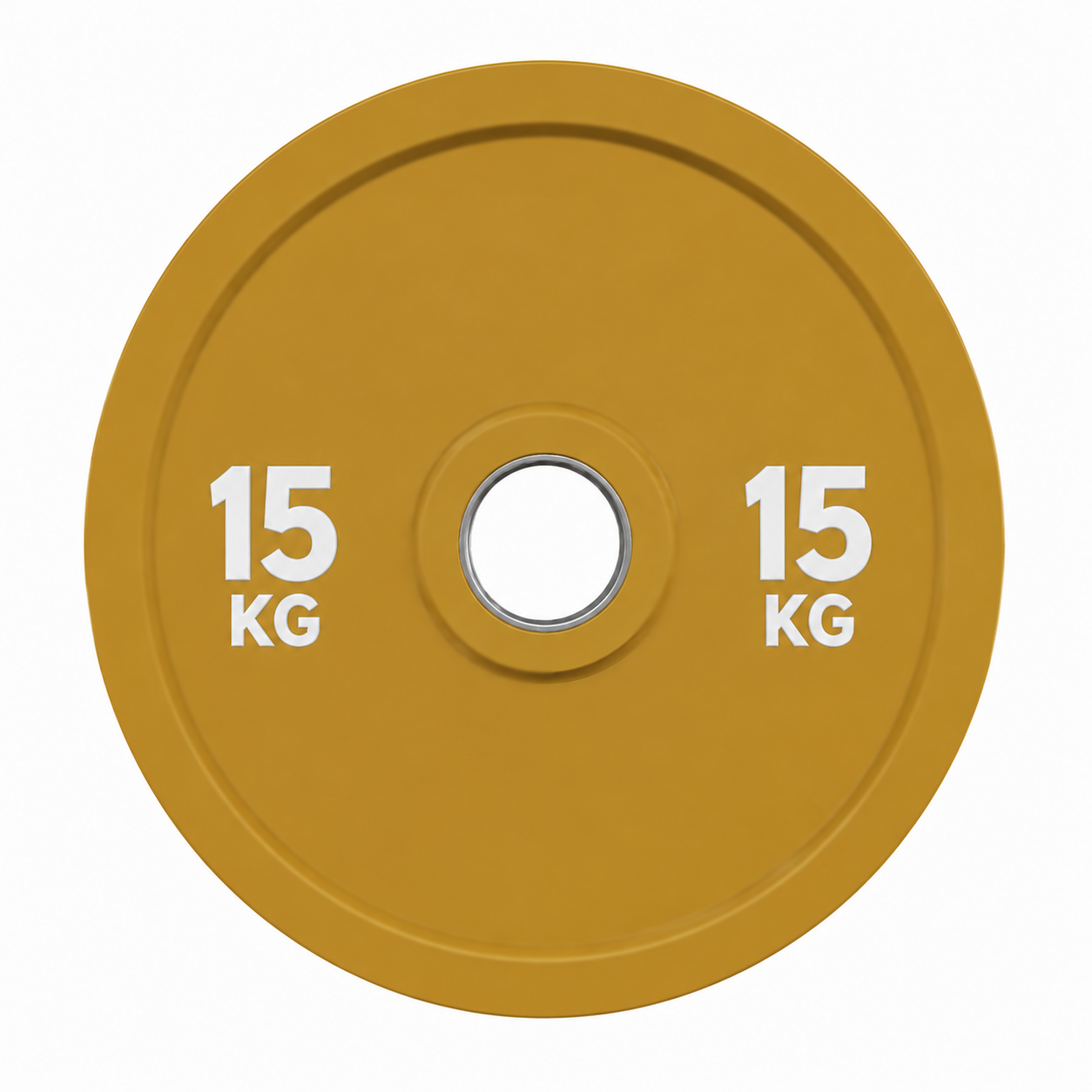
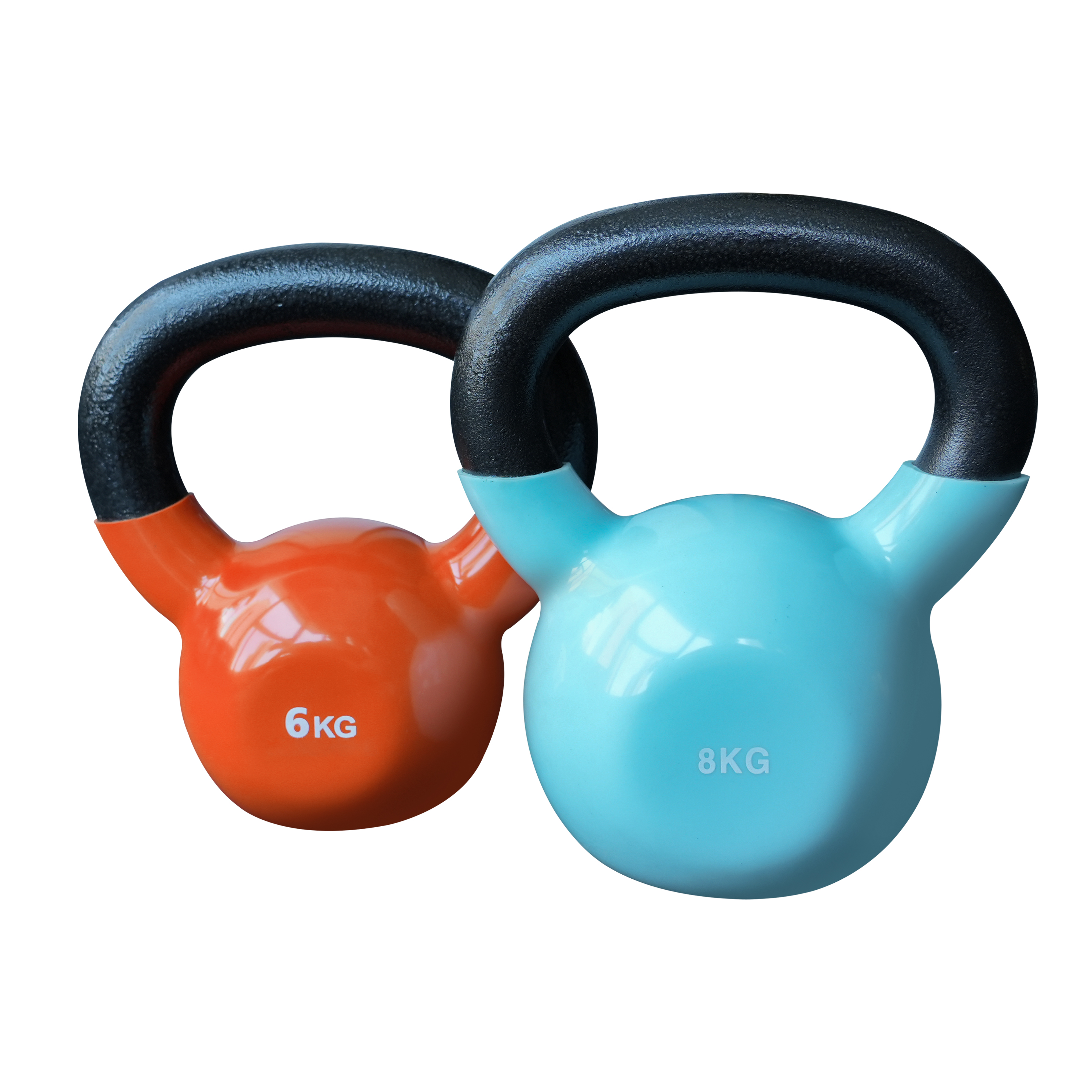
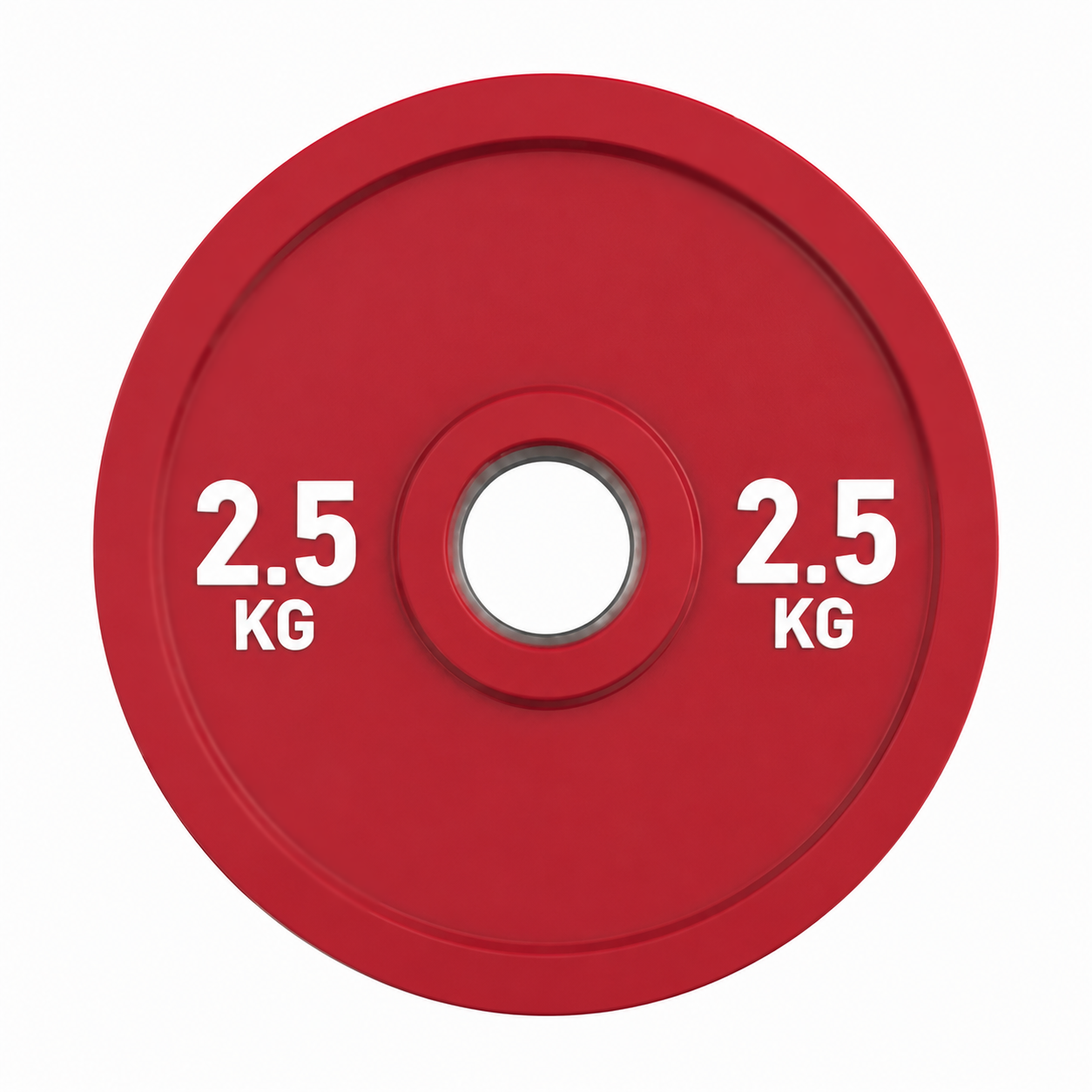
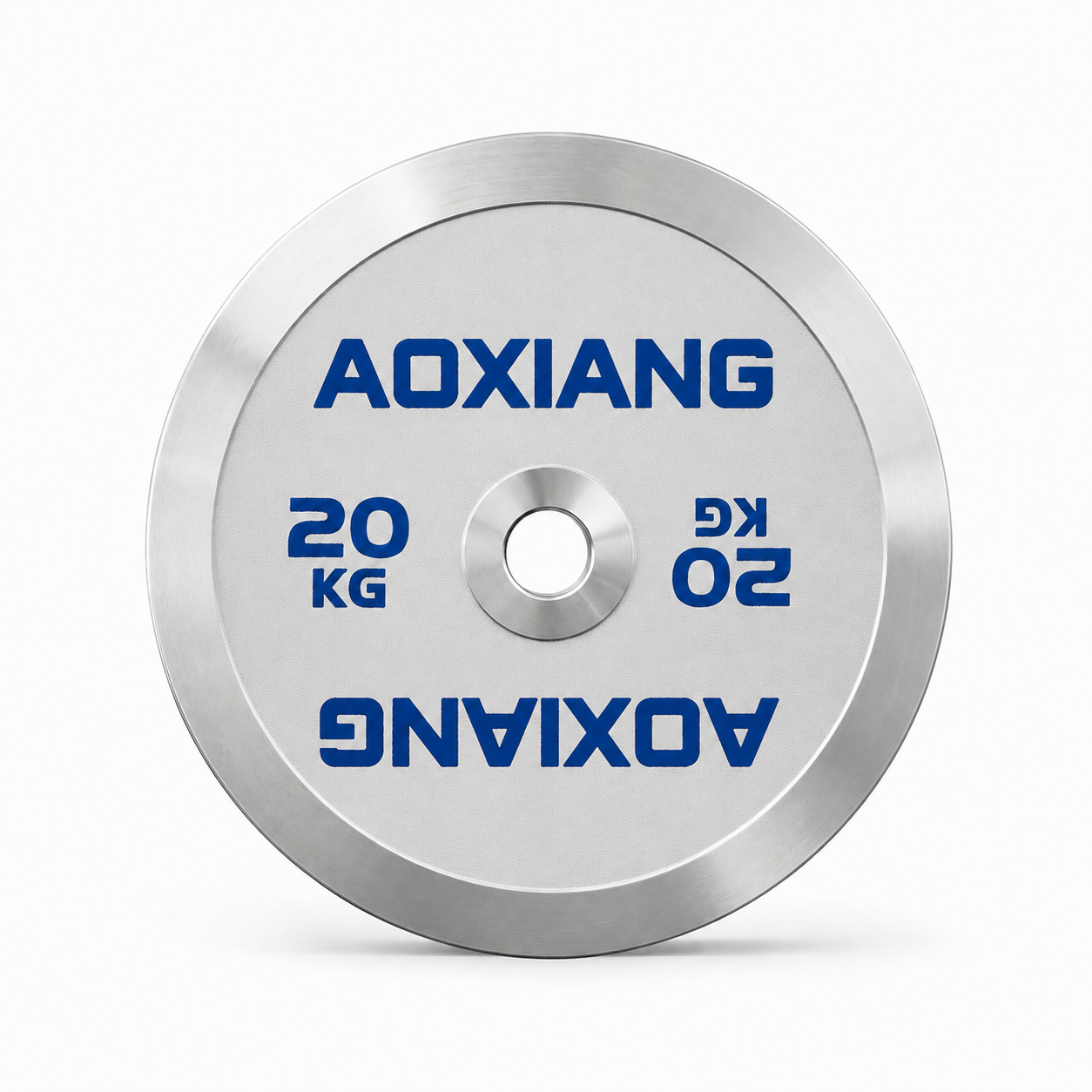
Bumper Plate Manufacturer: Material QC for Export Supply
Bumper Plate Manufacturer: Material Standards and Export Quality
A professional bumper plate manufacturer produces high-impact weight plates designed for the rigorous demands of commercial lifting environments. For distributors and gym owners, selecting a rubber bumper plate factory that utilizes premium high-density rubber ensures long-term durability, floor protection, and consistent weight performance during bulk procurement.
When sourcing for large-scale fitness facilities, the distinction between budget and premium tiers often lies in the core construction and the quality of the outer layer. A reliable commercial bumper plate supplier will offer various manufacturing routes to meet different market segments, ranging from standard training plates to high-end competition-grade units. For example, many importers prioritize wholesale bumper plates that utilize a robust casting process for the internal weight core to maintain structural integrity under heavy use.
The durability of the outer shell is a critical factor in reducing the total cost of ownership. High-tier production often involves advanced rubber bonding techniques to ensure the outer layer does not delaminate from the internal core. In many professional settings, a polyurethane (PU) coating is preferred over standard rubber for its superior abrasion resistance and cleaner finish, though high-density rubber remains the industry standard for impact absorption. Understanding these material nuances allows a factory to better align with your specific OEM or ODM requirements, ensuring that the final product meets the expected commercial durability standards for your target market.
Material and Process Comparison for Commercial Procurement
To optimize your procurement strategy, it is essential to understand how different manufacturing routes impact both the landed cost and the long-term commercial utility of your order. A professional bumper plate manufacturer typically categorizes production based on the core material and the outer encapsulation method. Choosing the correct tier ensures that your inventory aligns with your clients' specific training environments, whether they are high-impact crossfit boxes or standard commercial strength rooms.
The following table outlines the technical differences between common production methods used by a leading rubber bumper plate factory to assist in your sourcing decisions.
| Material Type | Manufacturing Process | Typical Application | Durability Level | Procurement Impact (MOQ/Cost) | Quality Control Focus |
|---|---|---|---|---|---|
| High-Density Rubber | Compression Molding | Standard Commercial Gyms | High (Impact Resistant) | Standard MOQ / Moderate | Rubber edge bonding & weight consistency |
| Polyurethane (PU) | Injection Molding | Premium Training/Competition | Very High (Abrasion Resistant) | Higher MOQ / Premium | Surface finish & concentricity |
| Vinyl Dip/Coated | Dip Coating | Studio & Boutique Fitness | Medium (Aesthetic Focus) | Lower MOQ / Budget-Friendly | Coating adhesion & color uniformity |
| Hybrid/Composite | Multi-stage Casting & Molding | Professional Strength Facilities | Maximum (Heavy Duty) | Custom OEM / High | Internal core stability & precision fit |
When evaluating a commercial bumper plate supplier, buyers should request specific details regarding the weight calibration and the bonding strength of the outer layer. For large-scale wholesale orders, ensuring the factory maintains a strict pre-shipment inspection process—focusing on the thickness of the encapsulation and the uniformity of the weight—is vital to minimizing replacement costs and maximizing distributor margins.
Material Composition and Surface Finishing for Commercial Durability
Selecting a professional bumper plate manufacturer requires a deep understanding of how material density and bonding processes impact long-term commercial durability. For distributors and gym owners, the choice between high-density rubber and steel core construction directly dictates the total cost of ownership and replacement cycles in high-traffic environments.
In the professional procurement context, the structural integrity of a plate relies on the precision of the rubber bonding process. A high-quality rubber bumper plate factory ensures that the high-density rubber shell is seamlessly integrated with a solid steel core. This construction prevents delamination or cracking during heavy drops, a common failure mode in lower-tier units. When sourcing wholesale bumper plates, importers must verify that the internal steel core provides the necessary weight stability while the external rubber layer offers sufficient shock absorption to protect flooring and equipment.
The quality of the commercial bumper plate supplier is often revealed in the consistency of the surface finish. Whether utilizing a specialized polyurethane coating or a heavy-duty vulcanized rubber, the adhesion must withstand constant friction and environmental exposure. For those managing large-scale sourcing projects, understanding these material-to-process relationships is essential to maintaining high standards of equipment longevity and minimizing maintenance-related downtime.
Material and Surface Comparison for Procurement Decisions
When managing large-scale inventory or outfitting a new facility, the choice of surface material directly affects your maintenance load and long-term replacement frequency. A professional rubber bumper plate factory typically offers three distinct material tiers to accommodate different budget and durability requirements. Choosing the wrong tier can lead to premature coating failure or poor impact resistance, increasing the total cost of ownership for your clients or gym facilities.
The following table provides a technical comparison to assist in your sourcing strategy, focusing on how different finishes impact commercial duty and the resulting impact on your distributor margins.
| Material Type | Surface Finishing | Impact Resistance | Commercial Duty Tier | Procurement Context |
|---|---|---|---|---|
| High-Density Rubber | Vulcanized Rubber Coating | Excellent (High Shock Absorption) | Premium / Competition | High-traffic lifting studios |
| Polyurethane (PU) | Smooth PU Coating | Good (High Density/Low Bounce) | Premium / Professional | High-end commercial gyms |
| Standard Rubber | Compression Molded | Moderate (Standard Bounce) | Commercial / Budget | General fitness centers |
For buyers seeking wholesale bumper plates, the critical technical detail is the coating adhesion. In many commercial settings, the primary failure mode is the separation of the outer layer from the inner core. A reliable commercial bumper plate supplier will utilize advanced molding or dip processes to ensure the bond remains intact even under repeated high-velocity drops. When evaluating your next batch, consider whether the specific finish meets your target market's expectations for both durability and aesthetic quality.
Production Processes: From Casting to Precision Calibration
A professional bumper plate manufacturer must ensure that the transition from raw material to finished unit is seamless to minimize replacement costs for distributors. High-quality production begins with high-grade sand casting of the inner core, which is then subjected to precision machining to ensure the center bore remains perfectly concentric. For a commercial bumper plate supplier, maintaining strict tolerances during the machining phase is critical to prevent uneven wear on barbell sleeves, which can lead to long-term liability and increased maintenance loads for gym operators.
Following the structural formation, the rubber bonding process determines the longevity of the product. In a high-standard rubber bumper plate factory, the rubber is typically injected or molded around the core using advanced thermal processes to ensure high adhesion. This prevents the common failure mode of rubber delamination or edge cracking during high-impact drops. Once the bonding is complete, the units undergo weight calibration and a final surface inspection to ensure the product meets the expected weight distribution before being cleared for wholesale distribution.
| Material Tier | Primary Process | Bonding Method | Commercial Duty | Procurement TCO |
|---|---|---|---|---|
| Standard Rubber | Sand Casting | Compression Molding | Basic Commercial | Low Initial Cost |
| Premium Polyurethane | Precision Casting | High-Pressure Injection | High-Traffic/Elite | Lower Long-term Replacement |
| Hybrid Composite | CNC Machined Core | Multi-layer Encapsulation | Competition/Professional | Highest Durability/Value |
When sourcing for large-scale facility rollouts, understanding these technical distinctions allows importers to better calculate the total cost of ownership. While budget-tier options offer lower initial MOQ costs, premium molding processes significantly reduce the frequency of replacements, ultimately protecting the distributor's margins and the end-user's investment.
Evaluating Production Methods for Bulk Procurement
Choosing between different manufacturing routes is a critical decision for procurement leads evaluating wholesale bumper plates. The choice between standard casting and high-precision molding directly impacts the product's weight tolerance, surface finish, and long-term durability in high-traffic environments. For a professional bumper plate manufacturer, the goal is to provide a product that balances manufacturing efficiency with the strict requirements of commercial-grade performance.
While standard sand casting is a cost-effective method for high-volume orders, precision injection molding often provides a more consistent surface finish and tighter concentricity. This distinction is vital for distributors managing inventory, as the precision of the inner bore and the quality of the rubber-to-core bond determine how the equipment performs under heavy use. Buyers should evaluate these methods based on their specific target market, whether it is budget-conscious studios or high-end performance centers.
| Production Method | Core Construction | Surface Finish | Weight Tolerance | Typical MOQ Impact |
|---|---|---|---|---|
| Standard Casting | Sand Cast Core | Textured/Matte | Standard Commercial | Lower entry threshold |
| High-Pressure Molding | Machined Core | Smooth/Uniform | Strict Precision | Higher volume required |
| Precision Injection | Hybrid Composite | High-Gloss/Elite | Professional Grade | Optimized for large orders |
Understanding these technical trade-offs helps importers avoid the common pitfall of purchasing low-quality units that suffer from premature edge degradation. A reliable rubber bumper plate factory will provide clear documentation on which process is used for each SKU, allowing for more accurate landed cost calculations and better replacement planning for the end client.
Final QC and Pre-Shipment Inspection Standards
The final stage of production is where a reputable bumper plate manufacturer secures the long-term reliability of the shipment. Before any container is loaded, a rigorous pre-shipment QC process must be executed to validate that every unit meets the agreed-upon specifications. This includes a thorough weight calibration check to ensure consistency across the entire batch, as even minor deviations can affect the balance of a barbell during heavy lifting sessions. For professional importers, this precision is non-negotiable to maintain brand reputation and minimize returns.
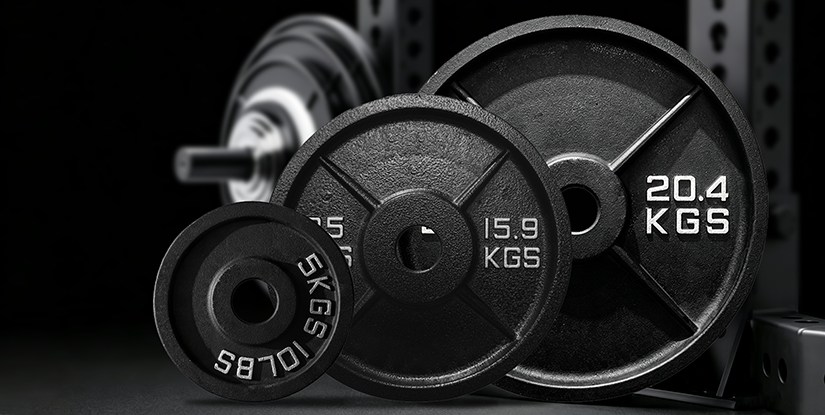
Beyond weight, the inspection focuses on concentricity and structural integrity. Technicians examine the inner bore for any irregularities that might cause uneven barbell wear and perform visual audits of the rubber-to-core bond line to ensure no delamination exists. A professional supplier will also conduct drop tests and edge-integrity checks to simulate high-impact commercial use. This meticulous attention to detail ensures that the wholesale order arrives ready for immediate deployment in high-traffic environments. When managing complex OEM or ODM projects, we recommend requesting specific QC reports or even a third-party factory audit to verify these standards before the final lead time expires. This proactive approach to sourcing reduces the risk of landed cost surprises and ensures your distributor margins remain protected.
Factory QC Protocols and Pre-Shipment Inspection Standards
For international distributors and gym equipment importers, the cost of a faulty shipment far outweighs the initial savings of a low-cost vendor. Relying on a professional bumper plate manufacturer ensures that every unit meets the rigorous demands of high-traffic commercial environments. When sourcing wholesale bumper plates, the primary risk involves inconsistent density or poor material adhesion, which can lead to premature degradation and increased maintenance costs for your end-users.
A reliable commercial bumper plate supplier implements a systematic approach to quality assurance that begins at the raw material stage. This includes verifying the density of the rubber compounds used in casting to ensure uniform impact absorption and preventing structural cracks under heavy use. A standardized rubber bumper plate factory will typically monitor the rubber bonding process closely, ensuring the outer skin remains securely attached to the internal core through high-pressure molding or specialized dip techniques.
Before any container is sealed, a rigorous pre-shipment inspection is mandatory to protect your distributor margins. This standard quality control workflow involves weight spot-checks to ensure compliance with ordered specifications, inspecting the concentricity of the center bore for a perfect Olympic fit, and testing the durability of the outer coating. For those managing large-scale sourcing projects, requesting a detailed inspection report from the China factory can mitigate the risk of receiving defective stock and ensure the landed cost remains optimized through reduced return rates.
Technical Comparison of Production Methods and Quality Standards
Choosing the correct production route is a critical decision for importers managing long-term inventory and replacement planning. Different manufacturing techniques directly impact the durability of the product and the complexity of the pre-shipment QC. For example, a high-tier rubber bumper plate factory may utilize advanced centrifugal casting to ensure a more consistent density, whereas budget-oriented production might rely on simpler molding processes. Understanding these nuances allows a professional supplier to better align product specifications with the target market's commercial duty requirements.
The following table compares common production methods to assist in your procurement and sourcing strategy, focusing on how manufacturing choices affect the final quality and MOQ requirements.
| Material & Process | Key Component Focus | Commercial Duty Tier | Typical QC Point | Impact on wholesale Value |
|---|---|---|---|---|
| High-Density Rubber Molding | Surface Adhesion & Core Density | Premium Commercial | Impact Resistance & Edge Integrity | High durability; lower replacement frequency |
| Standard Compression Casting | Bore Concentricity & Weight Tolerance | Standard Commercial | Center Hole Fit & Weight Uniformity | Balanced landed cost and performance |
| Basic Rubber Dip/Coating | Coating Adhesion & Surface Smoothness | Budget/Light Commercial | Peeling Resistance & Texture Consistency | Lower entry price; higher maintenance load |
When negotiating with a factory, it is essential to clarify whether the rubber molding process includes a multi-stage calibration to maintain strict weight tolerance. For large-scale OEM or ODM orders, we recommend requesting sample approval for specific high-stress components, such as the inner ring and the outer skin bond line. This proactive approach ensures that the lead time and MOQ investments result in a high-performing product that meets the expectations of professional gym operators and distributors globally.
Export Packaging and Logistics Readiness for Bulk Orders
The final stage of the procurement cycle is often the most overlooked: ensuring that high-volume shipments survive the rigors of international ocean freight. A professional bumper plate manufacturer understands that even a perfect product is a liability if it arrives with damaged edges or compromised packaging. For distributors managing bulk orders, the strength of the export packaging directly affects the final landed cost by reducing the need for replacement stock or local repairs upon arrival.
To ensure maximum shipping durability, a top-tier commercial bumper plate supplier typically utilizes reinforced heavy-duty corrugated cartons and high-density corner protectors. For high-density rubber units, specialized palletization is often required to prevent shifting during transit. When coordinating logistics, it is standard practice to specify the exact pallet dimensions and stacking limits to optimize container utilization. This level of detail is crucial for importers who need to maximize every cubic meter of a shipping container to improve their overall ROI.
For partners utilizing OEM or ODM services, we recommend a final factory audit or a remote pre-shipment video inspection to verify the loading process. This step confirms that the weight distribution on the pallet is balanced and that the branding remains intact during the journey. By aligning your sourcing requirements with these rigorous export-ready standards, you ensure that your inventory arrives at your warehouse in pristine, sale-ready condition, ready for immediate distribution to commercial clients.
OEM and Private Label Capabilities for Global Distributors
For distributors and large-scale importers, the ability to differentiate a product line is critical for maintaining a competitive edge. Partnering with a professional bumper plate manufacturer allows you to move beyond generic inventory and build a recognizable brand. By leveraging specialized OEM and ODM services, you can transform standard high-density rubber plates into proprietary assets that reflect your specific market positioning.
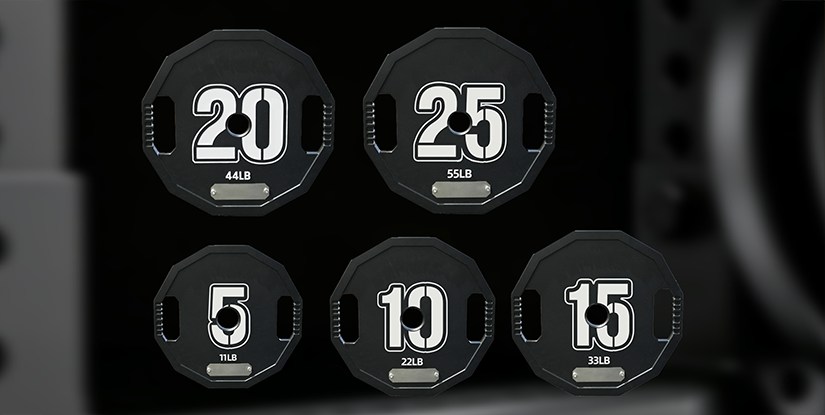
Establishing a strong brand identity requires more than just a logo; it involves precise technical control over the product's physical characteristics. Whether you require specific color-coded weight markings, custom relief molding for your brand name, or specialized internal core materials, a capable commercial bumper plate supplier can execute these requirements at scale. This level of customization is essential for distributors looking to secure long-term contracts with premium fitness centers and professional training facilities.
While custom branding adds significant value to your catalog, it also necessitates a clear understanding of production constraints. A reliable rubber bumper plate factory will provide transparent guidance on MOQ requirements for specialized finishes, such as high-grade polyurethane coatings or custom embossed center hubs. Understanding these variables upfront ensures that your wholesale bumper plates orders align with your projected distributor margin and landed cost targets, preventing unexpected shifts in your procurement budget during high-volume seasons.
Technical Differentiation: Standard vs. Custom Specifications
To optimize your procurement strategy, it is essential to distinguish between high-volume stock items and high-spec custom orders. A professional bumper plate manufacturer typically offers two distinct production paths: one optimized for rapid fulfillment and cost-efficiency, and another focused on high-end brand differentiation. Selecting the correct tier depends on your target market's requirements and your desired distributor margin.
The following comparison highlights the technical and commercial differences between standard wholesale bumper plates and customized solutions. This distinction helps importers understand where to allocate budget for high-performance commercial use versus budget-friendly training environments.
| Specification | Standard Wholesale | Custom OEM/ODM | Commercial Impact | QC Focus |
|---|---|---|---|---|
| Rubber Molding | Standard high-density vulcanized rubber | Specialized PU or high-grade elastomer | Durability and floor protection | Bonding adhesion |
| Logo & Branding | Silk-screen or basic paint | 3D Relief molding or laser etching | Brand authority and professional look | Logo legibility and depth |
| Color Customization | Standard industry colors | Custom Pantone matching | Aesthetic consistency for studio lines | Color uniformity across batches |
| Weight Tolerance | Standard commercial range | High-precision calibration | Compliance with competition standards | Weight spot-check accuracy |
| Packaging | Standard bulk carton/pallet | Custom branded boxes or retail-ready | Retail display and shipping efficiency | Carton drop and corner protection |
When negotiating with a rubber bumper plate factory, we recommend requesting a sample evaluation for any OEM or ODM project. This ensures that your specific requirements for color depth, logo texture, and material density are met before full-scale production begins. A clear understanding of these technical tiers allows for more accurate landed cost forecasting and better long-term inventory management.
Export Logistics and Container Optimization
Successful global distribution depends on more than just product quality; it requires rigorous coordination of the entire supply chain. For a professional bumper plate manufacturer, managing the transition from the production line to the shipping container is a critical step in protecting your distributor margin. High-density rubber products are heavy and space-intensive, meaning that inefficient loading can significantly inflate your landed cost and reduce overall shipping ROI.
To mitigate these risks, a leading commercial bumper plate supplier implements advanced shipping protocols designed for high-volume B2B transit. This includes optimizing container loading patterns to maximize volume utilization and using heavy-duty export packaging to prevent deformation during long-sea transit. Whether you are sourcing small batches or full container loads, a reliable China factory will provide precise volumetric data and weight specifications early in the process. This transparency allows you to accurately calculate lead time and logistics costs, ensuring your inventory arrives at your warehouse ready for immediate commercial deployment.
Optimizing Landed Cost Through Export Packaging and Logistics
For professional distributors and gym equipment importers, the final landed cost is often determined more by shipping efficiency than the unit price itself. A professional bumper plate manufacturer must prioritize high-density volume management to ensure that bulk orders do not suffer from excessive dimensional weight charges. When sourcing large quantities, the way a rubber bumper plate factory handles palletization and container loading directly impacts your profit margins and warehouse receiving speed.
Inefficient export packaging leads to wasted space within a 20ft or 40ft container, effectively increasing the shipping cost per unit. To mitigate this, a high-tier commercial bumper plate supplier utilizes heavy-duty reinforced pallets and optimized stacking patterns. By maximizing shipping volume through precise palletization and strategic sea freight optimization, importers can reduce the total number of containers required for bulk orders, ensuring a lower and more predictable cost structure for their distribution networks.
Packaging Standards for Wholesale Bumper Plates
Selecting the appropriate packaging configuration is a critical decision for procurement managers evaluating a bumper plate manufacturer. While standard cardboard options may suffice for small samples, large-scale wholesale bumper plates orders require specialized protection to withstand the rigors of international sea freight and multi-stage handling. Choosing the right tier ensures that your inventory arrives at your warehouse without surface defects or structural damage, protecting your distributor margins.
The following table compares common packaging tiers used by a professional rubber bumper plate factory to assist in your sourcing and budget planning. These options allow you to balance immediate protection needs with long-term shipping density and total landed cost.
| Packaging Type | Protection Level | Shipping Density | Ideal Use Case | Procurement Logic |
|---|---|---|---|---|
| Standard Export Carton | Moderate | High | Small batch wholesale orders | Lower initial cost; best for lightweight/low-volume SKUs |
| Reinforced Double-Wall Box | High | Medium | Standard commercial gym distribution | Balanced protection for standard retail or studio shipments |
| Heavy-Duty Wooden Crate | Maximum | Low | High-volume bulk import/export | Prevents crushing during long-haul sea freight and container stacking |
| Industrial Palletized Unit | Very High | Optimized | Large-scale distributor warehousing | Reduces manual handling risks and accelerates warehouse receiving |
When finalizing your sourcing plan, we recommend requesting a specific packaging specification sheet. A qualified supplier should be able to provide detailed dimensions for both individual carton sizes and full pallet configurations. This transparency allows you to calculate exact container loading capacities and refine your logistics budget before the production phase begins.
Logistics Coordination and Shipment Supervision
Reliable procurement requires more than just a quality product; it requires a supplier who manages the complexities of international transit. For high-volume wholesale bumper plates, the risk of damage or misalignment during transit can erode distributor margins. Therefore, a professional bumper plate manufacturer implements a strict protocol for loading supervision to ensure that every container is loaded according to the pre-approved plan. This oversight is essential for preventing shifting during sea freight and ensuring that the weight distribution within the container is balanced for stability.
Effective container optimization is a core competency for a leading rubber bumper plate factory. By coordinating closely with logistics teams, the factory can adjust pallet heights and stacking sequences to maximize the usable cubic capacity of each shipment. This attention to detail is particularly vital when managing OEM or ODM orders with varied SKU dimensions. Whether you are ordering a standardized set or a custom branded assortment, optimized loading minimizes the risk of damaged edges and ensures your lead time remains predictable from the moment the goods leave the factory floor to their arrival at your destination port.
To ensure complete transparency, we encourage procurement leads to schedule a formal pre-shipment inspection. This allows your team or a third-party agent to verify that the final production batch meets all weight tolerances, branding requirements, and packaging standards before the container is sealed. Confirming these details during the inspection phase is the most effective way to mitigate risks in your global supply chain and secure a consistent, high-quality flow of commercial-grade equipment.