Bumper Plate Custom Manufacturer: Wholesale Material Spec
Bumper Plate Custom Manufacturer: Material Selection and Commercial Economics
When sourcing through a bumper plate custom manufacturer, professional buyers must evaluate three critical checkpoints: material integrity, coating durability, and the impact of these specs on long-term landed costs. Selecting the wrong grade often leads to premature surface cracking or weight discrepancies, which increases replacement frequency and diminishes distributor margins. Understanding the technical distinction between rubber and PU options is essential for optimizing your wholesale procurement strategy and ensuring the commercial durability required for high-traffic facilities.
The selection of a custom bumper plate manufacturer often hinges on the choice between standard rubber and high-grade polyurethane (PU) coatings. In many commercial settings, rubber-coated plates serve as a reliable, budget-friendly solution for general strength training environments where impact noise reduction is a priority. However, for premium studios or competition-style layouts, a commercial gym plate supplier will typically recommend PU-coated units. These high-density coatings offer a more refined finish and superior resistance to environmental wear, though they often involve higher MOQ requirements and different sourcing profiles due to the specialized molding processes involved.
For distributors managing diverse inventory, the distinction between wholesale rubber bumper plates and premium PU alternatives directly affects warehouse space efficiency and shipping density. While rubber provides excellent shock absorption for heavy drops, PU coatings offer a more consistent diameter and a smoother surface, which is often preferred for precision-based movements. A professional supplier will provide detailed material grade hierarchies to help you balance the initial wholesale investment against the total cost of ownership in your client's facility.
Material, Process, and Commercial Duty Comparison
To optimize your procurement, you must understand how manufacturing routes dictate the final product grade. A professional bumper plate custom manufacturer will typically categorize production based on the density of the core and the quality of the exterior encapsulation. Choosing between standard rubber and premium materials is not just a matter of surface feel, but a strategic decision regarding the durability of your inventory and the long-term maintenance load for your end-users.
| Material Type | Primary Process | Key Component / Layer | Commercial Duty | MOQ Impact | Factory QC Point |
|---|---|---|---|---|---|
| Rubber Compound | Compression Molding | High-density Rubber Rim | Standard Commercial | Lower | Coating Adhesion |
| Polyurethane (PU) | Injection / Dip Coating | Integrated Steel Hub | Premium / Competition | Higher | Concentricity Check |
| Hybrid / Composite | Multi-stage Assembly | Steel Core + Outer Shell | High-Traffic Studio | Moderate | Weight Tolerance |
When auditing a custom bumper plate manufacturer, we recommend focusing on the thickness and uniformity of the outer layer. In many professional settings, the most common failure mode is the separation of the coating from the internal steel hub due to improper heat application during the molding stage. Whether you are sourcing wholesale rubber bumper plates or high-end PU versions, ensuring the manufacturer performs a weight tolerance spot-check and a concentricity check is vital to maintaining a reliable product line for your clients.
Before finalizing your next bulk order, we suggest requesting a detailed specification sheet or a sample for physical evaluation. This allows you to verify the density of the rubber or the smoothness of the PU finish, ensuring the landed cost aligns with the expected lifespan of the equipment in a commercial environment. Contact our factory team to confirm current MOQ levels and discuss OEM branding options for your upcoming shipment.
Material Composition: Cast Iron vs. Rubberized Bumper Plates
When sourcing from a bumper plate custom manufacturer, selecting the correct core material is the primary driver of your long-term Total Cost of Ownership (TCO). For importers and distributors, the decision between traditional cast iron and modern rubberized options depends on whether the end-use facility prioritizes extreme durability or specialized impact management. A reliable commercial gym plate supplier will provide technical documentation for both to ensure your bulk order meets specific regional facility requirements.
Cast iron remains a standard for high-density strength training due to its compact footprint and cost-efficiency in high-volume wholesale orders. However, for high-impact functional training areas, rubberized bumper plates are often the preferred choice to mitigate floor damage and noise. Understanding these material distinctions is critical when calculating landed costs and determining the appropriate MOQ for specialized product lines.
| Material Type | Primary Process | Key Component | Commercial Duty | Durability Profile |
|---|---|---|---|---|
| Cast Iron | Sand Casting | Steel Center Hub | Strength & Powerlifting | High (Impact Resistant) |
| Rubberized Bumper | Injection Molding | Internal Filler/Core | CrossFit & Functional | Moderate (Impact Absorbing) |
| PU Coated | Polyurethane Coating | High-Density Core | Premium Studio/Competition | High (Surface Hardness) |
For distributors evaluating custom bumper plate manufacturer capabilities, the manufacturing route significantly impacts the final product's weight tolerance and concentricity. While cast iron relies on precision machining of the center ring to ensure a proper fit on Olympic bars, rubberized plates depend on the quality of the molding process and the adhesion of the outer layer to the internal core. Selecting the right wholesale rubber bumper plates requires a clear understanding of how these manufacturing steps affect the replacement cycle for your clients.
Technical Comparison for Procurement Optimization
The selection of a bumper plate custom manufacturer should be driven by the specific operational environment of your target clients. For high-traffic commercial strength facilities, the density of the material determines the space efficiency of the storage solutions, while for functional fitness studios, the acoustic properties and floor protection become the dominant variables. A professional supplier must provide transparency regarding how these materials are processed to ensure long-term reliability and reduced maintenance loads.
| Material Type | Primary Use Case | Durability Profile | Noise Level | Maintenance Requirement | Sourcing/MOQ Impact | Factory QC Focus |
|---|---|---|---|---|---|---|
| Cast Iron | Traditional Weightlifting | High (Rigid) | High (Impact) | Low | Standard wholesale volume | Center hub concentricity |
| Rubber Bumper | Functional Training | Moderate (Elastic) | Low (Damped) | Moderate | Higher MOQ for custom colors | Bonding/Adhesion integrity |
| Polyurethane (PU) | Premium/Competition | Very High (Hard) | Moderate | Very Low | Premium sourcing tier | Surface hardness & weight stability |
When managing wholesale rubber bumper plates procurement, technical buyers must account for the specialized manufacturing routes required for each grade. While cast iron involves a traditional sequence of sand casting followed by machining of the center ring, high-end bumper plates utilize advanced injection molding or polyurethane coating processes. This differentiation affects not only the initial landed cost but also the long-term replacement frequency and the overall durability of the product line in a professional setting.
Manufacturing Precision: From Casting to Pre-Shipment QC
Reliability in bulk procurement depends on the technical rigor of the production sequence. For a professional supplier, the process begins with the foundational material stage—whether through sand casting for iron or specialized molding for rubber. A high-tier factory must manage a multi-step workflow to ensure that the final weight reaches the required precision without compromising structural integrity.
In a standard production cycle, the sequence typically moves from casting or molding to precision machining of the central hub, followed by surface treatment. For rubberized units, the quality of the rubber/PU molding and the strength of the coating adhesion are the most critical variables. If the bond between the outer layer and the internal core is insufficient, the plates may suffer from premature delamination, increasing the maintenance load for the end-user. Therefore, a competent bumper plate custom manufacturer implements strict weight calibration and concentricity checks at multiple stages to prevent high return rates.
To mitigate procurement risks, importers should verify the specific pre-shipment QC protocols used by their China factory. This includes inspecting the center ring for smoothness, testing the hardness of the outer coating, and performing a final weight tolerance spot-check. For distributors managing large-scale projects, confirming these technical benchmarks during the sample approval phase ensures that the bulk order maintains consistent quality and high commercial durability throughout its lifecycle.
Manufacturing Processes and Precision Calibration
A professional bumper plate custom manufacturer must bridge the gap between raw material molding and high-performance utility. For distributors and gym owners engaging in bulk sourcing, the value lies in how manufacturing processes directly impact the long-term commercial durability of the equipment. High-volume orders require a standardized production sequence—typically involving high-grade rubber molding, precision steel hub integration, and rigorous calibration—to ensure every unit meets international shipping and usage standards.
Achieving consistent weight tolerance is the primary indicator of a tier-one custom bumper plate manufacturer. In a standard China factory environment, this involves a multi-stage workflow: initial material blending, centrifugal or compression molding, and a final calibration phase. Without strict precision calibration, even slight deviations in density or hub alignment can lead to uneven wear or weight discrepancies, increasing the total cost of ownership for the end-user and reducing the reliability of wholesale rubber bumper plates in high-traffic commercial settings.
Technical Comparison of Molding and Finishing Methods
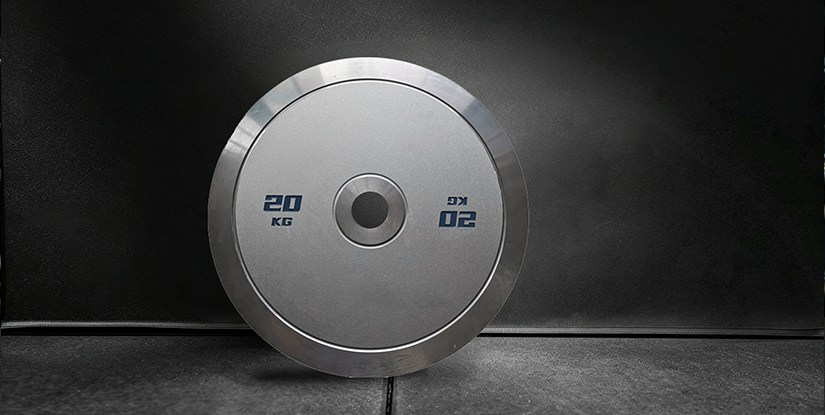
When conducting a technical audit of a custom bumper plate manufacturer, buyers must differentiate between the two primary production routes: high-density rubber molding and urethane encapsulation. While both are used for high-impact commercial use, the choice between them significantly affects your landed cost and the long-term maintenance profile of your inventory. Selecting the correct specification is vital for maintaining competitive margins in the distribution market.
| Material Type | Production Process | Key Component | Commercial Duty | MOQ Impact | Factory QC Point |
|---|---|---|---|---|---|
| High-Density Rubber | Compression Molding | Steel Inner Hub | Standard Commercial | Lower | Surface Uniformity |
| Polyurethane (PU) | Injection Molding | Integrated Core | Premium/Competition | Higher | Coating Adhesion |
| Vinyl Dip | Liquid Coating | Rubber Base | Budget/Light Studio | Variable | Thickness Consistency |
For distributors looking for a reliable commercial gym plate supplier, understanding the assembly of the steel hub is essential. A high-quality wholesale rubber bumper plates production line will utilize a precision-machined steel center to ensure the plate remains concentric during high-velocity drops. During pre-shipment inspection, we recommend verifying the connection between the outer rubber layer and the internal steel ring to prevent delamination, a common failure mode in lower-tier production. When planning your next bulk sourcing project, request a detailed spec sheet to confirm the molding method and the quality of the internal steel components to ensure your brand identity remains associated with durability.
Standardized Inspection and Export Readiness
For professional importers, the final stage of the bumper plate custom manufacturer workflow is the pre-shipment inspection. Beyond basic weight checks, a qualified commercial gym plate supplier must verify the concentricity of the steel hub and the adhesion of the outer coating. Discrepancies in these areas can lead to uneven weight distribution or material separation, which increases the risk of returns and damages your reputation as a distributor. To ensure maximum landed cost efficiency, we advise all buyers to confirm that the wholesale rubber bumper plates undergo a comprehensive quality control process—including flatness testing and surface uniformity checks—before the final export packaging stage.
Effective export packaging is the final safeguard for high-volume shipments. To minimize transit damage and optimize container loading density, a professional custom bumper plate manufacturer utilizes reinforced heavy-duty cartons and protective corner guards. This attention to detail ensures that your bulk order arrives at your warehouse in optimal condition, ready for immediate distribution or retail. When finalizing your sourcing plan, please contact our team to request a sample evaluation or to discuss specific requirements for custom branding and export-grade packaging configurations.
Custom Branding and OEM/ODM Capabilities
For distributors and gym equipment importers, establishing a distinct market presence requires more than just generic inventory. Engaging a professional bumper plate custom manufacturer allows you to move beyond standard stock items and transition into high-margin, branded solutions. By leveraging specialized OEM and ODM services, you can integrate your unique brand identity directly into the product through sophisticated branding options such as precision laser-etched logos, custom color-coded weight markings, or specific texture finishes on the rubber surface.
Whether you are looking to develop a premium line of wholesale rubber bumper plates or require a specific color scheme to match a studio's aesthetic, a direct China factory can accommodate these technical requests. We understand that for a commercial gym plate supplier, the ability to offer private label solutions is a critical factor in increasing distributor margins. We provide clear guidance on MOQ requirements for customized runs, ensuring that your sourcing strategy balances brand exclusivity with efficient lead time management and landed cost control.
Technical Customization Depth: Standard vs. Full OEM
Understanding the distinction between standard wholesale and customized production is vital for effective procurement planning. A bumper plate custom manufacturer typically offers two distinct tiers of service, which directly impact your MOQ, lead time, and overall landed cost. Choosing the right level of customization ensures your investment aligns with your market positioning, whether you are supplying budget-friendly training facilities or premium high-performance studios.
The following table outlines the technical and commercial differences between standard stock procurement and full-scale customized manufacturing. This comparison is designed to help procurement managers evaluate the trade-offs between speed and brand exclusivity.
| Customization Level | Material & Coating Options | Branding & Aesthetics | Typical MOQ Impact | Production Lead Time |
|---|---|---|---|---|
| Standard Wholesale | Industry-standard rubber or PU coating | Standard color-coding (Black, Red, Blue, etc.) | Lower; optimized for bulk shipping | Short; based on existing factory stock |
| Full OEM/ODM | Customized compound density or specific finishes | Custom logo (laser or silk-screen) and unique colors | Higher; requires dedicated production runs | Extended; includes mold and material setup |
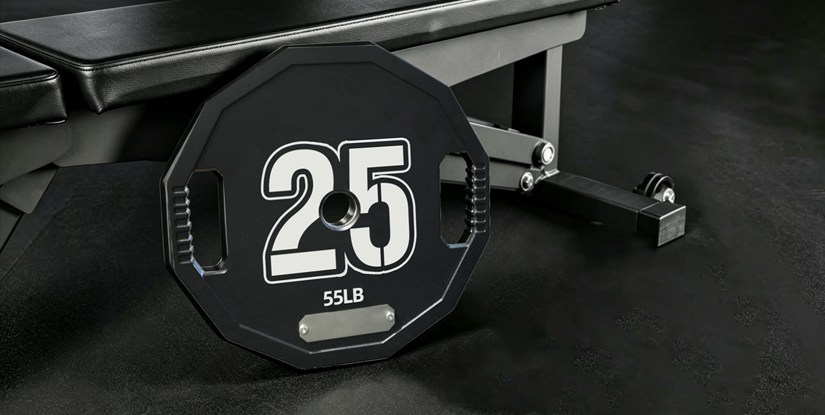
For high-volume distributors, the decision to move from standard wholesale rubber bumper plates to a full OEM model depends on your long-term sourcing strategy. While standard orders offer faster delivery, a custom bumper plate manufacturer can provide much higher differentiation through specialized surface treatments or specific color palettes. When negotiating with your supplier, always confirm if a specific branding request will trigger a higher MOQ or affect the pre-shipment QC protocols, as custom-colored rubber compounds often require additional calibration in the production line.
Factory QC Standards and Export Packaging Protocols
Maintaining consistent commercial gym durability requires a rigorous bumper plate custom manufacturer approach to quality assurance. For international distributors and gym owners, the primary risk in China factory sourcing is not just material quality, but the logistical integrity of the shipment. A professional bumper plate custom manufacturer must implement multi-stage protocols to ensure that bulk orders arrive at the destination without structural or aesthetic compromise, directly protecting your distributor margins and reducing the total landed cost.
Standard quality control (QC) protocols in a professional facility begin with a systematic weight tolerance check. Each batch of wholesale rubber bumper plates undergoes a calibration process to ensure the weight deviation meets industry-standard commercial specifications. This prevents the common failure mode where mismatched weights disrupt training flow and professional perception. Beyond weight, technicians perform a concentricity check and inspect the bond between the inner steel hub and the outer rubber casing to ensure long-term structural stability under high-impact use.
Effective pre-shipment inspection must also prioritize export-grade packaging. Because bumper plates are high-density, heavy-duty items, improper stacking or insufficient reinforcement during sea freight can lead to dented rims or compromised branding. A reliable commercial gym plate supplier utilizes heavy-duty corrugated boxes, corner protectors, and standardized palletization to secure the load. This meticulous attention to the final packaging stage is essential for landed cost optimization, as it minimizes the risk of shipping damage claims and ensures the product is ready for immediate retail or facility deployment upon arrival.
To mitigate the risks of long-distance sea freight, a professional custom bumper plate manufacturer must integrate specialized logistics preparation into the production cycle. For distributors managing high-volume imports, the distinction between a standard warehouse and an export-oriented factory lies in the robustness of the final assembly and protection layers. Neglecting these details can lead to significant losses in distributor margins due to damaged edges or compromised surface finishes during transit.
B2B Packaging and Logistics Standards
A high-tier commercial gym plate supplier typically implements a multi-layered packaging hierarchy designed for container loading efficiency. This process ensures that the high-density weight of the plates does not cause structural deformation of the cartons or the units themselves. We recommend that procurement managers verify the following standards before finalizing a bulk order to ensure the highest level of protection for their inventory.
| Packaging Component | Standard Specification | Commercial Purpose | Impact on Sourcing |
|---|---|---|---|
| Outer Container | Reinforced 5-layer corrugated carton | Impact resistance during handling | Reduces replacement costs |
| Internal Protection | Edge protectors and foam inserts | Prevents rim denting and scuffing | Protects brand identity |
| Palletization | Standardized export-grade wooden or plastic pallets | Stacking stability and forklift access | Optimizes container space |
| Moisture Barrier | Industrial shrink wrap and desiccant packs | Prevents oxidation and humidity damage | Maintains surface finish |
When evaluating a custom bumper plate manufacturer, it is vital to confirm that the wholesale rubber bumper plates are not only quality-checked for weight but also for their "ship-ability." High-volume wholesale orders should ideally be palletized and shrink-wrapped to prevent shifting within the shipping container. This level of preparation directly affects your MOQ negotiation and total lead time, as custom packaging configurations may require additional production days but ultimately lower your long-term replacement and damage-related expenses.
For those looking to scale their distribution, we suggest requesting a detailed packaging specification sheet and a sample of the reinforced carton during the sourcing phase. This allows you to verify the durability of the unit before committing to full-scale OEM or ODM production runs, ensuring your landed cost remains predictable and your reputation for quality remains intact.
Optimizing Your Sourcing Strategy and Bulk Procurement
Navigating the complexities of international procurement requires more than just finding a low price; it requires a strategic partnership with a reliable bumper plate custom manufacturer. For distributors and large-scale gym operators, the goal is to minimize the Total Cost of Ownership (TCO) by balancing initial unit costs against long-term durability and maintenance requirements. When engaging in China factory sourcing, understanding the nuances of production cycles is essential to maintaining a consistent inventory flow.
Effective bulk purchasing involves managing multiple variables, including MOQ requirements, production lead time, and the final landed cost. A professional commercial gym plate supplier does not merely ship products; they provide the technical documentation and quality assurance necessary to protect your margins. Whether you are seeking wholesale rubber bumper plates for a franchise rollout or looking for a custom bumper plate manufacturer to develop a private label line, your procurement efficiency depends on the transparency of the supply chain and the manufacturer's ability to meet rigorous commercial standards.
Material and Process Comparison for Bulk Selection
Selecting the appropriate material grade is a critical decision for distributors. The choice between high-density rubber and premium polyurethane affects not only the durability of the unit but also the shipping weight and long-term floor protection. A professional custom bumper plate manufacturer will offer distinct production routes depending on your target market segment, from budget-friendly commercial gyms to high-end training facilities.
When sourcing wholesale rubber bumper plates, it is essential to evaluate the internal structural integrity. Most high-quality units utilize a heavy-duty steel or high-density composite core to ensure concentricity and weight stability during high-impact use. The manufacturing process—typically involving centrifugal casting or precision injection molding—determines the final surface finish and the resistance to chipping or cracking under heavy usage cycles.
| Material Grade | Manufacturing Process | Key Component | Commercial Duty | MOQ Impact | Factory QC Point |
|---|---|---|---|---|---|
| High-Density Rubber | Injection Molding | Steel Inner Hub | Standard Commercial | Lower | Surface Uniformity |
| Polyurethane (PU) | Compression Molding | Precision Steel Core | Premium / Competition | Higher | Coating Adhesion |
| Vinyl Dipped | Dip Coating | Composite Core | Light Commercial | Minimal | Edge Smoothness |
To ensure long-term reliability, we recommend conducting a sample evaluation before placing a full wholesale order. A thorough pre-shipment inspection should focus on the weight tolerance of the plates and the seamless integration of the rubber shell with the inner ring. For those pursuing an OEM or ODM partnership, confirming the precision of the logo application and the durability of the color-coding system is vital for maintaining your brand identity in the competitive fitness market.