Olympic Weight Plate Factory Direct: OEM Contract Supply
Optimizing Inventory with Olympic Weight Plate Factory Direct Sourcing
Selecting a reliable olympic weight plate factory direct partner requires a rigorous evaluation of three critical procurement pillars: minimizing supply chain risk, ensuring strict specification adherence, and streamlining international logistics. For distributors and large-scale gym operators, the primary challenge lies in maintaining consistent stock levels without overextending capital or facing unexpected quality deviations during transit. By engaging a commercial weight plate manufacturer, professional buyers can effectively manage their landed costs while ensuring that every batch meets the high-performance standards required for commercial environments.
Effective inventory optimization depends on more than just low unit prices; it requires a strategic approach to wholesale olympic plates OEM production that accounts for lead times, shipping volumes, and product durability. When sourcing through a factory, procurement leads gain direct visibility into the production cycles and the ability to align replenishment schedules with seasonal market demands. This direct connection reduces the reliance on middle-tier traders and allows for more precise planning regarding warehouse capacity and capital expenditure.
Material and Process Comparison for Procurement Decisions
For importers and distributors, understanding the technical distinction between different plate types is essential for managing long-term replacement cycles and client expectations. A common pitfall in high-volume sourcing is failing to account for how material density and surface treatments impact the total cost of ownership (TCO) and shipping weight. A professional olympic weight plate factory direct selection strategy should prioritize the specific manufacturing route that aligns with your target market segment, whether that is budget-friendly commercial gyms or high-end training facilities.
The following comparison outlines the standard material-process configurations typically offered by a professional commercial weight plate manufacturer to assist in your technical evaluation. Note that weight tolerance and calibration levels are standard across all tiers but vary in precision based on the machining depth and the specific production line used.
| Material | Coating/Finish | Primary Process | Commercial Use Tier | MOQ Impact | Factory QC Point |
|---|---|---|---|---|---|
| Cast Iron | Paint or Enamel | Sand Casting & Machining | Budget Commercial | Lower | Surface Smoothness |
| Cast Iron | Powder Coating | Sand Casting & Powder Line | Standard Commercial | Moderate | Coating Adhesion |
| Steel / Solid Steel | Rubber or PU Coating | Injection Molding/Dip | Premium/Competition | Higher | Encapsulation Integrity |
| Steel | Chrome/Polished | CNC Machining & Plating | Elite/Specialty | Highest | Bore Concentricity |
When managing wholesale olympic plates OEM orders, it is critical to verify the specific production sequence with your supplier. For example, ensuring that the weight calibration and concentricity check occur after the final surface finishing is a standard requirement for high-tier units. We recommend requesting a detailed spec sheet to confirm that the plating or coating process includes a proper adhesion step, which prevents peeling during heavy usage. Furthermore, for bulk shipments, we advise confirming the specific export packaging standards—such as reinforced carton corners and moisture-resistant wrapping—to ensure the items arrive at your warehouse without surface oxidation or structural damage.
Logistics and Supply Chain Efficiency for Bulk Sourcing
Navigating the complexities of international shipping requires a deep understanding of how production cycles interact with global logistics. For professional buyers, the goal of securing an olympic weight plate factory direct arrangement is not just about the unit price, but about controlling the total landed cost and ensuring predictable arrival windows. A well-managed China factory workflow integrates production schedules with container loading optimization to prevent costly delays in the distributor supply chain.
To maintain high distributor margins, procurement leads must account for variables such as lead time, MOQ, and the technical requirements of export packaging. A professional supplier will provide clear visibility into the stages of production—from initial sand casting to the final weight calibration and pre-shipment QC. This transparency allows importers to plan warehouse space effectively and manage replenishment cycles without the risk of stockouts or unexpected shipping surcharges. When evaluating your next batch, we recommend confirming the specific loading protocols and any OEM customization requirements to ensure your branded units arrive in optimal condition.
Material Specifications and Manufacturing Processes for Commercial Plates
Selecting the right material profile is a critical procurement decision for distributors looking to balance durability with landed costs. When sourcing olympic weight plate factory direct, understanding the distinction between core materials and surface treatments is essential for long-term inventory value. Professional importers must evaluate how different manufacturing routes affect the total cost of ownership and the maintenance load for the end-user.
Most high-volume wholesale olympic plates OEM orders focus on three primary material tiers: bare cast iron, powder-coated steel, and high-density rubber or urethane coatings. Each option offers different levels of floor protection and impact resistance, which directly influences the commercial weight plate manufacturer production workflow and the final shipping weight/volume optimization.
| Material Base | Surface Coating | Primary Process | Commercial Duty Tier | Maintenance Requirement |
|---|---|---|---|---|
| Cast Iron | Painted or Powder Coated | Sand Casting & Machining | Budget / Standard Commercial | Moderate (Rust Prevention) |
| Solid Steel | Enamel or Chrome | Precision Machining | Premium / Competition | Low (High Durability) |
| Cast Iron Core | Rubber or Urethane | Injection Molding / Dip | High-End Commercial | Minimal (Floor Protection) |
For distributors managing large-scale facility rollouts, the choice between a standard commercial weight plate manufacturer's cast iron stock and a premium polyurethane-encapsulated unit depends on the target environment. While cast iron provides a cost-effective solution for high-volume sourcing, rubber-coated options significantly reduce the impact noise and wear on flooring, potentially lowering the long-term facility maintenance overhead.
Standardized Production Workflow and Precision QC
A professional manufacturing sequence is the foundation of product reliability. When a buyer engages with an olympic weight plate factory direct, they are investing in a controlled production line that moves from raw material to finished goods through several rigorous stages. This ensures that every unit in a bulk shipment meets the same structural and dimensional standards, reducing the risk of uneven weight distribution or uneven wear across a facility.
The standard production cycle begins with sand casting to form the primary plate shape, followed by CNC machining to ensure the center bore is perfectly concentric. This stage is critical for a professional commercial weight plate manufacturer, as any deviation in the bore diameter can lead to improper fitment on premium barbell sleeves. Once the structural form is verified, the plates move to the surface finishing stage, which typically involves a powder coating line to ensure high coating adhesion and long-term resistance to oxidation. The final, and perhaps most vital, step is the weight calibration process. This step involves meticulous spot-checks to ensure that the mass of each plate aligns with the requested specifications before the final export packaging is applied.
For distributors, these technical details directly impact the lead time and total landed cost. A factory that utilizes automated CNC machining and standardized powder coating processes can offer more predictable MOQ tiers and faster replenishment cycles. During the pre-shipment quality control phase, a reliable China factory will perform inspections on the coating integrity and the flatness of the plate base to ensure the product is ready for heavy commercial use upon arrival at the warehouse or gym facility.
Technical Inspection Points for Bulk Imports
To ensure high-quality results when managing a wholesale order, procurement specialists should focus on specific physical indicators during factory audits or sample evaluations. A professional commercial weight plate manufacturer will provide documentation regarding the calibration and finishing of their units, but physical verification of key components is the most effective way to mitigate risk. For instance, when evaluating the center bore, buyers should check for smooth edges and a consistent fit to prevent barbell damage. Furthermore, inspecting the coating adhesion—particularly on rubber or PU-coated units—is vital to ensure the encapsulation layer does not peel or crack under high-impact usage in a commercial gym setting.
When coordinating with a China factory, it is standard practice to request a pre-shipment inspection that covers both the structural integrity and the aesthetic finish. This includes verifying the flatness of the plate base to ensure it sits level on the floor and checking the weight tolerance of a random sample from the batch. For high-end orders, checking the quality of the branding—whether it is embossed directly into the cast iron or applied via a durable stencil—ensures that your private label identity remains professional and intact throughout the product's lifecycle. Successful sourcing strategies always prioritize these granular technical details to reduce the likelihood of returns and improve long-term distributor margins.
Precision Machining and Weight Calibration Standards
For distributors and gym equipment importers, sourcing from an olympic weight plate factory direct requires strict verification of technical tolerances. In a professional setting, weight discrepancies are not merely minor errors; they are liabilities that can lead to equipment non-compliance and damaged reputation. When procurement teams evaluate a commercial weight plate manufacturer, they must prioritize facilities that utilize systematic precision machining and rigorous weight calibration protocols to ensure every unit meets professional gym standards.
The necessity for high consistency in mass distribution becomes critical during high-volume wholesale orders. A lack of uniformity in the casting or machining stages often results in uneven weight distribution, which can cause instability during heavy lifting sessions. To avoid the high costs of returns and replacement cycles, professional sourcing specialists look for a China factory that integrates a multi-stage calibration process—moving from raw casting to CNC machining and final weight verification—ensuring that every plate in a bulk shipment maintains the expected technical profile.
Technical Comparison of Manufacturing Processes and Calibration Tiers
Understanding the technical divergence between different production methods is essential for procurement officers calculating the total cost of ownership. When ordering wholesale olympic plates OEM, the choice between basic casting and advanced machining dictates the long-term durability and performance of the inventory. A high-tier commercial weight plate manufacturer will typically offer different tiers of precision to suit varying budget and performance requirements.
The following table outlines the qualitative differences in production standards to assist in your technical evaluation and sourcing decisions.
| Material Tier | Primary Process | Key Component Focus | Commercial Duty | MOQ Impact | Factory QC Point |
|---|---|---|---|---|---|
| Cast Iron | Sand Casting | Base Flatness | Budget / General Gym | Lower | Surface Smoothness |
| Steel / Iron | CNC Machining | Concentricity | Professional / Training | Medium | Bore Fit & Diameter |
| Precision Steel | Advanced Machining | Weight Tolerance | Competition / Elite | Higher | Calibration Accuracy |
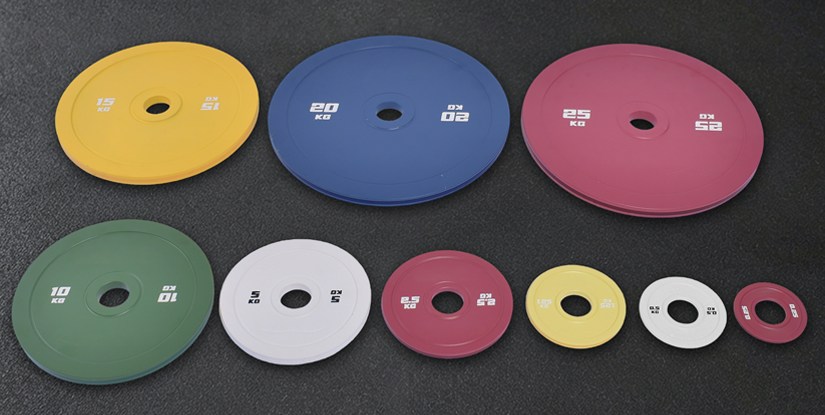
For distributors, the critical distinction lies in the manufacturing process. While sand casting is efficient for high-volume wholesale distribution, it often lacks the strict concentricity required for high-end training environments. Conversely, integrating CNC machining allows for a much tighter weight tolerance and a more refined surface finish. This precision ensures that the center of gravity remains stable during rotation, reducing the risk of mechanical vibration or uneven wear on barbell sleeves. When conducting a factory audit or reviewing technical spec sheets, we recommend verifying whether the facility performs individual weight calibration or relies solely on batch-level averages, as the former provides significantly higher reliability for premium commercial clients.
Optimizing Landed Cost Through Technical Consistency
For professional importers, the goal is to minimize the total cost of ownership by avoiding the logistical friction of defective or non-compliant units. Selecting an olympic weight plate factory direct means you are not just buying a product, but investing in a predictable supply chain. When a China factory employs advanced machining and multi-stage calibration, the resulting uniformity reduces the likelihood of "dead weight" or uneven loading issues that often plague lower-tier batches. This reliability is essential for maintaining high distributor margins and ensuring that your long-term replacement planning remains predictable.
A strategic sourcing decision should always weigh the initial unit price against the long-term maintenance load. While basic cast iron solutions offer lower entry costs, a commercial weight plate manufacturer that prioritizes CNC machining for the center bore ensures a much smoother fit on barbell sleeves. This reduces friction and prevents premature wear on the barbell, a critical factor for high-traffic commercial gyms. When evaluating your next bulk shipment, we recommend requesting detailed documentation regarding the calibration and concentricity check protocols to ensure your landed cost is optimized through superior product longevity and reduced return rates.
China Factory Production and Export Quality Control Protocols
Securing a reliable olympic weight plate factory direct source requires more than just comparing unit prices; it demands a rigorous verification of production standards. For distributors and gym equipment importers, the primary risk in B2B sourcing is receiving batches with inconsistent weight tolerances or subpar surface finishes that lead to high replacement costs. A professional commercial weight plate manufacturer must implement systematic QC protocols—from the initial casting stage through to final export packaging—to ensure every unit meets commercial-grade durability standards.
In a professional China factory setting, quality control is not a single event but a multi-stage process integrated into the manufacturing line. When you engage in wholesale olympic plates OEM production, the oversight should cover critical technical aspects such as the concentricity of the center bore, the adhesion of the coating, and the precision of the weight calibration. Neglecting these steps can result in uneven wear or dimensional inaccuracies that compromise the professional athlete's experience and your brand reputation.
Standardized Production and Inspection Workflow
A high-tier factory typically follows a structured sequence to maintain consistency across large-scale orders. This process begins with raw material selection, moving through casting, precision machining, and surface treatment. For OEM orders, specific attention is paid to the interface between the plate and the barbell to prevent long-term damage to high-end equipment.
Effective sourcing involves auditing these specific technical checkpoints:
- Casting and Machining: Ensuring the gray iron or steel base is free of structural voids and that the center bore is machined to a consistent diameter for a smooth fit.
- Surface Finishing: Verifying the integrity of the powder coating or rubber encapsulation to prevent chipping or peeling during heavy use.
- Weight Calibration: Implementing spot-checks to ensure the weight deviation remains within industry-standard tolerances for commercial use.
- Pre-shipment QC: A final inspection of the physical dimensions, logo embossing clarity, and the structural integrity of the packaging to withstand international transit.
| Material Tier | Surface Coating | Primary Process | Key Component Focus | Commercial Duty | QC Inspection Point |
|---|---|---|---|---|---|
| Cast Iron | Paint or Powder Coating | Sand Casting & Machining | Center Bore Concentricity | Budget Commercial | Bore Diameter & Smoothness |
| Steel | PU or Rubber Encapsulation | Molding & Injection | Edge Thickness & Grip | Premium Commercial | Coating Adhesion & Seam Integrity |
| High-Grade Steel | Chrome or Specialized Finish | Precision CNC Machining | Precision Weight Calibration | Competition Standard | Weight Tolerance & Surface Uniformity |
When evaluating a olympic weight plate factory direct partner, your procurement team should request specific documentation regarding these technical workflows. A reliable commercial weight plate manufacturer will provide clarity on how they manage the transition from casting to the final coating phase to prevent common failure modes like peeling or uneven weight distribution. For large-scale wholesale olympic plates OEM contracts, understanding these nuances is essential for calculating the total cost of ownership and minimizing post-arrival replacement claims.
Before finalizing your order, we recommend discussing the specific requirements for your brand identity, including logo embossing depth and customized packaging. Whether you are looking for a standard stock replenishment or a fully customized OEM solution, confirming the factory's pre-shipment inspection protocols for container loading and pallet stability will ensure your landed cost remains predictable and your inventory arrives in export-ready condition.
Custom Branding and OEM Manufacturing Capabilities
Transitioning from generic sourcing to a specialized brand identity is a strategic move for distributors and commercial gym owners looking to increase market differentiation. By leveraging an olympic weight plate factory direct model, procurement leads can move beyond standard commodity purchasing to create a proprietary product line that reflects their specific market positioning.
Establishing a private label program allows you to embed your brand into the physical assets of a facility, fostering long-term recognition. Whether you require custom branding for a boutique studio or high-volume wholesale olympic plates OEM production for a large-scale distribution network, working directly with a China factory provides the necessary control over design and specifications. This OEM/ODM approach ensures that every plate, from the embossed logo to the specific coating finish, aligns with your brand's aesthetic and durability standards.
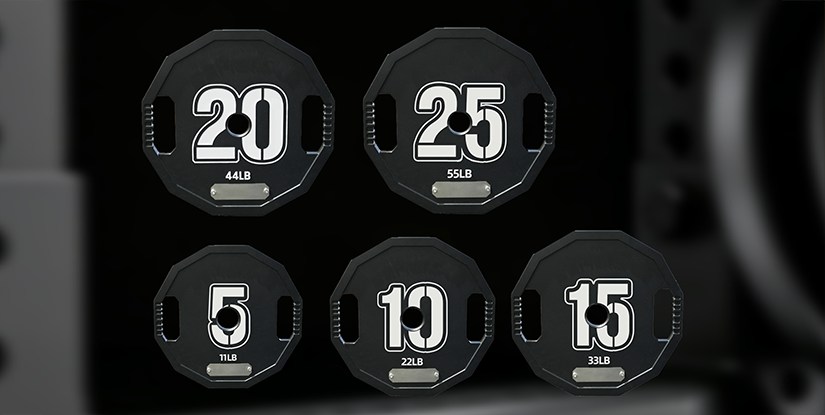
Navigating the complexities of sourcing requires a partner capable of managing diverse requirements, including specialized MOQ thresholds and predictable lead time management. A professional commercial weight plate manufacturer does more than just manufacture; they act as a technical partner to ensure your custom specifications—such as specific diameter tolerances or unique color-coded edge finishes—are executed with industrial precision before export.
Precision in Material Customization and Logo Application
The technical execution of a custom order depends heavily on the choice between permanent structural branding and surface-level aesthetics. For distributors seeking high-durability solutions, logo embossing is the industry standard for long-term wear resistance. During the initial casting phase, the brand identity is integrated directly into the mold, ensuring the logo remains legible even after years of heavy use and impact. This method is preferred for high-volume wholesale orders where surface integrity is a primary concern.
For premium product lines, advanced surface finishing techniques offer a more refined appearance. While logo printing is a common option for color-coded weight identification, it is often less durable than CNC machining or physical embossing in high-traffic commercial environments. To ensure professional results, our factory utilizes high-precision processes to manage different coating requirements:
- Cast Iron & Powder Coating: Standard for budget-to-mid tier commercial sets, providing a rugged, textured finish that resists oxidation.
- Rubber Coating: Essential for bumper-style plates to improve floor protection and dampen impact noise.
- PU Coating: A premium polyurethane finish that offers a smooth, high-end tactile feel and superior color retention for boutique studio branding.
During the pre-shipment QC stage, we specifically inspect the adhesion of these coatings and the precision of the center bore. This ensures that the olympic weight plate factory direct specifications you requested—whether it be a specific matte texture or a high-gloss finish—are consistent across the entire batch. By controlling the process from raw casting to final surface treatment, we help you minimize the risk of coating chips or branding degradation, protecting your long-term landed cost and product reputation.
Technical Comparison of Customization Tiers
When planning your next procurement cycle, understanding the trade-off between customization depth and production complexity is vital for managing your budget and MOQ. A professional commercial weight plate manufacturer typically offers various tiers of specification, ranging from standardized stock units to fully engineered proprietary designs. Choosing the right tier depends on whether your goal is rapid inventory replenishment or building a high-margin, specialized brand identity.
The following table outlines the common customization levels available when working with an olympic weight plate factory direct partner. This comparison helps procurement leads evaluate how material choices and branding methods impact total sourcing complexity and long-term durability.
| Material Tier | Branding Method | Production Process | Commercial Duty | Typical MOQ Impact | Factory QC Focus |
|---|---|---|---|---|---|
| Cast Iron | Surface Printing | Sand Casting & Paint | Budget / Entry-Level | Low | Paint Adhesion & Weight Accuracy |
| Cast Iron | Embossed Logo | Sand Casting & Powder Coating | Standard Commercial | Medium | Bore Concentricity & Logo Legibility |
| Solid Steel | CNC Machined / Engraved | Precision Machining & Chrome | Premium / Competition | High | Tolerance Precision & Surface Smoothness |
| Rubber / PU Coated | Embedded/Molded Branding | Molding or Dip Coating | Boutique / High-End Studio | Medium to High | Coating Uniformity & Edge Bonding |
For distributors focusing on high-volume wholesale olympic plates OEM production, the embossed cast iron option often provides the best balance of durability and cost-efficiency. This method ensures that your brand remains visible even as the equipment undergoes heavy use. Conversely, if you are targeting the premium studio market, investing in advanced surface finishes like PU coating or precision-machined steel will provide the high-end tactile experience required to justify a higher retail price point.
Regardless of the tier selected, we recommend requesting a detailed specification sheet or a sample evaluation before finalizing bulk orders. This allows you to verify the weight tolerance, coating quality, and branding precision firsthand, ensuring the final shipment aligns perfectly with your market expectations and minimizes any potential for post-delivery disputes.
Logistics and Container Loading for Bulk Orders
Managing the logistics of heavy metal inventory requires more than just standard freight planning; it demands precise coordination to protect profit margins. For distributors and gym equipment importers, the weight-to-volume ratio of weight plates creates a unique challenge in sea freight. When sourcing an olympic weight plate factory direct, the ability to optimize container loading efficiency is a critical factor in reducing the total landed cost of your shipment.
Because weight plates are high-density products, a container can reach its maximum weight capacity long before it is physically full. Without professionalized bulk orders management, buyers often face the "dead space" problem, where they pay for shipping volume that is not being utilized. A professional commercial weight plate manufacturer will provide optimized packing schemes—such as palletized stacking or customized carton dimensions—to ensure that every cubic meter of a 20ft or 40ft container is leveraged effectively. This expertise in wholesale olympic plates OEM production extends beyond the manufacturing line into the final export packaging stage, ensuring that the China factory maximizes weight distribution to prevent container imbalance during transit.
Standardized export packaging is the final line of defense against transit damage and dimensional inconsistencies. To mitigate the risk of dented edges or compromised coatings during long-distance sea freight, professional manufacturers utilize reinforced corrugated cartons and heavy-duty pallets. For high-volume distributors, the choice between loose-loading and palletization significantly impacts both the speed of unloading at the destination warehouse and the overall safety of the inventory. A reliable commercial weight plate manufacturer will implement strict loading protocols to ensure that weight distribution remains even across the container floor, preventing shifts that could lead to structural damage or container imbalance.
Standardized Loading and Volume Optimization
Efficiency in the supply chain is often determined by how well a China factory manages the physical footprint of a shipment. Since weight plates are high-density assets, the primary goal is to reach the container's maximum weight capacity without compromising stability. We recommend discussing specific loading configurations during the initial sourcing phase to align with your warehouse handling equipment. Whether you require specialized palletization for rapid forklift unloading or optimized carton nesting to maximize shipping volume, clear communication regarding your MOQ and volume requirements ensures a streamlined arrival process.
| Packing Method | Primary Benefit | Best Use Case | Logistics Impact |
|---|---|---|---|
| Reinforced Cartons | Individual unit protection | Standard wholesale distribution | Higher protection, moderate volume |
| Palletized Stacking | Rapid unloading efficiency | Large-scale gym installations | Highest stability, lower volume density |
| Custom Crating | Extreme durability for long-haul | Premium or specialized plate types | Maximum safety, highest landed cost |
Before finalizing any wholesale shipment, we advise clients to request a detailed packing list and a 3D loading plan. This allows your logistics team to confirm that the total weight, dimensions, and volume align with your carrier's requirements. By addressing these technicalities during the OEM or ODM planning stage, you can minimize unexpected port fees and ensure your inventory arrives ready for immediate commercial deployment.
| Loading Configuration | Protection Level | Container Utilization | Shipping Efficiency | Target Procurement Scenario |
|---|---|---|---|---|
| Loose Carton Loading | Standard (Reinforced Corrugated) | High Density (Weight-driven) | Moderate (Manual Unloading) | High-volume wholesale replenishment |
| Palletized Stacking | Enhanced (Corner Protectors) | Medium Density (Volume-driven) | High (Forklift/Rapid Unloading) | Large-scale gym/Distributor stock |
| Custom Wooden Crating | Maximum (Heavy-duty Protection) | Lower Density (Stability-driven) | Very High (Specialized Equipment) | Premium OEM or high-value orders |
Optimizing your olympic weight plate factory direct procurement involves calculating the intersection of weight limits and volumetric capacity. For many importers, the difference between a 20ft and 40ft container is not just about space, but about the maximum payload allowed by sea carriers. A professional supplier will assist in calculating the most cost-effective density ratio to ensure you are not paying for air while also avoiding overweight penalties at the port of entry. This technical oversight is a hallmark of a mature China factory specializing in heavy iron and rubberized goods.
To ensure your wholesale olympic plates OEM order arrives without dimensional or surface defects, we recommend a pre-shipment review of the final packing list. This includes verifying the weight per carton, the number of units per pallet, and the specific protection methods used for the edges and coatings. By confirming these details during the sourcing stage, you can better plan your warehouse labor and equipment needs, ultimately protecting your distributor margins and reducing the total landed cost of your inventory.