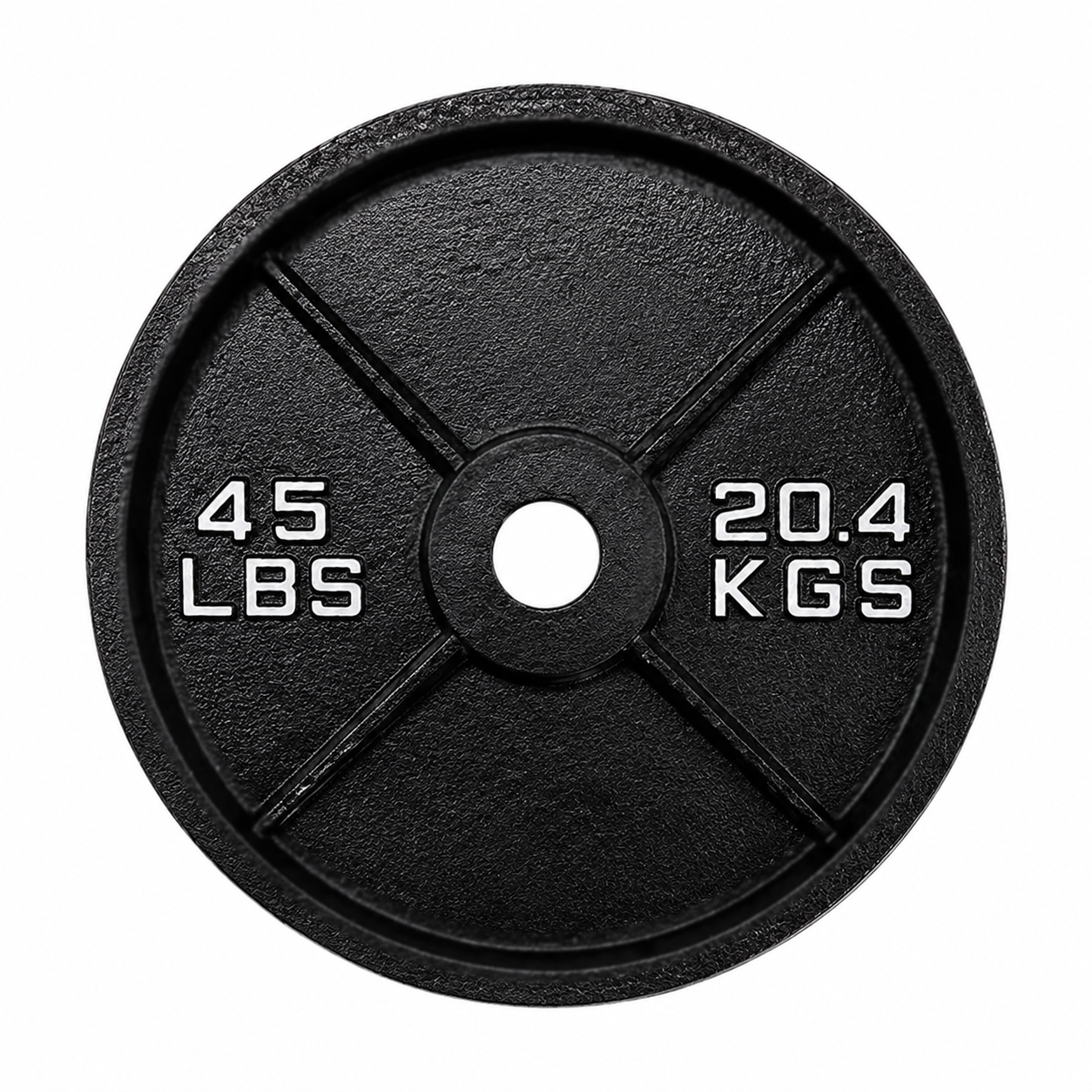
Olympic Weight Plate OEM: China Factory Production
Optimizing Inventory with Olympic Weight Plate OEM Services
Effective procurement for a high-traffic commercial gym requires a strategic balance between initial capital expenditure and long-term operational efficiency. When sourcing at scale, professional buyers must evaluate the risks of inconsistent weight tolerances, the logistical complexities of high-volume shipping, and the necessity for brand-aligned product specifications. Utilizing professional olympic weight plate OEM services allows distributors and facility operators to move beyond generic off-the-shelf solutions toward a tailored inventory model that prioritizes both space efficiency and a lower Total Cost of Ownership (TCO). By working directly with a specialized China factory, importers can align product dimensions and material density with their specific storage and floor-plan requirements, ensuring that every square foot of the facility is utilized optimally.
For large-scale distributors, the ability to control the product lifecycle through wholesale manufacturing is a significant competitive advantage. Standardized stock orders often lead to wasted warehouse space or mismatched equipment aesthetics, but a customized olymptic weight plate OEM approach allows for the integration of specific thickness profiles and specialized coatings. This level of control is essential when managing the landed cost of heavy iron or rubber-coated goods, where shipping volume and weight-to-space ratios directly impact the final margin. Choosing a reliable commercial weight plate manufacturer ensures that the technical specifications—from the concentricity of the center hole to the durability of the outer rim—are engineered to withstand the rigorous demands of professional training environments.
Material Selection and Commercial Performance Comparison
Selecting the correct material profile is a critical decision for procurement managers, as it directly influences both the replacement frequency and the long-term maintenance load of a facility. A common pitfall in bulk sourcing is failing to account for the impact of material density on floor protection and acoustic noise. For instance, while cast iron offers a compact footprint for high-density storage, it lacks the impact absorption required for high-impact training zones. Conversely, specialized rubber or PU coatings significantly reduce vibration and protect structural flooring, though they may increase the unit volume and shipping costs per set.
To assist in your decision-making process, the following table compares the standard material tiers offered by a professional commercial weight plate manufacturer. This comparison focuses on the technical trade-offs between durability, maintenance, and the logistical considerations inherent in large-scale wholesale procurement.
| Material Type | Primary Coating/Finish | Manufacturing Process | Key Component/QC Point | Floor Protection | Commercial Duty Tier |
|---|---|---|---|---|---|
| Cast Iron | Powder Coating or Enamel | Sand Casting & Machining | Center Hole Concentricity | Low (Requires Mats) | Budget/Standard |
| Rubber Coated | Vulcanized Rubber Layer | Steel Core & Injection Molding | Coating Adhesion | High | Commercial/Premium |
| Polyurethane (PU) | High-Density PU Coating | Precision Molding | Surface Smoothness | Very High | Premium/Competition |
When evaluating your next batch, consider how these material choices affect your total landed cost. While a single-piece cast iron plate may offer a lower initial price point, the long-term maintenance and potential for floor damage can increase operational expenses. For distributors looking to build a premium brand identity, opting for high-density PU or rubber-encapsulated plates provides a superior user experience and higher durability in high-traffic environments. We recommend requesting a sample evaluation or a technical spec sheet to confirm that the weight tolerance and coating thickness meet your specific market standards before finalizing a large-scale olympic weight plate OEM order.
Navigating the complexities of international logistics requires a deep understanding of how production standards impact your final margins. For importers, the primary challenge is not just the unit price, but the total landed cost, which includes shipping, duties, and the potential for replacement costs due to poor quality. A professional wholesale gym equipment China sourcing strategy mitigates these risks by focusing on standardized export-ready production. By establishing a direct relationship with a factory, you gain transparency into the production timeline, ensuring that your inventory replenishment aligns with seasonal demand and facility opening schedules.
Managing Lead Time and Export Logistics
Effective procurement planning must account for the total lead time, encompassing the journey from raw material casting to final container loading. In many commercial settings, delays in the manufacturing or shipping phases can disrupt distributor cycles and increase warehouse overhead. When you engage in olympic weight plate OEM production, it is essential to confirm the specific production capacity and the time required for pre-shipment QC. A structured production sequence—starting from sand casting and progressing through CNC machining, surface coating, and finally, weight calibration—ensures that the finished goods meet the rigorous standards expected in North American and European markets.
Furthermore, specialized export packaging is a non-negotiable requirement for high-volume shipments. Because weight plates are high-density, heavy-duty items, the way they are palletized and secured within a container directly affects the safety of the shipment and the ease of unloading at your destination. A reliable commercial weight plate manufacturer will provide robust, reinforced packaging solutions designed to prevent shifting or surface damage during long-haul maritime transit. We suggest discussing specific packaging requirements and container loading optimization during your initial inquiry to ensure your logistics plan is both cost-effective and secure.
Material Selection and Manufacturing Processes for Commercial Sets
Selecting the right substrate is the first step in a professional olympic weight plate OEM procurement strategy. For distributors and gym owners, the choice between cast iron and specialized coatings directly impacts the total cost of ownership and long-term maintenance cycles. A high-quality commercial weight plate manufacturer must provide options that balance structural density with surface durability to ensure the equipment survives high-volume commercial usage.
In a professional China factory setting, the production of weight plates follows a rigorous sequence to ensure concentricity and weight stability. The process typically begins with high-grade sand casting for cast iron units or precision centrifugal casting for steel-core plates. Following the initial casting, the units undergo CNC machining to refine the center hole and ensure the plate sits perfectly flat. This stage is critical for preventing wobbling during high-intensity lifting, a common failure mode in lower-tier products. Once the dimensions are calibrated, the plates move to surface treatment, which may include phosphate coating for corrosion resistance or advanced powder coating for a smooth, durable finish. For premium bumper-style requirements, a secondary molding process is used to encapsulate the core in high-density rubber or polyurethane (PU) to protect flooring and reduce noise levels in commercial environments.
Understanding these technical tiers allows importers to manage their wholesale gym equipment China sourcing more effectively, matching the material grade to the specific needs of their target market, whether it be budget-friendly strength gyms or high-end performance centers.
| Material Type | Primary Process | Key Component/Detail | Commercial Duty Tier | Procurement Benefit |
|---|---|---|---|---|
| Cast Iron | Sand Casting & Machining | Center hole concentricity | Budget / Standard Commercial | Low landed cost for high-volume sets |
| Steel Core | Centrifugal Casting | Precision weight distribution | Premium Commercial / Competition | High durability and long-term ROI |
| Rubber Coated | Injection Molding / Encapsulation | Impact-resistant outer layer | High-Traffic / Professional Studio | Reduced floor maintenance and noise |
| PU Coated | Polyurethane Molding | Color-coded weight marking | Elite Performance / Specialized | Premium brand identity and aesthetics |
Precision Calibration and Factory QC Standards
For professional buyers, the difference between a standard unit and a high-performance tool lies in the precision of the weight calibration and the consistency of the center hole. A reliable olympic weight plate OEM partner integrates strict weight tolerance spot-checks at multiple stages of the manufacturing workflow. This ensures that every plate in a bulk shipment meets the specified weight requirements, preventing the uneven loading issues that can damage high-end barbell sleeves and increase maintenance costs for gym operators.
During the pre-shipment phase, a qualified commercial weight plate manufacturer conducts a multi-point inspection. This includes checking the flatness of the plate face to prevent warping, verifying the adhesion of the powder coating or rubber encapsulation, and inspecting the inner ring for any debris that could interfere with the barbell fit. For distributors managing large-scale wholesale gym equipment China orders, these QC steps are vital to reducing the rate of returns and ensuring that the landed cost remains optimized through high product reliability.
We recommend that importers request a sample evaluation or a detailed technical spec sheet before finalizing large-scale production. Depending on your specific requirements, we can facilitate a factory audit or a third-party inspection to verify that the manufacturing process, from casting to final coating, aligns with your brand's quality standards. Contact us to confirm the current MOQ and discuss customized branding options for your next bulk order.
Selecting the right substrate is the first step in a professional olympic weight plate OEM procurement strategy. For distributors and gym owners, the choice between cast iron and specialized coatings directly impacts the total cost of ownership and long-term maintenance cycles. A high-quality commercial weight plate manufacturer must provide options that balance structural density with surface durability to ensure the equipment survives high-volume commercial usage.
In a professional China factory setting, the production of weight plates follows a rigorous sequence to ensure concentricity and weight stability. The process typically begins with high-grade sand casting for cast iron units or precision centrifugal casting for steel-core plates. Following the initial casting, the units undergo CNC machining to refine the center hole and ensure the plate sits perfectly flat. This stage is critical for preventing wobbling during high-intensity lifting, a common failure mode in lower-tier products. Once the dimensions are calibrated, the plates move to surface treatment, which may include phosphate treatment for corrosion resistance or advanced powder coating for a smooth, durable finish. For premium bumper-style requirements, a secondary molding process is used to encapsulate the core in high-density rubber or polyurethane (PU) to protect flooring and reduce noise levels in commercial environments.
Understanding these technical tiers allows importers to manage their wholesale gym equipment China sourcing more effectively, matching the material grade to the specific needs of their target market, whether it be budget-friendly strength gyms or high-end performance centers.
| Material Type | Primary Process | Key Component/Detail | Commercial Duty Tier | Procurement Benefit |
|---|---|---|---|---|
| Cast Iron | Sand Casting & Machining | Center hole concentricity | Budget / Standard Commercial | Low landed cost for high-volume sets |
| Steel Core | Centrifugal Casting | Precision weight distribution | Premium Commercial / Competition | High durability and long-term ROI |
| Rubber Coated | Injection Molding / Encapsulation | Impact-resistant outer layer | High-Traffic / Professional Studio | Reduced floor maintenance and noise |
| PU Coated | Polyurethane Molding | Color-coded weight marking | Elite Performance / Specialized | Premium brand identity and aesthetics |
Comparing Material Tiers for Bulk Procurement
For distributors and gym operators, selecting the right olympic weight plate OEM partner requires a deep understanding of how material selection affects long-term TCO. When sourcing wholesale gym equipment China, the choice between cast iron, steel, or urethane-coated units dictates not only your initial landed cost but also your replacement cycles and maintenance overhead. A miscalculation in material durability can lead to premature surface degradation or floor damage, increasing operational expenses.
A professional commercial weight plate manufacturer provides various tiers to match different facility requirements. While cast iron remains a high-volume staple due to its cost-efficiency, premium facilities often demand high-grade urethane or specialized steel components to ensure longevity and noise reduction. Understanding these distinctions is vital for optimizing your inventory margin and ensuring high equipment uptime.
| Material Tier | Primary Coating/Finish | Typical Manufacturing Process | Commercial Duty Level | TCO Impact |
|---|---|---|---|---|
| Cast Iron | Paint or Powder Coating | Sand Casting & Machining | Budget / Standard Commercial | Low initial cost; higher wear risk |
| Steel Core | Rubber or Urethane Coating | Centrifugal Casting & Molding | Premium / High-Traffic Gyms | High durability; minimal floor impact |
| Steel/Iron Hybrid | Vinyl or Dip Coating | Injection Molding/Dip | Mid-Tier Studio / Boutique | Balanced cost and protection |
When evaluating olympic weight plate OEM options, we recommend analyzing the specific usage environment. For high-impact strength zones, a factory specializing in high-density urethane coatings offers better long-term value through reduced vibration and superior coating adhesion. For standard weight rooms where budget optimization is the priority, high-quality wholesale cast iron sets with standardized powder coating provide the most efficient ROI for large-scale distribution.
To ensure long-term profitability, procurement managers must look beyond the initial unit price. A high-quality olympic weight plate OEM service will provide transparency regarding the manufacturing sequence—from the initial sand casting of the gray iron core to the final weight calibration and concentricity check. Choosing a factory that utilizes standardized surface finishing techniques ensures that your shipment arrives with consistent dimensions and uniform coating adhesion, reducing the risk of rejected batches during pre-shipment inspection.
Effective sourcing strategies involve balancing the precision of the manufacturing process with the intended facility usage. For example, a commercial weight plate manufacturer might offer different levels of machining for the center hole to ensure a smooth fit on Olympic barbells. While budget tiers focus on high-volume wholesale throughput, premium tiers prioritize advanced processes like CNC machining and multi-layer coating to minimize the frequency of replacement and maintenance-related downtime.
Before finalizing your bulk order, we suggest requesting a detailed specification sheet from your China factory partner. This should include details on the thickness of the coating, the expected weight tolerance, and the specific packaging methods used for container loading. Confirming these technical details and the MOQ for custom branding or specialized finishes will help you accurately calculate the total landed cost and ensure your inventory meets the durability standards of your target market.
For distributors and gym operators, selecting the right olympic weight plate OEM partner requires a deep understanding of how material selection affects long-term TCO. When sourcing wholesale gym equipment China, the choice between cast iron, steel, or urethane-coated units dictates not only your initial landed cost but also your replacement cycles and maintenance overhead. A miscalculation in material durability can lead to premature surface degradation or floor damage, increasing operational expenses.
A professional commercial weight plate manufacturer provides various tiers to match different facility requirements. While cast iron remains a high-volume staple due to its cost-efficiency, premium facilities often demand high-grade urethane or specialized steel components to ensure longevity and noise reduction. Understanding these distinctions is vital for optimizing your inventory margin and ensuring high equipment uptime.
| Material Tier | Primary Coating/Finish | Typical Manufacturing Process | Commercial Duty Level | TCO Impact |
|---|---|---|---|---|
| Cast Iron | Paint or Powder Coating | Sand Casting & Machining | Budget / Standard Commercial | Low initial cost; higher wear risk |
| Steel Core | Rubber or Urethane Coating | Centrifugal Casting & Molding | Premium / High-Traffic Gyms | High durability; minimal floor impact |
| Steel/Iron Hybrid | Vinyl or Dip Coating | Injection Molding/Dip | Mid-Tier Studio / Boutique | Balanced cost and protection |
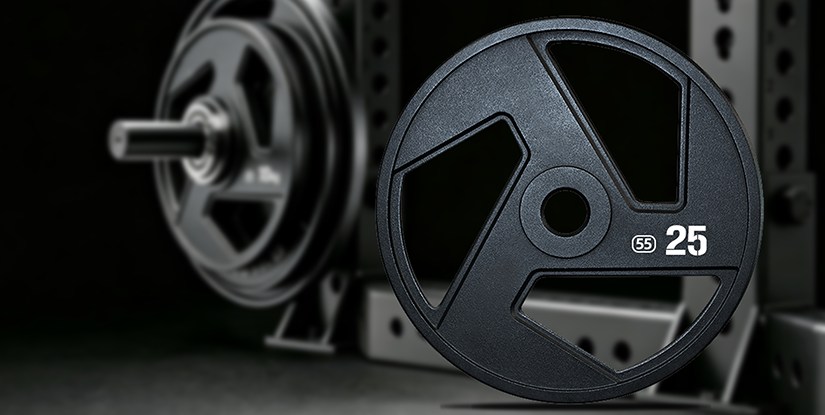
When evaluating olympic weight plate OEM options, we recommend analyzing the specific usage environment. For high-impact strength zones, a factory specializing in high-density urethane coatings offers better long-term value through reduced vibration and superior coating adhesion. For standard weight rooms where budget optimization is the priority, high-quality wholesale cast iron sets with standardized powder coating provide the most efficient ROI for large-scale distribution.
To ensure long-term profitability, procurement managers must look beyond the initial unit price. A high-quality olympic weight plate OEM service will provide transparency regarding the manufacturing sequence—from the initial sand casting of the gray iron core to the final weight calibration and concentricity check. Choosing a factory that utilizes standardized surface finishing techniques ensures that your shipment arrives with consistent dimensions and uniform coating adhesion, reducing the risk of rejected batches during pre-shipment inspection.
Effective sourcing strategies involve balancing the precision of the manufacturing process with the intended facility usage. For example, a commercial weight plate manufacturer might offer different levels of machining for the center hole to ensure a smooth fit on Olympic barbells. While budget tiers focus on high-volume wholesale throughput, premium tiers prioritize advanced processes like CNC machining and multi-layer coating to minimize the frequency of replacement and maintenance-related downtime.
Before finalizing your bulk order, we suggest requesting a detailed specification sheet from your China factory partner. This should include details on the thickness of the coating, the expected weight tolerance, and the specific packaging methods used for container loading. Confirming these technical details and the MOQ for custom branding or specialized finishes will help you accurately calculate the total landed cost and ensure your inventory meets the durability standards of your target market.
China Factory QC and Pre-Shipment Inspection Protocols
Maintaining strict manufacturing consistency is the primary defense against the high landed costs of defective inventory. For importers sourcing olympic weight plate OEM solutions, the risk of receiving batches with uneven weight distribution or compromised coating adhesion can devastate distributor margins. A professional China factory must implement a multi-stage verification system that moves beyond basic visual checks to ensure every unit meets commercial gym standards.
Effective quality control begins at the casting stage and continues through final assembly. To mitigate sourcing risks, a reliable commercial weight plate manufacturer conducts systematic weight tolerance testing and concentricity checks. This ensures that plates do not wobble during high-volume use, a common failure mode in lower-tier production. For wholesale gym equipment China orders, we recommend a rigorous pre-shipment inspection that focuses on the structural integrity of the steel hub and the thickness of the outer coating.
Critical Inspection Points for Bulk Orders
When conducting a factory audit or reviewing inspection reports, procurement leads should focus on specific technical components that impact long-term durability. A standard pre-shipment protocol for olympic weight plate OEM production typically includes the following checkpoints:
- Hub and Inner Ring: Verification of the steel ring diameter and the smoothness of the inner edge to prevent barbell scoring.
- Coating Adhesion: Checking the bond strength of the powder coating or rubber encapsulation to ensure no premature peeling occurs under heavy impact.
- Weight Calibration: Spot-checking individual plates against the declared weight to ensure they stay within industry-standard tolerances.
- Surface Uniformity: Inspecting the flatness of the plate face and the consistency of the embossed branding or logo area.
By prioritizing these technical details during the sourcing process, distributors can ensure that their wholesale shipments arrive ready for immediate deployment in high-traffic commercial environments, reducing the need for costly replacements or customer returns.
Export Packaging and Container Loading Optimization
The final stage of the olympic weight plate OEM workflow is just as critical as the casting process. For high-volume importers, the risk of transit damage—such as cracked rubber edges or scratched powder coating—can significantly increase the total landed cost. A professional commercial weight plate manufacturer does not rely on standard cardboard alone; instead, they implement specialized export-grade packaging designed for heavy-duty weight distribution.
Standard protocols for wholesale gym equipment China shipments typically involve heavy-duty corrugated boxes with reinforced corners and high-density foam inserts to protect the outer edges of the plates. For larger bulk orders, pallets must be constructed using heat-treated wood that can withstand the extreme static load of cast iron or steel plates. Ensuring the stability of the load within the shipping container is a vital pre-shipment step to prevent shifting during ocean transit, which can lead to broken packaging or damaged product surfaces upon arrival at your warehouse.
To ensure maximum efficiency for your next wholesale procurement, we recommend requesting a detailed packaging specification sheet alongside your initial quote. This allows your logistics team to confirm that the dimensions and weight per carton align with your local warehouse handling equipment and that the durability meets your specific distributor standards. If you are planning a large-scale expansion, please contact us to confirm the current MOQ and lead times for your customized branding requirements.
Standardized Verification Checklist for Procurement Managers
To streamline the sourcing process and reduce the risk of receiving non-compliant inventory, procurement leads should utilize a standardized verification framework. Relying on visual inspections alone is insufficient for high-volume olympic weight plate OEM orders. A professional China factory should provide documented results for each of the following commercial-duty criteria to ensure your landed cost remains predictable and your product quality remains high.
The following table outlines the essential technical benchmarks used by a top-tier commercial weight plate manufacturer to ensure every batch meets international export standards for commercial gym environments.
| Inspection Category | Key Component/Metric | Commercial Duty Requirement | Typical QC Checkpoint |
|---|---|---|---|
| Structural Integrity | Steel Hub & Inner Ring | Smooth, consistent diameter for barbell fit | Diameter precision and edge smoothness |
| Weight Accuracy | Total Mass Calibration | Consistent weight across the entire set | Weight tolerance spot-check |
| Surface Durability | Coating or Rubber Layer | High resistance to impact and abrasion | Coating adhesion and thickness check |
| Mechanical Balance | Plate Flatness/Concentricity | Zero wobbling during high-speed rotation | Center-point concentricity check |
| Shipping Readiness | Export Packaging | Protection against heavy-load shifting | Reinforced corner and pallet stability |
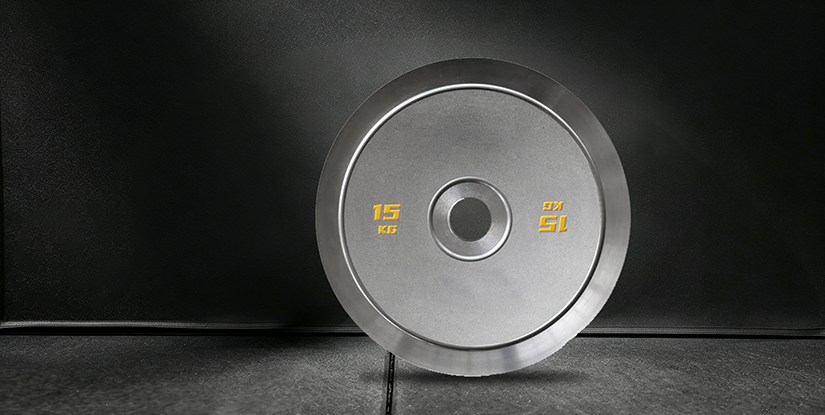
Utilizing this checklist during your pre-shipment review allows you to verify that your wholesale gym equipment China shipment adheres to your specific brand identity and quality expectations. We recommend requesting a sample approval and a detailed technical specification sheet before finalizing any large-scale wholesale contract to confirm that the production output aligns with your distributor margins and long-term service requirements.
Custom Branding and OEM/ODM Capabilities
For distributors and gym equipment importers, establishing a distinct brand identity is a critical factor in long-term market positioning. Utilizing olympic weight plate OEM services allows you to move beyond generic white-label products and transition into a recognized professional brand. By leveraging a specialized China factory, you can control the aesthetic and technical specifications of your entire product line, ensuring that every piece of equipment reflects your company's standards.
The ability to implement a custom logo—whether through precision casting, embossed lettering, or high-durability silk screening—transforms standard inventory into proprietary assets. This private label approach is essential for professional distributors looking to build brand equity and consumer trust. Through ODM and OEM workflows, you can specify unique color palettes, specialized rubber coatings, or custom weight markings that differentiate your catalog from standard wholesale offerings.
Engaging with a professional commercial weight plate manufacturer ensures that your branding requirements do not compromise structural integrity. Whether you are requesting a specific thickness for a premium bumper plate or a particular finish for cast iron sets, the manufacturing capability of the supplier determines your final landed cost and product durability. Most wholesale gym equipment China production cycles for custom orders are dictated by your specific MOQ and the complexity of the branding integration.
Technical Specifications for Logo Application and Surface Finishing
When sourcing via olympic weight plate OEM protocols, the method of logo application directly impacts the longevity of the product in high-traffic commercial environments. Professional buyers must decide between permanent structural branding and surface-level aesthetics. An embossed logo, created during the sand casting or centrifugal casting stage, provides a permanent, high-durability solution that remains legible even after years of heavy use and surface wear. This is the industry standard for premium cast iron or heavy-duty bumper plates where long-term brand visibility is a priority for the distributor.
Alternatively, for products requiring high-end visual appeal, such as urethane or PU-coated plates, surface-level finishes are more common. While silk screening or heat-transfer printing offers high-definition detail, these can be susceptible to abrasion. For a more robust middle ground, many importers specify a high-grade powder coating or a specialized rubberized finish. This ensures the surface remains resistant to impact and environmental factors, maintaining the professional appearance of your private label line throughout its lifecycle. Selecting the correct surface finishing process is a vital step in the sourcing phase to ensure the finished product meets the durability expectations of professional gym operators.
The following table outlines the common branding and finishing options available when working with a commercial weight plate manufacturer to help you evaluate the trade-offs between aesthetic precision and commercial durability.
| Branding/Finishing Method | Primary Material Application | Durability Level | Typical Use Case | Impact on Lead Time |
|---|---|---|---|---|
| Embossed/Raised Casting | Cast Iron / Gray Iron | Extremely High | Standard Commercial Sets | Standard Production |
| Precision Silk Screen | Rubber / PU Coating | Moderate | Premium Bumper Plates | Extended due to drying/curing |
| Powder Coating | Steel / Metal Hubs | High | Color-Coded Weight Sets | Standard Production |
| Urethane/PU Encapsulation | Full Plate Surface | High | High-End Studio Equipment | Increased due to molding cycles |
When finalizing your specifications, remember that the complexity of the surface treatment or the depth of the embossing can influence the final MOQ and the overall lead time. For large-scale wholesale orders, we recommend a sample evaluation of the coating adhesion and logo clarity to ensure the final product aligns with your brand's quality standards before full-scale production begins.
| Customization Tier | Logo Method | Coating Type | MOQ | Lead Time | Commercial Use |
|---|---|---|---|---|---|
| Standard Stock | Standard Embossed | Paint or Bare Iron | Low | Short | Budget Gyms / Home Use |
| Custom Branding | Raised Casting | Powder Coating | Medium | Standard | Commercial Training Centers |
| Full OEM / ODM | Full Surface Print | PU or Rubber Encapsulation | High | Extended | Premium Fitness Clubs / Studios |
Choosing the appropriate level of customization is a strategic decision for any distributor or procurement manager. A standard stock order offers the fastest way to replenish inventory with minimal lead time, typically utilizing standard paint or bare iron finishes. However, for those looking to establish a premium market presence, a full OEM or ODM approach provides the highest level of differentiation. This allows for advanced materials like high-grade polyurethane (PU) and precision-engineered branding that withstands the rigors of professional training environments.
When evaluating your next olympic weight plate OEM project, consider how the complexity of the coating and logo method will impact your total landed cost and warehouse management. High-end encapsulation processes, while requiring a higher MOQ, often yield a more durable and aesthetically superior product that justifies a premium price point in the retail or commercial market. We recommend requesting a detailed spec sheet or a sample evaluation to confirm that the material-to-coating adhesion meets your specific durability requirements before finalizing any bulk sourcing agreement.
Logistics, Export Packaging, and Landed Cost Management
For international distributors and gym equipment importers, the total landed cost of a shipment is often more critical than the initial factory price. When sourcing olympic weight plate OEM solutions, failure to account for the complexities of long-distance sea freight can lead to significant margin erosion. Improperly secured cargo often results in surface scuffs, dented edges, or even structural damage to the plates, necessitating costly returns or replacement claims.
To mitigate these risks, a professional commercial weight plate manufacturer must implement rigorous export packaging standards. This involves more than just boxing the product; it requires specialized palletization and heavy-duty reinforcement designed to withstand the mechanical stresses of containerized shipping. High-volume wholesale gym equipment China orders require a strategic approach to bulk shipping to ensure that every unit arrives in factory-fresh condition, thereby protecting your bottom line and distributor reputation.
Effective logistics management focuses on three pillars: volume optimization to reduce shipping fees, structural protection to prevent damage prevention failures, and standardized loading protocols. By working with a factory that understands the nuances of international maritime transport, buyers can ensure that their sourcing strategy remains profitable and predictable.
Optimizing Container Loading and Shipping Configurations
Strategic volume optimization is the primary lever for reducing the cost per unit in large-scale procurement. For a professional buyer, the goal is to maximize the payload of every 20ft or 40ft High Cube container without compromising the structural integrity of the cargo. A high-tier commercial weight plate manufacturer will provide detailed packing lists that specify the exact dimensions of the master cartons and the height of the pallets, allowing you to calculate the precise cubic volume required for your wholesale gym equipment China order.
The following table illustrates the standard B2B shipping configurations used to manage the trade-off between shipping speed, protection, and total landed cost:
| Packaging Tier | Primary Method | Protection Level | Typical Use Case | Impact on MOQ/Cost |
|---|---|---|---|---|
| Standard Bulk | Loose Carton Loading | Moderate | Budget-conscious distributors | Lower shipping cost per unit |
| Professional Export | Palletized Shipping | High | Premium gym chains and retailers | Higher initial cost; lower breakage risk |
| Premium Protection | Palletized + Reinforced Crates | Maximum | Long-distance or multi-modal transport | Highest protection for high-end coatings |
When negotiating your next olympic weight plate OEM contract, we recommend requesting a detailed loading plan from your supplier. Understanding whether your order will be shipped via palletized shipping or loose loading is essential for your warehouse labor planning and final inventory valuation. A factory that offers customized pallet dimensions can help you fit more weight into a single container, effectively lowering your long-term sourcing expenses. Before finalizing your order, always confirm the MOQ requirements for specialized packaging to ensure your shipping budget remains optimized.
For international distributors and gym equipment importers, the total landed cost of a shipment is often more critical than the initial factory price. When sourcing olympic weight plate OEM solutions, failure to account for the complexities of long-distance sea freight can lead to significant margin erosion. Improperly secured cargo often results in surface scuffs, dented edges, or even structural damage to the plates, necessitating costly returns or replacement claims.
To mitigate these risks, a professional commercial weight plate manufacturer must implement rigorous export packaging standards. This involves more than just boxing the product; it requires specialized palletization and heavy-duty reinforcement designed to withstand the mechanical stresses of containerized shipping. High-volume wholesale gym equipment China orders require a strategic approach to bulk shipping to ensure that every unit arrives in factory-fresh condition, thereby protecting your bottom line and distributor reputation.
Effective logistics management focuses on three pillars: volume optimization to reduce shipping fees, structural protection to prevent damage failures, and standardized loading protocols. By working with a factory that understands the nuances of international maritime transport, buyers can ensure that their sourcing strategy remains profitable and predictable.