Olympic Weight Plate ODM: Sourcing Comparison for Gym Buyers
Strategic Sourcing for Olympic Weight Plate ODM Projects
For international distributors managing high-volume inventories or boutique fitness chains seeking a signature product line, selecting the right olympic weight plate ODM partner is a critical decision that dictates both long-term brand reputation and net profitability. While a single unit purchase focuses on personal use, professional procurement for commercial gym environments requires a deep understanding of how material composition affects the total cost of ownership and the ability to maintain healthy distributor profit margins. Whether you are sourcing high-impact bumper plates for a CrossFit facility or heavy-duty cast iron sets for a traditional strength gym, the technical specifications you approve during the commercial weight plate manufacturing process will directly influence your replacement rates and customer satisfaction levels.
Choosing between different manufacturing routes—such as sand casting for traditional iron plates or precision molding for high-end bumper plates—impacts your sourcing strategy, especially when balancing MOQ requirements against the need for specialized custom weight plate supplier capabilities. A well-planned ODM project ensures that your private label products meet the rigorous durability for commercial gyms, protecting your investment from premature wear, surface oxidation, or structural failure in high-traffic environments.
Technical Material and Manufacturing Comparison
Understanding the technical divergence between material types is essential for any professional sourcing manager. The choice between a rigid cast iron structure and a high-density polymer shell determines not only the initial landed cost but also the long-term maintenance load for the end-user. When coordinating an olympic weight plate ODM project, the manufacturing route selected will dictate the weight tolerance and the durability of the surface finish under heavy commercial use.
| Material | Coating/Finish | Primary Process | Commercial Use Case | Sourcing Advantage |
|---|---|---|---|---|
| Cast Iron | Powder Coating or Paint | Sand Casting & Machining | Traditional Strength Gyms | High durability; lower MOQ for bulk orders |
| Solid Steel | Chrome or Enamel | Machining & Precision Calibration | High-End Boutique Studios | Premium brand identity; high resale value |
| Rubber/PU | Polyurethane or Vulcanized Rubber | Steel Hub Molding/Injection | CrossFit & High-Impact Zones | Superior floor protection; high durability |
When evaluating a factory for wholesale orders, procurement leads should verify the specific manufacturing sequence. For instance, high-quality bumper plates typically undergo a multi-stage process involving a central steel hub, followed by precision weight calibration, and finally, the rubber/PU molding or dip process to ensure coating adhesion. A reliable supplier will provide detailed documentation on how these stages impact the final product's concentricity and weight consistency before the pre-shipment QC phase.
Optimizing Landed Cost and Reliability Through Quality Control
The true cost of an olympic weight plate ODM project is not merely the FOB price, but the total landed cost and long-term reliability of the inventory. For a professional China factory, the manufacturing sequence must prioritize consistency to prevent costly returns or brand damage. A standard production flow typically follows a structured path: casting or molding, followed by precision machining of the center bore, surface treatment such as powder coating, and a final stage of weight calibration to ensure concentricity. If the calibration or the quality of the steel hub is neglected, the resulting plates may suffer from uneven weight distribution, which is a common failure mode in high-traffic commercial settings.
To protect your wholesale margins, it is vital to integrate rigorous QC protocols into your sourcing agreement. A competent custom weight plate supplier will not only monitor the raw material quality but also implement a strict pre-shipment inspection. This includes checking the coating adhesion on cast iron plates and the structural integrity of the internal filler or outer shell in bumper plates. Furthermore, professional export packaging is a non-negotiable requirement; utilizing reinforced, moisture-resistant packaging and optimized container loading ensures that your bulk shipment arrives without surface oxidation or structural deformation, keeping your lead time predictable and your inventory ready for immediate distribution.
Material and Manufacturing Specifications for Commercial Use
Selecting the right olympic weight plate ODM requires a deep understanding of how material density and manufacturing precision impact long-term TCO. For distributors and gym operators, the choice between cast iron, solid steel, or a high-density bumper plate determines not only the initial landed cost but also the maintenance frequency and floor protection requirements in a high-traffic facility. When engaging in commercial weight plate manufacturing, professional buyers must evaluate the structural integrity of the central hub and the consistency of the outer coating to ensure long-term durability and weight tolerance throughout the product lifecycle.
In many commercial use settings, the distinction between a budget-tier casting and a premium-grade unit lies in the secondary machining processes. A professional supplier will typically utilize CNC machining to ensure the inner diameter remains concentric, preventing uneven wear on barbell sleeves. For high-impact environments, sourcing a custom weight plate supplier that offers vulcanized rubber or PU encapsulation is essential to mitigate vibration and noise, which are critical factors for multi-use commercial spaces.
| Material Type | Primary Process | Key Component/Feature | Commercial Duty Tier | Procurement Focus |
|---|---|---|---|---|
| Cast Iron | Sand Casting & Machining | Precision Inner Bore | Standard Commercial | Durability & Cost-Efficiency |
| Steel | Forging or Machining | High-Density Core | Premium/Competition | Weight Precision |
| Rubber/PU Bumper | Molding or Encapsulation | Impact-Absorbent Rim | High-Impact/Crossfit | Floor Protection & Noise Reduction |
Technical Nuances in Manufacturing and QC
When evaluating an olympic weight plate ODM project, the technical distinction between tiers often resides in the precision of the secondary manufacturing steps. For example, while basic sand casting provides a cost-effective foundation, high-end commercial weight plate manufacturing involves rigorous CNC machining of the center bore. This step is critical for importers to verify, as it ensures the plate sits perfectly concentric on the barbell, reducing lateral vibration and preventing premature wear on expensive barbell sleeves. A reliable custom weight plate supplier will also implement standardized weight calibration checks to ensure that the density remains consistent across a full bulk order, minimizing the risk of mismatched weights in a professional setting.
Beyond the core material, the surface finish and structural components dictate the long-term maintenance load for a facility. In a high-volume China factory, the quality of the powder coating or the thickness of the rubber encapsulation is a primary focus during pre-shipment QC. For instance, a high-quality rubberized rim is not just for aesthetics; it is a functional component designed to manage impact energy and protect the facility's flooring. Buyers should request details on the coating adhesion process to ensure that high-frequency use does not lead to chipping or surface degradation, which can increase the total cost of ownership over time.
To ensure successful sourcing, we recommend that procurement leads request a detailed specification sheet that outlines the specific material density and the exact manufacturing sequence—from initial casting to final surface treatment. It is also prudent to confirm the MOQ for specific custom finishes and to request a sample evaluation to inspect the inner ring tolerance and the quality of the weight markings before finalizing a large-scale purchase order.
Optimizing TCO Through Material Selection and Durability
Selecting the right olympic weight plate ODM partner requires looking beyond the initial unit price to the long-term Total Cost of Ownership (TCO). For professional importers and gym distributors, the true cost of a procurement cycle includes replacement frequency, floor damage mitigation, and maintenance labor. Choosing between different manufacturing standards directly influences your landed cost and long-term profitability.
When sourcing in bulk, understanding the functional differences between a cast iron vs bumper plate configuration is essential for managing capital expenditure. While cast iron units offer a compact profile and lower initial weight-to-volume costs, they lack the impact absorption required for high-intensity environments. Conversely, high-grade bumper plates utilize specialized molding processes to protect your facility's flooring and equipment, reducing the frequency of expensive repairs and replacement cycles in high-traffic commercial settings.
A strategic commercial weight plate manufacturing approach prioritizes durability to ensure a higher ROI. If a custom weight plate supplier provides low-grade materials, your facility may face premature coating failure or uneven weight distribution. By working directly with a China factory that utilizes standardized industrial processes—such as high-density rubber encapsulation or precision powder coating—you can secure a more durable product that maintains its aesthetic and structural integrity over years of heavy use.
Material and Manufacturing Comparison for Strategic Procurement
To effectively manage your inventory and maximize distributor margins, you must evaluate the specific manufacturing routes used by your supplier. A professional olympic weight plate ODM project should ideally provide a clear breakdown of material grade and surface treatment to ensure the finished product meets the specific demands of your target market, whether it be budget-conscious training centers or premium strength facilities.
The following table illustrates the qualitative differences in production standards and utility to assist in your technical evaluation. This comparison helps clarify how different manufacturing choices impact your long-term replacement cycles and overall landed cost.
| Material Type | Typical Process | Key Component / Finish | Commercial Duty Tier | Procurement Focus |
|---|---|---|---|---|
| Cast Iron | Sand casting and CNC machining | Powder coating or paint | Budget / Standard Commercial | Low initial cost; high density |
| Solid Steel | Precision machining and calibration | Chrome or nickel plating | Premium / Competition | High durability; weight precision |
| Rubber / PU Bumper | Steel hub with vulcanization or molding | High-density rubber/PU layer | High-Intensity / Professional | Floor protection; impact absorption |
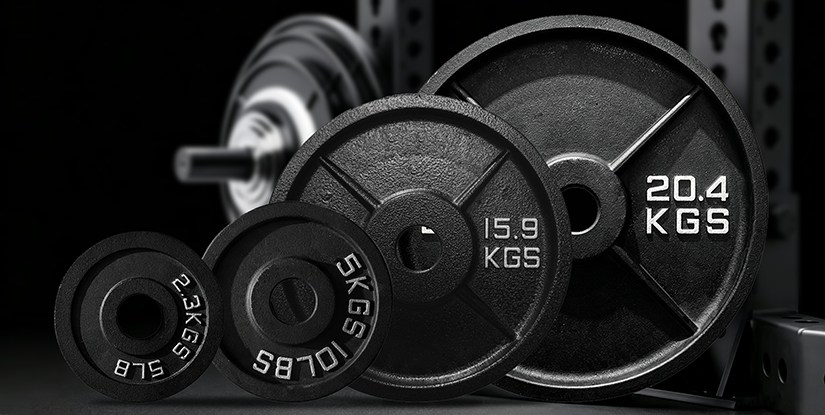
When conducting a factory audit or reviewing technical spec sheets, pay close attention to the assembly of the internal steel hub and the thickness of the outer coating. For bumper plate orders, verifying the adhesion of the rubber or PU layer is a critical pre-shipment QC step to prevent delamination during heavy use. We recommend requesting a sample evaluation or a detailed technical specification document to confirm that the manufacturing tolerances and finish quality align with your brand identity and the expected usage intensity of your clients.
Logistics and Quality Control in Bulk Sourcing
A critical factor in your olympic weight plate ODM strategy is the relationship between material density and shipping logistics. Because high-density materials like cast iron or solid steel occupy less volume per kilogram, they can significantly impact your shipping density and container utilization. For large-scale wholesale orders, a custom weight plate supplier who understands how to optimize export packaging can help you minimize broken units and maximize every cubic meter of your shipping container, directly lowering your landed cost optimization targets.
Beyond volume, the precision of the weight tolerance is a non-negotiable metric for professional distributors. Inconsistent manufacturing leads to uneven loads and potential client dissatisfaction. We recommend that all procurement managers implement a rigorous pre-shipment QC protocol. This should include a spot-check of the central bore diameter, the surface adhesion of the coating, and a verified weight verification. By establishing these factory-level standards early in the sourcing process, you protect your margins and ensure that your bulk shipments arrive ready for immediate commercial deployment.
China Factory Production and Quality Control Standards
Maintaining strict manufacturing standards is the cornerstone of a successful olympic weight plate ODM project. For international distributors and gym equipment importers, the transition from raw material to a finished commercial product requires rigorous oversight at the China factory level to ensure every unit meets global commercial-grade expectations. Rely been on a reliable supplier ensures that your bulk orders arrive with consistent weight accuracy and surface durability.
When managing commercial weight plate manufacturing, the process typically follows a structured sequence: raw material casting, precision machining of the center bore, surface treatment, and finally, a comprehensive pre-shipment inspection. A professional custom weight plate supplier will implement multiple checkpoints to mitigate the risk of weight discrepancies or coating failures, which can negatively impact your landed cost and long-term distributor margins.
Critical Inspection Points for Bulk Sourcing
A professional pre-shipment inspection should focus on several technical aspects to ensure the olympic weight plate ODM output aligns with your brand identity. Buyers should verify the concentricity of the center hole, the adhesion of the powder coating or rubber encapsulation, and the consistency of the weight markings. These steps are vital to prevent common issues such as uneven weight distribution or premature surface peeling in high-traffic commercial environments.
For high-volume wholesale orders, we recommend requesting a sample approval and a detailed specification sheet before full-scale production begins. This allows you to confirm the MOQ, lead time, and specific material tolerances required for your target market. Establishing these quality benchmarks early in the sourcing process protects your ROI and ensures your inventory meets the high standards of professional fitness facilities.
Manufacturing Workflow and Material Comparison
Understanding the technical divergence between production lines helps importers choose the right tier for their target market. In professional commercial weight plate manufacturing, the choice between cast iron and advanced bumper plate construction dictates both the manufacturing complexity and the final product durability. A high-tier custom weight plate supplier will typically utilize distinct production paths depending on whether the end-user requires high-density iron or impact-absorbing rubber.
| Material | Primary Process | Key Component / Detail | Commercial Duty | MOQ Impact | Factory QC Point |
|---|---|---|---|---|---|
| Cast Iron | Sand Casting & Machining | Precision Center Bore | Standard Gym / Strength Training | Lower (High Volume) | Weight Calibration |
| Steel Core | Machining & Coating | Knurled Inner Ring | Premium Strength / High Durability | Moderate | Coating Adhesion |
| Rubber / PU | Molding or Vulcanization | Encapsulation Layer | High-Impact / CrossFit / Bumper | Higher (Specialized) | Concentricity Check |
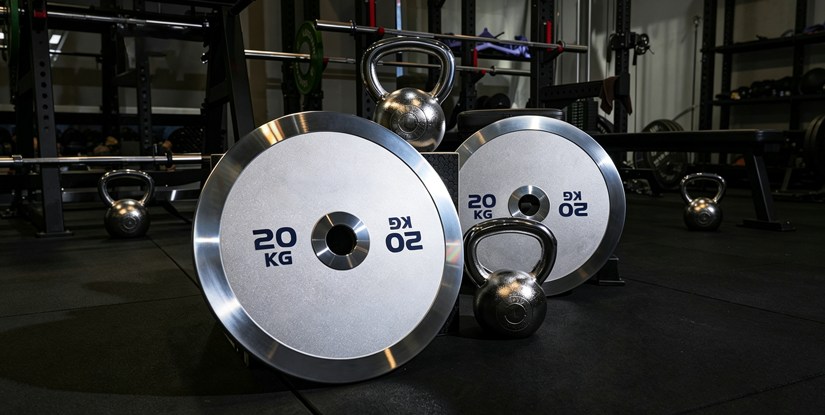
When evaluating an olympic weight plate ODM request, it is essential to distinguish between simple casting and precision-machined units. For example, while sand casting is highly cost-effective for bulk wholesale distribution, precision-machined steel hubs offer superior concentricity for high-end facilities. Buyers should always confirm if the manufacturing route includes a dedicated weight calibration stage to ensure that the density of the material remains consistent across the entire production batch, protecting the long-term value of the import.
Custom Branding and OEM/ODM Capabilities for Distributors
For distributors and large-scale gym equipment importers, moving beyond generic stock orders is essential for establishing a professional market presence. Utilizing an olympic weight plate ODM service allows you to transition from a simple reseller to a recognized brand owner. By partnering with a specialized China factory, you can integrate your unique brand identity directly into the manufacturing process, ensuring that every piece of equipment shipped to your clients carries your professional mark.
The strategic value of custom branding extends far beyond aesthetics; it is a tool for long-term market positioning. While standard wholesale orders provide immediate inventory, private label manufacturing offers the ability to control specific product features, such as specialized commercial weight plate manufacturing standards or unique coating finishes. This level of customization helps distributors command higher margins and build stronger loyalty within the professional fitness sector.
Engaging in commercial weight plate manufacturing through an OEM or ODM model requires a clear understanding of production thresholds. Most manufacturers will establish a specific MOQ for customized orders to cover the costs of specialized tooling, custom molds, or unique color-coded rubber coatings. Navigating these sourcing requirements effectively ensures that your supplier can meet your technical specifications while maintaining a predictable lead time for your global distribution needs.
Technical Customization Options and Branding Specifications
The depth of customization available during an olympic weight plate ODM project depends heavily on the base material and the intended commercial application. For premium distributors, the choice between a cast iron base and a high-density bumper construction dictates the available branding techniques. For instance, while standard plates often use basic paint, higher-tier orders may require more durable surface treatments to protect the brand's visual integrity over long-term commercial use.
When coordinating with a custom weight plate supplier, buyers must specify the exact method for logo integration to ensure long-term legibility. We typically offer several tiers of customization to suit different market segments, ranging from cost-effective visual updates to high-end, precision-engineered finishes. Below is a comparison of common customization paths for bulk procurement.
| Material Base | Branding Method | Surface Finish | Commercial Duty | MOQ Impact | Factory QC Point |
|---|---|---|---|---|---|
| Cast Iron | Logo Embossing | Powder Coating | Standard Commercial | Standard | Coating Adhesion |
| Steel Hub | Laser Etching | Chrome or Paint | Premium/Competition | Higher | Bore Concentricity |
| Rubber/PU | Integrated Mold | PU Coating | High-End/Bumper | Significant | Encapsulation Uniformity |
For distributors seeking a high-end aesthetic, PU coating provides a smooth, premium feel that is highly valued in boutique studio environments. Conversely, for high-volume gym chains, standard powder coating offers the best balance of durability and cost-efficiency. Regardless of the selected finish, our pre-shipment QC protocols include rigorous inspections of the logo embossing depth and the uniformity of the coating layer to prevent peeling or cracking during transit or heavy use. Finally, all customized batches are secured in reinforced export packaging to ensure that your branded products arrive at your warehouse in pristine, retail-ready condition.
Logistics and Export Packaging for Bulk Shipments
Optimizing the olympic weight plate ODM process requires more than just material selection; it demands rigorous attention to the final stages of the supply chain. For distributors and gym equipment importers, the true landed cost is heavily influenced by how effectively the product is protected during long-distance transit. Efficient export packaging and strategic palletization are critical to preventing surface damage, such as paint chipping or rust, while maximizing container utilization.
When sourcing from a China factory, procurement leads must evaluate how bulk shipment protocols are managed to protect the investment. Standard sea freight logistics for heavy weight plates often involve high-density loading, which increases the risk of crushing or friction damage if the export packaging is insufficient. A professional supplier will implement standardized pallet dimensions and heavy-duty shrink wrapping to ensure stability during ocean transit.
To mitigate risks during wholesale procurement, we recommend verifying the following logistics standards with your factory before finalizing your MOQ:
- Use of reinforced wooden pallets or heavy-duty plastic pallets to support high weight-per-square-meter loads.
- Multi-layer protective wrapping (such as corrugated cardboard or heavy-duty polybags) to prevent metal-to-metal contact and oxidation.
- Optimized container loading patterns to minimize empty space and prevent shifting during transit.
- Clear labeling for customs compliance and weight verification to streamline port clearance.
By prioritizing these logistical details during your olympic weight plate ODM project, you ensure that your commercial weight plate manufacturing order arrives in a condition that meets premium commercial standards, protecting your margins and reducing the need for costly replacements.
Packaging Standards by Material Type
Effective sourcing requires understanding how different material structures dictate the necessary protection levels. For instance, the high impact of rubber-encapsulated plates necessitates different handling than the rigid, high-density requirements of cast iron. A professional custom weight plate supplier will provide specific packaging configurations tailored to the material to ensure the integrity of the olympic weight plate ODM order upon arrival at your warehouse.
The following table outlines the standard industry packaging protocols used during commercial weight plate manufacturing to optimize both protection and container density for global wholesale distribution:
| Plate Material Type | Standard Packaging Method | Protection Level | Primary Shipping Method | Commercial Duty Tier |
|---|---|---|---|---|
| Cast Iron / Gray Iron | Reinforced Corrugated Box & Shrink Wrap | High (Rust & Impact) | Sea Freight (LCL/FCL) | Budget / Standard Commercial |
| Steel (Machined/Painted) | Individual Polybags & Heavy-Duty Cartons | Medium (Surface Scratches) | Sea Freight (FCL) | Premium Commercial |
| Rubber / PU Bumper | Double-Wall Cardboard & Reinforced Pallets | High (Compression & Shape) | Sea Freight (FCL) | Professional / High-End |
When negotiating your next olympic weight plate ODM project, we advise requesting a detailed packaging specification sheet. This allows you to confirm that the factory is utilizing sufficient dunnage and pallet reinforcement to withstand the rigors of sea transit. Verifying these standards during the sourcing phase is essential for maintaining a predictable landed cost and ensuring your distributor margins remain protected against transit-related damage claims.