Olympic Weight Plate Manufacturer: Global Export from China
Strategic Sourcing from an Olympic Weight Plate Manufacturer
For large-scale fitness franchises and international distributors, the requirement for consistent weight accuracy and high-impact durability is non-negotiable. Sourcing directly from an olympic weight plate manufacturer ensures that high-volume orders meet the rigorous demands of professional training environments. Whether you are outfitting a multi-location commercial gym chain or managing a specialized strength facility, establishing a direct relationship with a China factory provides the necessary control over material consistency, branding, and landed cost.
Procurement professionals often face the challenge of balancing unit price with long-term maintenance costs. Selecting a reliable commercial gym equipment supplier allows you to mitigate the risks of uneven weight distribution or premature surface degradation. By leveraging wholesale olympic weight plates, distributors can achieve better margins while providing end-users with equipment that withstands heavy daily use in high-traffic commercial settings.
When evaluating an olympic plate OEM manufacturer, the focus must extend beyond the initial quote to include the total cost of ownership. This includes assessing the efficiency of the OEM process for custom branding, understanding the MOQ for specialized finishes, and verifying the lead time for container-load shipments to ensure your project timelines remain on track.
Material and Coating Specifications for Commercial Use
Selecting the correct material profile is critical for managing the long-term maintenance and replacement cycles of a commercial facility. Professional buyers must choose between different manufacturing routes based on the intended training environment—whether it is a high-impact CrossFit box, a traditional strength training hall, or a premium studio. A professional olympic weight plate manufacturer will offer various tiers of production to match these specific operational needs.
For standard strength training, cast iron remains the industry-standard choice due to its durability and cost-effectiveness. For high-impact environments, bumper plates with specialized coatings are required to protect both the equipment and the facility flooring. Understanding the distinction between different coating methods—such as powder coating, rubber, or PU—is essential for calculating the total cost of ownership and minimizing facility downtime.
| Material | Coating Type | Primary Process | Commercial Use Case | Floor Protection | Procurement Focus |
|---|---|---|---|---|---|
| Cast Iron | Powder Coating | Sand Casting & Spraying | Traditional Weight Rooms | Moderate | Low MOQ & High Volume |
| Cast Iron | Rubber Coated | Molding or Dip Coating | High-Traffic Commercial Gyms | High | Durability & Noise Reduction |
| Steel Hub / Poly | PU Coated | Injection Molding | Premium Training Studios | Very High | Aesthetics & Longevity |
| Ductile Iron | Phosphate/Enamel | Machining & Finishing | Strength-Focused Facilities | Standard | Precision & Weight Stability |
When conducting a factory audit or reviewing samples, procurement leads should inspect the bond line adhesion of the coating and the concentricity of the center bore. A high-quality supplier will ensure that the transition between the inner steel hub and the outer coating layer is seamless, preventing premature peeling or cracking during heavy use. This attention to detail is what distinguishes a professional factory from a standard trader.
For large-scale fitness franchises and international distributors, the requirement for consistent weight accuracy and high-impact durability is non-negotiable. Sourcing directly from an olympic weight plate manufacturer ensures that high-volume orders meet the rigorous demands of professional training environments. Whether you are outfitting a multi-location commercial gym chain or managing a specialized strength facility, establishing a direct relationship with a China factory provides the necessary control over material consistency, branding, and landed cost.
Procurement professionals often face the challenge of balancing unit price with long-term maintenance costs. Selecting a reliable commercial gym equipment supplier allows you to mitigate the risks of uneven weight distribution or premature surface degradation. By leveraging wholesale olympic weight plates, distributors can achieve better margins while providing end-users with equipment that withstands heavy daily use in high-traffic commercial settings.
When evaluating an olympic plate OEM manufacturer, the focus must extend beyond the initial quote to include the total cost of ownership. This includes assessing the efficiency of the OEM process for custom branding, understanding the MOQ for specialized finishes, and verifying the lead time for container-load shipments to ensure your project timelines remain on track.
Material Specifications and Manufacturing Processes for High-Volume Orders
Selecting a reliable olympic weight plate manufacturer requires a deep understanding of how raw material selection and production workflows impact the long-term total cost of ownership. For distributors and large-scale gym operators, the difference between a budget-grade casting and a premium-spec unit often comes down to the precision of the manufacturing sequence. When sourcing in bulk, understanding the technical distinction between material types ensures your inventory meets the durability standards required by professional facilities.
Most high-volume wholesale olympic weight plates are produced using one of two primary material paths: cast iron or specialized steel. While cast iron remains the industry standard for cost-effective, high-density weight plates, premium steel variants are often utilized for competition-spec requirements where precision and concentricity are paramount. A professional commercial gym equipment supplier will typically offer both options to allow buyers to balance initial procurement costs against the desired level of performance.
Technical Comparison of Plate Production Tiers
| Material Type | Core Process | Key Component/Detail | Commercial Duty Tier | Procurement Impact |
|---|---|---|---|---|
| Gray Iron | Sand Casting | Textured Surface | Budget/Standard | Lowest Landed Cost |
| Cast Iron | Casting & Machining | Precision Bore | Commercial-Grade | Balanced ROI |
| Steel | Precision Forging | High-Tolerance Hub | Premium/Competition | Higher Initial MOQ |
| Steel & Rubber | Molding/Dip Coating | Impact-Absorbing Rim | High-Traffic/Bumper | Durability Focus |
The manufacturing workflow of a professional olympic plate OEM manufacturer follows a rigorous sequence to ensure consistency across large shipments. The process typically begins with sand casting to create the primary plate shape, followed by CNC machining to ensure the center bore is perfectly concentric and fits standard Olympic bars without wobbling. After the machining stage, plates undergo weight calibration to ensure they meet the specified weight class before moving to the surface finishing stage. This stage might include phosphate treatment or powder coating to prevent oxidation and improve commercial durability. For China factory production, ensuring these steps are documented during pre-shipment QC is essential for maintaining quality across high-volume export orders.
Material Coating and Surface Finishing Options
The choice of surface finish is a critical decision for procurement officers, as it directly influences both the maintenance load and the longevity of the equipment. While a standard powder coating is a highly efficient and cost-effective method for increasing resistance to oxidation and surface wear in high-traffic environments, specialized facilities may require higher-tier protection. For instance, high-end bumper plates often utilize a urethane/PU coating or high-density rubber encapsulation to enhance impact resistance. This level of surface finishing is not just about aesthetics; it is a strategic choice to improve floor protection and reduce the noise profile in professional training environments, thereby lowering long-term operational costs.
When evaluating your next batch, consider the specific requirements of your end-users. A standard iron plate with a matte finish may be ideal for strength-focused training, whereas a polyurethane layer provides the resilience needed for high-velocity drops in professional weightlifting settings. As an experienced supplier, we recommend aligning these material choices with your target market's intensity levels to optimize your distributor margins and product lifecycle. We suggest requesting a detailed specification sheet or a sample evaluation to confirm the coating adhesion and material density before proceeding with a full bulk order.
Quality Control and Export Logistics Optimization
For professional importers, the final stage of procurement is often the most volatile. Even with a high-tier manufacturer, the risk of shipping damage or weight inconsistencies can erode distributor margins if logistics are not handled with precision. To mitigate these risks, a professional factory implements a multi-stage validation process designed specifically for the rigors of international long-haul transit.
A reliable olympic weight plate manufacturer integrates a mandatory pre-shipment QC protocol that goes beyond basic visual inspection. This includes a systematic weight tolerance spot-check to ensure every unit in a bulk shipment remains within acceptable commercial-grade deviations. Furthermore, technical staff perform coating adhesion tests to verify that the surface finish can withstand repeated impacts and environmental changes during sea freight. This level of scrutiny is vital for ensuring that the product arriving at your warehouse matches the approved sample exactly.
Beyond the product itself, the efficiency of export packaging is a primary driver of landed cost optimization. High-volume orders require specialized palletization and reinforced crating strategies to prevent movement and impact damage within a shipping container. By optimizing the volumetric weight and ensuring structural stability for bulk order logistics, a professional supplier helps you minimize breakage and reduce the overhead associated with damaged goods. We recommend discussing your specific container loading requirements and MOQ thresholds during the initial inquiry to ensure a seamless transition from the China factory to your local distribution center.
Optimizing Durability and TCO Through Material Selection
For professional gym operators and distributors, the long-term value of a procurement cycle is determined by the Total Cost of Ownership (TCO). When sourcing from an olympic weight plate manufacturer, the initial landed cost is only one part of the equation. The durability of the material directly dictates your replacement cycles and maintenance overhead. Choosing the wrong material profile can lead to premature cracking or surface degradation, forcing frequent re-orders and disrupting your inventory stability.
Selecting a reliable commercial gym equipment supplier involves evaluating how different manufacturing routes impact the lifespan of the unit. For high-traffic facilities, the distinction between standard cast iron and premium finishes is critical for maintaining a consistent professional standard. A strategic sourcing approach focuses on balancing the upfront wholesale investment with the long-term durability of the equipment to ensure a higher return on investment.
Material Tier Comparison for Commercial Procurement
| Material Type | Typical Finish | Primary Manufacturing Process | Commercial Duty Tier | Replacement Cycle Impact |
|---|---|---|---|---|
| Cast Iron | Powder Coating or Enamel | Sand Casting and Machining | Standard Commercial | Moderate; requires periodic surface inspection |
| Steel Hub with Rubber | Rubber/Urethane Bumper | Molding or Compression Casting | Premium/High-Impact | Low; optimized for high-volume drop resistance |
| Steel Hub with PU | Polyurethane Coating | Injection or Compression Molding | Professional/Competition | Very Low; highest durability for intensive use |
When negotiating wholesale olympic weight plates, importers should consider the specific benefits of a rubber/urethane bumper for high-intensity training environments. While traditional cast iron is a cost-effective olympic plate OEM manufacturer staple, bumper plates offer superior floor protection and reduced noise, which lowers the indirect costs of facility maintenance and equipment wear. A specialized commercial gym equipment supplier will typically offer these material variations to help you optimize your facility's specific operational needs and long-term budget.
Evaluating Coating Longevity and Maintenance Load
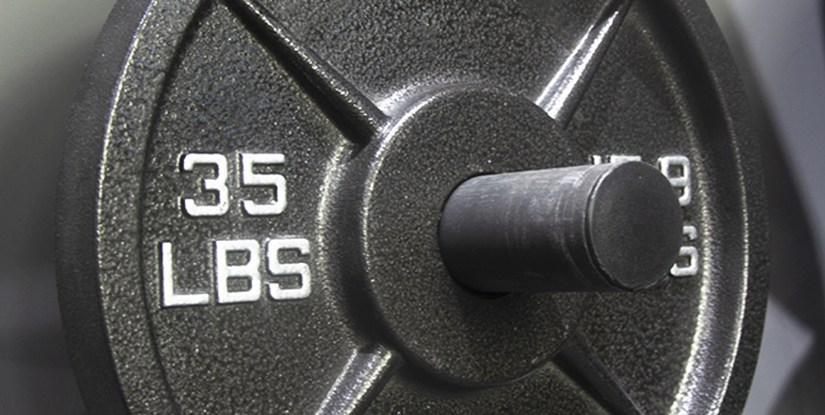
The choice between different surface treatments can significantly alter your operational expenditure. For instance, a standard powder coating application is a common industry-standard finish for cast iron plates, offering a durable barrier against oxidation and minor surface abrasions. This is often a preferred choice for distributors looking for a reliable, mid-tier option that maintains a professional aesthetic under standard commercial use. However, in high-impact environments, the durability of the bond line is a critical inspection point during factory QC.
For premium facilities or competition-style setups, PU coating or advanced rubber coating processes are typically utilized to enhance the shock absorption and surface resilience of the plates. These materials are engineered to withstand the higher kinetic energy of frequent drops without the chipping or cracking often seen in lower-tier finishes. While these options may carry a higher initial wholesale price point, they drastically reduce the frequency of replacement and the labor costs associated with equipment maintenance. When working with a China factory, we recommend clarifying the specific molding or dipping process used to ensure the coating adhesion meets your facility's long-term durability requirements.
To finalize your procurement strategy, we suggest requesting a detailed specification sheet from your olympic weight plate manufacturer to confirm the exact material composition and coating methods. We also recommend discussing MOQ requirements for specialized finishes and arranging for a sample evaluation to test the material's resilience and weight tolerance before committing to a full-scale bulk order.
China Factory Production Capabilities and OEM Customization
Sourcing directly from a professional olympic weight plate manufacturer allows distributors to bypass intermediary markups and secure higher margins on high-volume orders. A specialized China factory provides the industrial scale necessary to manage the complex transition from raw material casting to finished, market-ready commercial products. By controlling the production sequence, buyers can ensure consistent weight tolerances and surface durability across every batch.
The production lifecycle begins with precision casting, typically using high-grade gray iron or steel, followed by rigorous machining to ensure a perfect Olympic collar fit. Once the base form is calibrated, the units undergo advanced surface finishing, such as high-durability powder coating or rubber encapsulation, to meet international commercial standards. For partners seeking wholesale olympic weight plates with specific branding, the commercial gym equipment supplier can integrate custom logos via silk-screening or embossed casting during the OEM process. This level of vertical integration ensures that your olympic plate OEM manufacturer can meet strict MOQ requirements while maintaining a stable sourcing pipeline for global distribution.
Customization Tiers and Material Selection
For distributors and brand owners, the ability to differentiate a product line depends on selecting the correct material-to-finish ratio. Depending on the target market—whether it is a high-traffic strength facility or a premium boutique studio—the olympic plate OEM manufacturer can adjust the core construction to optimize the landed cost and durability. A standard commercial offering typically utilizes a sand-casting method for cast iron plates, whereas premium tiers may require more refined centrifugal casting or high-density polyurethane (PU) coating for enhanced floor protection and longevity.
Effective custom branding extends beyond just a logo; it involves the technical integration of your brand identity into the manufacturing process itself. This can include specialized color-coding systems for weight identification, custom knurling patterns on the center ring, or specific embossed relief patterns on the face of the plate. When managing large-scale wholesale procurement, it is essential to align these customization requests with the factory production schedule to ensure that branding remains consistent across different weight denominations and production batches.
| Material Tier | Common Coating | Primary Process | Commercial Duty | MOQ Impact | Factory QC Point |
|---|---|---|---|---|---|
| Cast Iron | Paint or Enamel | Sand Casting | Standard Commercial | Lower | Weight Calibration |
| Cast Iron | Rubber Coated | Encapsulation | High-Traffic Gym | Medium | Coating Adhesion |
| Steel/PU | Polyurethane | Precision Molding | Premium/Boutique | Higher | Concentricity Check |
To ensure a seamless transition from production to your warehouse, we recommend discussing technical specifications during the initial sourcing phase. Whether you require specific thickness profiles for your Olympic collars or a particular finish for your private label, our team can provide detailed spec sheets and sample evaluations. We invite professional buyers to contact us to confirm the current MOQ, discuss lead times for custom runs, or request a formal quote for your upcoming bulk inventory replenishment.
Technical Specifications and Procurement Selection
Selecting the correct production tier is a critical decision for procurement officers balancing initial capital expenditure against long-term total cost of ownership. An experienced olympic weight plate manufacturer offers various manufacturing routes that directly impact the durability and maintenance load of a facility. For example, while sand-cast iron remains an industry-standard for high-volume wholesale orders due to its cost-efficiency, moving toward precision-molded polyurethane (PU) or high-density rubber encapsulation provides superior floor protection and reduced noise—factors that are essential for premium studio environments.
When evaluating a commercial gym equipment supplier, it is vital to understand how specific manufacturing processes influence the final product's performance. High-traffic facilities often prioritize the thickness and concentricity of the plate to ensure smooth rotation during heavy lifts. By partnering with a specialized olymptic plate OEM manufacturer, distributors can request specific surface treatments, such as specialized powder coating or advanced color-coding, to facilitate faster weight identification and enhance the professional aesthetic of the client's facility. We recommend requesting a sample evaluation or a detailed technical spec sheet to confirm that the material density and finish adhesion meet your specific market requirements before finalizing any large-scale sourcing agreement.
Quality Control Standards and Pre-Shipment Inspection Protocols
For distributors and large-scale gym operators, the primary risk in global sourcing is inconsistent weight accuracy and structural defects. A reliable olympic weight plate manufacturer must implement a multi-stage verification process to ensure that every batch meets international commercial standards. When purchasing in wholesale volumes, relying on visual inspection alone is insufficient; professional buyers require documented evidence of precision machining and rigorous calibration to protect their long-term margins and reputation.
Inconsistent weight tolerance across a single shipment can disrupt professional training environments and lead to costly returns or client dissatisfaction. High-tier commercial gym equipment supplier protocols typically involve a systematic approach to casting quality, starting from the raw material stage through to final packaging. Without these strict controls, importers face the high cost of landed goods that fail to meet the concentricity or density requirements expected in professional weightlifting settings.
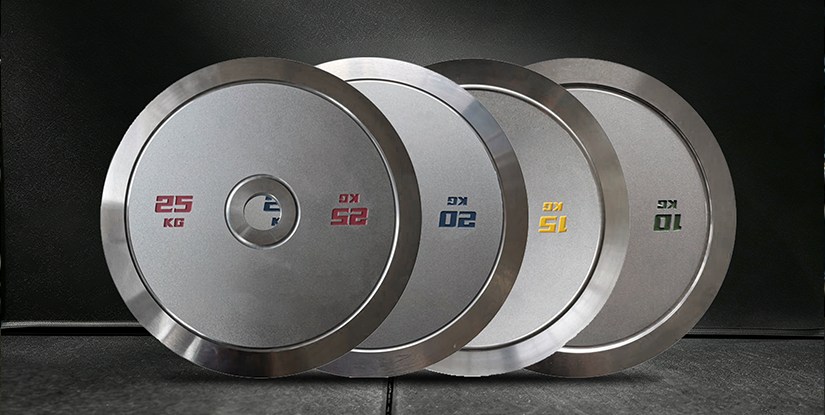
To mitigate these risks, a professional olympic plate OEM manufacturer utilizes a standardized inspection sequence. This includes checking the casting quality of the iron or steel hubs, verifying the precision machining of the center bore for a smooth Olympic collar fit, and testing the weight tolerance through statistical sampling. These steps ensure that the wholesale olympic weight plates arrive ready for immediate deployment in high-traffic facilities.
Technical Inspection and Export Standards
The final phase of production at a professional olympic weight plate manufacturer involves specialized technical checks that determine the total cost of ownership. For a high-volume wholesale order, the inspection must move beyond basic aesthetics to address the mechanical integrity required for high-impact commercial use. A failure in the bond line of a rubber coating or a lack of concentricity in the steel hub can lead to uneven wear on barbell sleeves, creating a long-term liability for gym owners and distributors.
A reliable olympic weight plate manufacturer implements a rigorous pre-shipment inspection (PSI) protocol focusing on three critical technical areas. First, the surface finish and coating adhesion are tested to ensure the paint or PU layer does not flake under standard usage. Second, the concentricity of the center bore is verified to ensure the plate sits flush during high-speed rotations. Finally, the internal density and weight distribution are checked via statistical sampling to maintain strict weight accuracy across the entire batch.
Efficient wholesale olympic weight plates procurement also requires a standardized approach to logistics and protection. The commercial gym equipment supplier must ensure that the export packaging is robust enough to withstand maritime transit and container loading stresses. This includes using reinforced corner protectors, heavy-duty pallets, and moisture-resistant wrapping to prevent oxidation during long-haul sea freight. For importers, confirming the export packaging specifications and the final lead time before the vessel departure is essential for maintaining stock turnover and predictable landing costs.
When negotiating with an olympic plate OEM manufacturer, professional buyers should request a detailed inspection report that covers these specific components. This report should confirm that the MOQ requirements have been met without compromising the calibration of individual units. By verifying the factory QC checklists—including the thickness of the coating and the smoothness of the center bore—importers can minimize the risk of receiving defective inventory and ensure their distributors receive high-performance, commercial-grade equipment.
Technical Comparison of Procurement Tiers
To optimize distributor margins and landed costs, procurement professionals must understand the qualitative differences between production tiers. Choosing the right specification depends on whether the end-use is for high-impact training or standard commercial strength environments. A qualified olympic weight plate manufacturer provides these tiered options to allow for precise budget and durability alignment during the sourcing process.
The following table outlines the typical material and process distinctions encountered when working with a professional commercial gym equipment supplier. Use these benchmarks to evaluate the technical suitability of your next bulk order.
| Material Tier | Typical Coating | Manufacturing Process | Key Component Focus | Commercial Utility | MOQ Impact |
|---|---|---|---|---|---|
| Cast Iron (Standard) | Paint or Powder Coating | Sand Casting & Machining | Center Bore Concentricity | General Commercial Gyms | Lower |
| Steel (Heavy Duty) | Enamel or Chrome | CNC Machining | Precision Collar Fit | Professional Training Centers | Medium |
| Bumper (High Impact) | Rubber or PU Molding | Compression Molding | Bond Line Adhesion | Crossfit & High-Volume Facilities | Higher |
When finalizing your order with an olympic plate OEM manufacturer, we recommend requesting a sample evaluation of the center bore and coating durability. A successful wholesale strategy relies on verifying these technical details—such as the smoothness of the inner ring and the thickness of the protective layer—before the full production run begins. Once the technical specifications and MOQ are confirmed, our factory can proceed to final calibration and export-ready packaging to ensure your shipment meets all commercial deployment standards.
Logistics, Export Packaging, and Landed Cost Management
Optimizing the total cost of ownership requires more than just a low unit price; it requires a strategic approach to export packaging and logistics. For distributors and large-scale importers, the primary risk in bulk orders is not just the product quality, but the hidden costs associated with shipping damage prevention and inefficient container utilization. A professional olympic weight plate manufacturer must provide solutions that protect the integrity of the cast iron or rubber-coated surfaces while maximizing every cubic meter of sea freight space.
When sourcing from a China factory, procurement professionals must evaluate how palletization and crate structures impact the final landed cost. Inefficient packing leads to high volumetric weight charges and increased breakage rates, which can quickly erode the profit margins of a commercial gym equipment supplier. High-volume wholesale buyers should demand standardized, reinforced packaging that ensures stability during long-distance sea freight transit.
To maintain high warehouse efficiency upon arrival, weight plates should be organized in a manner that facilitates rapid unloading and inventory management. Whether you are selecting a commodity olympic plate OEM manufacturer for standard stock or a custom olympic plate OEM manufacturer for private label projects, the logistics framework remains the same: protection, density, and cost-control.
Optimizing Container Loading and Shipping Configurations
Effective logistics management is a critical component of the total procurement strategy when sourcing wholesale olympic weight plates. Because weight plates are high-density, heavy-duty items, the primary objective for a commercial gym equipment supplier is to balance maximum weight capacity with structural safety. Improper weight distribution within a shipping container can lead to shifting during sea transit, potentially damaging the product or the container walls, which complicates the landed cost calculations for the importer.
| Packaging Method | Typical Configuration | Primary Benefit | Best For |
|---|---|---|---|
| Standard Industrial Pallets | Standardized wooden or plastic pallets with shrink wrap | Rapid unloading and forklift accessibility | High-volume distributors |
| Reinforced Wooden Crates | Heavy-duty timber frames with protective internal padding | Maximum protection for high-end PU/Rubber plates | Premium OEM orders |
| Bulk Loose Loading | Highest density and weight utilization | Budget-tier cast iron bulk orders |
For distributors looking to optimize their wholesale margins, understanding the nuances of container loading is essential. A professional olympic weight plate manufacturer will often provide optimized loading plans that differentiate between high-density cast iron and high-volume bumper plates. While cast iron allows for tighter, more weight-focused stacking, rubber-coated or PU plates require specific care to prevent surface deformation or coating compression. When negotiating with your China factory, request specific details regarding the use of corner protectors, edge guards, and pallet stabilization techniques to ensure your shipment arrives in a condition ready for immediate warehouse distribution.
Pre-Shipment Inspection and Quality Control Protocols
Before any high-volume shipment leaves the factory, a rigorous pre-shipment QC protocol must be executed to mitigate the risk of defective units reaching your warehouse. For a professional olympic weight plate manufacturer, quality assurance is not merely a final check but a multi-stage process that begins at the casting stage and extends through the final coating application. Relying on a supplier that lacks a documented inspection sequence can lead to significant losses in distributor margins due to weight discrepancies or surface flaws.
A critical step in this process is the weight tolerance spot-check. In commercial-grade manufacturing, plates must adhere to strict weight consistency standards to ensure professional-grade balance. A reliable olympic plate OEM manufacturer will implement randomized sampling from the production line to verify that the actual weight of the cast iron or rubber-encapsulated unit falls within an acceptable industrial tolerance. This prevents the common procurement issue of receiving a batch with inconsistent mass, which can damage a distributor's reputation with high-end gym clients.
Beyond mass, the inspection must cover physical integrity and documentation accuracy. This includes inspecting the concentricity of the center bore to ensure a smooth fit on Olympic barbells, checking the adhesion of the powder coating or rubber layer, and verifying that the branding or markings are clear and correctly positioned. Furthermore, a professional olympic weight plate manufacturer provides comprehensive export documentation—including packing lists, commercial invoices, and certificates of origin—to facilitate seamless customs clearance. For large-scale wholesale buyers, we also recommend requesting container loading supervision. This ensures that the high-density plates are loaded according to the approved plan, preventing shifting during transit and ensuring that your landed cost remains predictable and your inventory arrives ready for immediate commercial distribution.