Calibrated Steel Plate Commercial Supplier: Commercial
Critical Procurement Standards for a Calibrated Steel Plate Commercial Supplier
A calibrated steel plate commercial supplier provides high-precision, machined weight plates designed for professional strength environments. B2B buyers, such as distributors and gym owners, prioritize these units to ensure weight consistency, durability, and long-term ROI when sourcing high-volume orders from a China factory.
The High Cost of Low-Precision Sourcing
In professional strength training facilities, even minor deviations in weight can compromise training integrity and equipment longevity. When procurement leads overlook the necessity of precision machined steel plates, they often face significant procurement risks. Non-compliant plates frequently suffer from an uneven distribution of mass or poor concentricity, which can lead to unbalanced loading on barbells and uneven wear on high-end racks.
For a commercial gym, the implications of sourcing subpar equipment extend beyond simple weight errors. Improperly calibrated plates can cause mechanical strain on premium lifting platforms and barbell sleeves, increasing long-term maintenance costs. If a commercial gym weight plate manufacturer does not strictly adhere to industry-standard weight tolerance protocols, the resulting product instability can damage a distributor's reputation and lead to costly returns or replacement claims.
To mitigate these issues, professional importers must evaluate the QC standards of their supplier during the initial sourcing phase. Reliability in the commercial sector depends on the transition from basic casting to advanced machining processes that ensure every plate meets the expected density and balance requirements. Establishing a rigorous inspection routine—focusing on flatness and bore concentricity—is essential to protect your margins and ensure the high-performance standards of your branded equipment.
Manufacturing Process Differentiation: Casting vs. Machining
Understanding the technical distinction between production methods is vital for effective B2B sourcing. While standard plates often rely solely on sand casting, high-performance units require a more intensive manufacturing sequence to meet the demands of professional strength environments. A reputable calibrated steel plate commercial supplier will typically utilize a multi-stage approach involving casting followed by advanced CNC machining to ensure the plate achieves the necessary flatness and dimensional accuracy required for high-traffic gym use.
The following table outlines the qualitative differences in production tiers to help procurement managers align their order with specific facility requirements and wholesale budgets.
| Material Tier | Primary Process | Key Technical Focus | Typical Commercial Duty | QC Inspection Point |
|---|---|---|---|---|
| Cast Iron | Sand Casting | Surface Texture & Form | Standard Commercial Gyms | Base Flatness |
| Steel (Standard) | Machining & Coating | Dimensional Stability | High-Use Training Facilities | Bore Concentricity |
| Precision Steel | CNC Machining & Calibration | Weight Uniformity & Balance | Professional/Competition Grade | Weight Calibration Accuracy |
When evaluating a commercial gym weight plate manufacturer, it is essential to look beyond the raw material. High-tier precision machined steel plates are defined by their ability to maintain consistent concentricity. A lack of precise machining often results in "wobble" during heavy lifts, which increases the wear and tear on barbell sleeves and mechanical parts. For distributor-level orders, verifying that the factory utilizes dedicated weight calibration stages is a key step in ensuring the long-term durability and value of the shipment.
For large-scale OEM or ODM projects, we recommend requesting a detailed specification sheet or a sample evaluation to verify the surface finish and bore quality. Confirming the MOQ and export packaging standards during the initial inquiry will also help streamline your landed cost calculations and lead time planning.
Material Integrity and Precision Machining for Commercial Weight Sets
For distributors and large-scale gym operators, the technical specifications of weight plates directly impact long-term maintenance costs and client satisfaction. A reliable calibrated steel plate commercial supplier ensures that every unit meets rigorous standards for weight accuracy and structural balance. When sourcing high-volume orders from a China factory, understanding the distinction between standard cast products and precision machined steel plates is vital for maintaining professional-grade facility standards and minimizing replacement cycles.
The manufacturing of premium plates requires a controlled sequence of machining and calibration to ensure high performance. Unlike budget-tier options, high-end commercial gym weight plate manufacturer protocols involve advanced CNC machining to refine the center bore and the striking surfaces. This process ensures concentricity and extreme flatness, which prevents wobbling and uneven wear on barbell sleeves during heavy lifting sessions. For procurement professionals, prioritizing these engineering steps reduces the total cost of ownership by extending the lifespan of the equipment.
To optimize your sourcing strategy, it is essential to evaluate the specific manufacturing stages that contribute to plate stability. High-precision plates typically undergo a multi-step process: starting with high-grade steel plate selection, followed by precision cutting, CNC machining for the center hole, and finally, a multi-layer coating process for durability. A professional supplier will provide transparency regarding these technical benchmarks during the OEM or wholesale negotiation phase.
| Material Tier | Primary Process | Key Component/Detail | Commercial Duty | Factory QC Point |
|---|---|---|---|---|
| Standard Cast Iron | Sand Casting | Rough Surface Texture | Budget/Entry-level Gyms | Surface Flaw Inspection |
| Precision Steel | CNC Machining | Bore Concentricity | Premium Commercial Studios | Weight Tolerance Spot-check |
| Coated Steel | Machining + Coating | Adhesion & Thickness | High-Traffic Facilities | Coating Integrity Test |
Selecting the correct surface treatment is a critical decision for long-term asset management. While base steel provides the structural foundation, the application of powder coating or specialized finishes dictates how the equipment withstands high-frequency use and environmental exposure. For professional importers, the goal is to find a calibrated steel plate commercial supplier that offers finishes capable of resisting oxidation and physical impact without chipping or peeling, which can lead to high maintenance overhead and diminished brand perception for your facility.
When managing a large bulk order, procurement officers must look beyond the base metal to the quality of the secondary processes. High-tier OEM production lines utilize advanced powder coating lines that ensure uniform adhesion across the entire surface area. This is particularly important for the center bore and the outer edge, where stress is highest. In contrast, inferior coating methods often result in uneven thickness, which can compromise the dimensional accuracy required for high-performance weight sets. Ensuring these standards are met during the pre-shipment phase is a key step in a successful sourcing program.
To ensure your inventory meets international commercial standards, we recommend a focused approach to quality oversight. During the factory audit or sample approval stage, you should specifically request documentation or visual verification regarding the coating adhesion and the precision of the machining stages. Verifying these technical details early helps stabilize your landed cost and ensures that your wholesale procurement aligns with the durability requirements of professional strength training environments.
Comparing Manufacturing Routes and Commercial Duty Tiers
For distributors and facility owners, selecting a calibrated steel plate commercial supplier requires understanding how different production methods affect the long-term Total Cost of Ownership (TCO). When sourcing in bulk, the decision between basic casting and advanced precision machined steel plates directly impacts both the initial landed cost and the eventual replacement frequency in a high-traffic commercial setting.
In the context of wholesale procurement, buyers must weigh the lower entry price of standard cast iron against the high-performance longevity of steel. A professional commercial gym weight plate manufacturer will typically offer various tiers to suit different gym environments, from budget-friendly functional training zones to premium strength conditioning areas. Choosing the wrong manufacturing route can lead to higher maintenance costs and premature wear, negatively impacting your long-term ROI.
| Manufacturing Route | Primary Material | Process Detail | Commercial Duty Tier | TCO Impact |
|---|---|---|---|---|
| Sand Casting | Gray Iron | Basic mold casting | Budget / Entry-level | Higher replacement rate |
| Machined Steel | Solid Steel | CNC machining & calibration | Premium / Competition | Maximum durability |
| Hybrid Production | Steel/Iron Mix | Casting with surface machining | Standard Commercial | Balanced longevity |
When conducting sourcing audits, it is essential to verify the calibration steps used by your supplier. High-tier units undergo strict concentricity and flatness checks to ensure smooth transitions during heavy lifting, a critical factor for maintaining professional equipment standards in any high-end facility.
Evaluating these tiers helps procurement professionals determine the ideal balance between upfront capital expenditure and operational longevity. While a basic casting route might satisfy lower MOQ requirements for boutique studios, a specialized calibrated steel plate commercial supplier will focus on high-precision machining for large-scale strength facilities where equipment consistency is non-negotiable.
For distributors managing long-term inventory, the manufacturing route also dictates the efficiency of export packaging and container loading. Higher-tier machined products often feature more consistent dimensions, allowing for more stable palletization and reduced risk of damage during sea freight. When negotiating with a factory, always clarify whether the calibration process includes weight tolerance spot-checks and flatness verification to ensure the products meet the professional standards expected by your end-users.
Before finalizing a bulk order, we recommend requesting a technical spec sheet or a sample evaluation to verify the surface finishing and bore concentricity. Confirming the specific production route and quality control protocols will help you mitigate the risks of sourcing lower-grade alternatives that may increase your long-term maintenance load.
When evaluating a calibrated steel plate commercial supplier, the distinction between production tiers becomes a critical factor for your long-term ROI. A professional commercial gym weight plate manufacturer will differentiate between simple casting and advanced precision machined steel plates to meet specific facility requirements. While basic casting may reduce the initial wholesale outlay, it often results in higher maintenance costs due to inconsistent concentricity or surface irregularities over time.
For distributors, selecting the appropriate manufacturing route is about balancing upfront capital expenditure with long-term durability. High-traffic environments demand the precision of CNC machining to ensure weight distribution remains consistent under heavy use. In many commercial settings, investing in a higher-tier production process reduces the frequency of replacement and minimizes the operational burden on facility management, ultimately protecting your margins and enhancing client satisfaction.
| Manufacturing Route | Primary Material | Process Detail | Commercial Duty Tier | TCO Impact |
|---|---|---|---|---|
| Sand Casting | Gray Iron | Basic mold casting | Budget / Entry-level | Higher replacement rate |
| Machined Steel | Solid Steel | CNC machining & calibration | Premium / Competition | Maximum durability |
| Hybrid Production | Steel/Iron Mix | Casting with surface machining | Standard Commercial | Balanced longevity |
When conducting sourcing audits, it is essential to verify the calibration steps used by your supplier. High-tier units undergo strict concentricity and flatness checks to ensure smooth transitions during heavy lifting, a critical factor for maintaining professional equipment standards in any high-end facility.
Evaluating these tiers helps procurement professionals determine the ideal balance between upfront capital expenditure and operational longevity. While a basic casting route might satisfy lower MOQ requirements for boutique studios, a specialized calibrated steel plate commercial supplier will focus on high-precision machining for large-scale strength facilities where equipment consistency is non-negotiable.
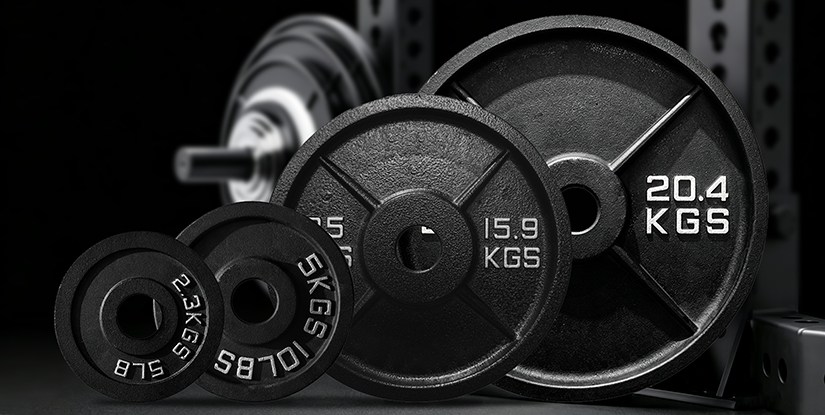
For distributors managing long-term inventory, the manufacturing route also dictates the efficiency of export packaging and container loading. Higher-tier machined products often feature more consistent dimensions, allowing for more stable palletization and reduced risk of damage during sea freight. When negotiating with a factory, always clarify whether the calibration process includes weight tolerance spot-checks and flatness verification to ensure the products meet the professional standards expected by your end-users.
Before finalizing a bulk order, we recommend requesting a technical spec sheet or a sample evaluation to verify the surface finishing and bore concentricity. Confirming the specific production route and quality control protocols will help you mitigate the risks of sourcing lower-grade alternatives that may increase your long-term maintenance load.
The Hidden Costs of Substandard Precision Machined Steel Plates
For distributors and gym equipment importers, the initial purchase price is often a deceptive metric. When sourcing from a calibrated steel plate commercial supplier, the true cost is measured by long-term operational efficiency and equipment longevity. Low-quality precision machined steel plates often carry hidden liabilities that undermine the professional reputation of your brand or facility.
Procuring uncalibrated or poorly machined units through low-tier sourcing channels frequently leads to significant weight imbalance. This lack of precision causes uneven wear on barbell sleeves and high-end bearing systems, forcing frequent maintenance or premature replacement of expensive barbell sets. For a large-scale commercial facility or a professional distributor, these micro-discrepancies in weight distribution result in a much higher Total Cost of Ownership (TCO) than the initial savings suggest.
Beyond mechanical wear, the operational risks of inconsistent weight increments can damage user trust and safety standards. Relying on a non-specialized factory that lacks rigorous calibration protocols means your inventory may suffer from concentricity issues and surface warping. To protect your margins and ensure long-term durability, it is essential to partner with a commercial gym weight plate manufacturer that prioritizes high-precision machining and strict quality control during the production cycle.
The cumulative impact of these manufacturing flaws often surfaces as a drain on facility resources. When a calibrated steel plate commercial supplier delivers units with significant uneven thickness or surface irregularities, the physical consequences are immediate. In a high-traffic commercial environment, weight plates with poor flatness or concentricity flaws create vibration and instability during heavy lifts. This instability does not just affect the user experience; it places undue stress on the barbell's internal mechanism, accelerating the degradation of bushings and bearings. For a distributor or gym owner, this translates directly into increased maintenance costs and a higher frequency of replacement for both the plates and the bar sets themselves.
Furthermore, inaccurate weight increments can lead to procurement inefficiencies. If a batch of plates lacks strict weight tolerance control, you may find yourself over-ordering or constantly managing inventory shortages to compensate for the lack of reliable weight increments. To mitigate these risks, professional buyers must look beyond the basic unit price and evaluate the pre-shipment QC protocols of their partner. A reliable commercial gym weight plate manufacturer should implement multi-stage calibration and surface inspection to ensure every unit meets the required standards before export. By prioritizing precision during the initial sourcing phase, you protect your long-term profitability and ensure your equipment remains a durable asset rather than a recurring expense.
Evaluating Tiered Procurement Options: Budget vs. Premium Precision
When establishing a product line or stocking a warehouse, understanding the qualitative differences between production tiers is vital for effective inventory management. A professional calibrated steel plate commercial supplier will typically offer various grades of steel plates to suit different market segments, from entry-level training environments to elite competition-grade facilities. Selecting the wrong tier can lead to higher replacement rates and reduced distributor margins.
The following table outlines the typical distinctions in production quality and procurement value. These distinctions are critical when evaluating your next bulk order to ensure the landed cost aligns with the intended commercial use case and durability requirements.
| Material | Machining Precision | Weight Consistency | Commercial Durability | Typical Use Case |
|---|---|---|---|---|
| Standard Grade Steel | Basic Grinding | Moderate Variance | Standard Commercial | General Fitness & Training |
| High-Grade Steel | Advanced CNC Machining | High Precision | Heavy-Duty Commercial | Performance & Strength Gyms |
| Competition-Spec Steel | Precision Calibration | Strict Tolerance Control | Elite Professional | Professional Competitions |
For high-volume distributors, selecting precision machined steel plates from a top-tier factory ensures that the product can withstand the rigors of high-traffic environments without frequent surface degradation or dimensional shifts. While budget-tier options may lower the initial MOQ or unit cost, premium-tier units from an experienced commercial gym weight plate manufacturer offer a much lower total cost of ownership by minimizing maintenance cycles and replacement needs. We recommend requesting a technical spec sheet or a sample evaluation to confirm that the machining and calibration protocols meet your specific distribution or facility standards before finalizing a bulk order.
Factory QC Protocols and Export Standards for Global Distributors
Maintaining a high distributor margin requires more than just low purchase prices; it requires minimizing the hidden costs of returns, defective batches, and client dissatisfaction. For any professional calibrated steel plate commercial supplier, the focus must shift from simple production to rigorous pre-shipment validation. When sourcing high-precision equipment, the difference between a profitable shipment and a logistical nightmare lies in the strictness of the QC protocols applied at the China factory before the container is sealed.
Reliable precision machined steel plates must undergo multi-stage verification to ensure they meet international commercial standards. If a commercial gym weight plate manufacturer fails to monitor the weight tolerance or the concentricity of the center bore, distributors face the risk of uneven weight distribution and increased wear on barbell sleeves. This instability can lead to high return rates and damage to the brand reputation of the importer.
To protect your investment, we implement a standardized verification sequence that moves from raw material validation to final packaging integrity. This ensures that every bulk order arrives with the consistency expected by premium fitness facilities.
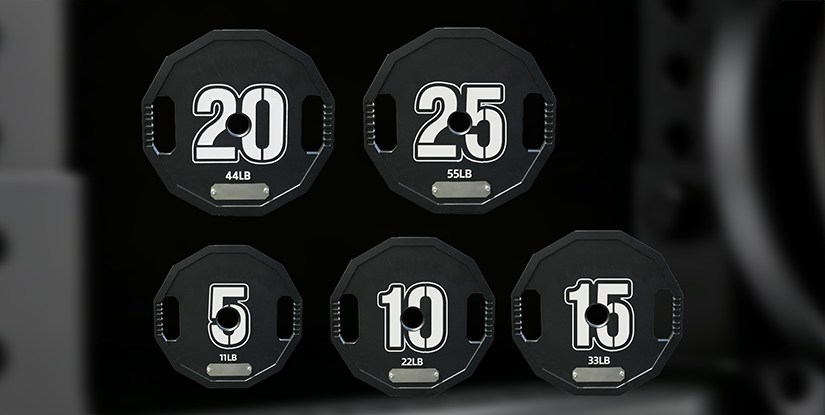
| Material Tier | Machining Process | Typical QC Focus | Commercial Application | Sourcing Impact |
|---|---|---|---|---|
| Solid Steel | CNC Machining | Bore Concentricity | Premium Commercial Gyms | Higher MOQ |
| Chrome-Manganese | Precision Grinding | Surface Flatness | Competition Standards | Strict QC Requirements |
| Standard Steel | Industrial Milling | Edge Smoothness | General Fitness Centers | Optimized wholesale Cost |
Beyond individual component dimensions, a professional calibrated steel plate commercial supplier must prioritize the integrity of the entire shipping unit. For distributors and large-scale gym operators, the logistical success of a bulk shipment depends on how effectively the precision machined steel plates are protected from environmental damage and mechanical stress during long-haul transit. A failure in the final stage of production—such as poor surface treatment or inadequate protection—can lead to oxidation or bent edges, directly increasing your landed cost through unexpected replacement fees.
Effective sourcing strategies must therefore account for the final three stages of the manufacturing cycle: calibration, surface protection, and export-grade packaging. Our China factory utilizes a standardized sequence to ensure that every plate in a wholesale order maintains its structural and aesthetic integrity from the moment it leaves the CNC machine until it reaches your warehouse.
Standardized Pre-Shipment Verification and Export Readiness
The calibration process is the most critical checkpoint in the production of high-end plates. After the initial machining, each plate undergoes a final weight calibration to ensure the deviation remains within the strict commercial-grade tolerance. This is followed by a meticulous surface finish check, where we inspect the thickness and adhesion of the coating—whether it be a premium powder coating or a chrome finish—to prevent premature peeling or rust in high-humidity environments. A reliable commercial gym weight plate manufacturer will also perform a concentricity check on the center bore, ensuring that the plate sits perfectly flat on the barbell without wobbling or uneven weight distribution.
To facilitate seamless international logistics, we offer tailored solutions for high-volume importers. We manage the complexity of custom branding through our OEM and ODM services, allowing you to integrate your own identity into the product line. Furthermore, we optimize the loading process by providing specialized export packaging designed for heavy-duty stacking. This minimizes movement within the container, reduces the risk of impact damage, and ensures that your bulk shipment arrives in a condition that is ready for immediate distribution or gym installation.
If you are looking to stabilize your supply chain with consistent, high-precision inventory, we invite you to contact our team to request a detailed spec sheet, confirm the current MOQ for your specific configuration, or discuss customized OEM branding options for your next bulk order.
Optimizing Your Sourcing Strategy with an OEM/ODM Partner
When scaling a distribution network, relying on generic off-the-shelf inventory often limits your ability to capture premium market segments. Transitioning to a specialized calibrated steel plate commercial supplier allows distributors to move beyond basic commodity trading and toward high-value brand positioning. By leveraging OEM and ODM capabilities, importers can move from simple bulk procurement to creating a specialized product line that meets specific regional gym standards.
The primary challenge for many importers is the lack of differentiation in a crowded wholesale market. Standard plates often suffer from inconsistent tolerances or subpar finishes that degrade your reputation. However, working directly with a China factory that offers customization services enables you to control the technical specifications of your inventory. This strategic shift directly impacts your distributor margin by reducing the long-term costs associated with returns, replacements, and brand erosion caused by low-quality precision machined steel plates.
A professional commercial gym weight plate manufacturer provides more than just a product; they provide a scalable manufacturing platform. Whether you require specific branding on the face of the plate to build your brand identity or specialized coating thicknesses for increased durability, a direct supplier can align their production cycles with your inventory turnover needs. This level of control over the supply chain ensures that your landed cost remains competitive while your product quality remains at a premium tier.
To maximize long-term profitability, procurement professionals must evaluate the trade-offs between standard wholesale sourcing and specialized manufacturing. While basic stock orders offer speed, they often lack the technical precision required for high-end commercial facilities. A professional calibrated steel plate commercial supplier offers a more robust solution by integrating rigorous calibration into the core production line. This ensures that every unit meets consistent weight and concentricity standards, which is essential for maintaining professional-grade equipment sets.
Sourcing Comparison: Wholesale Stock vs. Specialized Manufacturing
Understanding the structural differences in the supply chain helps in calculating the true TCO (Total Cost of Ownership). High-volume importers often find that the initial savings of low-tier wholesale can be negated by high replacement rates or client dissatisfaction. Using a commercial gym weight plate manufacturer that specializes in precision machined steel plates provides a predictable quality baseline that protects your reputation and distributor margins.
| Procurement Dimension | Standard Wholesale Sourcing | Specialized OEM/ODM Manufacturing |
|---|---|---|
| Material & Precision | Standard cast iron or basic steel | High-grade steel with CNC machining |
| Technical Tolerance | Variable; higher margin of error | Strictly calibrated for commercial use |
| Custom Branding | Limited or no logo options | Full private label and custom branding |
| QC Focus | Basic visual inspection | Comprehensive concentricity and weight checks |
| Supply Chain Role | Stock trader or general distributor | Direct factory-led production |
When negotiating with a calibrated steel plate commercial supplier, it is critical to confirm the specific MOQ and lead time for customized orders. A dedicated China factory can typically integrate your brand identity into the production process through specialized etching or specialized coating applications. This approach allows you to build a proprietary product line that is insulated from the price volatility of the generic commodity market, ensuring a more stable and profitable long-term sourcing strategy.
When scaling a distribution network, relying on generic off-the-shelf inventory often limits your ability to capture premium market segments. Transitioning to a specialized calibrated steel plate commercial supplier allows distributors to move beyond basic commodity trading and toward high-value brand positioning. By leveraging OEM and ODM capabilities, importers can move from simple bulk procurement to creating a specialized product line that meets specific regional gym standards.
The primary challenge for many importers is the lack of differentiation in a crowded wholesale market. Standard plates often suffer from inconsistent tolerances or subpar finishes that degrade your reputation. However, working directly with a China factory that offers customization services enables you to control the technical specifications of your inventory. This strategic shift directly impacts your distributor margin by reducing the long-term costs associated with returns, replacements, and brand erosion caused by low-quality precision machined steel plates.
A professional commercial gym weight plate manufacturer provides more than just a product; they provide a scalable manufacturing platform. Whether you require specific branding on the face of the plate to build your brand identity or specialized coating thicknesses for increased durability, a direct supplier can align their production cycles with your inventory turnover needs. This level of control over the supply chain ensures that your landed cost remains competitive while your product quality remains at a premium tier.
Technical Precision and Export Readiness
To maximize long-term profitability, procurement professionals must evaluate the trade-offs between standard wholesale sourcing and specialized manufacturing. While basic stock orders offer speed, they often lack the technical precision required for high-end commercial facilities. A professional calibrated steel plate commercial supplier offers a more robust solution by integrating rigorous calibration into the core production line. This ensures that every unit meets consistent weight and concentricity standards, which is essential for maintaining professional-grade equipment sets.
| Procurement Dimension | Standard Wholesale Sourcing | Specialized OEM/ODM Manufacturing |
|---|---|---|
| Material & Precision | Standard cast iron or basic steel | High-grade steel with CNC machining |
| Technical Tolerance | Variable; higher margin of error | Strictly calibrated for commercial use |
| Custom Branding | Limited or no logo options | Full private label and custom branding |
| QC Focus | Basic visual inspection | Comprehensive concentricity and weight checks |
| Supply Chain Role | Stock trader or general distributor | Direct factory-led production |
When negotiating with a calibrated steel plate commercial supplier, it is critical to confirm the specific MOQ and lead time for customized orders. A dedicated China factory can typically integrate your brand identity into the production process through specialized etching or specialized coating applications. This approach allows you to build a proprietary product line that is insulated from the price volatility of the generic commodity market, ensuring a more stable and profitable long-term sourcing strategy. We recommend requesting a full spec sheet and confirming pre-shipment inspection protocols to ensure your landed cost includes only the highest grade of precision machined steel plates.