Olympic Weight Plate Private Label Manufacturer: Factory
Strategic Sourcing for Olympic Weight Plate Private Label Manufacturer Partnerships
For large-scale commercial gym chains and international distributors, the requirement for high-volume, consistent inventory is non-negotiable. Whether you are outfitting a multi-location fitness center or expanding a regional distribution network, relying on a professional olympic weight plate private label manufacturer ensures that your product lineup meets the rigorous demands of high-traffic environments. Sourcing directly from a China factory allows businesses to control the entire lifecycle of their product, from initial design to final container loading, ensuring that every unit reinforces your brand identity rather than just being another generic commodity.
The challenge in the commercial sector is not merely finding a supplier, but finding a partner capable of managing the complexities of bulk production. Professional gym operators often face the risk of inconsistent weight tolerances or coating failures when sourcing from unverified sources. By establishing a direct relationship with a wholesale gym equipment supplier, you mitigate these risks through standardized OEM protocols and transparent sourcing workflows. This strategic approach allows you to scale your operations efficiently while maintaining a competitive landed cost that protects your distributor margins.
When executing a commercial weight plate OEM project, the focus must remain on long-term durability and brand consistency. A specialized factory understands that for a premium studio or a professional strength facility, the finish and the concentricity of the plate are as vital as the weight itself. This level of technical oversight is what differentiates a standard bulk order from a true private label partnership designed for the global commercial market.
Technical Material and Coating Comparison for Commercial Environments
Selecting the appropriate material and finish is a critical decision for procurement managers aiming to balance initial CAPEX with long-term TCO. In high-traffic strength facilities, the choice between raw cast iron and advanced coatings directly impacts maintenance frequency and floor protection requirements. A professional olympic weight plate private label manufacturer will offer various tiers to suit different facility needs, from budget-friendly strength centers to premium performance studios.
For instance, standard cast iron plates are widely used in high-volume settings due to their cost-effectiveness. However, to meet the expectations of premium commercial clients, many distributors opt for advanced finishes. A rubber coated or PU coated finish provides essential floor protection and dampens noise, which is vital for multi-use commercial spaces. When you engage in a commercial weight plate OEM partnership, you can specify these high-end finishes to differentiate your brand in a crowded market.
| Material Type | Typical Coating | Primary Process | Commercial Duty Tier | Maintenance & Protection |
|---|---|---|---|---|
| Cast Iron | Powder coating | Sand casting & Machining | Standard Commercial | Moderate; requires surface inspection |
| Cast Iron | Rubber coated | Molding/Encapsulation | Premium/High-Traffic | High; excellent floor protection |
| Steel | PU coated | Precision Machining | Elite/Performance | High; superior durability & aesthetics |
Understanding these technical nuances allows a wholesale gym equipment supplier to better serve your specific market segment. Whether your priority is minimizing the landed cost through bulk cast iron orders or maximizing brand prestige through precision-machined steel, the factory must demonstrate strict adherence to weight tolerance and coating adhesion standards during the pre-shipment QC stage. We recommend requesting a sample evaluation or a detailed technical spec sheet to confirm that the material properties and finish durability align with your professional distribution standards.
For large-scale commercial gym chains and international distributors, the requirement for high-volume, consistent inventory is non-negotiable. Whether you are outfitting a multi-location fitness center or expanding a regional distribution network, relying on a professional olympic weight plate private label manufacturer ensures that your product lineup meets the rigorous demands of high-traffic environments. Sourcing directly from a China factory allows businesses to control the entire lifecycle of their product, from initial design to final container loading, ensuring that every unit reinforces your brand identity rather than just being another generic commodity.
The challenge in the commercial sector is not merely finding a supplier, but finding a partner capable of managing the complexities of bulk production. Professional gym operators often face the risk of inconsistent weight tolerances or coating failures when sourcing from unverified sources. By establishing a direct relationship with a wholesale gym equipment supplier, you mitigate these risks through standardized OEM protocols and transparent sourcing workflows. This strategic approach allows you to scale your operations efficiently while maintaining a competitive landed cost that protects your distributor margins.
When executing a commercial weight plate OEM project, the focus must remain on long-term durability and brand consistency. A specialized factory understands that for a premium studio or a professional strength facility, the finish and the concentricity of the plate are as vital as the weight itself. This level of technical oversight is what differentiates a standard bulk order from a true private label partnership designed for the global commercial market.
Material Specifications and Precision Machining for Commercial Sets
Selecting a reliable olympic weight plate private label manufacturer requires a deep understanding of how material integrity affects long-term commercial durability and total cost of ownership. For high-volume distributors and gym equipment importers, the choice between cast iron, steel, and high-grade urethane determines the frequency of replacement and the maintenance load for the end-user. When sourcing in bulk, understanding the manufacturing route—from raw casting to final calibration—is essential to avoid the hidden costs of uneven weight distribution or premature surface degradation.
In professional strength environments, precision is not a luxury but a requirement for safety and performance. A professional commercial weight plate OEM must utilize standardized manufacturing sequences, such as sand casting followed by precision machining, to ensure that every plate meets strict concentricity and flatness standards. Whether you are procuring heavy-duty cast iron or high-impact rubber/urethane bumper plates, the quality of the internal filler and the adhesion of the outer coating directly impact the product's lifespan and your brand's reputation in the market.
Commercial-Grade Material and Process Comparison
| Material Type | Common Coating/Finish | Primary Manufacturing Process | Commercial Duty Tier | Typical Use Case |
|---|---|---|---|---|
| Cast Iron | Powder Coating or Enamel | Sand Casting & Machining | Standard Commercial | General Strength Training |
| Steel | Chrome or Galvanized | Machined Calibration | Premium/Competition | High-End Performance Centers |
| Rubber/Urethane | Encapsulated/Dip Coating | Molding or Injection | High-Impact/Bumper | Olympic Lifting & CrossFit |
When evaluating a wholesale gym equipment supplier, it is critical to verify the technical specifications regarding weight tolerance and surface finish. For instance, premium steel plates undergo extensive CNC machining to ensure the center bore is perfectly concentric, whereas standard cast iron plates rely on high-quality molds to maintain shape. This distinction is vital for wholesale buyers to manage client expectations regarding plate balance and smoothness during heavy lifting sessions.
Technical Manufacturing Standards and Quality Control
The manufacturing route for high-performance plates begins with the foundational casting stage. Most standard commercial units utilize sand casting to create a robust core, which is subsequently refined through CNC machining to achieve the required concentricity for the center bore. For a olympic weight plate private label manufacturer, the goal is to minimize any eccentric wobble that could compromise safety during high-velocity movements. This precision is achieved through a sequence of casting, machining, and weight calibration before any surface treatment is applied.
Surface durability is the next critical variable in the production chain. Depending on your brand positioning, you may choose between different coating methodologies. Powder coating is a standard for cast iron plates to prevent oxidation and provide a durable finish, while PU coating or rubber coating is typically used for bumper-style plates to increase impact absorption and protect flooring. A reliable wholesale gym equipment supplier will provide detailed information on the adhesion strength of these layers to ensure the coating does not peel or crack under heavy commercial use.
Before any shipment leaves the factory, a rigorous pre-shipment QC process must be executed. This includes weight tolerance spot-checks to ensure consistency across the entire batch, as well as visual inspections of the plating or coating adhesion. For distributors, verifying these technical checkpoints is the best way to manage the landed cost and minimize the risk of high return rates or replacement claims from end-users. We recommend requesting a sample evaluation or a detailed technical spec sheet to confirm that the manufacturing tolerances and material grades align with your specific commercial requirements.
Comparing Production Routes: Cast Iron vs. Machined Calibrated Steel
When sourcing from an olympic weight plate private label manufacturer, professional buyers must evaluate the long-term Total Cost of Ownership (TCO) rather than just the initial unit price. For large-scale distributors and gym chains, the choice between a standard cast iron production route and a high-precision machined calibrated steel process significantly impacts long-term maintenance, replacement cycles, and end-user satisfaction. Understanding these technical distinctions is essential for effective sourcing strategies.
Selecting the correct production route allows an importer to align their inventory with specific market segments, whether providing budget-friendly solutions for commercial gyms or premium, precision-engineered equipment for high-end strength facilities. A professional wholesale gym equipment supplier will typically offer both options to accommodate different MOQ requirements and price points.
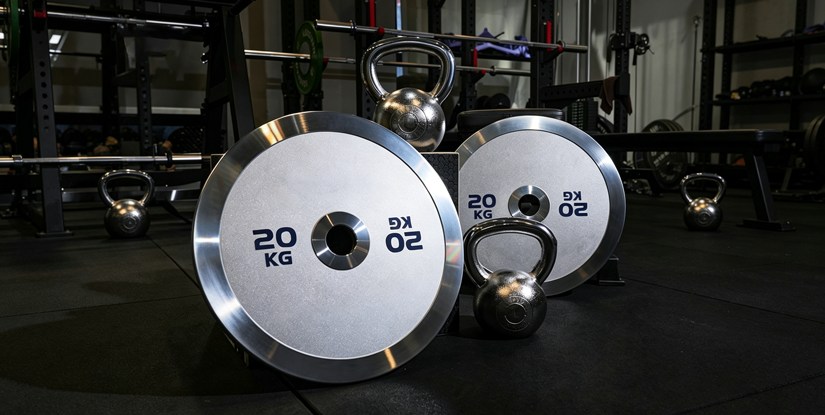
| Material Tier | Production Process | Key Component Focus | Commercial Duty | TCO Impact |
|---|---|---|---|---|
| Cast Iron | Sand Casting & Surface Coating | Base Flatness & Embossed Logo | Standard Commercial | Lower initial cost; higher replacement frequency |
| Machined Steel | CNC Machining & Calibration | Bore Concentricity & Edge Smoothness | Premium/Competition | Higher initial investment; extreme durability |
| Rubber Coated | Steel Core with Polyurethane Molding | Coating Adhesion & Impact Absorption | High-Traffic Commercial | Balanced cost; protects flooring and equipment |
For those looking to scale a professional brand through commercial weight plate OEM services, the decision often hinges on the intended environment. While cast iron provides a reliable, cost-effective solution for general strength training, machined steel offers the precision required for professional-grade training environments. As a dedicated supplier, we recommend evaluating these options based on your target market's durability expectations and your specific landed cost targets.
Optimizing Your Procurement Strategy for Durability and Margin
The technical distinction between casting and machining is not merely a matter of quality, but a strategic decision regarding your distributor margins and market positioning. When you engage an olympic weight plate private label manufacturer, the goal is to match the manufacturing complexity to the specific demands of your client base. A mismatch here can lead to increased after-sales support requests or, conversely, an inability to compete on price in the budget-tier segment.
For instance, a China factory specializing in high-volume output will typically utilize sand casting for standard commercial plates, focusing on the durability of the surface coating and the clarity of the embossed branding. In contrast, a factory focused on high-performance lines will implement CNC machining to ensure the bore concentricity meets the rigorous standards of professional training environments. This ensures that the weight remains balanced during high-velocity movement, a critical factor for premium facility operators.
Before finalizing your next bulk order, we suggest reviewing the technical specifications for each tier. We recommend that procurement managers request a detailed spec sheet and a sample approval process to verify the coating adhesion and bore precision. Contact us to confirm your MOQ or to discuss how our OEM and ODM capabilities can support your brand's growth through customized, high-performance weight plate solutions.
China Factory Production Capabilities and OEM/ODM Customization
For distributors and large-scale gym operators, sourcing directly from an olympic weight plate private label manufacturer is the most effective way to secure high-margin inventory while maintaining strict brand control. A professional China factory provides the necessary infrastructure to transition from standard stock to a fully customized product line that meets specific regional market demands.
The complexity of producing high-grade weight plates requires a sophisticated OEM workflow. Whether you are looking for traditional cast iron plates with a specific powder coating or precision-machined steel plates, the ability to implement ODM solutions allows you to differentiate your catalog. Working with a direct supplier ensures that your technical specifications—from the depth of the knurling to the thickness of the coating layer—are executed with consistency across every bulk shipment.
Strategic Sourcing: Material and Manufacturing Tiers
Selecting the right manufacturing route is critical for calculating your total landed cost and long-term distributor margin. The following table outlines the common technical distinctions between various production tiers available through our wholesale channels.
| Material | Process | Key Component/Detail | Commercial Duty | MOQ Impact | Factory QC Point |
|---|---|---|---|---|---|
| Cast Iron | Sand Casting | Embossed Logo Area | Budget / Standard Commercial | Lower | Base Flatness |
| Steel | CNC Machining | Concentricity & Bore Precision | Premium / Competition | Higher | Weight Calibration |
| Steel with Coating | Powder Coating Line | Coating Adhesion | High-End Commercial | Medium | Surface Uniformity |
| Rubber/PU | Molding or Dip | Encapsulation Layer | Premium / High-Impact | Medium | Bond Line Integrity |
When managing a commercial weight plate OEM project, procurement leads must account for more than just the unit price. A professional wholesale gym equipment supplier will provide transparent data regarding lead time, MOQ, and the specific QC steps taken before the export process begins. For instance, when sourcing high-end steel plates, the machining and weight calibration stages are vital to ensure the plates remain balanced during high-frequency commercial use, reducing the long-term maintenance load for your end customers.
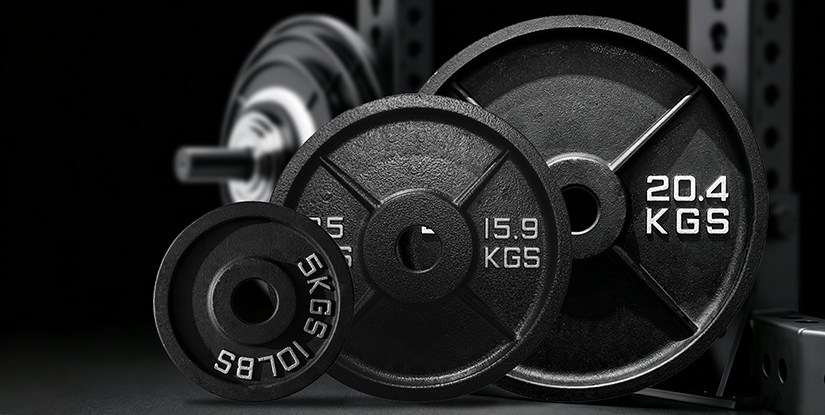
For distributors and large-scale gym operators, sourcing directly from an olympic weight plate private label manufacturer is the most effective way to secure high-margin inventory while maintaining strict brand control. A professional China factory provides the necessary infrastructure to transition from standard stock to a fully customized product line that meets specific regional market demands.
The complexity of producing high-grade weight plates requires a sophisticated OEM workflow. Whether you are looking for traditional cast iron plates with a specific powder coating or precision-machined steel plates, the ability to implement ODM solutions allows you to differentiate your catalog. Working with a direct supplier ensures that your technical specifications—from the depth of the knurling to the thickness of the coating layer—are executed with consistency across every bulk shipment.
Quality Control Protocols and Export Packaging Standards
Maintaining consistent margins as a distributor requires more than just finding a low price; it requires a olympic weight plate private label manufacturer that prioritizes rigorous quality assurance to prevent costly returns. When sourcing in bulk, even minor deviations in weight tolerance can lead to significant discrepancies in your inventory value and customer trust. A professional commercial weight plate OEM must implement a multi-stage verification process—from the initial casting phase to final calibration—to ensure every unit meets the expected commercial-grade standards for your brand.
For importers, the risk extends beyond the product itself to the logistics chain. Relying on a wholesale gym equipment supplier that lacks standardized pre-shipment inspection protocols often results in high landed costs due to shipping damage or incorrect SKU counts. High-volume distributors must verify that the factory utilizes reinforced export packaging, such as heavy-duty pallets and protective corner guards, to mitigate the impact of long-distance sea freight and ensure the product arrives in a retail-ready state.
Standardized Inspection and Export Logistics
To protect your distributor margins, the inspection process must focus on structural integrity and logistical durability. A professional olympic weight plate private label manufacturer typically employs a sequence of checks—beginning with raw material verification, moving through weight calibration, and ending with a rigorous coating adhesion assessment. These steps ensure that the plates are not only uniform in weight but also capable of withstanding the high-impact environments of commercial training facilities.
Effective sourcing also requires a clear understanding of how goods are prepared for international transit. To minimize damage during sea freight, a reliable supplier will implement a structured packaging hierarchy. This includes the use of high-density cardboard dividers, reinforced corner protection, and heavy-duty palletization to prevent shifting within the container. For high-volume wholesale orders, verifying these packaging standards before the lead time concludes is essential for reducing the risk of damaged inventory upon arrival.
| Inspection Focus | Standard Requirement | B2B Procurement Value | Typical QC Check Point |
|---|---|---|---|
| Weight Calibration | Consistent mass across the batch | Inventory accuracy and value | Individual unit spot-check |
| Coating Adhesion | Uniform finish without chipping | Long-term aesthetic durability | Surface bond testing |
| Bore Concentricity | Smooth fit on standard bars | Reduced mechanical wear | Diameter and center alignment |
| Export Packaging | Reinforced palletization | Reduced sea freight damage | Load-bearing stability test |
Before finalizing your bulk order, we recommend requesting a detailed specification sheet or arranging a sample evaluation to confirm that the MOQ and technical tolerances align with your brand identity. Our factory can also provide documentation regarding the specific packaging methods used for your container to ensure a smooth transition from the China factory to your local warehouse.
Optimizing Your Procurement: MOQ and Lead Time Management
For distributors and large-scale importers, the relationship between order volume and profitability is a critical calculation. Partnering with a professional olympic weight plate private label manufacturer allows you to align your MOQ requirements with your specific market demand, ensuring you do not overstock while maintaining a competitive edge. When sourcing through a direct China factory, the scale of your order directly influences the landed cost, which is the most vital metric for protecting your distributor margin.
Managing these variables requires a sophisticated sourcing strategy. Lowering the MOQ through a wholesale gym equipment supplier might provide flexibility for smaller batches, but it often increases the unit price due to setup costs in the OEM production line. Conversely, increasing volume can optimize your wholesale pricing and reduce the impact of shipping and customs duties on your total landed cost. A reliable commercial weight plate OEM will provide clear lead time estimates and transparent tier-based pricing to help you forecast your inventory and cash flow effectively.
Comparison of Procurement Models: Stock vs. Custom OEM
Choosing between ready-to-ship stock and customized production depends on your priority: immediate availability or long-term brand identity. A professional olympic weight plate private label manufacturer provides two distinct pathways, each impacting your inventory turnover and capital allocation differently.
| Procurement Model | Customization Level | Typical Production Cycle | Inventory Turnover Speed | Best For |
|---|---|---|---|---|
| Standard Wholesale Stock | Low (Standard colors/logos) | Short (Immediate dispatch) | High (Ready for rapid resale) | Small distributors or urgent replenishment |
| Full OEM Production | High (Custom branding & specs) | Long (Requires setup & calibration) | Moderate (Planned seasonal stock) | Established brands building identity |
When a buyer opts for a commercial weight plate OEM solution, they are investing in a longer production cycle to ensure the product matches specific brand aesthetics or technical requirements. While this may result in a higher initial lead time, the ability to control the custom branding and material specifications often leads to higher brand loyalty and better long-term margins. For distributors managing high-volume warehouses, understanding these trade-offs is essential for maintaining efficient inventory turnover and optimizing the total landed cost of each shipment.
The decision to move from standard replenishment to a dedicated commercial weight plate OEM model should be driven by your long-term growth projections. While stock orders offer speed, a full-scale ODM or private label arrangement allows you to control the technical nuances that differentiate your catalog in a crowded market. To maximize your success, we recommend reviewing your specific requirements for weight tolerance, coating types, and branding placement before finalizing your next bulk purchase.
To assist in your planning, please reach out to our team to request a detailed spec sheet, confirm current MOQ tiers for your specific material preference, or schedule a virtual factory audit. Whether you require sample approval for a new product line or need to coordinate complex export packaging for container loading, our team is prepared to support your procurement cycle.