Olympic Weight Plate Trade Manufacturer: OEM Contract
The Economic Impact of Selecting a Reliable Olympic Weight Plate Trade Manufacturer
For large-scale gym chains and international distributors, the cost of a product extends far beyond the initial invoice. When sourcing from a professional olympic weight plate trade manufacturer, the focus shifts from the lowest unit price to the total cost of ownership. A single batch of low-quality plates with inconsistent weight distribution or poor coating adhesion can lead to high replacement rates, damaging your reputation and eroding your distributor margin. By partnering with an established China factory, importers can secure products that balance high durability with predictable landed cost metrics.
The risk of procurement errors is highest when overlooking the manufacturing sequence. A professional commercial weight plate OEM ensures that every stage—from initial sand casting to final weight calibration—is strictly monitored. For a wholesale gym plate supplier, providing consistent quality means your customers experience fewer complaints regarding surface peeling or uneven thickness. This reliability is essential for maintaining long-term contracts in the commercial fitness sector, where equipment must withstand heavy daily usage without frequent maintenance or replacement.
For large-scale gym chains and international distributors, the cost of a product extends far beyond the initial invoice. When sourcing from a professional olympic weight plate trade manufacturer, the focus shifts from the lowest unit price to the total cost of ownership. A single batch of low-quality plates with inconsistent weight distribution or poor coating adhesion can lead to high replacement rates, damaging your reputation and eroding your distributor margin. By partnering with an established China factory, importers can secure products that balance high durability with predictable landed cost metrics.
The risk of procurement errors is highest when overlooking the manufacturing sequence. A professional commercial weight plate OEM ensures that every stage—from initial sand casting to final weight calibration—is strictly monitored. For a wholesale gym plate supplier, providing consistent quality means your customers experience fewer complaints regarding surface peeling or uneven thickness. This reliability is essential for maintaining long-term contracts in the commercial fitness sector, where equipment must withstand heavy daily usage without frequent maintenance or replacement.
Comparison of Sourcing Models and Value Tiers
Understanding the trade-offs between different supply structures is vital for optimizing your procurement strategy. Depending on your target market—whether you are supplying budget-friendly training centers or premium strength studios—the choice of material and manufacturing tier will directly impact your MOQ and overall profitability.
| Material Tier | Process Type | Key Component Focus | Commercial Duty | MOQ Impact | Factory QC Point |
|---|---|---|---|---|---|
| Bare Iron | Sand Casting | Edge Smoothness | Budget/Entry | Lower | Weight Tolerance |
| Painted/Enamel | Casting & Coating | Surface Adhesion | Standard Commercial | Medium | Coating Uniformity |
| Rubber/PU Coated | Injection/Dip Molding | Encapsulation Layer | Premium/High-End | Higher | Base Flatness |
When evaluating your next batch, consider how much control you require over the brand identity. A direct factory arrangement allows for more granular OEM or ODM requests, such as custom color-coded weight markings or specific logo embossing. While specialized premium tiers may require a higher MOQ, the stability in shipping and reduced risk of defective units often outweighs the initial savings of lower-tier sourcing. We recommend requesting a detailed spec sheet and confirming the lead time for your specific volume requirements before finalizing any bulk purchase.
Material Integrity and Casting Precision in Commercial Weight Plate OEM
Selecting a professional olympic weight plate trade manufacturer requires a deep understanding of how metallurgical stability directly impacts long-term commercial durability. For distributors and gym owners, the primary procurement risk is not just the initial landed cost, but the long-term TCO (Total Cost of Ownership) caused by uneven weight distribution or surface degradation. High-volume sourcing from a China factory must prioritize precision in the casting phase to ensure every unit meets commercial-grade expectations for even wear and structural integrity.
In the context of commercial weight plate OEM, the choice between different casting methods and surface treatments dictates how a product performs under heavy, repetitive use in a professional environment. A failure in material consistency often leads to increased maintenance loads or early replacement cycles, which diminishes the ROI for the end-user. By focusing on standardized manufacturing sequences—moving from raw iron to precision machining and final coating—importers can mitigate these risks effectively.
| Material Type | Primary Process | Surface Finish | Commercial Duty Tier | Durability Profile |
|---|---|---|---|---|
| Cast Iron | Sand Casting | Painted or Powder Coated | Standard Commercial | High impact resistance; cost-effective for bulk orders |
| Steel | Machined / CNC | Chrome or Enamel | Premium / Competition | Superior precision; higher weight tolerance stability |
| Rubber/PU Hybrid | Molding / Encapsulation | Polyurethane Coating | High-End Commercial | Maximum floor protection; low noise during impact |
When evaluating a wholesale gym plate supplier, it is essential to verify the specific production steps. A reliable olympic weight plate trade manufacturer typically utilizes sand casting for standard commercial plates, followed by a weight calibration phase and a specialized coating line to prevent oxidation. This systematic approach ensures that the weight tolerance remains within industry-standard ranges, preventing the uneven loading issues that can occur with lower-tier production methods.
For procurement leads managing large-scale sourcing projects, we recommend requesting a detailed specification sheet that outlines the coating adhesion process and the specific type of iron used. Confirming these technical details during the sample approval stage—and potentially arranging a pre-shipment inspection to check base flatness and bore fit—will ensure your bulk order meets the rigorous demands of the global commercial fitness market.
The technical distinction between budget and premium tiers is often determined by the complexity of the surface finishing and the precision of the secondary machining stages. For a wholesale gym plate supplier, maintaining consistency across large-volume orders requires strict control over the transition from the raw casting to the final protective layer. If the manufacturing process skips critical steps like CNC machining or proper weight calibration, the resulting product may suffer from concentricity issues, leading to higher replacement rates and diminished distributor margins.
In high-performance commercial settings, the choice between
powder coating
andurethane coating
is a vital decision for procurement managers. While standard powder coating offers a durable, cost-effective finish for standard cast iron plates, premium urethane coating provides superior impact resistance and a more refined aesthetic for high-end facilities. A professional olympic weight plate trade manufacturer will provide clear documentation on these processes to ensure the final product aligns with your target market's durability requirements and brand identity.To ensure long-term reliability, we recommend that buyers focus on the following technical checkpoints during the sourcing process. Verifying the sequence of sand casting, followed by precise CNC machining of the center bore, and finishing with a high-adhesion coating, will help guarantee that the center hole remains perfectly aligned for long-term use. Before finalizing a bulk order, we encourage you to request technical specs regarding the coating layers and to book a pre-shipment inspection to confirm that the weight calibration and surface finish meet your specific commercial standards.
The technical distinction between budget and premium tiers is often determined by the complexity of the surface finishing and the precision of the secondary machining stages. For a wholesale gym plate supplier, maintaining consistency across large-volume orders requires strict control over the transition from the raw casting to the final protective layer. If the manufacturing process skips critical steps like CNC machining or proper weight calibration, the resulting product may suffer from concentricity issues, leading to higher replacement rates and diminished distributor margins.
In high-performance commercial settings, the choice between standard finishes and premium coatings is a vital decision for procurement managers. While standard powder coating offers a durable, cost-effective finish for standard cast iron plates, premium polyurethane coating provides superior impact resistance and a more refined aesthetic for high-end facilities. A professional olympic weight plate trade manufacturer will provide clear documentation on these processes to ensure the final product aligns with your target market's durability requirements and brand identity.
To ensure long-term reliability, we recommend that buyers focus on the following technical checkpoints during the sourcing process. Verifying the sequence of sand casting, followed by precise machining of the center bore, and finishing with a high-adhesion coating, will help guarantee that the center hole remains perfectly aligned for long-term use. Before finalizing a bulk order, we encourage you to request technical specs regarding the coating layers and to book a pre-shipment inspection to confirm that the weight calibration and surface finish meet your specific commercial standards.
Mitigating Procurement Risks Through Rigorous Factory QC Protocols
For international distributors and gym equipment importers, the transition from raw casting to a finished, export-ready product is where most procurement errors occur. Selecting a professional olympic weight plate trade manufacturer is not merely about finding a lower price, but about ensuring that the casting precision and weight tolerance of every unit remain consistent across a large-scale wholesale order. Without strict oversight, subtle deviations in material density or surface finish can lead to significant issues with concentricity and long-term durability.
A reliable commercial weight plate OEM maintains control over the entire production sequence—starting from the initial sand casting of the gray iron to the final coating application. This rigorous approach ensures that the material consistency meets the high standards required for commercial-grade strength and training stability. When managing China factory sourcing, understanding these technical checkpoints is vital for reducing the landed cost of defective goods and ensuring that your supplier delivers a product that meets professional specifications.
Technical Inspection Points for Export-Ready Units
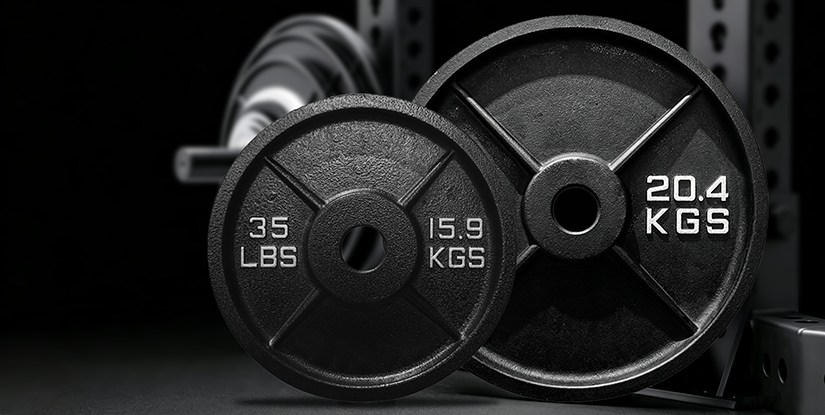
The final stages of production are critical for maintaining the high-performance standards expected by distributors. During the pre-shipment inspection, quality control teams focus heavily on the mechanical and aesthetic integrity of the plates. This includes a thorough check of the concentricity to ensure the weight distribution remains balanced during high-frequency usage, which prevents uneven wear on barbell sleeves. Additionally, the surface smoothness is evaluated to ensure no casting imperfections or sharp edges remain, protecting both the user and the equipment.
For bulk orders, verifying the quality of the finish is a non-negotiable step. A professional wholesale gym plate supplier will conduct adhesion tests on the powder coating to ensure the layer remains intact under heavy impact. We also prioritize the inspection of the inner bore diameter to ensure a smooth, consistent fit for standard Olympic bars. To protect your margins and prevent damage during long-distance transit, we implement specialized export packaging. This includes heavy-duty, reinforced cartons and optimized palletization patterns to maximize container volume, effectively lowering your landed cost per unit. Before any shipment leaves the factory, a final weight spot-check is performed to guarantee that the actual mass aligns with the ordered specifications, ensuring your inventory remains accurate and reliable.
Quality Control Checkpoints for Commercial Procurement
To assist procurement managers in evaluating factory capabilities, the following table outlines the standard inspection protocols used by a professional olympic weight plate trade manufacturer. This technical comparison highlights the critical differences between basic production and high-standard commercial-grade manufacturing.
| Material/Process | Key QC Checkpoint | Commercial Impact | Sourcing Risk Mitigation |
|---|---|---|---|
| Gray Iron Casting | Concentricity & Flatness | Ensures balanced weight distribution during high-frequency use | Prevents barbell sleeve wear and uneven training load |
| Surface Finish (Powder Coating/Paint) | Coating Adhesion & Smoothness | Protects against oxidation and maintains aesthetic longevity | Reduces client complaints regarding surface chipping or rust |
| Inner Bore/Center Hole | Diameter & Smoothness | Ensures seamless fit on standard Olympic bar sleeves | Avoids stuck plates or friction-induced bar damage |
| Final Weight Calibration | Weight Tolerance Spot-check | Guarantees mass accuracy across the entire batch | Prevents inventory discrepancies and shipping disputes |
| Export Packaging | Carton Integrity & Palletization | Maximizes container loading efficiency | Reduces damage claims and lowers landed cost per unit |
When negotiating with a supplier, we recommend requesting a detailed specification sheet or a sample evaluation to confirm these technical standards. Whether you require a standard OEM run or a specialized ODM project, verifying these specific QC steps during the pre-shipment phase is the most effective way to protect your distributor margins and ensure long-term product reliability in the North American market.
Optimizing Inventory with a Professional Wholesale Gym Plate Supplier
For international distributors and large-scale gym operators, managing warehouse logistics and landed cost is a constant challenge. Selecting a reliable wholesale gym plate supplier is not just about the unit price; it is about ensuring that your product specifications allow for maximum shipping density and predictable inventory turnover. When sourcing through a commercial weight plate OEM, professional buyers prioritize standardized dimensions and optimized packaging to prevent the high costs associated with shipping air or handling irregular, non-standardized stock.
Efficient warehouse management requires a high degree of product consistency. A professional olympic weight plate trade manufacturer ensures that every batch of plates meets strict concentricity and bore-fit standards, which prevents stacking issues and reduces the risk of damaged goods during transit. By focusing on standardized packaging and high-density loading configurations, an experienced olympic weight plate trade manufacturer helps you optimize your container utilization, directly improving your overall profit margins through reduced logistics overhead.
Product Type Comparison for Commercial Utility and Logistics Efficiency
When evaluating your next bulk order, it is essential to understand how different plate specifications impact your storage footprint and shipping weight/volume ratio. A professional olympic weight plate trade manufacturer provides various material and coating options to suit different commercial tier requirements, from budget-friendly training facilities to high-end performance centers. Selecting the right configuration allows you to balance the initial procurement cost with the long-term value of durability and ease of maintenance.
| Material Type | Surface Coating | Commercial Duty Tier | Storage & Shipping Efficiency | Primary Target Setting |
|---|---|---|---|---|
| Cast Iron | Paint or Powder Coating | Budget / Standard Commercial | High density; excellent for heavy bulk shipments | Commercial gyms and training studios |
| Steel / Iron Core | Rubber or PU Coating | Premium / High-End Commercial | Moderate; larger volume footprint due to coating thickness | Performance centers and premium fitness clubs |
| Solid Steel | Chrome Finish | Elite / Competition Spec | Very High; optimized for precision and minimal bulk | Professional training facilities and specialized studios |
For distributors focusing on high-volume turnover, cast iron options with a standard powder coating offer the most predictable landed cost due to their compact dimensions and high stacking stability. Conversely, if your client base demands premium aesthetics and floor protection, sourcing via a commercial weight plate OEM for rubber-encapsulated or PU-coated units will justify a higher price point through enhanced durability and reduced noise in high-traffic environments. We recommend requesting a full spec sheet and confirming the specific weight tolerance and packaging dimensions to ensure your warehouse and container loading plans are fully optimized.
Customization and Quality Control for Long-Term Brand Value
Maintaining a competitive edge in the fitness market requires more than just high-volume orders; it requires a distinct brand identity. Working with a specialized olympic weight plate trade manufacturer allows you to implement custom branding and private label solutions that elevate your market position. This includes precision silk-screen or laser-etched weight markings and customized color-coding, ensuring that your customers can easily identify plate denominations during high-intensity training sessions.
Beyond aesthetics, the success of your distribution model depends on the reliability of the manufacturing process. A professional china factory manages several critical inspection points to mitigate the risk of returns and client dissatisfaction. Before any bulk shipment leaves the facility, rigorous pre-shipment QC is conducted on several key areas: the bore fit to ensure compatibility with standard bars, the surface adhesion of the powder coating or rubber layer, and the overall weight tolerance to ensure precision. Furthermore, because international transit involves significant mechanical stress, the export packaging must be robust. We utilize high-strength corrugated cartons and optimized palletizing techniques to protect the product integrity from the factory floor to your warehouse. When planning your next procurement cycle, we suggest discussing your specific MOQ and lead time requirements to ensure seamless inventory replenishment and optimized landed costs.
Custom Branding and OEM/ODM Capabilities for Global Distributors
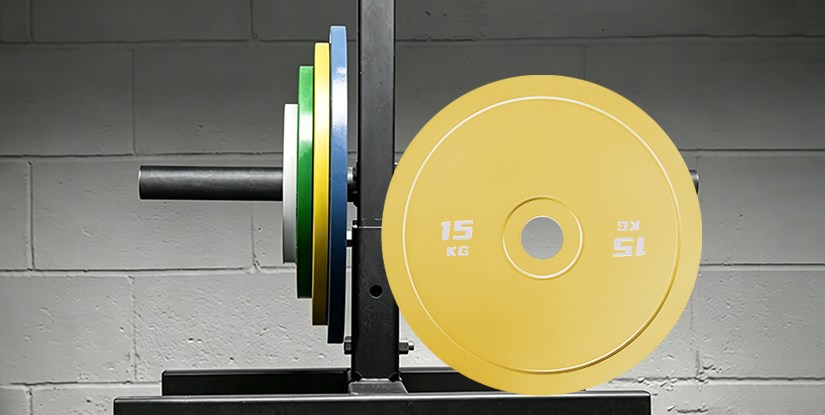
For distributors looking to scale their market presence, partnering with a professional olympic weight plate trade manufacturer offers more than just product access; it provides a pathway to brand authority. When sourcing in bulk, relying on generic unbranded stock limits your ability to build long-term brand equity. By utilizing commercial weight plate OEM services, you can transition from a mere reseller to a recognized brand owner in the strength equipment sector.
Effective private label strategies allow you to control the visual identity of your product line. This goes beyond a simple logo; it involves meticulous color/finish customization to match your brand's aesthetic, whether that is a matte black industrial look or a high-visibility color-coded system for different weight increments. A reliable wholesale gym plate supplier will offer various customization depths, ranging from simple silk-screened weight markings to deep-embossed logos integrated directly into the casting mold.
Understanding the scope of ODM and OEM is critical for managing your landed cost and inventory turnover. While standard stock items offer faster lead times, custom projects allow you to differentiate your catalog through unique material combinations or specialized coatings. Most China factory partners will establish a specific MOQ for customized runs to offset the costs of specialized tooling or custom color batches. We recommend discussing these requirements early in the sourcing process to ensure your design specifications align with production capabilities and shipping timelines.
Technical Customization Tiers for Professional Procurement
Selecting the correct level of customization is a strategic decision that impacts your total landed cost and brand differentiation. For procurement managers, understanding the distinction between standard stock and high-spec customized runs is essential to avoid unexpected delays or quality deviations. A professional olympic weight plate trade manufacturer typically provides three distinct tiers of production to accommodate different market segments, from budget-friendly commercial gyms to high-end performance studios.
The complexity of the manufacturing route directly influences both the final product's durability and the required MOQ. For instance, a standard cast iron plate with a simple powder coating is a high-volume, low-complexity item. In contrast, a high-performance unit featuring a specialized polyurethane coating or a precision-machined center bore requires more advanced production stages and more stringent pre-shipment QC. When you engage in ODM services, you are essentially investing in a more specialized production line that prioritizes your specific brand identity and performance requirements.
| Customization Tier | Primary Material | Surface/Coating Process | Branding Method | Complexity/Lead Time | Ideal Sourcing Use Case |
|---|---|---|---|---|---|
| Standard Wholesale | Cast Iron | Paint or Basic Powder Coating | Silk-screened markings | Low / Fast Turnaround | Budget commercial gyms |
| OEM Tier | Cast Iron or Steel | Premium Powder Coating | Embossed or Raised Logo | Medium / Standard Lead Time | Distributor brand expansion |
| High-End ODM | Steel or Urethane | Polyurethane or Chrome | Custom Color & Integrated Branding | High / Extended Lead Time | Premium fitness franchises |
When evaluating your next wholesale order, consider how these variables affect your long-term maintenance load and product lifecycle. A supplier capable of executing complex private label requests will typically include a detailed specification sheet that outlines the thickness of the coating and the precision of the weight calibration. We suggest requesting a sample approval and a detailed factory audit before committing to large-scale customized production to ensure that your brand's quality standards are consistently met across every batch.
Logo Placement and Technical Execution of Branding
The method used to apply your brand identity directly impacts the long-term durability of the plate and its resistance to surface wear. In high-traffic commercial environments, a reliance on superficial markings can lead to rapid brand degradation. For a professional olymptic weight plate trade manufacturer, the choice between surface painting and structural integration is a key technical specification that should be finalized during the initial sourcing phase.
There are two primary methods for achieving high-quality branding in mass production. The first is silk-screened or painted weight markings, which are commonly used for standard wholesale orders to ensure high visibility and color-coded identification. While cost-effective, these markings are susceptible to chipping under heavy use. The second, more durable method is deep-relief embossing, where the logo is integrated directly into the casting mold. This ensures the branding is a permanent part of the physical structure, offering much higher resistance to abrasion and impact. When you request OEM services, you should specify whether you require surface-level aesthetics or permanent structural branding to ensure the finished product meets your specific commercial-grade standards.
Maintaining brand consistency across large-scale production runs requires strict control over the manufacturing sequence. A high-quality supplier manages the transition from casting to surface finishing with extreme precision to prevent logo distortion. Whether the branding is achieved through CNC machining of the center bore or specialized powder coating application, the factory must ensure that every unit maintains uniform logo placement and edge clarity. We recommend that distributors confirm the specific branding method and request a physical sample for approval to verify that the precision and coating adhesion meet the expectations of your target market before full-scale production begins.
Strategic Sourcing: From Initial Quote to Container Loading
Navigating the transition from a preliminary quote to a finalized shipment requires a sophisticated understanding of the global procurement cycle. For professional distributors and gym equipment importers, the goal is not merely to secure a low unit price, but to manage the total landed cost through optimized logistics and reliable sourcing strategies. A professional olympic weight plate trade manufacturer provides the necessary oversight to ensure that the final delivered product matches the initial technical specifications and arrives within the projected budget.
The complexity of importing heavy, high-density items like weight plates means that shipping optimization is as critical as the manufacturing process itself. Inefficient container loading can lead to wasted freight spend and increased landed cost per unit, which directly impacts your distributor margins. Working with an experienced wholesale gym plate supplier allows you to leverage professional packing standards, ensuring that every cubic meter of a 40ft HQ container is utilized effectively for your commercial weight plate OEM requirements.
Logistics Optimization and Procurement Tiers
To effectively plan your inventory, it is helpful to understand how different procurement models impact your shipping and total cost of ownership. Below is a comparison of common B2B sourcing scenarios regarding logistics and scale.
| Sourcing Model | Typical MOQ | Logistics Complexity | Primary Focus | Packaging Standard |
|---|---|---|---|---|
| Stock Wholesale | Low to Medium | Low (Standardized) | Rapid Restock | Standard Export Carton |
| commercial weight plate OEM | Medium to High | Medium (Custom Branding) | Brand Identity | Reinforced Branded Box |
| Full Custom Production | High | High (Specialized) | Total Specification Control | Heavy-Duty Industrial Pallet |
When managing a bulk order, the China factory will typically provide detailed loading plans (loading lists) before the pre-shipment stage. This transparency allows you to confirm that the MOQ requirements and the total volume align with your warehouse capacity and shipping vessel booking. Engaging with a dedicated supplier early in the procurement cycle ensures that weight distribution within the container is handled with professional care, preventing damage during sea transit.
Navigating the transition from a preliminary quote to a finalized shipment requires a sophisticated understanding of the global procurement cycle. For professional distributors and gym equipment importers, the goal is not merely to secure a low unit price, but to manage the total landed cost through optimized logistics and reliable sourcing strategies. A professional olympic weight plate trade manufacturer provides the necessary oversight to ensure that the final delivered product matches the initial technical specifications and arrives within the projected budget.
The complexity of importing heavy, high-density items like weight plates means that shipping optimization is as critical as the manufacturing process itself. Inefficient container loading can lead to wasted freight spend and increased landed cost per unit, which directly impacts your distributor margins. Working with an experienced wholesale gym plate supplier allows you to leverage professional packing standards, ensuring that every cubic meter of a 40ft HQ container is utilized effectively for your commercial weight plate OEM requirements.