Olympic Weight Plate Sourcing: Commercial Sizing and Spec
Olympic Weight Plate Sourcing: Essential Commercial Specifications
When a regional gym franchise or a large-scale fitness distributor initiates olympic weight plate sourcing, the decision often hinges on the balance between durability and landed cost. Whether you are outfitting a high-traffic commercial training center or managing inventory for a boutique studio chain, understanding the technical nuances of commercial weight plate specifications is critical to minimizing long-term maintenance and replacement cycles.
Standardized production in a professional China factory ensures that bulk orders meet the rigorous demands of heavy-duty lifting environments. Effective bulk weight plate procurement requires a deep dive into how material selection and manufacturing precision directly impact the total cost of ownership for your clients or end-users.
Material and Manufacturing Standards for High-Volume Orders
For distributors and gym owners, the choice between cast iron and specialized coatings defines the product's lifespan. Most commercial-grade plates undergo a multi-step manufacturing sequence: starting with high-grade sand casting to create the core shape, followed by precision machining to ensure a consistent Olympic collar fit. The quality of the rubber coating or powder finish is a primary indicator of how well the equipment will withstand high-impact usage in a commercial setting.
A reliable supplier will implement strict manufacturing standards to ensure concentricity and weight stability. During the production process, a professional factory typically focuses on the bond line adhesion between the core and the outer layer to prevent peeling or cracking. When managing sourcing for large-scale projects, it is standard practice to verify that the MOQ requirements align with your distribution or facility-wide installation timelines.
Technical Comparison: Cast Iron vs. Bumper Plate Options
Professional buyers must differentiate between the utility of traditional plates and high-impact alternatives to optimize their procurement budget. While cast iron plates are often favored for strength training and compact storage, high-traffic facilities frequently require the specialized durability of bumper plates. Choosing the wrong material type can lead to increased floor damage or premature equipment degradation, impacting your overall ROI.
The following table outlines the qualitative differences in material and durability to assist in your olympic weight plate sourcing strategy. This comparison helps determine which specifications best fit your specific facility type or distributor inventory requirements.
| Material Type | Primary Coating | Manufacturing Process | Commercial Duty | Floor Protection | Procurement Context |
|---|---|---|---|---|---|
| Cast Iron | Paint or Powder Coating | Sand Casting & Machining | Strength & Bodybuilding | Low to Moderate | Standard Wholesale |
| Rubber | Vulcanized Rubber | Molding & Compression | High-Impact Lifting | High | Premium Commercial |
| Polyurethane (PU) | PU Encapsulation | Injection Molding | Elite/Competition | Maximum | High-End Distribution |
When evaluating your next batch, consider that polyurethane (PU) options offer the highest level of durability and surface resilience, though they typically carry a higher landed cost compared to standard rubber or painted iron. For distributors focused on high-volume, budget-friendly commercial sets, high-quality powder-coated cast iron remains a reliable industry standard. We recommend requesting a sample or a detailed spec sheet to verify the coating adhesion and weight tolerance before finalizing your bulk order.
Critical QC Checkpoints and Export Readiness
For professional importers, the risk of receiving inconsistent batches is a significant pain point that can erode distributor margins. A professional China factory mitigates this by implementing a rigorous multi-stage inspection sequence. Reliable olympic weight plate sourcing must include verification of weight calibration and concentricity to ensure every plate sits flat on the barbell. Without these checks, even minor deviations in the bore diameter or center of gravity can lead to uneven loading, causing mechanical stress and client dissatisfaction.
The manufacturing sequence must follow a logical progression: casting, followed by CNC machining for the central bore, and finally, the application of surface treatments such as powder coating or rubber encapsulation. During the pre-shipment QC phase, a competent supplier will perform spot-checks on coating adhesion and edge smoothness to prevent chipping during high-volume use. Furthermore, specialized export packaging is essential; high-density cartons and reinforced palletizing are standard to protect the product during long-haul sea freight, ensuring your landed cost is not inflated by transit-related damage.
Before finalizing your procurement, we suggest confirming the specific lead time for your volume and requesting a detailed pre-shipment inspection report. Whether you are looking for a standard stock item or a custom OEM solution, verifying these technical checkpoints will ensure your facility or distribution network receives only professional-grade equipment.
Material Selection and Manufacturing Processes for Bulk Orders
Successful olympic weight plate sourcing requires a deep understanding of how base materials and surface treatments impact long-term durability and maintenance costs. For distributors and gym operators managing high-volume inventory, the choice between cast iron and high-density bumper materials determines the total cost of ownership and the frequency of replacement cycles.
When conducting commercial weight plate specifications reviews, professional buyers must evaluate the manufacturing route from initial casting to final finishing. A reliable China factory typically follows a structured sequence—starting with high-quality sand casting for the core, followed by precision machining of the central bore to ensure a consistent Olympic collar fit, and concluding with specialized coating applications. This systematic approach ensures that every unit meets the rigorous demands of a commercial environment, reducing the risk of premature wear or surface degradation during heavy usage.
Selecting the correct rubber/urethane bumper or coated finish is essential for protecting facility flooring and reducing ambient noise. For large-scale procurement, understanding these material nuances helps in optimizing bulk weight plate procurement strategies to balance initial capital expenditure with long-term operational efficiency.
| Material Type | Common Process | Primary Benefit | Commercial Duty Tier | Maintenance Requirement |
|---|---|---|---|---|
| Cast Iron | Sand Casting & Powder Coating | High density and cost-efficiency | Standard Commercial | Low (Periodic inspection) |
| Rubber Coated | Steel Core & Vulcanized Rubber | Impact absorption and floor protection | Premium Commercial | Moderate (Surface cleaning) |
| Urethane Bumper | Injection Molding / Compression | Extreme durability and color retention | High-End Professional | Minimal (High resistance) |
When finalizing olympic weight plate sourcing plans, we recommend requesting a technical data sheet to confirm the specific powder coating adhesion methods and the thickness of the outer layer. This ensures your wholesale order aligns with your brand's quality standards and facility requirements.
Technical Manufacturing Standards and Quality Control
To ensure consistent quality during bulk weight plate procurement, buyers should look for manufacturers that implement multi-stage technical validation. A professional production line does not rely solely on the initial casting; rather, the final value of the product is determined by the precision of subsequent mechanical steps. For example, while sand casting provides the foundational shape, the central bore must undergo CNC machining to achieve a precise, uniform diameter. This step is critical to prevent uneven wear on Olympic barbells and to ensure smooth loading and unloading in high-traffic facilities.
A rigorous pre-shipment inspection protocol is the final safeguard for importers. During the QC phase, a reputable factory will perform a concentricity check to ensure the plate remains balanced during rotation. Additionally, a weight calibration spot-check is standard for high-tier orders to ensure weight variances remain within industry-standard tolerances. Beyond the physical weight, the integrity of the surface finish—whether it is a heavy-duty powder coating or a vulcanized rubber layer—must be inspected for adhesion strength. This level of scrutiny prevents common failure modes such as chipping or peeling, which can increase long-term maintenance loads for the end-user. Finally, verifying the thickness and density of the outer layer ensures adequate floor protection, a vital consideration for reducing the total cost of ownership in commercial gym settings.
Critical Quality Control Protocols for China Factory Exports
Effective olympic weight plate sourcing requires more than just comparing unit prices; it demands a rigorous validation of technical standards to protect your distributor margins. For high-volume importers, a single batch with inconsistent commercial weight plate specifications can lead to devastating return rates and damaged reputation among gym operators. Relying on a China factory that lacks standardized inspection routines often results in uneven weight distribution or premature surface degradation.
To ensure long-term durability, procurement teams must mandate specific commercial-grade specifications during the pre-shipment phase. This includes a strict weight tolerance check to ensure every plate in a bulk order meets the declared mass, as well as a thorough inspection of the surface finish to prevent chipping or oxidation. Furthermore, a professional supplier must demonstrate robust shipment damage prevention protocols, such as reinforced corner protection and heavy-duty carton stacking standards, to ensure the wholesale order arrives at your warehouse in pristine condition.
Technical Pre-Shipment Inspection Checklist
A professional bulk weight plate procurement workflow must include a granular inspection of the manufacturing sequence. High-tier production begins with precision casting to ensure the structural integrity of the iron core. Following the casting stage, the plates undergo CNC machining to refine the center bore, which is critical for maintaining the concentricity required for smooth rotation on Olympic barbells. Importers should verify that the machining produces a clean, consistent ring without jagged edges that could damage high-end bars.
The surface treatment phase is equally vital for long-term asset value. Whether the order specifies a matte powder coating or a rubberized finish, the adhesion must be checked to prevent peeling under heavy use. During the final stages of olympic weight plate sourcing, the following technical checkpoints are mandatory for a reliable factory output:
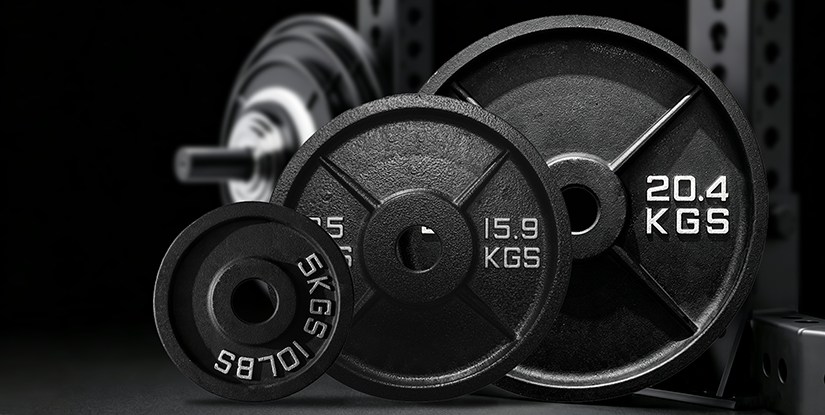
- Bore Precision: Verification of the center hole diameter and concentricity to ensure a perfect fit on standard Olympic sleeves.
- Surface Integrity: Inspection of the powder coating or paint application for uniform thickness and absence of bubbles or cracks.
- Branding Clarity: Validation of the logo embossing or stencil quality to ensure the brand identity remains legible after repeated handling.
- Weight Calibration: Random spot-checks to confirm the mass aligns with the declared commercial weight.
- Export Packaging: Assessment of the thickness of corrugated dividers and reinforced palletization to withstand long-haul sea freight.
By implementing these specific inspection criteria, distributors can mitigate the risks of landed cost increases caused by damaged or defective inventory. We recommend requesting a sample approval and a detailed pre-shipment inspection report before any final container loading to guarantee that your wholesale shipment meets every required commercial standard.
To streamline your bulk weight plate procurement, it is essential to understand how different material tiers impact both the durability of the unit and your total landed cost. A professional supplier should provide clear documentation regarding the manufacturing sequence—from the initial casting to the final surface treatment—to ensure the product meets the high-use demands of a commercial facility.
Commercial Grade Tier Comparison
The following table outlines the standard material and process variations commonly encountered during olympic weight plate sourcing. Choosing the correct tier depends on your target market, whether you are supplying budget-friendly fitness studios or premium high-performance training centers.
| Material Tier | Primary Process | Key Component/Finish | Commercial Duty | MOQ Impact |
|---|---|---|---|---|
| Budget Cast Iron | Sand Casting & Paint | Painted Iron Surface | Standard Commercial | Lower/Standard |
| Premium Rubberized | Centrifugal Casting & Molding | Rubber/PU Encapsulation | High-Intensity/Drop-Safe | Moderate |
| Professional Steel | Machining & Chrome | Polished Steel/Chrome | Competition/Premium | Higher |
When evaluating commercial weight plate specifications, consider how the coating adhesion and bore concentricity will affect your long-term replacement planning. A robust China factory will typically offer different levels of customization, such as custom branding or specialized thickness, depending on your specific OEM or ODM requirements. We suggest requesting a detailed specification sheet and a sample evaluation to confirm that the material density and surface finish align with your brand's quality standards before proceeding with a full-scale order.
Optimizing Logistics and Landed Cost for Large-Scale Imports
Efficient olympic weight plate sourcing requires a strategic focus on the total landed cost rather than just the factory ex-works price. For distributors and gym equipment importers, the final price per unit is heavily dictated by the shipping volume and the density of the cargo. Because weight plates are high-density, low-volume items, the primary goal is to maximize the weight-to-volume ratio within every shipping container to ensure the highest possible ROI per shipment.
When managing bulk weight plate procurement, professional buyers must coordinate closely with their China factory to optimize container optimization strategies. This involves selecting specific export packaging methods—such as heavy-duty reinforced cartons or custom wooden crates—that protect the commercial weight plate specifications while allowing for the tightest possible stacking patterns. Utilizing sea freight remains the industry standard for large-scale orders, as it provides the most cost-effective way to move heavy iron or rubberized plates across oceans. A supplier that offers expertise in loading patterns can significantly reduce your per-unit shipping expense, directly improving your distributor margins.
Material Comparison and Procurement Efficiency
Selecting the correct material profile is a critical decision in the olympic weight plate sourcing process, as it directly impacts both the durability of the equipment and the long-term maintenance costs for the end-user. Importers must weigh the immediate cost savings of traditional iron against the premium durability of advanced coatings to ensure high turnover and customer satisfaction.
The following table provides a qualitative overview of the primary material options available through professional sourcing channels. This comparison is designed to assist buyers in aligning their inventory with specific market segments, from budget-conscious commercial facilities to high-end performance centers.
| Material Type | Primary Process | Key Component / Surface | Commercial Duty Tier | Logistics & Storage Profile |
|---|---|---|---|---|
| Cast Iron | Sand Casting & Machining | Painted or Powder Coated Finish | Budget / Standard Commercial | High Density / Minimal Volume |
| Rubber Coated | Steel Core with Rubber Molding | Encapsulated Rubber Layer | Mid-Tier Commercial | Moderate Volume / High Durability |
| Urethane (PU) | Steel Core with PU Injection | High-Density Polyurethane Coating | Premium / Performance | Moderate Volume / High Impact Resistance |
When evaluating commercial weight plate specifications, professional buyers should request detailed information regarding the thickness of the coating and the adhesion strength of the outer layer. A reliable supplier will provide clarity on whether the plates are single-piece castings or multi-part assemblies, as this affects the long-term weight stability and the potential for surface degradation during heavy use. For high-volume bulk weight plate procurement, we recommend verifying the edge-finish quality and the concentricity of the center bore to ensure seamless compatibility with standard Olympic barbell sleeves.
Strict Quality Control and Export Readiness
For professional importers, the risk of receiving damaged or non-compliant inventory can devastate distributor margins. Effective olympic weight plate sourcing must therefore prioritize a rigorous pre-shipment inspection protocol. A professional factory does not merely check for visual defects; they implement a multi-stage QC process that ensures every unit meets the promised commercial weight plate specifications before it reaches the container.
Standard pre-shipment inspection protocols in a reputable China factory typically include a weight tolerance spot-check to ensure consistency across the batch, a concentricity check for the center bore, and a coating adhesion test. The latter is critical for rubber or PU-coated units to prevent delamination under high-impact use. Furthermore, the export packaging must be robust enough to withstand the rigors of maritime transport. This includes using reinforced, heavy-duty cartons and high-strength palletization techniques to prevent crushing or shifting during transit. Proper container loading—ensuring the plates are secured and the weight is distributed evenly—is essential to prevent structural damage and ensure that your bulk weight plate procurement arrives at your warehouse in a retail-ready, professional state.
Custom Branding and OEM Capabilities for Global Distributors
Establishing a distinct market presence requires more than just high-quality products; it requires a cohesive brand identity that resonates with your target demographic. For professional importers and large-scale distributors, olympic weight plate sourcing involves more than selecting a standard SKU—it is about leveraging OEM and ODM services to transform a generic commodity into a signature product line. By utilizing a specialized China factory, distributors can move beyond the limitations of off-the-shelf inventory to offer products that reflect their specific market positioning.
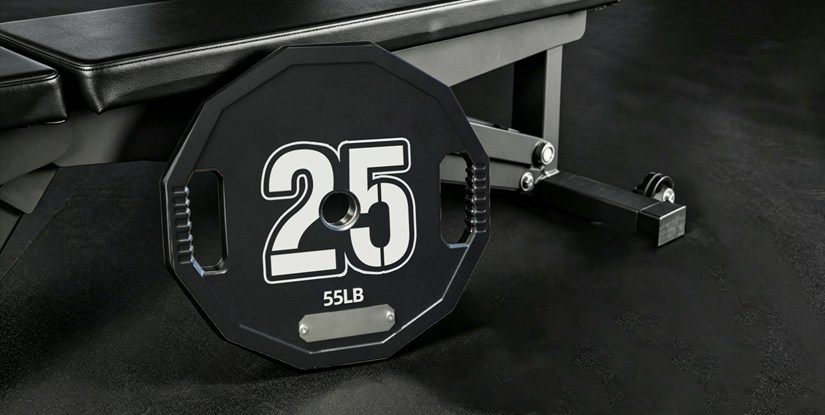
The strategic advantage of custom branding lies in the ability to control the visual and tactile elements of the equipment. Whether it is through precision embossed logos on cast iron surfaces, specialized color-coded coatings, or unique packaging, these details allow a supplier to help you build long-term brand equity. For those engaged in bulk weight plate procurement, the ability to implement a private label strategy is often the deciding factor in increasing distributor margin and securing long-term contracts with premium gym chains or specialized fitness retailers.
Technical Execution of Custom Branding and Surface Finishing
The transition from a standard casting to a branded commercial-grade unit requires a rigorous multi-stage manufacturing sequence. High-tier olympic weight plate sourcing begins with the fundamental shape, typically utilizing sand casting to create the primary iron body. Once the raw casting is complete, the plate undergoes CNC machining to ensure the central bore meets strict concentricity and fitment standards. This precision step is critical for professional distributors, as a poorly machined bore can lead to uneven weight distribution and increased wear on barbell sleeves during heavy use.
To achieve professional-grade aesthetics, the manufacturing route moves into specialized surface finishing. Depending on your brand requirements, the plate may undergo a phosphate treatment before entering a high-capacity powder coating line. This ensures long-term coating adhesion and prevents chipping under heavy commercial use. For premium branding, many buyers opt for logo embossing directly into the mold during the casting phase, followed by secondary CNC machining or specialized painting to highlight the brand identity. This method ensures that your logo remains permanent and does not peel away like a surface-printed decal. Finally, a thorough weight calibration and a final QC check on the coating integrity are performed to ensure every unit meets the expected commercial weight plate specifications before being cleared for export. For those managing high-volume orders, verifying these technical stages during a factory audit can significantly reduce the risk of receiving substandard batches and protect your landed cost.
Sourcing Models: Standard Stock vs. Full OEM Customization
Selecting the right procurement path is essential for optimizing your inventory turnover and capital allocation. When managing bulk weight plate procurement, distributors must weigh the speed of standard inventory against the long-term value of a customized product line. Choosing between standard stock and a full OEM contract often depends on your specific MOQ requirements and the depth of branding you wish to project to your clients.
The following table provides a qualitative comparison to assist in your olympic weight plate sourcing decision, highlighting the trade-offs between speed, customization, and landed cost.
| Feature | Standard Stock (Ready-to-Ship) | Full OEM / Private Label |
|---|---|---|
| Branding Depth | Generic or standard manufacturer markings | Custom logo embossing and brand identity |
| Color & Finish | Industry-standard colors (Black/Silver) | Custom color customization (e.g., specialized PU colors) |
| Typical MOQ | Lower; suitable for rapid replenishment | Higher; requires volume for mold/tooling efficiency |
| Production Lead Time | Short; optimized for immediate export | Extended; includes mold creation and calibration |
| Landed Cost Control | Predictable; based on existing wholesale rates | Variable; dependent on customization complexity |
| Best Use Case | Quick stock replenishment for retail/gyms | Building a long-term, proprietary brand line |
For distributors seeking to minimize risk, starting with standard stock allows for rapid market testing. However, for those aiming to capture the premium commercial segment, investing in commercial weight plate specifications through a full OEM process allows you to control the entire aesthetic and functional profile of the product. We recommend requesting a detailed spec sheet and confirming the MOQ for any custom color or logo project before proceeding with a formal factory audit or sample approval.
Finalizing Your Procurement Strategy and Sample Approval
Before committing to a large-scale purchase, professional importers must prioritize olympic weight plate sourcing validation through rigorous physical testing. Relying solely on digital spec sheets is a high-risk strategy that can lead to significant landed cost increases if the delivered batch fails to meet commercial standards. A successful sample evaluation serves as the primary defense against receiving inconsistent inventory that could damage your reputation as a distributor.
When managing bulk weight plate procurement, the most critical failure points often involve the weight tolerance and coating adhesion of the units. In a high-volume China factory environment, slight deviations in the casting or painting process can result in plates that are either off-spec in weight or prone to chipping under heavy use. To mitigate these risks, we recommend a formal QC inspection that includes a physical verification of a production-grade sample. This process should confirm that the center bore remains concentric and that the surface finish—whether it be powder coating or rubber encapsulation—remains intact when subjected to standard handling. Establishing these benchmarks during the initial sourcing phase ensures that your wholesale order aligns with the strict durability requirements of commercial gym environments.
To ensure a smooth transition from sample approval to container loading, buyers should establish a clear checklist for technical and logistical readiness. A well-defined commercial weight plate specifications document prevents misunderstandness regarding finishing and weight tolerances. When negotiating with a supplier, ensure that all discussions regarding OEM or ODM customization—such as embossed logos or specific color-coded coatings—are documented to avoid discrepancies between the prototype and the mass production batch.
Procurement Checklist and Logistics Readiness
| Procurement Phase | Key Technical Focus | Commercial Objective | Typical Requirement |
|---|---|---|---|
| Sample Stage | Bore concentricity and coating adhesion | Verify physical build quality | Approval of physical specimen |
| Order Placement | Confirm MOQ and unit weight variance | Protect distributor margins | Clear weight tolerance range |
| Production Monitoring | Surface finish and casting uniformity | Ensure brand identity consistency | Regular progress updates |
| Pre-shipment | Pre-shipment QC and export packaging | Minimize transit damage and landed cost | Full container load (FCL) optimization |
The final step in olympic weight plate sourcing is the verification of export-ready logistics. High-density cast iron or rubber-coated plates require specialized export packaging to prevent damage during sea freight. We recommend requesting details on carton strength, palletization methods, and how the factory handles weight distribution within a container to optimize your landed cost. Once the MOQ is met and the pre-shipment QC report is reviewed, you can confidently move toward final shipment and inventory integration.
Successful olympic weight plate sourcing requires a transition from theoretical specifications to logistical execution. Once your technical benchmarks are established, the focus must shift to how the factory manages the transition from a single approved sample to a full-scale production run. This phase is where the most significant risks to your landed cost and inventory consistency occur, particularly when managing complex OEM or ODM requirements for high-volume distribution.
Technical Validation and Final Verification
A professional supplier will provide a structured path from sample approval to mass production. During this transition, it is standard practice to verify that the manufacturing output remains consistent with the approved prototype. Whether you are sourcing high-density cast iron or specialized rubber-coated units, the pre-shipment QC should focus on the critical touchpoints that impact commercial longevity. This includes verifying the bore diameter for a smooth Olympic bar fit, checking the uniformity of the surface finish, and ensuring that any custom branding or color-coded identification meets your brand identity standards.
To facilitate a seamless wholesale procurement cycle, we suggest a final review of the export-ready logistics. For heavy-duty items like weight plates, the durability of the export packaging is just as important as the product itself. A robust packaging plan—utilizing reinforced cartons and optimized palletization—is essential to prevent transit damage and ensure your container loading is as efficient as possible. By confirming these final details, you protect your distributor margins and ensure that your bulk order arrives ready for immediate commercial deployment.