Olympic Weight Plate Casting Manufacturer: Production QC
The Role of an Olympic Weight Plate Casting Manufacturer in Commercial Sourcing
For large-scale fitness chains and multi-location gym distributors, the transition from retail purchasing to professional sourcing requires a fundamental shift in how equipment is vetted. While a single gym owner might prioritize aesthetic appeal, a professional olympic weight plate casting manufacturer must prioritize high-volume consistency and structural integrity to meet the demands of a high-traffic commercial use scenario. When managing the logistics of a nationwide rollout or a massive facility upgrade, the focus moves beyond simple unit costs toward long-term durability and the reduction of total cost of ownership through reliable wholesale partnerships.
Selecting a specialized factory for your B2B procurement needs ensures that every batch of weight plates maintains uniform density and concentricity. In a professional setting, unevenly cast plates do more than just disrupt training; they increase maintenance loads and can lead to premature wear on barbell sleeves. By partnering with a dedicated supplier capable of large-scale cast iron weight plate manufacturing, distributors can secure a stable supply chain that supports consistent long-term ROI and protects the brand identity of the end-user facility.
In high-traffic environments, the structural integrity of weight plates is a non-negotiable factor for facility managers. Standard manufacturing often results in uneven density or warping, which can lead to significant operational headaches and increased replacement costs. This is why a rigorous commercial weight plate QC protocol is essential during the production cycle. A professional olympic weight plate casting manufacturer must implement strict inspection points—from the initial sand casting stage to the final weight calibration—to ensure that every unit meets professional gym standards for concentricity and flatness.
For distributors managing large-scale inventory, the technical necessity of precision extends to the bore fit and surface finish. A failure in the olympic plate factory process, such as an inconsistent center hole or poor coating adhesion, can cause barbell damage and increase the maintenance load for the facility. By sourcing from a specialized China factory that utilizes standardized machining and calibration, importers can guarantee that their bulk shipments consist of reliable, heavy-duty equipment. This level of technical oversight minimizes the risk of defective batches, ensuring that the landed cost remains low through reduced return rates and high product longevity.
Evaluating the technical differences between production tiers is a critical step for any procurement officer. To optimize your B2B sourcing decision, it is necessary to understand how various manufacturing inputs impact the final product's suitability for high-intensity environments. Below is a qualitative overview of the standards typically found in the industry, categorized by production grade.
| Material Type | Surface Finish | Production Process | Key QC Point | Commercial Duty | MOQ Impact |
|---|---|---|---|---|---|
| Gray Iron | Bare Iron / Phosphate | Standard Sand Casting | Base Flatness | Budget Commercial | Low |
| Gray Iron | Powder Coating | Casting + Machining | Coating Adhesion | Full Commercial | Medium |
| Ductile Iron | PU / Rubber Coating | Precision Casting + Molding | Bore Fit & Weight Spot-check | Premium / Competition | High |
When conducting a factory audit or requesting samples, importers should pay close attention to the transition points between casting and finishing. For example, a high-tier olympic weight plate casting manufacturer will ensure that the CNC machining stage addresses any concentricity issues before the coating process begins. This prevents the common failure mode of uneven weight distribution during high-speed movement. For distributors looking to secure reliable stock, confirming these specific technical checkpoints—such as the quality of the powder coating line or the precision of the center hole—is essential to protecting your margins and ensuring long-term client satisfaction.
Material Selection and Casting Methods for High-Volume Orders
Selecting a reliable olympic weight plate casting manufacturer is a critical decision for distributors aiming to minimize long-term replacement costs and maintenance cycles. For high-volume wholesale orders, the structural integrity of the unit begins with the chemical composition of the raw metal. Most China factory operations utilize high-quality gray iron to ensure a consistent density that supports commercial-grade durability in high-traffic strength facilities.
The fundamental cast iron weight plate manufacturing process typically relies on sand casting to create the initial plate shape. This method is industry-standard for producing robust, heavy-duty plates that can withstand the impact of repetitive drop cycles in commercial environments. When sourcing at scale, understanding the relationship between the casting method and the final product's weight stability is essential for maintaining distributor margins and ensuring a consistent landed cost.
The olympic plate factory process involves several distinct stages to transition from a raw molten state to a finished, calibrated unit. A professional supplier will manage the sequence from sand casting to precision machining, ensuring the center bore remains concentric and the weight tolerance remains within acceptable commercial limits. For OEM clients, the MOQ often dictates the level of customization available for the surface finish or the specific iron grade used in the mold.
| Material | Process | Key Component | Commercial Duty | MOQ Impact | Factory QC Point |
|---|---|---|---|---|---|
| Gray Iron | Sand Casting | Center Bore | Standard Commercial | Standard wholesale MOQ | Concentricity Check |
| Steel | Machining | Inner Ring | Premium/Competition | Higher MOQ for OEM | Bore Fit Accuracy |
| Cast Iron | Powder Coating | Surface Layer | High-Traffic Gyms | Variable by factory | Coating Adhesion |
Choosing between different finishing methods directly affects the long-term maintenance load and the perceived quality of your brand. While the core casting method defines the structural density, the surface treatment determines how the unit interacts with gym flooring and barbell sleeves. For importers, selecting the right finish is a strategic move to optimize the total cost of ownership for end-users while maintaining competitive landed cost advantages.
In many commercial settings, the choice between a basic paint finish and advanced powder coating depends on the intended environment. A high-quality olympic weight plate casting manufacturer will implement a multi-stage surface finishing process. This typically begins with a phosphate treatment to prepare the iron surface, followed by a rigorous powder coating application. This method is preferred for high-traffic facilities because it provides a more resilient, uniform layer that resists chipping and corrosion better than standard liquid paint, thereby protecting the distributor's reputation for durability.
The technical precision of the olympic plate factory process is most evident during the final calibration stages. After the casting and coating are complete, the center bore undergoes precision machining to ensure a smooth, consistent fit on Olympic barbells. A professional commercial weight plate QC protocol must include a concentricity check and a weight tolerance spot-check. If the bore is not perfectly centered or the weight deviates significantly from the stated spec, it can lead to uneven wear on expensive barbells, increasing the maintenance burden for the gym owner and reducing the overall ROI of the equipment set.
When evaluating your next batch, we recommend requesting a technical spec sheet that details the specific surface treatment and the weight tolerance band used by the factory. For large-scale wholesale procurement, confirming the lead time for custom OEM finishes—such as specialized color-coded coatings—will ensure your inventory planning remains efficient and your distribution timelines are met.
Precision Machining and Surface Finishing Standards
For distributors and gym owners, the difference between a high-performing set and a liability lies in the technical execution of the olympic weight plate casting manufacturer. When sourcing in bulk, procurement professionals must look beyond the raw cast to the secondary processes that define commercial-grade equipment. High-quality cast iron weight plate manufacturing requires more than just a successful pour; it demands rigorous post-casting refinement to ensure the plates function seamlessly in high-traffic environments.
The primary technical challenge in olymptic plate factory process management is managing the relationship between the raw casting and the final usable dimensions. Without secondary machining, plates often suffer from uneven weight distribution or irregular bore diameters, which can damage premium barbells. Professional commercial weight plate QC protocols focus heavily on these two critical technical pillars: precision machining and surface integrity.
The Role of Machining in Weight Accuracy
To achieve industry-standard results, a professional factory must move from the sand casting stage to a controlled machining environment. This stage is essential for managing weight tolerance and ensuring the concentricity of the center hole. If the center bore is not perfectly centered or if the plate is not perfectly flat, the resulting wobble can cause significant maintenance issues for gym operators and reduce the lifespan of the barbell sleeves.
During the sourcing process, it is common to verify whether the supplier utilizes CNC machining for the inner ring. A well-machined plate ensures that the contact point between the plate and the barbell is stable, facilitating smoother transitions during heavy lifting sets. This level of precision is a hallmark of a reliable China factory capable of meeting international commercial standards.
Comparison of Commercial Surface Finishes
The surface treatment of a plate dictates its long-term durability and the maintenance load for the end-user. Choosing the right finish is a critical decision in B2B sourcing, as it directly impacts the landed cost and the perceived value of your brand. The following table outlines the typical options available when working with an OEM partner.
| Material Type | Common Coating | Machining Level | Commercial Durability | Sourcing Consideration |
|---|---|---|---|---|
| Bare Iron | Phosphate Treatment | Standard | Moderate | Lowest wholesale cost |
| Painted Iron | Enamel Paint | Medium | High | Standard for budget gyms |
| Powder Coated | Electrostatic Powder | High | Very High | Best for premium branding |
| Rubber Coated | Polyurethane/Rubber | Advanced | Extreme | Highest MOQ and cost |
Technical Requirements for Export-Ready Quality
A robust commercial weight plate QC checklist must include an inspection of the coating adhesion and the smoothness of the edges. For distributors, receiving a shipment with chipped paint or uneven textures can lead to high return rates and diminished profit margins. A professional manufacturer will conduct spot-checks to ensure the surface finish is consistent across the entire batch before it enters the export packaging stage.
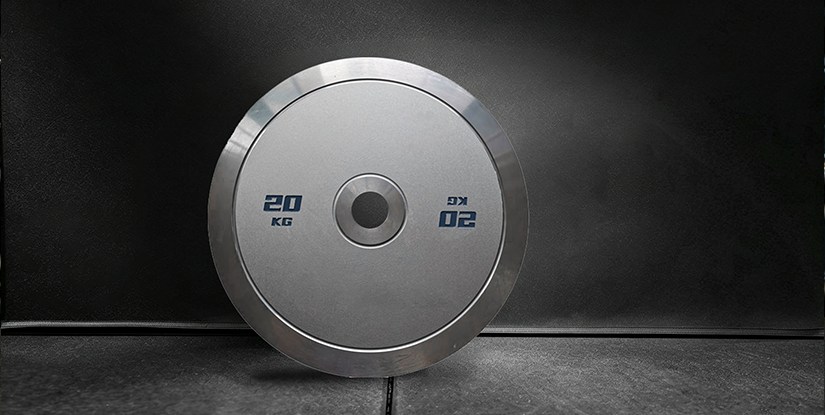
When evaluating your next bulk order, always confirm the specific protocols for checking the flatness of the plate and the smoothness of the knurled or embossed areas. High-quality sourcing involves verifying that the factory manages the transition from the casting house to the finishing line with strict oversight, ensuring that every unit arriving at your warehouse meets the expected commercial specifications.
For distributors and gym owners, the difference between a high-performing set and a liability lies in the technical execution of the olympic weight plate casting manufacturer. When sourcing in bulk, procurement professionals must look beyond the raw cast to the secondary processes that define commercial-grade equipment. High-quality cast iron weight plate manufacturing requires more than just a successful pour; it demands rigorous post-casting refinement to ensure the plates function seamlessly in high-traffic environments.
The primary technical challenge in olympic plate factory process management is managing the relationship between the raw casting and the final usable dimensions. Without secondary machining, plates often suffer from uneven weight distribution or irregular bore diameters, which can damage premium barbells. Professional commercial weight plate QC protocols focus heavily on these two critical technical pillars: precision machining and surface integrity.
Essential Factory QC Protocols for Export Compliance
For international distributors and gym equipment importers, the reliability of a olympic weight plate casting manufacturer is defined by their ability to maintain consistency across bulk orders. Rely much on a China factory that integrates rigorous commercial weight plate QC into the standard production flow to mitigate the B2B sourcing risk of receiving off-spec or damaged inventory. High-volume procurement requires more than just a low unit price; it requires a guarantee that every unit in a container meets the same structural and weight standards.
A professional olymptic plate factory process begins with the stability of the raw materials and extends through to the final container loading. Without a standardized pre-shipment inspection, buyers face significant issues such as uneven weight distribution or surface defects that can damage a brand's reputation. By implementing strict cast iron weight plate manufacturing protocols, a supplier ensures that the landed cost remains optimized by reducing the need for after-sales replacements and returns.
Standardizing the Manufacturing and Inspection Workflow
Quality control is not a single event but a continuous sequence designed to catch deviations early in the wholesale cycle. From the initial sand casting stage to the final coating application, each step must be monitored to ensure the final product is fit for high-traffic commercial environments.
| Material Type | Primary Process | Key QC Point | Commercial Duty | MOQ Impact |
|---|---|---|---|---|
| Cast Iron | Sand Casting & Machining | Weight Tolerance | Standard Commercial | Standard MOQ |
| Steel | Precision Forging | Concentricity | Premium/Competition | Higher MOQ |
| Coated Iron | Powder Coating Line | Coating Adhesion | High-Durability Gym | Variable MOQ |
During the pre-shipment phase, the factory conducts specific checks on the bore diameter and the flatness of the plate surface. This ensures that the plates sit flush on a barbell, preventing wobbling during heavy lifts. Furthermore, the export packaging must be robust enough to handle the kinetic energy of heavy iron during transit. A factory that prioritizes reinforced carton corners and palletized loading helps the distributor avoid the high costs associated with shipping-related breakage.
For international distributors and gym equipment importers, the reliability of an olympic weight plate casting manufacturer is defined by their ability to maintain consistency across bulk orders. Relying on a China factory that integrates rigorous commercial weight plate QC into the standard production flow mitigates the risk of receiving off-spec or damaged inventory. High-volume procurement requires more than just a low unit price; it requires a guarantee that every unit in a container meets the same structural and weight standards.
A professional olympic plate factory process begins with the stability of the raw materials and extends through to the final container loading. Without a standardized pre-shipment inspection, buyers face significant issues such as uneven weight distribution or surface defects that can damage a brand's reputation. By implementing strict cast iron weight plate manufacturing protocols, a supplier ensures that the landed cost remains optimized by reducing the need for after-sales replacements and returns.
Optimizing Lead Times and OEM Customization Capabilities
For international distributors and gym equipment importers, managing inventory cycles requires a reliable olympic weight plate casting manufacturer that can balance high-volume output with strict delivery schedules. When sourcing wholesale orders, the relationship between production scale and lead time is often dictated by the complexity of the OEM or ODM specifications requested. A professional China factory must synchronize casting cycles with advanced machining and coating stages to ensure that bulk orders do not suffer from bottleneck delays during peak procurement seasons.
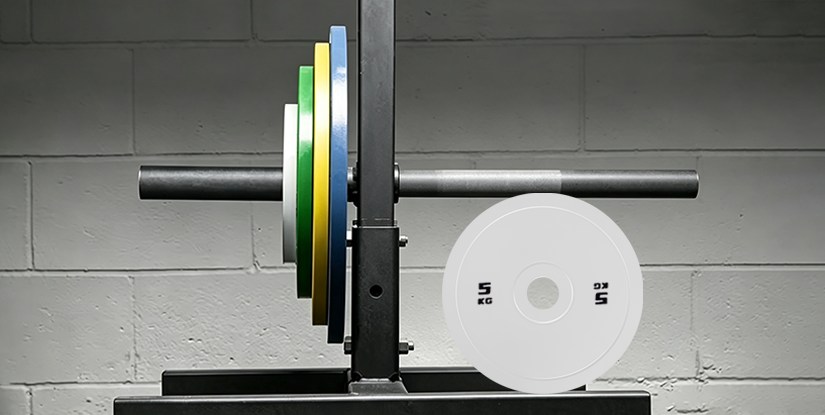
Efficient sourcing strategies rely on understanding how MOQ requirements impact the production line. For instance, standard cast iron weight plate manufacturing for stock items typically offers shorter turnaround times, whereas customized private label projects—involving specific branding or specialized powder coating—require additional setup time for molds and surface treatment. By partnering with a specialized supplier, buyers can better forecast landed costs and optimize their warehouse replenishment cycles.
Customization Tiers for Commercial Branding
Professional buyers often seek to differentiate their product lines through high-quality custom branding. Whether you require a specific embossed logo directly in the mold or a high-visibility surface finish such as premium powder coating, a capable olympic weight plate casting manufacturer provides the technical infrastructure to execute these requests. Differentiation in the commercial market is rarely about aesthetics alone; it is about ensuring that the brand identity is paired with a consistent weight tolerance and high-grade material integrity that builds long-term distributor trust.
To assist in your procurement planning, the following table outlines the typical variations in the olympic plate factory process based on customization depth. This helps in evaluating the trade-offs between speed, cost, and product uniqueness during the sourcing phase.
| Customization Level | Branding Method | Surface Finish Options | Typical MOQ Impact | Commercial Application |
|---|---|---|---|---|
| Standard Stock | Generic or Pre-cast Logo | Bare Iron or Basic Paint | Low (Standard Production) | Budget Gyms / General Retail |
| Standard OEM | Buyer Logo (Embossed) | Standard Powder Coating | Medium (Mold Setup Required) | Commercial Fitness Centers |
| Advanced ODM | Custom Color & Texture | Premium Enamel or PU | High (Specialized Line/Time) | Premium Studio Chains |
When evaluating a factory for your next shipment, we recommend requesting a formal specification sheet to confirm how custom branding affects the final lead time. Clear communication regarding your MOQ and desired surface finish ensures that your private label products meet both your brand standards and your target landed cost requirements.
When planning large-scale procurement, understanding the technical nuances of the olympic plate factory process is essential for maintaining high margins. A professional supplier must demonstrate transparency in how material selection and finishing stages influence the final product's durability and your total landed cost. Whether you are managing a boutique studio rollout or a large-scale distributor inventory, aligning your specifications with the factory capacity ensures a stable supply chain.
To mitigate risks during the sourcing process, we suggest conducting a thorough review of the commercial weight plate QC protocols used for each customization tier. For high-volume wholesale buyers, verifying the consistency of the coating adhesion and the precision of the weight calibration is a critical step in preventing post-import quality disputes. Before finalizing your next bulk order, please contact us to request a detailed spec sheet, confirm current MOQ levels, or discuss custom OEM requirements for your specific market.
Strategic Procurement and Bulk Order Evaluation
For distributors and large-scale gym operators, the decision to partner with an olympic weight plate casting manufacturer is a calculation of long-term stability rather than just the initial invoice. When sourcing in volume, the focus must shift from unit price to the total cost of ownership (TCO). Low-quality casting often results in uneven weight distribution or surface degradation, leading to increased replacement cycles and higher maintenance costs for your clients.
A professional China factory optimizes your ROI by providing products that withstand high-frequency commercial use. By prioritizing commercial-grade durability through standardized cast iron weight plate manufacturing, importers can mitigate the risks of product returns and brand reputation damage. Whether you are managing a wholesale distribution network or a private label project, understanding the relationship between production precision and landed cost is essential for maintaining healthy distributor margins.
Effective sourcing requires a deep dive into the olympic plate factory process to ensure every batch meets the rigorous demands of a commercial environment. A reliable supplier will provide transparency regarding their MOQ, lead times, and the specific QC protocols used to verify weight tolerances and coating integrity before the goods leave the facility.
Evaluating Production Standards for Bulk Sourcing
To optimize your procurement strategy, you must evaluate how different manufacturing tiers impact your long-term margins. A professional olympic weight plate casting manufacturer typically offers several tiers of production, ranging from standard commercial-grade units to high-precision competition specifications. For high-volume wholesale buyers, selecting the correct tier is a balance between initial landed cost and the expected lifecycle of the equipment in a high-traffic facility.
The following framework provides a qualitative comparison of common production standards found within a professional China factory. This allows procurement managers to align their order specifications with their specific market needs, whether for budget-conscious commercial gyms or premium training centers.
| Material Tier | Surface Finish | Manufacturing Process | Key QC Focus | Typical MOQ Impact |
|---|---|---|---|---|
| Standard Cast Iron | Painted or Enamel | Basic Sand Casting | Surface Smoothness | Lower MOQ for Stock |
| Commercial Grade | Powder Coating | Machined Calibration | Weight Tolerance | Standard Bulk Order |
| Polyurethane (PU) | Precision Molding | Concentricity & Bore Fit | Higher MOQ/Custom |
When conducting commercial weight plate QC, importers should not only inspect the final product but also verify the olympic plate factory process at critical stages. For instance, ensuring that the cast iron weight plate manufacturing includes a proper machining step for the center bore is vital for ensuring compatibility with high-end barbell sleeves. We recommend that all B2B partners request a detailed spec sheet and confirm the MOQ and lead time during the initial inquiry to ensure seamless sourcing and logistics planning for your upcoming shipments.
For distributors and large-scale gym operators, the decision to partner with an olympic weight plate casting manufacturer is a calculation of long-term stability rather than just the initial invoice. When sourcing in volume, the focus must shift from unit price to the total cost of ownership (TCO). Low-quality casting often results in uneven weight distribution or surface degradation, leading to increased replacement cycles and higher maintenance costs for your clients.
A professional China factory optimizes your ROI by providing products that withstand high-frequency commercial use. By prioritizing commercial-grade durability through standardized cast iron weight plate manufacturing, importers can mitigate the risks of product returns and brand reputation damage. Whether you are managing a wholesale distribution network or a private label project, understanding the relationship between production precision and landed cost is essential for maintaining healthy distributor margins.
Effective sourcing requires a deep dive into the olympic plate factory process to ensure every batch meets the rigorous demands of a commercial environment. A reliable supplier will provide transparency regarding their MOQ, lead times, and the specific QC protocols used to verify weight tolerances and coating integrity before the goods leave the facility.