Olympic Weight Plate Export Manufacturer: OEM ODM from China
Olympic Weight Plate Export Manufacturer: Sourcing Standards for Global Importers
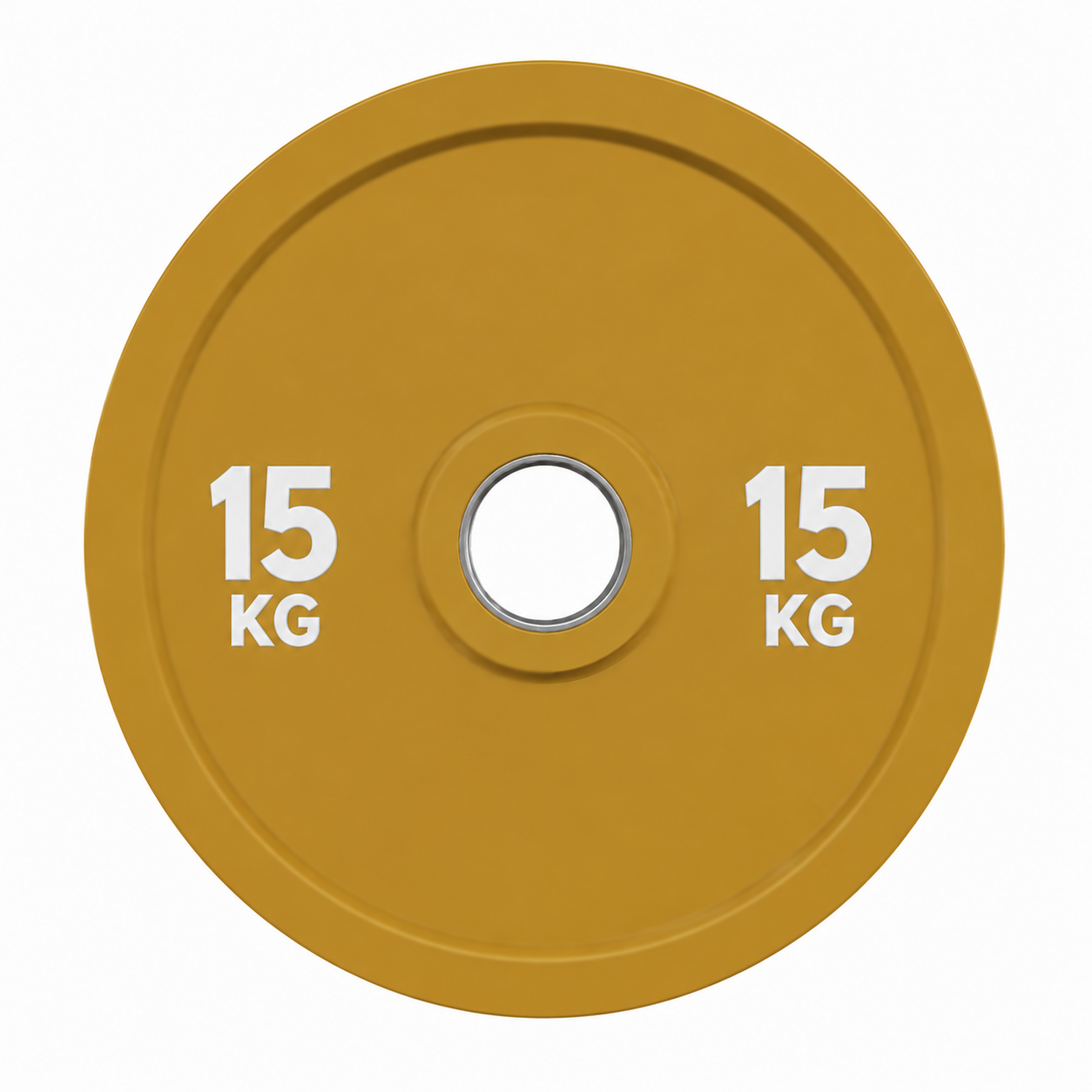
An olympic weight plate export manufacturer provides precision-engineered weight plates designed for high-volume commercial use. Global distributors and gym owners prioritize these specialized suppliers to ensure consistent weight calibration, material durability, and professional-grade finishes that meet the rigorous demands of international fitness facilities.
For professional procurement leads, the complexity of sourcing lies in the technical specifications. Selecting a reliable commercial weight plate OEM requires a deep understanding of how material integrity and manufacturing precision impact the total cost of ownership. A single batch with inconsistent weight distribution or poor coating adhesion can lead to increased maintenance costs and damaged brand reputation for distributors.
High-standard sourcing demands that every wholesale olympic plates China order undergoes strict verification of its physical properties. Importers must look beyond the surface to evaluate the core manufacturing strengths, such as the concentricity of the center bore and the uniformity of the outer diameter, which are critical for seamless transitions during heavy lifting cycles in commercial environments.
Material and Manufacturing Comparison for Commercial Procurement
Choosing the correct specification is critical for managing long-term maintenance and replacement cycles. A professional olympic weight plate export manufacturer will typically offer a range of material profiles, from standard cast iron to high-performance urethane. For distributors, the decision often hinges on balancing the initial landed cost against the expected commercial durability and floor protection requirements of the end-user facility.
When evaluating wholesale olympic plates China, procurement teams should analyze the relationship between the manufacturing process and the final product's utility. For example, while sand casting is an industry-standard method for producing cost-effective plates, precision machining is essential to ensure the center bore remains concentric and provides a smooth fit on Olympic barbells. Selecting the wrong material or a poorly calibrated manufacturing route can lead to uneven wear and increased mechanical friction during high-volume training sessions.
| Material Type | Primary Process | Key Component/Detail | Commercial Duty | MOQ Impact | Factory QC Point |
|---|---|---|---|---|---|
| Cast Iron | Sand Casting & Machining | Precision Bore Diameter | High-Volume Strength Training | Lower | Bore Concentricity |
| Rubber Coated | Molding or Dip Coating | Coating Adhesion Layer | Standard Commercial Gyms | Medium | Bond Line Integrity |
| Urethane | High-Pressure Molding | Durable Outer Shell | Premium Performance Centers | Higher | Surface Uniformity |
| Steel | CNC Machining | Precision Weight Calibration | Competition/Professional Use | High | Flatness & Tolerance |
Understanding these technical distinctions allows importers to align their commercial weight plate OEM orders with specific market segments, whether they are targeting budget-conscious fitness studios or high-end performance centers. We recommend requesting a technical spec sheet and confirming the specific weight tolerance protocols used by the factory before finalizing any bulk procurement contract.
Logistics and Quality Control for Bulk Export Orders
Managing the complexities of international shipping requires a highly structured approach to prevent damage and ensure the landed cost remains within budget. A professional olympic weight plate export manufacturer must implement rigorous pre-shipment protocols to protect the integrity of the shipment. For large-scale distributors, the risk of receiving damaged or improperly weighted units can disrupt entire product launches or facility openings.
Reliable wholesale olympic plates China sourcing involves a multi-stage inspection process. This typically begins with a weight tolerance spot-check to ensure consistency across the entire batch, followed by a visual inspection of the coating adhesion and the flatness of the plate surface. For high-end orders, a thorough check of the center bore concentricity is standard to ensure a perfect fit with Olympic barbells. These quality control steps are essential to mitigate the risk of returns and maintain high standards for your brand identity.
Effective export packaging is just as critical as the production itself. To optimize container loading and minimize transit-related issues, weight plates are often packed in reinforced cartons or heavy-duty wooden crates. A seasoned factory will prioritize palletization and corner protection to ensure that the weight distribution within a shipping container is stable and secure. This meticulous attention to detail helps importers manage the total cost of ownership by reducing the likelihood of breakage during long-haul sea freight. We suggest discussing specific export packaging requirements and lead time expectations with your supplier during the initial inquiry to ensure a seamless procurement cycle.
Material Engineering and Precision Machining for Commercial Sets
Selecting a reliable olympic weight plate export manufacturer requires a deep understanding of how raw material integrity affects long-term commercial utility. For high-volume importers and distributors, the transition from basic casting to precision machining is what separates budget-tier units from professional-grade equipment. When managing large-scale sourcing projects, the consistency of the weight and the durability of the finish directly impact your total cost of ownership and client satisfaction.
In many professional gym settings, the structural integrity of the plate depends on the quality of the initial casting and the subsequent refinement processes. A professional China factory will typically utilize high-grade cast iron or solid steel to ensure the plates can withstand the high-impact environments of commercial training facilities. Beyond the base material, the precision of the central bore is a critical factor for distributors to monitor during pre-shipment inspections.
Technical Specifications for Commercial-Grade Plates
To maintain high standards for wholesale olympic plates China, manufacturers must follow a disciplined production sequence: casting, followed by precision machining to ensure concentricity, and finally, advanced surface treatment. The following table outlines the typical material and process tiers used in the industry to help buyers evaluate their OEM requirements.
| Material Type | Primary Process | Surface Finish | Commercial Duty | QC Focus Point |
|---|---|---|---|---|
| Cast Iron | Sand Casting | Powder Coating | Standard Commercial | Base Flatness |
| Steel | Machining | Enamel / Paint | Premium Commercial | Weight Tolerance |
| Chrome-Manganese Steel | CNC Machining | Chrome Finish | Competition Grade | Bore Concentricity |
For those pursuing commercial weight plate OEM solutions, the level of detail in the powder coating or plating process is vital. A high-quality coating ensures better adhesion and prevents premature oxidation, which is a common failure mode in lower-tier products. When evaluating a supplier, we recommend requesting details on the thickness and durability of these finishes to ensure they meet the expectations of your local market.
Selecting a reliable olympic weight plate export manufacturer requires a deep understanding of how raw material integrity affects long-term commercial utility. For high-volume importers and distributors, the transition from basic casting to precision machining is what separates budget-tier units from professional-grade equipment. When managing large-scale sourcing projects, the consistency of the weight and the durability of the finish directly impact your total cost of ownership and client satisfaction.
In many professional gym settings, the structural integrity of the plate depends on the quality of the initial casting and the subsequent refinement processes. A professional China factory will typically utilize high-grade cast iron or solid steel to ensure the plates can withstand the high-impact environments of commercial training facilities. Beyond the base material, the precision of the central bore is a critical factor for distributors to monitor during pre-shipment inspections.
Manufacturing Processes: From Casting to Final Calibration
Reliable sourcing begins with understanding the technical rigor required for high-volume orders. As a specialized olympic weight plate export manufacturer, we recognize that procurement success depends on the consistency of the raw casting and the precision of the final machining. For distributors and gym owners, a slight deviation in weight or concentricity can lead to significant long-term maintenance costs and customer dissatisfaction.
The production cycle typically begins with high-grade cast iron prepared via sand casting. This method is the industry standard for creating the robust, dense core required for commercial-grade plates. Following the initial casting, each unit undergoes rigorous CNC machining to ensure the central bore is perfectly centered. This step is critical for maintaining a consistent weight tolerance and ensuring a smooth fit on Olympic barbells, reducing friction and wear during high-intensity training sessions.
When sourcing through a commercial weight plate OEM, buyers must evaluate the different manufacturing tiers to balance durability with their target landed cost. Higher-tier production focuses on tighter tolerances and more advanced surface treatments to extend the product lifecycle in high-traffic environments.
| Material Type | Primary Process | Key Component Focus | Commercial Duty Tier | Sourcing Impact |
|---|---|---|---|---|
| Cast Iron | Sand Casting | Base Flatness | Standard Commercial | High Volume / Low MOQ |
| Machined Steel | CNC Machining | Bore Concentricity | Premium / Competition | Higher Unit Cost |
| Coated Iron | Injection/Dip | Coating Adhesion | High-End Studio | Protective Longevity |
Selecting the right wholesale olympic plates China supplier involves verifying these specific manufacturing stages. We recommend that importers request a technical spec sheet and confirm the factory calibration methods used during the pre-shipment phase to ensure every batch meets your brand's quality standards.
Advanced Surface Finishing and Precision Calibration
After the core machining stage, the production path diverges based on the intended environment and the buyer's branding requirements. For high-traffic commercial facilities, the surface treatment is a critical factor in determining the total cost of ownership. A substandard finish leads to premature oxidation or coating failure, which increases maintenance frequency and reduces the long-term value of your inventory.
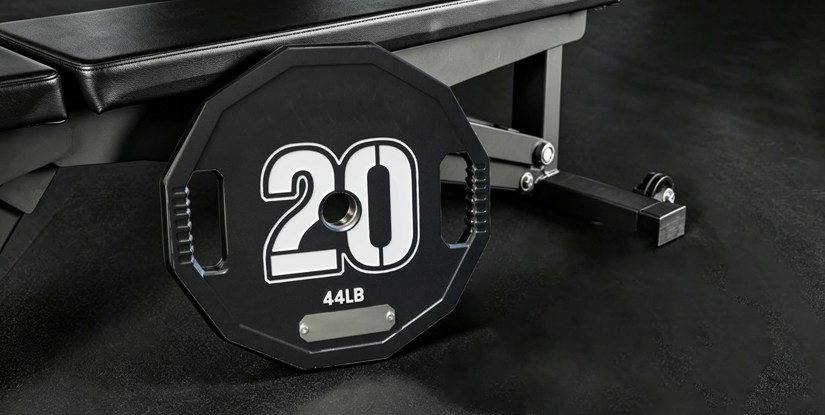
In many professional settings, we utilize a high-durability powder coating process. This application provides a resilient, uniform layer that protects the iron core from moisture and impact. For premium studio applications, a high-density rubber coating is often preferred. This specialized process ensures superior floor protection and noise reduction, which are essential selling points for boutique gym operators and distributors. During the quality control phase, technicians perform adhesion tests to ensure the coating remains intact under heavy usage cycles.
The final, most vital step in our olympic weight plate export manufacturer workflow is the precision calibration process. This involves a rigorous assessment of concentricity to ensure the plate remains perfectly balanced when loaded on a barbell. Any deviation in the center of gravity can cause uneven barbell whip, a common failure mode in lower-quality units. By prioritizing these technical benchmarks, we ensure that your bulk orders meet the high standards required for international distribution and long-term commercial reliability.
Customization Capabilities: OEM and ODM Service Scope
As a specialized olympic weight plate export manufacturer, we provide comprehensive technical support for distributors and gym equipment brands looking to expand their product lines. Whether you require high-volume stock replenishment or a specialized product launch, our China factory offers the infrastructure to scale your brand identity through precise engineering and customized manufacturing.
The scope of our OEM and ODM services extends beyond simple logo application. We assist procurement leads in selecting the optimal material-to-cost ratio—ranging from traditional cast iron for standard commercial gyms to advanced polyurethane-coated units for premium fitness studios. By managing the entire production sequence from casting to final calibration, we ensure that your private label products meet strict international commercial specifications and durability standards.
Customization Tiers and Material Selection
Successful sourcing requires a clear understanding of how material choices impact your final landed cost and product longevity. We offer different tiers of production to match your specific market segment, ensuring that every batch meets your required commercial duty level.
| Material Type | Surface Finish | Primary Process | Commercial Duty | Branding Capability |
|---|---|---|---|---|
| Cast Iron | Powder Coating | Sand Casting & Machining | Standard Commercial | Embossed or Printed Logo |
| Steel | Chrome or Enamel | Precision Machining | Premium/Competition | Laser Engraving or Chrome Plate |
| Polyurethane (PU) | PU Molding | Injection/Encapsulation | High-End Studio/Boutique | Embedded Logo/Custom Colors |
For buyers focused on wholesale olympic plates China sourcing, we offer tiered customization. This includes everything from basic custom branding via high-durability paint to complex commercial weight plate OEM requests involving specialized colors and specific thickness profiles. Our factory can adjust the manufacturing route—such as moving from standard sand casting to more refined CNC machining for the center bore—to meet your precision requirements. We recommend discussing your MOQ and technical spec sheets during the initial consultation to ensure a seamless transition from design to mass production.
As a specialized olympic weight plate export manufacturer, we provide comprehensive technical support for distributors and gym equipment brands looking to expand their product lines. Whether you require high-volume stock replenishment or a specialized product launch, our China factory offers the infrastructure to scale your brand identity through precise engineering and customized manufacturing.
The scope of our OEM and ODM services extends beyond simple logo application. We assist procurement leads in selecting the optimal material-to-cost ratio—ranging from traditional cast iron for standard commercial gyms to advanced polyurethane-coated units for premium fitness studios. By managing the entire production sequence from casting to final calibration, we ensure that your private label products meet strict international commercial specifications and durability standards.
China Factory Quality Control and Pre-Shipment Inspection Protocols
For international distributors and gym equipment importers, the cost of a faulty batch often exceeds the initial savings of a low-cost olympic weight plate export manufacturer. Inconsistent weight distribution or poor coating adhesion can lead to high return rates and damaged brand reputations. A professional China factory must implement a multi-stage verification system to ensure every unit meets commercial-grade standards before it leaves the warehouse.
Standardized pre-shipment inspection protocols focus on three critical pillars of commercial weight plate OEM production: precision, durability, and surface integrity. High-tier wholesale olympic plates China suppliers typically utilize a sequence of mechanical and visual checks to mitigate the risk of defective inventory reaching your facility.
Core Inspection Dimensions for B2B Sourcing
A rigorous olympic weight plate export manufacturer manages quality through specific technical checkpoints. Rather than simple visual scans, professional sourcing involves verifying the structural and aesthetic components that impact long-term commercial durability.
- Weight Tolerance Verification: Every batch undergoes periodic calibration to ensure the actual weight aligns with the declared specification, preventing discrepancies in commercial sets.
- Bore Concentricity and Fit: Inspectors check the internal diameter and circularity of the central bore to ensure a smooth, consistent fit on standard Olympic barbells without wobbling.
- Surface Finish and Coating Adhesion: Whether using powder coating or rubber encapsulation, the factory must verify that the finish is free of bubbles, cracks, or peeling that could fail under heavy usage.
- Dimensional Flatness: The plating must be checked for flatness to ensure plates sit flush against one another during high-volume training sessions.
By prioritizing these QC steps, importers can reduce the total cost of ownership and minimize the need for replacement parts or customer service interventions. If you are planning a bulk order, we recommend requesting a specific sample or a video of the pre-shipment calibration process to confirm these standards align with your brand requirements.
| Material Type | Primary Process | Key QC Point | Commercial Duty | Sourcing Context |
|---|---|---|---|---|
| Cast Iron | Sand Casting & Machining | Base Flatness | Standard Commercial | High Volume/Low MOQ |
| Steel | CNC Machining | Bore Concentricity | Premium/Competition | High Precision Sourcing |
| Rubber/PU | Molding/Encapsulation | Coating Adhesion | High-Impact/Bumper | Durability Focused |
Selecting the right olympic weight plate export manufacturer requires more than just comparing price lists; it requires a technical understanding of how manufacturing variables impact your final landed cost. A failure in weight calibration or a lack of concentricity in the central bore can result in uneven barbell loading, a common issue in lower-tier production. By understanding these technical checkpoints, distributors can better evaluate the reliability of their wholesale olympic plates China partners and ensure long-term product performance.
When negotiating your next commercial weight plate OEM contract, we suggest requesting specific documentation regarding the weight calibration methods and the surface treatment protocols used. A transparent factory will provide clarity on how they manage dimensional tolerances and ensure that the coating adhesion remains intact during heavy use. This level of detail is essential for maintaining high standards in any professional fitness environment.
Export Packaging and Container Loading Optimization
Efficient logistics management is the final pillar of a reliable olympic weight plate export manufacturer. For distributors managing large-scale shipments, the risk of transit damage or inefficient container utilization can significantly impact the final landed cost. Standardized export packaging must be designed to withstand the heavy mechanical stresses of ocean freight, ensuring that the weight precision and surface finishes verified during pre-shipment QC are preserved upon arrival at your warehouse.
High-standard wholesale shipments typically employ reinforced corrugated boxes or heavy-duty wooden crates to secure the load. For bulk orders, a professional factory will implement specialized palletization or custom-sized shipping cartons that optimize vertical stacking and weight distribution. This prevents the crushing of lower layers and minimizes the movement of plates during transit, which is critical for maintaining the structural integrity of the central bore and the adhesion of the coating.
To maximize your sourcing efficiency, we recommend discussing specific container loading plans with your supplier. Whether you are ordering via FOB or CIF terms, understanding the volumetric weight and the dimensions of the packaging allows for better freight cost forecasting. A competent China factory can provide detailed packing lists and container load diagrams, helping you calculate the exact number of units per 20ft or 40ft container to optimize your inventory turnover and reduce shipping overhead.
Before finalizing your next MOQ or OEM agreement, request a detailed specification of the packaging materials used for international transit. Confirming that the packaging meets your local import requirements—such as ISPM 15 standards for wooden pallets—ensures a smooth customs clearance process and prevents unexpected delays in your supply chain.
Logistics Optimization: Export Packaging and Container Loading
Efficient logistics management is critical for distributors and importers managing high-volume orders. As a specialized olympic weight plate export manufacturer, we understand that the landed cost of your shipment is heavily influenced by how effectively the cargo is secured. Improper handling during sea freight can lead to surface abrasions, oxidation, or dimensional damage, resulting in costly claims and disrupted inventory schedules for your facility.
To mitigate these risks, professional export packaging protocols are implemented during the bulk loading process. For high-density products, we utilize reinforced palletization and heavy-duty corrugated boxing to ensure structural integrity. This approach is standard for any commercial weight plate OEM operation aiming to maintain strict quality standards from the China factory to the final destination. By prioritizing sea freight protection, we ensure that your wholesale olympic plates China shipment arrives in retail-ready condition, minimizing the need for replacement parts and optimizing your total procurement efficiency.
Our bulk shipping workflows include advanced moisture control measures, such as vacuum-sealed industrial wraps and desiccant integration, to prevent rust on bare iron or metal surfaces during long-distance transit. This rigorous approach to damage prevention allows importers to maintain higher margins and provide reliable service to their local commercial clients.
Container Loading Strategies and Volume Efficiency
Optimizing the volumetric efficiency of a shipping container is a fundamental requirement for reducing the overall landed cost of high-density metal products. Because weight limits are often reached before the physical volume of the container is filled, professional importers must decide between palletized and loose loading based on their specific warehouse capabilities and local receiving infrastructure.
Selecting the appropriate loading method directly affects your storage efficiency and labor costs upon arrival. While palletized shipments offer faster unloading and better protection, loose loading can sometimes maximize the total tonnage per container. We work closely with procurement leads to determine the most cost-effective configuration for each specific order, ensuring that your wholesale olympic plates China shipment maximizes every cubic meter of available space.
| Loading Method | Typical Application | Efficiency Profile | Labor/Handling Requirement | Landed Cost Impact |
|---|---|---|---|---|
| Loose Loading | High-density bulk orders | Highest weight-to-volume ratio | High manual labor for unloading | Lower per-unit shipping cost |
| Palletized Loading | Standardized distributor shipments | Moderate volumetric efficiency | Low; compatible with forklifts | Higher cost due to pallet volume |
| Reinforced Crating | Premium or specialized plate sets | Lowest volume efficiency | Minimal; high protection levels | Highest due to specialized packaging |
When planning your next procurement cycle, consider how the container loading optimization strategy will affect your local warehouse operations. For large-scale distribution, a combination of optimized palletization and strict moisture control ensures that your inventory remains in premium condition, protecting your long-term ROI. We recommend confirming your preferred loading specifications during the initial sourcing phase to ensure the final shipment aligns perfectly with your logistics budget and unloading equipment.
Packaging Standards for Commercial Grade Orders
Selecting the right packaging tier is a strategic decision for any importer looking to balance protection with the final landed cost. As a professional olympic weight plate export manufacturer, we provide various configurations tailored to different commercial requirements, from high-durability protection for premium rubberized units to cost-effective solutions for high-volume cast iron orders. Choosing the correct standard during your sourcing process helps minimize transit damage and optimizes your distributor margins.
| Material | Packaging Type | Protection Level | Best For | Shipping Efficiency |
|---|---|---|---|---|
| Cast Iron / Steel | Standard Corrugated Box | Basic (Surface Scratch Guard) | High-volume budget orders | High (Standard Palletization) |
| Rubber Coated / PU | Heavy-Duty Double-Wall Box | Advanced (Impact & Scuff Guard) | Commercial gym distribution | Moderate (Reinforced Pallet) |
| Premium Competition | Custom Reinforced Crating | Maximum (Full Structural Shield) | Specialized high-end sets | Lower (Requires Specialized Handling) |
Whether you are executing a commercial weight plate OEM program or managing a standard bulk order, understanding these tiers is essential. For instance, a wholesale olympic plates China order consisting of high-density rubberized plates typically requires reinforced packaging to prevent edge deformation during sea freight. We encourage procurement leads to review these specifications during the sample approval or MOQ confirmation stage to ensure the final shipment meets your specific warehouse handling and quality expectations.