Olympic Weight Plate Commercial Supplier: Leading China OEM
Optimizing Gym Floor Layout with High-Volume Weight Plate Solutions
For a large-scale commercial gym chain or a multi-location fitness distributor, the choice between bumper plates and cast iron plates directly impacts both facility footprint and long-term operational expenditures. When sourcing from an olympic weight plate commercial supplier, procurement professionals must evaluate how material density and thickness affect floor space and equipment density. While cast iron offers a compact profile for traditional strength zones, high-density rubberized bumper plates provide essential floor protection and noise reduction, which are critical for high-traffic commercial environments where maintenance and facility longevity are top priorities.
A strategic commercial weight plate manufacturer will provide options that balance physical dimensions with durability to optimize your total cost of ownership. For example, utilizing thinner, high-density bumper plates can allow for more efficient storage and denser rack configurations in premium studios. Conversely, for budget-conscious warehouse-style gyms, high-volume wholesale olympic plates made of painted cast iron can significantly reduce the initial capital expenditure per square foot, provided the facility has adequate specialized flooring to manage impact and vibration.
| Material Type | Typical Coating | Primary Benefit | Commercial Duty | Maintenance Load | Sourcing Context |
|---|---|---|---|---|---|
| Rubber Bumper | High-Density Rubber/PU | Impact Absorption | Premium/High-Traffic | Low | High MOQ for Custom Branding |
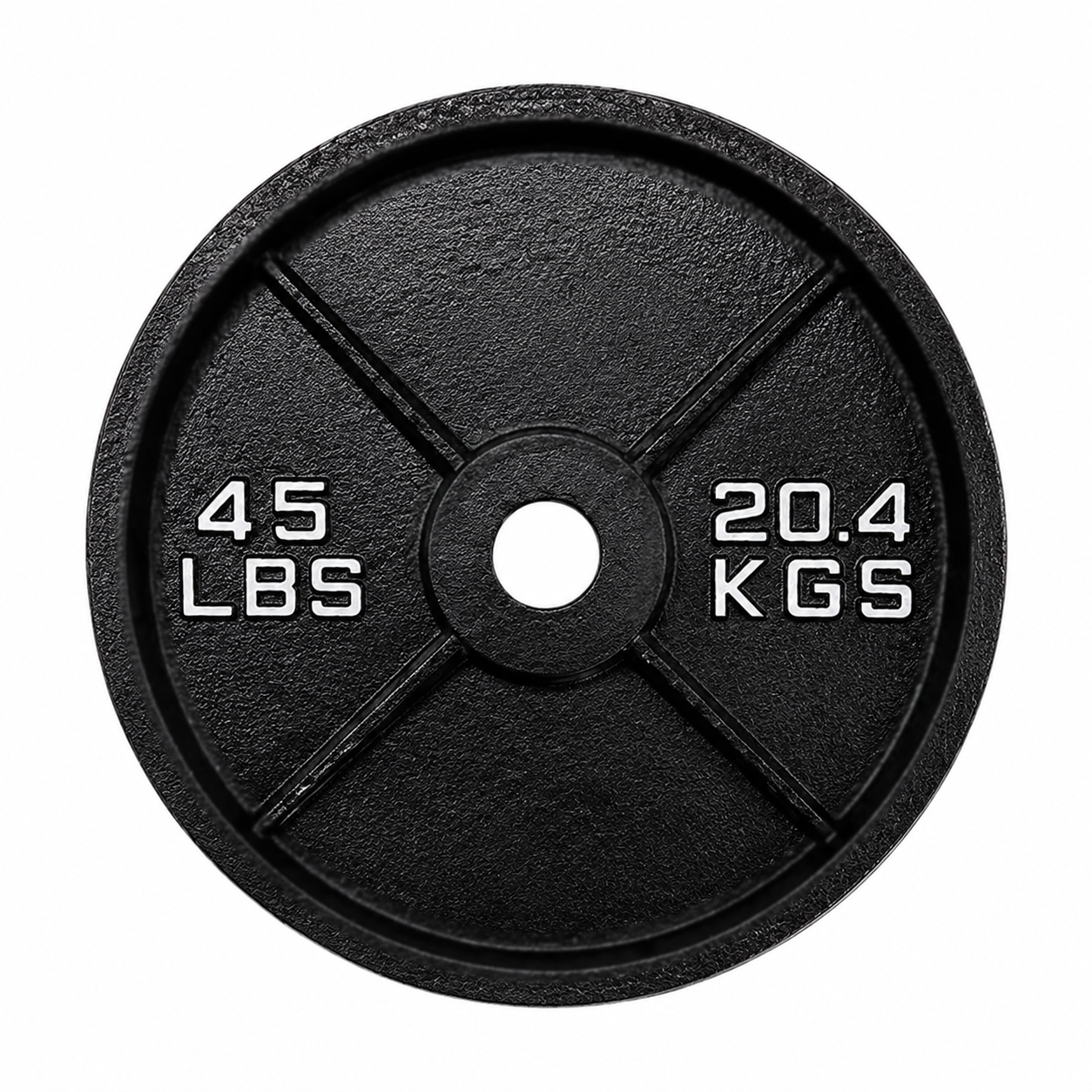
| Cast Iron | Powder Coating/Paint | Compact Footprint | Standard Commercial | Moderate | Standard wholesale Availability |
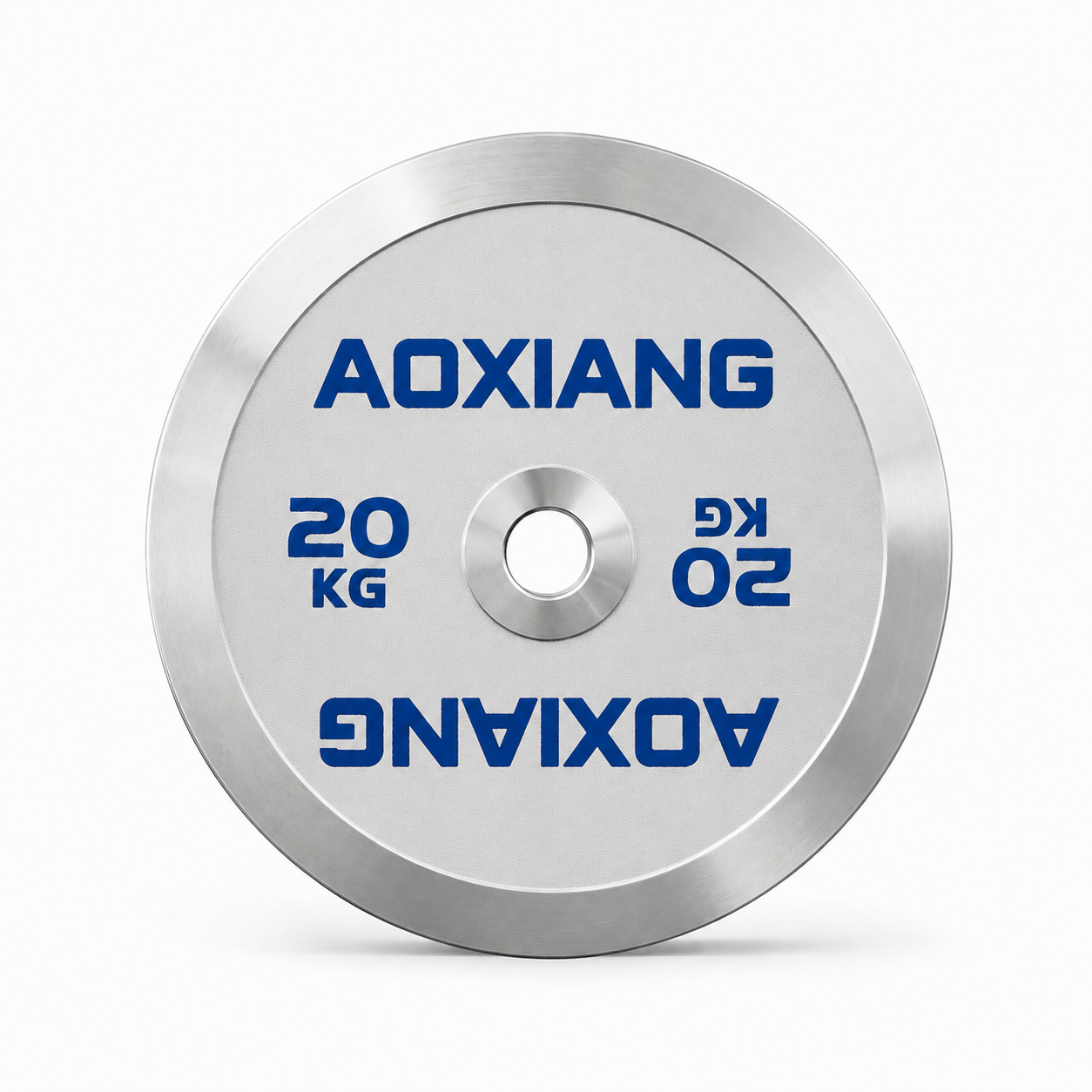
| Steel/Steel-Core | Chrome or Enamel | Extreme Durability | Specialized/Competition | Low | OEM/Custom Specs |
When managing a China factory OEM fitness equipment order, it is essential to align your material selection with your specific facility's maintenance capacity. Selecting the correct thickness and coating adhesion through a reliable supplier ensures that your bulk shipment meets the expected lifespan of the equipment, ultimately protecting your long-term ROI and reducing the frequency of replacement cycles.
Selecting the appropriate material profile is not merely a matter of aesthetics; it is a decision regarding the total cost of ownership (TCO) and facility maintenance efficiency. For distributors and gym operators, the thickness and density of the plates directly influence how many units can be stored per vertical foot of a weight tree and how much specialized floor reinforcement is required. A professional olympic weight plate commercial supplier understands that a mismatch between plate material and facility design can lead to premature floor degradation or inefficient space utilization.
For high-performance strength zones, high-density bumper plates are the industry standard for minimizing vibration and impact noise. However, for heavy-duty strength training where space-saving is the priority, the compact profile of cast iron remains a staple. When managing a China factory OEM fitness equipment project, we recommend evaluating the thickness-to-weight ratio to ensure your storage solutions, such as plate trees and racks, are optimized for your specific footprint. High-volume wholesale olympic plates in cast iron offer a lower landed cost and a slimmer profile, making them ideal for high-density training environments where floor-mounted equipment must remain compact.
To ensure long-term durability and reduce replacement cycles, procurement managers should confirm the specific production-level QC protocols with their chosen commercial weight plate manufacturer. This includes verifying the coating adhesion of powder-coated iron or the edge-seam integrity of rubber-encapsulated bumpers. For large-scale imports, we suggest requesting a sample evaluation or a detailed specification sheet to confirm that the weight tolerance and material density meet your commercial-grade requirements before finalizing your bulk order or OEM agreement.
To ensure long-term durability and reduce replacement cycles, procurement managers should confirm the specific production-level QC protocols with their chosen commercial weight plate manufacturer. This includes verifying the coating adhesion of powder-coated iron or the edge-seam integrity of rubber-encapsulated bumpers. For large-scale imports, we suggest requesting a sample evaluation or a detailed specification sheet to confirm that the weight tolerance and material density meet your commercial-grade requirements before finalizing your bulk order or OEM agreement.
Material Selection and Casting Processes for Commercial Weight Plate Manufacturer Standards
When sourcing from a professional olympic weight plate commercial supplier, understanding the distinction between budget and high-performance casting is vital for long-term TCO. For large-scale distributors and gym chains, the consistency of the raw material directly impacts the durability of the equipment and the frequency of replacement cycles.
Reliable wholesale olympic plates typically utilize high-grade gray iron or cast iron as the primary material. The production sequence begins with precision sand casting, a process that ensures the structural integrity required for heavy-duty commercial use. This method allows the China factory to produce plates with consistent density, reducing the risk of cracking under high-impact conditions common in professional training environments.
Engineering Specifications and Material Tiers
A qualified commercial weight plate manufacturer must manage several technical variables to ensure the final product meets international shipping and usage standards. The following table outlines the qualitative differences between common production tiers found in the industry.
| Material | Process | Key Component/Detail | Commercial Duty | MOQ Impact | Factory QC Point |
|---|---|---|---|---|---|
| Cast Iron | Sand Casting | Bore Fit & Concentricity | Standard Commercial | Lower | Weight Tolerance |
| Steel | Machining/Welding | Precision Interface | Premium/Competition | Higher | Surface Finish |
| Rubber/PU | Molding/Coating | Encapsulation Layer | High-Impact/Floor Protection | Medium | Coating Adhesion |
For importers seeking a China factory OEM fitness equipment partner, the focus should remain on the calibration stage. During the machining phase, the center bore must be checked for concentricity to ensure the plate sits flat on a standard barbell. This prevents uneven weight distribution, which is a common failure mode in lower-quality batches. Furthermore, the application of a powder coating or paint finish serves not just an aesthetic purpose but acts as a protective layer against oxidation during sea freight and long-term storage in humid gym environments.
When evaluating your next batch, we recommend requesting a detailed specification sheet that covers the specific casting method and the surface treatment used. Whether you require a standard supplier for stock or a specialized OEM partner for private label production, confirming these technical details early will optimize your landed cost and ensure product longevity.
When sourcing from a professional olympic weight plate commercial supplier, understanding the distinction between budget and high-performance casting is vital for long-term TCO. For large-scale distributors and gym chains, the consistency of the raw material directly impacts the durability of the equipment and the frequency of replacement cycles.
Reliable wholesale olympic plates typically utilize high-grade gray iron or cast iron as the primary material. The production sequence begins with precision sand casting, a process that ensures the structural integrity required for heavy-duty commercial use. This method allows the China factory to produce plates with consistent density, reducing the risk of cracking under high-impact conditions common in professional training environments.
Comparing Commercial-Grade Plate Tiers for Bulk Procurement
For distributors and gym operators, selecting the right olympic weight plate commercial supplier requires balancing initial procurement costs against long-term operational expenses. When managing bulk procurement, the distinction between different material tiers directly impacts your Total Cost of Ownership (TCO) and Return on Investment (ROI).
A common mistake in sourcing is focusing solely on the landed cost per unit without considering the replacement frequency or maintenance load. High-volume facilities often find that investing in higher-grade finishes reduces the long-term cost of equipment turnover. Choosing a reliable China factory that offers tiered manufacturing allows you to optimize your budget by matching the specific durability requirements of your target facility, whether it is a high-traffic commercial gym or a specialized training studio.
| Material Tier | Common Coating | Primary Use Case | TCO Impact | Procurement Focus |
|---|---|---|---|---|
| Standard Cast Iron | Painted or Enamel | General Commercial Gyms | Low initial cost; higher maintenance | Budget-friendly wholesale |
| Premium Cast Iron | Powder Coating | High-Traffic Strength Clubs | Balanced durability and longevity | Standard commercial weight plate manufacturer quality |
| High-End Bumper | Rubber or PU Coated | Crossfit and Olympic Training | High initial cost; low floor/equipment damage | Specialized wholesale olympic plates |
Understanding these tiers helps in calculating the true ROI of your inventory. A commercial-grade product with superior coating adhesion may have a higher MOQ or unit price, but it significantly lowers the frequency of replacement and protects your facility's floor integrity. When negotiating with your China factory, always request detailed specifications regarding the coating thickness and the material's resistance to chipping to ensure the long-term value of your bulk order.
To ensure your inventory meets professional standards, we must look beyond the surface and analyze the specific manufacturing routes used by a leading China factory OEM fitness equipment provider. The manufacturing sequence—from initial casting to final surface treatment—dictates the structural integrity and the eventual replacement cycle of the product.
Technical Specifications and Manufacturing Processes
Most high-volume orders follow a rigorous production line to ensure consistency across thousands of units. For iron-based plates, the process typically begins with sand casting to create the base form, followed by CNC machining to ensure the center bore meets precise concentricity requirements. This precision is vital for preventing uneven wear on barbell sleeves. The final stage, which is a critical QC point, involves the application of protective layers such as powder coating or specialized rubber molding to prevent oxidation and enhance durability during heavy use.
| Material Tier | Manufacturing Process | Key Component/Detail | Commercial Duty | Floor Protection | MOQ Impact |
|---|---|---|---|---|---|
| Cast Iron | Sand Casting & Painting | Enamel/Paint Layer | Budget Commercial | Low (Requires Mats) | Lower MOQ |
| Steel/Iron | Casting & Powder Coating | High-Adhesion Coating | Standard Commercial | Moderate | Standard MOQ |
| Rubber/PU | Injection or Compression Molding | Encapsulated Core | Premium/High-Impact | High Protection | Higher MOQ |
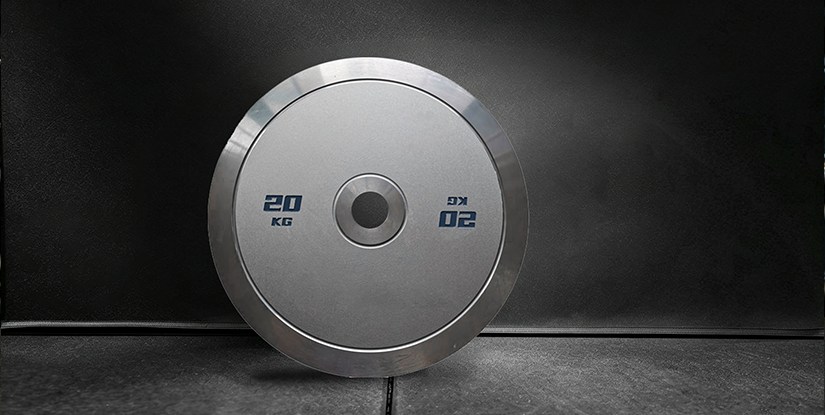
When evaluating your next wholesale order, it is essential to confirm the specific factory protocols for weight calibration and coating adhesion. For example, a premium olympic weight plate commercial supplier will typically implement a weight spot-check and a bore-fit inspection to ensure every unit in a bulk shipment meets the expected tolerance. We recommend requesting a sample evaluation or a detailed spec sheet to verify that the material and finish align with your brand's quality standards before proceeding with full-scale sourcing.
When managing large-scale inventory, the logistical efficiency of your shipment is as critical as the product quality itself. For a professional supplier, the relationship between product weight, volume, and packaging determines the final landed cost for the importer. High-density cast iron plates offer excellent space efficiency for container loading, but the protective packaging used by a China factory can significantly influence both shipping volume and the safety of the goods during long-distance transit.
Export Packaging and Logistics Optimization
Effective sourcing requires a deep understanding of how your order will be packed and shipped. For heavy items like weight plates, standardizing the carton strength and pallet configuration is essential to prevent damage and reduce the risk of returns. A professional China factory OEM fitness equipment manufacturer will utilize reinforced corrugated boxes and optimized pallet layouts to maximize the number of units per 20ft or 40ft container. This attention to detail ensures that your wholesale order arrives with minimal breakage and the most efficient use of sea freight space.
To mitigate risks during the export process, we recommend a multi-layered inspection approach. Before any bulk shipment leaves the facility, a pre-shipment QC protocol should include a check of the outer packaging durability, the stability of the palletized load, and a final weight verification. By coordinating these details with your factory during the initial MOQ discussion, you can better predict your total landed cost and ensure a smoother distribution process for your clients.
Quality Control Protocols for an Olympic Weight Plate Commercial Supplier
Maintaining strict standards is the primary responsibility of a professional olympic weight plate commercial supplier. For distributors and gym equipment importers, the risk of receiving inconsistent batches—such as plates with uneven weight distribution or poor coating adhesion—can lead to high return rates and damaged brand reputation. To mitigate these sourcing risks, a reliable China factory implements multi-layered inspection protocols throughout the production cycle.
Effective wholesale procurement requires more than just a low price; it requires a guarantee of structural integrity. A professional commercial weight plate manufacturer manages quality through systematic verification, starting from raw material input to the final pre-shipment QC. This ensures that every unit meets the necessary standards for commercial-grade durability and weight accuracy before it enters a shipping container.
Essential Inspection Layers for Bulk Orders
When managing high-volume wholesale olympic plates orders, quality control must be integrated into every stage of the manufacturing route. This systematic approach prevents the common failure modes seen in lower-tier production, such as warping or uneven thickness, which can compromise the safety of a commercial facility.
A standard China factory production sequence for high-quality plates typically follows a rigorous path: initial sand casting or centrifugal casting, followed by precision machining of the center bore to ensure a perfect fit on Olympic barbells. After the base metal is prepared, the plates undergo surface treatment—such as powder coating or rubber encapsulation—and finally, a final calibration check to verify the weight tolerance across the entire batch.
For professional buyers, understanding these inspection points is vital for successful sourcing. During pre-shipment QC, inspectors focus on critical areas such as the concentricity of the center hole, the adhesion strength of the coating, and the uniformity of the weight. This level of oversight ensures that the landed cost of your shipment remains optimized by avoiding the expenses associated with defective inventory or replacement logistics.
Standardized Inspection Points for High-Volume Sourcing
For an olympic weight plate commercial supplier, technical precision is non-negotiable. During the manufacturing process, the center bore must undergo strict inspection to ensure concentricity and a smooth fit with standard Olympic bars. A common failure in lower-tier production is an irregular bore diameter, which can cause uneven loading. Furthermore, the surface finish must be tested for coating adhesion; whether the plates are finished with a black enamel or a heavy-duty powder coating, the layer must remain intact under standard commercial use to prevent chipping and rust.
A professional commercial weight plate manufacturer also implements a weight spot-check protocol. Rather than testing every single unit, a statistical sampling method is used to ensure the entire batch falls within a consistent tolerance range. This prevents the logistical headache of receiving uneven sets, which can impact the professional experience of end-users in a gym setting.
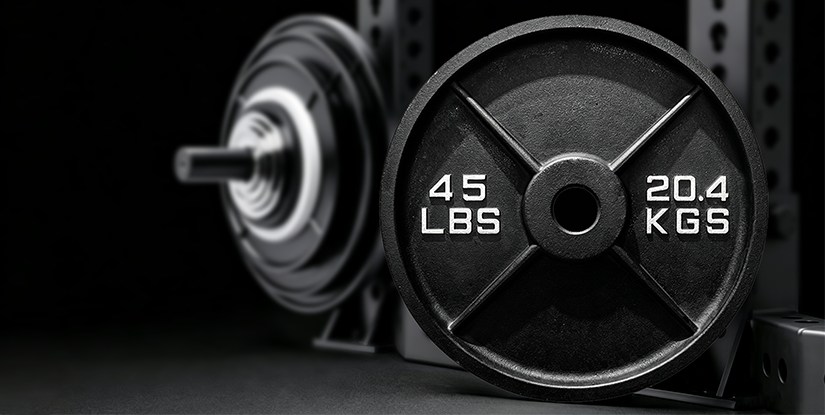
Technical Customization Tiers for Global Sourcing
When evaluating a commercial weight plate manufacturer, it is essential to understand how different customization levels affect your landed cost and production complexity. High-tier branding options, such as a deep embossed logo directly into the cast iron, offer the highest durability for commercial environments but typically require higher initial volumes. Conversely, surface-level treatments like color-coded silk-screening or powder coating provide a faster way to differentiate your product line without the need for specialized tooling.
The following table outlines the standard customization paths available when sourcing through a China factory OEM fitness equipment workflow. This comparison helps procurement leads align their design goals with realistic production constraints.
| Customization Tier | Primary Material | Branding Method | Process Detail | Typical MOQ Impact |
|---|---|---|---|---|
| Standard Wholesale | Cast Iron | Silk-screen or Paint | Standard casting with surface color | Low (Standard tiers) |
| Premium Private Label | Urethane or Rubber | Embossed Logo | Integrated mold design | Moderate (Volume dependent) |
| Elite Custom Series | Steel or High-Grade Urethane | Laser Etching or Metal Plate | Precision CNC machining | High (Custom tooling) |
To ensure brand consistency, we recommend requesting a sample evaluation for any new custom specification. This allows you to inspect the adhesion of the powder coating, the clarity of the embossed logo, and the precision of the weight tolerance before committing to a full wholesale order. Our technical team can assist in optimizing your design to ensure it meets both your aesthetic standards and the rigorous demands of a high-traffic commercial gym environment.
For international distributors and large-scale gym operators, a generic product line often fails to build long-term market authority. Partnering with a professional olympic weight plate commercial supplier allows you to move beyond simple procurement into true brand building. By leveraging high-tier OEM and ODM capabilities, you can transform standard equipment into a signature product line that reflects your unique brand identity.
Scaling a fitness brand requires more than just high-volume sourcing; it requires the ability to control product aesthetics and technical specifications. Whether you need custom color-coded rings, specific logo embossing, or unique diameter dimensions, a specialized China factory provides the technical infrastructure to execute these requests. This level of customization is essential for distributors looking to increase their distributor margin by offering exclusive, branded solutions to high-end commercial clients rather than competing solely on price for unbranded stock.
While customization adds value, it also impacts the supply chain. Most wholesale clients must balance their design ambitions with practical MOQ requirements and production lead time constraints. For instance, a standard weight plate with a simple silk-screened logo has a much faster turnaround than a plate requiring a custom-engineered mold. Understanding these variables ensures your inventory arrives on schedule and meets the professional standards expected by your end-users.
Sourcing Logistics and Lead Time Management for Bulk Orders
Managing the supply chain for heavy lifting equipment requires precise procurement planning to avoid stockouts or delayed facility openings. When establishing a partnership with an olympic weight plate commercial supplier, professional buyers must account for the inherent logistical complexities of transporting high-density metal goods. Unlike lighter fitness accessories, weight plates significantly impact container loading optimization and total landed costs.
A reliable China factory will provide transparent timelines that encompass production cycles, weight calibration, and export packaging. For distributors, understanding the lead time is critical, as this window includes the time required for raw material sourcing, casting, and the final QC inspection. Failure to account for these stages often results in unexpected delays in bulk orders, affecting seasonal inventory availability.
To maintain a consistent supply of wholesale olympic plates, buyers should establish a clear MOQ with their supplier during the initial sourcing phase. High-volume wholesale orders often require longer production windows to ensure consistency across batches. By aligning your procurement planning with a capable commercial weight plate manufacturer, you can better manage warehouse space and ensure your distribution network remains fully stocked.
Shipping Methods and Landed Cost Optimization
Selecting the appropriate shipping method is a strategic decision that directly influences your total landed cost and inventory turnover. For large-scale distributors, the choice between sea freight and air freight is usually dictated by the density of the cargo and the required speed of replenishment. Because weight plates are high-density products, sea freight remains the industry standard for maximizing container utilization and minimizing per-unit shipping expenses.
The following table provides a qualitative comparison of common shipping scenarios encountered when working with a China factory for global distribution:
| Shipping Method | Typical Lead Time | Cost Impact | Best Use Case | Logistics Focus |
|---|---|---|---|---|
| Sea Freight (LCL/FCL) | 30–45+ Days | Lowest | Standard wholesale replenishment | Container loading density |
| Air Freight | 7–14 Days | Highest | Urgent sample approval or small stock gaps | Weight-to-volume ratio |
| Rail/Land Transport | 15–25 Days | Moderate | Regional distribution to specific markets | Transit stability |
When calculating the landed cost, professional buyers must look beyond the initial factory quote. A comprehensive sourcing strategy includes accounting for ocean freight, port handling fees, customs duties, and final-mile delivery. For wholesale olympic plates, optimizing the weight-to-volume ratio within a standard 20ft or 40ft container is essential for maintaining healthy distributor margins. We recommend requesting a detailed packing list from your commercial weight plate manufacturer during the OEM or ODM design phase to ensure the most efficient container configuration for your specific volume requirements.
Export Packaging and Pre-Shipment QC Standards
The final stage of the production cycle is arguably the most critical for international importers. Even with a high-quality China factory OEM fitness equipment partner, the physical journey of heavy iron plates across oceans can lead to significant losses if export packaging is insufficient. To mitigate the risk of shipping damage prevention failures, such as bent edges, surface rust, or crushed cartons, a rigorous QC inspection must be performed before the goods are sealed in a container.
A professional olympic weight plate commercial supplier implements a multi-step verification process to ensure every batch meets commercial standards. This includes a weight tolerance spot-check to confirm consistency across the entire wholesale order, as well as a visual inspection of the coating adhesion and surface finish. For high-volume bulk orders, we utilize reinforced pallets and heavy-duty corrugated boxes designed specifically for high-density metal cargo. This level of detail in container loading—ensuring even weight distribution and secure bracing—is essential to protect your landed cost and ensure that your inventory arrives at your warehouse in pristine, saleable condition.