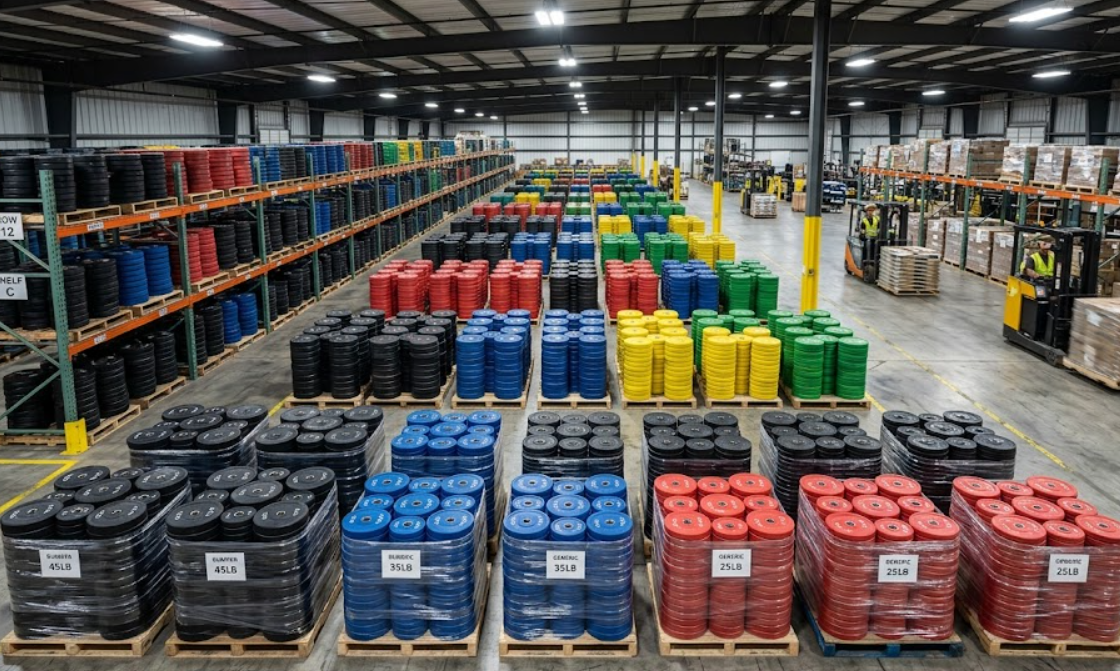
Calibrated Weight Plate Export Supplier: Factory Direct
The Strategic Value of a Calibrated Weight Plate Export Supplier
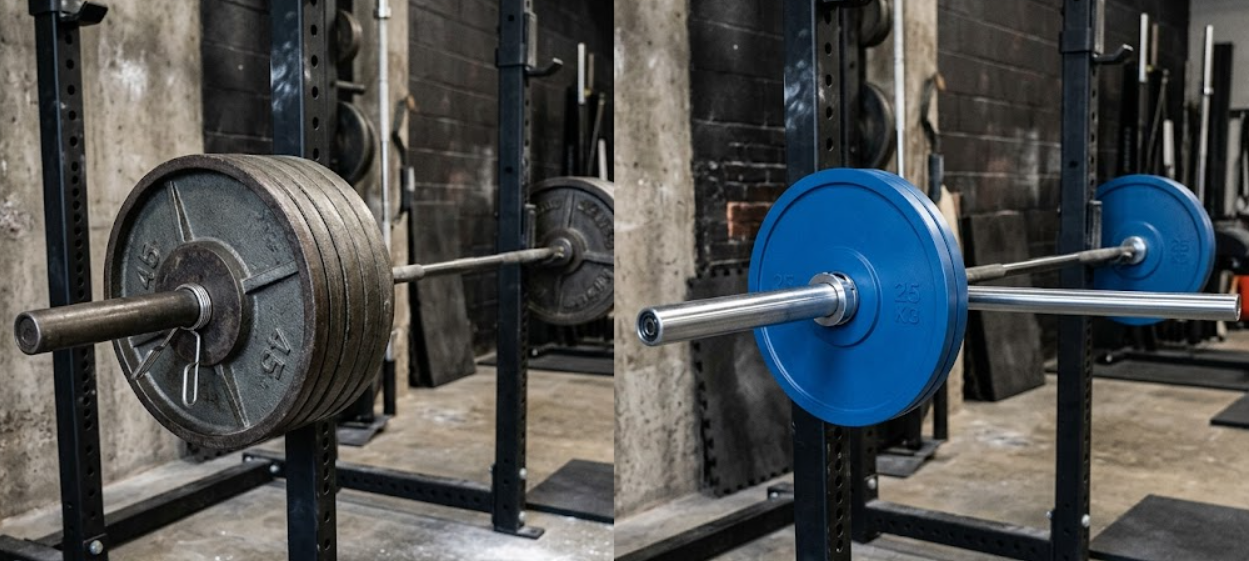
For large-scale commercial gym chains or international distributors, the difference between a standard cast iron plate and a precision-engineered unit determines the long-term stability of their equipment inventory. When sourcing high-volume orders, selecting a professional calibrated weight plate export supplier ensures that every unit meets strict concentricity and weight tolerance standards, reducing the frequency of replacements and minimizing the need for constant recalibration. For distributors looking to scale, working directly with a China factory provides the necessary control over technical specifications and shipping efficiency.
The decision to invest in high-tier equipment is rarely about the initial purchase price alone; it is about the Total Cost of Ownership (TCO). Low-quality plates often suffer from uneven weight distribution or poor coating adhesion, leading to rapid surface degradation and increased maintenance costs. By prioritizing a precision weight plate manufacturer, procurement leads can secure a higher Return on Investment (ROI) through extended product lifespans and reduced labor costs associated with equipment upkeep. This strategic approach to sourcing mitigates the risks of premature depreciation in high-traffic commercial environments.
Optimizing your procurement strategy also requires an understanding of commercial weight plate wholesale structures. Efficient bulk order management—balancing MOQ requirements with landed cost considerations—is essential for maintaining healthy distributor margins. A dedicated supplier that offers comprehensive OEM and ODM capabilities allows you to build a distinct brand identity while leveraging the manufacturing advantages of a direct factory. This ensures that your inventory is not only high-performing but also cost-effective across the entire global supply chain.
Comparing Commercial-Grade Tiers for Procurement Optimization
To make an informed decision regarding your next inventory replenishment, it is necessary to distinguish between standard cast iron units and high-performance calibrated sets. While standard plates serve basic training needs, precision-engineered plates are designed for high-traffic facilities where accuracy and durability directly impact the user experience and long-term maintenance schedules. Understanding these qualitative differences allows procurement managers to align their budget with the specific operational demands of their clients.
The following comparison illustrates how material selection and manufacturing depth influence the overall value proposition when working with a professional calibrated weight plate export supplier. This differentiation is critical for distributors who must justify the premium for high-end commercial clients.
| Material Tier | Typical Coating | Manufacturing Process | Weight Tolerance (Qualitative) | Commercial Duty | Impact on Sourcing |
|---|---|---|---|---|---|
| Standard Cast Iron | Paint or Enamel | Sand Casting | Standard Variance | Light Commercial | Low MOQ / Low Cost |
| Premium Calibrated Steel | Powder Coating or Chrome | CNC Machining & Calibration | High Precision | Professional/Competition | Higher MOQ / Higher Value |
| Urethane/Bumper Type | PU or Rubber Coating | Molding & Steel Hub Assembly | Moderate Variance | High-Impact/Crossfit | Variable Lead Time |
For buyers focused on long-term durability, the precision of the weight calibration process—specifically the concentricity check and machining of the center bore—is what separates a budget unit from a professional-grade asset. When you engage a precision weight plate manufacturer, you are investing in a product that maintains its integrity under constant use, thereby protecting your distributor margins by reducing returns and warranty claims. We recommend requesting a detailed spec sheet or a sample evaluation to verify the coating adhesion and center-bore finish before proceeding with large-scale wholesale commitments.
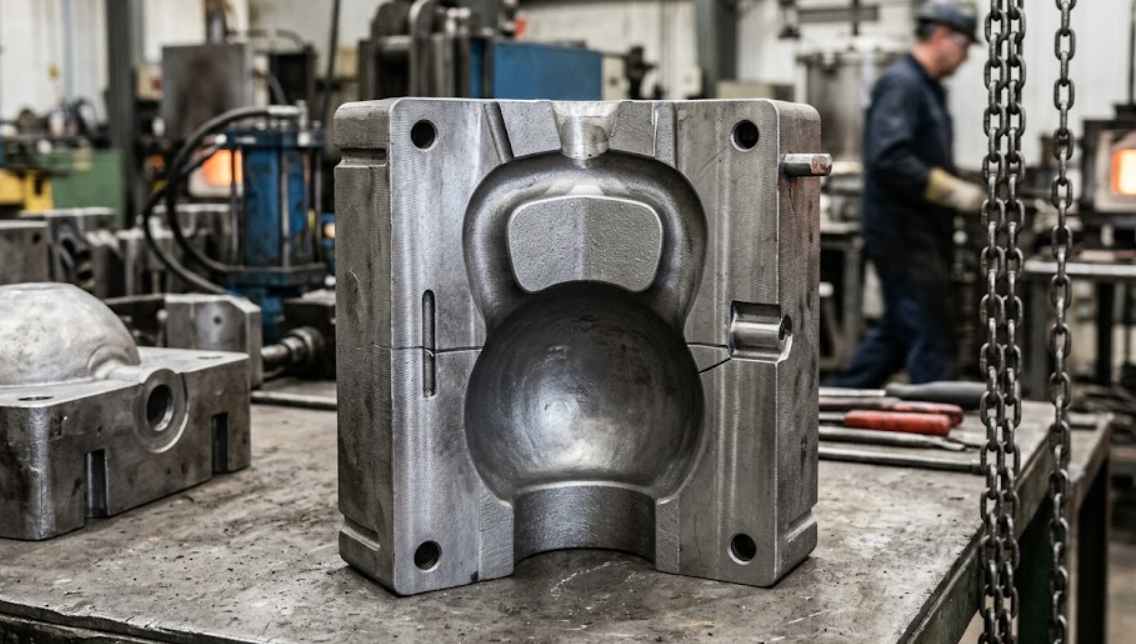
Reliability in a high-traffic commercial gym depends on the structural integrity and surface finish of every component. A professional calibrated weight plate export supplier utilizes a multi-stage production sequence to ensure that the final product can withstand heavy use without premature degradation. This process typically begins with high-grade casting, followed by precision CNC machining to ensure the center bore is perfectly concentric. This step is critical for preventing the "wobble" effect often seen in lower-tier equipment, which can cause wear on barbell sleeves and increase maintenance frequency for facility operators.
After the machining phase, the plates undergo advanced surface finishing to enhance both durability and aesthetic appeal. Depending on your branding requirements, this may involve a high-durability powder coating or a professional chrome finish. A thorough pre-shipment QC process is the final safeguard in the supply chain. During this stage, a specialized team performs weight tolerance spot-checks and inspects the coating adhesion and edge smoothness. For an importer, this level of scrutiny from the factory means fewer defective units arriving at the warehouse, significantly lowering the long-term landed cost and increasing overall client satisfaction.
When managing large-scale procurement, understanding the lead time and logistics associated with these technical steps is essential. High-precision processes, such as weight calibration and specialized coating, may influence the standard lead time compared to basic casting. However, by establishing a direct relationship with a China factory, you can better synchronize your inventory replenishment with these production cycles. We encourage professional buyers to initiate a factory audit or request a sample approval to witness these quality control measures firsthand, ensuring the production standards align with your specific commercial requirements.
Material Specifications and Manufacturing Standards for Commercial Sets
To maintain high-performance standards in professional training environments, a professional calibrated weight plate export supplier must prioritize structural integrity and precision. For high-volume importers and gym equipment distributors, sourcing relies on the ability to secure units that balance heavy-duty use with consistent weight accuracy. Whether you are managing a large-scale facility replenishment or a new product launch, understanding the foundational engineering of these components is essential for long-term ROI and minimizing maintenance overhead.
Reliable commercial weight plate wholesale procurement begins with the selection of high-grade cast iron. In a standard China factory production environment, the process follows a strict sequence: raw material melting, sand casting, machining for concentricity, and final surface treatment. This ensures that each plate remains balanced during high-velocity movements, preventing the uneven wear often seen in lower-tier, non-calibrated alternatives. By choosing a reputable precision weight plate manufacturer, buyers ensure that the weight tolerance remains within industry-standard ranges, which is critical for professional strength training applications.
The manufacturing route typically involves precision machining of the center bore to ensure a seamless fit on Olympic barbells. Following the casting stage, the plates undergo a rigorous calibration process to verify weight consistency before the final coating is applied. This high-level weight calibration and finishing step is what differentiates commercial-grade equipment from consumer-grade products, providing the durability required for 24/7 facility use.
| Material Type | Common Process | Primary Component | Commercial Duty Tier | Procurement Impact |
|---|---|---|---|---|
| Cast Iron | Sand Casting | Gray Iron Core | Standard Commercial | High TCO Efficiency |
| Steel | Machining/Welding | Hardened Steel Center | Premium/Competition | Higher Initial Capex |
| Rubber/PU Coated | Molding/Dip | Encapsulated Core | High-End Commercial | Floor Protection Focus |
For distributors looking to optimize their sourcing strategy, selecting the correct material finish—such as powder coating or phosphate treatment—can significantly affect the product's lifespan in humid or high-traffic environments. When evaluating a supplier, it is recommended to request a detailed specification sheet regarding the coating adhesion and the specific casting method used to ensure the product meets your brand's quality expectations.
Technical Comparison of Manufacturing Processes and Coatings
For professional buyers, the choice between raw iron and specialized finishes is not just about aesthetics; it is a decision regarding the total cost of ownership (TCO) and facility maintenance. A high-quality calibrated weight plate export supplier will offer a variety of surface treatments designed for different environmental demands. For example, while standard sand casting provides the necessary density for heavy lifting, the subsequent surface finish dictates how the plate interacts with barbell sleeves and gym flooring.
In many commercial settings, the manufacturing sequence involves several critical stages to ensure professional-grade performance. After the initial sand casting and weight calibration, the plates undergo specialized finishing. A high-tier precision weight plate manufacturer typically employs CNC machining to refine the center bore, ensuring perfect concentricity. This is followed by high-durability processes such as powder coating or PU coating to prevent oxidation and improve grip. Understanding these technical nuances allows distributors to better position their product tiers, whether they are offering budget-friendly cast iron solutions or premium, floor-protective coated plates.
When managing large-scale commercial weight plate wholesale orders, we recommend verifying the specific coating adhesion methods and the type of core material used. This technical oversight is vital for ensuring that your imported stock maintains its brand integrity even under the most intense commercial usage cycles.
Critical Inspection Points for Export-Grade Compliance
For global distributors and facility managers, the final risk in the supply chain often resides in the lack of rigorous pre-shipment verification. A professional calibrated weight plate export supplier must implement a multi-stage quality control protocol to ensure that the landed cost remains low by avoiding returns or damaged inventory. This process begins with a strict weight tolerance spot-check, where individual units are verified against specified standards to ensure uniformity across the entire batch.
Beyond weight accuracy, the integrity of the surface treatment is a primary concern for high-traffic environments. A competent precision weight plate manufacturer performs testing on coating adhesion to ensure that the paint, powder, or rubber layer does not chip or peel during intense use. Furthermore, the durability of the export packaging is a vital component of the procurement process; plates must be secured in reinforced containers to withstand the stresses of international transit and prevent structural damage. When negotiating commercial weight plate wholesale contracts, we advise buyers to confirm the specific logistics safety protocols and the required MOQ for customized export-ready packaging to ensure your shipment arrives in factory-fresh condition.
Precision Machining and Weight Calibration Processes
For professional distributors and gym equipment importers, the technical integrity of a weight set defines the long-term reliability of the inventory. A professional calibrated weight plate export supplier ensures that every unit meets strict commercial gym standards through rigorous manufacturing sequences. Unlike basic casting, high-end production involves advanced CNC machining to refine the plate surface and the central bore, ensuring optimal concentricity and a seamless fit on Olympic barbells. This level of precision is essential for high-traffic facilities where unbalanced loads can lead to equipment wear or user safety concerns.
The production workflow typically follows a standardized industrial path to maintain consistency across large orders. It begins with high-quality casting, followed by precision weight calibration to manage the weight tolerance within acceptable commercial limits. A reliable precision weight plate manufacturer will implement a sequence of machining, surface treatment, and final weight verification before any unit leaves the factory. This meticulous approach minimizes the risk of uneven weight distribution, which is a common failure mode in lower-tier wholesale products. By prioritizing these technical specifications, a China factory can provide products that offer better TCO (Total Cost of Ownership) and higher durability for global clients.
Understanding these technical requirements allows procurement leads to better evaluate commercial weight plate wholesale options during the sourcing process. Whether you are looking for a specific factory-direct quality or a customized OEM solution, verifying the machining capabilities and calibration methods is a critical step in mitigating the risk of receiving inconsistent batches.
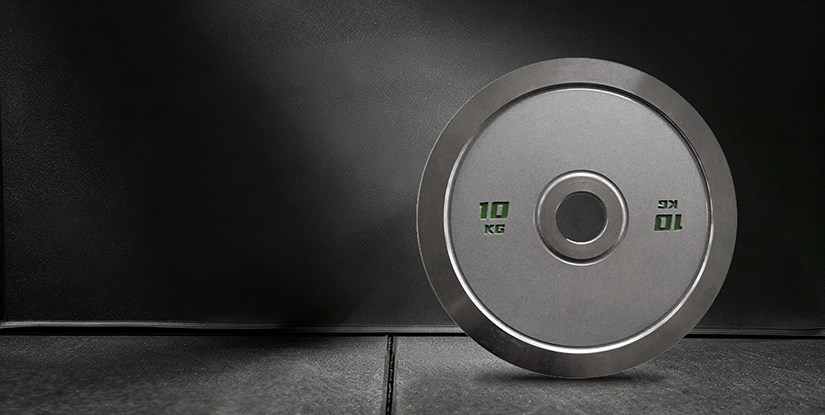
Commercial Grade Manufacturing Tier Comparison
When evaluating a potential partner, it is necessary to distinguish between standard production and high-precision manufacturing. A professional calibrated weight plate export supplier will provide documentation or specific technical insights regarding how their processes impact the final product density and concentricity. For distributors, choosing the correct tier impacts not only the landed cost but also the long-term reputation of your brand when supplying premium fitness centers.
| Material | Process | Key Component | Commercial Duty | MOQ Impact | Factory QC Point |
|---|---|---|---|---|---|
| Cast Iron | Sand Casting | Standard Bore | Budget/Basic Commercial | Low | Surface Roughness |
| Gray Iron | CNC Machining | Precision Inner Ring | Standard Commercial | Medium | Concentricity & Fit |
| Solid Steel | Advanced Machining | Chrome-Manganese Core | Premium/Competition | High | Weight Tolerance & Balance |
The technical differentiation in the table above highlights why a precision weight plate manufacturer is often a more strategic choice for high-end facility suppliers than a generic producer. For instance, the transition from simple sand casting to advanced CNC machining directly affects the flatness of the plate and the smoothness of the Olympic collar fit. While budget-tier options may offer a lower entry point, the lack of a controlled weight calibration process can lead to higher return rates and customer dissatisfaction in professional settings.
Furthermore, the choice of surface finishing—ranging from basic paint to high-durability powder coating—is a critical factor for a China factory to address during the pre-shipment stage. High-quality coating adhesion prevents the premature chipping often seen in lower-grade imports, protecting your distributor margins. Before finalizing a bulk order, we recommend requesting a sample to verify the thickness of the coating and the precision of the knurled inner ring. We also advise confirming the specific export packaging protocols to ensure that high-density shipments arrive without structural or surface damage, optimizing your container loading efficiency.
Sourcing Strategies: Navigating China Factory MOQ and Lead Times
Managing inventory levels effectively requires a strategic approach to production cycles and minimum requirements. When you partner with a professional calibrated weight plate export supplier, understanding the relationship between production volume and logistical windows is critical for maintaining a healthy distributor margin. Relying on unpredictable replenishment cycles can lead to stockouts or excessive warehousing costs, both of which erode profitability.
Optimizing your inventory turnover involves balancing the scale of bulk orders against the inevitable lead time required for high-precision manufacturing. A standard China factory typically operates on fixed production runs to maintain efficiency; therefore, negotiating a reasonable MOQ is essential for distributors who need to rotate stock without tying up excessive capital. By aligning your wholesale procurement schedule with the factory's production capacity, you can mitigate the risks of shipping delays and ensure a consistent supply of commercial weight plate wholesale units to your local clients.
Sourcing Models: Factory Direct vs. Trading Company
Procurement officers must decide between working directly with a precision weight plate manufacturer or sourcing through a third-party agent. While a trading company may offer a broader SKU range, a direct calibrated weight plate export supplier provides significantly higher control over the landed cost and technical specifications. For large-scale distributors, the ability to implement OEM or ODM requests directly at the factory level ensures that brand identity and weight tolerances remain consistent across every shipment.
The following table outlines the qualitative differences in sourcing structures to assist in your sourcing evaluation:
| Sourcing Model | Primary Advantage | Control Over QC | Typical MOQ | Impact on Landed Cost |
|---|---|---|---|---|
| Direct Factory | Optimized production efficiency | High (Direct factory inspection) | Higher per-run volume | Lowest (Direct margin) |
| Trading Company | Simplified procurement of mixed SKUs | Moderate (Indirect oversight) | Lower/Flexible | Higher (Middleman markup) |
| OEM/Private Label | Full brand integration | Highest (Customized process) | Specific to custom specs | Variable based on customization |
When evaluating your next bulk replenishment, we recommend requesting a detailed spec sheet and confirming the current lead time for your specific volume. Whether you require standard wholesale quantities or a custom OEM production run, transparency regarding production windows and pre-shipment inspection protocols will safeguard your long-term distributor interests.
Ensuring Consistency Through Pre-Shipment QC and Export Packaging
For high-volume importers, the risk of receiving non-compliant units is a major threat to long-term profitability. A reliable calibrated weight plate export supplier must implement a rigorous pre-shipment QC protocol that goes beyond simple visual checks. To ensure the precision expected in a commercial weight plate wholesale order, the inspection should focus on specific technical checkpoints such as surface coating adhesion, the concentricity of the central bore, and strict adherence to the agreed-upon weight tolerance. Without these standardized checks, a distributor risks high return rates and damaged professional reputation.
Beyond product accuracy, the physical protection of the goods during transit is a critical component of logistics efficiency. High-density weight plates are heavy and prone to surface abrasion or impact damage if handled poorly. A professional precision weight plate manufacturer utilizes specialized export packaging solutions, such as reinforced palletizing, corner protectors, and moisture-resistant wrapping, to safeguard the shipment. For distributors managing large-scale wholesale imports, optimizing container loading density and ensuring robust packaging is essential to minimize the risk of transit damage and to control the final landed cost of the inventory.
Customization and Private Label Capabilities for Global Distributors
For international importers and large-scale warehouse operators, the ability to differentiate a product line is a primary driver of long-term profitability. Working with a professional calibrated weight plate export supplier allows you to move beyond generic commodity trading toward building a recognizable brand. By leveraging OEM and ODM services, distributors can transition from selling unbranded hardware to providing specialized, high-margin equipment under their own corporate identity.
The strategic value of private label production lies in the ability to control the entire visual and technical specification of the product. Whether you require specific embossing for your logo on the center hub or a unique powder coating color to match your studio's aesthetic, a dedicated China factory provides the necessary infrastructure for high-level customization. This level of detail is essential for maintaining a premium market position and ensuring your brand identity remains consistent across all distributed weight sets.
Successful large-scale sourcing requires a balance between unique branding and scalable production. Most professional commercial weight plate wholesale operations utilize these services to create tiered product lines—ranging from standard cast iron sets to premium coated versions—all bearing their own mark. While these custom features often involve a specific MOQ to cover the setup of specialized molds or branding tools, the resulting increase in distributor margin and market exclusivity typically justifies the initial investment for growing distributors.
Customization Tiers and Branding Specifications
Selecting the appropriate tier for your product line is a critical decision for procurement managers. A precision weight plate manufacturer can offer several levels of customization, ranging from simple surface markings to deep structural modifications. For distributors focused on high-volume, cost-effective replenishment, standard options provide stability, whereas premium tiers offer higher perceived value for high-end boutique studios.
When negotiating with a calibrated weight plate export supplier, it is important to distinguish between surface-level branding and structural customization. Most commercial weight plate wholesale orders utilize standard logo embossing or high-durability powder coating to ensure the branding survives heavy commercial use. Below is a technical comparison of typical customization tiers to assist in your procurement planning and margin analysis.
| Customization Tier | Branding Method | Surface Finish | Standard Use Case | Impact on MOQ |
|---|---|---|---|---|
| Standard Commercial | Raised casting/embossing | Basic black powder coating | General gym/warehouse stock | Low/Standard |
| Premium Professional | Precision CNC engraved logo | High-gloss or matte finish | Boutique studios/Specialty gyms | Moderate |
| Full Private Label | Custom steel hub plate | Full color/Customized coating | Exclusive distributor brands | High |
For those looking to optimize their landed cost, we recommend evaluating the complexity of the surface finish before finalizing your order. While specialized coatings increase the aesthetic value, they can also influence the production lead time and the final MOQ required by the factory. We suggest requesting a sample evaluation of different branding methods to ensure the durability of your private label assets before committing to a full-scale bulk production run.
Pre-Shipment Inspection and Export Packaging Protocols
For professional distributors and large-scale warehouse operators, the highest risk to profit margins is not the initial unit price, but the unexpected landed cost of damaged or non-compliant inventory. When sourcing a calibrated weight plate export supplier, relying solely on a factory's word is insufficient for high-volume procurement. Discrepancies in weight tolerance or surface finish can lead to rejected shipments, high return rates, and damaged brand reputations among your premium clients.
To safeguard your wholesale margins, a rigorous pre-shipment inspection must be a non-negotiable part of your procurement workflow. This process ensures that every unit meets the specified weight standards and that the structural integrity of the plates remains intact during long-distance maritime transit. A professional precision weight plate manufacturer will provide documented evidence of these checks, focusing on the concentricity of the center bore and the adhesion of the powder coating or rubber encapsulation.
Effective logistics safety extends beyond the factory gate. For commercial weight plate wholesale orders, standard export packaging is often inadequate for full container loads. We implement specialized palletizing and reinforced heavy-duty boxing to prevent metal-on-metal friction and impact damage during sea freight. By prioritizing these strict China factory QC protocols, we help importers minimize the risk of dimensional damage, ensuring that the stock arriving at your facility is ready for immediate distribution with zero loss in value.
Standardized Protection for Long-Distance Freight
The physical nature of high-density steel and iron means that vibration and shifting within a shipping container can cause significant surface abrasion or even structural deformities. As a specialized calibrated weight plate export supplier, we understand that the durability of the product must extend through the entire supply chain. This is why our packaging protocols focus on multi-layered defense systems designed for the rig
Typical export-grade packaging for our high-volume orders includes heavy-duty corrugated dividers and reinforced corner protectors to mitigate impact stress. For bulk shipments, we utilize standardized palletization techniques that optimize container loading efficiency and ensure stability during sea transit. Each pallet is secured with industrial-grade shrink wrap and edge protectors to prevent any movement that could compromise the weight calibration or surface integrity. By implementing these rigorous bulk order protection measures, we reduce the likelihood of transit-related claims and ensure a lower total cost of ownership for our global partners.
When negotiating your next procurement cycle, we recommend confirming the specific pallet dimensions and stacking limits with your supplier to align with your local warehouse receiving capabilities. We can also provide customized OEM packaging solutions, such as branded outer cartons or specific labeling, to ensure your brand identity is protected from the moment the container is opened at the port. Whether you are managing a small distribution center or a large-scale import operation, our focus remains on providing a seamless, high-reliability transition from our factory to your inventory.
Product Specification and Inspection Matrix
Selecting the appropriate product tier requires a clear understanding of how material choice and manufacturing depth impact your long-term distributor margins. A mismatch between a client's facility requirements and the actual durability of the plate can lead to high maintenance costs and diminished trust. To assist your procurement decision-making, the following table outlines the standard technical differentiation across our primary product lines.
| Material | Coating/Finish | Inspection Focus | Packaging Standard | Shipping Risk Level | B2B Sourcing Note |
|---|---|---|---|---|---|
| Cast Iron | Powder Coating | Bore Concentricity | Heavy-duty Corrugated Box | Medium | Best for high-volume wholesale |
| Ductile Iron | Enamel/Paint | Surface Smoothness | Reinforced Palletized Unit | Low | Ideal for premium commercial gym sets |
| Solid Steel | Chrome Finish | Precision Calibration | Individual Protective Sleeve | Low | Required for high-end competition specs |
| Rubber/PU Bumper | Encapsulated Shell | Bond Line Adhesion | Heavy-duty Bumper Box | Medium | High durability for functional training |
When evaluating a calibrated weight plate export supplier, it is essential to verify that the factory utilizes the appropriate calibration steps for the specific material density being ordered. For example, cast iron units require more frequent weight tolerance spot-checks during the machining phase to ensure the center bore remains perfectly aligned. For OEM clients seeking high-end competition-grade specifications, the focus shifts toward the precision of the steel hub and the seamless integration of the outer coating layer. We recommend requesting a detailed spec sheet or a sample approval to confirm that the weight distribution and surface finish meet your specific market demands before finalizing a bulk commitment.