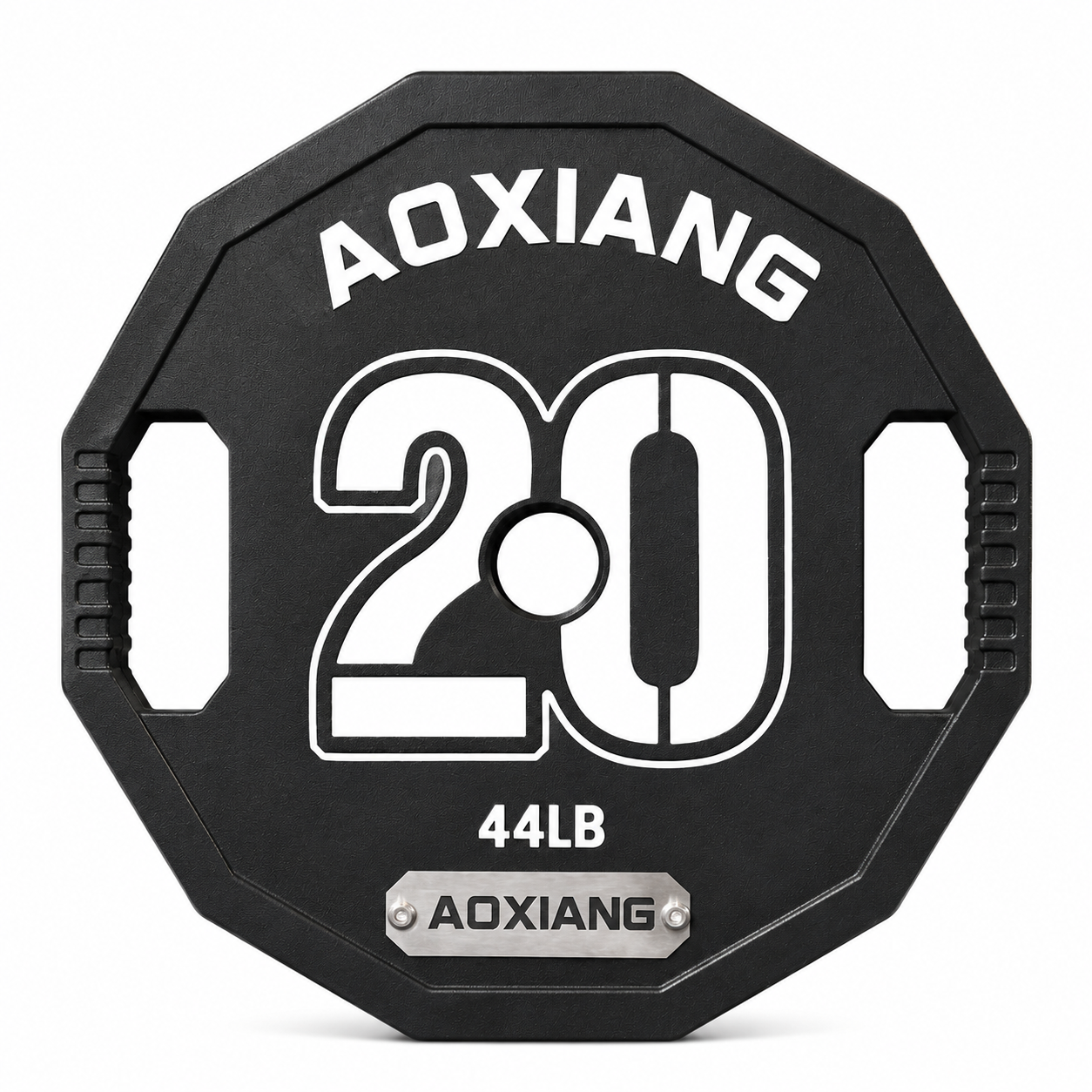
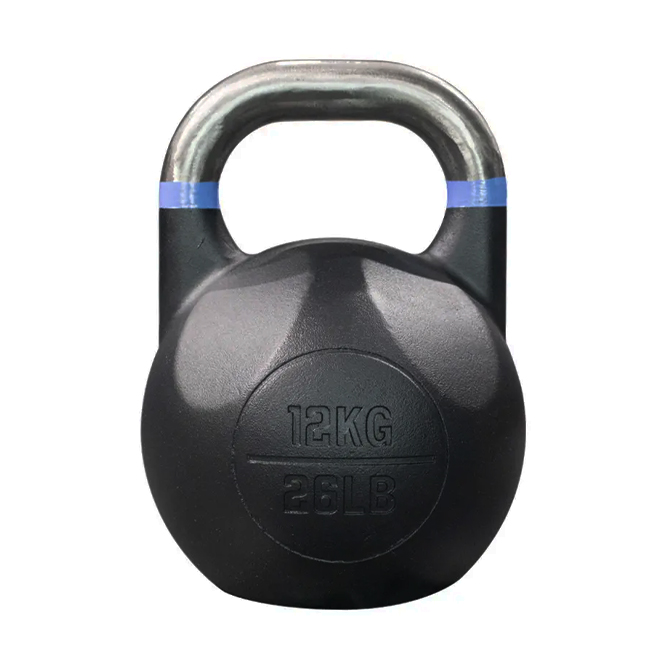
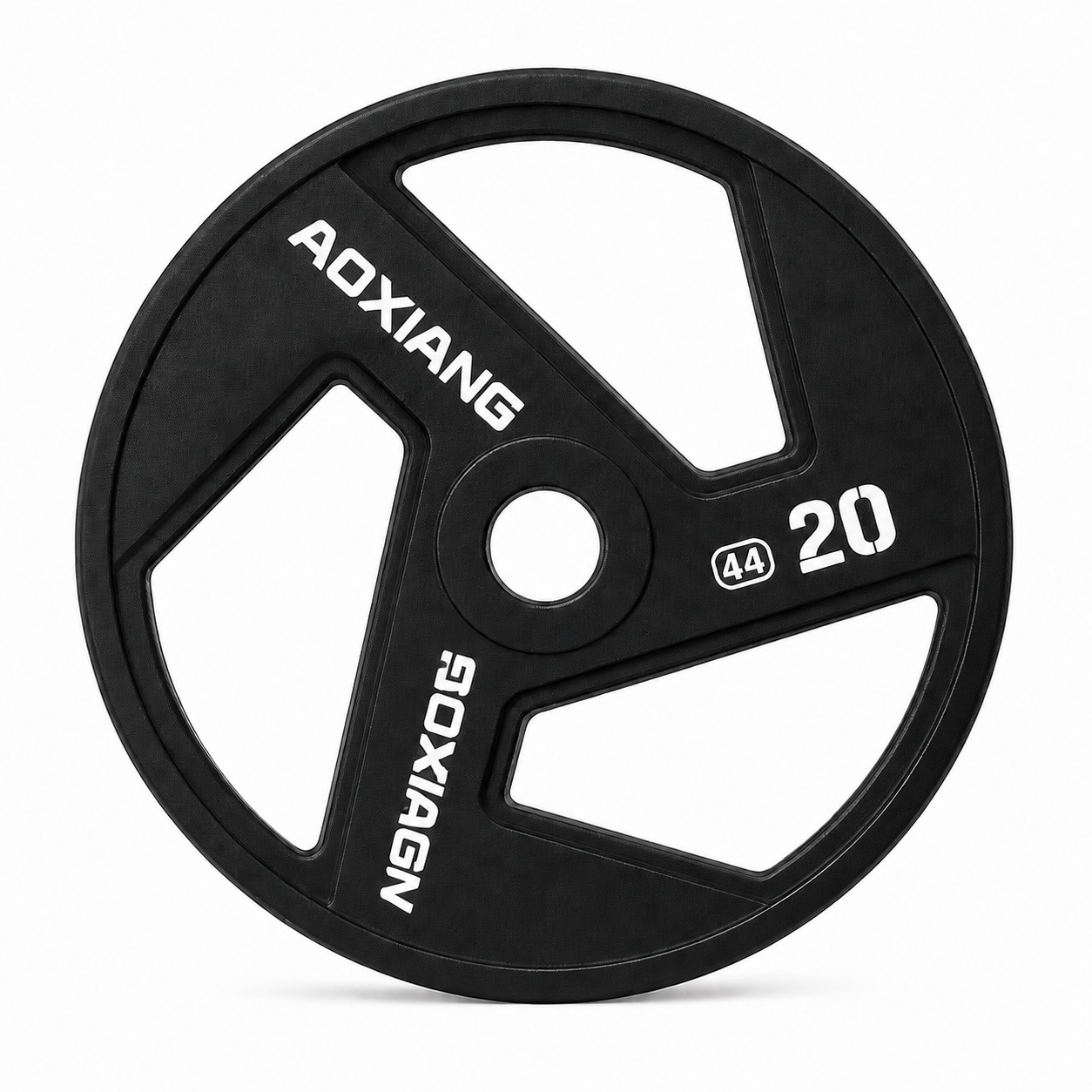
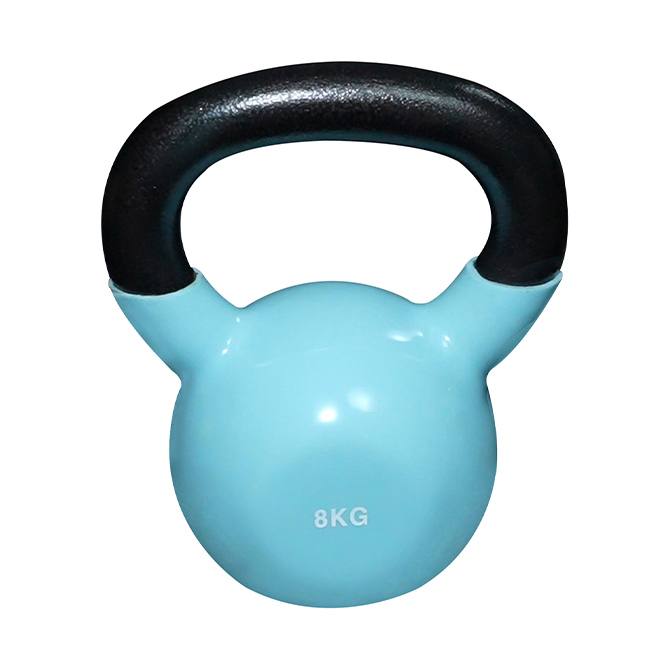
Olympic Plate Wholesale: China Factory Pricing Supply
Optimizing Inventory with Olympic Plate Wholesale Solutions
Professional procurement specialists utilize olympic plate wholesale channels to stabilize long-term supply chains and reduce landed costs. By sourcing directly from a China factory, distributors can access high-volume commercial weight plates that meet strict durability standards while maintaining superior inventory turnover and margin control.
Traditional local procurement often leads to inflated capital expenditures and inconsistent stock availability. Transitioning to a bulk olympic plates sourcing model allows gym owners and equipment distributors to mitigate the risks of sudden price spikes and shipping delays. When managing a large-scale facility or a distribution network, understanding the TCO (Total Cost of Ownership) is critical. This involves calculating not just the initial purchase price, but also the long-term impact of wear, maintenance, and the efficiency of the China factory-direct advantage on your overall operational budget.
Material and Coating Tier Comparison for Procurement Decisions
Deciding between material specifications and surface treatments is a critical step in the olympic plate wholesale selection process. A common procurement error is prioritizing low initial unit costs over long-term maintenance requirements. For instance, choosing a budget-grade finish for a high-traffic commercial facility can lead to premature oxidation or coating failure, increasing the long-term cost of ownership. A professional olympic plate manufacturer provides various tiers to match different facility environments, from high-impact training zones to premium strength studios.
Standard procurement cycles typically involve evaluating the trade-offs between cast iron and steel-core-based units. While cast iron remains a staple for traditional strength training due to its cost-effectiveness, steel or advanced molded composites offer higher impact resilience. Additionally, the choice between powder coating and polyurethane (PU) layers dictates how well the product survives heavy use and protects the facility floor. Selecting the correct tier ensures that your bulk olympic plates inventory provides both durability and visual appeal for your clients.
| Material Tier | Primary Coating | Manufacturing Process | Commercial Duty | Maintenance Level |
|---|---|---|---|---|
| Cast Iron | Powder Coating | Sand Casting & Machining | Standard Commercial | Moderate (Monitor Oxidation) |
| Steel / Iron Core | Rubber or Vinyl Dip | Molding / Vulcanization | High-Impact Commercial | Low (High Durability) |
| Precision Steel | Polyurethane (PU) | CNC Machining & Casting | Premium / Competition | Minimal (Superior Finish) |
When auditing your sourcing strategy, we recommend requesting detailed spec sheets that clarify the coating adhesion methods and the precision of the central bore. For high-end distributors, specialized coatings provide a cleaner aesthetic and better floor protection, which justifies a higher initial investment through reduced replacement frequency. Always confirm with your supplier whether the weight calibration is performed after or before the final coating process to ensure precision compliance.
Strategic Logistics: QC and Custom Branding for Large-Scale Sourcing
Scaling your inventory through olympic plate wholesale requires more than just finding a low price; it requires a reliable manufacturing partner capable of rigorous quality control and efficient export logistics. A professional olympic plate manufacturer must demonstrate control over the entire production sequence—from the initial sand casting and CNC machining of the central bore to the final application of the powder coating or rubber layer. For distributors, the primary risk in bulk sourcing is receiving units with inconsistent weight tolerances or compromised coating adhesion, which can damage your brand reputation and increase return rates.
To mitigate these risks, we recommend implementing a strict pre-shipment inspection protocol. A qualified factory will provide transparency regarding their QC stages, such as checking the concentricity of the Olympic collar fit and testing the base flatness of cast iron plates. For high-volume orders, ensuring that the weight calibration is verified across the entire batch is essential to maintain professional standards. Furthermore, efficient export packaging is vital for long-distance shipping; standard practice involves reinforced, heavy-duty boxing or palletization to prevent structural damage or surface scratching during maritime transit, ultimately protecting your landed cost.
Beyond standard production, the ability to offer OEM and ODM services allows distributors to build a unique market presence. Whether you require custom branding through embossed logos on the plate face or a specific color-coded system for weight identification, a capable supplier can integrate your private label identity into the manufacturing process. This customization extends to specialized finishes, allowing you to offer a differentiated product line that meets the specific aesthetic and durability demands of your local commercial market. When finalizing your sourcing plan, always confirm the lead time for customized orders and the specific MOQ requirements for branded production to ensure your inventory cycles remain optimized.
Material Specifications and Manufacturing Processes for Commercial Plates
When sourcing olympic plate wholesale solutions, understanding the technical baseline of the production line is critical for long-term inventory stability. High-volume importers must distinguish between varying material grades to ensure the landed cost aligns with the intended durability of the end-user facility. Most commercial weight plates are engineered through standardized industrial sequences to ensure consistency across large shipments.
The foundation of most bulk olympic plates is high-grade gray iron or cast iron. This material is typically shaped via sand casting, a process that allows for the structural density required for heavy-duty training environments. Following the initial casting, the plates undergo precision CNC machining, particularly around the center bore, to ensure a perfect fit with Olympic barbells. This stage is vital for maintaining concentricity and managing weight tolerance, preventing the uneven wear that can lead to high replacement costs for distributors.
| Material Type | Primary Process | Surface Finish | Commercial Duty | Procurement Context |
|---|---|---|---|---|
| Cast Iron | Sand Casting | Powder Coating | Standard Commercial | Best for high-volume wholesale |
| Gray Iron | Casting & Machining | Phosphate or Paint | Budget Commercial | Ideal for cost-sensitive sourcing |
| Solid Steel | Forging or Machining | Chrome or Enamel | Premium/Competition | Higher MOQ and premium pricing |
For an olympic plate manufacturer, the final quality depends on the sequence of calibration and surface application. Whether utilizing a rubber coating or a specialized powder coating line, the adhesion strength determines how well the product withstands heavy use. When conducting a factory audit or reviewing pre-shipment QC reports, buyers should verify the flatness of the base and the smoothness of the machined bore to ensure professional-grade performance.
Surface Finishing and Coating Durability
The choice of surface finishing is a decisive factor in the total cost of ownership for any commercial facility. While basic painted finishes offer a cost-effective entry point, premium distributors often prioritize advanced coating technologies to reduce long-term maintenance and protect floor surfaces. For instance, high-end olympic plate wholesale orders frequently specify urethane/PU or advanced rubber coating to enhance impact absorption and longevity. These materials are applied through specialized molding or dip processes, ensuring a consistent bond line that resists chipping during intensive training cycles.
Selecting the right finish also impacts the logistical efficiency of your shipment. A high-quality powder coating line at a professional factory provides a uniform, durable layer that protects the underlying iron from oxidation during long-distance sea freight. When evaluating your next batch, consider how the surface texture and coating thickness will affect the perceived value of your brand. In many commercial settings, the durability of the coating is as important as the weight accuracy itself, as it directly influences the replacement rate and customer satisfaction levels.
To ensure the highest standards, we recommend that buyers request a sample evaluation to inspect the coating adhesion and the precision of the center bore. A thorough pre-shipment QC process should include checking the flatness of the cast surfaces and the consistency of the rubber/urethane layer. For those looking to expand their product line, we offer various OEM and ODM options to customize the finish and branding to meet your specific market requirements. Contact us to confirm the current MOQ and discuss how our manufacturing capabilities can support your distribution goals.
Precision Engineering and Quality Control Standards
A reliable China factory must bridge the gap between mass production and technical precision. For professional buyers, the most critical engineering factor is the concentricity of the center bore. If the bore is not machined to a consistent standard, plates will wobble on the barbell, leading to uneven wear and potential damage to high-end equipment. During the calibration phase, a professional supplier employs standardized weight-check protocols to ensure each unit within a bulk order meets the expected weight profile, minimizing discrepancies that could lead to client disputes.
Beyond structural integrity, the mechanical bond of the surface layer is a primary inspection point. In high-performance settings, a common failure mode is the delamination of the coating due to poor adhesion. During the pre-shipment inspection, quality control teams typically verify the bond line adhesion of rubber or PU-coated units to ensure the material remains securely encapsulated even under high-impact use. This focus on technical durability reduces the long-term maintenance load for gym operators and protects the distributor's reputation.
For distributors managing complex supply chains, understanding these manufacturing nuances is essential for calculating the total landed cost and planning long-term inventory. We suggest that procurement leads request a detailed specification sheet or a sample approval to verify the machining tolerances and coating durability firsthand. Whether you require custom branding for a private label or need to discuss specialized OEM specifications for a premium line, our technical team is ready to assist. Please contact us to confirm the current MOQ and schedule a factory audit if necessary.
Weight Coverage Efficiency and Space Optimization Strategies
Optimizing floor layouts in high-traffic training facilities requires more than just floor space; it requires high-density inventory management. When sourcing olympic plate wholesale solutions, professional buyers must prioritize the ratio of weight coverage to physical dimensions. Efficiently managing your weight storage and barbell loading directly impacts your facility's throughput and the long-term durability of your storage racks.
For distributors and gym owners, the density of commercial weight plates is a critical factor in maximizing vertical storage and minimizing the footprint of weight trees. High-density materials, such as calibrated machined steel or high-grade cast iron, allow for a more compact profile. This precision in material thickness and density ensures that a single barbell can hold a significant load without excessive bulk, which is essential for maintaining professional aesthetics and maximizing usable training area in premium facilities.
Selecting the right bulk olympic plates involves understanding how material selection affects your total landed cost and storage efficiency. A China factory capable of high-precision machining can provide units with tighter tolerances, ensuring that the plates sit flush and stack more predictably. This level of manufacturing precision reduces the space required for both barbell loading and freestanding storage, providing a significant advantage for operators managing limited square footage.
Material Selection and Storage Footprint Comparison
Procurement specialists must evaluate the trade-offs between material density and storage footprint to optimize facility throughput. Choosing a specific olympic plate manufacturer involves analyzing how the thickness and volume of the plates will impact your vertical storage capacity and barbell loading efficiency. While rubberized options provide superior floor protection, high-density steel or cast iron options offer a more compact profile for high-load training environments.
| Material Type | Process | Thickness Profile | Commercial Duty | Storage Footprint |
|---|---|---|---|---|
| Cast Iron | Sand Casting & Machining | High Density / Slim | Standard Commercial | Low (Most Compact) |
| Urethane (PU) | Steel Core + Molding | Moderate Density | Premium Commercial | Medium |
| Rubber Bumper | Steel Hub & Vulcanization | Lower Density / Bulky | High-Impact / CrossFit | High (Widest Profile) |
When managing wholesale orders, consider that the varying thickness of different material types can affect the number of plates a single barbell can hold. For example, thin-profile cast iron allows for higher weight density on the bar, whereas thicker bumper plates are better suited for high-impact environments where durability and floor protection are the priority. We recommend requesting a specification sheet from your supplier to confirm the exact thickness-to-weight ratios before finalizing your sourcing plan.
Custom Branding and Logistics-Friendly Packaging
Optimizing your inventory management extends beyond the physical dimensions of the plates to the efficiency of the supply chain. Professional buyers often utilize OEM or ODM services to align their product offerings with specific brand identities or specialized facility requirements. For example, a China factory can implement custom branding, such as embossed logos or specialized color-coded coatings, which helps end-users quickly identify weight increments, thereby improving the speed of training transitions in high-traffic environments.
To further reduce landed costs and improve storage efficiency, we provide logistics-friendly packaging solutions designed for high-volume transport. When ordering olympic plate wholesale batches, the method of palletization and container loading is as critical as the product itself. We offer reinforced export packaging that maximizes container utilization, ensuring that your bulk olympic plates arrive with minimal wasted space and high stability. This approach reduces the risk of transit damage and ensures that your initial storage footprint in the warehouse remains as compact and cost-effective as possible.
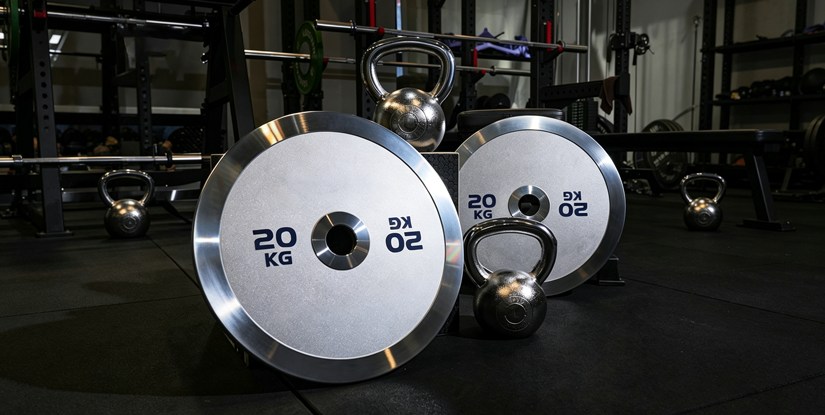
Depending on your specific MOQ and distribution model, you may choose between standardized stock items or fully customized production runs. For those seeking a high-margin distributor advantage, integrating custom branding through an OEM partnership allows you to build a unique market presence while leveraging professional manufacturing precision. We suggest contacting your supplier to discuss specific packaging requirements, custom branding options, or to request a detailed shipping volume estimate for your next procurement cycle.
China Factory Sourcing: MOQ and Production Lead Times
Managing inventory levels for a commercial gym requires precise coordination between order volume and delivery schedules. When engaging in olympic plate wholesale, professional buyers must account for how much the MOQ impacts the total lead time. For high-volume bulk orders, a China factory typically requires a structured production scheduling window to ensure both material availability and rigorous quality control standards are met before export.
A common challenge for distributors is the trade-off between rapid restocking and cost-effective sourcing. While smaller batches allow for quicker turnaround, larger bulk orders of commercial weight plates often benefit from optimized production scheduling, which can lower the per-unit landed cost through better container utilization. Understanding these variables allows importers to plan their wholesale cycles without facing unexpected stockouts or inflated shipping expenses.
Production Efficiency and Order Scale Comparison
To assist in your procurement planning, the following table illustrates how different production methods and order scales influence the final supply chain variables. Selecting the right tier of commercial weight plates depends on whether your priority is immediate stock availability or long-term margin optimization through bulk olympic plates procurement.
| Production Tier | Primary Material | Manufacturing Process | Key Component/QC Point | Typical MOQ | Impact on Landed Cost |
|---|---|---|---|---|---|
| Standard Commercial | Cast Iron | Sand Casting & Powder Coating | Surface Coating Adhesion | Low to Medium | Base Rate |
| Premium Professional | Steel or High-Grade Rubber | CNC Machining & Vulcanization | Bore Concentricity | Medium to High | Moderate Increase |
| Custom OEM/ODM | Specialized Steel/Polyurethane | Precision Molding & Multi-stage Finishing | Logo/Brand Embossment | High | Optimized for Scale |
When navigating olympic plate wholesale, we recommend reviewing these specifications with your supplier to ensure alignment with your brand identity. For clients seeking highly specific technical requirements or custom branding, our OEM and ODM services provide the flexibility to move beyond standard stock items. We suggest requesting a detailed spec sheet or a sample evaluation to confirm that the weight tolerance and surface finish meet your local market standards before finalizing a large-scale purchase. Contact our team to confirm current MOQ requirements and book a pre-shipment inspection for your next container.
Optimizing Quality Assurance and Customization Capabilities
To maintain long-term distributor margins, a professional olympic plate manufacturer must implement a rigorous multi-stage inspection sequence. Relyity in the wholesale market is built on consistency, which is why high-tier production lines prioritize specific technical checkpoints. A reliable supplier will typically conduct weight calibration and bore concentricity checks at multiple stages—from the initial casting and machining to the final surface finishing—to ensure every unit meets professional standards.
For importers looking to build brand equity, leveraging OEM and ODM capabilities is essential for differentiation. Beyond standard casting, advanced manufacturers can offer specialized processes such as precision CNC machining for the center bore or custom rubber/polyurethane molding for bumper-style plates. This technical versatility allows you to transition from purchasing generic stock to offering a specialized product line under your own brand identity. When planning your sourcing strategy, we recommend a thorough pre-shipment inspection. This process should focus on critical components such as coating adhesion, surface flatness, and the precision of the Olympic collar fit to prevent common failure modes during transit or heavy commercial use.
Custom Branding and OEM/ODM Capabilities for Distributors
Distributors looking to scale their market presence often face the challenge of generic inventory that fails to build long-term brand equity. Transitioning from a mere reseller to a recognized name requires more than just standard stock; it requires a distinct identity. Through professional olympic plate wholesale solutions, importers can leverage OEM and ODM services to move beyond generic products and establish a premium market position.
A high-tier China factory can transform standard commercial weight plates into proprietary assets by integrating custom branding directly into the manufacturing workflow. This is not limited to simple stickers; professional private label production involves permanent logo embossing on the cast iron or steel surface, ensuring the brand remains intact throughout the product lifecycle. For distributors targeting high-end studio aesthetics, color customization through advanced powder coating or specialized liquid finishes allows for a cohesive, branded look that differentiates your catalog from budget competitors.
Utilizing these bulk olympic plates customization options allows procurement leads to control the visual and tactile quality of their inventory. Whether you require specific color-coded weight increments for rapid identification or a specialized finish to match a specific gym aesthetic, the ability to direct the factory on brand identity elements is a critical lever for increasing your end-user loyalty and long-term distributor margins.
Technical Comparison of Branding and Finishing Tiers
Selecting the correct finish for your olympic plate wholesale order involves balancing aesthetic requirements with long-term durability. For professional distributors, the choice between a basic finish and a high-end coating significantly impacts the landed cost and the perceived value of your commercial weight plates in the domestic market. Below is a technical breakdown of common branding and finishing options available through a specialized olympic plate manufacturer to assist in your procurement planning.
| Branding/Finishing Method | Material & Process | Visual Impact | Durability Profile | Typical MOQ Impact |
|---|---|---|---|---|
| Raised Cast Logo | Gray iron with sand casting | Classic/Traditional | High (Permanent) | Standard |
| Color-Coded Powder Coating | Steel/Iron with powder coating line | Modern/Premium | High (Chip-resistant) | Higher |
| Vinyl/Rubber Encapsulation | Steel core with molding/dip | High-end/Clean | Moderate (Impact-resistant) | High |
| Standard Paint/Enamel | Cast iron with surface coating | Budget/Utility | Basic (Standard wear) | Low |
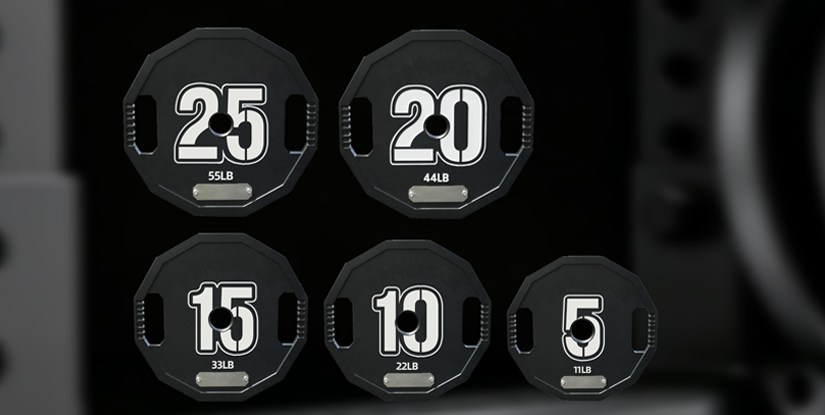
When sourcing bulk olympic plates, it is essential to verify how the branding method interacts with the surface treatment. For example, a raised embossed logo provides a permanent brand mark that survives high-volume usage in commercial settings, whereas a color-coded powder coating offers superior floor protection and a high-tier aesthetic. We recommend requesting a sample evaluation to inspect the coating adhesion and the precision of the logo embossing before finalizing your wholesale contract. This ensures that your custom branding meets the strict durability standards required by your target gym operators and distributors.
Precision in Production and Export Readiness
To ensure long-term reliability, high-tier olympic plate wholesale orders must undergo a rigorous technical sequence. The process begins with precision CNC machining to refine the central bore, ensuring a perfect Olympic collar fit and concentricity. This stage is critical for preventing uneven weight distribution or wobbling during high-intensity use. Following the machining stage, the plates move to the surface treatment line where coating adhesion is tested. Whether applying a heavy-duty powder coating or a specialized rubber dip, the finish must withstand frequent impact without chipping or peeling, which protects the underlying metal from oxidation.
Before any container is loaded, a comprehensive pre-shipment QC protocol is executed by the factory. This inspection includes weight tolerance spot-checks, visual inspection of the logo embossing, and testing the smoothness of the bore edges. Once cleared, the units are secured using professional export packaging—typically involving reinforced pallets and heavy-duty corrugated boxing—to minimize movement and prevent damage during sea freight. For distributors, understanding these final lead time and packaging requirements is vital for accurate inventory planning and managing the total landed cost of your commercial weight plates. We suggest confirming the specific export packing dimensions during your initial quote request to optimize your shipping container utilization.
Pre-Shipment Quality Control and Export Packaging Standards
Maintaining consistent weight accuracy and preventing structural defects is the primary challenge for importers sourcing olympic plate wholesale orders. Even with a reliable China factory, the transition from production to long-haul maritime transit introduces risks such as dimensional shifts or surface degradation. Professional distributors must implement rigorous protocols to ensure that commercial weight plates arrive at the destination in the exact condition promised by the supplier.
Effective pre-shipment inspection protocols focus on three critical pillars: weight tolerance validation, bore concentricity, and coating adhesion. In many commercial settings, a typical weight tolerance check involves spot-checking a randomized percentage of the bulk olympic plates to ensure they meet the specified grade. Furthermore, inspectors verify that the center bore is perfectly centered to prevent uneven wear on barbell sleeves during heavy usage. Without these controls, the landed cost of a shipment increases due to replacement claims and client dissatisfaction.
To mitigate the high risks of transit-related damage, specialized export packaging is mandatory for high-volume B2B shipments. Standard palletization often fails to protect the edges of cast iron or the integrity of rubber coatings during sea freight. High-tier manufacturers utilize reinforced wooden crates or heavy-duty corrugated dividers to provide maximum stability. This level of shipping damage prevention ensures that the commercial weight plates remain secure and undamaged, preserving the distributor's profit margins and professional reputation.
Beyond standard assembly, a professional olympic plate manufacturer must execute specific technical checks to ensure long-term durability in high-traffic environments. During the final QC stage, technical teams typically prioritize weight calibration and surface integrity. This involves verifying the thickness of the powder coating or the bond line of the rubber encapsulation to ensure high coating adhesion. If the coating is prone to chipping or peeling under stress, the long-term maintenance load for the gym owner increases, negatively impacting the total cost of ownership.
For large-scale wholesale orders, the logistics of moving heavy steel and iron requires more than basic boxing. To withstand the rigors of sea freight durability requirements, we utilize reinforced palletizing methods. This includes the use of heavy-duty heat-treated wooden pallets, corner protectors, and industrial-grade shrink wrapping to prevent shifting during ocean transit. By optimizing the container loading density and securing the weight distribution, we minimize the risk of structural impact damage. For distributors managing high-volume sourcing, these standardized export protocols ensure that the bulk olympic plates arrive at the warehouse ready for immediate commercial deployment without the need for costly returns or replacement-related delays.
Tier-Based Comparison of Product Specifications and Logistics
Selecting the right grade of equipment involves balancing initial capital expenditure with long-term durability. A professional olympic plate manufacturer provides various tiers to suit different business models, from budget-friendly retail distribution to high-end professional facility supply. Understanding these qualitative differences is essential for calculating your total landed cost and projected maintenance cycles.
| Material Tier | Coating Type | QC Focus Point | Packaging Standard | Shipping Risk Level |
|---|---|---|---|---|
| Standard Cast Iron | Black Paint or Enamel | Surface Smoothness | Standard Corrugated Box | Moderate |
| Commercial Grade | Powder Coating | Coating Adhesion | Reinforced Carton + Pallet | Low |
| Premium Bumper/PU | Polyurethane/Rubber | Bore Concentricity | Heavy-Duty Wooden Crate | Minimal |
When managing olympic plate wholesale procurement, we recommend matching the tier to your specific market segment. For instance, a China factory producing premium PU-coated plates will typically implement stricter pre-shipment inspection protocols regarding the bond line between the internal steel and the outer coating. While the initial wholesale price for standard cast iron is lower, the long-term maintenance load for a high-traffic facility may be higher compared to more durable, high-spec options.
For distributors seeking to optimize their inventory, we suggest reviewing the technical spec sheets for each tier to confirm compatibility with your local warehousing capabilities and target customer needs. We invite you to contact our team to request a formal quote, confirm current MOQ requirements, or discuss OEM customization options for your brand identity.
Strategic Procurement of Olympic Plate Wholesale Goods
Securing a reliable olympic plate wholesale partnership requires moving beyond simple price comparisons to evaluate total landed cost and long-term durability. For distributors and gym equipment importers, sourcing directly from a China factory ensures access to high-volume production capacities and specialized OEM capabilities that local traders often cannot match. A successful sourcing strategy must balance initial bulk pricing with the technical requirements of high-traffic commercial environments.
When evaluating commercial weight plates, procurement professionals must assess the manufacturing consistency of the weight distribution and the resilience of the surface finish. Selecting the right supplier involves verifying how the factory handles MOQ requirements for customized branding and how they manage the complexities of international export logistics to ensure your inventory arrives on time and within specification.
Professional buyers often face the challenge of inconsistent weight tolerances and substandard coating adhesion when ordering bulk olympic plates. These issues lead to increased maintenance costs and diminished brand reputation for distributors. By establishing a direct relationship with an olympic plate manufacturer, you gain transparency into the production sequence—from the initial sand casting of the iron to the final calibration and export-ready packaging—minimizing the risks associated with large-scale imports.
Pre-Order Readiness Checklist for Professional Buyers
Before finalizing your next large-scale order, ensure your procurement documentation and technical requirements are aligned with the specific capabilities of your olympic plate manufacturer. A structured approach to the inquiry stage reduces friction and optimizes the transition from sample approval to full-scale production. A professional distributor should verify these four critical pillars to ensure a seamless import process.
First, confirm the specific requirements for custom branding, including the desired depth for embossed logos or the placement of color-coded paint markers. Second, validate that the production lead time aligns with your warehouse replenishment cycles, accounting for both manufacturing duration and international transit. Third, clarify the logistics and export packaging standards, ensuring that palletization and container loading configurations are optimized to minimize breakage and reduce the overall landed cost. Finally, establish clear protocols for bulk olympic plates inspection, such as requesting a pre-shipment weight tolerance spot-check or a coating adhesion test to ensure the units meet your commercial standards before they depart the factory.
Once your technical specifications and shipping protocols are defined, you are ready to request a formal quote. Contact us to discuss your specific MOQ, explore OEM customization options, or request a detailed spec sheet for your upcoming inventory replenishment.
Finalize Your Procurement Strategy
Moving from initial research to active sourcing requires a clear understanding of how to validate a partner's capacity. To ensure the highest level of quality control, we recommend that professional buyers initiate a formal sample evaluation phase. This allows your technical team to inspect the material density, the quality of the olympic plate manufacturer finish, and the precision of the center bore before committing to a full-scale order.
For distributors requiring high levels of customization, our OEM and ODM services are designed to support your unique brand identity through precision casting and professional marking. Whether you are looking to establish a private label line or need to expand your existing inventory of commercial weight plates, we provide the technical documentation and production transparency necessary for a confident partnership. We invite you to reach out to confirm your specific MOQ, discuss container loading optimization, or schedule a virtual factory audit to verify our production standards firsthand.