Olympic Weight Plate Supplier: Private Label OEM Factory
Optimizing High-Traffic Gym Layouts with Reliable Olympic Weight Plate Supplier Solutions
A professional olympic weight plate supplier provides standardized, high-durability weight sets essential for maintaining efficient training flows in large-scale facilities. For distributors and gym owners, sourcing from a specialized commercial gym equipment manufacturer ensures that every unit meets the rigorous demands of high-volume throughput and long-term facility management.
In high-traffic gym environments, the lack of standardization in weight increments can lead to significant operational friction. When lifters must search for specific weights or deal with inconsistent plate thicknesses, it disrupts the training rhythm and reduces the overall user experience. Professional procurement teams prioritize wholesale olympic weight plates to ensure uniformity across all lifting stations. This consistency is vital for space efficiency, as standardized plate diameters and compatible storage solutions allow for more compact, organized barbell stations, maximizing the usable square footage of a commercial facility.
Furthermore, sourcing custom branded weight plates allows facility operators to reinforce their brand identity while maintaining strict professional standards. By working directly with a factory, buyers can align their equipment specifications with their specific facility needs—whether that involves high-density cast iron for traditional strength zones or impact-absorbing bumper plates for functional training areas. This strategic approach to sourcing minimizes long-term maintenance costs and ensures that the equipment can withstand the heavy use typical of professional commercial settings.
Material Selection and Durability Comparison for Commercial Environments
Selecting the appropriate material grade is a critical decision for procurement managers balancing initial capital expenditure against long-term total cost of ownership (TCO). Depending on the training zone—whether it is a high-impact functional area or a traditional heavy lifting platform—the choice between cast iron and coated alternatives will impact both floor longevity and equipment replacement cycles.
For strength-focused facilities, cast iron remains the industry standard due to its density and cost-efficiency. However, for facilities emphasizing functional training or high-volume drop sets, rubber or polyurethane (PU) coated plates are essential to mitigate impact noise and prevent structural damage to the flooring. When negotiating with a supplier, buyers should evaluate the specific coating adhesion and the quality of the internal hub to ensure long-term durability under heavy use.
| Material Type | Surface Finish/Coating | Primary Manufacturing Process | Key Commercial Benefit | Floor Protection Level | Typical Sourcing Use Case |
|---|---|---|---|---|---|
| Cast Iron | Powder Coating or Enamel | Sand Casting and Machining | High density and low cost | Low (Requires platform) | Traditional Weight Rooms |
| Rubber Bumper | Rubber Molding or Dip | Compression Molding | High impact absorption | High (Protects flooring) | Crossfit and Functional Zones |
| Polyurethane (PU) | PU Encapsulation | Injection or High-Grade Molding | Extreme durability and color retention | Very High | Premium Boutique Studios |
When conducting a factory audit or reviewing technical spec sheets, procurement leads should focus on the thickness consistency and the quality of the central steel hub. High-quality custom branded weight plates often feature precision-machined inner rings to ensure a smooth fit on Olympic barbells, reducing the risk of bearing wear. For large-scale distributors, verifying the weight tolerance through a pre-shipment QC process is a vital step in ensuring that bulk orders meet the exact specifications required for professional competition or commercial training standards.
Maintaining consistent weight accuracy is a primary concern for professional procurement leads when managing large-scale gym deployments. A reliable olympic weight plate supplier must implement rigorous calibration protocols to ensure that every unit within a bulk order adheres to strict commercial-grade tolerances. Inconsistent weight distribution or diameter variations can lead to uneven barbell loading, which increases the risk of equipment wear and user dissatisfaction in high-traffic environments.
To mitigate these risks, a professional China factory utilizes a structured manufacturing sequence: starting with high-grade sand casting or centrifugal casting, followed by precision machining of the central hub, and concluding with specialized surface treatments. For wholesale orders, the quality of the surface coating—whether it be a multi-layer powder coating or a high-grade polyurethane encapsulation—is a critical metric. Buyers should verify the coating adhesion capabilities to ensure the finish does not chip or peel under the mechanical stress of heavy daily use.
Beyond material integrity, the branding and finishing processes are essential for high-end facility aesthetics. When requesting custom branded weight plates, procurement managers should specify the method of logo application, such as deep-relief embossing or high-durability silk-screen printing. These methods ensure that the brand identity remains intact even after years of heavy impact. Additionally, a comprehensive pre-shipment QC process should include a weight tolerance spot-check and a concentricity check to guarantee that the plates remain balanced during high-velocity movements.
Efficient logistics management is equally vital for minimizing landed costs and maintaining project timelines. When negotiating with an supplier, it is standard practice to confirm the MOQ, expected lead time, and export packaging specifications. High-quality export packaging—often involving reinforced corner protection and heavy-duty cartons—is necessary to prevent damage during sea freight and to ensure the product arrives in a condition ready for immediate deployment. For distributors looking to optimize their inventory, understanding these production and shipping cycles is key to maintaining a stable supply chain.
Material Specifications and Casting Processes for Commercial Grade Plates
Selecting a reliable olympic weight plate supplier requires a deep understanding of how raw materials and manufacturing precision impact long-term durability and landed cost. For distributors and gym owners sourcing in bulk, the structural integrity of the plate is the primary defense against high replacement rates and customer dissatisfaction. High-volume wholesale olympic weight plates must undergo rigorous manufacturing to ensure they meet the physical demands of high-traffic commercial environments.
Most high-quality units in the global market rely on cast iron or gray iron as the core material. This material is favored by a professional commercial gym equipment manufacturer because of its density and cost-effectiveness for large-scale deployments. The production typically begins with sand casting, a process where molten metal is poured into a sand mold. This method is industry-standard for producing the heavy, durable shapes required for commercial-grade plates. Proper sand casting ensures the plate maintains a consistent density, which is vital for maintaining a stable weight tolerance across a full set.
Beyond the initial pour, the engineering process involves several critical stages to ensure the product is fit for professional use. After the casting phase, the plates undergo machining to refine the center hole and ensure concentricity. This step is crucial for preventing wobbling during high-speed movements. Following the shaping, the plates move to a surface finishing stage, such as a powder coating line or a phosphate treatment, to prevent oxidation and improve aesthetic longevity. A reputable China factory will implement a structured sequence: casting, machining, coating, and finally, a weight calibration check to ensure the finished product aligns with the specified weight class.
| Material Type | Primary Process | Key Component/Detail | Commercial Duty | Sourcing Consideration |
|---|---|---|---|---|
| Cast Iron | Sand Casting | Machined Center Hole | Standard Commercial | High durability, low cost |
| Steel | Forging/Machining | Precision Inner Ring | Premium/Competition | Higher MOQ, higher cost |
| Rubber Coated | Molding/Dip | Encapsulation Layer | High-Impact/Noise Reduction | Floor protection focus |
When managing custom branded weight plates, buyers should inspect the logo plate or embossed area during the pre-shipment phase. A well-executed OEM order will feature crisp, legible branding that is integrated into the casting itself, rather than just a superficial sticker. For large-scale sourcing projects, we recommend requesting a sample to evaluate the coating adhesion and the smoothness of the weight marking before proceeding with full container production.
Material Selection and Coating Durability for High-Volume Procurement
For procurement officers evaluating the total cost of ownership (TCO), the choice between surface finishes is a critical decision. A high-tier olympic weight plate supplier understands that the exterior layer dictates both the maintenance load and the lifespan of the equipment in a commercial facility. While the core material provides the weight, the coating determines how the product reacts to moisture, friction, and high-frequency usage.
In many commercial settings, powder coating is the industry-standard choice for cast iron plates due to its excellent adhesion and resistance to chipping. This process provides a robust barrier that protects the metal from oxidation and ensures the custom branded weight plates maintain a premium appearance over several years. For facilities prioritizing noise reduction and floor preservation, urethane or rubberized coatings are often preferred. These high-density layers absorb kinetic energy during impact, reducing the wear on both the plates and the gym flooring.
When managing bulk wholesale olympic weight plates orders, it is essential to consider how these finishes affect shipping and storage. While urethane provides superior impact protection, it may involve different MOQ requirements compared to standard painted iron. We recommend that distributors verify the coating adhesion and surface consistency during the factory audit to ensure that the finished goods can withstand the rigors of international transit and long-term commercial deployment.
Comparing Material Grades and Commercial Duty Tiers
Selecting the right olympic weight plate supplier requires a deep understanding of how material composition directly impacts your long-term Total Cost of Ownership (TCO). For distributors and gym operators, the initial unit price is only one part of the equation; the true cost includes replacement frequency, floor maintenance, and equipment longevity. When sourcing from a China factory, understanding the distinction between standard casting and premium coatings is essential for managing depreciation and maintenance budgets.
In high-traffic commercial environments, the choice between bare iron, powder coating, and advanced polymers determines how often your staff must perform maintenance or replace damaged units. A professional commercial gym equipment manufacturer will offer various tiers to help you balance upfront CAPEX with long-term durability requirements.
| Material Tier | Primary Coating | Typical Process | Commercial Durability | Maintenance Profile |
|---|---|---|---|---|
| Standard Cast Iron | Phosphate or Paint | Sand Casting | Moderate (High impact wear) | Requires occasional rust prevention |
| Premium Commercial | Powder Coating | Casting + CNC Machining | High (Impact resistant) | Low; stable surface finish |
| Professional Bumper | Rubber or Urethane | Compression Molding | Maximum (Shock absorption) | Minimal; protects flooring |
For large-scale deployments, procurement leads often prioritize custom branded weight plates that utilize high-grade polyurethane or thick rubber encapsulation. While these options may involve a higher MOQ or a different lead time compared to basic iron plates, the reduction in floor damage and noise pollution significantly improves the ROI for premium fitness facilities. When negotiating with a supplier, always request specific details regarding the coating adhesion and the thickness of the outer layer to ensure the wholesale olympic weight plates you receive meet your facility's durability standards.
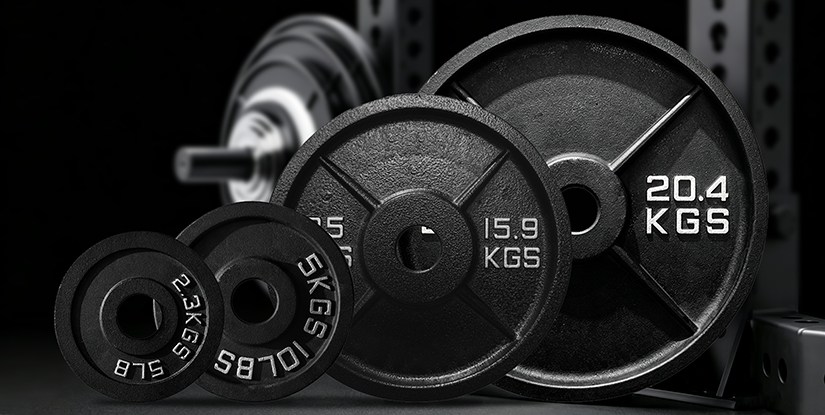
| Material Tier | Primary Coating | Manufacturing Process | Key Component/QC Point | Commercial Duty | Sourcing Advantage |
|---|---|---|---|---|---|
| Standard Cast Iron | Phosphate or Paint | Sand Casting | Base Flatness | Budget/Entry-Level | Low landed cost for high-volume stock |
| Premium Commercial | Powder Coating | Casting + CNC Machining | Coating Adhesion | High-Traffic Gyms | Balanced durability and aesthetic appeal |
| Professional Bumper | Rubber or Urethane | Compression Molding | Internal Filler/Hub | Premium/Competition | Maximum floor protection and longevity |
Navigating these tiers is critical when managing procurement for diverse facility types. For example, a budget-conscious distributor might opt for standard cast iron to maintain a competitive retail margin, whereas a high-end studio developer would prioritize the shock absorption of urethane-encapsulated plates to protect expensive flooring. When you engage with a professional olympic weight plate supplier, ensure you clarify the specific manufacturing route—such as whether the plates undergo secondary CNC machining for better concentricity or if the coating is a simple dip. This level of detail prevents unexpected replacement costs and ensures your wholesale olympic weight plates order aligns with the expected lifecycle of your commercial installation.
Custom Branded Weight Plates: OEM and ODM Capabilities
For distributors and global fitness brands, transitioning from generic stock to a proprietary product line is a critical step in increasing market value. Partnering with a professional olympic weight plate supplier allows you to move beyond simple sourcing to true brand building. Through advanced OEM and ODM services, a China factory can transform standard weight increments into high-margin, signature products that reflect your unique brand identity.
The strategic advantage of working with a dedicated commercial gym equipment manufacturer lies in the ability to control every technical detail. Whether you are looking to produce high-durability cast iron plates for rugged strength facilities or premium PU-coated bumper plates for boutique studios, the customization process ensures your brand stands out in a crowded market. By managing the sourcing process directly with the factory, you can optimize your landed cost while maintaining strict control over product differentiation.
Technical Customization and Material Selection
The foundation of high-quality custom branded weight plates starts with the core material and the manufacturing route. Depending on your target market—whether it is a budget-friendly commercial gym or a high-end performance center—the choice between cast iron and advanced polymers will significantly impact your wholesale margins and product durability.
Commonly, professional buyers select between traditional gray iron casting for classic aesthetics or high-density polyurethane (PU) for modern, impact-resistant bumper plates. During the OEM process, we offer various surface treatments and branding techniques to ensure your logo remains intact through heavy commercial use. This includes deep-mold embossing, where the logo is part of the casting itself, or precision silk-screen printing for color-coded weight identification.
| Material | Coating/Finish | Process | Key Component/Branding | Commercial Duty | MOQ Impact |
|---|---|---|---|---|---|
| Cast Iron | Powder Coating | Sand Casting | Embossed Logo | Standard Commercial | Low |
| Gray Iron | Enamel/Paint | Machining | Silk-screen Marking | Budget/Entry-Level | Low |
| Steel Hub/PU | Polyurethane | Injection Molding | Integrated Logo Plate | Premium/High-End | Moderate |
| Rubber/Vinyl | Dip Coating | Encapsulation | Color-coded Rim | Bumper/Crossfit | Moderate |
Precision Manufacturing and Technical Execution
Achieving consistency in large-scale production requires a rigorous technical workflow. A professional olympic weight plate supplier must manage a sequence that moves from raw material casting to final calibration to ensure every unit meets international commercial standards. For distributors, the risk of receiving uneven or improperly weighted batches can lead to high return rates and damaged brand reputation. To mitigate this, a high-tier commercial gym equipment manufacturer utilizes a systematic production line: starting with sand casting or centrifugal casting for the core, followed by CNC machining to refine the inner diameter, and concluding with specialized surface treatments such as powder coating or polyurethane encapsulation.
The most critical stage for B2B buyers to monitor is the weight calibration and pre-shipment QC. During the manufacturing process, weight variations are typically managed through precision machining and density control. A reliable factory does not rely on luck; instead, they implement a weight tolerance spot-check to ensure that each plate falls within the industry-standard deviation. This level of control is vital when managing bulk orders where even a minor cumulative error across a container can lead to significant discrepancies in total shipment weight and landed cost.
Beyond the core weight, the durability of the custom branded weight plates depends on the quality of the secondary components and finishes. For example, when producing bumper plates, the adhesion of the rubber or PU coating to the internal steel hub must be verified to prevent delamination under heavy impact. During the pre-shipment inspection, professional procurement leads should request a review of the coating adhesion, the concentricity of the inner ring, and the clarity of the branded markings. By verifying these technical specifications before the container is sealed, importers can ensure their wholesale orders arrive ready for immediate deployment in high-traffic commercial environments.
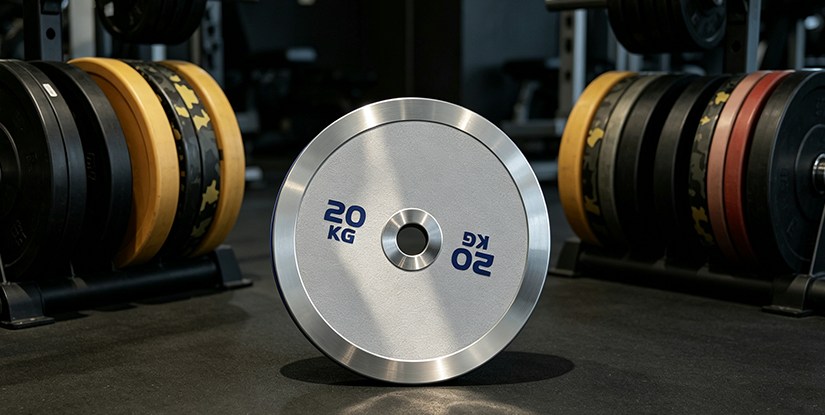
China Factory QC Standards and Export Packaging Protocols
For distributors and large-scale gym operators, the final landed cost of a shipment is heavily influenced by the quality of the pre-shipment inspection and the robustness of the export packaging. Relying on an inexperienced olympic weight plate supplier often leads to high replacement costs due to weight discrepancies or surface damage upon arrival. A professional commercial gym equipment manufacturer prioritages standardized quality control to protect your margins and brand reputation.
The primary logistics risk in heavy iron or bumper plate shipments is the deformation of the outer rim or the chipping of the coating during sea freight. To prevent this, we implement a multi-stage verification process. This starts with a strict weight tolerance check during the calibration phase, ensuring that every unit in a wholesale order meets the specified commercial grade. Following calibration, plates undergo a surface inspection to check for casting defects or coating adhesion issues before being moved to the packing line.
Effective sourcing requires more than just finding a low price; it requires ensuring that custom branded weight plates arrive in a condition that allows for immediate retail or facility deployment. Our factory utilizes reinforced palletizing and heavy-duty edge protectors to secure the load within the container. This systematic approach to QC and packaging minimizes the need for after-sales claims and ensures that your OEM production remains profitable and reliable.
For distributors and large-scale gym operators, the final landed cost of a shipment is heavily influenced by the quality of the pre-shipment inspection and the robustness of the export packaging. Relying on an inexperienced olympic weight plate supplier often leads to high replacement costs due to weight discrepancies or surface damage upon arrival. A professional commercial gym equipment manufacturer prioritizes standardized quality control to protect your margins and brand reputation.
The primary logistics risk in heavy iron or bumper plate shipments is the deformation of the outer rim or the chipping of the coating during sea freight. To prevent this, we implement a multi-stage verification process. This starts with a strict weight tolerance check during the calibration phase, ensuring that every unit in a wholesale order meets the specified commercial grade. Following calibration, plates undergo a surface inspection to check for casting defects or coating adhesion issues before being moved to the packing line.
Effective sourcing requires more than just finding a low price; it requires ensuring that custom branded weight plates arrive in a condition that allows for immediate retail or facility deployment. Our factory utilizes reinforced palletizing and heavy-duty edge protectors to secure the load within the container. This systematic approach to QC and packaging minimizes the need for after-sales claims and ensures that your OEM production remains profitable and reliable.
For distributors and large-scale gym operators, the final landed cost of a shipment is heavily influenced by the quality of the pre-shipment inspection and the robustness of the export packaging. Relying on an inexperienced olympic weight plate supplier often leads to high replacement costs due to weight discrepancies or surface damage upon arrival. A professional commercial gym equipment manufacturer prioritizes standardized quality control to protect your margins and brand reputation.
The primary logistics risk in heavy iron or bumper plate shipments is the deformation of the outer rim or the chipping of the coating during sea freight. To prevent this, we implement a multi-stage verification process. This starts with a strict weight tolerance check during the calibration phase, ensuring that every unit in a wholesale order meets the specified commercial grade. Following calibration, plates undergo a surface inspection to check for casting defects or coating adhesion issues before being moved to the packing line.
Effective sourcing requires more than just finding a low price; it requires ensuring that custom branded weight plates arrive in a condition that allows for immediate retail or facility deployment. Our factory utilizes reinforced palletizing and heavy-duty edge protectors to secure the load within the container. This systematic approach to QC and packaging minimizes the need for after-sales claims and ensures that your OEM production remains profitable and reliable.
Sourcing Wholesale Olympic Weight Plates: MOQ and Lead Time Management
Managing a stable supply chain requires a reliable olympic weight plate supplier who understands the balance between production capacity and logistics. For distributors and warehouse operators, the primary challenge is not just finding a factory, but managing the MOQ and lead time to protect profit margins. Efficiently sourcing wholesale olympic weight plates involves coordinating production cycles with shipping schedules to maintain high inventory turnover without overextending capital.
When sourcing from a China factory, procurement professionals must calculate the total landed cost, which includes the base unit price, freight, and any OEM customization fees. A well-managed sourcing strategy accounts for the time required for material preparation, casting, and specialized surface finishing. For example, custom branded weight plates involving complex recessed logos or specialized PU coated layers may require a longer lead time than standard stock items. By understanding these variables, commercial gym equipment manufacturer partners can optimize their order frequency to ensure consistent stock availability for their local markets.
Comparing Procurement Models: Stock vs. Custom OEM
Selecting the correct procurement route is a critical decision for distributors aiming to optimize their market positioning. A professional olymptic weight plate supplier typically offers two distinct paths: purchasing ready-to-ship stock or engaging in a full-scale OEM or ODM partnership. While stock orders provide the fastest turnaround for immediate inventory needs, customized manufacturing allows for greater brand differentiation and long-term market control.
The following table outlines the strategic differences between these models to assist in your sourcing decision-making process:
| Procurement Model | Material & Finish Options | Customization Depth | Typical MOQ Impact | Primary Business Use |
|---|---|---|---|---|
| Standard Stock | Standard gray iron or basic black paint | Minimal (standard size/weight only) | Lower; ideal for testing market demand | Rapid replenishment and small-scale distribution |
| OEM / Private Label | Custom PU coated, rubberized, or premium steel | High (recessed logos, custom colors, specific branding) | Higher; requires volume for production efficiency | Building brand identity and long-term retail presence |
| ODM (Full Design) | Specialized alloys or advanced composite materials | Maximum (unique plate shapes or proprietary coatings) | Highest; tied to specific technical specifications | Launching exclusive, high-end commercial product lines |
For buyers looking to maximize their wholesale margins, the factory-direct OEM route is often the most effective for scale. Although the initial lead time for custom branded weight plates may be longer due to the specialized casting and calibration stages, the reduction in per-unit landed cost and the ability to establish a unique market identity provide a significant competitive advantage over those relying solely on generic stock.
| Procurement Model | Material & Finish Options | Customization Depth | Typical MOQ Impact | Primary Business Use |
|---|---|---|---|---|
| Standard Stock | Standard gray iron or basic black paint | Minimal (standard size/weight only) | Lower; ideal for testing market demand | Rapid replenishment and small-scale distribution |
| OEM / Private Label | Custom PU coated, rubberized, or premium steel | High (recessed logos, custom colors, specific branding) | Higher; requires volume for production efficiency | Building brand identity and long-term retail presence |
| ODM (Full Design) | Specialized alloys or advanced composite materials | Maximum (unique plate shapes or proprietary coatings) | Highest; tied to specific technical specifications | Launching exclusive, high-end commercial product lines |
For buyers looking to maximize their wholesale margins, the factory-direct OEM route is often the most effective for scale. Although the initial lead time for custom branded weight plates may be longer due to the specialized casting and calibration stages, the reduction in per-unit landed cost and the ability to establish a unique market identity provide a significant competitive advantage over those relying solely on generic stock. We recommend evaluating your specific sourcing requirements against these tiers to ensure your inventory strategy aligns with both your capital availability and your target market's expectations.