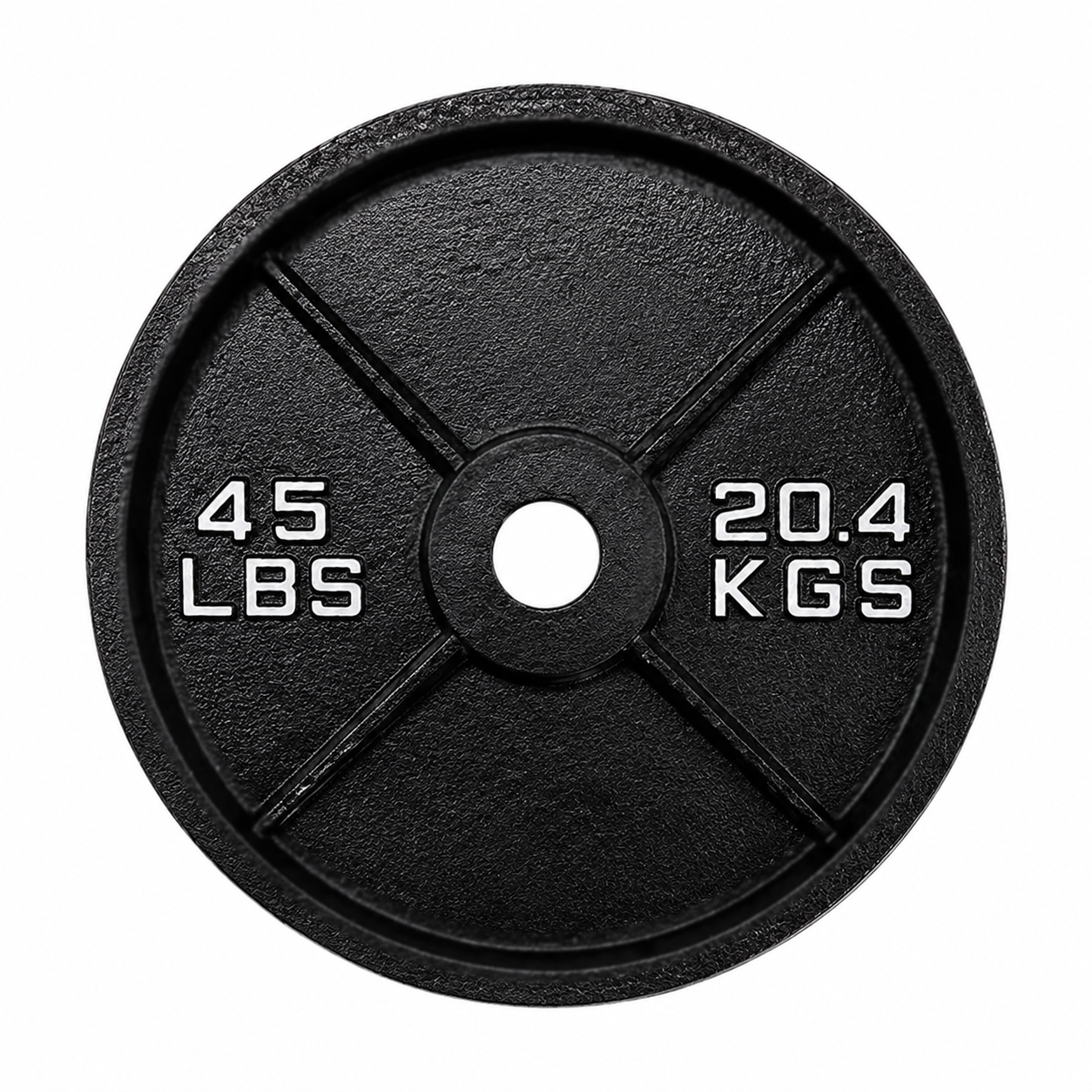
Olympic Weight Plate Wholesale Factory: China Manufacturer
Strategic Sourcing from an Olympic Weight Plate Wholesale Factory
An olympic weight plate wholesale factory provides high-volume, standardized weight increments essential for professional strength training environments. For distributors and gym owners, direct sourcing ensures consistent weight tolerances, optimized landed costs, and the ability to scale inventory through reliable wholesale olympic weight plates production cycles.
Transitioning from small-scale retail purchasing to professional procurement requires a shift in focus toward supply chain stability. When building a large-scale fitness facility or managing a distribution network, relying on a specialized commercial gym equipment supplier allows for better control over product uniformity and long-term durability. Instead of unpredictable retail stock, professional buyers prioritize a China olympic plate manufacturer that can manage complex OEM requests and maintain strict quality standards across massive shipments.
Efficiency in commercial setups is not just about the price per unit, but the total cost of ownership and procurement speed. Utilizing a direct factory model improves procurement efficiency by streamlining the communication between design specifications and final export packaging. Whether you are managing a single high-end studio or a global distribution chain, understanding the scale of operations at the source allows you to better plan for seasonal demand and large-scale facility launches.
Material and Manufacturing Standards for Commercial Durability
The differentiation between budget and professional-grade equipment lies in the metallurgical integrity and the precision of the manufacturing route. A professional olympic weight plate wholesale factory typically employs two distinct production paths depending on the target commercial application: high-density cast iron for traditional strength training or precision-machined steel for high-frequency competition use. For bulk buyers, selecting the correct material is a strategic decision that affects both the initial wholesale cost and the long-term maintenance requirements of the facility.
Standard commercial plates often utilize sand casting followed by a surface finishing stage, such as powder coating or enamel, to prevent oxidation. In contrast, premium units require more intensive machining to ensure concentricity and weight accuracy. When evaluating a supplier, it is essential to understand how the manufacturing process affects the final product's performance in high-traffic environments.
| Material Type | Primary Process | Key Component/Feature | Commercial Duty Tier | MOQ Impact | Factory QC Point |
|---|---|---|---|---|---|
| Cast Iron | Sand Casting & Powder Coating | Enamel or Paint Finish | Budget / Standard Commercial | Low to Moderate | Surface Flatness & Coating Adhesion |
| Rubber/Urethane | Steel Core with Molding/Vulcanization | Protective Outer Layer | Premium / High-Impact Gyms | Moderate to High | Bond Line Adhesion & Layer Thickness |
| Machined Steel | CNC Machining & Calibration | Precision Center Bore | Elite / Competition Grade | High | Weight Tolerance & Concentricity |
For distributors looking to expand their product lines, sourcing these different tiers allows for a diversified inventory that caters to both budget-conscious studios and high-end performance centers. Selecting a China factory that offers both casting and precision machining capabilities ensures that your procurement strategy remains flexible as market demand shifts.
Evaluating Commercial Durability and Material Selection
A strategic sourcing decision relies on matching the material grade to the specific intensity of the target facility. For high-traffic commercial gyms, the choice between a sand casting route and a precision machining route significantly impacts the long-term maintenance load and the landed cost of the inventory. Buyers must evaluate how the manufacturing sequence—from the initial casting to the final surface treatment—affects the durability of the center bore and the longevity of the exterior coating.
When procuring from an olympic weight plate wholesale factory, it is common to encounter different tiers of surface finishes. A standard powder coating provides reliable protection against oxidation in general strength areas, while a specialized rubber or PU molding process offers superior floor protection and noise reduction for premium environments. Understanding these technical nuances ensures that your bulk order meets the specific operational requirements of your clients or facility.
| Material Type | Primary Process | Key Component/Feature | Commercial Duty Tier | MOQ Impact | Factory QC Point |
|---|---|---|---|---|---|
| Cast Iron | Sand Casting & Powder Coating | Enamel or Paint Finish | Budget / Standard Commercial | Low to Moderate | Surface Flatness & Coating Adhesion |
| Rubber/Urethane | Steel Core with Molding/Vulcanization | Protective Outer Layer | Premium / High-Impact Gyms | Moderate to High | Bond Line Adhesion & Layer Thickness |
| Machined Steel | CNC Machining & Calibration | Precision Center Bore | Elite / Competition Grade | High | Weight Tolerance & Concentricity |
To maximize distributor margins, we recommend reviewing the specific production capabilities of your chosen supplier. A versatile China factory can often accommodate OEM specifications for both standard cast iron and high-end molded plates, allowing you to consolidate your shipments and optimize container loading efficiency. Before finalizing a bulk order, always request a sample evaluation to verify the coating adhesion and the precision of the center bore to ensure the product meets your brand's quality expectations.
Material Grades and Production Standards for Commercial Gym Equipment
Sourcing from a professional olympic weight plate wholesale factory requires a deep understanding of how material grades and manufacturing processes impact long-term durability. For distributors and gym operators, the distinction between standard cast iron and high-grade steel or urethane-encapsulated units directly affects the total cost of ownership and replacement cycles. Selecting a reliable commercial gym equipment supplier ensures that the weight tolerances and material integrity meet the rigorous demands of high-traffic training environments.
The engineering of high-performance plates involves complex material transitions, from the initial casting of the core to the final surface treatment. A reputable China olympic plate manufacturer will utilize standardized production sequences—such as sand casting for iron cores or CNC machining for precision steel hubs—to ensure concentricity and balance. Whether you are procuring wholesale olympic weight plates for a boutique studio or a large-scale fitness center, understanding these technical specifications is essential for effective sourcing.
Core Material Selection and Manufacturing Routes
The choice of core material dictates the impact resistance and longevity of the unit. In many commercial settings, cast iron remains the industry standard for high-volume wholesale orders due to its cost-effectiveness and density. However, for premium applications, precision-machined steel or high-density rubber/urethane bumpers are preferred to reduce floor vibration and noise. A professional factory will offer various grades to help buyers balance initial capital expenditure with long-term maintenance requirements.
| Material Type | Primary Process | Key Component/Finish | Commercial Duty Tier | QC Focus Point |
|---|---|---|---|---|
| Cast Iron | Sand Casting | Powder Coating or Enamel | Budget to Standard | Base Flatness & Surface Uniformity |
| Solid Steel | Machining & Forging | Chrome or Galvanized Finish | Premium/Competition | Bore Concentricity & Weight Balance |
| Urethane/Rubber Bumper | Injection Molding/Vulcanization | High-Density Polymer Shell | High-End Commercial | Bond Line Adhesion & Impact Resilience |
When evaluating an olympic weight plate wholesale factory, buyers should inspect the specific manufacturing route used for the center bore. A high-quality supplier will ensure that the hole is precision-machined after the casting process to prevent wobbling on the barbell. This attention to detail in the production sequence—moving from casting to machining and finally to surface coating—is what differentiates a professional-grade product from a lower-tier alternative.
Technical Specifications for Surface Finishes and Durability
The final layer of a weight plate is more than an aesthetic choice; it is a critical factor in the durability of the product and the protection of your facility's flooring. A professional China olympic plate manufacturer typically offers various finishes to suit different commercial environments. For example, a standard powder coating provides a resilient, scratch-resistant layer that is ideal for high-volume weight rooms, while a PU coated finish offers a premium, high-density surface that minimizes noise and impact during heavy drops.
For importers and distributors, the choice between a sand casting base and a machined steel core often depends on the intended use case and the desired weight tolerance. While sand casting is a cost-effective method for producing large volumes of standard plates, precision machining is necessary for competition-grade equipment where balance is paramount. When managing your sourcing strategy, it is vital to confirm which finishing process is applied, as the adhesion of the coating to the core material will determine the long-term maintenance load and the replacement frequency for your clients.
Before finalizing a bulk order, we recommend requesting a sample to evaluate the weight tolerance and the quality of the center bore. A detailed inspection of the coating adhesion and the smoothness of the edges will provide the necessary confidence for large-scale procurement. Whether you are looking for custom branding through an OEM arrangement or standard stock items, confirming these technical specifications upfront will help optimize your landed cost and ensure high product reliability.
Comparing Manufacturing Routes: Cast Iron vs. Machined Steel
When sourcing from an olympic weight plate wholesale factory, procurement professionals must evaluate the trade-off between initial landed cost and long-term replacement cycles. Selecting the appropriate material grade directly impacts your Total Cost of Ownership (TCO) and the long-term durability of your facility's inventory.
A common challenge for distributors is managing the replacement frequency of plates that suffer from weight tolerance drift or surface degradation. While cast iron remains a standard for high-volume wholesale olympic weight plates due to its cost-efficiency, machined steel offers a higher tier of precision for premium commercial settings. Understanding these manufacturing-driven differences ensures your commercial gym equipment supplier provides products that align with your specific market positioning and ROI targets.
| Material Type | Primary Process | Weight Tolerance Profile | Commercial Duty Tier | Procurement Focus |
|---|---|---|---|---|
| Cast Iron | Sand casting and surface finishing | Standard commercial tolerance | Budget to Mid-tier | High volume, low landed cost |
| Machined Steel | CNC machining and calibration | High-precision tolerance | Premium / Competition | Long-term durability and ROI |
For many China olympic plate manufacturer partners, the choice between these two routes depends heavily on your target MOQ and the intended usage environment. A factory specializing in mass-market distribution will typically focus on optimized casting processes to maintain competitive pricing, whereas specialized OEM production for high-end studios may require advanced machining to ensure concentricity and exact weight consistency.
Evaluating the manufacturing route is a critical step in the sourcing process to prevent unexpected maintenance costs. A mismatch between the manufacturing method and the end-user environment can lead to premature surface wear or uneven weight distribution, which negatively affects your brand reputation and distributor margins.
Technical Differentiation in Production and QC
The distinction between casting and machining is not merely about the final appearance, but about the mechanical integrity of the plate. In a professional China factory, the quality of the final product is determined by the precision of the initial molding and the subsequent calibration steps. For example, the concentricity of the center bore is a common failure point in low-quality production, which can cause uneven wear on barbell sleeves.
When you request a sample or a formal quote, we recommend focusing on the following technical benchmarks to ensure the product meets your commercial-grade requirements:
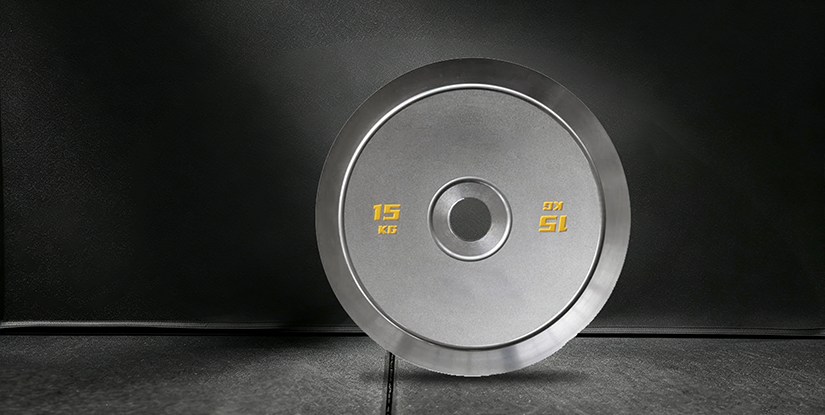
| Material | Manufacturing Process | Key Component/Detail | Commercial Use Case | Sourcing Advantage | QC Focus |
|---|---|---|---|---|---|
| Cast Iron | Sand casting and phosphate treatment | Base flatness and edge smoothness | High-traffic commercial gyms | Optimized for bulk wholesale | Bore concentricity and surface integrity |
| Machined Steel | CNC machining and weight calibration | Precision center bore and thickness | Premium studios and competition | High-end OEM/ODM branding | Weight tolerance and calibration accuracy |
To mitigate procurement risks, we suggest a thorough factory audit or a pre-shipment inspection that specifically targets these technical details. Whether you are looking for a standard stock item or a custom ODM solution, confirming the calibration methods used by your supplier will ensure your landed cost remains low while maintaining high commercial durability.
Optimizing Inventory with a Reliable China Olympic Plate Manufacturer
Directly sourcing from an olympic weight plate wholesale factory allows distributors to bypass the markup of middleman traders, significantly improving the distributor margin on high-volume orders. When you secure a direct commercial gym equipment supplier, you gain better control over the landed cost by managing shipping volumes and MOQ requirements more effectively. This vertical integration ensures that your inventory turnover remains high, as you can react faster to market demand with consistent, high-quality wholesale olympic weight plates.
The primary challenge for large-scale importers is the volatility of product consistency across different batches. Relying on a professional China factory reduces this risk by providing a single point of accountability for both material grade and production standards. Instead of managing multiple vendors, a single factory can handle diverse product lines—from cast iron to premium urethane—ensuring that your warehouse maintains a uniform standard of quality for your end clients.
Material Selection and Commercial Duty Comparison
Selecting the appropriate material profile is a critical decision for procurement leads, as it directly impacts long-term maintenance costs and warehouse storage efficiency. A professional China olympic plate manufacturer typically offers a tiered product range to suit different commercial environments, from high-traffic strength centers to premium boutique studios. Understanding the manufacturing route—from casting to the final coating—is essential for calculating the total cost of ownership and managing potential replacement cycles.
| Material | Coating/Finish | Production Process | Commercial Duty Tier | Logistics/Storage Value |
|---|---|---|---|---|
| Cast Iron | Paint or Powder Coating | Sand casting and machining | Budget/High-Volume | High density; excellent for heavy weight coverage |
| Rubber Coated | Vulcanized Rubber | Steel core with molding | Standard Commercial | Improved floor protection; reduces impact noise |
| Urethane | Polyurethane Encapsulation | Precision casting and molding | Premium/Elite | Highest durability; resistant to cracking and wear |
When evaluating your next batch, consider that while cast iron offers the most competitive wholesale pricing, high-end facilities often demand the impact resistance of urethane. A reliable supplier will provide detailed specifications on the coating adhesion and the thickness of the encapsulation layer to ensure your inventory meets the durability expectations of professional gym operators. We recommend requesting a sample evaluation to confirm the weight tolerance and finish quality before finalizing a large-scale bulk order.
Critical QC and Production Reliability
For distributors managing large-scale shipments, the technical reliability of the manufacturing process is the foundation of brand reputation. A professional olympic weight plate wholesale factory must implement a rigorous production sequence—typically starting with precision casting or steel core preparation, followed by CNC machining to ensure bore concentricity, and finishing with specialized coating applications. Neglecting these steps can lead to uneven weight distribution or premature coating failure, which increases your after-sales service load and undermines your standing as a premium provider.
To mitigate procurement risks, we emphasize strict pre-shipment inspection protocols focused on the most common failure points. A reputable China olympic plate manufacturer will conduct regular weight tolerance spot-checks and verify the adhesion of the powder coating or rubber layer. Furthermore, professional export packaging is non-negotiable; ensuring that plates are secured in heavy-duty, reinforced cartons or specialized crates prevents transit damage and ensures the integrity of the shipment upon arrival at your warehouse. When planning your next procurement cycle, we suggest confirming the specific OEM customization options and the current lead time for your target MOQ to ensure seamless inventory replenishment.
Customization and OEM Capabilities for Global Distributors
Building a distinct brand identity is a critical strategic move for distributors looking to differentiate themselves in a crowded market. When sourcing from a professional olympic weight plate wholesale factory, buyers can move beyond generic stock items to offer specialized product lines. Utilizing OEM and ODM services allows you to control the aesthetic and functional specifications of your inventory, ensuring your offerings align with your specific market positioning.
A high-tier commercial gym equipment supplier provides more than just mass-produced units; they offer the infrastructure for custom branding and private label development. This capability is essential for distributors who wish to transition from a mere reseller to a recognized brand owner. By controlling the visual and material details, you can better serve niche segments, such as high-end boutique studios or heavy-duty strength facilities, while maintaining healthy distributor margins through direct factory-level sourcing.
Customization Tiers and Specification Options
Effective sourcing requires a clear understanding of which customization elements impact the final landed cost and product durability. Most professional China olympic plate manufacturer partners categorize customization into three primary layers: branding, material finish, and structural design. Whether you require a subtle embossed logo on a cast iron plate or a full-color polyurethane coating for a premium bumper plate line, the scope of work typically depends on your MOQ.
For instance, wholesale olympic weight plates can be customized via several manufacturing routes. A common approach for commercial-grade plates involves sand casting the base shape with a recessed area for your brand logo, followed by a specialized surface treatment. Depending on your target market, you might choose a matte powder coating for a modern aesthetic or a high-durability rubber/urethane encapsulation to optimize floor protection and noise reduction in high-traffic commercial environments.
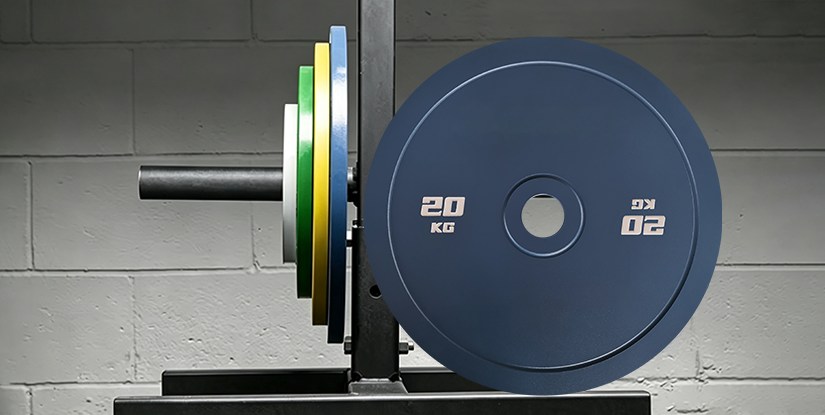
| Customization Tier | Material Base | Branding Method | Typical Finish | Commercial Application |
|---|---|---|---|---|
| Standard Wholesale | Cast Iron | Raised/Recessed Casting | Black Paint or Powder Coat | General Commercial Gyms |
| Premium Private Label | Steel or High-Density Rubber | Precision Molded Logo | Polyurethane (PU) Coating | Boutique Studios & Competition |
| Specialized OEM | Custom Steel/Iron Blend | Metal Logo Plate / Engraving | Chrome or Specialized Enamel | High-End Strength Facilities |
Technical Execution and Production Workflow
Precision is the primary differentiator when evaluating an olympic weight plate wholesale factory for high-end distribution. The manufacturing journey begins with the selection of the core material, typically involving sand casting for cast iron variants or precision CNC machining for steel-core plates. A professional China olympic plate manufacturer must manage several critical stages to ensure that the final product meets the weight tolerance standards required for commercial strength training. The sequence generally progresses from casting to surface preparation, followed by specialized coating and final calibration.
One of the most vital steps in the production of wholesale olympic weight plates is the calibration process. After the initial casting or machining, each plate must undergo a rigorous weight check to ensure consistency across the entire batch. This is followed by the application of the surface finish, such as a multi-layer powder coating or a high-density rubber/PU molding. In many commercial settings, the quality of the coating adhesion and the precision of the center bore are the most frequent points of inspection during pre-shipment QC. A failure in these stages can lead to uneven wear or uneven weight distribution, which increases long-term maintenance costs for the end-user.
For distributors managing complex logistics, understanding how these technical steps influence the lead time and MOQ is essential for accurate inventory planning. While standard stock items offer faster turnover, specialized OEM or ODM orders involving custom molds or advanced materials will naturally require a longer production window to accommodate the casting and curing cycles. When planning your next procurement cycle, we recommend requesting a detailed spec sheet and confirming the specific weight tolerance and coating requirements to ensure the landed cost remains optimized for your target market.
Essential Pre-Shipment QC and Export Packaging Protocols
Securing a reliable olympic weight plate wholesale factory requires more than just verifying material grades; it demands rigorous oversight of the final stages of the supply chain. For distributors and gym owners, the primary risks involve weight inaccuracy and transit damage that can erode profit margins and increase customer returns. A professional commercial gym equipment supplier must implement standardized inspection protocols to ensure every batch meets strict weight tolerance standards before leaving the China factory.
Effective shipping damage prevention starts with specialized export-grade packaging designed for heavy, high-density loads. High-quality wholesale olympic weight plates are typically palletized, shrink-wrapped, and secured within reinforced corrugated boxes or wooden crates to withstand the rigors of international ocean freight. Without these protocols, even premium units can suffer from surface coating abrasions or structural deformation during container loading, directly impacting the landed cost and reliability of your sourcing strategy.
Technical Inspection Points for Bulk Orders
A professional China olympic plate manufacturer maintains strict control over the final production stages to minimize the risk of defective units reaching your warehouse. During the pre-shipment phase, technicians perform a systematic weight calibration to ensure consistency across the entire batch, as even minor deviations can disrupt a distributor's inventory accuracy. Beyond mass, the inspection must focus on the physical integrity of the product. This includes checking the coating adhesion to prevent peeling during heavy use and verifying the concentricity of the center bore to ensure a smooth fit on standard Olympic barbells. A thorough audit of the edge smoothness and surface finish is also standard practice to prevent scratches on high-end barbell sleeves.
To mitigate the high costs associated with transit-related damage, specialized export-grade packaging is a non-negotiable requirement for international wholesale. Because of the extreme density of these products, standard cardboard is insufficient for sea freight durability. We recommend a multi-layered approach: individual plates are often nested or separated by protective dividers, then placed into heavy-duty reinforced boxes. These boxes are then secured onto heavy-duty pallets through a strict palletization process, followed by industrial-strength shrink wrapping and edge protectors. This ensures the load remains stable during container loading and survives the vibrations of ocean transit, protecting your landed cost and ensuring the product arrives in a condition that meets your brand standards.
Standardized Packaging Comparison for Global Distribution
When managing large-scale sourcing projects, understanding the distinction between standard and heavy-duty packaging is vital for protecting your inventory. A professional olympic weight plate wholesale factory will offer tiered packaging options based on your specific logistics requirements and the intended durability of the product line. For high-volume distributors, selecting the correct configuration can significantly reduce the risk of surface damage or structural issues during long-distance ocean freight.
| Product Type | Standard Packaging | High-Durability Export Option | Primary Protection Focus |
|---|---|---|---|
| Cast Iron Plates | Standard Corrugated Box | Reinforced Heavy-Duty Carton + Palletization | Impact resistance and stack stability |
| Rubber Coated Plates | Single Layer Cardboard | Protective Dividers + Multi-Layer Shrink Wrap | Coating adhesion and surface scratch prevention |
| Precision Steel Plates | Thin Protective Sleeve | Custom Molded Foam + Hardened Export Crate | Bore concentricity and precision finish integrity |
Selecting the appropriate tier ensures that your wholesale order arrives ready for immediate retail or commercial deployment. We recommend confirming specific packaging requirements during the OEM or ODM design phase to ensure the container loading plan maximizes volume while maintaining structural integrity. To ensure your specifications are met, please contact us to request a detailed packaging spec sheet or to discuss MOQ-based customization for your upcoming shipment.
Finalizing Your Bulk Procurement and Sourcing Strategy
Moving from product specification to active procurement requires a transition from evaluating technical details to managing supply chain variables. When you identify a qualified olympic weight plate wholesale factory, the focus must shift toward logistical reliability and volume-based scalability. Successful importers do not merely select a product; they validate the China olympic plate manufacturer capability to meet rigorous delivery windows and volume requirements without compromising the landed cost.
To ensure a seamless transition, professional buyers must establish clear protocols for wholesale olympic weight plates orders. This includes confirming the MOQ for custom OEM branding and aligning on the expected lead time for ocean freight-ready containers. A competent commercial gym equipment supplier will provide transparent documentation regarding shipping/logistics, including palletization standards and container loading optimization to maximize your shipping efficiency.
Before finalizing any purchase order, we recommend requesting a formal quote that includes a detailed breakdown of the factory export packaging specifications. This ensures that your sourcing strategy accounts for both product durability and the protection of your margins during international transit.
Final Verification Checklist for Bulk Orders
Mitigating risk during the final stages of procurement is essential to protecting your distributor margins. Before committing to a large-scale purchase, use this checklist to validate the OEM and ODM readiness of your chosen supplier. A lack of rigorous oversight at this stage often results in discrepancies between the initial sample and the bulk shipment, affecting your total landed cost and brand reputation.
- Confirm the specific MOQ for custom logo embossing or specialized color coating requirements.
- Request a detailed technical spec sheet to verify weight tolerance standards and bore concentricity.
- Verify that the factory utilizes standardized export packaging, such as reinforced heavy-duty cartons or heat-treated wooden crates, to prevent transit damage.
- Schedule a formal pre-shipment inspection to audit the final batch against approved samples.
- Confirm that the QC protocols include a visual check of the coating adhesion and the flatness of the plate base.
- Validate the final container loading plan to optimize volume and reduce shipping costs per unit.
By executing these final verification steps, you ensure that your olympic weight plate wholesale factory partnership remains a scalable and reliable component of your supply chain. Proactive communication regarding these technical and logistical benchmarks will minimize post-arrival disputes and maximize the efficiency of your global distribution.
Procurement Model Comparison: Selecting Your Sourcing Path
Choosing the correct procurement model is a critical decision that dictates your long-term distributor margins and brand scalability. Whether you require rapid stock replenishment or a long-term private label partnership, understanding the trade-offs between various sourcing methods is essential for optimizing your total landed cost. The following table compares common B2B engagement models within a professional China factory context.
| Procurement Model | Material & Customization | Primary Focus | Typical MOQ Impact | QC & Branding Control |
|---|---|---|---|---|
| Standard Wholesale | Stock materials (Cast Iron/Steel) | Speed and low initial cost | Low to Moderate | Standardized factory specs |
| OEM Manufacturing | Custom coatings or embossed logos | Building brand identity | Moderate to High | High control over branding |
| ODM Development | Full custom specification/design | Product differentiation | High | Highest technical oversight |
When evaluating an olympic weight plate wholesale factory, your choice should depend on whether your current priority is inventory turnover or market-specific differentiation. A standard wholesale order offers the fastest route to market, whereas an OEM or ODM arrangement allows you to establish a premium tier of equipment under your own label. Regardless of the model, always ensure your supplier provides a clear roadmap for scaling production as your demand increases.