Olympic Weight Plate Trade Supplier: Export Ready China
Olympic Weight Plate Trade Supplier: Sourcing for Commercial Deployment
Navigating the complexities of high-volume procurement requires a strict evaluation of durability risks, technical specifications, and long-term logistics stability. A professional olympic weight plate trade supplier must ensure that every batch meets the rigorous demands of a commercial use scenario, where constant dropping and heavy friction are standard. For importers and distributors, selecting the right China factory is not merely about finding a low unit price, but about securing a partner capable of maintaining consistent material density and surface integrity across large-scale wholesale orders to protect your brand reputation and end-user ROI.
In high-traffic gym environments, the wear and tear on equipment can lead to rapid depreciation if the sourcing quality is substandard. Commercial operators often face the frustration of uneven weight distribution or premature coating degradation, which increases maintenance overhead and diminishes the lifespan of the facility's assets. Effective sourcing strategies prioritize products that offer predictable performance under heavy usage, ensuring that the total cost of ownership remains low despite the high turnover of training sessions in professional strength studios or large-scale fitness centers.
Material Selection and Technical Comparison for High-Traffic Deployment
Selecting the appropriate material architecture is a critical decision for any commercial weight plate manufacturer during the product development or bulk order phase. The choice between traditional cast iron and high-grade synthetic coatings directly impacts the durability of the unit, the maintenance load for the gym operator, and the long-term landed cost of the shipment. For large-scale distribution, understanding the technical trade-offs between density, impact resistance, and surface finish is essential to avoid high replacement rates in professional environments.
When managing a wholesale olympic plates procurement, buyers must distinguish between the structural core and the exterior finish. While cast iron provides a high-density, cost-effective foundation, the application of specialized coatings like polyurethane or high-grade rubber significantly alters the product's behavior during heavy lifts. A professional china fitness equipment export partner will typically offer several tiers of construction to match specific deployment needs, from high-impact bumper styles to precision-machined iron plates for strength-focused facilities.
| Material Base | Surface Coating | Manufacturing Process | Key Component/QC Point | Commercial Duty Tier |
|---|---|---|---|---|
| Gray Iron | Enamel or Paint | Sand Casting & Machining | Base Flatness & Rim Smoothness | Budget/Standard Commercial |
| Cast Iron | Rubber Coating | Molding & Injection | Coating Adhesion & Edge Integrity | Mid-Tier Commercial |
| Solid Steel/PU | Polyurethane (PU) | Centrifugal Casting & PU Molding | Inner Ring Precision & Weight Calibration | Premium/High-Performance |
From a procurement standpoint, the complexity of the manufacturing route—such as transitioning from a simple sand casting to a precision-molded polyurethane finish—will influence both the MOQ and the final lead time. For example, specialized rubber-encapsulated plates require additional molding steps and strict QC regarding the bond between the internal core and the outer layer to prevent delamination. We recommend that buyers request a technical spec sheet or a sample evaluation to confirm that the coating thickness and density meet the specific requirements of your target market before finalizing a large-scale bulk order.
Export Quality Control and Logistics Management
For professional importers, the technical risk of a olympic weight plate trade supplier is most visible during the arrival of a container. Relying on superficial inspections is a common pitality that leads to high replacement costs and damaged distributor margins. To mitigate these risks, a robust china fitness equipment export protocol must include multi-stage verification. This involves checking the weight tolerance of the cast iron core, the concentricity of the inner ring to ensure smooth barbell transitions, and the adhesion strength of the coating under high-impact stress. Without these standardized pre-shipment checks, buyers risk receiving batches with uneven weight distribution or peeling surfaces that fail to meet commercial standards.
Effective wholesale olympic plates management also extends to the final phase of the supply chain: export packaging and container loading optimization. Because weight plates are high-density, heavy-duty goods, improper palletization can lead to structural damage or shipping delays. A reliable commercial weight plate manufacturer utilizes heavy-duty reinforced cartons and optimized pallet layouts to maximize container volume while protecting the product's edges and surface finish. We advise all buyers to confirm the specific packaging dimensions and loading capacity with their supplier to accurately calculate the landed cost and ensure the shipment arrives in a condition ready for immediate commercial deployment.
Managing the balance between MOQ, production capacity, and lead time is essential for maintaining a consistent inventory in a professional gym or distribution warehouse. While specialized or high-end finishes may require longer production cycles due to additional molding or calibration steps, a transparent factory will provide clear timelines for both production and sea freight. Whether you are pursuing an OEM project for custom branding or sourcing standard stock, we recommend initiating a formal inquiry early to secure your production slot and align the delivery schedule with your facility's launch or seasonal inventory needs.
Material Specifications and Manufacturing Processes for High-Volume Orders
Selecting a reliable olympic weight plate trade supplier requires a deep understanding of how material integrity impacts long-term commercial durability. For high-volume procurement, the choice between raw cast iron and advanced polymer coatings directly dictates the total cost of ownership and maintenance frequency for your facility.
A professional commercial weight plate manufacturer typically utilizes a multi-stage production sequence to ensure weight uniformity and structural stability. The standard manufacturing process begins with high-grade sand casting or centrifugal casting to create the base core. Following the initial casting, the units undergo precision machining to ensure the center hole diameter meets industry-standard specifications for smooth barbell loading. This is followed by a rigorous calibration phase to ensure weight consistency before the final surface treatment is applied.
Depending on your deployment environment—whether a high-impact CrossFit box or a standard strength training zone—the surface finish will vary. Common options include phosphate treatments for basic protection, powder coating for enhanced aesthetics, or advanced polyurethane/rubber encapsulation for maximum floor protection and noise reduction. When sourcing in bulk, buyers must evaluate these material tiers against their specific MOQ requirements and target landed costs.
| Material Tier | Primary Coating | Typical Process | Commercial Duty | Floor Impact |
|---|---|---|---|---|
| Cast Iron | Powder Coating | Sand Casting & Machining | Standard Commercial | Moderate |
| Rubber Coated | Vulcanized Rubber | Injection Molding/Dip | High-Impact/CrossFit | Low |
| Polyurethane (PU) | PU Coating | Precision Casting & Encapsulation | Premium/Competition | Minimal |
For distributors looking to scale, understanding these technical distinctions is vital. A China factory specializing in wholesale olympic plates can often provide OEM or ODM services to customize the coating thickness or branding, allowing you to differentiate your product line while maintaining high commercial weight plate manufacturer standards.
Technical Quality Control and Inspection Standards
Beyond material selection, the reliability of your shipment depends on the rigorousness of the pre-shipment QC protocols implemented by the olympic weight plate trade supplier. For large-scale importers, inspecting the physical integrity of the product is a critical step in reducing the risk of defective units reaching the end-user. High-tier production lines do not merely focus on weight, but also on the concentricity of the center hole and the adhesion of the outer layer.
When conducting a factory audit or requesting sample approval, buyers should focus on specific technical checkpoints. For cast iron units, the focus is often on the smoothness of the machining around the inner ring to prevent barbell wear. For coated options, such as rubber or PU, the inspection must verify the uniformity of the encapsulation layer to ensure no air bubbles or uneven thickness exist, which could lead to premature peeling or cracking in a high-traffic commercial setting.
A professional China factory will typically provide a detailed inspection report covering the following critical components:
- Base Flatness: Ensuring the plate sits level to prevent wobbling during high-intensity training.
- Coating Adhesion: Verifying the bond between the metal core and the external finish to withstand repeated impact.
- Weight Calibration: Spot-checking the mass consistency across the batch to ensure it meets the ordered specification.
- Inner Ring Precision: Checking the smoothness of the center hole to guarantee seamless loading and unloading on Olympic barbells.
For distributors managing complex logistics, these QC details are essential for maintaining high turnover rates and minimizing after-sales claims. When planning your next bulk order, we recommend discussing specific calibration and coating testing protocols with your supplier to ensure the final product aligns with your brand's quality standards. You may request a technical spec sheet or discuss wholesale pricing tiers based on your specific MOQ and customized OEM requirements.
Optimizing Product Durability Through Advanced Coating and Calibration
For professional importers and distributors, the long-term value of a shipment depends on the precision of the olympic weight plate trade supplier. When sourcing for high-traffic facilities, the cost of subpar calibration or poor surface finishing manifests as high maintenance loads and replacement expenses. Selecting a reliable commercial weight plate manufacturer ensures that every unit meets the rigorous demands of professional strength training environments.
Durability in commercial settings is driven by two critical technical factors: weight tolerance and surface integrity. High-quality wholesale olympic plates must undergo a standardized calibration process to ensure concentricity and weight consistency across the entire batch. Without strict weight tolerance controls, uneven loading can lead to uneven wear on bar sleeves and potential client dissatisfaction. Furthermore, the surface finishing—typically a robust powder coating or high-grade rubber encapsulation—is vital for protecting the underlying metal from oxidation and impact damage during heavy commercial gym deployment. Investing in these technical specifications during the sourcing stage minimizes the total cost of ownership (TCO) for your end-users.
Comparing Material Finishes and Manufacturing Standards
When evaluating the technical specifications of a potential olympic weight plate trade supplier, it is essential to distinguish between different coating methods and their long-term impact on the landed cost and durability. The choice between cast iron, rubberized, or PU-coated plates affects not only the aesthetic of the facility but also the maintenance cycle and floor protection requirements. A professional China factory will typically offer several tiers of finishing to accommodate different budget and usage scenarios, from high-impact bumper plates to high-precision iron plates.
The following table outlines the standard commercial-duty tiers found in China fitness equipment export to assist in your procurement decision-making. This comparison focuses on the relationship between material, process, and long-term utility for gym operators.
| Material Type | Standard Coating | Core Process | Key Component / QC Point | Commercial Duty Tier |
|---|---|---|---|---|
| Cast Iron | Powder Coating or Paint | Sand Casting & Machining | Base Flatness & Coating Adhesion | Budget / Standard Commercial |
| Steel Core | Rubber or PU Encapsulation | Injection Molding or Dip | Internal Filler & Outer Layer Integrity | Premium / High-Traffic Bumper |
| Chrome-Manganese Steel | Chrome Finish | Precision Machining & Polishing | Concentricity & Weight Calibration | Elite / Competition Grade |
For buyers focusing on high-volume wholesale orders, understanding these nuances is critical to avoid the hidden costs of premature oxidation or material degradation. For instance, while a simple paint finish may lower the initial MOQ-based cost, a high-grade powder coating or PU layer provides a superior barrier against humidity and heavy impact. We recommend requesting a detailed specification sheet or a physical sample to verify the thickness and adhesion of the coating before finalizing your bulk order. Contact us to confirm current OEM capabilities and technical standards for your next shipment.
China Factory Production: Managing MOQ and Lead Times for Importers
Navigating the logistical complexities of bulk procurement requires a clear understanding of how material selection affects your bottom line. When sourcing from a olympic weight plate trade supplier, the relationship between production complexity and your MOQ is the most critical factor in determining both your landed cost and warehouse turnover efficiency.
Standard inventory items, such as basic cast iron plates, typically offer shorter lead times and lower entry thresholds for distributors. However, higher-tier products like wholesale olympic plates featuring premium urethane or specialized steel hubs require more intensive production cycles. For importers, choosing between high-volume, standard-spec units or customized, high-durability premium versions is a strategic decision that balances immediate stock availability against long-term equipment durability in a commercial setting.
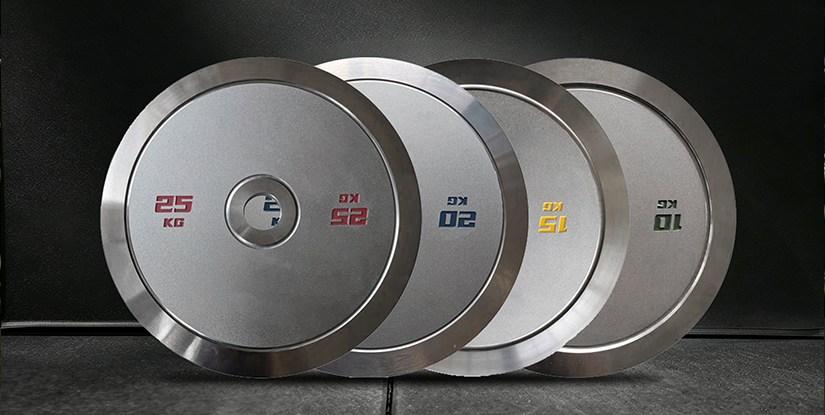
The following comparison outlines how material and manufacturing choices influence procurement timelines and order requirements:
| Material Type | Production Process | Commercial Duty | Typical MOQ Impact |
|---|---|---|---|
| Cast Iron | Sand Casting & Powder Coating | Budget/Standard Commercial | Lower; suitable for rapid stock replenishment |
| Rubber Coated | Steel Core & Injection Molding | Premium Commercial/High-Traffic | Moderate; requires specialized molding cycles |
| Urethane Bumper | Polyurethane Encapsulation | Elite Competition/High-End Studio | Higher; longer lead times due to curing stages |
Understanding these variables allows a commercial weight plate manufacturer to better align production schedules with your distribution needs. When managing a China fitness equipment export order, we recommend accounting for these specific production cycles—ranging from casting and machining to final coating and calibration—to ensure your facility deployment or retail launch remains on schedule without unexpected inventory gaps.
Effective procurement planning requires a granular understanding of how specific manufacturing stages impact your logistical roadmap. For a professional olympic weight plate trade supplier, the final delivery date is not just a matter of shipping, but a calculation of the entire production sequence—from the initial casting of the core to the final calibration and packaging stages.
When you engage in wholesale olympic plates procurement, you are essentially managing a multi-stage industrial timeline. For instance, a standard cast iron run follows a relatively straightforward path of sand casting, machining, and powder coating. In contrast, high-performance bumper plates involving polyurethane encapsulation require much longer curing stages and specialized molding cycles. If your distribution model relies on rapid turnover, selecting materials with shorter, more predictable production loops can significantly reduce your lead time risks. Conversely, for premium studio deployments, accepting a longer lead time for high-durability materials can improve your long-term ROI by reducing replacement frequency.
To optimize your sourcing strategy, consider how your choice of product specification interacts with the China factory production rhythm. A commercial weight plate manufacturer can typically expedite orders for standard-spec units, but customized OEM or ODM requests—such as specific color-coding or unique logo embossing—will naturally extend the production window. We suggest coordinating with your supplier at least 60 to 90 days ahead of your target deployment to account for these technical cycles and the final pre-shipment QC process. This proactive approach ensures that your bulk orders arrive with the expected quality standards and within your planned budget for China fitness equipment export operations.
Effective procurement planning requires a granular understanding of how specific manufacturing stages impact your logistical roadmap. For a professional olympic weight plate trade supplier, the final delivery date is not just a matter of shipping, but a calculation of the entire production sequence—from the initial casting of the core to the final calibration and packaging stages.
When you engage in wholesale olympic plates procurement, you are essentially managing a multi-stage industrial timeline. For instance, a standard cast iron run follows a relatively straightforward path of sand casting, machining, and powder coating. In contrast, high-performance bumper plates involving polyurethane encapsulation require much longer curing stages and specialized molding cycles. If your distribution model relies on rapid turnover, selecting materials with shorter, more predictable production loops can significantly reduce your lead time risks. Conversely, for premium studio deployments, accepting a longer lead time for high-durability materials can improve your long-term ROI by reducing replacement frequency.
To optimize your sourcing strategy, consider how your choice of product specification interacts with the China factory production rhythm. A commercial weight plate manufacturer can typically expedite orders for standard-spec units, but customized OEM or ODM requests—such as specific color-coding or unique logo embossing—will naturally extend the production window. We suggest coordinating with your supplier at least 60 to 90 days ahead of your target deployment to account for these technical cycles and the final pre-shipment QC process. This proactive approach ensures that your bulk orders arrive with the expected quality standards and within your planned budget for China fitness equipment export operations.
OEM and Private Label Capabilities for Global Distributors
For distributors looking to build brand equity, securing a reliable olympic weight plate trade supplier with robust OEM and ODM capabilities is a strategic necessity. Instead of merely reselling generic inventory, professional importers leverage a China factory to create a distinct market presence through custom branding and private label programs. This approach allows you to transition from a commodity trader to a branded equipment provider, increasing your long-term enterprise value.
When sourcing wholesale olympic plates, the depth of customization determines your ability to meet specific market segments. A high-tier commercial weight plate manufacturer provides more than just logo application; they offer technical adjustments to the product architecture to suit your target clientele. This includes selecting specific material compositions, adjusting the thickness of the protective coating, or customizing the weight marking styles to ensure your brand identity remains consistent across all product lines.
Strategic sourcing through ODM services allows for deeper product differentiation. For example, a distributor may require a specific type of high-density rubber encasement or a particular knurling texture on the center ring to meet regional commercial standards. By working directly with the factory, you can align the manufacturing output with the exact requirements of your local gym chains or professional lifting federations, ensuring your private label products compete effectively on both aesthetics and durability.
The technical complexity of customization directly influences your bottom line, specifically regarding the MOQ and the total landed cost of your shipment. High-precision requirements, such as specific branding techniques or specialized material compositions, typically require a higher MOQ to justify the setup costs in the China factory. For instance, a standard weight marking via silk-screen is a common, cost-effective method for bulk orders, whereas deep logo embossing or CNC-machined center rings represent a more premium tier of customization that may extend the production lead time.
Customization Specifications and Procurement Impact
Effective China fitness equipment export requires a clear understanding of how technical specifications affect your logistics and budget. When you request specialized finishes, such as a specific grade of polyurethane (PU) coating or a particular powder coating adhesion level, the manufacturing sequence expands. This extra processing time must be factored into your seasonal inventory planning to avoid stockouts during peak procurement windows.
| Customization Type | Common Process | Impact on MOQ | Impact on Lead Time | Commercial Utility |
|---|---|---|---|---|
| Standard Logo | Silk-screen or Paint | Lower | Standard | General Gyms / Retail |
| Premium Branding | Logo Embossing (Cast-in) | Medium | Extended | Boutique Studios |
| Advanced Protection | High-Grade PU/Rubber Coating | Higher | Extended | High-Traffic Commercial |
| Precision Finishes | CNC Machining / Polishing | High | Significant | Competition / Professional |
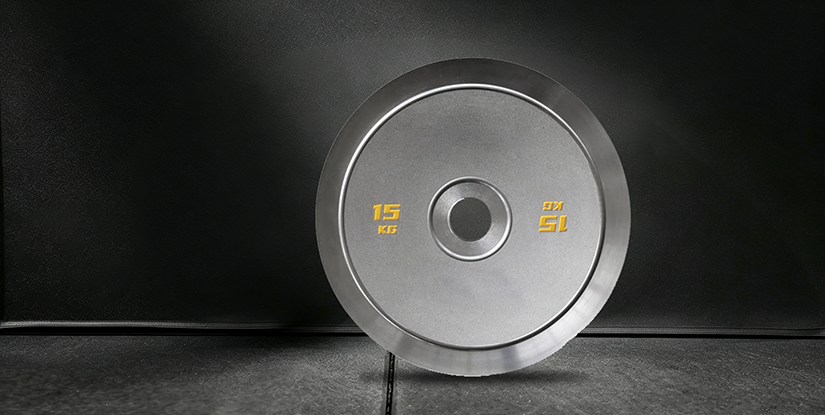
To maximize your distributor margins, we recommend evaluating the trade-offs between complex OEM requests and your target lead time predictable and your costs competitive. We advise all procurement leads to confirm specific customization requirements and MOQ levels during the initial sample approval phase to ensure a smooth transition from factory production to final container loading.
Pre-Shipment Quality Control and Export Packaging Standards
Maintaining consistent density and weight accuracy is the primary challenge for any olympic weight plate trade supplier managing high-volume sea freight. For professional distributors, a single batch of inconsistent weight or poor coating adhesion can significantly increase the landed cost through returns and client dissatisfaction. To mitigate these risks, a reliable commercial weight plate manufacturer must implement rigorous QC protocols that go beyond basic visual checks.
Standard China factory inspection routines for high-end plates typically involve a multi-stage process: starting with a weight tolerance spot-check to ensure concentricity, moving to a surface finish inspection for coating adhesion, and concluding with a stress test of the center hub. For importers, verifying these manufacturing standards during the pre-shipment stage is essential for maintaining high turnover and protecting distributor margins during wholesale distributions.
Critical Inspection Points for High-Volume Shipments
During the final stages of China fitness equipment export, the inspection focus shifts from individual unit precision to structural integrity and long-distance durability. A professional olympic weight plate trade supplier ensures that every batch can withstand the mechanical stresses of sea freight and multiple handling cycles in a commercial warehouse. This includes verifying the absence of casting defects, such as air pockets or uneven edges, which could compromise the plate's structural stability over time.
The most common failure point in bulk wholesale olympic plates is coating failure. Inspectors typically perform adhesion checks to ensure the rubber or powder coating remains securely bonded to the iron core, preventing peeling during heavy use. Beyond the product itself, the final export packaging protocol is a decisive factor for the landed cost. High-quality shipments utilize heavy-duty corrugated boxes, reinforced corner protectors, and standardized palletization. This ensures that the container load remains stable and that the plates are protected from moisture and impact during transit, reducing the risk of damaged inventory upon arrival at your facility.
B2B Procurement Checklist for Importers
To minimize supply chain disruption, procurement managers should utilize a standardized checklist when conducting a factory audit or managing a remote pre-shipment inspection. A professional olympic weight plate trade supplier will provide transparency regarding these critical control points to ensure the shipment meets international commercial-grade requirements.
| Inspection Category | Key Component / Detail | Standard Commercial Duty Check | Procurement Impact |
|---|---|---|---|
| Weight Precision | Inner Steel Hub & Center Hole | Concentricity and thickness uniformity | Reduces barbell friction and wear |
| Surface Integrity | Rubber/PU Coating Adhesion | Visual check for peeling or air bubbles | Ensures long-term durability in gyms |
| Structural Quality | Cast Iron Core / Edge Smoothness | Absence of casting defects or jagged edges | Prevents user injury and equipment damage |
| Export Readiness | Reinforced Packaging & Palletizing | Sturdy corrugated boxes and moisture protection | Reduces transit damage and landed cost |
When sourcing through a commercial weight plate manufacturer, always request a formal spec sheet and confirm the MOQ for any OEM or ODM custom branding requests. We recommend a sample approval process and a scheduled factory audit to verify that the China factory maintains consistent calibration and high-standard wholesale packaging protocols before the final container loading.
Strategic Sourcing: Finalizing Your Bulk Procurement
Transitioning from small-scale studio orders to large-scale distribution requires a shift in procurement logic. As a professional olympic weight plate trade supplier, we understand that the value lies not just in the unit price, but in the stability of the supply chain and the ability to scale inventory without compromising quality. For distributors, selecting a commercial weight plate manufacturer with established export workflows is the difference between high margins and costly logistical delays.
When managing high-volume inventory, procurement efficiency becomes the primary metric for success. Relying on a China factory that specializes in high-output production ensures that your wholesale olympic plates arrive with consistent weight tolerances and reliable finish adhesion. Moving toward China sourcing for your full equipment line allows you to optimize your landed cost while maintaining the high standards required for professional gym deployment.
Evaluating Sourcing Models for Scale and Customization
The decision between direct-to-factory procurement and working through a trading entity often dictates your long-term scalability. A dedicated olympic weight plate trade supplier operating a direct manufacturing model offers deeper control over the technical specifications of each batch. While trading companies may offer more diverse product catalogs, a specialized commercial weight plate manufacturer provides the technical transparency required for large-scale commercial deployments, specifically regarding material consistency and long-term replacement planning.
To assist in your procurement planning, the following table outlines the structural differences between these two common sourcing pathways. This comparison focuses on the trade-offs between speed, volume, and the ability to implement OEM or ODM branding requirements.
| Sourcing Model | Primary Focus | MOQ Level | Customization (OEM/ODM) | Lead Time/QC Control |
|---|---|---|---|---|
| Factory-Direct | High-volume production & cost efficiency | Higher (Bulk/Container load) | Advanced (Custom branding, color, & weight specs) | Direct control over pre-shipment inspection |
| Trading Company | Inventory variety & small-batch flexibility | Lower (Mixed pallet/Sample orders) | Limited (Standardized product lines) | Indirect (Subject to third-party QC oversight) |
For distributors looking to build a premium brand identity, choosing a factory that supports wholesale through China fitness equipment export channels is highly advantageous. This approach allows for more granular control over the weight marking processes—such as laser etching or silk-screen applications—and ensures that your private label requirements are met with precision before the goods leave the port.
Before finalizing your next bulk order, we recommend requesting a detailed specification sheet, confirming the current MOQ for your specific weight increments, and discussing potential OEM branding options. Our team is available to facilitate a factory audit or assist with sample approval to ensure all technical requirements align with your market standards.
Optimizing Landed Cost Through Logistics and QC Rigor
The total cost of ownership for a distributor extends far beyond the initial FOB price. When sourcing through an olympic weight plate trade supplier, the most significant hidden risks involve weight non-compliance and shipping damages. A single batch of inconsistent weight can damage your reputation with gym owners, while poor protection during transit can lead to cracked rubber coatings or bent steel hubs. Effective sourcing strategies must prioritize rigorous pre-shipment inspection protocols to mitigate these commercial risks.
To protect your margins, ensure your chosen commercial weight plate manufacturer implements a standardized multi-stage verification process. This should include weight tolerance spot-checks across the entire batch, coating adhesion testing for all rubber or PU-coated units, and a thorough review of the center ring's concentricity. These technical checks are essential for maintaining the high-performance standards expected in commercial environments.
Furthermore, logistics efficiency is a critical component of landed cost optimization. For high-volume wholesale orders, the way a factory manages container loading directly impacts your profitability. We recommend a professional approach to export packaging that includes heavy-duty palletization and reinforced corner protection. This ensures that even during long-distance China fitness equipment export, your products arrive in a condition that is ready for immediate retail or gym deployment, minimizing the need for expensive returns or replacements.
As you prepare your next procurement cycle, we invite you to contact us to request a bulk pricing quote, confirm current MOQ levels for specific weight classes, or discuss OEM branding possibilities. Our technical team is ready to support your factory audit or sample evaluation to ensure your next shipment meets your exact commercial specifications.