Olympic Plate Manufacturer: China Source Factory Partner
Strategic Sourcing from an Olympic Plate Manufacturer
Navigating the complexities of international procurement requires a shift from simple purchasing to strategic partnership. Professional buyers must evaluate three critical checkpoints: the stability of the supply chain, the precision of technical specifications, and the logistical efficiency of the landed cost. When you establish a direct relationship with a professional olympic plate manufacturer, you mitigate the risks of inconsistent weight tolerances and substandard surface finishes that often plague mid-tier trading companies. Moving beyond retail-oriented distributors allows your business to secure predictable lead times and direct access to factory-level customization, ensuring that your inventory meets the rigorous demands of high-traffic commercial environments.
For distributors aiming to capture higher market segments, the ability to offer diverse product lines is essential. By engaging in wholesale olympic plates procurement, you can leverage economies of scale to significantly enhance your competitive position. A direct China factory model provides the transparency needed to audit production stages—from the initial sand casting of the gray iron cores to the final powder coating application. This level of oversight ensures that every batch arriving at your warehouse maintains the brand integrity you have promised your clients, while simultaneously protecting your long-term profit margins through reduced replacement costs and optimized shipping volumes.
Technical Material Differentiation for Commercial Segments
Selecting the appropriate material grade is a decisive factor in determining the total cost of ownership (TCO) and long-term durability for your clients. A professional olympic plate manufacturer typically offers a spectrum of options, ranging from cost-effective cast iron to high-performance polyurethane. While cast iron is the industry standard for traditional strength training, the choice of surface coating—such as powder coating or rubber encapsulation—directly impacts the maintenance load and floor protection requirements of the end-user facility. For high-volume sourcing, understanding these material trade-offs is essential to avoid the high replacement rates associated with inferior, poorly bonded coatings.
The following table provides a technical comparison to assist in your olympic plate OEM manufacturing decision-making process, categorized by market segment and technical execution.
| Material Tier | Primary Material | Surface Finish | Manufacturing Process | Commercial Duty | Procurement Focus |
|---|---|---|---|---|---|
| Budget Commercial | Cast Iron | Painted or Bare | Sand Casting | Standard Strength Training | Low Landed Cost |
| Professional Grade | Cast Iron | Powder Coating | Machined & Coated | High-Traffic Gyms | Durability & Aesthetics |
| Premium Performance | High-Density Rubber/PU | Full Encapsulation | Molding or Dip | Olympic/Competition | Impact & Floor Protection |
When evaluating a commercial weight plate supplier, we recommend requesting a sample to inspect the coating adhesion and the concentricity of the central bore. In many commercial settings, the failure of the outer layer—whether it be paint chipping or rubber peeling—is the primary driver of customer dissatisfaction. A reliable supplier will provide clear documentation regarding their weight calibration and the quality of their internal molding processes to ensure consistent performance across all batches.
Export-Grade Quality Control and Logistics Optimization
Reliability in high-volume procurement is defined by the rigor of pre-shipment protocols. A professional olympic plate manufacturer must implement a multi-stage inspection process that extends beyond the casting line. For a China factory, this means performing critical spot-checks on the central bore diameter to ensure seamless barbell fitment, verifying weight calibration through standardized sampling, and testing coating adhesion to prevent premature peeling during transit. These technical checkpoints are vital for a supplier to ensure that the landed cost remains low by eliminating the need for expensive returns or replacements due to manufacturing defects.
Logistical efficiency is equally critical for maintaining healthy distributor margins. High-volume wholesale olympic plates orders require sophisticated export packaging and shipping volume optimization to maximize container utilization. Professional partners utilize reinforced, heavy-duty cartons and strategic palletization techniques to protect the integrity of the product during ocean freight. By coordinating closely with an olymptic plate OEM manufacturing partner, buyers can optimize their container load plans, ensuring that every cubic meter of space is utilized effectively, thereby reducing the per-unit shipping expense and increasing the overall profitability of the bulk shipment.
Material Selection and Casting Processes for Commercial Use
When establishing a long-term procurement strategy with an olympic plate manufacturer, understanding the fundamental material grades is essential for managing total cost of ownership. High-volume importers typically prioritize cast iron as the primary medium due to its balance of density and cost-efficiency. For large-scale distribution and gym fit-outs, selecting the correct manufacturing route ensures that the weight remains consistent across an entire set, reducing the risk of uneven loading in commercial environments.
Professional sourcing professionals must differentiate between basic casting methods to ensure product longevity. Most wholesale olympic plates for the commercial market are produced via sand casting, a process that allows for complex shapes and robust builds. However, the quality of the final unit depends heavily on the precision of the subsequent machining and the quality of the surface treatment applied at the China factory.
Casting Methods and Material Durability
The distinction between different casting tiers directly impacts the durability and the weight tolerance of the plates. While basic methods are sufficient for standard gym use, premium commercial specifications require more rigorous calibration. A reliable commercial weight plate supplier will provide clear documentation regarding the material grade and the finishing process to ensure the plates meet international shipping and handling standards.
| Material Tier | Primary Process | Surface Finish | Commercial Duty | MOQ Impact |
|---|---|---|---|---|
| Standard Cast Iron | Sand Casting | Painted or Enamel | General Commercial | Lower MOQ options |
| Premium Cast Iron | Precision Casting | Powder Coating | High-Traffic Studios | Standard bulk tiers |
| Competition Grade | Machined Steel | Chrome or PU Coating | Professional Training | Higher MOQ/Custom |
Surface Finishing and Coating Specifications
The choice of surface treatment is a critical factor for distributors managing long-term maintenance costs and floor protection requirements. A professional olympic plate OEM manufacturing partner offers various coating options to suit different facility needs. For example, a standard powder coating application provides a durable, scratch-resistant layer that is ideal for high-traffic commercial gyms. This process ensures the base iron is protected from oxidation and moisture, which is a common failure mode in humid environments.
For premium installations or high-end studios, advanced finishes like urethane or high-grade rubber coating are often requested. These materials offer superior shock absorption and noise reduction, which helps in preserving the longevity of the facility's flooring. When managing olymptic plate OEM manufacturing, buyers should verify the adhesion strength of these coatings to ensure they do not peel or crack under heavy use. A quality surface finishing process must include a thorough cleaning and pre-treatment stage before any color or protective layer is applied.
During the pre-shipment QC stage, technical inspectors at the factory should perform a visual and tactile inspection of the coating uniformity. This includes checking for any unevenness in the rubber coating or gaps in the powder coating. Ensuring these standards are met before container loading helps reduce the landed cost of defective returns and maintains high levels of satisfaction for the end-user. We recommend requesting a sample to evaluate the texture and coating thickness to ensure it aligns with your specific commercial branding requirements.
Machining Precision and Final Calibration
Achieving professional-grade performance requires more than just high-quality casting; it demands rigorous mechanical refinement. After the initial casting stage, high-tier units undergo CNC machining to ensure the center bore is perfectly calibrated. This stage is vital for distributors, as it determines the concentricity of the plate. Inconsistent concentricity can lead to uneven weight distribution during heavy lifts, which increases wear on barbell sleeves and reduces the overall professional feel of the equipment. A competent olympic plate manufacturer will utilize precision machining to ensure every plate sits flat and rotates smoothly on the bar.
Beyond the bore, the final calibration process is where the technical reliability of the product is solidified. During the pre-shipment QC phase, technical teams perform weight spot-checks to ensure that the actual mass aligns with the embossed weight markings. This level of detail is a standard requirement for any commercial weight plate supplier catering to professional training centers or high-end retail distributors. Ensuring that tolerances are tightly managed prevents the logistical headache of receiving batches with significant weight deviations, which can complicate inventory management and client trust.
To mitigate risks during international transit, the factory must also implement strict inspection protocols for the structural integrity of the plate edges and the stability of the center hole. A well-documented export workflow includes checking for any warping or surface irregularities that could affect the stacking efficiency in a warehouse or gym setting. For buyers managing large-scale sourcing projects, confirming these technical specifications and the ability to perform rigorous calibration is a key step in reducing long-term maintenance loads and ensuring the durability of the imported shipment.
Comparing Production Tiers and Material Specifications
When establishing a long-term sourcing strategy with an olympic plate manufacturer, professional buyers must look beyond the initial unit price to evaluate the total cost of ownership. For distributors and gym equipment importers, selecting the wrong grade can lead to high replacement costs and diminished brand reputation. A strategic China factory approach involves matching specific material grades and manufacturing processes to the intended commercial environment to optimize ROI.
The distinction between production tiers—Budget, Commercial, and Competition—is often determined by the complexity of the casting and the quality of the surface finish. While budget options focus on high-volume wholesale efficiency, premium tiers prioritize weight calibration and sophisticated coating adhesion. Understanding these technical trade-offs is essential for calculating landed costs and long-term maintenance requirements.
| Tier Level | Primary Material | Typical Process | Commercial Use Case | TCO Impact |
|---|---|---|---|---|
| Budget | Gray Iron | Sand Casting & Paint | Standard Commercial Gyms | Lower initial cost; higher replacement frequency |
| Commercial | Cast Iron / Steel | Centrifugal Casting & Powder Coating | High-Traffic Training Centers | Balanced durability and maintenance load |
| Premium / Competition | Chrome-Manganese Steel | Precision Machining & PU Coating | Professional Weightlifting Studios | Higher initial investment; maximum longevity |
For many distributors, the choice between casting and coating determines the product's lifespan in high-impact environments. A professional commercial weight plate supplier will offer various surface treatments, such as basic paint or heavy-duty rubber coated finishes, to manage floor protection and noise levels. Choosing the correct olympic plate OEM manufacturing specification ensures that your inventory meets the rigorous demands of your target market while maintaining healthy distributor margins.
Technical Specifications for Sourcing and Procurement
A critical component of the olympic plate OEM manufacturing workflow is the calibration of weight tolerance and surface durability. For large-scale importers, the technical distinction between a standard cast iron plate and a high-end urethane-encapsulated unit can significantly impact the long-term operational expense of a facility. High-quality manufacturing ensures that the internal density remains consistent through the casting process, preventing the warping or uneven weight distribution often seen in lower-grade production runs.
When evaluating your next batch, consider how material selection influences both shipping logistics and end-user satisfaction. For instance, while bare iron or painted plates offer the best density-to-volume ratio for high-volume wholesale olympic plates, they require more robust flooring solutions. Conversely, utilizing a premium urethane or high-grade rubber coating provides superior floor protection and noise reduction, which is a key selling point for premium studio operators and high-end commercial gyms.
| Material Base | Surface Finish | Manufacturing Process | Floor Protection Level | Ideal Sourcing Context |
|---|---|---|---|---|
| Cast Iron | Paint / Enamel | Sand Casting & Machining | Standard (Requires Mats) | High-volume bulk distribution |
| Cast Iron | Powder Coating | Centrifugal Casting & Coating Line | Enhanced (Durable Surface) | Standard commercial gym supply |
| Steel / Composite | Urethane / Rubber | Precision Molding & Injection | Maximum (Impact Absorption) | Premium boutique studio/OEM |
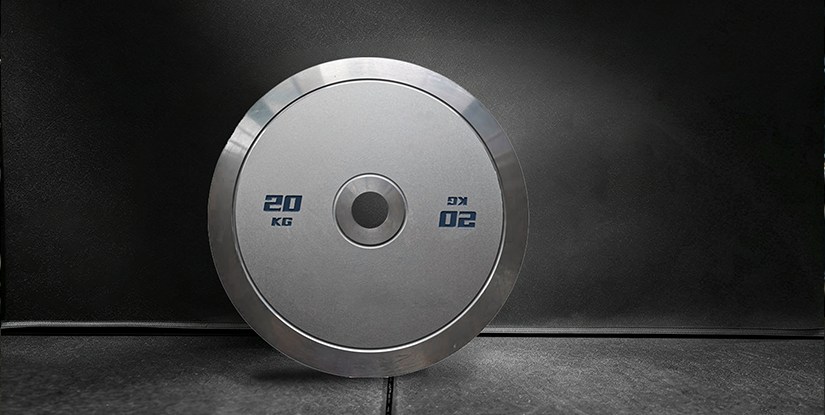
Beyond the physical product, the olympic plate manufacturer must demonstrate rigorous control over the technical details that affect landed cost. This includes the precision of the center bore diameter for a smooth fit on bars, the adhesion strength of the coating to prevent chipping, and the consistency of the weight across a full container load. We recommend that buyers confirm the specific weight tolerance standards and the testing protocols for coating adhesion during the sample approval stage to ensure long-term product reliability.
OEM and Private Label Customization Capabilities
Establishing a recognizable brand identity is a critical driver of long-term distributor margins and retail value. For high-volume importers, working with a professional olympic plate manufacturer allows for the transition from a generic commodity buyer to a recognized equipment provider. Through strategic OEM and ODM solutions, a China factory can integrate your specific branding requirements directly into the production workflow, ensuring that every piece of equipment reflects your company's standards.
Customization goes beyond simple logo placement; it involves tailoring the physical characteristics of the product to meet specific market demands or niche gym requirements. Whether you are looking for specific color-coded weight markings for better organization in commercial facilities or unique surface textures, the customization process is designed to scale with your growth. We provide various options for private label production, ranging from embossed logos in the cast iron mold to high-durability silk-screened branding on the surface.
When managing wholesale procurement, understanding the logistical impact of customization is vital. While specialized designs can enhance your brand presence, they may influence the standard MOQ and the overall lead time for container loading. Our sourcing support ensures that your specific requests—such as specialized rubber coating thickness or custom weight increments—are balanced against manufacturing efficiency and landed cost. As a dedicated commercial weight plate supplier, we assist in optimizing these variables to maintain your competitive edge in the North American market.
Technical Specifications for Custom Branding and Surface Finishes
The technical execution of your brand identity determines how well the product withstands high-traffic commercial use. For distributors seeking high-end differentiation, olympic plate OEM manufacturing offers precise control over the surface finish and structural branding. We provide multiple pathways for customization, ranging from deep-set embossed logos that are permanent and indestructible, to high-precision CNC machining for the center bore to ensure perfect concentricity and fit on standard barbells.
Surface durability is a primary concern for procurement leads managing long-term maintenance costs. Depending on your target market segment, we offer various specialized coatings. A standard industrial powder coating provides a rugged, matte finish that resists chipping in high-volume environments. For premium studio applications, a urethane coating or high-grade rubberized finish offers superior impact absorption and floor protection. This level of olympic plate OEM manufacturing capability ensures that your branded products do not just look professional, but perform reliably under heavy use.
| Customization Type | Material/Process | Branding Method | Commercial Duty Tier | Sourcing Consideration |
|---|---|---|---|---|
| Standard Commercial | Cast Iron + Powder Coating | Silk-screened markings | Budget/High-Volume | Standard MOQ/Fast Lead Time |
| Premium Studio | Cast Iron + Urethane/Rubber | Embossed Logo | Premium/High-Durability | Higher MOQ/Custom Mold Setup |
| Competition Spec | Precision Machined Steel | Laser Engraving | Professional/Elite | Strict Weight Tolerance QC |
To ensure seamless integration into your inventory, our factory provides comprehensive technical support during the development phase. We recommend reviewing sample batches to evaluate the coating adhesion and the clarity of the embossed branding before finalizing a bulk order. If you require a specific weight tolerance or a unique color-coding system for your product line, please contact us to discuss the technical feasibility, potential impact on the lead time, and any adjustments to the standard MOQ for your custom project.
Customization Levels for Commercial Sourcing
Navigating the decision between standard stock and fully customized production is essential for maximizing your distributor margins. While purchasing wholesale olympic plates from existing production lines offers the fastest turnaround and lowest risk, it limits your ability to build a distinct brand presence. Conversely, utilizing full customization services allows you to differentiate your product offering in a crowded market, though it requires more rigorous planning regarding your initial MOQ and production schedules.
To assist your procurement team in evaluating the best fit for your current inventory strategy, the following table compares the three primary levels of customization available through our olympic plate manufacturer services. Each tier is designed to meet specific commercial requirements, from high-volume budget gyms to high-end performance studios.
| Customization Level | Material & Finish | Branding Method | Target Market | Sourcing Impact |
|---|---|---|---|---|
| Standard Wholesale | Cast Iron / Powder Coated | Standard Weight Markings | Budget Commercial Gyms | Low MOQ / Rapid Lead Time |
| Enhanced Branding | Cast Iron / Painted | Silk-screened Logo | Fitness Studios & Franchises | Moderate MOQ / Standard Lead Time |
| Full Customization | Steel or Urethane/Rubber | Embossed or Laser Logo | Premium Performance Centers | Higher MOQ / Custom Setup Time |
When selecting a commercial weight plate supplier, we recommend aligning your choice with your long-term landed cost strategy. A standard wholesale order minimizes upfront investment and complexity, making it ideal for rapid replenishment. However, for long-term brand equity, investing in an OEM solution with embossed or specialized coatings provides a more durable and professional finish that withstands heavy commercial use while establishing your unique identity in the market.
China Factory Quality Control and Export Standards
Maintaining rigorous inspection protocols is critical when sourcing from a olympic plate manufacturer to ensure every batch meets professional gym specifications. For distributors and large-scale importers, even minor deviations in weight or surface finish can lead to increased returns and damaged brand reputation. A professional China factory must implement multi-stage verification to manage these risks effectively.
Reliable wholesale olympic plates require strict oversight of the production sequence, starting from the initial sand casting of the iron to the final coating application. During the calibration phase, technicians perform regular weight spot-checks to ensure the weight tolerance remains within industry-standard commercial limits. Without this consistency, a commercial weight plate supplier fails to provide the predictable performance expected by professional strength facilities.
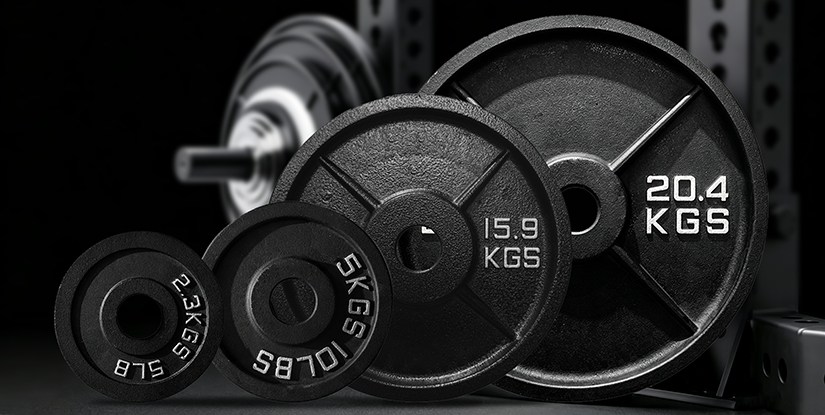
Effective olympic plate OEM manufacturing relies on a systematic approach to pre-shipment inspection. This includes checking the concentricity of the center bore, the adhesion of the powder coating, and the structural integrity of the embossed branding. By prioritizing these technical benchmarks, a supplier ensures that the landed cost is not inflated by quality-related disputes or replacement needs after the container reaches its destination.
Standardized Inspection and Export Protocols
To mitigate procurement risks, professional buyers often require a formal QC report before the wholesale order leaves the factory. This process ensures that the product matches the approved sample and meets the structural requirements for high-volume commercial use.
| Inspection Stage | Focus Area | B2B Procurement Significance | Typical QC Point |
|---|---|---|---|
| Casting & Machining | Bore Diameter & Flatness | Ensures compatibility with Olympic barbells and smooth rotation | Concentricity check |
| Surface Treatment | Coating Adhesion & Texture | Prevents premature rusting and maintains aesthetic longevity | Surface finish uniformity |
| Weight Calibration | Mass Accuracy | Critical for maintaining professional training standards | Weight tolerance spot-check |
| Pre-shipment Packing | Carton Strength & Loading | Minimizes damage during long-distance ocean freight | Drop test & Pallet stability |
Beyond technical calibration, the final phase of the production cycle focuses on logistics-ready durability. High-volume wholesale orders are highly susceptible to transit-related damage if the packaging protocols are insufficient. A professional olympic plate manufacturer must prioritize reinforced export-grade packaging to protect the integrity of the finish and prevent structural deformation during long-distance sea freight. This often involves heavy-duty cardboard layers and standardized palletizing techniques to optimize container loading efficiency and reduce the risk of breakage upon arrival at your warehouse.
For distributors managing complex supply chains, the ability to audit these pre-shipment steps is a vital part of the sourcing process. We recommend that buyers confirm the specific export packaging standards and request a final inspection report to verify that the center bore, coating adhesion, and total mass align with your approved samples. This proactive approach ensures that your bulk shipment arrives ready for immediate distribution or commercial installation, protecting your margins and long-term client satisfaction.
Technical Comparison of Material and Production Tiers
Understanding the trade-offs between different manufacturing grades is essential for optimizing your landed cost and product durability. When you engage in olympic plate OEM manufacturing, you must select a tier that aligns with your specific market position—whether you are supplying budget-friendly commercial gyms or premium training facilities. Each material choice directly impacts the maintenance load and the long-term ROI for the end-user.
| Material | Process | Key Component/Detail | Commercial Duty | MOQ Impact | Factory QC Point |
|---|---|---|---|---|---|
| Cast Iron | Sand Casting | Bore diameter & surface flatness | Budget Commercial | Lower | Concentricity check |
| Steel | Machining & Powder Coating | Coating adhesion & edge thickness | Standard Commercial | Medium | Surface finish uniformity |
| Urethane/Rubber | Molding or Dip Coating | Encapsulation layer & edge bonding | Premium/Competition | Higher | Weight tolerance spot-check |
Selecting the correct grade during the sourcing phase prevents common failure modes such as coating peeling or uneven weight distribution. For instance, while sand casting is a highly efficient method for producing high-volume wholesale olympic plates, it requires more rigorous inspection of the center bore to ensure smooth barbell compatibility. Conversely, specialized coating processes like polyurethane or high-grade powder coating require stricter pre-shipment QC to ensure the finish does not degrade under heavy commercial usage.
Before finalizing your next bulk order, we suggest requesting detailed specification sheets for each material grade. Confirming the specific manufacturing route and the associated MOQ will help you better manage your inventory turnover and distributor margins. A thorough review of the factory's ability to perform specific calibration and packaging steps is the most effective way to ensure a successful partnership with a reliable supplier.
Optimizing Logistics and Landed Costs for Bulk Orders
For distributors and gym equipment importers, the total landed cost is often more critical than the initial unit price. When sourcing from an olympic plate manufacturer, understanding how shipping and container utilization affect your margins is essential for maintaining competitive distributor pricing. High-density products like weight plates require strategic planning to avoid excessive freight-to-value ratios.
Efficient wholesale procurement relies on maximizing every cubic meter of a shipping container. A professional China factory utilizes specific packing configurations to ensure that bulk orders are not just weight-optimized, but also volume-optimized. This prevents the common pitfall of paying for "shipping air" and ensures your commercial weight plate supplier is maximizing the utility of sea freight.
Strategic Shipping Methods and Container Optimization
Most large-scale importers utilize sea freight to manage the high weight-to-volume ratio of iron and rubber-coated plates. Because weight plates are extremely dense, the container often reaches its weight capacity before its volumetric capacity. A skilled olympic plate OEM manufacturing partner will implement advanced loading patterns to ensure the MOQ requirements are met while keeping the landed cost predictable.
Common shipping methods include FCL (Full Container Load) for maximum economy of scale, which is the standard for professional sourcing. For smaller distributors, LCL (Less than Container Load) may be an option, though the per-unit freight cost is typically higher. We recommend coordinating with your supplier to determine the most cost-effective way to balance lead time and freight expenses.
| Shipping Mode | Best For | Logistics Advantage | Cost Impact |
|---|---|---|---|
| FCL (Full Container Load) | High-volume distributors | Maximum container density and stability | Lowest per-unit landed cost |
| LCL (Less than Container Load) | Small studio orders | Pay only for the space used | Higher freight cost per unit |
| Air Freight | Urgent samples or small accessories | Rapid delivery for immediate needs | Highest cost; not recommended for plates |
For distributors and gym equipment importers, the total landed cost is often more critical than the initial unit price. When sourcing from an olympic plate manufacturer, understanding how shipping and container utilization affect your margins is essential for maintaining competitive distributor pricing. High-density products like weight plates require strategic planning to avoid excessive freight-to-value ratios.
Efficient wholesale procurement relies on maximizing every cubic meter of a shipping container. A professional China factory utilizes specific packing configurations to ensure that bulk orders are not just weight-optimized, but also volume-optimized. This prevents the common pitfall of paying for "shipping air" and ensures your commercial weight plate supplier is maximizing the utility of sea freight.
Packaging Standards and Branding Impact on Procurement
Beyond basic transit, specialized packaging standards play a decisive role in protecting your investment and preserving your distributor margin. For high-end wholesale olympic plates, such as urethane or high-grade rubber coated units, standard single-box cartons may not suffice. A professional olymptic plate manufacturer provides reinforced, heavy-duty corrugated boxes and heavy-duty palletization to prevent edge damage and ensure stability during long-haul sea freight.
When requesting olympic plate OEM manufacturing, buyers must account for how custom branding and specialized packaging affect the total volume. While OEM requests for custom color-coding, silk-screened logos, or premium retail-ready packaging enhance brand identity, they can also increase the dimensional footprint of each unit. We advise procurement leads to balance the desire for premium presentation with the need for volume optimization to keep the landed cost within target parameters.
To ensure a seamless export process, we implement strict palletized shipping protocols. Each pallet is secured with industrial-grade shrink wrap and edge protectors, ensuring that even when a container reaches its weight limit, the load remains secure. This level of detail is standard for a top-tier commercial weight plate supplier, reducing the risk of transit-related damage and secondary logistics costs. We recommend confirming your specific MOQ and packaging requirements during the initial quote stage to optimize both container utilization and your final procurement budget.