Olympic Weight Plate Foundry: Material and Specs Overview
Understanding the Olympic Weight Plate Foundry Landscape
For large-scale fitness franchises and international distributors, the technical integrity of a single batch of weight plates can determine long-term maintenance costs and floor-life durability. Whether you are outfitting a high-traffic training facility or managing a warehouse for regional distribution, sourcing directly from an olympic weight plate foundry ensures that the structural density and dimensional consistency meet professional standards. Relying on unverified middle-tier traders often leads to issues with weight eccentricity and uneven surface finishes, which can negatively impact a commercial gym's professional reputation and equipment lifespan.
Professional commercial weight plate manufacturing requires a sophisticated integration of heavy-duty casting and precision finishing to ensure each unit remains balanced under high-volume use. For buyers engaged in high-volume procurement, understanding the baseline of production—from the initial metal melt to the final calibration—is essential for managing landed costs and ensuring that the finished product aligns with strict commercial gym requirements. Selecting a reliable supplier with established factory-direct sourcing capabilities allows distributors to secure better margins while guaranteeing that the technical specifications of the metal and the coating adhesion meet the rigors of professional strength environments.
Technical Standards for Precision and Durability
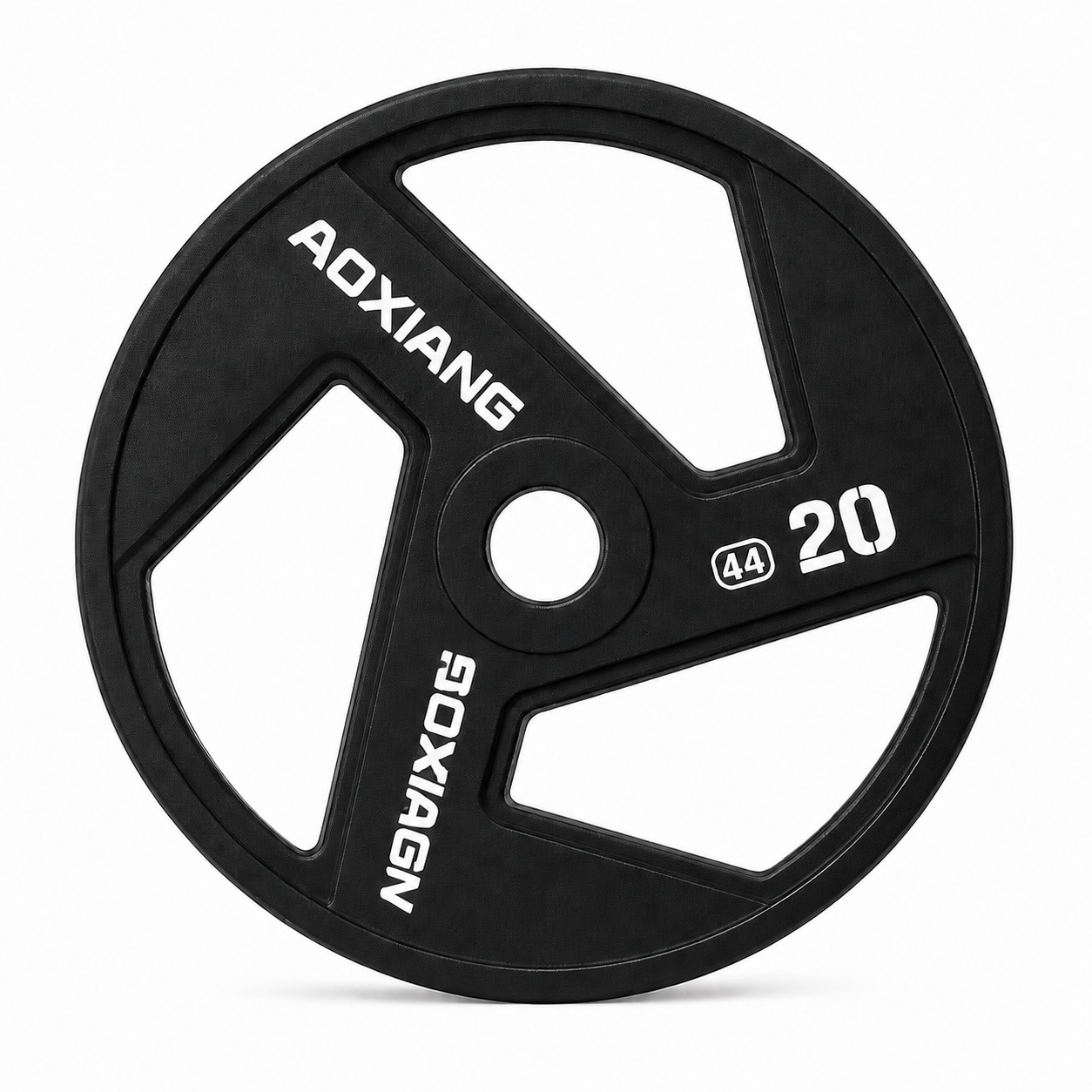
The distinction between standard production and high-spec manufacturing lies in the refinement of the casting and machining stages. While basic sand casting is a common method for producing lower-cost units, a professional olympic weight plate foundry utilizes advanced processes to achieve the precision required for high-traffic commercial facilities. In many commercial settings, the transition from raw casting to a finished product involves rigorous CNC machining of the center bore to ensure perfect concentricity. This prevents the plates from wobbling or unevenly loading on a barbell, a common failure mode in budget-tier equipment that can lead to increased maintenance and user frustration.
Effective cast iron plate specifications must also account for the secondary surface treatment. After the initial casting, plates typically undergo a weight calibration phase where the mass is adjusted to meet industry-standard tolerances. Following this, the surface is prepared—often through phosphate treatment or powder coating—to ensure maximum coating adhesion. For importers, verifying these technical steps is a critical part of the pre-shipment QC process. A well-managed factory will implement a sequence of casting, machining, and surface finishing to ensure that the final product is not only weight-accurate but also structurally consistent and resistant to oxidation during long-term warehouse storage or shipping.
| Material Tier | Primary Process | Key Component Detail | Commercial Duty | QC Focus Point |
|---|---|---|---|---|
| Standard Cast Iron | Sand Casting | Rough Surface Texture | Budget/Basic Commercial | Surface Uniformity |
| Premium Cast Iron | Sand Casting + CNC Machining | Precision Centered Bore | High-Traffic Gyms | Concentricity & Flatness |
| Coated/Finished Steel | Machining + Powder Coating | High-Adhesion Layer | Premium Studio/Retail | Coating Durability |
When evaluating a potential partner, buyers should look beyond the surface finish and ask for specific details regarding the weight calibration and bore machining. A reliable manufacturer will be able to provide transparency regarding their production sequence, ensuring that every batch meets the necessary mechanical and dimensional standards for international export. For those managing large-scale distribution, these technical nuances are the primary drivers of long-term ROI and client satisfaction.
Tiered Procurement and Usage Scenarios
Selecting the appropriate manufacturing tier is a strategic decision that directly impacts your long-term TCO (Total Cost of Ownership) and distributor margins. For instance, a distributor focused on high-volume, cost-effective replenishment may prioritize standard sand-cast units, whereas a premium equipment importer will require high-precision machined components to meet the expectations of elite training facilities. Understanding these distinctions allows for better planning regarding MOQ and shipping efficiency.
| Sourcing Tier | Material Type | Primary Process | Typical Use Case | Procurement Focus |
|---|---|---|---|---|
| Economy Tier | Standard Gray Iron | Basic Sand Casting | Budget Home Gyms / General Retail | Low Landed Cost |
| Commercial Tier | Enhanced Cast Iron | Casting + CNC Bore Machining | Standard Commercial Gyms / Studios | Durability & Balance |
| Premium Tier | High-Grade Steel/Iron | Precision Machining + Multi-Stage Coating | High-Performance Training Centers | Precision & Aesthetics |
To optimize your sourcing strategy, we recommend requesting a detailed specification sheet for each tier during the initial inquiry. For buyers looking to develop a private label, a professional factory can often accommodate custom branding or specific coating requirements through an ODM agreement. Before finalizing a bulk order, ensure you confirm the specific weight tolerance protocols and the pre-shipment QC steps used by your chosen supplier to guarantee that every batch meets your local market's quality expectations.
Material Grades and Casting Standards for Bulk Procurement
Selecting the right material grade is critical for distributors looking to minimize long-term replacement costs and maximize product lifespan. A professional olymatic weight plate foundry must provide clear distinctions between standard utility and high-performance options to assist in your sourcing decisions. When managing high-volume wholesale orders, understanding these metallurgical differences ensures your inventory meets the specific durability requirements of your target clients.
The most common cast iron plate specifications used in commercial weight plate manufacturing involve gray iron, which is typically produced via sand casting. This material is widely used by a China factory for standard commercial sets due to its cost-effectiveness and predictable casting properties. For high-impact environments or specialized competition-grade requirements, some advanced manufacturers utilize chrome-manganese steel to enhance structural integrity and resistance to deformation.
For procurement professionals, the choice between these materials directly impacts the total cost of ownership and the durability of the equipment in a commercial setting. While gray iron remains the industry standard for general strength training, premium steel-based options offer higher resilience for high-frequency use. When evaluating a supplier, it is essential to confirm the specific casting method and material composition to ensure the finished product aligns with your brand's quality positioning and MOQ requirements.
Technical Comparison of Material Tiers and Surface Treatments
To optimize your inventory selection, it is necessary to evaluate how different material-to-coating combinations affect long-term maintenance and floor protection. A professional olympic weight plate foundry will often offer tiered options to suit different market segments, from entry-level strength clubs to premium high-traffic training centers. Understanding these distinctions allows a supplier to better align production with your specific market positioning and MOQ constraints.
| Material | Coating | Process | Commercial Duty | Sourcing/QC Point |
|---|---|---|---|---|
| Gray Iron | Powder Coating | Sand Casting & Coating Line | Standard Commercial | Coating adhesion & surface smoothness |
| Gray Iron | Rubber Coated | Injection Molding/Dip | High-Traffic/Noise Reduction | Bond line integrity & edge thickness |
| Steel | PU Coating | Precision Casting & PU Molding | Premium/Performance | Weight tolerance & finish uniformity |
| Steel | Chrome Finish | Machining & Electroplating | Competition/High-End | Concentricity & bore precision |
When reviewing cast iron plate specifications, buyers should note that powder coating is the industry standard for general commercial weight plate manufacturing due to its durability and cost-efficiency. However, for facilities prioritizing noise reduction and floor preservation, PU coating or rubberized finishes are preferred. A reliable China factory will conduct rigorous pre-shipment checks on coating adhesion and weight calibration to ensure that every unit in a bulk shipment meets the expected commercial grade, reducing the risk of costly returns or client dissatisfaction.
Maintaining consistent quality across thousands of units is the primary concern for any professional importer. A reliable olympic weight plate foundry must implement a rigorous multi-stage inspection protocol to mitigate the risks associated with bulk international sourcing. Failure to verify technical accuracy before the container is sealed can lead to significant issues with weight distribution, uneven wear, or non-compliance with client expectations, directly impacting your distributor margins.
The quality control sequence in a professional China factory follows a logical progression from raw material to the final export-ready unit. During the commercial weight plate manufacturing process, each batch typically undergoes a weight calibration check to ensure uniformity across the entire wholesale order. Furthermore, a concentricity check is vital for high-end plates to ensure the center bore remains perfectly aligned, preventing wobbling or uneven loading on the barbell during heavy usage.
Beyond the physical dimensions, the durability of the finish is a critical inspection point. Quality control teams must perform a coating adhesion test to confirm that the surface treatment—whether it be powder coating or a rubberized layer—will not peel or crack under the high-friction environments of a commercial gym. This level of detail is essential for maintaining a high standard of commercial durability and reducing the long-term maintenance load for your end-users.
Pre-Shipment Inspection and Export Packaging Standards
The final stage of the production cycle involves preparing the goods for long-haul maritime transit. To protect your investment and ensure a low landed cost, an experienced supplier will utilize specialized export packaging designed to withstand the rigors of container loading and sea freight. This includes reinforced corner protection and heavy-duty stacking protocols to prevent any structural deformation or surface damage during transit.
Before finalizing any shipment, a formal pre-shipment QC report should be available for review. This report typically confirms that all cast iron plate specifications have been met and that the weight tolerances are within the agreed-upon commercial range. For buyers utilizing OEM or ODM services, this is also the stage to verify that custom branding and logo embossing are applied correctly and consistently across the entire batch. Given the complexities of international logistics, we recommend confirming the exact lead time and scheduling a factory audit or third-party inspection to ensure the batch is fully compliant before it leaves the factory.
Manufacturing Processes: From Raw Casting to Precision Machining
For professional distributors and gym equipment importers, the transition from raw material to a finished product is the most critical phase in the olympic weight plate foundry workflow. A reliable China factory must move beyond basic sand casting to incorporate high-precision stages that ensure long-term commercial durability. When sourcing in bulk, understanding these manufacturing tiers helps mitigate the risk of uneven weight distribution or premature surface degradation in high-traffic facilities.
The production sequence typically begins with high-quality gray iron casting to establish the core mass. However, the true value for a supplier lies in the subsequent CNC machining and calibration steps. Without precise machining of the center bore and the outer circumference, plates can suffer from concentricity issues, leading to uneven wear on barbell sleeves and increased maintenance costs for the end-user. A professional commercial weight plate manufacturing workflow integrates these steps to ensure every unit meets strict cast iron plate specifications before reaching the warehouse.
| Material Tier | Primary Process | Surface Treatment | Commercial Duty | Procurement Focus |
|---|---|---|---|---|
| Standard Cast Iron | Sand Casting | Paint or Enamel | Budget/Standard Gym | Cost-efficiency & MOQ |
| Premium Cast Iron | Sand Casting + CNC Machining | Powder Coating | High-Traffic Commercial | Weight Tolerance & Durability |
| Precision Steel | Machined Steel | Chrome or Specialized Coating | Competition/Elite Studio | Precision & Longevity |
When conducting a factory audit or evaluating a wholesale quote, buyers should prioritize vendors who emphasize the calibration phase. A high-tier olympic weight plate foundry will utilize automated weight-check stations to ensure the finished product remains within acceptable industry-standard deviation. This attention to detail reduces the landed cost of defective goods and ensures that your private label or branded inventory maintains a reputation for professional-grade stability.
Choosing between different manufacturing routes is a strategic decision that impacts both your initial wholesale investment and the long-term lifecycle of the equipment. For instance, while sand casting remains the industry-standard method for high-volume production due to its cost-effectiveness, it often requires more intensive post-production work to achieve professional-grade surface consistency. In contrast, more advanced methods like centrifugal casting can offer a denser, more uniform structure, which is often preferred for premium-tier orders where high-impact durability is a primary requirement.
The technical distinction between budget and premium options often comes down to the level of surface finishing and the precision of the center bore. A standard production line might offer basic paint or enamel finishes, whereas a high-end commercial weight plate manufacturing facility will implement a multi-stage powder coating process. This ensures superior coating adhesion and protects the iron from oxidation in humid gym environments, significantly lowering the maintenance load for the final facility operator. When negotiating MOQ or OEM terms, always confirm if the specification includes CNC-machined edges and a high-grade finish to ensure your brand identity is associated with quality.
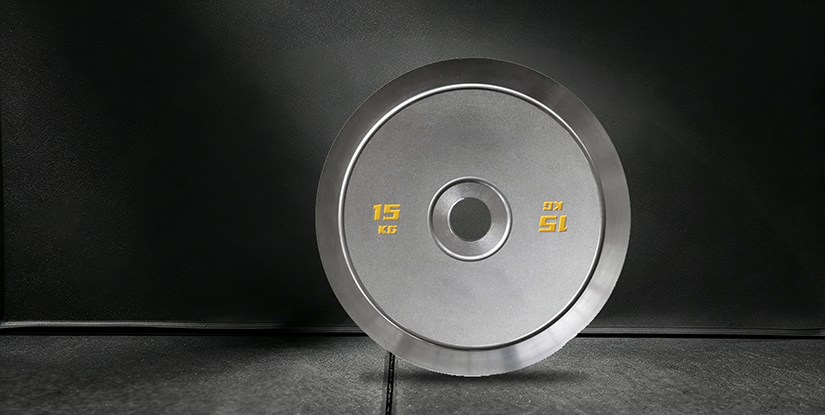
To maximize your procurement efficiency, we recommend requesting a detailed specification sheet that clarifies the specific manufacturing route and the resulting surface quality. Whether you are looking for standard stock or a customized ODM solution, understanding these technical nuances allows you to better manage your distributor margins and provide more reliable equipment to your clients. Contact our team to discuss your specific sourcing requirements, confirm current MOQ, or request a sample for quality evaluation.
The final stage of the olympic weight plate foundry workflow is the most critical for ensuring that bulk shipments arrive without defects. For international distributors, the risk of receiving damaged or non-compliant inventory can significantly increase the total landed cost and disrupt local replenishment cycles. Therefore, a professional China factory must implement a rigorous pre-shipment QC protocol that goes beyond simple visual checks to include weight calibration and physical stress testing.
During the pre-shipment inspection, technicians perform a weight tolerance spot-check on a statistical sample of the batch to ensure all units align with the promised cast iron plate specifications. Furthermore, a critical checkpoint involves testing coating adhesion; this ensures that the powder coating or enamel can withstand the mechanical friction of daily commercial use without chipping. For high-tier commercial weight plate manufacturing, this step is non-negotiable to prevent premature oxidation and maintain the aesthetic integrity of your private label products during transit and initial deployment.
Effective export packaging is the final safeguard for your investment. Given the extreme weight and density of these products, standard thin-walled cartons are insufficient for sea freight. A reliable supplier utilizes reinforced, heavy-duty corrugated boxes or custom wooden crates designed for high-density stacking. This specialized packaging protects the plate edges from impact damage and ensures container loading efficiency, which is a vital factor in optimizing shipping volumes and reducing the overall landed cost for large-scale wholesale orders.
When planning your next procurement cycle, we recommend coordinating closely with the manufacturer regarding the lead time and the specific export packaging configurations. Whether you are ordering standard stock or a customized OEM production run, understanding the time required for calibration and international freight preparation will help you manage your warehouse inventory more effectively. Contact our team to request a formal quote, confirm the current MOQ for your specific weight class, or schedule a factory audit to review our QC documentation firsthand.
Critical Quality Control and Inspection Points for Importers
Maintaining strict oversight during the production cycle is the only way for distributors to mitigate the risks of high return rates and damaged reputation. When sourcing from an olympic weight plate foundry, the difference between a profitable shipment and a logistical nightmare lies in the rigor of the pre-shipment inspection. For professional buyers, ensuring that every unit meets the expected cast iron plate specifications is essential for long-term commercial durability and brand trust.
A professional China factory must implement a multi-stage verification process that begins at the casting stage and extends through final packaging. Without standardized commercial weight plate manufacturing protocols, importers often face issues such as uneven weight distribution or poor surface integrity. A reliable supplier will provide transparency regarding their testing methods to ensure the product can withstand the high-volume usage typical of commercial gym environments.
Effective sourcing strategies require a focus on three primary technical variables: weight tolerance, surface finish, and batch consistency. A single deviation in these areas can lead to unbalanced loading in professional strength training, which negatively impacts the user experience and increases the liability for the equipment provider.
Essential Inspection Standards for Bulk Procurement
To ensure high batch consistency, a reputable factory should perform systematic checks throughout the manufacturing sequence. This includes verifying the concentricity of the center bore to ensure plates sit flush on Olympic barbells, as well as inspecting the surface finish to prevent premature oxidation or coating failure. For high-volume wholesale orders, these checks are critical to maintaining a predictable landed cost by reducing the need for post-import replacements.
| Technical Focus | Commercial Duty Requirement | Typical Inspection Point | Procurement Impact |
|---|---|---|---|
| Weight Tolerance | Standardized weight accuracy | Randomized sample calibration | Reduces returns and disputes |
| Surface Finish | Uniform coating/paint adhesion | Visual and abrasion check | Protects long-term aesthetics |
| Bore Concentricity | Smooth barbell engagement | Center hole alignment test | Ensures commercial usability |
| Material Integrity | Consistent casting density | Surface crack and chip inspection | Ensures long-term durability |
Before finalizing any MOQ or lead time agreements, we recommend that importers request a detailed pre-shipment inspection report or arrange for a third-party audit. Verifying these technical specifications at the source ensures that your private label or branded inventory meets the professional standards required by your local market.
Critical Physical Attributes and Packaging Verification
Beyond the primary weight checks, a thorough inspection of the physical edges and surface layers is vital for high-end distributors. Importers should verify the edge smoothness to ensure there are no sharp burrs or uneven casting imperfections that could damage expensive barbells or flooring. Furthermore, testing the coating adhesion is a non-negotiable step; a high-quality olympic weight plate foundry will ensure that the paint or powder coating is deeply bonded to the iron to prevent chipping during heavy-duty commercial use. Failure to verify these details during the initial sourcing phase often leads to increased maintenance costs and lower customer satisfaction for the end-user.
The final stage of the commercial weight plate manufacturing process must include a rigorous review of the export packaging. For high-volume wholesale shipments, the durability of the outer carton and the internal structural support is just as important as the plate itself. A professional factory should utilize reinforced heavy-duty boxes and palletized arrangements to prevent shifting or crushing during ocean transit. This attention to detail minimizes the risk of arrival damage, ensuring that your bulk order arrives in a condition that allows for immediate retail or distribution, thereby protecting your profit margins and reducing the complexity of your landed cost calculations.
Optimizing Sourcing via OEM and Private Label Solutions
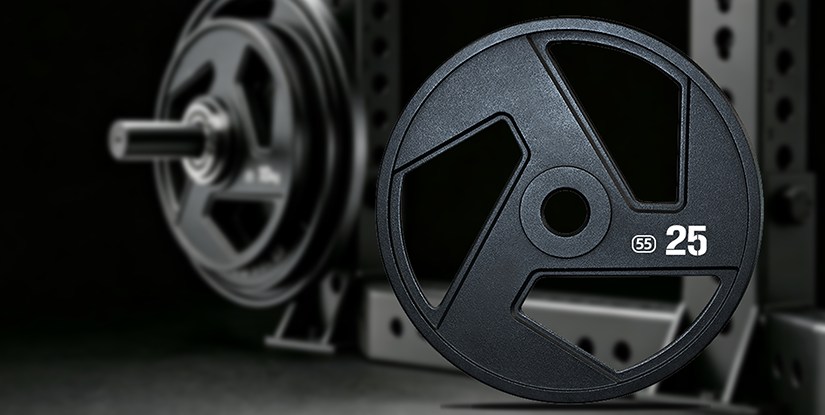
For international distributors and large-scale gym equipment importers, relying on generic stock can limit market positioning and profit margins. Utilizing a professional olympic weight plate foundry allows you to move beyond standard inventory and develop a unique market presence. By leveraging OEM and ODM capabilities, you can transform standard production into high-value assets that align with your specific market demands.
Strategic custom branding is essential for establishing a recognizable brand identity in the competitive commercial fitness sector. Whether you require specific embossed logos on cast iron surfaces or specialized color-coded coatings, a capable China factory can accommodate these requirements to differentiate your product line. This level of customization ensures that your wholesale orders carry your proprietary mark, increasing the perceived value of your catalog to end-users and gym owners.
Choosing the right supplier involves more than just comparing unit costs; it requires evaluating the ability to scale with your growth. A specialized olympic weight plate foundry provides the technical infrastructure to manage complex sourcing requests, from unique plate diameters to specific thickness profiles. Engaging in ODM processes allows you to collaborate on product design, ensuring that the final technical specifications meet the rigorous standards of professional weightlifting environments while maintaining efficient MOQ levels for new product launches.
Technical Comparison of Sourcing Models
When planning long-term procurement, understanding the distinction between standard stock and customized production is vital for managing your landed cost and inventory turnover. A standard commercial weight plate manufacturing approach focuses on high-volume, ready-to-ship units that offer the fastest lead time but minimal differentiation. In contrast, a fully customized olympic weight plate foundry approach allows for precise control over the aesthetic and technical attributes of your product line.
The following table outlines the typical differences in sourcing depth to assist in your procurement decision-making process:
| Sourcing Model | Material & Finish Options | Process Customization | Key QC Point | Commercial Duty | MOQ Impact |
|---|---|---|---|---|---|
| Standard Stock | Common cast iron or basic powder coating | Standard casting and machining only | Weight tolerance spot-check | Budget to Mid-tier Commercial | Low |
| Private Label / OEM | Specific color-coded PU or rubber coating | Embossed logos and custom diameter/thickness | Coating adhesion and concentricity | Premium Commercial / Professional | Higher |
| Full ODM Solution | High-grade steel or specialized alloys | Complete engineering of plate profile and grip | Comprehensive pre-shipment inspection | Elite Competition / Specialized | Highest |
For distributors seeking to maximize their competitive edge, moving toward cast iron plate specifications that include custom branding or specialized coatings can significantly improve your market positioning. While customized solutions typically involve a higher MOQ and extended lead time due to the specialized tooling and calibration required, the ability to offer a proprietary, high-performance product line often results in better long-term ROI and stronger brand loyalty among professional gym operators.
We recommend that buyers request a detailed specification sheet and confirm the specific MOQ for any customized OEM project. To ensure quality, you may also request a sample approval or book a third-party factory audit to verify the production standards and packaging durability before final shipment.
Standardizing Quality Through Manufacturing and Inspection
Achieving consistent results in bulk procurement requires a rigorous understanding of the manufacturing sequence. A professional olympic weight plate foundry follows a strict progression to ensure every unit meets commercial-grade durability. The process typically begins with high-quality sand casting to create the base plate structure, followed by precision machining to ensure the center bore is perfectly concentric. This stage is critical, as any deviation in the bore or plate flatness can lead to uneven weight distribution and increased maintenance loads for the end-user.
Once the structural form is finalized, the plates undergo specialized surface treatments. For many commercial clients, a durable powder coating is applied to enhance resistance to oxidation and physical wear. During this stage, the factory may also perform logo embossing, where your brand identity is integrated directly into the casting or the coating layer. This ensures that your custom branding remains permanent and does not peel or fade under heavy usage, protecting your long-term investment in the product line.
To mitigate the risks associated with international shipping and long-term storage, a robust pre-shipment QC protocol is mandatory. A reputable supplier will perform a weight tolerance check on a randomized percentage of the batch to ensure all plates fall within the acceptable industry-standard range. Furthermore, inspecting the coating adhesion and the integrity of the center bore ensures that the plates will function seamlessly with various barbell types. Finally, high-standard export packaging—often involving reinforced corner protection and heavy-duty cartons—is utilized to minimize transit damage and reduce the risk of arrived-damaged goods, ultimately protecting your landed cost and distributor margins.
Logistics and Export Packaging for High-Volume Orders
Managing the logistics of heavy iron goods requires more than standard shipping; it demands a specialized approach to protect your margins. For distributors and large-scale importers, the olympic weight plate foundry must provide rigorous export packaging solutions to ensure that bulk orders arrive at your warehouse without structural or surface defects. Failure to implement high-standard damage prevention protocols can lead to significant losses in landed cost due to transit damage or unusable inventory.
When sourcing directly from a China factory, the method of palletization and the quality of heavy-duty crates used for sea freight are critical variables. Reliable commercial weight plate manufacturing involves more than just the casting process; it includes the strategic preparation of goods for long-distance maritime transport. High-quality cast iron plate specifications should ideally include a standard for how the units are stacked and secured within a container to prevent shifting and impact damage during transit.
Optimized packaging strategies, such as reinforced wooden crates or heavy-duty pallets, help stabilize the center of gravity for dense metal loads. This precision in logistics planning ensures that the wholesale value of your shipment is preserved from the moment it leaves the supplier until it reaches your facility, maintaining the integrity of the product and the predictability of your supply chain.
Optimizing Container Loading and Shipping Efficiency
Selecting the appropriate packaging tier is a decisive factor in controlling your total landed cost. For professional importers, the choice between basic palletized shipping and reinforced wooden crates often depends on the specific MOQ and the intended destination. While standard palletized shipping offers a cost-effective solution for regional distribution, high-volume container loading for long-distance maritime transit requires more robust structural support to handle the extreme density of iron.
| Packaging Method | Primary Use Case | Protection Level | Weight Distribution Strategy | Logistics Efficiency |
|---|---|---|---|---|
| Standard Palletized | Short-haul or regional transport | Basic protection against surface scratches | Standard stackable weight limits | High speed and easy forklift access |
| Reinforced Wooden Crates | International sea freight/Long-haul | High protection against impact and shifting | Optimized for heavy-duty density | Requires specialized unloading equipment |
| Custom Container Bracing | Bulk wholesale/Full container loads | Maximum structural stability | Calculated center of gravity placement | Highest efficiency for large-scale imports |
A professional olympic weight plate foundry understands that improper weight distribution inside a shipping container can lead to container floor stress or product deformation. To mitigate these risks, a high-tier supplier will utilize specialized bracing and securing techniques during the loading phase. This ensures that the density of the metal does not compromise the stability of the entire shipment. When negotiating your next procurement cycle, we recommend confirming the specific export packaging protocols and requesting a detailed loading plan to ensure your inventory arrives in peak commercial condition.
Pre-Shipment Inspection and Quality Verification
Before a single pallet is moved into a container, a rigorous pre-shipment inspection is mandatory to safeguard your investment. For high-volume buyers, the risk of receiving weight-deviant or surface-damaged inventory is a direct threat to distributor margins. A professional olympic weight plate foundry conducts final audits that go beyond basic aesthetics. This process involves systematic weight verification to ensure each unit aligns with the agreed-upon cast iron plate specifications, preventing the costly complications of non-compliant stock at your destination.
Effective container loading supervision is the final line of defense in the sourcing process. During this stage, the factory must ensure that moisture protection protocols, such as industrial-grade desiccants or specialized film, are applied to prevent oxidation during extended sea freight transit. We advise all procurement leads to request a final inspection report or a third-party audit to confirm that the moisture protection and structural bracing meet international shipping standards. Verifying these details during the final stage of commercial weight plate manufacturing ensures that your wholesale order arrives ready for immediate retail or commercial deployment, with no unexpected expenses affecting your total landed cost.