Calibrated Weight Plate Bulk Supplier: China Factory Bulk
Calibrated Weight Plate Bulk Supplier: Strategic Sourcing for Distributors
Many distributors fail by sourcing low-tolerance cast iron through generic traders, leading to high return rates and damaged reputations. A more profitable strategy involves partnering directly with a calibrated weight plate bulk supplier that offers high-precision machined steel. By sourcing from a China factory, you can secure consistent weight accuracy and professional-grade finishes that satisfy high-end commercial gym requirements while maintaining a competitive edge.
For volume buyers, the difference between standard cast plates and precision-machined units is a critical factor in long-term TCO. While standard plates are sufficient for basic training, professional facilities demand the consistency found in wholesale calibrated weight plates to ensure training accuracy and equipment longevity. Choosing a specialized supplier allows you to manage your inventory with higher confidence in product uniformity.
Optimizing your margins requires a deep understanding of the manufacturing layers that impact final landed costs. When you procure commercial steel weight plates, you are not just buying metal; you are investing in a standardized production cycle that includes casting, CNC machining, and rigorous calibration. Working with a direct factory enables you to implement OEM or ODM requests, allowing for custom branding that strengthens your own market position and increases your distributor margin.
Evaluating Sourcing Models: Factory-Direct vs. Trading Company
Selecting the right procurement path is essential for maintaining a reliable supply chain. When you engage with a precision weight plate manufacturer, you gain direct oversight of the production stages, from initial sand casting to final weight calibration. This direct access is vital for managing MOQ requirements and ensuring that your landed cost remains predictable without the hidden markups often found in multi-tier trading structures.
A technical comparison of these sourcing options illustrates how manufacturing control impacts your final product quality and business scalability:
| Sourcing Model | Primary Material | Manufacturing Process | Typical QC Focus | Business Advantage |
|---|---|---|---|---|
| Direct China factory | Machined Steel / Cast Iron | Casting & CNC Machining | Bore concentricity & weight tolerance | Higher distributor margin & OEM capability |
| Trading Company | Standard Cast Iron | Basic Casting & Coating | Surface appearance & packaging | Lower MOQ for small batches |
| Specialized supplier | High-Grade Steel | Precision Calibration | Dimensional accuracy & coating adhesion | Consistent quality for high-end gyms |
For large-scale distributors, the ability to request ODM services or specific private label branding is often a decisive factor. A direct supplier can integrate your brand identity into the metal embossing or coating process, whereas a trader may only offer stock items. To ensure your next shipment meets professional standards, we recommend requesting a detailed spec sheet, confirming the MOQ for custom branding, and scheduling a factory audit or pre-shipment inspection to verify weight tolerance and coating durability.
Critical Inspection Points for High-Precision Bulk Orders
To mitigate the risk of receiving inconsistent stock, professional buyers must look beyond surface aesthetics. When sourcing from a calibrated weight plate bulk supplier, your pre-shipment inspection should focus on technical tolerances that impact commercial usability. A standard check is insufficient for high-end facilities; you must verify the structural integrity and dimensional precision that separate premium units from budget cast iron.
The first priority is weight calibration and bore concentricity. In many commercial settings, plates with uneven bores or poor concentricity can cause uneven loading on Olympic barbells, leading to user dissatisfaction and higher maintenance loads. A reliable precision weight plate manufacturer will utilize CNC machining to ensure the center hole is perfectly centered and the plate thickness is uniform. This level of precision is essential for maintaining the balance required in professional strength training environments.
Secondly, evaluate the surface finish and coating adhesion. Whether you are procuring commercial steel weight plates with a powder coating or a specialized paint finish, the bond between the metal and the coating must be seamless. Inspect for any signs of bubbling, peeling, or uneven thickness, as these defects can lead to premature oxidation and reduced product lifespan. High-quality coating processes are vital for protecting the steel from the wear and tear typical in high-traffic gym environments.
Finally, do not overlook the importance of export packaging and container loading protocols. For bulk wholesale calibrated weight plates, the weight per pallet can be significant. Ensure your supplier utilizes reinforced, heavy-duty packaging and palletization methods that prevent metal-on-metal friction during transit. Proper loading strategies reduce the risk of dented edges or damaged coatings upon arrival, protecting your landed cost and ensuring your inventory reaches your warehouse in pristine, saleable condition.
Material and Precision Engineering for Commercial Steel Weight Plates
When sourcing high-performance training equipment, distributors must prioritize weight consistency to ensure long-term reliability. A professional calibrated weight plate bulk supplier provides more than just heavy metal; they deliver precision-engineered components that meet rigorous commercial standards. By sourcing directly from a China factory, importers can secure high-grade commercial steel weight plates that balance structural integrity with optimized TCO through reduced replacement cycles.
The manufacturing of high-end plates involves a sophisticated sequence of casting and machining to ensure the center of gravity remains stable. For premium orders, a precision weight plate manufacturer utilizes specialized CNC machining to refine the bore and outer edges, ensuring a perfect fit for Olympic barbells. This level of engineering is essential for large-scale gym installations where uneven weight distribution can lead to equipment wear or safety concerns.
Engineering Standards and Manufacturing Tiers
Selecting the right production method is a critical decision for procurement managers. The choice between standard cast iron and machined steel affects both the initial landed cost and the long-term durability of the inventory. A reliable supplier will offer various tiers of production to match different facility requirements, from standard commercial strength to high-competition specifications.
| Material | Process | Key Component | Commercial Duty | MOQ Impact | Factory QC Point |
|---|---|---|---|---|---|
| Cast Iron | Sand Casting | Base Flatness | Standard Commercial | Lower | Surface Smoothness |
| Steel | Machining & Coating | Bore Concentricity | Premium Commercial | Higher | Weight Tolerance |
| Steel/Rubber | Molding & Vulcanization | Bond Line Adhesion | High-Impact/Bumper | Moderate | Coating Uniformity |
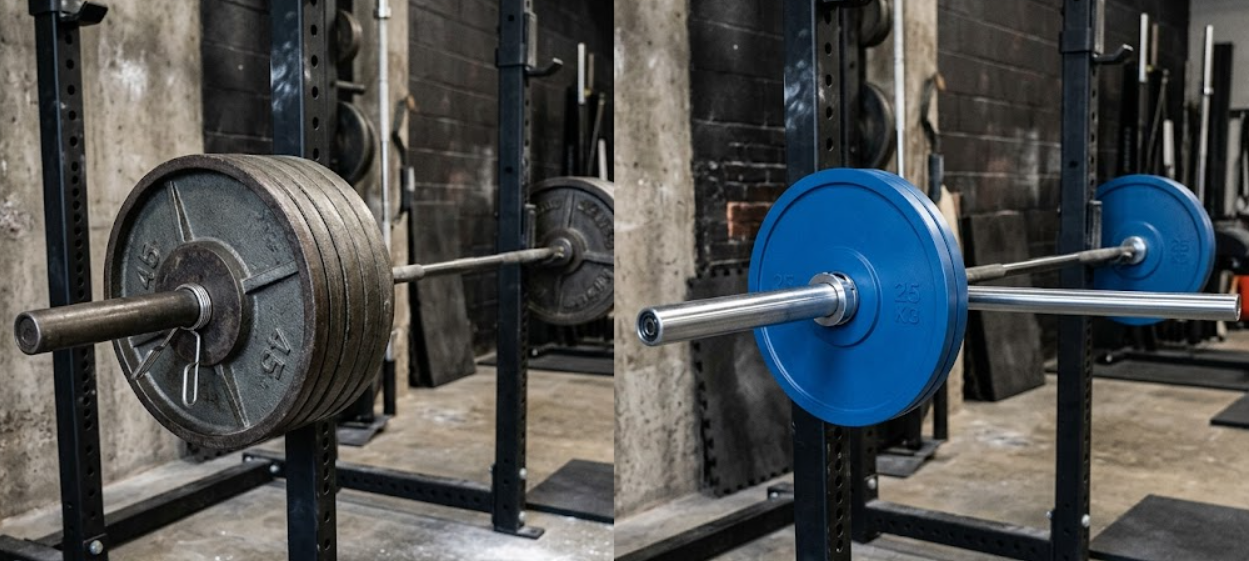
Understanding the technical differences between manufacturing routes is essential for optimizing your procurement strategy. For instance, many wholesale calibrated weight plates are produced via sand casting, which is a cost-effective method for high-volume orders but may result in more textured surfaces. In contrast, high-tier units undergo extensive CNC machining to achieve superior bore concentricity and edge smoothness. This distinction is vital for distributors who need to decide between high-volume budget options and premium, precision-focused inventory.
Surface Finishing and Coating Durability
The longevity of your inventory is heavily dependent on the surface finishing applied during the final stages of the manufacturing process. A professional calibrated weight plate bulk supplier ensures that each unit undergoes rigorous treatment to prevent oxidation and wear. Depending on the specific requirements of your client or brand, you might choose between various industrial finishes. For example, while simple paint provides basic protection, high-grade powder coating offers much higher resistance to impact and scratches in high-traffic commercial environments.
When evaluating a precision weight plate manufacturer, it is prudent to inquire about the specific application of the coating. A high-quality powder coating line ensures a uniform layer that adheres tightly to the steel, preventing chipping during heavy use. For specialized bumper-style plates, the integrity of the rubber or PU coating—specifically the bond line adhesion—is a critical quality control point that should be verified during pre-shipment inspections to avoid premature failure and high replacement costs.
Comparing Production Routes and Commercial Duty Tiers
When sourcing for large-scale fitness facilities or distribution networks, understanding the manufacturing route is essential for calculating long-term TCO. A professional calibrated weight plate bulk supplier will typically offer different production tiers to meet varying budget and precision requirements. Choosing between standard casting and precision machining directly impacts your landed cost, replacement frequency, and the overall durability of the equipment in a high-traffic commercial environment.
For distributors and gym owners, the choice between budget-friendly casting and high-end machining is not just about the initial purchase price, but about the operational efficiency and maintenance load over the product lifecycle. A precision weight plate manufacturer provides the technical transparency needed to decide whether a specific batch fits a premium studio or a standard commercial warehouse setting.
| Material Tier | Primary Process | Precision Level | Commercial Duty | TCO Impact |
|---|---|---|---|---|
| Cast Iron | Sand Casting | Standard | Budget / General Gym | Lower initial cost; higher replacement rate |
| Steel | Machining & Calibration | High | Premium / Competition | Higher initial cost; extreme durability |
| Steel / Iron | wholesale calibrated weight plates Specs | Mid-High | Professional Studio | Balanced cost and longevity |
Selecting commercial steel weight plates produced via advanced machining routes ensures better concentricity and a more consistent fit on Olympic bars. While sand casting is a common China factory output for high-volume wholesale orders, it may result in slight irregularities that affect long-term usability in professional settings. By evaluating these manufacturing paths, procurement leads can optimize their sourcing strategy to match their specific market positioning.
Selecting the correct manufacturing path is a critical decision for long-term asset management. For distributors looking to maximize margins, the distinction between a standard casting process and a precision-machined workflow can determine whether a product remains a reliable staple or becomes a frequent replacement expense. A professional calibrated weight plate bulk supplier ensures that each tier is clearly defined by its production sequence and intended commercial utility.
| Material | Process | Key Component/Detail | Commercial Duty | MOQ Impact | Factory QC Point |
|---|---|---|---|---|---|
| Cast Iron | Sand Casting | Surface Texture | Budget / Standard Gym | Lower MOQ requirements | Base Flatness |
| Steel | CNC Machining | Bore Concentricity | Professional Studio | Standard wholesale volume | Weight Tolerance |
| Steel / Iron | Precision Calibration | Knurled Bore Fit | Premium / Competition | High MOQ for OEM | Coating Adhesion |
When evaluating wholesale calibrated weight plates, procurement specialists must consider how the secondary finishing stages affect the final landed cost. For example, while sand casting is a highly efficient route for a China factory to produce high volumes, adding a precision machining step is necessary for high-end commercial steel weight plates that require exact tolerances. This additional step ensures a seamless fit with Olympic bars, reducing friction and wear on expensive barbell sleeves. To ensure your sourcing strategy aligns with your target market, we recommend requesting a technical spec sheet or a sample evaluation to verify the bore concentricity and coating quality before finalizing a bulk order.
When evaluating wholesale calibrated weight plates, procurement specialists must consider how the secondary finishing stages affect the final landed cost. For example, while sand casting is a highly efficient route for a China factory to produce high volumes, adding a precision machining step is necessary for high-end commercial steel weight plates that require exact tolerances. This additional step ensures a seamless fit with Olympic bars, reducing friction and wear on expensive barbell sleeves. To ensure your sourcing strategy aligns with your target market, we recommend requesting a technical spec sheet or a sample evaluation to verify the bore concentricity and coating quality before finalizing a bulk order.
China Factory Manufacturing: From Casting to Calibration
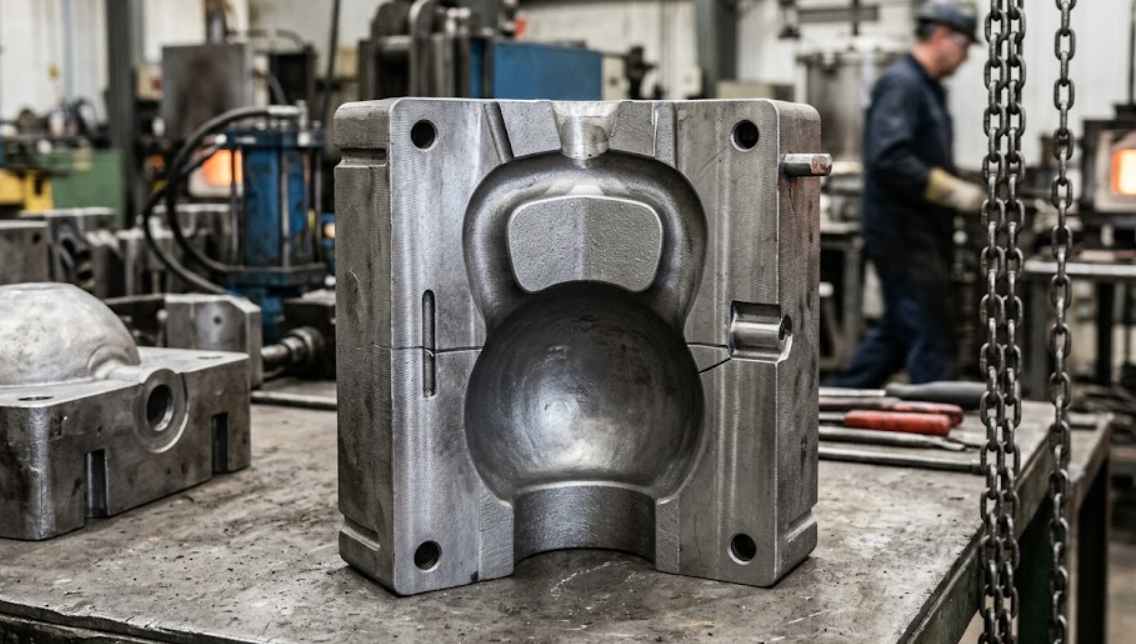
To ensure high-precision standards for international distributors, a professional calibrated weight plate bulk supplier must implement a rigorous multi-stage production workflow. When sourcing from a China factory, the process begins with high-quality sand casting to create the foundational shape of the iron or steel plate. This initial stage is critical for ensuring structural density and minimizing internal air pockets that could lead to uneven weight distribution during high-volume use.
Following the casting phase, the plates undergo intensive CNC machining to refine the center bore and outer edges. This precision machining ensures the concentricity required for a seamless Olympic collar fit, which is a vital quality check for any precision weight plate manufacturer. After the mechanical shaping, the units move to the surface treatment line, where specialized powder coating or plating is applied to prevent oxidation and enhance durability in commercial environments. The final, most critical step is the weight calibration process, where each unit is verified to meet strict weight tolerances before being cleared for wholesale distribution. This systematic approach reduces the risk of weight discrepancies, protecting the landed cost and long-term reputation of the importer.
Technical Production Sequence and Quality Control
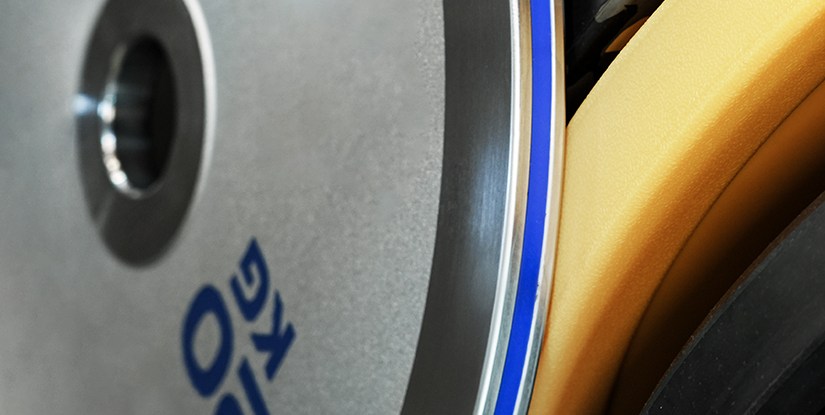
A reliable precision weight plate manufacturer maintains strict oversight across every stage of the assembly to ensure that commercial steel weight plates meet the expectations of professional gym operators. The transition from raw casting to a finished, calibrated product requires constant monitoring of material integrity and machining accuracy.
| Material Type | Primary Process | Key Component/Detail | Commercial Duty Tier | Factory QC Point |
|---|---|---|---|---|
| Cast Iron | Sand Casting | Base Flatness | Standard Commercial | Surface Smoothness |
| Steel | CNC Machining | Bore Concentricity | Premium/Competition | Tolerance Verification |
| Steel/Iron | Powder Coating | Coating Adhesion | High-Traffic Commercial | Finish Uniformity |
For distributors managing large-scale procurement, understanding these technical nuances is essential when evaluating a calibrated weight plate bulk supplier. A high-quality China factory will provide transparency regarding their wholesale calibration methods and the specific machining techniques used to achieve the final product's precision. This technical rigor directly impacts the wholesale calibrated weight plates' ability to remain balanced and durable under heavy commercial use, ultimately optimizing the total cost of ownership for the end-user.
When managing high-volume procurement, buyers must distinguish between standard casting and precision-engineered units. A professional calibrated weight plate bulk supplier ensures that the transition from raw material to finished product involves specific technical checkpoints that safeguard the investor's ROI. For those sourcing wholesale calibrated weight plates, the difference in long-term utility often lies in the secondary machining and calibration stages rather than just the initial casting.
Material Integrity and Precision Standards
The production of commercial steel weight plates requires a disciplined approach to material density and surface uniformity. In a high-standard China factory, the workflow is designed to eliminate the common failure modes found in lower-tier manufacturing, such as uneven weight distribution or bore misalignment. By prioritizing these technical stages, a precision weight plate manufacturer provides a product that maintains its structural integrity through years of heavy commercial rotation.
| Material Type | Primary Process | Key Component/Detail | Commercial Duty Tier | Factory QC Point |
|---|---|---|---|---|
| Cast Iron | Sand Casting | Base Flatness | Standard Commercial | Surface Smoothness |
| Steel | CNC Machining | Bore Concentricity | Premium/Competition | Tolerance Verification |
| Steel/Iron | Powder Coating | Coating Adhesion | High-Traffic Commercial | Finish Uniformity |
For distributors looking to optimize their landed cost, selecting the right tier of commercial steel weight plates is a strategic decision. We recommend that importers request specific documentation regarding the calibration process and the precision of the center bore. Engaging with a specialized supplier who can provide transparency on their MOQ and production lead times will ensure your inventory meets the rigorous demands of professional training facilities.
Final Inspection and Export-Ready Packaging
Before departure from the China factory, every batch undergoes a final rigorous quality control protocol to mitigate the risk of transit damage and ensure professional standards. A reputable calibrated weight plate bulk supplier implements a systematic weight tolerance spot-check on a randomized sample from each production lot. This verification confirms that the wholesale calibrated weight plates maintain their precision throughout the cooling and coating phases, ensuring that the final weight delivered to your warehouse matches the technical specification. This level of diligence is essential for distributors to maintain high trust and reduce return rates in the commercial market.
Beyond weight accuracy, the precision weight plate manufacturer must also conduct a coating adhesion test. This check ensures that the powder coating or plating on the commercial steel weight plates is securely bonded and will not chip or flake during heavy use or transport. Once cleared, the products are prepared for international logistics using heavy-duty export packaging. We utilize reinforced pallets and high-strength protective wrapping to secure the load, optimizing container space efficiency and protecting the units from moisture and physical impact. By prioritizing these final QC and packaging steps, a professional supplier helps you manage the complexity of international shipping, providing more predictable lead times and a lower total landed cost for your bulk orders.
Optimizing Logistics and Export Packaging for Bulk Orders
Efficient logistics management is a critical factor for distributors and warehouse operators when sourcing heavy steel components. As a professional calibrated weight plate bulk supplier, we understand that the journey from a China factory to your facility involves significant risks regarding transit damage and container utilization. Optimizing the export packaging process is not just about protection; it is a strategic move to reduce your landed cost and maximize shipping efficiency.
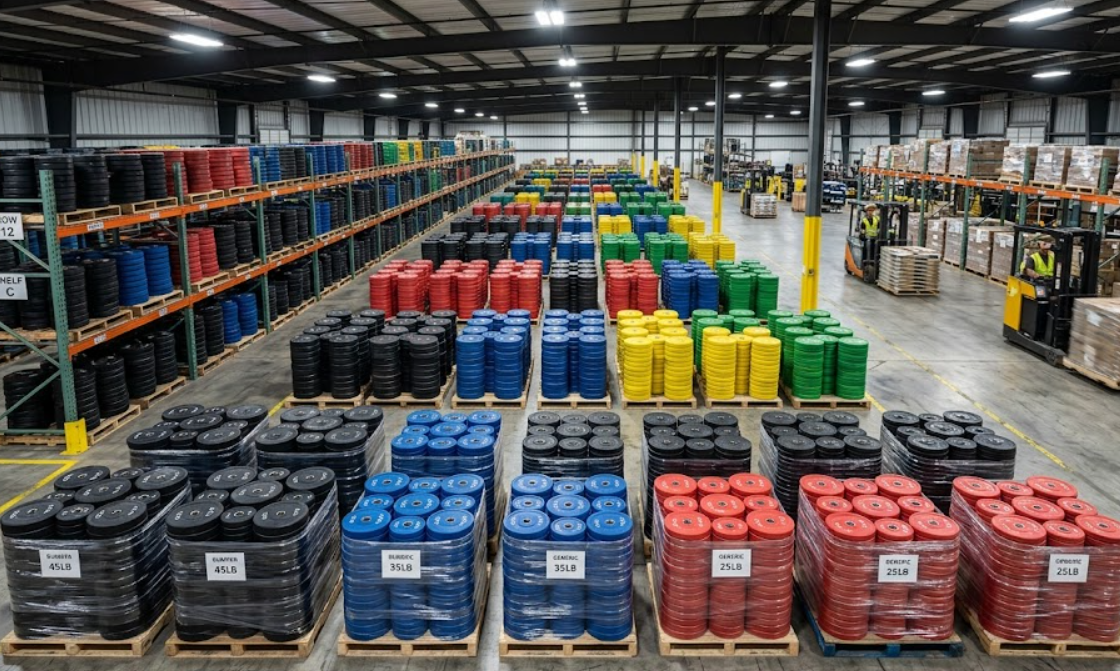
When managing large-scale wholesale calibrated weight plates orders, standard retail packaging is insufficient. To ensure damage prevention during long-distance sea freight, we implement industrial-grade palletization and reinforced crate structures. This rigorous approach minimizes the risk of surface oxidation or structural deformation, ensuring that your commercial steel weight plates arrive in pristine, ready-to-sell condition. By optimizing volume density and securing loads through professional sourcing standards, we help you maintain higher margins and lower the total cost of procurement.
Packaging Configurations and Volume Optimization
Selecting the correct packaging method is essential for distributors to balance protection with shipping density. For high-volume procurement, the choice between loose loading and palletized systems directly impacts your final landed cost and warehouse handling speed. A professional precision weight plate manufacturer provides various configurations to suit different logistics requirements and storage capacities.
| Packaging Type | Loading Method | Primary Benefit | Ideal Use Case | Distributor Impact |
|---|---|---|---|---|
| Loose Container Loading | Manual stacking in 20ft or 40ft containers | Maximizes total weight capacity and reduces volumetric waste | High-volume, budget-conscious wholesale shipments | Lowest freight cost per unit for large warehouses |
| Standard Palletized | Stacking on reinforced wooden or plastic pallets | Faster unloading and systematic warehouse organization | Regular stock replenishment for fitness distributors | Reduces labor time and forklift handling risks |
| Reinforced Crating | Heavy-duty wooden crates for premium items | Maximum protection against impact and moisture | High-end commercial or competition-grade orders | Protects high-margin inventory from transit damage |
For distributors seeking to optimize their inventory turnover, we recommend discussing specific container loading plans during the initial sourcing phase. Whether you require palletized units for quick warehouse integration or loose loading to maximize container weight, our calibrated weight plate bulk supplier expertise ensures your cargo is secured to prevent shifting. We invite you to contact us to request a detailed packing list or confirm the MOQ for your specific shipping configuration.
Pre-Shipment Inspection and Quality Assurance Protocols
To eliminate the risk of receiving non-compliant inventory, a professional precision weight plate manufacturer must implement a multi-stage verification process before any cargo leaves the China factory. For distributors, the cost of a single faulty batch—whether due to weight discrepancies or coating failures—can significantly erode annual margins. We mitigate these risks through a structured pre-shipment inspection that focuses on the technical integrity of every unit in a bulk order.
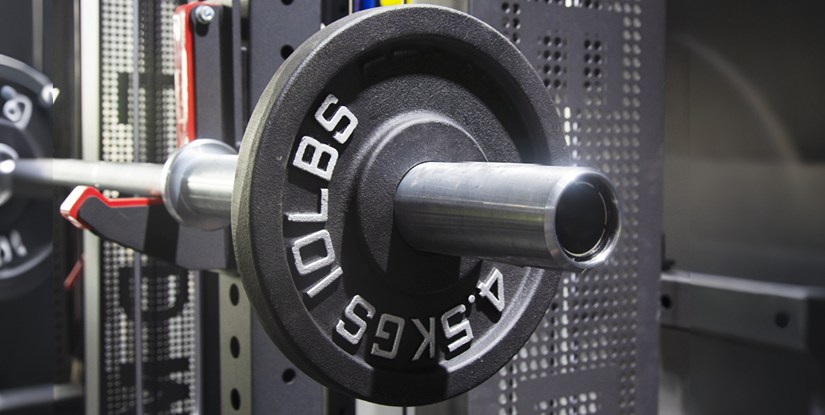
Our standard quality control protocol involves a systematic weight tolerance check to ensure every plate meets the specified calibration standards. This is followed by a visual inspection of the surface finish, checking for any irregularities in the powder coating or oxidation issues. During the final stages of wholesale calibrated weight plates preparation, we also perform a container loading supervision. This step is vital for verifying that the stacking density and pallet stability are sufficient to withstand the stresses of sea freight. By adhering to these strict export standards, we ensure that your commercial steel weight plates arrive at your warehouse ready for immediate distribution, reducing the need for costly returns or replacement planning.
Navigating the complexities of international shipping requires a partner who understands the nuances of lead time and logistics coordination. When you initiate a bulk order, we provide transparent timelines regarding production and transit to help you manage your inventory turnover effectively. Whether you are looking to expand your product line through an OEM arrangement or require a steady supply of standard stock, our team is ready to assist with technical spec sheets and volume pricing. Please contact us to discuss your specific MOQ, request a sample approval, or book a factory audit to verify our quality processes firsthand.
Custom Branding and OEM/ODM Capabilities for Importers
For distributors looking to scale, a calibrated weight plate bulk supplier offers more than just inventory; they provide a platform for market expansion. Transitioning from a general importer to a specialized brand requires high-level product customization to secure a competitive edge in the North American market.
Working with a China factory allows for seamless private label integration, enabling you to embed your brand identity directly into the hardware. Whether you require specific color-coded commercial steel weight plates or unique embossed logos, OEM and ODM services ensure your catalog remains distinct. This strategic move helps increase distributor margin by moving away from generic commodity trading toward high-value, branded solutions. By leveraging professional wholesale manufacturing, you can manage your MOQ effectively while offering a premium, differentiated product line to your end-users.
Technical Execution of Custom Branding and Surface Finishes
Achieving a high-end aesthetic for your proprietary line requires precision in the finishing stage. Most professional importers select between two primary methods for logo application: physical embossing or high-durability printing. Logo embossing involves casting the brand name directly into the metal or rubber surface during the molding process, ensuring the mark is permanent and resistant to wear. For a more refined look, laser engraving offers a clean, sharp finish on the surface of the plate. To protect these marks and provide a premium feel, a high-grade powder coating is typically applied. This process ensures the coating adhesion is uniform across the entire surface, preventing peeling even under heavy commercial use.
The selection of surface finishing impacts both the visual appeal and the long-term maintenance load for your clients. While simple paint is cost-effective, a specialized powder coating provides a much higher level of durability and impact resistance. When sourcing through a precision weight plate manufacturer, it is essential to verify that the surface finishing can withstand high-frequency use in commercial environments. A well-executed finish not only elevates the perceived value of your wholesale calibrated weight plates but also reduces the frequency of replacement requests, thereby improving the overall lifecycle value for your customers.
Standardized Export Packaging and Pre-Shipment QC
To minimize the risk of transit damage and optimize container loading efficiency, a reliable calibrated weight plate bulk supplier must implement rigorous export packaging protocols. For heavy, high-density shipments, we utilize reinforced heavy-duty cartons and palletized configurations designed to withstand sea freight stresses. This attention to detail ensures that your landed cost remains low by reducing the incidence of damaged goods upon arrival at your warehouse. We also offer customized packaging solutions to reflect your brand identity, which can be a significant value-add for your distribution network.
Quality control is not a single event but a continuous process throughout the production cycle. Our China factory follows a strict sequence: from the initial casting and CNC machining of the center bore to the final calibration and surface coating. Before any shipment leaves the facility, a comprehensive pre-shipment QC inspection is conducted. This includes checking the flatness of the plates, the concentricity of the Olympic collar fit, and the adhesion of the powder coating. By verifying these technical specifications at the source, we help you mitigate the risks associated with bulk international sourcing and ensure that every unit meets the professional standards your customers expect.
Sourcing Comparison: Standard Stock vs. Full Customization
When planning your next procurement cycle, understanding the trade-offs between rapid replenishment and long-term brand building is essential. A professional calibrated weight plate bulk supplier typically offers two distinct paths: high-speed stock fulfillment or specialized OEM/ ODM production. While stock orders provide speed, custom solutions allow you to capture higher market segments through differentiation.
| Feature | Standard Stock | Full Customization (OEM/ODM) |
|---|---|---|
| Branding Method | Standard Logo or No Branding | Embossed, Laser Engraved, or Custom Decals |
| Surface Finish | Standard Black Powder Coating | Custom Colors, Chrome, or Specialized Finishes |
| Customization Level | Limited to Standard Sizes | Full Specification Control (Bore, Thickness, Color) |
| MOQ Impact | Low to Moderate | Higher Minimums for Custom Tooling |
| Lead Time | Short (Ready to Ship) | Extended (Includes Tooling and Calibration) |
| Profit Potential | Standard Commodity Margins | Premium Margins via Brand Identity |
For distributors, selecting the right tier depends on your current inventory strategy. Standard commercial steel weight plates are ideal for quick replenishment and low-risk testing. However, to build a high-value catalog, working with a precision weight plate manufacturer for custom runs allows you to control every detail—from the specific tone of the powder coating to the precision of the center bore. This strategic choice directly impacts your long-term sourcing efficiency and your ability to provide a proprietary product line that stands out in a crowded market.
Pre-Shipment Inspection and Quality Control Standards
Maintaining high margins as a distributor requires a calibrated weight plate bulk supplier that prioritizes rigorous quality control over mere production speed. For professional importers, the cost of returns and customer dissatisfaction often outweighs the initial savings from a low-cost China factory. To mitigate these risks, a precision weight plate manufacturer must implement a multi-stage inspection process that ensures every unit meets strict commercial-grade expectations before leaving the warehouse.
A reliable wholesale calibrated weight plates sourcing strategy relies on verifying three critical technical dimensions: weight accuracy, physical concentricity, and surface integrity. In many commercial settings, a lack of standardized QC standards leads to uneven plate thickness or uneven weight distribution, which can compromise the balance of high-end barbell setups. By conducting a systematic pre-shipment check, we ensure that the commercial steel weight plates delivered to your facility or end-client meet the durability requirements of high-traffic training environments.
Core Inspection Points for Bulk Orders
During the final inspection phase, our factory focuses on the specific technical attributes that impact long-term commercial utility. We do not just check the total weight; we examine the structural consistency that distinguishes premium stock from budget-grade alternatives. This level of oversight is essential for maintaining shipment reliability and protecting your brand reputation in the North American market.
| Inspection Dimension | Technical Focus Area | Commercial Duty Impact | QC Verification Method |
|---|---|---|---|
| Weight Precision | Mass deviation across the batch | Consistent loading for athletes | Standardized weight tolerance spot-check |
| Bore Concentricity | Center hole alignment and diameter | Smooth barbell rotation and fit | Dimensional gauge measurement |
| Surface Integrity | Coating adhesion and edge smoothness | Reduced maintenance and safety | Visual and tactile inspection |
| Structural Flatness | Plate surface evenness | Stable stacking in storage | Flatness verification on work surface |
Technical Verification and Logistics Safety
For high-volume wholesale procurement, the final stage of production must address the structural integrity of the packaging and the stability of the load. A professional calibrated weight plate bulk supplier understands that even a perfect product can suffer from transit damage if the packaging integrity is overlooked. We implement standardized loading protocols to ensure that the weight distribution within each container remains stable, preventing shifts that could lead to dented edges or compromised coating during long-haul sea freight.
Effective sourcing requires more than just a product specification; it requires a guarantee of logistics safety. Our China factory utilizes reinforced corner protection and heavy-duty palletizing for every bulk order. This meticulous approach to packaging integrity reduces the risk of damage upon arrival at your warehouse, thereby optimizing your landed cost by minimizing replacement claims and insurance disputes. Before finalizing the lead time and shipping schedule, we provide detailed documentation of the pre-shipment inspection results to ensure full transparency for your procurement team.
Strategic Procurement and Finalization
To ensure your long-term success as a distributor, we recommend a structured approach to finalization. A professional calibrated weight plate bulk supplier will always provide the necessary documentation to support your import compliance. We encourage all procurement managers to request a detailed spec sheet and confirm the specific MOQ for your desired configuration before initiating a full production run. This step ensures that your custom branding or OEM requirements are fully integrated into the manufacturing workflow.
Once the technical parameters are aligned, we offer several pathways to validate quality. You may request a sample approval process to verify the weight tolerance and surface finish of the commercial steel weight plates. For larger accounts, we also facilitate a remote or on-site factory audit to review our calibration equipment and QC protocols. By establishing these clear benchmarks during the initial sourcing phase, you can confidently manage your inventory levels and project lead times while maintaining high standards for your clients.