Calibrated Weight Plate Commercial Supplier: China Factory
Optimizing High-Traffic Gym Layouts with Precision Weight Sets
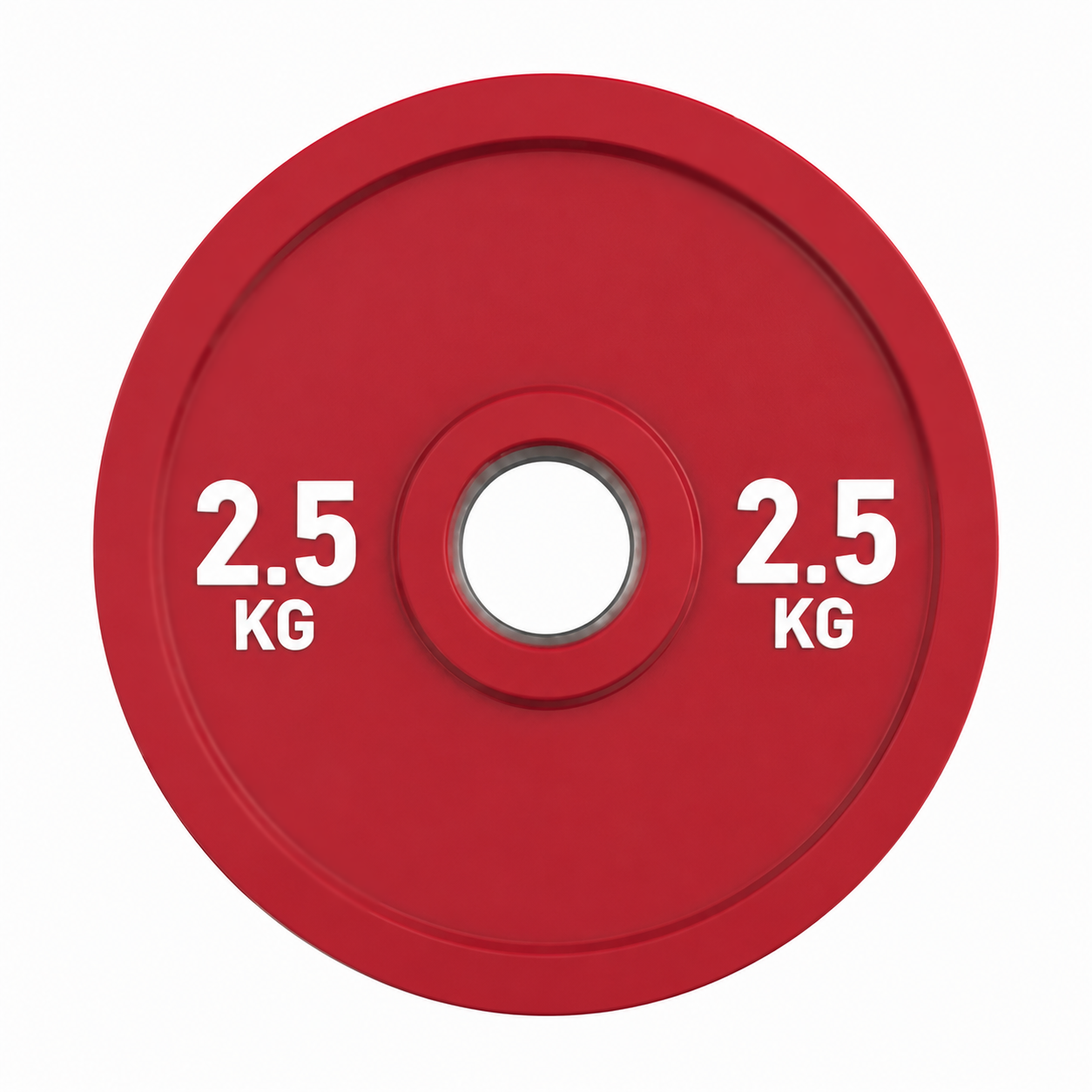
A calibrated weight plate commercial supplier provides high-precision steel plates designed to meet the rigorous standards of professional strength training facilities. For importers and distributors, sourcing from a professional China factory ensures that every unit maintains strict weight tolerances, which is essential for maintaining professional gym standards and equipment consistency.
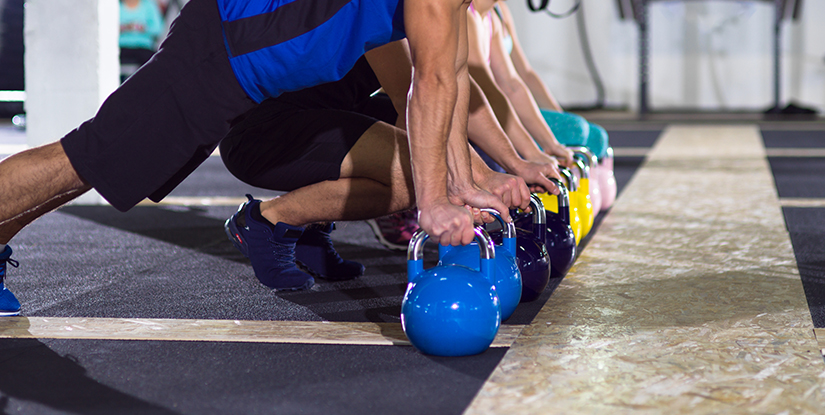
In high-traffic commercial environments, the efficiency of a professional gym layout depends on the quality of the weight sets used. Standard cast iron plates often suffer from inconsistent thickness and uneven weight distribution, which can disrupt the flow of a professional training session. By sourcing precision steel weight plates, gym owners and facility managers can ensure a more streamlined user experience. This precision not only enhances the professional feel of the facility but also contributes to long-term space efficiency, as standardized, high-quality plates allow for more predictable and compact storage solutions on weight trees and racks.
Beyond the immediate physical footprint, the decision to partner with a specialized calibrated weight plate commercial supplier directly impacts the TCO (Total Cost of Ownership). Low-quality plates frequently lead to uneven wear on barbell sleeves and increased maintenance requirements due to inconsistent machining. Investing in high-grade steel through bulk procurement minimizes these long-term operational costs. When managing wholesale orders for large-scale gym deployments, prioritizing precision reduces the frequency of replacement cycles and protects the facility's capital expenditure, ensuring a much higher return on investment over the equipment's lifecycle.
Material and Process Selection for Commercial Durability
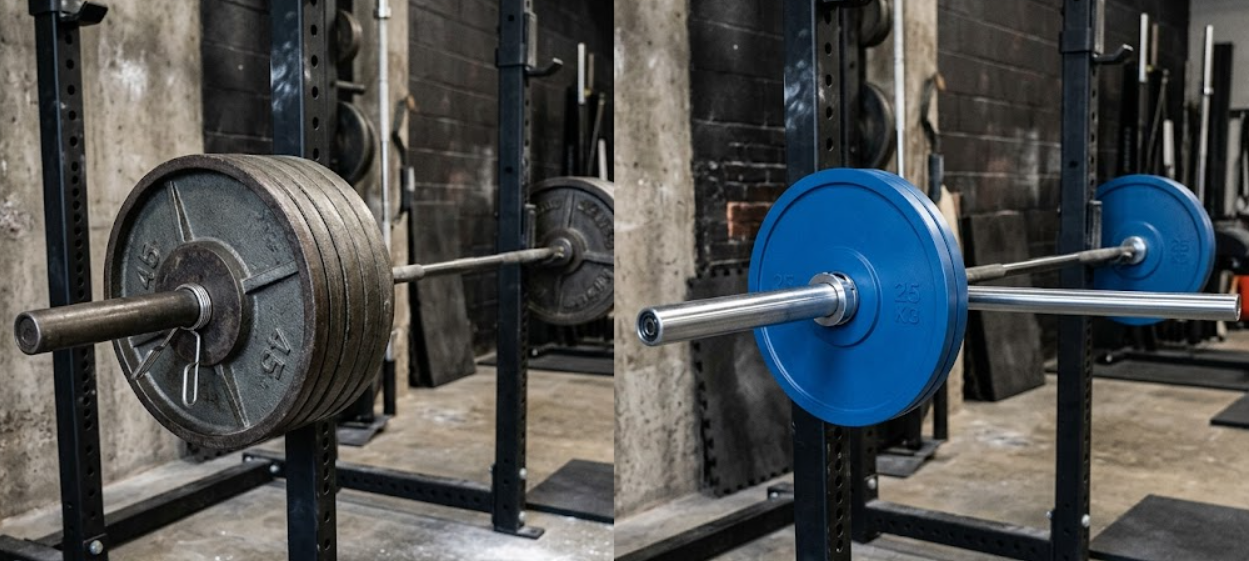
Selecting the appropriate material grade is a critical decision for procurement managers evaluating the long-term value of their inventory. When sourcing from a commercial gym equipment manufacturer, the choice between standard cast iron and high-grade steel affects both the upfront landed cost and the operational lifespan of the equipment. While cast iron is a cost-effective option for general strength zones, precision-machined steel is required for high-performance lifting areas where weight consistency and sleeve longevity are paramount.
The manufacturing sequence for high-tier plates typically involves a rigorous process of casting, followed by CNC machining to ensure concentricity, and finishing with advanced coating applications. For distributors, understanding these technical distinctions is vital for managing client expectations regarding durability and maintenance. The following table outlines the common material and process standards found when sourcing through a China factory to assist in your technical evaluation.
| Plate Type | Primary Material | Surface Finish | Typical Use Case | Sourcing Advantage |
|---|---|---|---|---|
| Standard Cast Iron | Gray Iron | Paint or Enamel | General Strength Zones | Lower MOQ and cost-effective for large-scale deployment |
| Precision Steel | Solid Steel | Powder Coating | High-Traffic Performance Areas | High durability and superior weight tolerance stability |
| Competition Grade | Chrome-Manganese Steel | Chrome Finish | Professional Training Studios | Premium brand identity and maximum precision for specialized use |
| Bumper Plate | High-Density Rubber/PU | Encapsulated Coating | Crossfit and Dynamic Lifting | Enhanced floor protection and reduced impact noise |
When managing wholesale procurement, it is essential to verify the specific finishing processes used by your supplier. For instance, the adhesion of a powder coating to a steel substrate is a common point of inspection during pre-shipment QC to prevent premature chipping in high-use environments. A professional calibrated weight plate commercial supplier will provide detailed specifications regarding the machining tolerances and the thickness of the protective layers to ensure the product meets the intended commercial duty. For large-scale sourcing projects, we recommend requesting a sample evaluation to confirm that the surface finish and weight distribution align with your facility's specific requirements.
For professional importers, the complexity of a calibrated weight plate commercial supplier relationship extends far beyond the initial purchase price. Managing the landed cost requires a deep understanding of how manufacturing precision and export-ready packaging influence the final budget. A reliable China factory does not merely produce weight plates; they provide a standardized production system designed to mitigate the risks of shipping, storage, and long-term wear. When negotiating bulk orders, procurement leads must evaluate the technical depth of the factory to ensure that high-precision standards are maintained from the initial casting through to the final container loading.
A critical component of the sourcing process is the verification of the quality control (QC) sequence. In a professional production environment, the supplier should implement a multi-stage inspection protocol. This typically begins with a weight tolerance spot-check after the CNC machining stage to ensure concentricity and thickness consistency. Following this, the surface finish—whether it be a phosphate treatment or a high-durability powder coating—must undergo an adhesion test to prevent peeling under heavy usage. For distributors, these technical checkpoints are the primary defense against high return rates and client dissatisfaction.
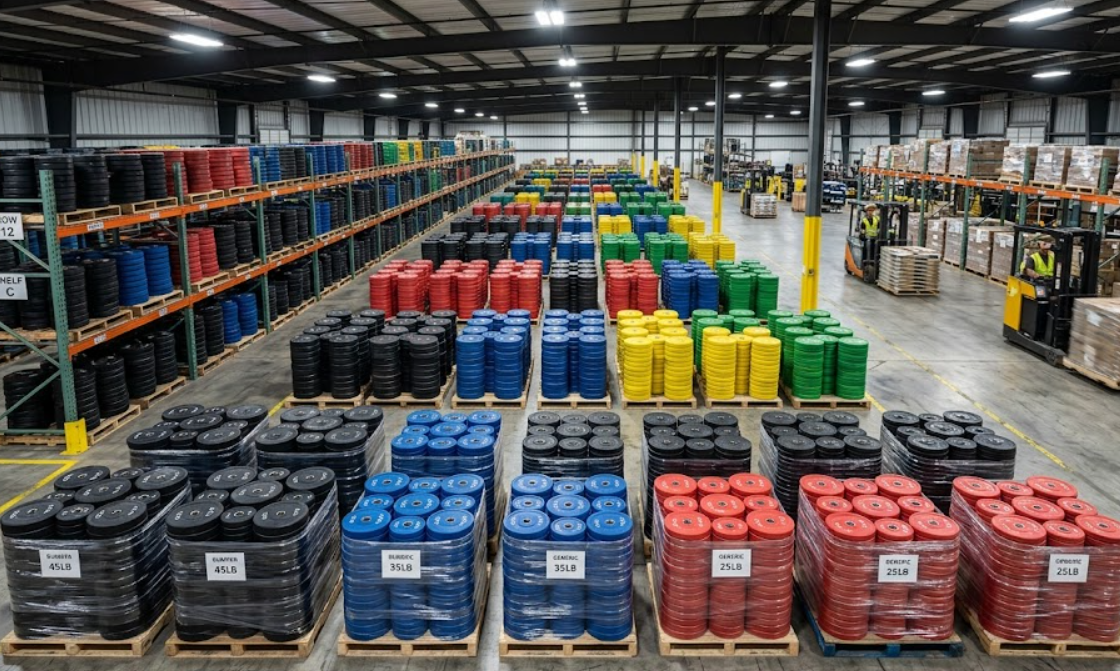
Beyond the product itself, the efficiency of logistics and export packaging is a decisive factor in maintaining healthy distributor margins. High-density weight sets require specialized palletizing and reinforced corner protection to prevent damage during sea freight. A sophisticated OEM or ODM partner will offer customized export solutions, including optimized container loading patterns that maximize volume while ensuring structural stability. This attention to detail reduces the risk of transit-related damage and ensures that the wholesale shipment arrives at your warehouse in a condition that is ready for immediate commercial deployment.
To ensure your facility or retail brand receives equipment that meets exact specifications, we recommend a structured approach to procurement. We invite professional buyers to contact us to request a detailed spec sheet, confirm the current MOQ for specific weight increments, or initiate a sample approval process. For large-scale projects, we also support factory audits and third-party pre-shipment inspections to guarantee that every batch of precision steel weight plates adheres to your required commercial standards before leaving the China factory.
{ "title": "Calibrated Weight Plate Commercial Supplier: China Factory", "seo_description": "Calibrated weight plate commercial supplier: Sourcing high-precision calibrated weight plates from a professional China factory. Learn about OEM/ODM manufacturing and material selection.", "seo_keywords": "calibrated weight plate commercial supplier, precision steel weight plates, commercial gym equipment manufacturer, weight tolerance, durability, ROI, China factory sourcing", "slug": "calibrated-weight-plate-commercial-supplier-china-factory", "page_faqs": [ "What is the main difference between machined steel and cast iron plates for commercial use?===In a commercial setting, machined steel plates offer much higher precision and tighter weight tolerance compared to cast iron. While cast iron is a cost-effective solution for standard gym environments, precision steel weight plates are preferred for high-end training facilities where exact weight consistency is required for performance.", "How does material selection affect the long-term ROI for gym owners?===Selecting the right material depends on your facility's target demographic. Cast iron is a durable, budget-friendly option for general fitness centers. However, sourcing precision steel plates through a professional China factory can provide a better long-term ROI for premium strength clubs by reducing replacement frequency and meeting professional competition standards.", "Can I request custom branding for bulk weight plate orders?===Yes, as a professional commercial gym equipment manufacturer, we offer extensive OEM and ODM services. This includes custom silk-screening, laser-etched logos, and specific color-coding to align with your brand identity, ensuring your facility maintains a professional and cohesive look." ], "html_filename": "calibrated-weight-plate-commercial-supplier-china-factory.html", "origin": "China Factory" }Material Selection: Calibrated Machined Steel vs. Cast Iron
When a professional procurement officer seeks a calibrated weight plate commercial supplier, the decision often hinges on the trade-off between initial capital expenditure and long-term operational durability. For large-scale gym deployments or distributor inventories, choosing between machined steel and cast iron is not merely a matter of preference, but a strategic decision regarding weight tolerance and facility maintenance. Sourcing from a reliable China factory allows importers to access tiered material options that align with specific market positioning, whether that is budget-friendly fitness or high-end strength training.
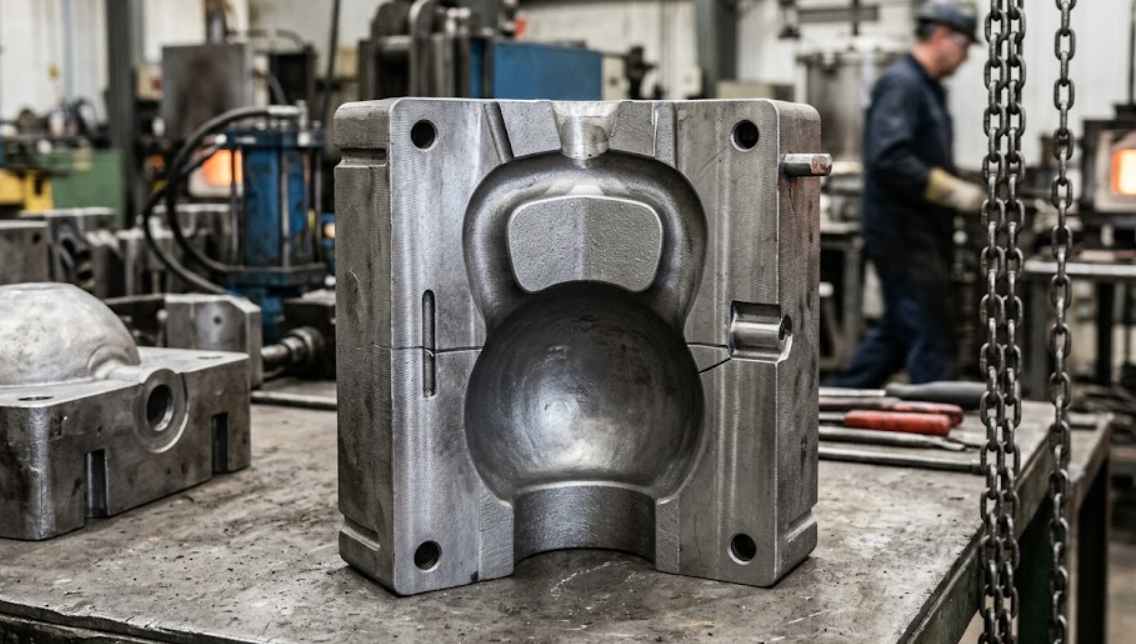
The fundamental distinction lies in the manufacturing route. Cast iron plates are typically produced through sand casting, a process that is highly efficient for high-volume wholesale orders but often results in larger variances in thickness and concentricity. In contrast, precision steel weight plates undergo a rigorous CNC machining process after the initial forging or casting. This additional step ensures a much tighter weight tolerance, making them the standard for professional strength environments where precision is non-negotiable. For a commercial gym equipment manufacturer, providing these two distinct tiers allows distributors to optimize their product catalogs for different client needs.
| Material Tier | Primary Process | Weight Tolerance | Commercial Duty | Procurement Focus |
|---|---|---|---|---|
| Cast Iron | Sand Casting | Standard/Variable | General Fitness/Budget Gyms | Low Initial Capex |
| Machined Steel | CNC Machining | High Precision | Professional Strength Clubs | Long-term ROI |
| Steel/Chrome | Forging & Coating | Elite/Competition | High-End Performance Centers | Brand Identity/Premium |
Understanding these nuances is vital for effective sourcing. While cast iron offers a lower landed cost for high-volume bulk shipments, the machining required for steel plates provides the stability and consistency that premium facilities demand. When negotiating with a supplier, it is essential to clarify the specific production steps—such as the calibration and surface finishing stages—to ensure the final product meets your facility's durability requirements and professional standards.
For distributors and large-scale facility operators, the choice between these two materials significantly impacts the total cost of ownership. While cast iron remains a staple for high-volume wholesale distribution due to its cost-efficiency, the technical requirements of modern strength training demand the precision found in machined steel. As a professional calibrated weight plate commercial supplier, we recommend evaluating the specific end-use environment before finalizing your order to ensure the highest return on investment.
Technical Comparison of Material Tiers
| Material | Primary Process | Key Component/Spec | Commercial Duty | MOQ Impact | Factory QC Point |
|---|---|---|---|---|---|
| Cast Iron | Sand Casting | Base Flatness | Budget/Standard Gyms | Lower MOQ threshold | Surface Porosity & Thickness |
| Machined Steel | CNC Machining | Concentricity | Professional Strength Clubs | Higher MOQ for precision | Weight Tolerance Spot-check |
| Chrome-Manganese Steel | Forging & Machining | Surface Finish | Elite/Competition | Premium Tier/Customized | Coating Adhesion & Surface Smoothness |
When conducting a factory audit or reviewing technical spec sheets, procurement teams should focus on the calibration stage. In many China factory production lines, the transition from a raw casting to a finished commercial product involves several critical steps: casting, followed by CNC machining for the center bore and face, and finally, a specialized surface treatment such as powder coating or plating. For precision steel weight plates, the precision is achieved through multiple passes of machining to ensure the weight remains consistent across the entire production run. This level of detail is what distinguishes a high-tier commercial gym equipment manufacturer from standard commodity producers.
If you are looking to optimize your product catalog, consider how these material choices affect your shipping and storage efficiency. Steel plates are typically more compact and durable for high-frequency use, whereas cast iron provides a reliable, high-density option for general-purpose weight requirements. We suggest contacting us to request a detailed spec sheet or to discuss OEM branding options to ensure your customized plates meet your specific market standards and durability expectations.
When a professional procurement officer seeks a calibrated weight plate commercial supplier, the decision often hinges on the trade-off between initial capital expenditure and long-term operational durability. For large-scale gym deployments or distributor inventories, choosing between machined steel and cast iron is not merely a matter of preference, but a strategic decision regarding weight tolerance and facility maintenance. Sourcing from a reliable China factory allows importers to access tiered material options that align with specific market positioning, whether that is budget-friendly fitness or high-end strength training.
The fundamental distinction lies in the manufacturing route. Cast iron plates are typically produced through sand casting, a process that is highly efficient for high-volume wholesale orders but often results in larger variances in thickness and concentricity. In contrast, precision steel weight plates undergo a rigorous CNC machining process after the initial forging or casting. This additional step ensures a much tighter weight tolerance, making them the standard for professional strength environments where precision is non-negotiable. For a commercial gym equipment manufacturer, providing these two distinct tiers allows distributors to optimize their product catalogs for different client needs.
| Material Tier | Primary Process | Weight Tolerance | Commercial Duty | Procurement Focus |
|---|---|---|---|---|
| Cast Iron | Sand Casting | Standard/Variable | General Fitness/Budget Gyms | Low Initial Capex |
| Machined Steel | CNC Machining | High Precision | Professional Strength Clubs | Long-term ROI |
| Steel/Chrome | Forging & Coating | Elite/Competition | High-End Performance Centers | Brand Identity/Premium |
Understanding these nuances is vital for effective sourcing. While cast iron offers a lower landed cost for high-volume bulk shipments, the machining required for steel plates provides the stability and consistency that premium facilities demand. When negotiating with a supplier, it is essential to clarify the specific production steps—such as the calibration and surface finishing stages—to ensure the final product meets your facility's durability requirements and professional standards.
For distributors and large-scale facility operators, the choice between these two materials significantly impacts the total cost of ownership. While cast iron remains a staple for high-volume wholesale distribution due to its cost-efficiency, the technical requirements of modern strength training demand the precision found in machined steel. As a professional calibrated weight plate commercial supplier, we recommend evaluating the specific end-use environment before finalizing your order to ensure the highest return on investment.
Precision Manufacturing and Surface Finishing Processes
For distributors and professional gym operators, the reliability of a calibrated weight plate commercial supplier is defined by the technical precision of the production line. Unlike standard cast iron, high-tier commercial facilities require precision steel weight plates that maintain strict weight tolerance across a full set. This level of accuracy is achieved through advanced CNC machining, which ensures the center bore is perfectly concentric and the plate thickness is uniform, preventing wobbling during high-intensity training.
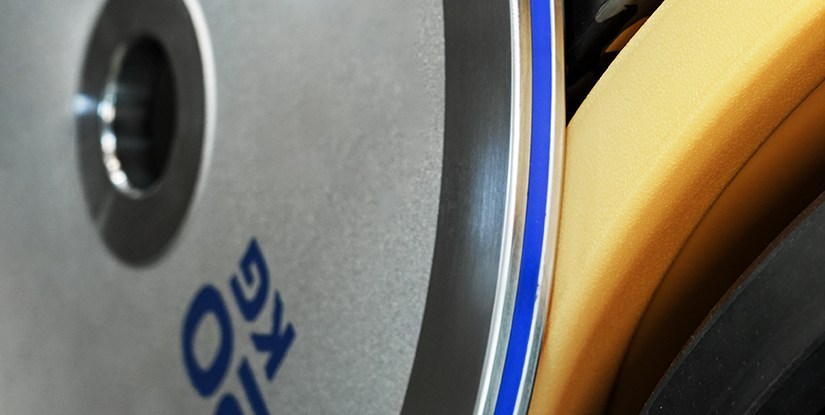
When sourcing from a professional China factory, understanding the manufacturing sequence is vital for managing long-term TCO (Total Cost of Ownership). A standard high-quality production route begins with high-grade steel plate selection, followed by precision cutting, CNC machining for dimensional accuracy, and finally, a multi-stage surface treatment. This rigorous quality control approach ensures that every unit in a wholesale shipment meets the exact specifications requested by the supplier, reducing the risk of uneven wear or weight discrepancies that can damage a distributor's reputation.
Technical Specifications and Manufacturing Tiers
Selecting the right production method is essential for balancing initial sourcing costs with long-term durability. Most commercial gym equipment manufacturer workflows offer different tiers of finishing to suit various market segments, from budget-friendly commercial gyms to premium performance centers.
| Material | Process | Key Component/Detail | Commercial Duty | QC Point |
|---|---|---|---|---|
| Solid Steel | CNC Machining | Concentricity & Bore Precision | Premium / Competition | Weight Tolerance |
| Steel Plate | Laser Marking | Surface Branding/Color Coding | High-End Commercial | Coating Adhesion |
| Cast Iron | Sand Casting | Base Flatness | Standard Commercial | Surface Smoothness |
For importers looking to build a high-end brand, we recommend focusing on the CNC machining stage. A well-calibrated plate with a high-quality powder coating not only looks professional but also provides superior resistance to oxidation and impact. When negotiating MOQ or OEM specifications, always verify the factory's ability to perform weight calibration and surface finish inspections before the export stage to ensure the highest ROI for your end users.
For distributors and professional gym operators, the reliability of a calibrated weight plate commercial supplier is defined by the technical precision of the production line. Unlike standard cast iron, high-tier commercial facilities require precision steel weight plates that maintain strict weight tolerance across a full set. This level of accuracy is achieved through advanced CNC machining, which ensures the center bore is perfectly concentric and the plate thickness is uniform, preventing wobbling during high-intensity training.
When sourcing from a professional China factory, understanding the manufacturing sequence is vital for managing long-term TCO (Total Cost of Ownership). A standard high-quality production route begins with high-grade steel plate selection, followed by precision cutting, CNC machining for dimensional accuracy, and finally, a multi-stage surface treatment. This rigorous quality control approach ensures that every unit in a wholesale shipment meets the exact specifications requested by the supplier, reducing the risk of uneven wear or weight discrepancies that can damage a distributor's reputation.
Sourcing Strategies for a Calibrated Weight Plate Commercial Supplier
Selecting a professional calibrated weight plate commercial supplier is a critical decision for distributors and gym operators looking to optimize their total cost of ownership (TCO). When sourcing high-performance equipment, the goal is to balance initial procurement costs with long-term operational efficiency. Relying on a professional China factory ensures that your inventory meets the rigorous standards of high-traffic commercial environments while maintaining healthy distributor margins.
For professional buyers, the value of precision steel weight plates extends beyond the immediate purchase. High-quality precision steel weight plates reduce the frequency of replacement and minimize maintenance-related downtime. By partnering with an established commercial gym equipment manufacturer, importers can secure consistent weight tolerances and superior surface finishes, which directly impacts the long-term ROI of a facility. Whether you are managing a single boutique studio or a global distribution network, choosing the right supplier allows for better control over landed costs and product longevity.
Evaluating Plate Tiers for Commercial Utility
Procurement specialists must distinguish between standard cast iron and high-tier machined options to manage capital expenditure effectively. A professional calibrated weight plate commercial supplier typically offers various grades of production to suit different facility requirements, from budget-friendly strength zones to high-end performance areas. Understanding these material and process differences is essential for accurate inventory planning and long-term maintenance budgeting.
The following framework assists importers in evaluating the technical specifications and commercial utility of different plate options when working with a commercial gym equipment manufacturer.
| Material | Coating | Process | Key Component/QC Point | Commercial Duty |
|---|---|---|---|---|
| Cast Iron | Powder Coating | Sand Casting | Base Flatness & Surface Texture | Budget / High-Volume Gyms |
| Machined Steel | Chrome or Enamel | CNC Machining & Calibration | Bore Concentricity & Weight Tolerance | Premium / Competition Standard |
| Solid Steel | PU or Rubber Coating | Molding & Encapsulation | Coating Adhesion & Floor Protection | High-Traffic / Boutique Studios |
When managing bulk orders, the choice of coating significantly impacts the maintenance load. For instance, while powder coating is a standard industry-grade finish for many precision steel weight plates, PU coating provides superior floor protection and impact resistance in high-intensity environments. During the pre-shipment QC stage, a reliable factory will perform a weight tolerance spot-check and inspect the coating adhesion to ensure the product survives the rigorous shipping and handling processes inherent in international export.
To ensure your procurement aligns with your facility's specific needs, we recommend contacting our team to request a detailed specification sheet. We can provide specific information regarding MOQ requirements, lead times for OEM custom branding, and detailed shipping configurations to help you calculate your final landed cost accurately.
Factory QC and Export Standards for High-Volume Orders
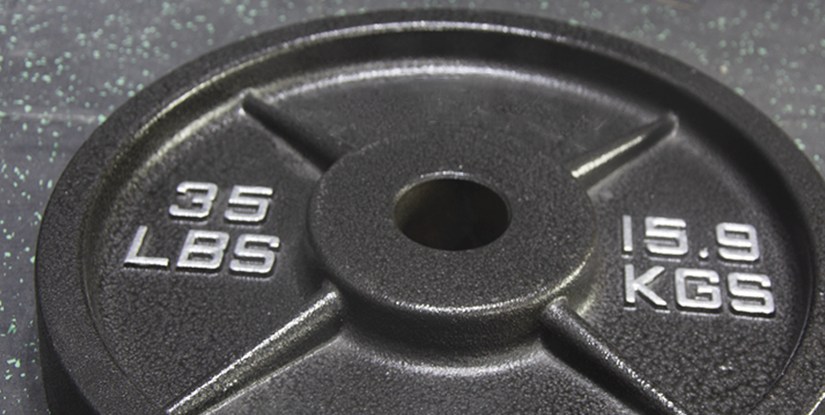
For distributors and large-scale importers, the risk of receiving non-compliant inventory can lead to significant losses in both landed cost and brand reputation. A professional calibrated weight plate commercial supplier mitigates these risks through standardized production sequences. In a high-tier China factory, the manufacturing of precision steel weight plates follows a strict progression: starting with high-grade steel selection, moving through CNC machining for bore concentricity, and concluding with precision calibration to ensure weight accuracy across the entire batch.
Reliability in B2B procurement is heavily dependent on the rigor of the pre-shipment inspection. We implement a multi-stage QC protocol that includes a weight tolerance spot-check and a thorough inspection of the surface finish. This ensures that every unit meets the expected commercial-grade specifications before it reaches the export packaging stage. For clients utilizing OEM or ODM services, we also perform detailed visual audits of custom branding, such as laser-etched logos or color-coded markings, to ensure your brand identity remains consistent and professional.
Efficient logistics management is equally vital for maintaining a stable supply chain. Our facility is optimized to handle complex export requirements, ensuring that container loading is maximized for volume and that export packaging is robust enough to withstand long-distance maritime transit. When you confirm your MOQ and project lead time, our team provides detailed packing lists and dimensional data. This transparency allows you to plan your warehouse space and shipping schedules with precision, ensuring a seamless transition from the factory floor to your local distribution center.
China Factory Quality Control and Export Standards
For distributors and gym operators, the reliability of a calibrated weight plate commercial supplier depends entirely on the rigor of the production oversight. When sourcing in bulk, the risk of receiving inconsistent weight increments can damage your reputation and increase long-term maintenance costs. A professional China factory mitigates these risks by implementing standardized calibration protocols during the manufacturing stages to ensure every unit meets commercial-grade expectations.
The transition from raw material to a finished, high-performance product requires a strict sequence of machining and inspection. To achieve the precision required for professional training environments, top-tier precision steel weight plates undergo CNC machining to refine the surface flatness and ensure the center bore remains perfectly concentric. This technical precision is what separates a standard cast product from a professional-grade unit capable of sustaining high-volume commercial use.
Effective sourcing strategies must account for the fact that weight accuracy is not just about the initial pour, but the subsequent refinement. A reliable commercial gym equipment manufacturer will utilize a systematic approach: starting with high-quality steel or iron, moving through precision machining, applying a durable finish such as powder coating, and concluding with a final weight calibration check. This ensures that the landed cost of your shipment remains low by reducing the frequency of returns and replacement requests.
Material and Manufacturing Comparison for Procurement
| Material Type | Primary Process | Key QC Point | Commercial Duty | Sourcing Benefit |
|---|---|---|---|---|
| Machined Steel | CNC Machining & Calibration | Bore Concentricity | Premium / Competition | Highest Precision |
| Cast Iron | Sand Casting & Coating | Surface Flatness | Standard Commercial | Cost-Effective Bulk |
| Rubber Coated | Molding or Dip Coating | Coating Adhesion | High-Impact / Studio | Floor Protection |
When evaluating a supplier, it is essential to verify their capacity for OEM and ODM requests, especially regarding custom branding and specialized finishes. Whether you require a specific color-coded system for rapid identification or a custom logo, the factory must demonstrate a stable production line that can handle your MOQ without compromising the calibration standards. Always request a detailed spec sheet and confirm the pre-shipment inspection protocols to ensure your bulk order meets all international commercial standards before it leaves the China factory.
For distributors and gym operators, the reliability of a calibrated weight plate commercial supplier depends entirely on the rigor of the production oversight. When sourcing in bulk, the risk of receiving inconsistent weight increments can damage your reputation and increase long-term maintenance costs. A professional China factory mitigates these risks by implementing standardized calibration protocols during the manufacturing stages to ensure every unit meets commercial-grade expectations.
The transition from raw material to a finished, high-performance product requires a strict sequence of machining and inspection. To achieve the precision required for professional training environments, top-tier precision steel weight plates undergo CNC machining to refine the surface flatness and ensure the center bore remains perfectly concentric. This technical precision is what separates a standard cast product from a professional-grade unit capable of sustaining high-volume commercial use.
Effective sourcing strategies must account for the fact that weight accuracy is not just about the initial pour, but the subsequent refinement. A reliable commercial gym equipment manufacturer will utilize a systematic approach: starting with high-quality steel or iron, moving through precision machining, applying a durable finish such as powder coating, and concluding with a final weight calibration check. This ensures that the landed cost of your shipment remains low by reducing the frequency of returns and replacement requests.
OEM and Private Label Customization Capabilities
For distributors and large-scale gym operators, generic equipment often fails to differentiate a premium facility in a competitive market. Partnering with a specialized calibrated weight plate commercial supplier allows you to move beyond standard stock items toward a unique product lineup. By leveraging OEM and ODM services, you can integrate your own brand identity directly into the manufacturing process, transforming high-quality hardware into a signature asset for your clients.
A professional China factory provides the infrastructure necessary to execute custom branding at scale. Whether you require specialized color-coding for rapid weight identification or high-precision laser-etched markings, these services allow a distributor to offer a premium tier of products. While wholesale orders of standard units offer speed, private label production builds long-term equity for your business. We work closely with procurement leads to manage the MOQ and lead time requirements, ensuring that custom specifications—from specialized precision steel weight plates to unique surface finishes—are met without compromising your sourcing timeline or landed cost.
Customization Tiers for Professional Procurement
When evaluating your next batch of equipment, understanding the distinction between standard wholesale and customized production is vital for managing your total cost of ownership. A professional commercial gym equipment manufacturer can offer varying levels of customization depending on your branding goals and the required weight tolerance. For many distributors, the choice between a standard finish and a high-end custom specification is a balance of initial MOQ requirements and the desired market positioning of the final product.
| Customization Level | Material & Finish | Branding Method | Typical Use Case | Procurement Impact |
|---|---|---|---|---|
| Standard Wholesale | Cast Iron or Steel | Standard Embossed Logo | General Commercial Gyms | Lower MOQ & Fast Delivery |
| Premium Private Label | Machined Steel / Powder Coating | Laser Etching or Silk-screen | High-End Strength Studios | Higher lead time & Custom Specs |
| Advanced OEM | Specialized Color Coating | Full custom branding | Global Fitness Brands | Strategic sourcing & High Volume |
For clients seeking to enhance their market presence, our China factory supports deep integration through ODM processes. This includes selecting specific color coating options to match your brand colors or implementing high-visibility weight markings for better usability. While these advanced production routes may involve more complex pre-shipment quality checks to ensure coating adhesion and marking clarity, they provide a significant competitive advantage for any supplier or distributor looking to offer a premium, branded experience to the end-user.
For distributors and large-scale gym operators, generic equipment often fails to differentiate a premium facility in a competitive market. Partnering with a specialized calibrated weight plate commercial supplier allows you to move beyond standard stock items toward a unique product lineup. By leveraging OEM and ODM services, you can integrate your own brand identity directly into the manufacturing process, transforming high-quality hardware into a signature asset for your clients.
A professional China factory provides the infrastructure necessary to execute custom branding at scale. Whether you require specialized color-coding for rapid weight identification or high-precision laser-etched markings, these services allow a distributor to offer a premium tier of products. While wholesale orders of standard units offer speed, private label production builds long-term equity for your business. We work closely with procurement leads to manage the MOQ and lead time requirements, ensuring that custom specifications—from specialized precision steel weight plates to unique surface finishes—are met without compromising your sourcing timeline or landed cost.