Calibrated Weight Plate Factory Direct: Wholesale China
Optimizing TCO Through Calibrated Weight Plate Factory Direct Sourcing
Many procurement professionals mistakenly prioritize low initial unit prices from trading companies, only to face high replacement costs due to inconsistent weight accuracy and rapid surface degradation. A more strategic approach involves sourcing calibrated weight plate factory direct to secure high-precision manufacturing and superior material consistency. By working with a China factory, importers can access specialized production lines that ensure stable weight tolerances and long-term durability, effectively reducing the total cost of ownership (TCO) for large-scale commercial facilities.
When distributors manage high-volume orders, the difference between budget-grade casting and precision-machined steel becomes a critical factor in operational overhead. Utilizing commercial steel weight plates that undergo rigorous calibration and surface treatment minimizes the frequency of equipment replacement. This reliability is essential for maintaining high uptime in professional gym environments and protecting the margins of a wholesale distributor.
The efficiency of wholesale gym weight plates depends heavily on the precision of the manufacturing sequence. High-tier production typically follows a strict path: starting with high-grade steel or iron casting, followed by precision CNC machining to refine the bore and thickness, and concluding with advanced coating applications. This structured approach ensures that each unit meets industry-standard specifications for concentricity and weight stability, which are vital for high-traffic commercial use.
Economic Impact of Precision Calibration and Durability
The following comparison illustrates how investing in a calibrated weight plate factory direct model impacts long-term operational expenditure compared to standard commercial options. While standard plates may offer a lower initial landed cost, the lack of precision machining and robust coating often leads to premature wear and higher replacement cycles.
| Feature | Standard Commercial Plates | Calibrated Factory-Direct Plates | Business Impact |
|---|---|---|---|
| Weight Precision | Basic casting with high tolerance variance | Precision CNC machining and calibration | Enhanced training accuracy and professional credibility |
| Surface Treatment | Basic paint or thin enamel | Industrial-grade powder coating or PU | Reduced chipping and improved long-term aesthetic value |
| Bore Concentricity | Standard cast bore | Machined Olympic collar fit | Smoother rotation and reduced wear on barbell sleeves |
| Maintenance Load | Frequent inspection for weight and rust | Low-maintenance, high-durability finish | Lowered labor costs and extended equipment lifecycle |
| Procurement Strategy | Small-batch trader sourcing | Direct wholesale or OEM sourcing | Optimized TCO and higher distributor margins |
For professional buyers, the goal is to minimize the frequency of re-ordering. By selecting calibrated weight plate factory direct solutions, you mitigate the risks of uneven weight distribution and surface degradation. This strategic sourcing ensures that your facility or client maintains a premium standard without the hidden costs of constant equipment turnover.
Logistics and Scaling: Maximizing Distributor Margins
Scaling a commercial fitness brand requires more than just product quality; it requires a predictable and efficient supply chain. When you engage in calibrated weight plate factory direct procurement, you gain control over the two most volatile variables in international trade: lead time and landed cost. A direct factory model allows for much more precise forecasting, as you are working directly with the production schedule rather than through multiple intermediary layers that add markup and communication delays.
To optimize your procurement strategy, consider how scale and customization impact your bottom line. A professional supplier can offer tiered pricing structures that significantly improve your distributor margin as your order volume increases. Whether you are looking for standard stock or require specific OEM services to implement your own brand identity, the ability to customize the product at the source is a major competitive advantage. High-volume buyers can leverage MOQ-based discounts to secure a better price-to-quality ratio, ensuring that the final landed cost remains competitive in your local market.
Logistics efficiency is further realized through specialized export-ready processes. From standardized export packaging designed to withstand long-distance maritime transit to optimized container loading plans that maximize cubic capacity, every step is engineered to reduce shipping costs per unit. By aligning your sourcing requirements with a manufacturer that understands international shipping standards, you ensure that your high-precision plates arrive in optimal condition, ready for immediate distribution or facility installation.
Material Integrity and Machining Standards for Commercial Steel Weight Plates
Sourcing high-precision equipment requires a deep understanding of how manufacturing precision impacts long-term TCO. For distributors and gym operators, selecting a calibrated weight plate factory direct ensures that every unit meets the strict weight tolerance standards required for professional training environments. When importing in bulk, the difference between standard cast iron and precision-machined steel determines the longevity of your inventory and the satisfaction of your end-users.
The production of commercial steel weight plates involves a rigorous sequence of metallurgical and mechanical steps. A professional China factory typically utilizes a multi-stage process: starting with high-grade steel selection, followed by precision cutting, CNC machining for the center bore, and finally, a specialized surface treatment. This ensures the concentricity of the plate remains stable under heavy usage, preventing the uneven wear often seen in lower-tier wholesale gym weight plates.
High-performance steel plates rely heavily on the quality of the machining and the stability of the coating. In a professional setting, the precision of the Olympic collar fit is critical to prevent vibration and noise during heavy lifting sessions. By working with a direct supplier, importers can ensure that the weight calibration is consistent across the entire shipment, reducing the risk of discrepancies that can damage a distributor's reputation.
Technical Comparison of Manufacturing Routes and Surface Finishing
To optimize procurement decisions, buyers must distinguish between standard casting and high-precision machining. While sand casting is a common method for mass-producing budget-tier plates, it often results in surface irregularities and less consistent center bore concentricity. For high-end commercial facilities, selecting a calibrated weight plate factory direct ensures that the final product undergoes CNC machining. This process refines the inner diameter and flatness, providing a much tighter fit for Olympic barbells and reducing mechanical friction during heavy use.
The choice of surface treatment also significantly impacts the landed cost and long-term maintenance requirements. A premium China factory will offer various finishing options depending on the intended environment and the buyer's branding needs. For instance, while basic paint is cost-effective, high-grade powder coating provides superior adhesion and resistance to oxidation, which is essential for maintaining a professional appearance in high-traffic commercial gyms.
| Material Type | Primary Process | Surface Finish | Commercial Duty Tier | Procurement Focus | Factory QC Point |
|---|---|---|---|---|---|
| Cast Iron | Sand Casting | Paint or Enamel | Budget / Entry-Level | Low MOQ / High Volume | Surface Smoothness |
| Steel | CNC Machining | Powder Coating | Standard Commercial | Balanced TCO | Bore Concentricity |
| High-Grade Steel | Precision Machining | PU or Rubber Coating | Premium / Competition | High Spec / Brand Identity | Coating Adhesion |
When evaluating commercial steel weight plates, it is prudent to request specific details regarding the finishing line. A robust powder coating line or a specialized rubber molding process ensures that the plates can withstand the impact of repetitive loading and unloading. For distributors looking to build a premium brand, choosing a wholesale gym weight plates option that features advanced surface treatments can reduce the frequency of replacement and enhance the overall value proposition for the end-user.
Pre-Shipment Inspection and Export Standards
For professional importers, the final stage of the procurement cycle is often the most critical for maintaining margins. A high-standard calibrated weight plate factory direct implements a strict pre-shipment QC protocol that goes beyond simple visual checks. This includes a mandatory weight tolerance spot-check to ensure every plate in a bulk order aligns with the specified weight class, and a rigorous concentricity test to guarantee a smooth rotation on Olympic barbells. These technical audits are essential for distributors who cannot afford the cost of returns or client dissatisfaction due to uneven loading.
Beyond mechanical precision, the physical durability of the product is verified through coating adhesion testing. This step ensures that the surface treatment—whether it be high-grade powder coating or specialized rubber encapsulation—can withstand the high-impact environment of a commercial gym without chipping or peeling. A reliable supplier will also perform inspections on the center bore diameter to ensure consistent fitment across all units in the shipment.
To mitigate risks during international transit, specialized export packaging is utilized. Professional manufacturers use reinforced, moisture-resistant boxing and palletizing techniques to protect the surface finish and prevent structural deformation during sea freight. For buyers managing large-scale projects, understanding these logistical safeguards is vital for calculating an accurate landed cost and ensuring that the inventory arrives in showroom-ready condition. We recommend that procurement leads request a detailed pre-shipment inspection report and confirm the specific export packaging standards before finalizing any bulk order or OEM contract.
Manufacturing Processes: From Casting to Precision Calibration
For professional distributors and gym equipment importers, the reliability of weight sets depends on the precision of the manufacturing sequence. When sourcing calibrated weight plate factory direct, understanding the transition from raw material to a finished, high-tolerance unit is essential for managing long-term replacement costs and ensuring consistent equipment standards across a facility.
The production of commercial steel weight plates begins with high-quality raw material selection, typically involving precision-engineered steel or high-grade iron. The process starts with sand casting to create the foundational shape of the plate. Once the base form is achieved, the units undergo CNC machining to ensure the center bore is perfectly concentric and the surface is sufficiently flat. This mechanical refinement is critical for a seamless fit on Olympic barbells, reducing friction and preventing uneven wear on expensive weight bars. Following machining, the plates move through a specialized powder coating or plating line to enhance durability and corrosion resistance. The final, most critical stage is the weight tolerance calibration, where each plate is verified to meet strict commercial weight specifications before being cleared for wholesale gym weight plates export. This rigorous QC process ensures that every batch delivered from the China factory maintains the uniformity required for professional training environments.
| Material Tier | Primary Process | Key Component/Finish | Commercial Duty | Procurement Focus (TCO) |
|---|---|---|---|---|
| Standard Cast Iron | Sand Casting | Enamel or Paint | Basic Commercial | Low initial cost; higher replacement frequency |
| Precision Steel | CNC Machining | Powder Coating | Premium Commercial | Balanced durability and precision |
| High-Grade Steel | Advanced Machining | Chrome or PU Finish | Elite/Competition | Maximum longevity; high upfront investment |
Selecting the correct manufacturing route is a strategic decision for any supplier or distributor. While budget-friendly options often rely on traditional casting, premium clients requiring high-precision calibrated weight plate factory direct solutions should prioritize units that undergo secondary machining. This ensures that the center bore and surface flatness meet the rigorous demands of high-traffic commercial facilities, ultimately lowering the total cost of ownership by reducing mechanical wear and maintenance frequency.
Optimizing Sourcing Specifications for Market Tiers
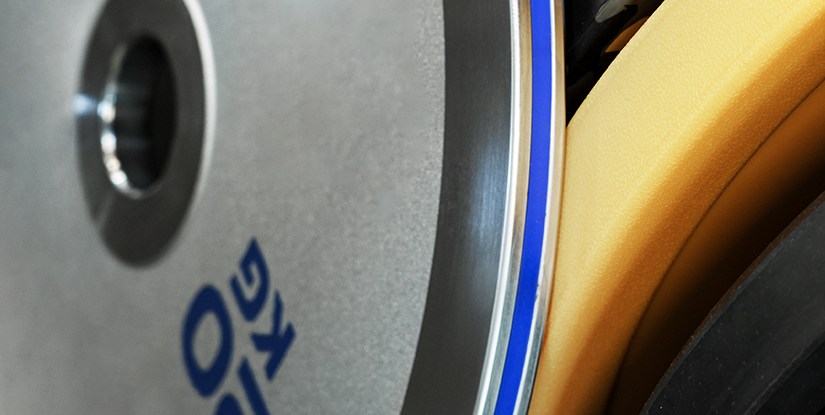
When negotiating wholesale orders, buyers must align the manufacturing method with their target market's price sensitivity. For high-volume distribution to budget-friendly fitness centers, standard sand casting provides a cost-effective solution. However, for premium studio operators or professional strength facilities, specifying a machine-finished surface is a critical sourcing requirement. This distinction directly impacts the landed cost and the perceived value of your brand in the local market.
To ensure quality during the wholesale procurement process, we recommend requesting a sample to verify the powder coating adhesion and the smoothness of the edges. A thorough pre-shipment inspection should always include a check of the plate's concentricity and the uniformity of the finish. By understanding these technical nuances, importers can more effectively manage MOQ requirements and lead time expectations while maintaining high standards for their private label or distributor-led product lines.
Final Inspection and Export-Ready Quality Control
Maintaining a consistent standard for calibrated weight plate factory direct sourcing requires more than just a reliable production line; it demands a rigorous pre-shipment protocol. For professional importers and distributors, the final stage of the QC process is where the risk of costly returns or damaged reputation is mitigated. A professional factory does not merely count units; they verify the structural and aesthetic integrity of every batch to ensure it meets international commercial standards.
Before any bulk orders are cleared for container loading, a multi-point inspection is performed. This includes a critical weight tolerance spot-check to ensure the deviation remains within acceptable professional limits, alongside a physical assessment of coating adhesion to prevent chipping during heavy use. For wholesale gym weight plates destined for long-distance maritime transit, the export packaging must be exceptionally robust. We utilize heavy-duty, reinforced palletization and protective corner shielding to protect the edges of the commercial steel weight plates from impact and moisture. This focus on secure packaging and detailed inspection protocols allows our China factory to support complex OEM and ODM requirements, providing the reliability needed for seamless global distribution. To ensure your specifications are met, we encourage buyers to request a formal inspection report or a sample evaluation before finalizing high-volume sourcing contracts.
China Factory Production Capabilities and Export Logistics
Establishing a reliable supply chain requires a calibrated weight plate factory direct partner that integrates precision engineering with high-volume output. For distributors and professional gym importers, sourcing from a China factory ensures a streamlined transition from raw material to finished, high-precision goods. Our production workflow is designed to meet the rigorous demands of commercial facilities while optimizing the landed cost for bulk orders.
The manufacturing sequence begins with high-grade casting to establish the foundational shape, followed by advanced precision machining to ensure the central bore meets strict concentricity standards. This stage is critical for professional-grade commercial steel weight plates, as any deviation in the center hole can lead to uneven loading on barbell sleeves. After the structural machining, the plates undergo specialized surface finishing—typically a heavy-duty powder coating or chemical treatment—to prevent oxidation and enhance durability in high-traffic environments.
To maintain a strict weight tolerance, each batch undergoes a final calibration step before being cleared for wholesale distribution. This pre-shipment QC process is vital for B2B buyers to avoid the high costs of returns or client dissatisfaction. We implement a multi-stage inspection protocol that checks for flatness, coating adhesion, and dimensional accuracy, ensuring that every unit meets the expected industry-standard specifications for professional strength training.
| Material Tier | Primary Process | Key Component/Detail | Commercial Duty | QC Focus Point |
|---|---|---|---|---|
| Cast Iron | Sand Casting | Base Flatness | Standard Commercial | Surface Smoothness |
| Machined Steel | CNC Machining | Bore Concentricity | Premium Professional | Weight Tolerance |
| Steel/Rubber Hybrid | Molding/Vulcanization | Coating Adhesion | High-Impact/Bumper | Edge Integrity |
When managing wholesale gym weight plates, understanding the MOQ and lead time for OEM or ODM requests is essential for inventory planning. Our factory maintains optimized production schedules to support large-scale sourcing needs, providing clear documentation for export and container loading. Whether you require custom branding for your private label or standard commercial-grade stock, we provide the transparency needed for professional procurement.
Selecting the right tier of product is a strategic decision that directly impacts your long-term distributor margin and client retention. High-precision calibrated weight plate factory direct sourcing allows you to differentiate between standard heavy-duty equipment and premium competition-grade gear. For professional importers, the choice between cast iron and machined steel is not just about price, but about the total cost of ownership (TCO) and the specific durability requirements of your target gym clients.
Strategic Product Selection and Margin Planning
A common pain point for distributors is receiving a shipment where weight variances or poor bore concentricity lead to high return rates and damaged reputation. To mitigate this risk, we provide detailed technical profiles for all wholesale gym weight plates. By understanding the relationship between the manufacturing process and the final commercial duty, you can better position your product line—whether offering budget-friendly cast iron options for local fitness centers or high-end machined steel plates for elite strength facilities.
Our commercial steel weight plates undergo a rigorous calibration sequence to ensure that the center hole remains perfectly centered, preventing the "wobble" often found in lower-tier manufacturing. This attention to detail in the machining and coating stages ensures that your branded products maintain a premium feel and professional performance, protecting your brand identity in the long run.
To optimize your procurement, we recommend reviewing specific technical requirements for each tier. We invite you to contact our team to request a full specification sheet, confirm current MOQ for your specific volume, or discuss OEM customization options. Our team is ready to assist with sample approval and provide detailed guidance on export packaging to ensure your shipment arrives in optimal condition.
Optimizing Logistics and Customization for Importers
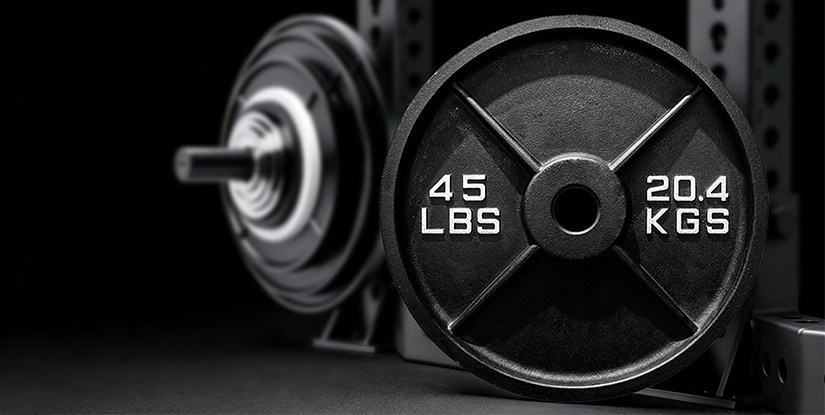
Efficient sourcing requires more than just finding a product; it requires a partner capable of managing complex international logistics and custom branding requirements. For large-scale distributors, the total landed cost is heavily influenced by how efficiently a factory handles export packaging and container loading. We utilize reinforced, high-density packaging solutions designed to prevent impact damage and oxidation during long-sea transit, ensuring that your bulk shipment arrives at your warehouse in professional condition.
Beyond standard stock, our China factory offers extensive OEM and ODM capabilities to help you build a unique brand identity. This includes precision CNC machining for custom diameter requirements, specific weight increments, and high-durability coating applications. Whether you need a custom embossed logo on the face of the plate or a specific color-coded system for weight identification, our production lines are scalable to accommodate both niche boutique studio needs and high-volume commercial distribution.
To streamline your procurement cycle, we provide transparent lead time estimates based on your specific MOQ and customization depth. By planning your wholesale orders around our standardized production windows, you can better manage your inventory turnover and minimize stock-outs. We invite professional buyers to reach out to request a detailed technical spec sheet, initiate a sample evaluation, or schedule a factory audit to verify our calibration and quality control protocols firsthand.
Custom Branding and OEM/ODM Solutions for Global Distributors
For international distributors and gym equipment importers, the ability to build a recognizable brand identity is a critical driver of long-term market value. Sourcing calibrated weight plate factory direct allows you to bypass the limitations of generic stock and move toward a high-margin private label model. By working with a specialized China factory, you can transition from a mere reseller to a branded provider of high-precision equipment.
The strategic advantage of utilizing OEM/ODM solutions lies in the control over your product's visual and technical specifications. Whether you require specific color-coded finishes for commercial steel weight plates or unique embossed logos on the face of the plate, a direct factory partnership provides the flexibility needed to differentiate your catalog. This level of customization is essential for maintaining a competitive distributor margin in saturated markets, as it allows you to offer a proprietary product line rather than competing solely on price for unbranded goods.
Effective sourcing requires more than just finding a low price; it requires a partner capable of executing complex custom branding requests without compromising technical integrity. From the initial design of the logo plate to the final wholesale shipment, our OEM processes are designed to ensure that your brand's reputation is protected by consistent manufacturing standards.
Tiered Customization: Standard vs. Private Label
Distributors must evaluate the trade-offs between rapid fulfillment and brand differentiation. While standard stock orders offer the fastest lead time, high-growth importers often prioritize OEM and ODM capabilities to build long-term asset value. The following comparison outlines how different procurement levels impact your total cost of ownership and brand presence.
| Customization Level | Branding Options | Production Process | Typical MOQ | Procurement Context |
|---|---|---|---|---|
| Standard Wholesale | Basic color or standard markings | Standard casting and finishing | Lower volume | Fastest lead time for immediate stock replenishment |
| Premium Private Label | Embossed logo and custom colors | Precision machining and specialized coating | Higher volume | Optimized for long-term distributor margin and brand identity |
| Full OEM/ODM | Custom dimensions and proprietary specs | Integrated casting and custom mold design | Highest volume | Ideal for large-scale commercial gym rollouts and specialized lines |
When ordering wholesale gym weight plates, the complexity of your directly affects the production cycle. A standard order may follow a routine casting and coating sequence, whereas a custom project involves additional steps such as custom mold creation for the logo area or specialized powder coating lines to meet your specific color requirements. We recommend discussing your specific vision during the initial inquiry to ensure the can align the with your market launch schedule. For many professional buyers, the ability to secure a partnership for custom projects is the most effective way to secure a stable supply chain for high-performance . Managing Quality Control and Export Logistics For professional buyers, the risk of receiving inconsistent batches is a major friction point in international procurement. When you source calibrated weight plate factory direct, the primary goal is to ensure that the weight tolerance and surface finish of the first unit match the thousandth. A reliable China factory mitigates this risk through a standardized pre-shipment inspection (PSI) protocol. This process typically involves a weight tolerance spot-check on a randomized sample from the finished batch, ensuring the precision of the machined steel meets commercial-grade expectations before it reaches the container.
Beyond product precision, the logistics of heavy steel-based cargo require specialized handling to protect your landed cost. High-quality wholesale gym weight plates must be secured with robust export packaging to prevent oxidation and physical damage during sea freight. This includes heavy-duty palletization, moisture-resistant wrapping, and reinforced corner protection for the crates. For distributors managing large-scale wholesale shipments, understanding the relationship between packaging durability and container loading efficiency is vital for optimizing shipping volume and reducing the total cost of ownership.
To ensure seamless delivery, we recommend a structured procurement workflow. This begins with a formal request for a spec sheet and a confirmed MOQ, followed by a sample approval process to verify the coating adhesion and weight accuracy. Once the technical details and OEM specifications are locked, the production schedule is established. We encourage buyers to book a factory audit or a third-party pre-shipment inspection to verify the final product against the approved sample, ensuring that your sourcing results in a consistent, high-performance product line ready for your market.
Pre-Shipment Inspection and Quality Control Protocols
For distributors and large-scale importers, the primary risk in overseas sourcing is the discrepancy between sample approval and final container contents. When sourcing calibrated weight plate factory direct, relying solely on initial samples is insufficient for high-volume orders. A rigorous quality control protocols framework is essential to ensure that every batch of commercial steel weight plates meets the precision standards required for professional gym environments, thereby protecting your distributor margins and reducing the landed cost of returns or replacements.
A professional China factory specializing in precision equipment does not merely perform a visual check; they execute a systematic weight tolerance spot-check and structural audit. This process typically involves verifying the concentricity of the center bore and the uniformity of the surface coating across the entire wholesale shipment. By implementing these technical checkpoints before the container is sealed, sourcing agents can mitigate the risk of receiving uneven or poorly machined plates that fail to meet commercial-grade specifications.
Critical Inspection Points for Bulk Imports
During the pre-shipment phase, technical inspectors focus on specific failure modes common in mass-produced steel plates. For high-tier wholesale gym weight plates, the inspection must go beyond aesthetic finish to validate the mechanical integrity of the product. This includes checking the flatness of the plate face to ensure stability during high-impact use and verifying the smoothness of the machined edges to prevent damage to barbell sleeves.
Standard quality control protocols in a professional factory setting include a multi-stage verification process: first, a random sampling of the weight accuracy to ensure consistency within the specified tolerance band; second, a surface adhesion test to confirm the powder coating or finish will not chip under heavy usage; and third, a dimensional audit of the Olympic collar fit to ensure seamless compatibility with standard commercial bars. This level of detail is what differentiates a high-quality supplier from a low-tier manufacturer.
Technical Verification Checklist for Importers
To maintain high standards of reliability, a professional China factory must execute a multi-point inspection before any wholesale order is cleared for export. For professional buyers, the focus remains on the structural and dimensional integrity of the calibrated weight plate factory direct output. This ensures that the bulk shipment arrives at your warehouse without the high costs associated with defective units or uneven weight distribution.
| Inspection Metric | Technical Focus | Commercial Impact | Standard Verification |
|---|---|---|---|
| Concentricity Check | Center bore alignment | Smooth barbell rotation | Visual and gauge audit |
| Base Flatness | Plate surface plane | Stable stacking efficiency | Surface level testing |
| Coating Adhesion | Finish bond strength | Long-term durability | Physical scratch/impact test |
| Surface Finish | Edge and face texture | Safe handling/barbell protection | Tactile and visual inspection |
Beyond technical specs, the export packaging process is a vital component of the sourcing strategy. High-density stacking in shipping containers requires reinforced, moisture-resistant packaging to prevent oxidation or physical deformation during sea freight. We recommend confirming the specific MOQ and lead time requirements with your supplier early in the procurement cycle to ensure that customized export packaging and palletization meet your local warehouse handling requirements and minimize any potential damage to your landed cost.