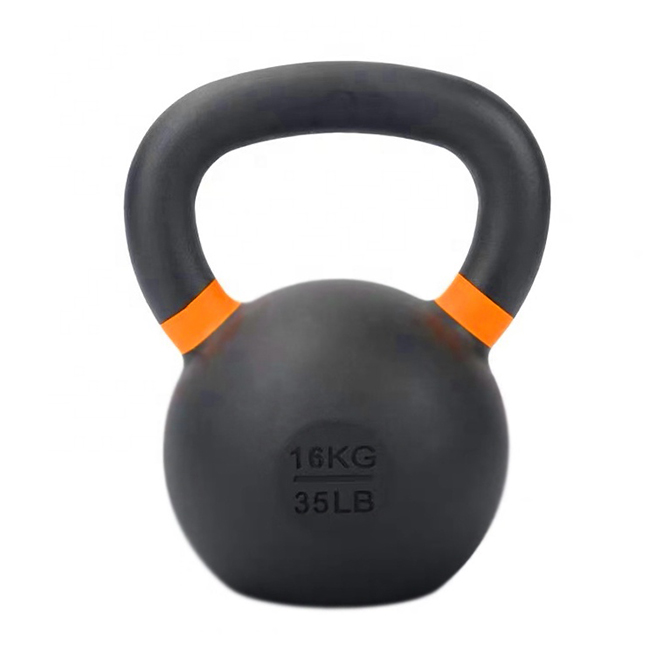
Powder Coated Kettlebell Made in China: Factory Production
Standardizing the Procurement of Powder Coated Kettlebell Made in China
When sourcing high-volume fitness inventory, professional buyers must navigate the technical risks of surface adhesion failure, weight inconsistencies, and logistical overhead. Establishing a standardized protocol for the powder coated kettlebell made in China ensures that every unit arriving at your warehouse meets the rigorous demands of high-traffic training environments. For distributors and gym equipment importers, the focus remains on balancing upfront procurement costs with long-term product reliability and consistent brand presentation.
A high-quality powder coated kettlebell made in China begins with a stable foundation through precision casting. The process typically starts with high-grade gray iron, where the molten metal is poured into sand molds to create the core bell structure. Once the casting is cooled, the units undergo machining to ensure the base flatness and handle concentricity meet industry-standard specifications. This foundational stage is critical because even a minor casting defect can lead to significant weight tolerance issues during the final calibration, affecting the overall value of a wholesale order.
The transition from a raw cast iron body to a premium commercial product occurs within the powder coating line. Unlike liquid paint, which can peel or bubble under heavy use, an automated electrostatic powder coating process provides a much thicker, more durable layer that adheres deeply to the iron surface. This step is vital for maintaining commercial durability, as it protects the iron from oxidation and provides a consistent, non-slip texture for the user. For a commercial kettlebell manufacturer, managing the temperature and application density in this line is the primary way to prevent premature surface degradation in the field.
For procurement managers, optimizing the sourcing strategy involves understanding how these manufacturing steps impact the final landed cost. While specialized coating processes may slightly increase the initial unit price, they significantly reduce the long-term maintenance load and replacement frequency for your clients. When negotiating wholesale powder coated kettlebells, it is essential to confirm that the China factory utilizes a dedicated line to prevent cross-contamination and ensure a uniform finish across all weight increments in your shipment.
Technical Comparison of Surface Finishes for Commercial Durability
To optimize the total cost of ownership (TCO) for your clients, procurement specialists must distinguish between different surface treatments. While various finishes exist, the choice between a powder coated kettlebell made in China and a PU coated alternative significantly impacts the long-term maintenance load and replacement cycles of a commercial facility.
The following comparison outlines the technical trade-offs between standard commercial finishes to assist in your professional sourcing decisions. Selecting the correct tier ensures that the durability of the product aligns with the intended usage environment, whether it be a high-traffic commercial gym or a premium boutique studio.
| Material Type | Primary Process | Key Component Detail | Commercial Duty Tier | MOQ Impact | Factory QC Point |
|---|---|---|---|---|---|
| Cast Iron | Electrostatic Powder Coating | High-adhesion surface layer | Premium Commercial | Standard | Coating adhesion strength |
| Cast Iron | Polyurethane (PU) Coating | Encapsulated rubberized shell | Standard Commercial | Moderate | Shell thickness & bond integrity |
| Gray Iron | Enamel / Liquid Paint | Thin protective film | Budget / Entry-Level | Low | Surface smoothness & chip resistance |
When evaluating a commercial kettlebell manufacturer, we recommend inspecting the coating adhesion and the consistency of the handle texture. A superior powder coated kettlebell made in China will exhibit a uniform, non-slip finish that resists chipping even under heavy impact. For distributors managing large-scale wholesale powder coated kettlebells orders, verifying these technical specs during the pre-shipment stage is the most effective way to protect your margins and ensure client satisfaction.
Pre-Shipment QC and Export Inspection Protocols
Reliability in the fitness supply chain depends on rigorous inspection before the product leaves the China fitness equipment factory. For professional importers, the most critical stage is the pre-shipment QC, where technical staff verify that the powder coated kettlebell made in China meets all structural and aesthetic requirements. A failure to inspect these details can lead to high return rates and diminished distributor margins once the goods reach the destination market.
During the inspection process, technicians focus on several high-priority touchpoints. First, the base flatness is checked to ensure the kettlebell sits stable on gym flooring without wobbling. Second, the handle texture and knurling depth are evaluated to ensure a consistent grip, which is essential for user safety and comfort. Finally, the coating adhesion is tested to confirm the powder layer is firmly bonded to the iron body, preventing peeling during heavy use. For any large-scale wholesale or bulk orders, these checks are mandatory to ensure that the final shipment is truly export-ready.
Beyond the product itself, the export packaging protocol is a vital component of the procurement checklist. To minimize damage during long-distance sea freight, each unit must be secured within high-density corrugated boxes and reinforced with protective corner guards. For distributors managing high-volume wholesale powder coated kettlebells, verifying the palletization and container loading plan is as important as inspecting the kettlebells themselves. This ensures that the landed cost remains predictable and that the inventory arrives in pristine, retail-ready condition.
Material Composition and Casting Excellence
For distributors and gym owners sourcing high-volume inventory, the structural integrity of a powder coated kettlebell made in China begins with the selection of premium raw materials. High-grade cast iron is the industry standard for ensuring long-term durability in high-traffic commercial environments. When you partner with a professional commercial kettlebell manufacturer, the focus remains on the density and purity of the gray iron used to prevent structural cracks or weight inconsistencies during heavy use.
The production of a high-quality powder coated kettlebell made in China typically follows a rigorous sand casting process. This method allows for the creation of a single-piece, solid body that offers superior balance and longevity compared to cheaper, multi-piece alternatives. A reliable China fitness equipment factory will utilize precision molds to ensure that the handle-to-body junction remains seamless, providing the necessary stability for professional training. Maintaining strict weight tolerance during the casting stage is a critical quality control step, as even minor deviations can impact the landed cost and the perceived value of your wholesale powder coated kettlebells shipment.
Precision Coating and Surface Finishing Standards
The final aesthetic and tactile quality of your shipment depends heavily on the technical execution of the surface treatment. A professional powder coated kettlebell made in China undergoes a specialized coating process to ensure that the finish is not merely cosmetic but serves as a protective barrier against oxidation and impact. This typically involves a multi-stage preparation sequence: first, the cast iron body undergoes a thorough degreasing and sandblasting process to remove any residual impurities or casting imperfections. This step is essential for achieving high coating adhesion, preventing the premature chipping or peeling that often plagues lower-tier products in a commercial setting.
Once the surface is prepared, the units are moved to a controlled powder coating line where an electrostatic charge is used to apply a uniform layer of high-durability powder. The kettlebells are then cured in a high-temperature oven to melt and bond the coating to the iron core. For importers managing a wholesale powder coated kettlebells order, verifying these technical steps is vital to minimize after-sales maintenance issues. A reputable commercial kettlebell manufacturer will also implement a specific QC protocol to inspect the knurling texture and the smoothness of the handle, ensuring the grip remains consistent and functional even after the coating application.
Before any container loading, a rigorous pre-shipment inspection is conducted to verify that the coating thickness and surface finish meet the agreed-upon specifications. This includes spot-checking for any surface irregularities or adhesion failures that could lead to client dissatisfaction. For distributors looking to optimize their landed cost and protect their brand reputation, ensuring that the factory follows these industrial-standard finishing sequences is a non-negotiable part of the sourcing process.
Commercial Coating Comparison for Procurement Decision-Making
When managing diverse product catalogs, understanding the technical trade-offs between different finishes is essential for calculating long-term TCO and optimizing your inventory. A professional China fitness equipment factory will offer several finishing tiers to match your specific market positioning, from budget-friendly retail options to high-end studio equipment. Choosing the wrong finish can lead to higher maintenance costs or premature replacement cycles, impacting your overall distributor margins.
The following table provides a technical comparison of common finishing methods used for a powder coated kettlebell made in China and other commercial-grade alternatives. This comparison focuses on the qualitative durability and maintenance requirements relevant to bulk sourcing decisions.
| Material & Finish Type | Process Detail | Key Component Focus | Commercial Duty Tier | Maintenance Requirement | Procurement Context |
|---|---|---|---|---|---|
| Cast Iron + Powder Coating | Electrostatic Application & Heat Curing | Coating Adhesion & Grip Texture | Premium Commercial | Low - Highly Resistant to Scratches | Ideal for high-traffic gym wholesale |
| Cast Iron + Enamel Paint | Liquid Spray & Drying | Surface Smoothness | Standard Commercial | Moderate - Prone to Chipping | Standard OEM/Retail Inventory |
| Cast Iron + Bare Iron | Sand Casting & Minimal Polishing | Base Flatness & Weight Accuracy | Budget/Entry-Level | High - Requires Oxidation Control | High-volume MOQ/Budget Sourcing |
| Cast Iron + Polyurethane (PU) | Dip Coating / Encapsulation | Handle-to-Body Junction | Premium Studio/Boutique | Low - Impact Absorption | Specialized ODM Brand Identity |
Selecting the appropriate specification for your wholesale powder coated kettlebells order depends on whether your target clients prioritize extreme durability or aesthetic versatility. For example, while a bare iron finish may offer a lower initial landed cost, the long-term maintenance load in a humid commercial environment often makes the powder-coated option a more sustainable choice for professional distributors. We recommend requesting a sample evaluation or a detailed spec sheet from your supplier to confirm that the coating adhesion and knurling depth meet your specific brand standards before proceeding with a large-scale bulk order.
The Powder Coating Process and Surface Durability
For distributors and gym equipment importers, the durability of a powder coated kettlebell made in China directly impacts the long-term Total Cost of Ownership (TCO) and replacement cycles. Unlike liquid paint, industrial powder coating provides a robust, impact-resistant layer that protects the underlying gray iron body from oxidation and heavy daily use in commercial environments.
The manufacturing sequence begins after the initial casting stage, where the raw iron surface is cleaned to remove impurities. A high-quality China factory will typically utilize an electrostatic spray process to apply the polymer powder, followed by high-temperature curing. This ensures superior coating adhesion, preventing the common issue of chipping or peeling during high-volume training sessions. For a commercial kettlebell manufacturer, maintaining this surface integrity is essential to ensure the product meets commercial durability standards for global export. When sourcing wholesale powder coated kettlebells, verifying the consistency of this surface finishing process is a critical step in your sourcing quality control checklist to minimize long-term maintenance costs and maximize your distributor margins.
Evaluating Coating Types for Commercial Longevity
Selecting the correct surface finish is a critical decision for procurement leads looking to balance initial landed cost with long-term durability. A mismatch between the coating type and the facility environment can lead to premature surface degradation, increasing the maintenance load for the end-user and damaging your brand reputation as a provider of premium equipment. To assist in your decision-making, the following table compares the most common finishes used by a professional commercial kettlebell manufacturer for different commercial tiers.
| Coating Type | Durability Level | Maintenance Requirement | Ideal Use Case |
|---|---|---|---|
| Powder Coating | High | Low - Minimal wiping required | High-traffic commercial gyms and strength studios |
| PU (Polyurethane) Coating | Medium-High | Low - Resilient to impact | Boutique fitness studios and premium home gyms |
| Vinyl Dip Coating | Medium | Moderate - Surface can peel over time | Standard fitness clubs and general wellness centers |
| Enamel / Paint | Low-Medium | High - Susceptible to chipping | Budget-tier training facilities or limited-use settings |
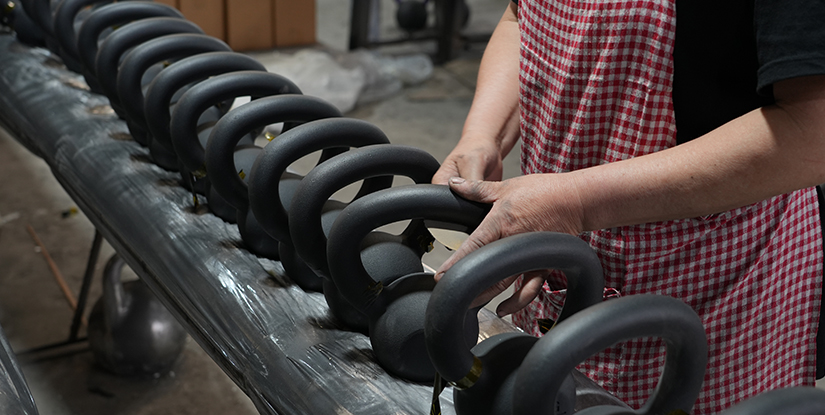
When evaluating a powder coated kettlebell made in China, we recommend focusing on the adhesion quality of the finish. For distributors managing large-scale wholesale powder coated kettlebells orders, ensuring that the coating is applied via an industrial electrostatic process rather than a simple liquid spray will significantly reduce the frequency of replacement requests. If your business model relies on high-turnover or high-intensity training environments, prioritizing a high-tier powder coating through a reliable China fitness equipment factory will optimize your long-term ROI and protect your product's aesthetic value during the entire export lifecycle.
Pre-Shipment Inspection and Export Quality Control
For professional importers, the final stage of the procurement process is as critical as the initial order placement. A reliable China factory does not simply pack and ship; they execute a rigorous pre-shipment inspection to ensure every unit meets the specified weight and finish standards. This stage is vital for maintaining bulk order reliability, as it prevents the high costs associated with shipping defective or underweight units back to the source.
During the QC (Quality Control) process, technicians typically focus on several high-risk areas: checking the coating adhesion to ensure no chips occur during handling, verifying the flatness of the base to prevent wobbling, and performing weight spot-checks on the cast iron body. For a commercial kettlebell manufacturer, these steps are non-negotiable to ensure that the powder coated kettlebell made in China arrives at your warehouse ready for immediate commercial distribution. By requesting detailed inspection reports or even a third-party audit of the China fitness equipment factory, distributors can mitigate risks and ensure a stable long-term ROI for their clients. We recommend confirming your specific MOQ and requesting a sample approval of the coating finish before moving to full-scale production to ensure the product aligns with your brand's quality expectations.
Comparing Commercial Kettlebell Manufacturing Standards
Distinguishing between consumer-grade items and a professional powder coated kettlebell made in China is essential for maintaining high distributor margins and reducing long-term replacement costs. For high-volume importers, understanding the technical gap between basic casting and precision-finished equipment prevents the high landed cost of defective inventory. A reliable commercial kettlebell manufacturer ensures that every unit meets the structural demands of high-traffic training environments.
The production of a powder coated kettlebell made in China typically follows a rigorous sequence: starting with high-grade gray iron casting, moving through precision machining for handle concentricity, and concluding with a multi-stage powder coating application. This process ensures the coating adheres deeply to the cast iron body, preventing the chipping and peeling common in lower-tier products. For wholesale powder coated kettlebells, this durability translates to lower maintenance loads for your end-users and higher brand trust for your China factory sourcing.
| Tier Level | Material & Casting | Surface Finish | Commercial Duty | Sourcing Profile |
|---|---|---|---|---|
| Budget/Retail | Standard Cast Iron | Basic Paint | Light/Home Use | Low MOQ / Small Batch |
| Commercial/Wholesale | High-Density Gray Iron | Industrial Powder Coating | High-Traffic Gyms | Bulk/Distributor Volume |
| Premium/Competition | Precision Machined Steel | Chrome or PU Coating | Professional/Elite | Custom OEM/ODM Spec |
When evaluating a China fitness equipment factory, procurement leads should prioritize the stability of the casting-to-coating transition. A professional supplier will provide documentation regarding the weight calibration and the adhesion strength of the finish to ensure the product survives rigorous commercial use without surface degradation.
| Material | Process | Key Component | Commercial Duty | MOQ Impact | Factory QC Point |
|---|---|---|---|---|---|
| Standard Gray Iron | Sand Casting | Cast Handle | Basic Commercial | Low | Base Flatness |
| High-Density Gray Iron | Machining + Powder Coating | Precision Knurling | High-Traffic Gym | Medium | Coating Adhesion |
| Solid Steel | CNC Machining + Multi-layer Coating | Smooth Grip/Precision Handle | Elite/Competition | High | Weight Tolerance |
Selecting the correct manufacturing tier directly influences your total cost of ownership and product reliability. For instance, a powder coated kettlebell made in China utilizing high-density gray iron and an industrial powder coating line offers the best balance of durability and wholesale value. A professional commercial kettlebell manufacturer will emphasize the precision of the handle-to-body junction and the consistency of the knurling depth to ensure long-term user safety and satisfaction.
Before finalizing a bulk order, we recommend requesting a detailed specification sheet or a sample for evaluation. Our China factory can provide specific details regarding weight calibration protocols and custom branding options to support your OEM or ODM requirements. Contact our team to discuss your current sourcing needs, confirm your required MOQ, or schedule a factory audit to verify our production standards firsthand.
Selecting the correct manufacturing tier directly influences your total cost of ownership and product reliability. For instance, a powder coated kettlebell made in China utilizing high-density gray iron and an industrial powder coating line offers the best balance of durability and wholesale value. A professional commercial kettlebell manufacturer will emphasize the precision of the handle-to-body junction and the consistency of the knurling depth to ensure long-term user safety and satisfaction.
Before finalizing a bulk order, we recommend requesting a detailed specification sheet or a sample for evaluation. Our China factory can provide specific details regarding weight calibration protocols and custom branding options to support your OEM or ODM requirements. Contact our team to discuss your current sourcing needs, confirm your required MOQ, or schedule a factory audit to verify our production standards firsthand.
China Factory Quality Control and Export Inspection Protocols
Establishing rigorous quality control protocols is the most effective way for importers to mitigate the risks of receiving defective or inconsistent batches. When sourcing a powder coated kettlebell made in China, professional buyers must look beyond the surface to ensure the structural integrity of the casting and the durability of the finish. A reliable commercial kettlebell manufacturer will implement multi-stage inspections that cover everything from raw material purity to final packaging durability, ensuring that every unit meets international commercial standards before leaving the factory.
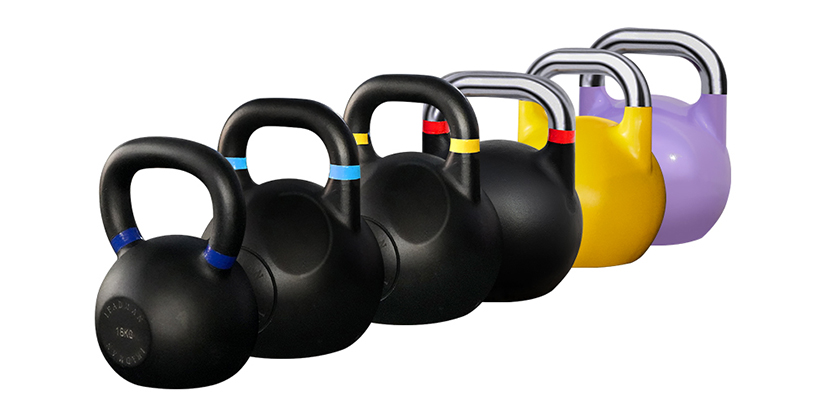
The primary concern for distributors is often the consistency of the weight and the longevity of the surface treatment. High-quality wholesale powder coated kettlebells undergo specific checks to ensure weight tolerance remains within acceptable industry limits and that the coating adhesion is sufficient to prevent chipping during heavy use. Without a strict pre-shipment inspection, buyers risk high return rates and damaged brand reputations due to uneven handles or peeling finishes. By prioritizing a China factory that utilizes standardized calibration and testing, procurement leads can ensure a lower total cost of ownership and higher client satisfaction.
From Sand Casting to Final Palletization
The production of a premium powder coated kettlebell made in China follows a strict linear sequence to ensure structural reliability. The process begins with high-grade gray iron sand casting, where the molten metal is poured into precision molds to create the core shape. Once the casting cools, the units undergo a machining stage to ensure the handle and base meet industry-standard concentricity. Following this, the units move to an automated powder coating line, where the electrostatic application of the coating ensures even coverage across the entire surface, including the grip area. This sequence is critical for maintaining the high-duty performance required by commercial distributors.
A professional China fitness equipment factory must also implement a rigorous weight calibration stage. Because density variations in cast iron can occur, each unit is typically spot-checked to ensure weight consistency across the batch. After calibration, the finished product undergoes a final visual inspection to check for coating adhesion and knurling clarity. Finally, the export packaging process is executed, utilizing heavy-duty corrugated boxes and reinforced pallets to prevent shifting or impact damage during sea freight. For large-scale wholesale orders, this level of detail in the pre-shipment phase is what protects your landed cost and prevents costly replacement claims at your warehouse.
When negotiating MOQ or discussing OEM branding, we recommend requesting a sample approval and a detailed inspection report. This allows you to verify the handle texture and coating thickness before the full production run is completed. Whether you are seeking ODM customization for a private label or standard bulk replenishment, a transparent QC workflow is the foundation of a successful long-term partnership.
Standardized Inspection Checkpoints for Bulk Procurement
To facilitate efficient decision-making for distributors and gym owners, it is essential to understand the specific checkpoints used during the manufacturing cycle. A professional commercial kettlebell manufacturer will utilize a structured inspection framework to ensure that the powder coated kettlebell made in China meets the high-durability requirements of commercial environments. The following table outlines the standard stages required to maintain high quality across large-scale wholesale orders.
| Inspection Stage | Key Focus Area | Commercial Significance | QC Method |
|---|---|---|---|
| Casting Inspection | Base Flatness & Body Integrity | Prevents wobbling and structural failure during high-intensity use | Visual inspection and surface flatness check |
| Machining & Weight | Concentricity & Weight Accuracy | Ensures consistent hand feel and prevents weight discrepancies in sets | Standardized weight calibration and spot-checks |
| Surface Treatment | Coating Adhesion & Grip Texture | Reduces maintenance load by preventing chipping and peeling | Visual assessment of knurling and coating uniformity |
| Final Pre-shipment | Packaging & Logistics Readiness | Minimizes damage during sea freight and reduces landed cost | Reinforced palletization and carton strength test |
By verifying these stages, a supplier can ensure that the wholesale powder coated kettlebells arrive in a condition that protects your margins. We suggest that all buyers confirm the specific MOQ for custom branding and request a detailed inspection report during the pre-shipment phase to guarantee that every batch aligns with your brand identity and commercial standards.
OEM/ODM Capabilities and Bulk Order Logistics
For professional distributors and gym equipment importers, securing a reliable powder coated kettlebell made in China requires more than just a product specification; it requires a partner capable of high-level OEM and ODM services. Whether you are looking to establish a private label line with a unique handle texture or require custom branding for your fitness studio chain, a specialized commercial kettlebell manufacturer can adapt production to meet your brand identity and market positioning.
Navigating the complexities of international sourcing involves balancing customization with efficiency. While OEM requests for specific colors or logo embossments can enhance your brand value, they often influence the MOQ and the overall lead time. For instance, standard stock orders can be processed rapidly, but customized powder coated kettlebell made in China batches—incorporating specific coating thicknesses or bespoke handle knurling—typically require a longer production window to ensure consistency across the entire shipment.
Understanding these variables is critical for effective inventory management and landed cost calculation. When engaging with a China factory, we recommend clarifying whether your requirements fall under standard production or a full ODM process, as this distinction directly impacts your wholesale margins and shipping schedules.
Order Model Comparison for Global Importers
To optimize your procurement strategy, it is essential to distinguish between purchasing ready-to-ship inventory and initiating a custom production run. A professional China fitness equipment factory typically offers two distinct pathways: high-speed stock replenishment and customized manufacturing. Choosing the correct model depends on your target market, brand requirements, and capital allocation.
| Order Model | Customization Scope | Typical Lead Time | MOQ Requirement | Best For |
|---|---|---|---|---|
| Standard Stock | Standard colors and existing logo | Short (Ready to ship) | Lower | Quick replenishment and small distributors |
| Full OEM/ODM | Custom colors, branding, and textures | Extended (Production + Shipping) | Higher | Brand building and large-scale retail chains |
When ordering wholesale powder coated kettlebells, consider how your choice impacts your total landed cost. Stock orders allow for more frequent, smaller shipments to manage warehouse space, whereas a full OEM run maximizes economies of scale but requires a more rigorous pre-shipment inspection to ensure your specific branding and coating standards are met across the entire batch. For long-term distributor success, we recommend a hybrid approach: maintaining a core stock of standard weights while planning seasonal ODM runs for specialized product lines.
Before finalizing your purchase, please contact our team to request a detailed spec sheet, confirm current MOQ for your target weight range, or discuss sample approval protocols for customized branding.
Export Packaging and Logistics Integrity
For large-scale importers, the risk of damaged goods during transit can significantly inflate the landed cost and disrupt distribution schedules. A professional China factory must implement rigorous export packaging protocols specifically designed for heavy, dense iron products. Standardizing these procedures ensures that every powder coated kettlebell made in China arrives at your warehouse with its surface integrity and branding intact, regardless of the shipping distance.
Effective bulk shipping strategies involve several layers of protection. Typically, the process includes individual wrapping to prevent metal-on-metal contact, followed by heavy-duty corrugated boxing and reinforced palletization. For wholesale powder coated kettlebells, we implement edge protectors and industrial-grade stretch wrapping to stabilize the load within the shipping container. This prevents shifting during sea transit, which is a common cause of coating abrasion and dented packaging.
To minimize logistics-related friction, we recommend a comprehensive pre-shipment QC protocol that includes a final weight tolerance spot-check and a coating adhesion inspection. By verifying that the powder coating is fully cured and securely bonded to the cast iron body before the container is sealed, the commercial kettlebell manufacturer helps you avoid the high costs of after-sales returns and damaged inventory claims. We encourage all procurement leads to coordinate with our logistics team to confirm container loading plans and any specific palletization requirements for their regional distribution center.