One Piece Casting Kettlebell Export Manufacturer: Factory
The Economic Value of a One Piece Casting Kettlebell Export Manufacturer
For large-scale fitness distributors and hotel gym procurement managers, the decision to source through a specialized one piece casting kettlebell export manufacturer often hinges on the balance between durability and unit cost. Unlike assembled or multi-part alternatives that may suffer from structural failures at the handle-to-body junction, a single-mold casting process ensures a unified, high-integrity structure. This reliability reduces long-term replacement cycles and maintenance overhead, making it a superior choice for high-traffic commercial environments where equipment longevity directly impacts the total cost of ownership.
When managing bulk orders for international distribution, understanding the commercial kettlebell production workflow is essential for optimizing your landed cost. By working directly with a China factory, importers can bypass the markups associated with middle-tier trading companies. This factory-direct advantage allows for better control over the MOQ requirements and provides a more transparent view of the manufacturing stages—from the initial sand casting to the final surface treatment—ensuring that every unit meets the rigorous standards required for global export.
For professional buyers looking to scale their inventory, sourcing wholesale cast iron kettlebells through a direct supplier offers significant advantages in both margin protection and product consistency. A professional one piece casting kettlebell export manufacturer provides the stability needed for OEM and ODM projects, allowing you to implement custom branding or specific weight ranges while maintaining a competitive edge in your local market.
Production Methodology and Procurement Comparison
Selecting the appropriate manufacturing route is a critical decision for distributors evaluating long-term inventory value. While various production methods exist, the structural integrity of a single-mold unit offers a distinct advantage in commercial settings. To assist in your procurement planning, the following table outlines the qualitative differences between standard production tiers and the high-standard output expected from a professional one piece casting kettlebell export manufacturer.
| Material & Process | Key Component Focus | Commercial Duty Tier | Procurement Advantage | Factory QC Point |
|---|---|---|---|---|
| Single-Piece Sand Casting | Handle-to-body junction integrity | Premium Commercial | Highest durability; minimal maintenance | Weight tolerance spot-check |
| Two-Piece Assembly | Handle weld or junction point | Standard Commercial | Lower unit cost; higher replacement risk | Junction strength inspection |
| Coated/Encapsulated Casting | Coating adhesion & base flatness | Premium/Specialty | Floor protection; high aesthetic value | Surface layer durability test |
| Basic Cast Iron | Base flatness & surface texture | Budget/Entry-Level | Lowest initial investment | Surface roughness & casting flaws |
When evaluating wholesale cast iron kettlebells, buyers should prioritize the seamless transition between the handle and the bell body. In many commercial kettlebell production environments, inferior assembly methods can lead to handle fatigue under heavy usage. By focusing on a single-mold process, a one piece casting kettlebell export manufacturer ensures that the weight distribution remains concentric and the structural integrity is uncompromised, which is vital for maintaining high distributor margins and minimizing after-sales claims in high-volume gym deployments.
To ensure your specific requirements for OEM or ODM are met, we recommend requesting a detailed specification sheet or a sample evaluation. Our factory can provide documentation regarding the casting-to-coating workflow to confirm it aligns with your brand's quality standards. Please contact us to confirm the current MOQ for your desired weight range or to discuss custom branding options for your next bulk shipment.
Logistics Optimization and Export Standards
Efficient international sourcing requires more than just product selection; it demands a deep understanding of how manufacturing outputs impact your logistics and shipping costs. For a professional one piece casting kettlebell export manufacturer, managing the relationship between product density and shipping volume is a critical part of the service. Because cast iron is a high-density material, optimizing container loading patterns is essential to reduce the landed cost per unit. We work closely with importers to ensure that palletization and export packaging are designed to maximize space efficiency without compromising the safety of the goods during long-transit maritime shipping.
A reliable one piece casting kettlebell export manufacturer also provides clarity on lead time and inventory readiness. For distributors planning seasonal stock replenishment or large-scale gym rollouts, unpredictable production schedules can lead to lost revenue. By maintaining standardized commercial kettlebell production lines, our factory can offer more predictable timelines for both stock orders and OEM requirements. This stability allows you to manage your warehouse space more effectively and provide more accurate delivery dates to your end-users, ultimately protecting your reputation and your distributor margin.
To mitigate the risks associated with bulk international procurement, we implement a rigorous pre-shipment inspection protocol. This includes verifying the base flatness, handle texture, and coating adhesion of every batch. Whether you are sourcing through a wholesale order or a custom ODM project, our China factory ensures that all export packaging is robust enough to withstand heavy handling. We invite you to request a formal quote, confirm the current MOQ for your specific weight increments, or arrange a sample approval process to verify our quality standards before your bulk order enters the production queue.
Material Integrity and Casting Standards for Commercial Use
For distributors and gym equipment importers, the structural integrity of a kettlebell is the primary driver of total cost of ownership. Selecting a reliable one piece casting kettlebell export manufacturer ensures that every unit meets the rigorous demands of high-traffic commercial environments. When sourcing heavy lifting equipment, buyers must prioritize products that avoid common failure modes such as handle fractures or uneven weight distribution, which can lead to increased maintenance costs and diminished long-term ROI for your clients.
High-quality commercial kettlebell production relies on the precision of the initial mold and the stability of the molten metal. Using high-grade cast iron through a controlled sand casting process is the industry standard for creating a seamless, single-piece body. This method provides the density and durability required for wholesale orders destined for professional strength facilities. A well-executed casting process ensures that the handle-to-body junction is part of a single, continuous mass, significantly reducing the risk of structural fatigue under heavy use compared to assembly-based alternatives.
The difference in quality becomes evident during the surface finishing stage. A professional China factory will implement a multi-step process—moving from the raw casting to machining the handle texture, followed by a specialized treatment to ensure maximum durability. Whether the specification calls for a bare iron finish with phosphate treatment or a thick, high-adhesion powder coating, the quality of the bond determines how well the product resists chipping and oxidation during heavy commercial deployment. For large-scale wholesale cast iron kettlebells procurement, verifying these manufacturing steps is essential to ensure the landed cost reflects a premium, long-lasting product.
Technical Comparison of Casting and Coating Specifications
To optimize your procurement strategy, it is essential to understand how material selection and surface treatment impact both the initial purchase price and long-term maintenance. A professional one piece casting kettlebell export manufacturer will typically offer various tiers of finishing to meet different commercial requirements, from standard strength training to high-end studio aesthetics. Understanding these qualitative differences helps importers manage expectations regarding product longevity and aesthetic consistency across large-scale shipments.
| Material Tier | Surface Process | Key Component Detail | Commercial Duty | MOQ Impact | Factory QC Point |
|---|---|---|---|---|---|
| Standard Cast Iron | Phosphate Treatment | Raw Cast Texture | Basic Strength Training | Low | Base Flatness |
| Commercial Grade | Powder Coating | Smooth Handle Junction | High-Traffic Gyms | Medium | Coating Adhesion |
| Premium Studio | PU Coating | Precision Knurling | Boutique Fitness/Hotels | High | Weight Tolerance |
When evaluating wholesale cast iron kettlebells, procurement leads should note that the transition from a basic phosphate treatment to a multi-layer powder coating significantly enhances the product's resistance to oxidation and impact damage. While a standard cast finish is cost-effective for high-volume, budget-conscious projects, a specialized coating provides the professional look and tactile grip required for premium facility branding. During the commercial kettlebell production cycle, the most critical stage for a supplier to manage is the calibration of the weight tolerance and the uniformity of the handle texture, as these factors directly influence the end-user experience and your reputation as a distributor.
Rigorous Quality Control and Pre-Shipment Protocols
For professional buyers, the final stage of the supply chain is where the risk of costly returns or damaged reputation is most acute. A leading one piece casting kettlebell export manufacturer must implement a multi-layered inspection protocol that extends far beyond simple weight checks. Reliability in bulk procurement is built upon the consistency of the physical product, specifically focusing on the structural and aesthetic integrity of every unit before it enters an export container.
During the final production stages, technical inspections focus on several critical touchpoints. First, the base flatness is verified to ensure stability during high-intensity training, preventing wobbling that can occur with substandard casting molds. Second, we perform strict testing for coating adhesion; this ensures that the powder or paint layer remains intact under repetitive impact and friction, preventing the unsightly chipping that often plagues lower-tier products. Finally, a comprehensive pre-shipment inspection is conducted to verify the smoothness of the handle-to-body junction and the precision of the knurling, ensuring no sharp edges or casting defects compromise user safety.
Efficient logistics management is the final pillar of a successful partnership. Once the batch passes all QC benchmarks, the items are secured using specialized export packaging designed to withstand the rigors of maritime or transcontinental shipping. This includes heavy-duty corrugated boxes and reinforced corner protection to prevent denting or surface damage during transit. By coordinating these strict QC steps with optimized export packaging, a reliable supplier can ensure that your MOQ or full container load arrives in pristine condition, minimizing the landed cost of damaged goods and ensuring a seamless integration into your commercial facility or distribution network. To discuss your specific volume requirements or to request a detailed inspection report, please contact us to confirm your lead time and bulk pricing.
Manufacturing Processes and Surface Finishing Optimization
Selecting a reliable one piece casting kettlebell export manufacturer requires a deep understanding of how raw casting methods influence the long-term durability of your inventory. For distributors and gym equipment importers, the difference between a high-performing product and a high-maintenance liability often lies in the precision of the commercial kettlebell production line and the quality of the final surface treatment.
In many professional settings, the manufacturing sequence begins with high-quality sand casting to ensure the structural integrity of the bell. This process creates a robust, single-unit body that eliminates the failure points found in multi-part assemblies. After the initial casting, the units typically undergo a machining stage to refine the handle-to-body junction and ensure concentricity. This stage is critical for maintaining a consistent weight distribution and a smooth grip, which are essential standards for wholesale cast iron kettlebells destined for high-traffic commercial environments.
The final stage of commercial kettlebell production is the application of the protective layer. A professional one piece casting kettlebell export manufacturer will utilize an automated powder coating line to ensure uniform coverage. This process is vital for coating adhesion; without proper surface preparation and a high-grade coating, the iron can become susceptible to oxidation and surface chipping under heavy use. For a China factory, maintaining these standards ensures that the landed cost remains low while the product's lifespan in a commercial gym remains high.
| Material/Process Type | Surface Finish | Durability Level | Commercial Suitability | Maintenance Requirement |
|---|---|---|---|---|
| Sand Casting | Bare Iron | Moderate | Budget/Home Gym | High (Rust Prevention) |
| Sand Casting | Powder Coating | High | Standard Commercial | Low (Standard Care) |
| Precision Casting | PU/Rubber Coated | Premium | High-End Studio/Hotel | Very Low |
When evaluating your next batch, consider how these finishing options impact your total cost of ownership and customer satisfaction. A supplier focusing on powder coating provides a balanced solution for distributors looking to offer durable, professional-grade equipment without the premium price tag of specialized coatings. We recommend requesting a sample to inspect the coating adhesion and handle texture before finalizing your bulk order or OEM specifications.
| Material/Process Type | Surface Finish | Durability Level | Commercial Suitability | Maintenance Requirement |
|---|---|---|---|---|
| Sand Casting | Bare Iron | Moderate | Budget/Home Gym | High (Rust Prevention) |
| Sand Casting | Powder Coating | High | Standard Commercial | Low (Standard Care) |
| Precision Casting | PU/Rubber Coated | Premium | High-End Studio/Hotel | Very Low |
When evaluating your next batch, consider how these finishing options impact your total cost of ownership and customer satisfaction. A supplier focusing on powder coating provides a balanced solution for distributors looking to offer durable, professional-grade equipment without the premium price tag of specialized coatings. We recommend requesting a sample to inspect the coating adhesion and handle texture before finalizing your bulk order or OEM specifications.
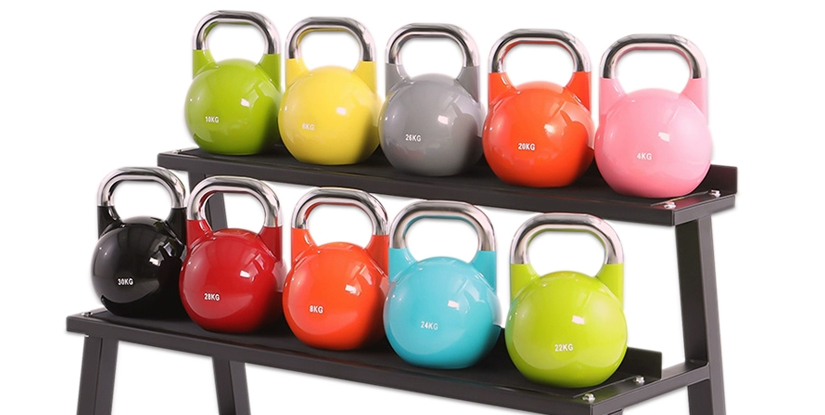
Pre-Shipment QC and Export Standards
For international distributors, the final verification stage is the most critical component of the one piece casting kettlebell export manufacturer workflow. A single error in weight or surface integrity can lead to costly returns and damaged distributor margins. Therefore, a professional China factory implements a rigorous pre-shipment QC protocol that goes beyond simple visual checks to ensure every unit meets commercial-grade specifications before it leaves the warehouse.
The inspection process begins with a strict weight tolerance check. Using calibrated industrial scales, technicians verify that each kettlebell falls within the industry-standard allowable deviation. This step is essential for maintaining professional credibility, especially when supplying high-end studios or commercial facilities where precision is expected. Simultaneously, the team conducts a manual tactile inspection of the handle and base to ensure there are no casting imperfections or sharp edges that could compromise user safety.
The final layer of defense involves a comprehensive check of the coating adhesion and the integrity of the export packaging. We test the surface durability to ensure the finish will not chip or peel during transit or high-intensity use. To protect your landed cost and prevent damage during ocean or air freight, each unit is secured in heavy-duty, reinforced packaging designed for bulk shipping. This meticulous approach ensures that when your wholesale order arrives, the product is ready for immediate deployment in any commercial gym environment.
China Factory QC Protocols and Export Packaging Standards
Maintaining strict quality control is the primary differentiator for a professional one piece casting kettlebell export manufacturer. For distributors and gym owners sourcing in bulk, inconsistent weight or surface defects can lead to high return rates and diminished brand reputation. A reliable China factory implements a systematic inspection sequence—from raw sand casting to final pre-shipment verification—to ensure every unit meets international commercial standards.
Critical Inspection Points for Commercial Grade Reliability
During commercial kettlebell production, quality assurance must focus on the structural and surface integrity of the iron. We prioritize a rigorous weight tolerance spot-check to ensure that each piece aligns with the declared weight, preventing discrepancies that can affect professional training sessions. Additionally, inspectors verify base flatness to ensure the kettlebell sits stable on gym floors without wobbling, which is a common failure mode in lower-tier manufacturing.
The surface finish is equally vital for long-term durability. We conduct coating adhesion testing to ensure that the powder coating or enamel layer remains intact under heavy use and impact. This prevents premature rusting and peeling, protecting your investment and reducing maintenance-related costs. For those seeking wholesale cast iron kettlebells, these technical checkpoints ensure the product can withstand high-traffic commercial environments without constant replacement.
Optimizing Logistics and Landed Cost Through Export Packaging
For large-scale importers and distributors, the final stage of the one piece casting kettlebell export manufacturer workflow is as critical as the casting itself. Because heavy iron products present significant kinetic energy during transit, standard packaging is insufficient. Improper handling or weak structural support during sea freight can result in dented coatings or damaged handles, directly increasing your landed cost through replacement claims and lost inventory. To mitigate these risks, we utilize a professional export packaging protocol designed for heavy-duty industrial shipping.
Our standard procedure involves placing units into reinforced, heavy-duty cartons that are specifically sized to manage the weight-to-volume ratio of cast iron. To maximize container space and protect against shifting, we utilize strict palletization methods. Each pallet is secured with high-strength edge protectors and heavy-duty shrink wrap to ensure stability during ocean transit. By optimizing the stacking density and providing robust protection for the product corners, we help our partners reduce shipping overhead and ensure that bulk orders arrive at their destination in retail-ready, premium condition.
QC Inspection Benchmarks for Global Sourcing
When conducting a factory audit or reviewing a specification sheet, procurement managers should look for specific qualitative benchmarks. A high-tier one piece casting kettlebell export manufacturer will provide clear documentation regarding their inspection methods and the resulting impact on your bottom line. The following table outlines the essential quality control checkpoints that differentiate professional-grade production from budget-tier alternatives.
| Inspection Point | Commercial Standard | Inspection Method | Impact on Landed Cost |
|---|---|---|---|
| Weight Accuracy | Consistent weight within tolerance band | Randomized sample weighing | Reduces return rates and distributor disputes |
| Handle Texture | Smooth, non-abrasive knurling | Manual tactile inspection | Minimizes consumer complaints and liability |
| Surface Integrity | Uniform coating and high adhesion | Visual and scratch-resistance check | Extends product lifespan in high-traffic gyms |
| Base Stability | Flat base with no wobble | Level surface testing | Prevents floor damage and ensures safe use |
| Handle-to-Body Junction | Seamless single-piece transition | Visual structural check | Reduces breakage risks during heavy training |
By prioritizing these technical standards during the commercial kettlebell production process, importers can secure a more predictable supply chain. High-quality control at the source minimizes the hidden costs of low-quality shipments, such as excessive replacement orders or damaged reputation. Whether you are looking for a long-term supplier or a one-time bulk order, ensuring these benchmarks are met is the most effective way to protect your profit margins and ensure high client satisfaction.
Customization and OEM/ODM Capabilities for Global Distributors
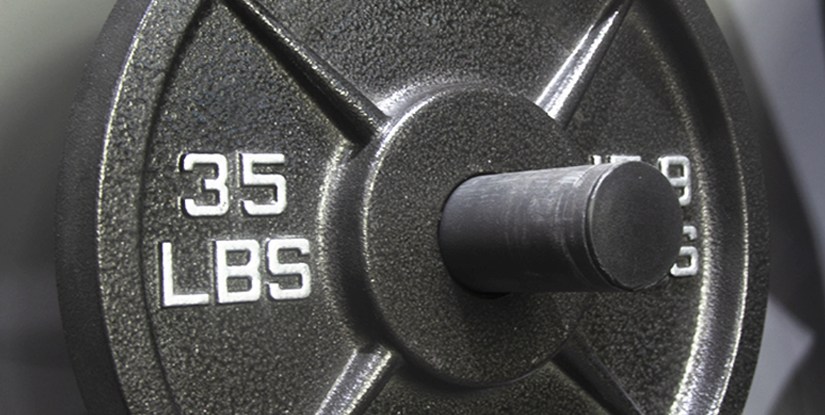
For distributors and large-scale fitness importers, generic inventory often lacks the competitive edge required for premium market positioning. A professional one piece casting kettlebell export manufacturer provides the essential infrastructure to move beyond standard stock and into specialized brand development. By leveraging OEM and ODM workflows, buyers can transition from mere resellers to established equipment brands with unique market identities.
The ability to implement custom branding—ranging from embossed logos directly on the cast iron body to specialized color-coded powder coating—allows a supplier to meet the specific aesthetic and functional demands of high-end studios or boutique fitness chains. Whether you require specific weight ranges for a standard commercial set or specialized increments for professional training, a specialized China factory can adjust production parameters to align with your regional market needs. While wholesale orders for standard stock offer faster turnaround, customized commercial kettlebell production ensures your product line remains distinct and high-value.
Navigating the complexities of private label manufacturing requires a clear understanding of the trade-offs between customization depth and logistical speed. Most professional procurement cycles are dictated by the MOQ requirements of the specific customization requested; for instance, custom mold designs or unique handle textures typically require higher volumes than standard surface-level branding. Coordinating these details with a reliable factory ensures that your lead time remains predictable, allowing for optimized inventory turnover and better sourcing strategies for your upcoming seasonal launches.
Customization Tiers and Procurement Specifications
To assist in your selection process, the following table outlines the common customization tiers available through a professional one piece casting kettlebell export manufacturer. Understanding these variables is critical for calculating your landed cost and managing distributor margins effectively.
| Customization Level | Branding Options | Coating Types | Weight Increments | Target Market | MOQ Impact |
|---|---|---|---|---|---|
| Standard Wholesale | Standard embossed logo | Basic black powder coating | Standard 2kg or 4kg steps | General commercial gyms | Low (Standard stock) |
| Professional Series | Raised or recessed logo | Colored enamel or premium paint | Customized intervals | Boutique studios & CrossFit | Medium (Customized batch) |
| Premium Private Label | Full brand identity integration | PU coating or specialized finishes | Precision weight calibration | High-end hotel & elite training | High (Dedicated production) |
When evaluating wholesale cast iron kettlebells, buyers should consider how each tier affects the total cost of ownership. While premium private label options provide superior brand differentiation for high-end clients, they often necessitate a higher MOQ to justify the dedicated production run at the factory. For distributors focused on rapid inventory turnover, the standard commercial tier offers the most efficient balance of cost and reliability. We recommend requesting a specific spec sheet for each tier to confirm weight tolerance bands and coating adhesion standards before finalizing your sourcing plan.
Logistics, Export Packaging, and Landed Cost Optimization
Managing the international transit of heavy iron goods requires more than just standard shipping; it requires a rigorous approach to export packaging to protect your margins. For a professional one piece casting kettlebell export manufacturer, the goal is to minimize breakage, prevent surface oxidation during sea freight, and maximize container density. Improperly secured or insufficiently protected wholesale cast iron kettlebells can lead to significant damage, increasing your landed cost and reducing the profitability of your bulk orders.
A reliable China factory utilizes heavy-duty, reinforced corrugated cartons and specialized palletizing techniques to ensure stability during long-haul ocean transit. To optimize shipping efficiency, we implement standardized stacking protocols that allow for maximum volume utilization within a 20ft or 40ft container. This focus on high-density loading directly impacts your sourcing ROI by reducing the freight cost per unit. Before finalizing your purchase, we recommend discussing specific palletization requirements and weight distribution with your supplier to ensure the shipment aligns with your local warehouse handling capabilities and customs clearance protocols.
Beyond physical protection, comprehensive quality control must extend to the pre-shipment stage to avoid costly returns or disputes. Our factory conducts rigorous inspections focusing on weight tolerance consistency, coating adhesion, and the structural integrity of the handle-to-body junction. By verifying these technical specifications before the container is sealed, we help distributors maintain high service standards for their end-users. We invite professional buyers to request a formal quotation, confirm current MOQ for customized runs, or schedule a virtual factory audit to validate our production and export standards.
Optimizing Your Sourcing Strategy and Bulk Procurement
For professional distributors and gym equipment importers, managing the complexities of international supply chains requires more than just finding a product; it requires a reliable one piece casting kettlebell export manufacturer. Rely much on a single China factory to consolidate your orders, which helps mitigate the risks associated with fragmented sourcing and high shipping overheads. When you engage in bulk procurement, the goal is to stabilize your landed cost while maintaining strict quality standards across all weight increments.
Selecting a specialized one piece casting kettlebell export manufacturer allows you to optimize your inventory by aligning MOQ requirements with your specific market demands. Instead of managing multiple small shipments, working directly with a supplier who understands wholesale cast iron kettlebells production ensures that your lead time remains predictable. This strategic approach reduces the volatility of commercial kettlebell production cycles, allowing you to plan warehouse space and capital expenditure with greater precision.
Sourcing Model Comparison for Procurement Decision-Makers
To maximize your distributor margins and ensure long-term product reliability, you must evaluate whether to source through a direct production line or a secondary intermediary. A professional one piece casting kettlebell export manufacturer provides the most transparency regarding material density and surface finish, which are critical for high-traffic commercial environments. The following table compares the primary sourcing paths used in the international fitness equipment market.
| Sourcing Model | Production Control | Primary Benefit | Typical MOQ | Quality Control Focus |
|---|---|---|---|---|
| Direct Factory | High (Direct Oversight) | Lowest Landed Cost | Higher | Casting integrity and weight calibration |
| Trading Company | Low (Third-Party) | Product Variety | Lower | Final packaging and basic inspection |
| OEM/ODM Partner | High (Custom Specs) | Brand Differentiation | Medium to High | Custom branding and specialized coating |
When executing a sourcing strategy, the choice between a factory-direct model and a trading entity depends on your target market tier. For those requiring high-volume wholesale cast iron kettlebells with specific branding, a direct partnership offers superior control over the commercial kettlebell production process. We recommend requesting a detailed spec sheet or a sample evaluation to verify the handle-to-body junction and coating adhesion before committing to a large-scale purchase order.
Customization and Branding Capabilities (OEM/ODM)
For distributors looking to build a unique brand identity, a professional one piece casting kettlebell export manufacturer offers robust OEM and ODM services. Rather than stocking generic units, you can differentiate your catalog through custom branding, such as precision-etched logos on the bell body or specialized handle textures. This level of customization is essential for premium fitness brands that require a distinct look and feel to satisfy high-end studio or boutique gym clients.
Our China factory supports diverse customization requests, from specific powder coating colors to specialized weight increments that meet regional market trends. Whether you require a standard commercial finish or a specialized texture for enhanced grip, our OEM processes are designed to integrate your brand specifications directly into the commercial kettlebell production workflow. This ensures that every unit delivered meets your exact brand standards while remaining cost-effective for large-scale distribution.
Rigorous Quality Control and Export Standards
Maintaining consistent quality is the greatest challenge in high-volume wholesale cast iron kettlebells procurement. To mitigate the risk of receiving substandard batches, a rigorous QC protocol must be implemented at every stage of the manufacturing cycle. This begins with the raw material inspection of the gray iron, followed by a thorough check of the casting integrity to ensure no structural flaws exist in the handle-to-body junction.
Before any shipment leaves the facility, a comprehensive pre-shipment inspection is conducted. This includes a weight tolerance spot-check to ensure accuracy across the entire weight range, as well as a coating adhesion test to prevent peeling in high-use environments. Finally, to ensure a safe and efficient arrival at your warehouse, we utilize heavy-duty export packaging designed to withstand long-distance maritime transit. This meticulous approach protects your investment and reduces the likelihood of transit-related damage or returns.