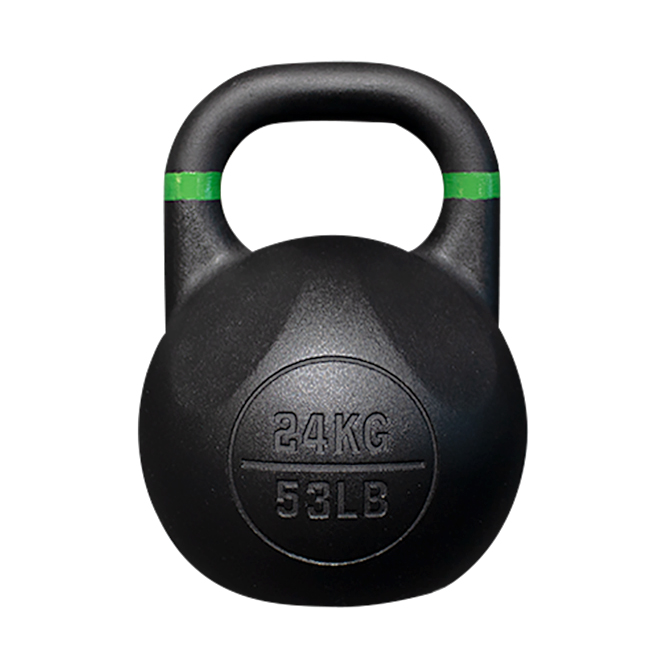
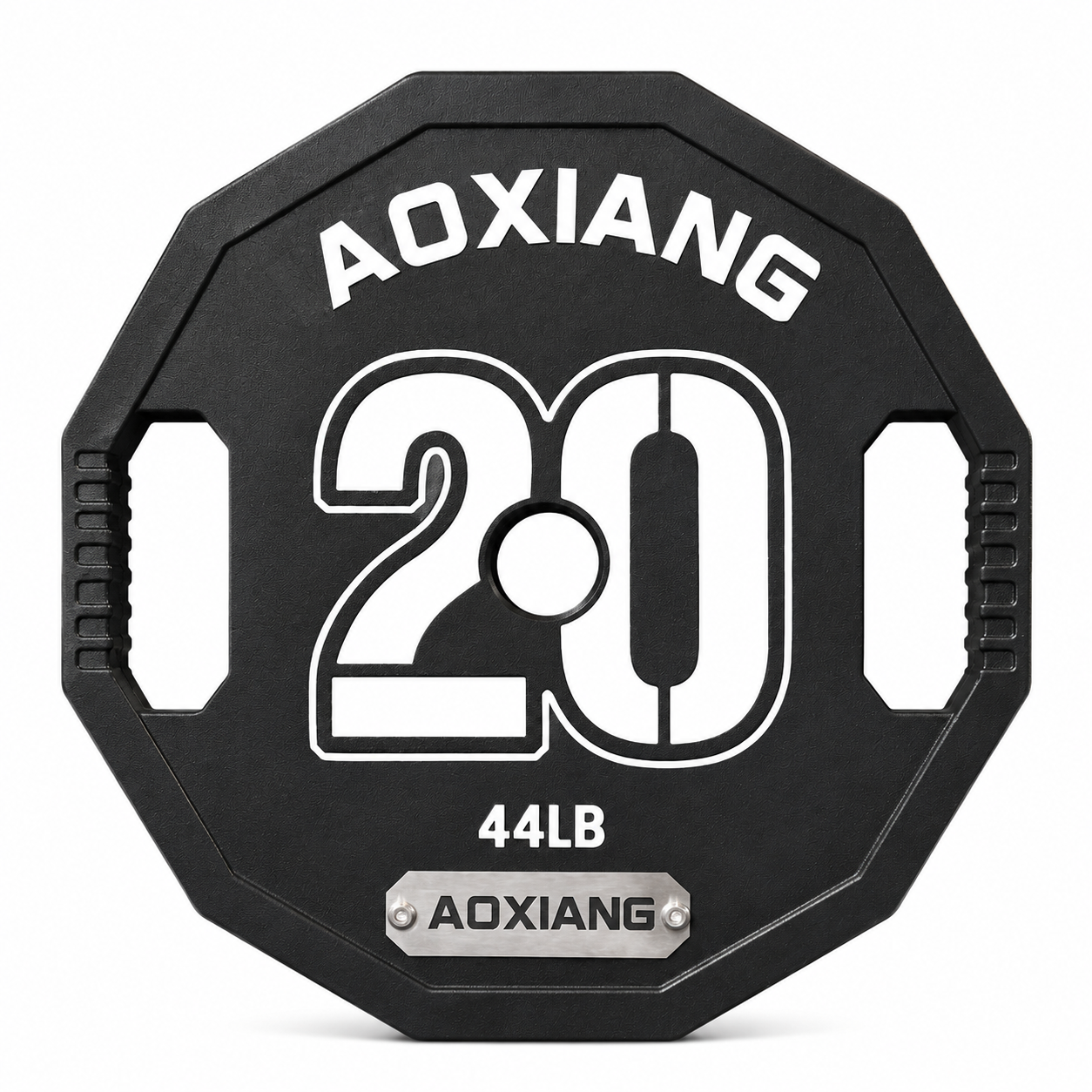
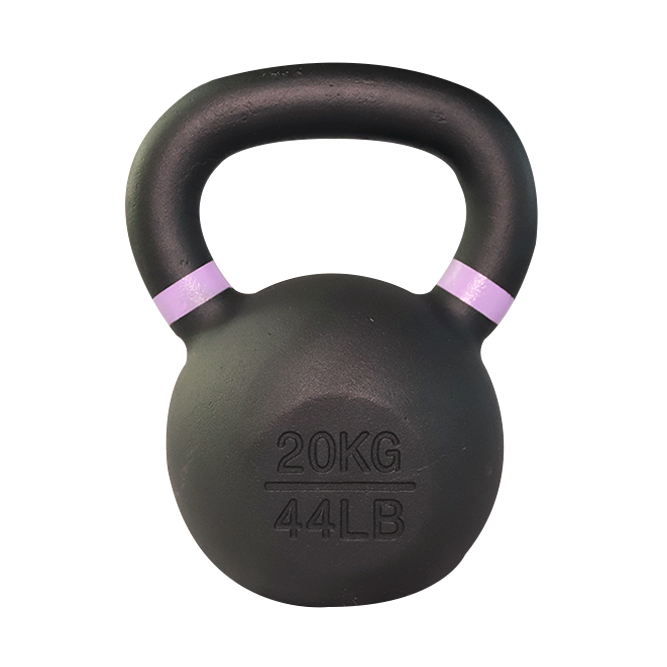
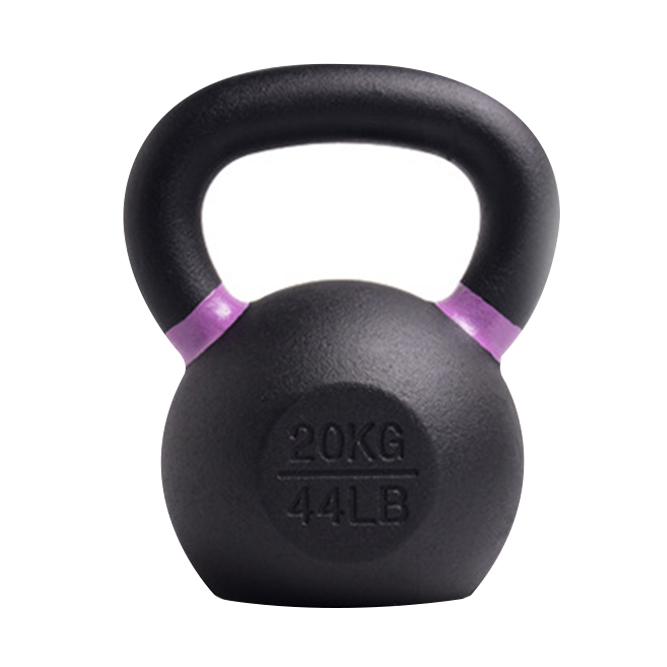
Weight Plate Sample Order Manufacturer: Factory Direct
The Strategic Value of a Weight Plate Sample Order Manufacturer
Securing a reliable weight plate sample order manufacturer is a critical step for distributors and gym equipment importers looking to mitigate procurement risks. Before committing to a large-scale container shipment, professional buyers must verify that the factory's output aligns with specific weight tolerances, material density, and coating durability. A strategic sample evaluation allows you to inspect the bore concentricity, the quality of the casting, and the adhesion of the surface finish, ensuring that the final bulk delivery meets the high standards required for commercial environments. By validating these technical specifications through a weight plate sample order manufacturer, you protect your capital and prevent the logistical headaches associated with receiving non-compliant or substandard inventory.
For high-volume distributors, relying on digital spec sheets alone is insufficient for long-term risk mitigation. A physical sample provides the only definitive way to test how the plates interact with Olympic barbells and how the surface treatment holds up under heavy usage. This phase of the sourcing process is essential for confirming that the commercial weight plate supplier can maintain consistency across a full production run, particularly regarding the thickness of the coating and the precision of the center hole. Investing time in a weight plate sample order manufacturer ensures that your bulk order verification process is grounded in physical evidence rather than theoretical data, ultimately protecting your brand reputation and profit margins.
Technical Standards Comparison for Procurement Verification
When managing large-scale inventory, understanding the qualitative differences between production tiers is essential for accurate landed cost calculations. A professional weight plate OEM manufacturer will typically categorize their output based on material density, machining precision, and surface durability. This distinction is vital for buyers to ensure that the products being imported match the intended commercial application, whether for high-impact training or standard strength training environments. Using wholesale gym plate samples to verify these technical tiers prevents the common pitfall of receiving goods that do not meet the specific durability requirements of your target market.
The following table outlines the typical technical variations you should inspect when evaluating a commercial weight plate supplier. This comparison focuses on the manufacturing rigor and the resulting commercial duty of each tier to assist in your decision-making process.
| Material Tier | Primary Process | Key Component Detail | Commercial Duty | MOQ Impact | Factory QC Point |
|---|---|---|---|---|---|
| Cast Iron (Standard) | Sand Casting | Base Flatness | Budget/Standard Gym | Low | Surface Roughness |
| Machined Steel | Casting + CNC Machining | Bore Concentricity | Premium Commercial | Medium | Tolerance Precision |
| Rubber Coated | Molding/Vulcanization | Coating Adhesion | High-Impact/Bumper | High | Bond Line Integrity |
| Powder Coated | Casting + Coating Line | Surface Uniformity | General Commercial | Medium | Coating Thickness |
During the sourcing phase, we recommend that buyers request specific samples that highlight these technical nuances. For example, when evaluating a weight plate sample order manufacturer, you should specifically inspect the bore for smoothness and the transition between the casting and the coating layer. Verifying these elements through a controlled sample order allows you to confirm that the China factory can maintain the required standards across a full production cycle, ensuring that your wholesale volume remains consistent in quality and performance.
Material Integrity and Casting Standards for Commercial Use
Selecting a reliable weight plate sample order manufacturer is a critical step for distributors and gym procurement leads looking to minimize long-term replacement costs. When sourcing in bulk, the primary concern is the structural consistency of the base material. Most high-volume orders rely on high-grade cast iron produced through traditional sand casting methods. This process ensures a dense, durable core capable of withstanding the high-impact environments found in professional training facilities.
For a commercial weight plate supplier, the technical challenge lies in maintaining a tight weight tolerance across thousands of units. Variations in density or uneven casting can lead to significant discrepancies in weight, which compromises the professional standard of a gym set. A professional weight plate OEM manufacturer focuses on the calibration phase—ensuring that each plate meets the expected mass through precision machining of the center bore and consistent material thickness. This level of precision is essential for maintaining the long-term durability of the equipment and ensuring that the wholesale gym plate samples you evaluate today meet the rigorous demands of a full-scale commercial rollout.
Casting and Coating Methodologies for Commercial Durability
When evaluating the long-term total cost of ownership (TCO), the relationship between the core casting method and the surface finish becomes a vital procurement metric. A professional weight plate sample order manufacturer will typically offer several tiers of production to suit different commercial environments, from high-impact strength training zones to premium studio settings. The choice between traditional methods and advanced coatings directly impacts the maintenance load and the lifespan of the asset in a high-traffic facility.
In many China factory settings, the production route begins with the fundamental casting process. While sand casting remains the industry standard for high-volume, cost-effective cast iron plates, more advanced facilities may utilize centrifugal casting to achieve higher density and smoother internal structures. Following the casting stage, the surface treatment determines how the equipment interacts with both the user and the facility flooring. For example, a powder coating provides a hard, protective layer that prevents oxidation, whereas PU coating or rubber coating offers superior impact absorption and noise reduction. For distributors, selecting the right combination is essential to balancing initial wholesale costs with the expected durability of the product line.
| Material Tier | Primary Process | Surface Finish | Commercial Duty | MOQ Impact | Factory QC Point |
|---|---|---|---|---|---|
| Cast Iron | Sand Casting | Paint / Enamel | Standard Commercial | Lower | Bore Concentricity |
| High-Grade Iron | Sand Casting | Powder Coating | Premium Commercial | Medium | Coating Adhesion |
| Steel Core | Centrifugal Casting | PU / Rubber Coating | Elite / High-Impact | Higher | Layer Uniformity |
Understanding these technical distinctions allows a supplier to provide more accurate quotes based on your specific facility requirements. Whether you are looking for a budget-friendly solution for a large-scale commercial rollout or a premium, noise-reducing option for a boutique studio, the sourcing strategy should always prioritize the consistency of the bond line and the quality of the casting to ensure long-term reliability.
Pre-Shipment QC and Export Standards for Global Distribution
For professional importers, the risk of receiving inconsistent batches is a significant concern that can impact distributor margins and landed cost. A professional weight plate sample order manufacturer mitigates this risk through a rigorous pre-shipment QC protocol. This process moves beyond simple visual inspections to include technical verification of the product's structural integrity. Before any container is loaded, the factory must validate the concentricity of the center bore to ensure a smooth, centered fit on Olympic barbells. This prevents uneven weight distribution during heavy lifting, which is a common failure mode in lower-tier production.
Beyond structural accuracy, the surface finish must undergo strict testing to ensure long-term durability. A reliable commercial weight plate supplier will perform adhesion testing on the powder coating or rubber encapsulation to ensure the finish does not chip or peel under high-frequency use. Furthermore, the export packaging must be robust enough to handle international transit. High-quality manufacturers utilize reinforced corner protection and standardized palletizing to prevent damage during sea freight. By verifying these technical checkpoints—from weight calibration to packaging strength—a weight plate OEM manufacturer ensures that the wholesale gym plate samples approved during the initial stage perform reliably across the entire volume of a bulk order.
Precision Machining and Surface Finishing Processes
For distributors and gym equipment importers, the difference between a high-margin premium product and a high-return liability lies in the technical precision of the manufacturing. When sourcing through a weight plate sample order manufacturer, the focus must shift from mere appearance to the mechanical integrity of the plate. Inconsistent weight distribution or poor bore alignment can lead to uneven wear on barbell sleeves, increasing maintenance costs for your end-users and damaging your reputation as a reliable commercial weight plate supplier. A professional China factory utilizes specific machining sequences to mitigate these risks.
The production of high-tier plates begins with industrial sand casting to establish the primary shape. However, the true commercial value is added during the secondary machining phase. To ensure high commercial durability and smooth transitions during heavy lifts, the central bore undergoes CNC machining. This process is critical for achieving optimal concentricity, ensuring the plate sits perfectly centered on the barbell without wobbling. Following the machining, a rigorous weight calibration step is performed to ensure the finished unit meets the requested specifications before the final surface treatment is applied.
The following table outlines the common material and process tiers available when negotiating wholesale gym plate samples to help you determine the best fit for your target market's budget and durability requirements.
| Material Tier | Primary Process | Surface Finish | Commercial Duty | Procurement Focus |
|---|---|---|---|---|
| Cast Iron | Sand Casting & Machining | Powder Coating | Standard Commercial | High Volume / Low TCO |
| Steel Hub | Machined Steel Core | Rubber/PU Coating | Premium/High-Impact | Durability / Floor Protection |
| Solid Steel | Precision CNC Machining | Chrome/Enamel | Competition Grade | Precision / High Accuracy |
Selecting the right weight plate OEM manufacturer involves evaluating these technical layers. While basic casting meets minimum requirements, a factory that integrates advanced weight calibration and precision CNC machining provides a product with a lower total cost of ownership (TCO) due to reduced breakage and improved barbell compatibility. When reviewing your wholesale options, always confirm the specific finishing process and the level of machining applied to the center bore to ensure long-term commercial durability in high-traffic environments.
Evaluating Surface Finishing: Powder Coating vs. Pu Coating
For procurement leads and distributors, the choice between surface treatments directly impacts the long-term maintenance load and the perceived value of your brand. When evaluating a weight plate sample order manufacturer, it is essential to understand how different finishes interact with the base material. A common mistake in the sourcing process is prioritizing low initial costs over the long-term durability of the coating, which can lead to chipping or delamination in high-use commercial facilities.
The two most common high-tier finishes used by a professional commercial weight plate supplier are powder coating and PU coating. Powder coating is a dry finishing process where electrostatic particles are applied to the cast iron surface and then cured under heat. This method is highly effective for achieving a consistent, rugged texture that is resistant to scratches and minor impacts. It is a standard choice for high-volume wholesale orders where a matte or semi-gloss aesthetic and high impact resistance are required for standard commercial gym environments.
In contrast, PU coating (polyurethane coating) involves a more complex molding or dipping process, often used for high-end bumper plates or specialized training equipment. This process provides a thicker, more resilient layer that offers superior shock absorption and floor protection. While the landed cost for PU-coated units is typically higher, the increased protection against surface abrasions and the smoother tactile feel can justify the investment for premium studio operators. When requesting wholesale gym plate samples, we recommend requesting a sample of both to inspect the coating adhesion and the density of the finish.
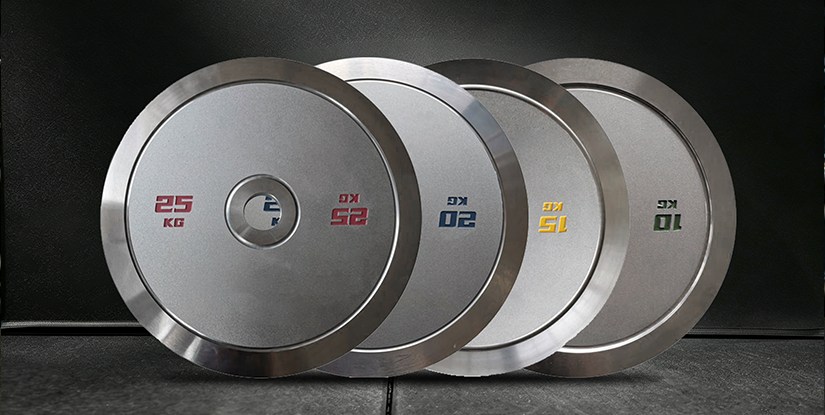
From a logistics and sourcing perspective, the thickness and application method of the finish will also influence your shipping and storage considerations. A well-executed coating process ensures that the plates do not stick together during transit in a container and remain easy to stack in a warehouse. When finalizing your MOQ with a weight plate OEM manufacturer, clarify whether the coating is a surface-level application or a deep-integrated layer to ensure the product meets your specific durability standards.
Pre-Shipment QC: Ensuring Structural and Surface Integrity
For professional importers, the most critical phase of the procurement cycle occurs during the final inspection. A reliable weight plate sample order manufacturer must implement a rigorous pre-shipment QC protocol that goes beyond visual aesthetics to verify structural stability. For distributors managing high-volume bulk orders, even minor defects in base flatness or coating integrity can lead to high return rates and damaged profit margins. This is why a technical audit of the factory's quality control checklist is essential before finalizing any wholesale agreement.
During the inspection phase, a professional weight plate OEM manufacturer focuses on several key technical checkpoints. First, technicians must verify the base flatness of the cast iron or steel core to ensure the plate sits level on the floor and remains stable during heavy lifts. Second, a critical test for any coated unit is the coating adhesion test. This ensures that the powder or PU layer is chemically or mechanically bonded to the substrate, preventing peeling or chipping when the equipment undergoes high-impact use in a commercial setting. Without this check, the landed cost of your shipment could rise due to unexpected replacement claims.
Furthermore, the export packaging must be scrutinized to protect the product during long-distance maritime transit. A standard China factory specializing in export-grade fitness equipment will utilize reinforced corner protectors, heavy-duty corrugated boxes, or custom-sized wooden crates to prevent crushing and moisture damage. When negotiating your MOQ and lead time, always confirm that the packaging specifications include these protective measures to ensure your inventory arrives in pristine, retail-ready condition. We recommend requesting a detailed packaging protocol and a video of a weight test during the pre-shipment QC process to guarantee your quality standards are met before the container is sealed.
Evaluating Quality Through Wholesale Gym Plate Samples
For professional distributors and gym equipment importers, securing a reliable weight plate sample order manufacturer is a critical step in mitigating long-term replacement costs and ensuring product longevity. When sourcing in bulk from a China factory, a sample serves as the primary tool to verify that the casting process and material calibration meet the rigorous demands of high-traffic commercial environments. Rely been on a wholesale gym plate samples evaluation allows you to inspect the physical integrity of the units before committing to large-scale B2B sourcing contracts.
Inconsistent weight distribution or poor material density can lead to uneven wear on barbell sleeves and premature equipment failure. By working with a professional commercial weight plate supplier, buyers can validate that the weight tolerance remains within industry-standard limits across a full production run. This technical validation is essential for maintaining high commercial gym standards and protecting your distributor margins against the high cost of defective inventory or client returns.
Technical Specification Comparison for Procurement
Selecting the appropriate specification requires an understanding of how different manufacturing routes impact both the durability and the landed cost of your shipment. A professional weight plate OEM manufacturer will typically offer several tiers of finishing to suit different facility requirements, from standard iron plates to high-end urethane options. Evaluating these through a weight plate sample order manufacturer ensures that the surface finish and internal density align with your brand identity and client expectations.
| Material Tier | Primary Process | Surface Finish | Commercial Duty | MOQ Impact | Factory QC Point |
|---|---|---|---|---|---|
| Cast Iron | Sand Casting | Powder Coating | Standard Commercial | Lower | Base Flatness |
| Steel Core | CNC Machining | Enamel or Paint | Premium Commercial | Medium | Bore Concentricity |
| Steel/Iron Core | Vulcanization/Molding | PU Coating | High-End/Elite | Higher | Coating Adhesion |
When reviewing your wholesale gym plate samples, pay close attention to the transition points between the core material and the outer layer. For instance, in high-tier units, the bond line between the steel hub and the PU coating must be seamless to prevent delamination under heavy use. For distributors focusing on high-volume, budget-friendly solutions, verifying the thickness and uniformity of the powder coating during the pre-shipment stage is a vital step in the sourcing process to avoid issues with oxidation or chipping during sea freight transit.
Critical QC Checkpoints for Export-Ready Shipments
Beyond surface aesthetics, a professional weight plate sample order manufacturer must demonstrate rigorous control over structural geometry. During the sampling phase, technical buyers should prioritize inspecting the bore concentricity to ensure the center hole is perfectly aligned. Any deviation in the central axis can cause uneven loading on barbell sleeves, leading to increased maintenance and mechanical wear in a commercial setting. A reliable weight plate OEM manufacturer will use precision machining after the initial casting to ensure the internal diameter meets strict tolerances for a smooth, consistent fit.
Furthermore, the durability of the outer layer is a non-negotiastable factor for international shipping and long-term facility use. When evaluating wholesale gym plate samples, it is essential to verify the coating adhesion. This is often tested by checking for any signs of peeling or bubbling at the edges or around the center hub. For high-volume distributors, ensuring that the coating can withstand the rigors of container loading and sea freight transit is vital to minimizing the landed cost of damaged goods. A high-standard China factory will implement a thorough pre-shipment inspection to confirm that the finish is resilient against impact and environmental moisture, protecting your brand reputation and ensuring high client satisfaction upon arrival.
Optimizing Procurement with a Weight Plate OEM Manufacturer
For international distributors and large-scale gym operators, sourcing high-volume inventory requires more than just finding a low price; it requires a strategic partnership with a reliable weight plate sample order manufacturer. Relying on unverified batches can lead to significant logistical headaches, including inconsistent weight tolerances, poor coating adhesion, and unexpected landed cost increases. By securing wholesale gym plate samples before placing a full container order, professional buyers can verify that the factory's output aligns with their specific commercial-grade requirements and brand standards.
A professional commercial weight plate supplier understands that the primary goal of a sample phase is to mitigate the risks associated with long-distance sourcing. Whether you are developing a private label line or expanding your current warehouse stock, evaluating the physical properties of the casting, the precision of the bore machining, and the durability of the surface finish is essential. This preliminary step allows you to assess the factory capability to meet your MOQ and technical specifications without committing to a massive initial shipment.
Furthermore, utilizing a weight plate OEM manufacturer for sample testing ensures that your custom branding—such as embossed logos or specific color coatings—is executed correctly. This foresight helps in calculating an accurate landed cost, accounting for potential quality-related returns or replacement needs. By validating the OEM production process early, distributors can protect their distributor margin and ensure a consistent supply chain for their end-users.
Technical Comparison of Commercial Plate Standards
To make an informed decision when selecting a weight plate sample order manufacturer, procurement specialists must evaluate the qualitative differences between production tiers. A single oversight in material selection or surface treatment can lead to high maintenance costs or premature inventory turnover. The following table provides a technical breakdown to assist in your sourcing strategy, comparing common commercial-grade options found in a professional China factory.
| Material | Production Process | Key Component Focus | Commercial Application | MOQ Impact | Factory QC Point |
|---|---|---|---|---|---|
| Cast Iron | Sand Casting & Machining | Bore Concentricity | Standard Commercial Gyms | Lower MOQ | Base Flatness |
| Steel (Calibrated) | Precision Machining | Olympic Collar Fit | High-End Strength Facilities | Medium MOQ | Weight Tolerance |
| Rubber Coated | Molding or Vulcanization | Bond Line Adhesion | Multi-Purpose Training Centers | Higher MOQ | Coating Integrity |
| PU Coated | Injection Molding | Encapsulation Layer | Premium Studio/Boutique Gyms | High MOQ | Surface Uniformity |
When evaluating a commercial weight plate supplier, we recommend requesting samples that specifically highlight the bore machining and the surface finish. For instance, a high-quality weight plate OEM manufacturer will demonstrate consistent concentricity in the center hole and high adhesion in the rubber or PU layers to prevent peeling during heavy use. Validating these technical details during the sample phase is the most effective way to protect your long-term profitability and ensure your brand identity remains intact across all bulk shipments.
Essential Inspection Points for Global Importers
To ensure long-term commercial viability, professional buyers must look beyond the surface during the sample evaluation. A high-tier weight plate sample order manufacturer should provide units that allow for a rigorous inspection of the manufacturing sequence. This includes verifying the precision of the bore machining to ensure a smooth Olympic collar fit, as well as testing the durability of the surface treatment. For rubber or PU-coated options, it is critical to inspect the bond line adhesion to confirm that the outer layer will not delaminate under heavy mechanical stress in a commercial setting.
Beyond the individual unit, the China factory must demonstrate excellence in export-ready logistics. A professional weight plate OEM manufacturer will provide samples that reflect the standard export packaging used for full container loads. This includes checking the structural integrity of the packaging corners and the stability of the stacking methods, which are vital for minimizing damage during long-haul ocean freight. Verifying these details during the sample phase helps a supplier provide a more accurate estimate of your total landed cost and reduces the risk of receiving damaged inventory at your warehouse.
Finally, we recommend that your procurement team conducts a weight calibration check on all received samples. A reliable commercial weight plate supplier maintains strict control over the casting and machining stages to ensure that weight deviations remain within industry-standard tolerances. By confirming these technical benchmarks early, you can move forward with large-scale wholesale orders, custom branding requests, or complex ODM projects with full confidence in the product's structural integrity and your long-term distributor margins.
Supply Chain Reliability: MOQ, Lead Times, and Export QC
For international distributors and gym equipment importers, the efficiency of a weight plate sample order manufacturer is measured by more than just product weight; it is defined by the predictability of the entire supply chain. Managing a wholesale inventory requires a delicate balance between maintaining high stock levels and minimizing capital tied up in transit. A reliable China factory must offer transparent communication regarding MOQ levels and production schedules to ensure your distributor operations remain fluid and profitable.
Selecting a professional weight plate sample order manufacturer allows you to mitigate the risks of unexpected lead time delays that can disrupt your seasonal product launches. When you engage with a specialized commercial weight plate supplier, you are not just buying units; you are securing a partnership that understands the nuances of landed cost and the necessity of consistent production capacity. A well-managed weight plate OEM manufacturer will provide clear timelines from the moment the wholesale order is confirmed through to the final pre-shipment inspection, ensuring your distributor margin is protected from costly logistical errors or quality-related returns.
Optimizing Inventory and Margin via Production Scalability
Effective procurement planning requires understanding how MOQ requirements impact your warehousing strategy. High-volume wholesale orders typically offer better economies of scale, but they require significant warehouse space and upfront capital. By working with an experienced weight plate OEM manufacturer, you can leverage tiered production schedules to manage your cash flow more effectively. A capable factory can scale output based on your seasonal demand, providing the flexibility needed to navigate global shipping fluctuations without compromising your distributor commitments.
| Supply Tier | Typical MOQ | Lead Time Profile | Primary Focus | QC Priority |
|---|---|---|---|---|
| Stock/Standard | Low | Short (Immediate) | Rapid Replenishment | Standard Dimension Check |
| Custom OEM | Medium/High | Extended (Production-based) | Brand Identity/Customization | Coating Adhesion & Logo Precision |
| Bulk Distribution | High | Long-term Scheduled | Cost Efficiency/Volume | Full Batch Calibration |
Production Specifications and Export Standards
A professional weight plate sample order manufacturer must demonstrate technical rigor across every stage of the manufacturing sequence. For distributors, the difference between a standard unit and a premium commercial-grade plate lies in the precision of the casting and the durability of the surface finish. High-tier production typically follows a strict sequence: sand casting or centrifugal casting, followed by precision machining of the center bore to ensure a perfect Olympic collar fit, and concluding with a multi-stage surface treatment. Whether the requirement is a basic paint finish or a high-durability powder coating, the adhesion must withstand heavy daily use in commercial environments without chipping or peeling.
During the final stages of the production cycle, a reputable weight plate OEM manufacturer implements rigorous QC inspection protocols. This includes checking the concentricity of the bore, the flatness of the plate face, and the uniformity of the weight calibration. For large-scale wholesale gym plate samples or full container orders, the export packaging process is equally critical. To minimize the risk of transit damage and reduce the landed cost caused by returns, a professional factory will utilize reinforced corner protection and heavy-duty master cartons designed for sea freight stability. We recommend that buyers request a full specification sheet and confirm the specific MOQ and lead time for any custom branding or OEM requests to ensure alignment with your local distribution or warehouse timelines.