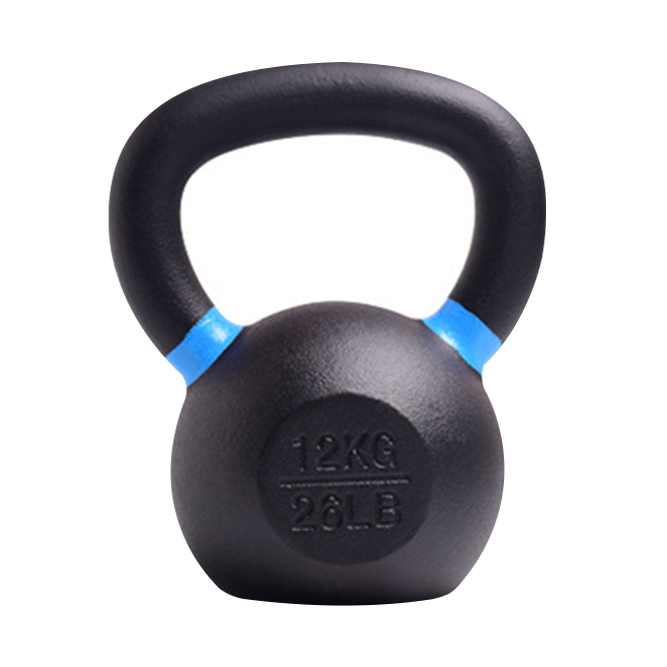
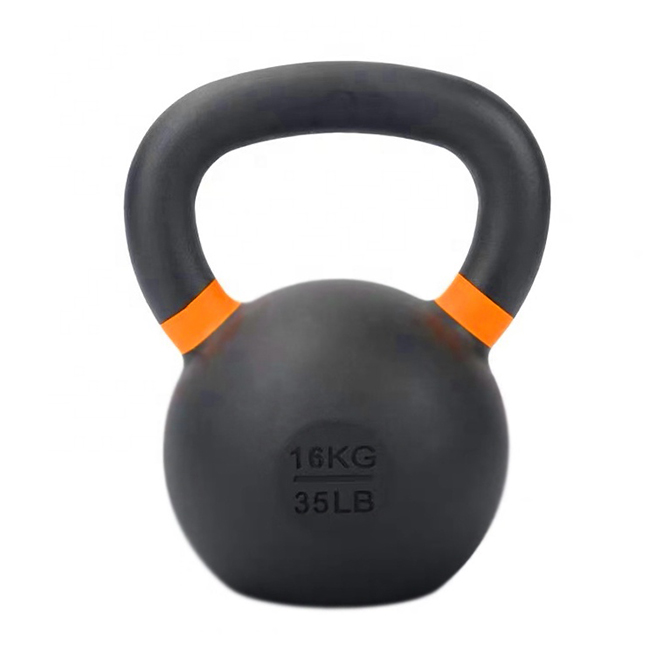
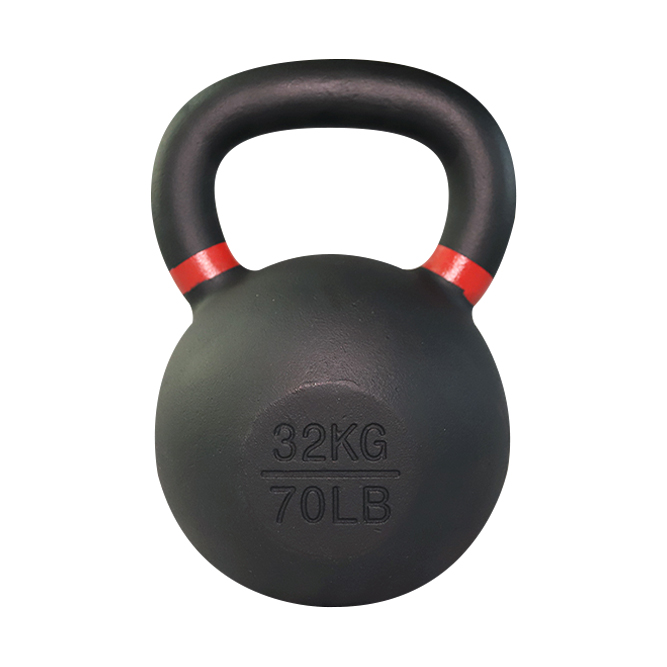
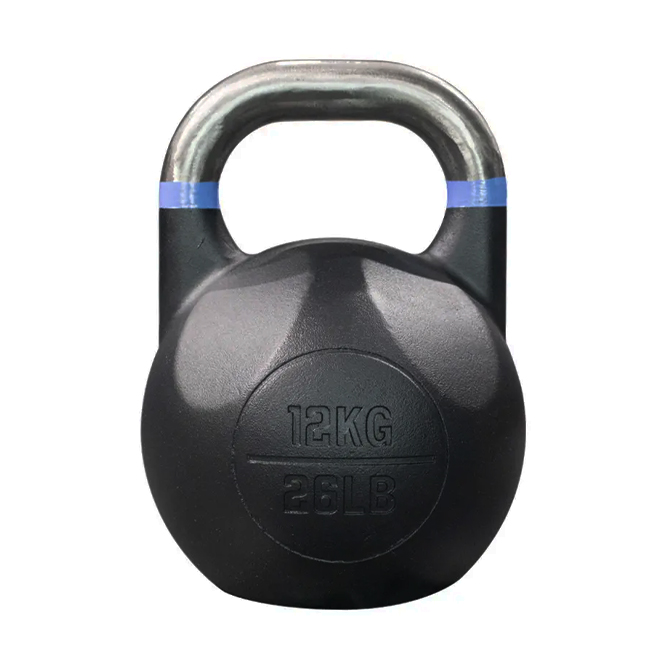
Powder Coated Kettlebell Manufacturer: Material and Sourcing
Evaluating a Powder Coated Kettlebell Manufacturer for Bulk Sourcing
For a large-scale fitness distributor or a hotel gym procurement manager, the cost of replacement cycles often outweighs the initial purchase price. When sourcing high-volume orders, selecting a professional powder coated kettlebell manufacturer is a decision based on long-term asset management. Unlike basic retail-grade units, commercial-grade equipment must withstand high-frequency use and rigorous environmental exposure without surface degradation.
The primary challenge in bulk sourcing is ensuring that the cast iron core remains protected by a resilient outer layer. In many commercial settings, improper powder coating adhesion leads to chipping or peeling, which compromises the aesthetic and increases maintenance costs. A reputable commercial kettlebell supplier mitigates this risk by implementing standardized industrial coating lines that ensure the finish remains intact even under heavy impact. For distributors managing wholesale accounts, this durability directly impacts the total cost of ownership and client satisfaction.
A specialized China factory focused on high-volume export will typically follow a strict production sequence—moving from sand casting to precision machining, followed by a multi-stage surface preparation before the final coating application. This structured approach ensures that the wholesale powder coated kettlebells meet the structural and aesthetic expectations of premium fitness facilities worldwide.
Comparing Coating Methods for Commercial Durability
When evaluating long-term maintenance loads, procurement professionals must decide between different surface finishes. While various options exist, the choice between powder coating and PU coating significantly affects the durability and the landed cost of your inventory. A reliable commercial kettlebell supplier will provide clear technical distinctions to help you manage your distributor margins and replacement schedules effectively.
| Material Type | Coating Process | Key Component | Commercial Duty | MOQ Impact | Factory QC Point |
|---|---|---|---|---|---|
| Cast Iron | Powder Coating | Hardened Surface Layer | High-Traffic Commercial | Standard | Coating Adhesion |
| Cast Iron | PU Coating | Polyurethane Encapsulation | Premium Studio / Boutique | Higher | Layer Uniformity |
| Steel | Chrome Finish | Precision Handle/Grip | Competition / Professional | High | Surface Purity |
The technical distinction between powder coating vs PU coating is critical for your TCO calculations. Powder coating is a dry, electrostatic process that creates a highly resilient, hard-shell finish on the iron core. This method is favored for wholesale powder coated kettlebells because it offers excellent resistance to chipping and provides a cost-efficient solution for high-volume gym setups. Conversely, PU coating involves a liquid polyurethane dip, which offers a softer tactile feel and better floor protection but often carries a higher production cost and different sourcing requirements. Choosing the right cast iron kettlebell factory involves balancing these material-specific durability needs with your specific budget and client expectations.
Standardizing Factory QC and Export Packaging
Reliability in a bulk order is determined long before the container reaches the port. For a professional cast iron kettlebell factory, the final stages of production are the most critical for preventing costly returns and client complaints. A high-standard powder coated kettlebell manufacturer does not merely rely on the initial casting quality; they implement a rigorous QC protocol that focuses on the structural integrity of the finished unit. This includes weight tolerance spot-checks and, most importantly, verifying the coating adhesion to ensure the powder layer is fully fused to the gray iron body without bubbles or thin spots.
Beyond the product itself, the logistics of international sourcing require specialized export packaging to protect your landed cost. For large-scale wholesale shipments, standard cardboard is often insufficient for the high-impact nature of heavy iron. Leading manufacturers utilize reinforced cartons, corner protectors, and heavy-duty pallets to secure the load. This attention to detail prevents damage during sea freight and ensures that when your wholesale powder coated kettlebells arrive at your warehouse or distribution center, they are ready for immediate deployment in a commercial facility without the need for replacement or secondary handling.
To ensure your inventory meets your specific commercial standards, we recommend contacting our team to request a technical spec sheet or to discuss your specific MOQ and lead time requirements. Whether you are looking for a standard stock order or require OEM customization for your own brand identity, our facility is equipped to handle high-volume professional procurement needs. Please reach out to confirm your sample approval or to schedule a virtual factory audit before finalizing your next bulk order.
Material Composition and Casting Standards for Commercial Use
A professional powder coated kettlebell manufacturer ensures that the foundation of each unit is built upon high-density gray iron. For distributors and gym owners, sourcing from a reliable cast iron kettlebell factory is critical to avoiding the structural defects often found in low-grade batches. High-quality commercial units typically utilize sand casting processes to create a consistent, single-piece body that maintains structural integrity under heavy daily use in high-traffic environments.
When managing large-scale sourcing projects, understanding the relationship between casting quality and long-term durability is essential for minimizing replacement costs. A standard commercial kettlebell supplier focuses on the homogeneity of the iron to prevent internal air pockets or cracks. These imperfections can lead to weight shifts or even structural failure, which increases the total cost of ownership (TCO) for a facility. By prioritizing a factory that utilizes standardized sand casting and rigorous weight tolerance spot-checks, importers can ensure that every unit in a bulk order meets the expected commercial-grade specifications.
Comparison of Surface Finishing Methods for Bulk Procurement
For professionals managing inventory or facility equipment, selecting the correct surface treatment significantly impacts both the aesthetic longevity and the total maintenance load. While different finishes serve various market segments, the distinction between standard coatings and specialized layers determines the unit's lifespan in high-intensity settings. When negotiating wholesale contracts, it is vital to understand how these finishes behave under friction and environmental exposure.
| Material Base | Primary Process | Key Component Focus | Commercial Duty Tier | Maintenance Level |
|---|---|---|---|---|
| Gray Iron | Powder Coating | Coating Adhesion | Standard Commercial | Low |
| Gray Iron | PU Coating | Encapsulation Layer | Premium Commercial | Minimal |
| Cast Iron | Enamel / Paint | Surface Uniformity | Budget / Light Use | Moderate |
The effectiveness of a powder coated kettlebell manufacturer is often judged by the quality of the coating adhesion during the pre-shipment phase. In many commercial settings, a high-quality powder finish provides a durable, textured grip that resists chipping and prevents oxidation of the underlying iron. Conversely, PU coating—or polyurethane—offers a thicker, more seamless encapsulation that is highly resistant to impact and moisture, making it a preferred option for premium studio environments where aesthetic perfection and long-term durability are paramount. Choosing the right specification during your initial wholesale inquiry will help align your inventory with the specific durability requirements and budget of your end-users.
Pre-Shipment QC and Export Standards
To minimize return rates and protect distributor margins, a professional powder coated kettlebell manufacturer must implement a rigorous pre-shipment QC protocol. For high-volume wholesale powder coated kettlebells, inspection focuses on three critical failure points: coating adhesion, base flatness, and handle texture. A reliable commercial kettlebell supplier ensures the powder finish is uniformly applied to prevent chipping during high-frequency training, and verifies that the handle texture provides a consistent, non-slip grip without sharp edges.
During the final inspection stage, the factory evaluates the base flatness to ensure the unit remains stable on gym flooring, preventing unwanted movement or noise. For clients utilizing OEM or ODM services, the QC process also includes verifying custom branding clarity and weight tolerance consistency. Finally, robust export packaging is mandatory to safeguard the shipment during long-haul sea freight. When planning your procurement, always confirm the standard lead time and minimum MOQ to ensure your inventory arrives on schedule and in professional-grade condition.
The Powder Coating Process and Surface Adhesion Requirements
For distributors and large-scale gym operators, the long-term TCO of strength equipment is heavily dictated by surface integrity. A high-quality powder coated kettlebell manufacturer ensures that the finish remains intact despite the high-impact environment of a commercial facility. When sourcing wholesale powder coated kettlebells, the primary concern is not just aesthetics, but the strength of the bond between the cast iron body and the protective layer.
A professional powder coating line utilizes electrostatic application to ensure even coverage across the bell and the handle. This process is critical for preventing the chipping or peeling that often occurs with inferior paint methods. For a commercial kettlebell supplier, maintaining strict surface adhesion standards is a fundamental part of the factory QC protocol. High-grade adhesion prevents moisture from reaching the metal, which significantly reduces maintenance costs and extends the replacement cycle for the end-user.
Failure to verify these technical standards during sourcing can lead to premature oxidation and surface degradation. By selecting a factory that prioritizes a multi-stage preparation process—including degreasing and surface texturing—importers can guarantee a product that maintains its premium look and structural grip over years of heavy use.
Evaluating Coating Methods: Single-Coat vs. Multi-Coat Standards
When managing a bulk procurement project, understanding the technical distinction between various finishes is essential for calculating long-term durability. A reliable powder coated kettlebell manufacturer will typically offer different tiers of surface treatment to suit various budget and durability requirements. For high-traffic commercial environments, the choice between a standard single-coat application and a more robust multi-coat process can significantly impact the frequency of replacement and the overall maintenance load of the facility.
The following table outlines the qualitative differences between common coating methods used by a cast iron kettlebell factory to help procurement officers evaluate the suitability of different batches for their specific market needs.
| Material / Coating Type | Process Detail | Key Component Focus | Commercial Duty Tier | MOQ Impact | Factory QC Point |
|---|---|---|---|---|---|
| Paint / Enamel | Liquid spray application | Surface smoothness | Budget / Entry-level | Lower | Peeling resistance |
| Standard Powder Coating | Single-coat electrostatic application | Handle-to-body junction | Standard Commercial | Standard | Coating adhesion |
| Premium Powder Coating | Multi-coat/Layered application | Consistent knurling texture | Premium / High-traffic | Higher | Impact resistance |
| Rubber / PU Coating | Encapsulation or dip molding | Base flatness and grip | Premium / Specialized | Higher | Layer thickness uniformity |
For a commercial kettlebell supplier, the distinction between a simple paint finish and a professional powder coating is a critical factor in product longevity. While liquid paint may offer a lower initial wholesale cost, it often lacks the structural integrity required for heavy-duty lifting. In contrast, a high-quality powder coating provides a much harder, more resilient shell that protects the underlying iron from environmental moisture and physical abrasion.
During the factory inspection or pre-shipment QC, importers should prioritize verifying the durability of these layers. A common failure mode in lower-tier production is the separation of the coating from the cast iron body, often caused by improper degreasing or insufficient electrostatic charge during the application phase. Ensuring your supplier follows a standardized multi-stage preparation sequence will mitigate the risk of receiving defective units and ensure a higher return on investment for your distributors.
Logistics and Export Readiness: Packaging and Lead Time Management
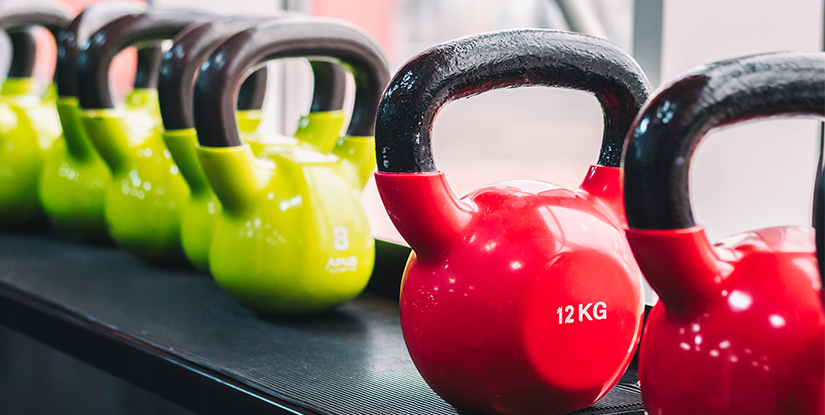
Efficient export packaging and predictable lead time management are the final critical pillars in a successful wholesale procurement strategy. For a professional powder coated kettlebell manufacturer, the process does not end at the coating line; it continues through rigorous pre-shipment QC and specialized packing to ensure that heavy cast iron units arrive at international destinations without surface damage. Improperly packed wholesale powder coated kettlebells often suffer from scuffing or box compression during sea freight, which can increase the landed cost through damaged goods claims and diminished distributor margins.
A high-tier cast iron kettlebell factory will utilize reinforced corrugated cartons and customized dividers to stabilize the weight during transit. This level of detail in the factory environment ensures that the integrity of the powder coating is preserved from the loading dock to the final warehouse. When negotiating bulk orders, importers should request specific details regarding the palletization method and the thickness of the protective layers used in the export packaging to mitigate shipping risks.
Furthermore, transparency regarding MOQ and production schedules is vital for maintaining a steady supply chain. A reliable commercial kettlebell supplier provides clear timelines that account for both the casting cycle and the curing time required for high-quality finishes. By aligning your sourcing schedule with a factory that maintains standardized production windows, you can better manage inventory turnover and ensure that your product availability remains consistent for your commercial clients.
Comparing Commercial Kettlebell Production Tiers
Selecting the right powder coated kettlebell manufacturer requires understanding how material grades affect long-term maintenance and replacement cycles. For distributors and gym owners, the initial purchase price is often less critical than the Total Cost of Ownership (TCO). Choosing a low-tier cast iron kettlebell factory may lower upfront costs, but poor coating adhesion leads to premature rust and frequent replacement, ultimately hurting your ROI.
When sourcing wholesale powder coated kettlebells, professional buyers must evaluate the distinction between budget, commercial, and premium tiers. A high-quality commercial kettlebell supplier will provide clear differentiation in casting density and coating thickness to ensure long-term durability in high-traffic environments.
| Production Tier | Material & Casting | Coating Quality | Commercial Durability | Procurement Focus |
|---|---|---|---|---|
| Budget | Standard gray iron | Basic liquid paint | Low (prone to chipping) | Low MOQ / Low initial cost |
| Commercial | High-density cast iron | Electrostatic powder coating | Medium (high impact resistance) | Standard wholesale volumes |
| Premium | Precision-cast iron | Multi-layer industrial coating | High (optimized for longevity) | Custom OEM / ODM orders |
For large-scale distributors, the most efficient sourcing strategy involves balancing lead time with product longevity. While budget options offer faster turnover, investing in premium-grade powder coating reduces the long-term maintenance load and protects your brand reputation in the fitness market.
To optimize your procurement strategy, we recommend requesting a technical spec sheet or a sample evaluation from your selected supplier before committing to high-volume orders. A professional China factory will be able to provide detailed information regarding the coating adhesion process and weight tolerance bands to ensure the units meet your specific commercial standards. For partners interested in long-term distribution, we also offer OEM and ODM services to accommodate custom branding requirements and specific weight configurations, ensuring your product line aligns perfectly with your market positioning and landed cost targets.
Evaluating the long-term profitability of a bulk order requires looking beyond the initial invoice. A reliable powder coated kettlebell manufacturer ensures that the coating process—typically involving electrostatic application—is optimized for high-impact commercial use. If the coating adhesion is inconsistent, the resulting chipping and oxidation will increase your replacement frequency, negatively impacting your net margins. When you partner with an experienced commercial kettlebell supplier, you are investing in a predictable product lifecycle that protects your capital expenditure.
For high-volume distributors, the sourcing logic must prioritize shipping efficiency and quality consistency. A professional cast iron kettlebell factory manages the complex transition from casting to the final powder coating line to ensure weight uniformity and surface integrity. To mitigate risk, we recommend integrating a mandatory pre-shipment inspection or QC protocol that specifically checks for coating durability and handle-to-body junction strength. By confirming these technical standards during the wholesale stage, you can better manage your landed cost and ensure that your MOQ-based orders arrive ready for immediate commercial deployment without the hidden costs of defective inventory.
Factory QC Protocols and Pre-Shipment Inspection Points
For distributors and gym equipment importers, a single defective batch can compromise profit margins and brand reputation. When sourcing from a powder coated kettlebell manufacturer, establishing rigorous quality control protocols is essential to mitigate the risks of high replacement costs and client dissatisfaction. A professional commercial kettlebell supplier must implement multi-stage inspections that go beyond basic visual checks to ensure every unit meets international commercial standards.
Reliable wholesale powder coated kettlebells require strict oversight during the transition from the casting stage to the final surface treatment. During pre-shipment inspections, a qualified cast iron kettlebell factory focuses on three critical technical dimensions: weight tolerance, coating adhesion, and handle structural integrity. If these elements are not verified, the landed cost of your shipment increases due to potential returns and damaged goods.
Critical Inspection Benchmarks for Bulk Procurement
A high-standard China factory will typically utilize a systematic approach to verify that the powder coating is not merely aesthetic but provides long-term durability. This involves checking the bond between the gray iron body and the finish to prevent chipping during heavy commercial use. Furthermore, ensuring consistent weight calibration across a full container load is a non-negotiable step for any professional sourcing agent.
| Inspection Focus | Technical Requirement | Commercial Impact | Typical QC Method |
|---|---|---|---|
| Weight Tolerance | Consistency within industry-standard bands | Ensures SKU accuracy for distributors | Randomized batch sampling |
| Coating Adhesion | Resistance to chipping and peeling | Reduces long-term maintenance and replacement | Surface friction and impact testing |
| Handle Integrity | Smoothness and lack of casting defects | Prevents user injury and grip failure | Manual tactile inspection |
| Base Flatness | Stable contact with floor surfaces | Prevents wobbling and equipment instability | Surface leveling check |
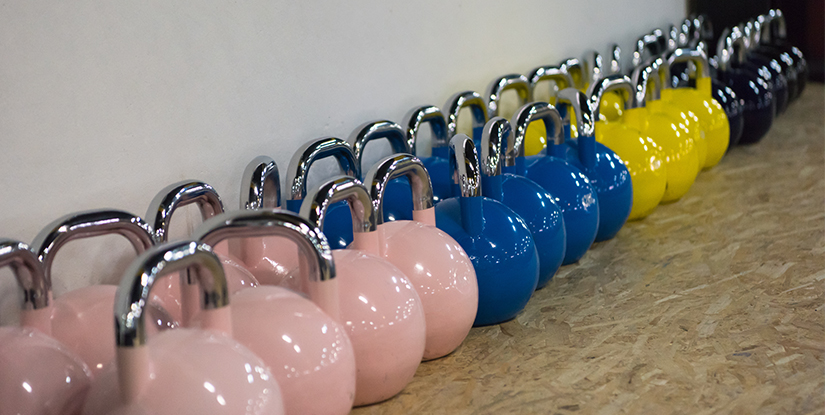
To ensure your procurement aligns with your specific MOQ and quality requirements, we recommend requesting a detailed specification sheet or a sample evaluation before finalizing large-scale wholesale orders. Our team is available to facilitate factory audits or coordinate third-party inspections to verify these technical benchmarks directly at the source.
Verification of Surface and Structural Details
Beyond the basic table metrics, a specialized powder coated kettlebell manufacturer must verify the micro-details that affect long-term commercial utility. During the final stages of a pre-shipment inspection, technical staff examine the handle texture to ensure the knurling is consistent and free from sharp casting burrs. This prevents grip fatigue and ensures a premium feel for end-users in high-traffic gym environments.
For large-scale bulk orders, the inspection extends to the stability of the coating layer. A professional cast iron kettlebell factory will check for any unevenness in the powder application, particularly around the handle-to-body junction. This step is vital to ensure that the finish remains intact during rigorous training sessions, protecting your brand's reputation for durability. Finally, all units are verified for proper export packaging standards, ensuring that the weight distribution within the shipping cartons prevents damage during sea freight transit, thereby optimizing your total landed cost.
Optimizing Logistics: Export Packaging and Landed Cost Management
For professional importers and distributors, the final landed cost often dictates the actual profitability of a product line. When sourcing heavy cast iron items, the price per unit from the powder coated kettlebell manufacturer is only one variable. High shipping volumes and inefficient palletization can quickly erode distributor margins through unexpected freight expenses and handling fees.
To maintain a competitive edge, a professional commercial kettlebell supplier must prioritize weight optimization and export packaging standards. Relying on a factory that understands China sourcing logistics ensures that your bulk orders are packed to maximize container utilization. This includes using heavy-duty corrugated boxes and reinforced pallets designed to withstand long-distance sea freight without structural failure.
A high-quality cast iron kettlebell factory will implement standardized packing protocols to reduce shipping volume and prevent damage. By optimizing the spatial arrangement of each unit, a wholesale partner helps you minimize the cost per unit shipped. Failure to account for these variables during the sourcing phase often leads to hidden expenses that a professional powder coated kettlebell manufacturer helps you avoid through better logistics efficiency.
Evaluating Packaging and Shipping Strategies for Bulk Procurement
Selecting the correct packaging configuration is a critical decision for procurement managers evaluating the total landed cost of their inventory. Because kettlebells are high-density, low-volume goods, the primary logistical challenge is not just weight, but the efficiency of the container footprint. A professional commercial kettlebell supplier will offer tiered packaging options to help distributors balance protection requirements against freight expenses.
The following table illustrates common B2B shipping configurations used by a professional powder coated kettlebell manufacturer to optimize container loading and minimize breakage risks during sea freight.
| Packaging Type | Protection Level | Volume Efficiency | Cost Impact | Recommended Shipping Method |
|---|---|---|---|---|
| Individual Color Boxes | High (Retail Ready) | Moderate | Higher Unit Cost | LCL or FCL (Retail Distribution) |
| Bulk Inner Cartons | Standard Commercial | High | Optimized for wholesale | FCL (Containerized Sea Freight) |
| Industrial Crates/Pallets | Maximum (Heavy Duty) | Very High | Lowest Freight per Unit | FCL (Bulk Distributor Sourcing) |
When managing wholesale powder coated kettlebells orders, we recommend consulting with your cast iron kettlebell factory regarding specific pallet dimensions. For large-scale bulk orders, utilizing reinforced pallets and custom-sized master cartons can significantly improve container density, effectively lowering your per-unit shipping cost. We suggest requesting a detailed packing list and a 3D volume simulation during the initial sourcing phase to confirm your final logistics budget.
To ensure product integrity upon arrival, a professional powder coated kettlebell manufacturer must implement a rigorous pre-shipment QC protocol that extends beyond the production line and into the loading bay. For distributors managing high-volume imports, the risk of surface abrasions or pallet collapse during sea freight can lead to significant inventory write-offs. Therefore, verifying the export packaging and container loading procedures is as vital as inspecting the casting quality itself.
A reliable cast iron kettlebell factory utilizes standardized palletization techniques to mitigate the physical stresses of long-distance transit. This typically involves stacking units in a way that distributes weight evenly, preventing the bottom layers from being crushed, and using heavy-duty dividers to protect the powder coating from friction. When coordinating bulk procurement, we advise importers to confirm the specific dimensions of the master cartons and the strength of the pallet base to ensure compatibility with local warehouse handling equipment.
Optimizing these logistical steps allows a commercial kettlebell supplier to provide a more predictable landed cost for their clients. By prioritizing damage prevention through reinforced corner protection and moisture-resistant wrapping, a factory ensures that the wholesale shipment reaches its destination in retail-ready or distribution-ready condition. We recommend that buyers request a detailed loading plan during the sourcing process to better estimate the total cubic meter utilization per container.
Sourcing Strategy: MOQ and Custom Branding Capabilities
Navigating the complexities of bulk procurement requires a clear understanding of how order volume dictates customization depth. When sourcing from a powder coated kettlebell manufacturer, professional buyers must balance the scale of their initial investment against the level of brand exclusivity desired. For large-scale distributors and gym chains, the ability to implement custom branding is often a decisive factor in long-term market positioning.
Standard wholesale orders typically involve selecting from existing production runs to benefit from lower MOQ requirements and faster lead time. However, for partners seeking to establish a private label identity, engaging in OEM or ODM services allows for significant differentiation. This might include custom handle textures, specific color palettes for the powder coating, or integrated logo placement. While these advanced custom branding options may require higher minimums, they provide the necessary tools for a commercial kettlebell supplier to offer a premium, proprietary product line to their end users.
Choosing the right factory partner involves evaluating these tiers of production capability. A high-capacity China factory can typically transition from standard stock production to complex OEM manufacturing once specific volume thresholds are met, ensuring that your sourcing strategy aligns with both your current budget and your future growth objectives.
Comparing Sourcing Models for Commercial Procurement
To optimize your procurement budget and inventory turnover, it is essential to distinguish between purchasing standard stock and commissioning specialized production. Selecting the right model depends on your specific target market, whether you are a distributor needing immediate inventory or a brand owner building a proprietary product line. A professional powder coated kettlebell manufacturer will offer different service tiers based on your volume and customization requirements.
| Sourcing Model | Typical Production Focus | Customization Depth | MOQ Impact | Lead Time Profile |
|---|---|---|---|---|
| Standard Stock | Existing color and weight ranges | Limited to standard specifications | Lower thresholds for rapid replenishment | Short; relies on existing inventory |
| Wholesale Powder Coated Kettlebells | Bulk quantities of standard SKUs | Basic color selection options | Moderate volume requirements | Standard production cycles |
| Custom Logo & Branding | Private label identity integration | Full color specification and logo placement | Higher volume per SKU required | Extended; includes mold and coating setup |
| Full OEM/ODM | Bespiection-engineered products | Complete control over handle and body design | High volume for specialized production | Longest; involves full R&D and tool adjustment |
When calculating your landed cost, remember that specialized custom branding or unique color specification requests will impact both the unit price and the total production lead time. While a factory-direct stock order offers the fastest path to market, a dedicated commercial kettlebell supplier can provide much higher margins for distributors who invest in a unique, branded product line through OEM manufacturing. We recommend confirming specific MOQ tiers and requesting a detailed quote to ensure your sourcing plan accounts for both shipping timelines and branding setup costs.