Private Label Weight Plate Manufacturer: Global Export
Selecting a Reliable Private Label Weight Plate Manufacturer
Navigating the complexities of global sourcing requires distributors to evaluate three critical pillars: technical specification accuracy, long-term durability, and logistical reliability. A professional private label weight plate manufacturer must do more than produce units; they must act as a strategic partner capable of maintaining strict weight tolerances and brand consistency across high-volume shipments. When procurement teams transition from simple spot-buying to structured commercial weight plate OEM partnerships, the focus shifts from unit price to the total landed cost and the long-term ROI of the equipment in a commercial gym environment.
The primary risk in low-tier China factory sourcing is the discrepancy between advertised weight and actual delivered mass, which can erode distributor margins and damage brand reputation. A Tier-1 supplier mitigates this by implementing rigorous calibration and concentricity checks during the production cycle. Whether you are seeking wholesale iron plates for a large-scale facility rollout or looking for custom branded weight plates to strengthen your own product line, the ability to control the manufacturing route—from initial sand casting to final powder coating—is essential for ensuring the product meets commercial-grade standards.
Establishing a clear MOQ and understanding the lead time for customization requests are the first steps in building a predictable supply chain. High-tier OEM capabilities allow for more than just logo application; they enable adjustments to the thickness of the coating or the depth of the knurling to meet specific market demands. By working directly with a factory-direct source, importers can better manage inventory turnover and ensure that every batch of weight plates maintains the same physical profile and surface finish, reducing the need for replacements or client complaints.
Technical Material and Process Comparison for Procurement
Choosing the correct material profile is a critical decision for long-term asset management. A professional private label weight plate manufacturer provides various material paths depending on your target market—ranging from high-durability gym environments to specialized studio settings. The choice between bare metal, powder coating, or rubberized finishes significantly impacts the total cost of ownership (TCO) and the maintenance frequency required by the end-user.
For distributors focusing on high-volume wholesale iron plates, the manufacturing route typically begins with precision sand casting. This is followed by a machining stage to ensure the center bore meets concentricity standards, reducing the vibration or "wobble" often found in lower-tier production. To enhance the durability of custom branded weight plates, many professional buyers opt for advanced surface treatments. A high-quality powder coating line provides a resilient finish that prevents oxidation, while a thick rubber coating layer serves to protect both the equipment and the flooring, making it a standard choice for high-traffic commercial facilities.
| Material Type | Primary Process | Surface Finish | Commercial Duty Tier | Sourcing Advantage | Typical QC Focus |
|---|---|---|---|---|---|
| Cast Iron | Sand Casting & Machining | Powder Coating | Standard Commercial | High Margin / High Volume | Weight Tolerance & Flatness |
| Steel | Forging or Machining | Chrome or Enamel | Premium / Competition | Specialized Studio / Boutique | Concentricity & Surface Smoothness |
| Cast Iron Core | Casting & Injection | Rubber Coating | High-Traffic Commercial | Durability & Noise Reduction | Coating Adhesion & Core Density |
When finalizing your commercial weight plate OEM specifications, we recommend requesting a sample evaluation to inspect the bond line adhesion of the coating and the edge smoothness. For large-scale sourcing projects, understanding these technical nuances ensures that your landed cost includes a product that survives the rigors of daily commercial use without premature surface degradation or weight inconsistencies.
Material Integrity and Casting Standards for Commercial Use
Selecting a reliable private label weight plate manufacturer is a critical decision for distributors managing long-term inventory stability. For high-volume commercial orders, the structural integrity of the base material determines the product's lifespan and your brand's reputation. Most high-quality units rely on premium cast iron produced through advanced sand casting techniques to ensure density and durability.
In the commercial fitness sector, weight accuracy is not a luxury but a requirement for professional training environments. A professional commercial weight plate OEM focuses on precision calibration to prevent uneven wear or structural warping. When sourcing from a China factory, it is essential to verify that the production sequence includes rigorous weight tolerance management and concentricity checks. Without these standards, a batch may suffer from inconsistent thickness, leading to uneven loading on barbell sleeves and increasing maintenance costs for the end-user.
For importers looking to scale, understanding these technical nuances helps in evaluating the true value of wholesale iron plates. By prioritizing a factory that integrates CNC machining for the center bore and precise calibration after the casting stage, you ensure that your custom branded weight plates meet the high expectations of commercial gym operators worldwide. We recommend confirming the specific MOQ and technical spec sheets during the initial sourcing phase to align on quality benchmarks.
Material and Coating Comparison for Professional Procurement
When managing a diverse product catalog, procurement officers must distinguish between different surface treatments to optimize the total cost of ownership (TCO). The choice between a metallic finish and a polymer-based coating significantly impacts floor protection, noise reduction, and long-term maintenance requirements for the end-user.
A professional private label weight plate manufacturer provides various finishing options to suit different market segments, from rugged strength zones to premium studio environments. For example, while powder coating offers a cost-effective and durable solution for standard gym use, specialized coatings like PU coating or rubberized finishes provide superior impact absorption and client-facing aesthetics. Understanding these tiers allows distributors to better position their inventory for specific commercial applications.
| Material Type | Surface Finish | Key Component Feature | Commercial Duty Tier | MOQ Impact | Factory QC Point |
|---|---|---|---|---|---|
| Cast Iron | Powder Coating | Smooth finish & texture | Standard Commercial | Lower | Coating adhesion |
| Cast Iron | Rubber Coating | Protective outer layer | Premium Commercial | Moderate | Bond line integrity |
| Steel | PU Coating | High-density polymer | Elite/Boutique Studio | Higher | Surface smoothness |
| Steel | Enamel/Paint | Basic color layer | Budget/Entry-Level | Lowest | Base metal flatness |
When evaluating a commercial weight plate OEM, we suggest inspecting the transition zones where the coating meets the metal. High-quality production ensures that the surface finish remains intact even under heavy use, preventing chipping or peeling that can lead to oxidation. For high-volume wholesale distributors, selecting the right coating type during the sourcing stage is the most effective way to manage future replacement planning and maintain high service standards for your clients.
The final stage of production is where a professional supplier proves their reliability. For high-volume importers, the risk of receiving a batch with dimensional irregularities or weight discrepancies can lead to significant losses in distributor margins and client trust. A disciplined factory avoids these pitfalls by implementing a multi-step validation process after the final machining and coating stages.
Precise weight calibration and concentricity are the hallmarks of a top-tier private label weight plate manufacturer. Every unit must undergo a thorough check to ensure the center bore is perfectly aligned and the weight variance remains within industry-standard tolerances for commercial sets. This technical rigor prevents the "wobble" effect on barbells, which is a common failure mode in lower-quality batches. During pre-shipment inspection, technical leads should focus on the flatness of the plate surfaces and the consistency of the thickness to ensure professional-grade performance.
Beyond the physical product, efficient export packaging and logistics planning are essential for protecting your landed cost. For large-scale wholesale orders, the way items are palletized and secured within a container directly impacts shipping damage rates and warehouse efficiency upon arrival. We utilize reinforced, moisture-resistant packaging to safeguard the surface finish during long-haul transit. By coordinating closely with your sourcing team regarding container loading optimization and lead time, we ensure that your inventory arrives ready for immediate distribution, maintaining a smooth supply chain from the China factory to your local warehouse.
To ensure your specifications are met, we invite buyers to request a detailed technical spec sheet, confirm the specific MOQ for your custom branding requirements, or schedule a factory audit to witness our calibration and pre-shipment QC protocols firsthand.
Precision Machining and Weight Calibration Processes
For distributors and gym equipment importers, the technical integrity of a load-bearing product determines the total cost of ownership. When sourcing from a private label weight plate manufacturer, the difference between a budget product and a professional-grade unit lies in the secondary manufacturing stages. Rely: on a factory that integrates advanced precision machining and strict weight calibration into their standard production line to ensure every unit meets commercial standards.
In the high-volume wholesale market, inconsistent weights can lead to significant returns and damaged brand reputation. A professional commercial weight plate OEM utilizes a systematic approach—starting with high-quality casting to establish the base shape, followed by CNC machining to refine the center bore and outer diameter. This process ensures the plate maintains perfect concentricity and flatness, preventing the "wobble" effect often seen in lower-tier sourcing options.
The following table outlines the technical distinctions between production tiers to assist in your sourcing decisions:
| Material Tier | Primary Process | Key Component Detail | Commercial Duty | MOQ Impact |
|---|---|---|---|---|
| Standard Cast Iron | Sand Casting | Basic Surface Finish | Budget Gyms / Home Use | Low |
| Premium Calibrated Steel | Casting + CNC Machining | Precision Inner Bore | Commercial Training Centers | Medium |
| Professional Competition | Precision Machining + Coating | High Concentricity & Weight Accuracy | Elite Sports Facilities | High |
Investing in custom branded weight plates that undergo rigorous quality control reduces long-term maintenance loads and replacement costs. By ensuring that the weight tolerance is tightly controlled during the final calibration stage, a supplier helps you provide a consistent, high-quality experience to end-users, protecting your distributor margins and long-term client trust.
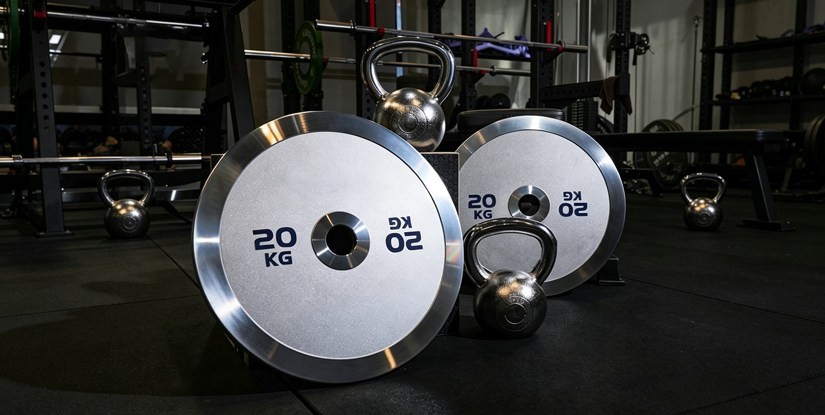
For distributors and gym equipment importers, the technical integrity of a load-bearing product determines the total cost of ownership. When sourcing from a private label weight plate manufacturer, the difference between a budget product and a professional-grade unit lies in the secondary manufacturing stages. Rely on a factory that integrates advanced machining and strict calibration into their standard production line to ensure every unit meets commercial standards.
In the high-volume wholesale market, inconsistent weights can lead to significant returns and damaged brand reputation. A professional commercial weight plate OEM utilizes a systematic approach—starting with high-quality sand casting to establish the base shape, followed by CNC machining to refine the center bore and outer diameter. This process ensures the plate maintains perfect concentricity and flatness, preventing the wobble effect often seen in lower-tier sourcing options.
The following table outlines the technical distinctions between production tiers to assist in your procurement decisions:
| Material Tier | Primary Process | Key Component Detail | Commercial Duty | MOQ Impact |
|---|---|---|---|---|
| Standard Cast Iron | Sand Casting | Basic Surface Finish | Budget Gyms / Home Use | Low |
| Premium Calibrated Steel | Casting + CNC Machining | Precision Inner Bore | Commercial Training Centers | Medium |
| Professional Competition | Precision Machining + Coating | High Concentricity & Weight Accuracy | Elite Sports Facilities | High |
Investing in custom branded weight plates that undergo rigorous calibration reduces long-term maintenance loads and replacement costs. By ensuring that the weight tolerance is tightly controlled during the final stage, a supplier helps you provide a consistent, high-quality experience to end-users, protecting your distributor margins and long-term client trust. To ensure your specifications are met, we recommend requesting a sample evaluation or a detailed technical spec sheet for your next bulk order.
Custom Branding and OEM/ODM Capabilities
For international distributors and large-scale fitness distributors, moving beyond generic stock items is essential for long-term growth. Partnering with a professional private label weight plate manufacturer allows you to transition from a simple reseller to a recognized brand owner. By utilizing custom branded weight plates, you can establish a distinct brand identity that resonates with premium gym chains and high-end studio operators, ensuring your products are not easily commoditized in a crowded market.
This strategic shift provides significant market differentiation, allowing you to control the visual and perceived quality of your inventory. When you manage high-volume orders through a reliable China factory, you are not just purchasing equipment; you are building an asset. The ability to integrate unique logos, specific color schemes, or proprietary packaging helps a distributor capture a higher distributor margin by moving away from price-only competition and toward value-driven brand loyalty.
Whether you require commercial weight plate OEM services for specific color-coded sets or wholesale iron plates with custom embossed markings, professional OEM and ODM solutions ensure your specifications meet global commercial standards. This level of customization is vital for professional procurement leads looking to scale their own product lines with consistency and professional flair.
Technical Execution of Customization and Branding
The transition from standard production to specialized branding requires high-precision manufacturing workflows. For a professional private label weight plate manufacturer, customization begins at the mold stage rather than the finishing stage. This includes options for deep-relief logo embossing, where the brand identity is integrated directly into the cast iron body, ensuring the logo remains permanent and does not wear off through heavy commercial use. For distributors seeking visual differentiation, we offer various powder coating colors and finishes that can be applied across entire product lines to match a specific studio aesthetic or color-coded weight system.
The complexity of custom branded weight plates lies in maintaining concentricity and weight accuracy even when adding non-standard design elements. Our China factory manages these variables through a multi-stage process: from initial mold customization and sand casting to precise CNC machining of the center bore. This ensures that whether you are ordering standard wholesale iron plates or highly specialized designs, the plates remain balanced and compatible with standard commercial barbells. This technical rigor is essential for preventing common failure modes such as wobbling or uneven weight distribution during high-volume deployment.
To facilitate smooth scaling for our partners, we maintain clear protocols regarding MOQ and lead time. While highly customized ODM projects may require longer production windows to account for mold adjustments and specialized coating applications, we provide structured timelines to assist with your inventory planning. Every batch undergoes a rigorous QC inspection, focusing on logo clarity, coating adhesion, and dimensional stability, ensuring your branded stock arrives ready for immediate commercial distribution.
Procurement Comparison: Standard Wholesale vs. Custom OEM/ODM
Understanding the operational differences between standard stock and customized solutions is vital for optimizing your landed cost and inventory strategy. When sourcing through a private label weight plate manufacturer, buyers must evaluate how customization depth impacts both the initial MOQ and the long-term brand value. While standard wholesale orders offer the fastest lead times and lowest entry costs, OEM and ODM solutions provide the differentiation necessary for high-end market positioning.
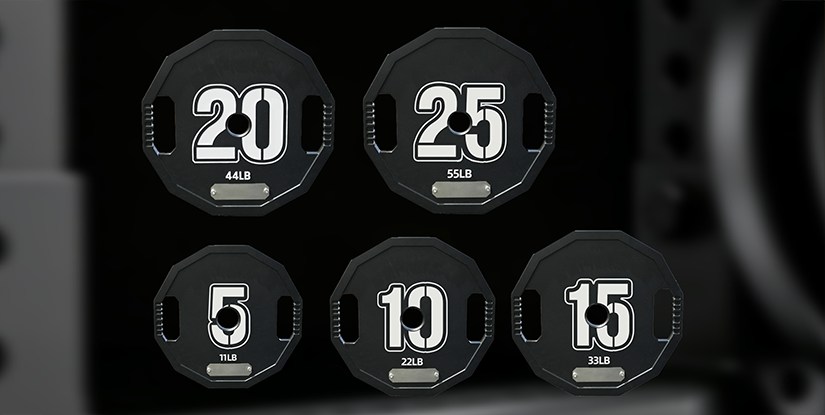
The following table illustrates the typical procurement variables encountered when choosing between high-volume standard inventory and fully customized brand solutions.
| Feature/Dimension | Standard Wholesale Products | Custom OEM/ODM Solutions |
|---|---|---|
| Branding Options | Generic or standard manufacturer markings | Full private label (embossed logos or custom plates) |
| Color & Finish | Standard black or silver (bare iron) | Custom powder coating or specialized color schemes |
| Customization Depth | Pre-set dimensions and standard bore sizes | Tailored weight increments and custom plate thickness |
| Typical MOQ Impact | Lower MOQ; faster turnover for small distributors | Higher MOQ due to specialized mold and tooling costs |
| Primary Target User | General gym equipment resellers | Premium fitness brands and global equipment distributors |
| Commercial Duty | Standard commercial/industrial use | Premium/Elite commercial-grade specifications |
For procurement leads, selecting the right path depends on your specific market tier. If your goal is rapid stock replenishment of wholesale iron plates, standard orders maximize speed and minimize upfront investment. However, if you aim to build a proprietary product line with custom branded weight plates, the ODM route provides the technical control over aesthetics and weight precision required to establish a professional presence in the North American and global commercial markets.
China Factory Quality Control and Export Packaging Standards
Maintaining high profit margins for distributors requires more than just finding a low price; it requires a private label weight plate manufacturer that mitigates the risk of damaged or inaccurate shipments. For high-volume importers, the cost of a single rejected container due to poor export packaging or inaccurate weight calibration can quickly erase a season's worth of distributor margin. A reliable China factory must implement rigorous QC protocols that go beyond surface aesthetics to ensure structural integrity and weight consistency.
When sourcing through a commercial weight plate OEM, procurement leads must evaluate how the factory manages the transition from the production line to the shipping container. Standardized logistics planning—including pallet stability, corner protection, and moisture control—is essential to prevent the heavy deformation or surface oxidation often seen in neglected wholesale shipments. Without these professional standards, the landed cost of your inventory increases due to replacement fees and customer returns.
Optimizing Inventory Reliability via Specialized Sourcing
Professional sourcing strategies for heavy iron or rubber-coated products rely on a strict pre-shipment inspection of specific components. For high-grade commercial sets, QC teams typically focus on the bore concentricity, the adhesion strength of the coating, and the thickness of the protective layers. A capable supplier will provide documentation regarding these checks to ensure that every unit meets the expected commercial-grade specifications before being loaded into the container.
To protect your brand identity and operational efficiency, ensure your private label weight plate manufacturer offers customized export packaging solutions. This includes heavy-duty cardboard or reinforced crates designed to withstand the mechanical stresses of international maritime transport. By prioritizing these technical requirements, distributors can secure a more predictable landed cost and maintain a high standard of service for their local commercial clients.
Technical Inspection and Logistics Standards for Bulk Orders
Reliable wholesale iron plates procurement requires a deep understanding of how manufacturing precision affects your final inventory value. A professional private label weight plate manufacturer must move beyond simple visual checks to implement high-level technical audits. For instance, the weight calibration process is not merely about the total mass, but ensuring that the weight distribution is balanced across the entire diameter to prevent uneven wear on commercial barbell sleeves. If the calibration is neglected, the resulting imbalance can lead to high return rates and damaged reputation for your brand.
The following table outlines the technical differentiation between standard production and the high-spec requirements for custom branded weight plates. This comparison helps procurement managers evaluate the technical depth of a potential partner.
| Material & Process | Key Component Focus | Commercial Duty Tier | Standard QC Point | MOQ Impact |
|---|---|---|---|---|
| Sand Casting & Powder Coating | Surface Finish & Coating Adhesion | Budget / Entry-Level | Visual defects & paint chips | Lower |
| Machined Steel & Precision Calibration | Bore Concentricity & Flatness | Premium / Competition | Weight tolerance & dimensional accuracy | Higher |
| Rubber/PU Encapsulation | Bond Line & Base Flatness | High-End Commercial | Coating thickness & seam integrity | Medium |
Efficient container loading is the final, critical step in the sourcing process. High-density weight products present unique challenges for sea freight; improper stacking can cause structural deformation of the bottom layers or even damage to the container floor. We recommend that all wholesale orders utilize reinforced palletizing and corner protection to ensure stability during long-distance maritime transit. A well-managed factory will provide a detailed loading plan to optimize space and ensure your landed cost remains competitive by maximizing the weight-to-volume ratio within each shipment.
Optimizing Your Sourcing Strategy for Bulk Orders
For international distributors and gym equipment importers, selecting a specialized private label weight plate manufacturer is a critical decision that directly impacts long-term profitability. Moving beyond simple retail purchasing to a professional China factory sourcing model allows businesses to control the entire value chain, from raw material selection to final branding. By establishing a direct relationship with a wholesale production facility, you can transition from unpredictable spot-buying to a structured procurement strategy that stabilizes your supply chain.
The primary advantage of this model is the ability to significantly improve the distributor margin through economies of scale. When you engage a commercial weight plate OEM, you are not just buying finished goods; you are optimizing your landed cost by streamlining production cycles and shipping efficiencies. A professional supplier can assist in calculating the most cost-effective MOQ for your specific market needs, ensuring that your inventory turnover remains high while minimizing the capital tied up in excess stock. Whether you are sourcing wholesale iron plates for a regional distribution network or developing a premium branded line, a specialized manufacturer provides the technical expertise required to maintain consistent quality across high-volume orders.
Comparing Sourcing Models for Efficient Procurement
When planning large-scale inventory expansion, professional buyers must choose between different procurement pathways. A strategic decision between a factory-direct model and a trading-based model will dictate your control over customization, lead time, and overall product consistency. For those seeking to develop custom branded weight plates, understanding these structural differences is essential to protecting your brand identity and ensuring high-volume reliability.
| Sourcing Model | Customization Capability | Typical Lead Time | Standard MOQ | Primary Benefit | Quality Control Access |
|---|---|---|---|---|---|
| Factory-Direct | High (Full OEM/ODM support) | Longer (Production-dependent) | Higher (Volume-based) | Minimized Landed Cost | Direct Factory Audit/Pre-shipment Inspection |
| Trading Company | Moderate (Stock-based customization) | Shorter (Available Inventory) | Lower (Flexible/Small Batches) | Simplified Logistics | Indirect/Third-party QC |
| Tier-one private label weight plate manufacturer | Very High (Specialized Production) | Predictable (Scheduled Cycles) | Scalable (Tiered Pricing) | High Margin Potential | Strict Internal/Pre-shipment QC |
For distributors prioritizing long-term brand growth, the factory-direct route provides the most robust framework for high-spec requirements. While trading models offer speed for small-scale orders, a direct partnership with a private label weight plate manufacturer allows for deep integration into the production process. This ensures that every aspect—from the initial sand casting of the iron to the final powder coating thickness—meets your specific commercial standards. We recommend contacting our team to discuss your current MOQ requirements and to request a technical spec sheet for upcoming seasonal bulk orders.
Protecting your brand equity requires more than just a logo; it requires a consistent manufacturing standard. For distributors, the cost of a single bad batch—characterized by uneven weight distribution, poor coating adhesion, or inconsistent bore concentricity—can far outweigh the initial savings of a lower-cost supplier. By working with a specialized private label weight plate manufacturer, you mitigate the risks of high replacement costs and negative customer feedback. A professional factory ensures that your brand identity is supported by rigorous QC protocols, such as thickness checks on the coating layer and weight calibration tests, ensuring that every piece shipped under your name meets the high standards of commercial-grade equipment. This level of detail is what builds consumer trust and ensures a high long-term ROI for your distribution business.