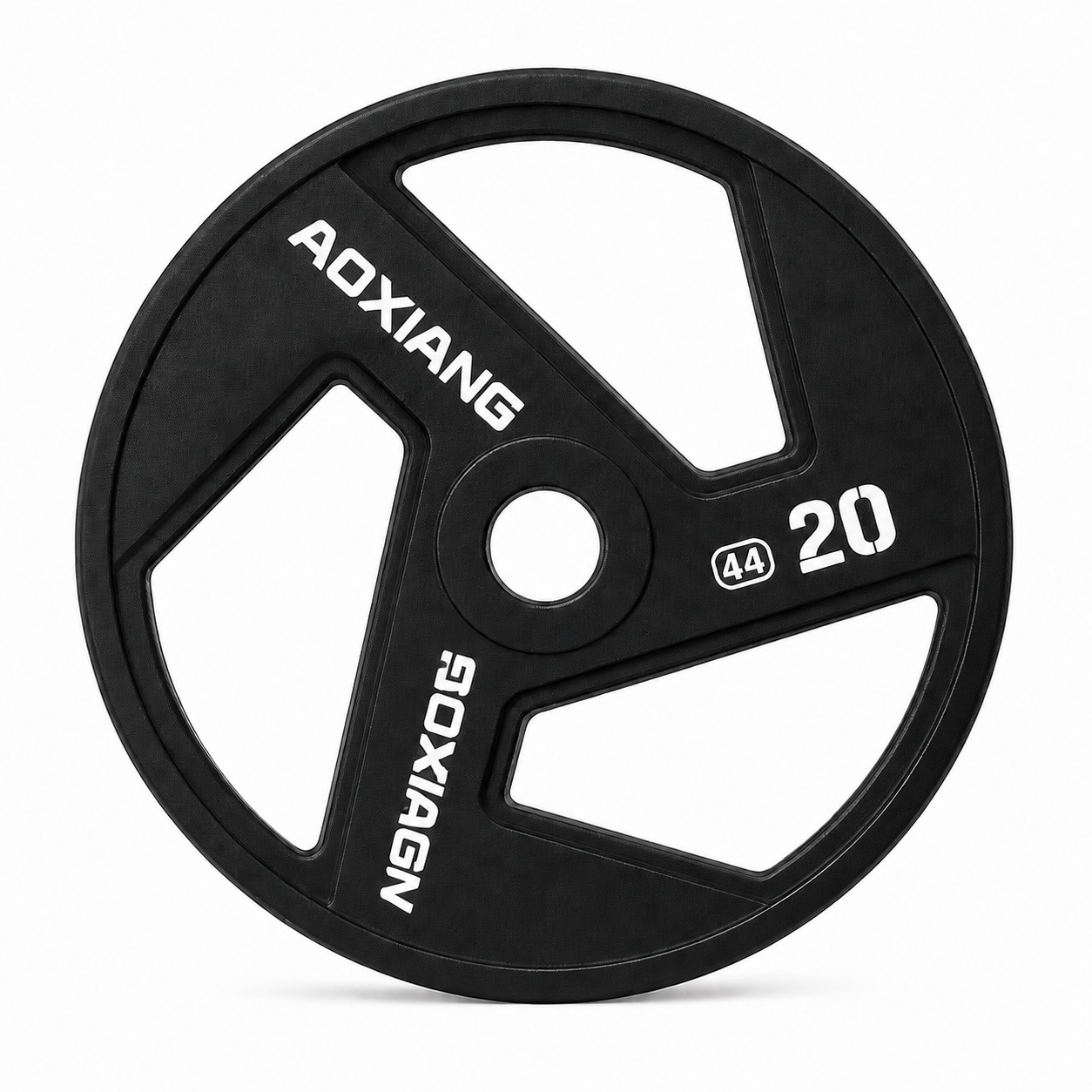
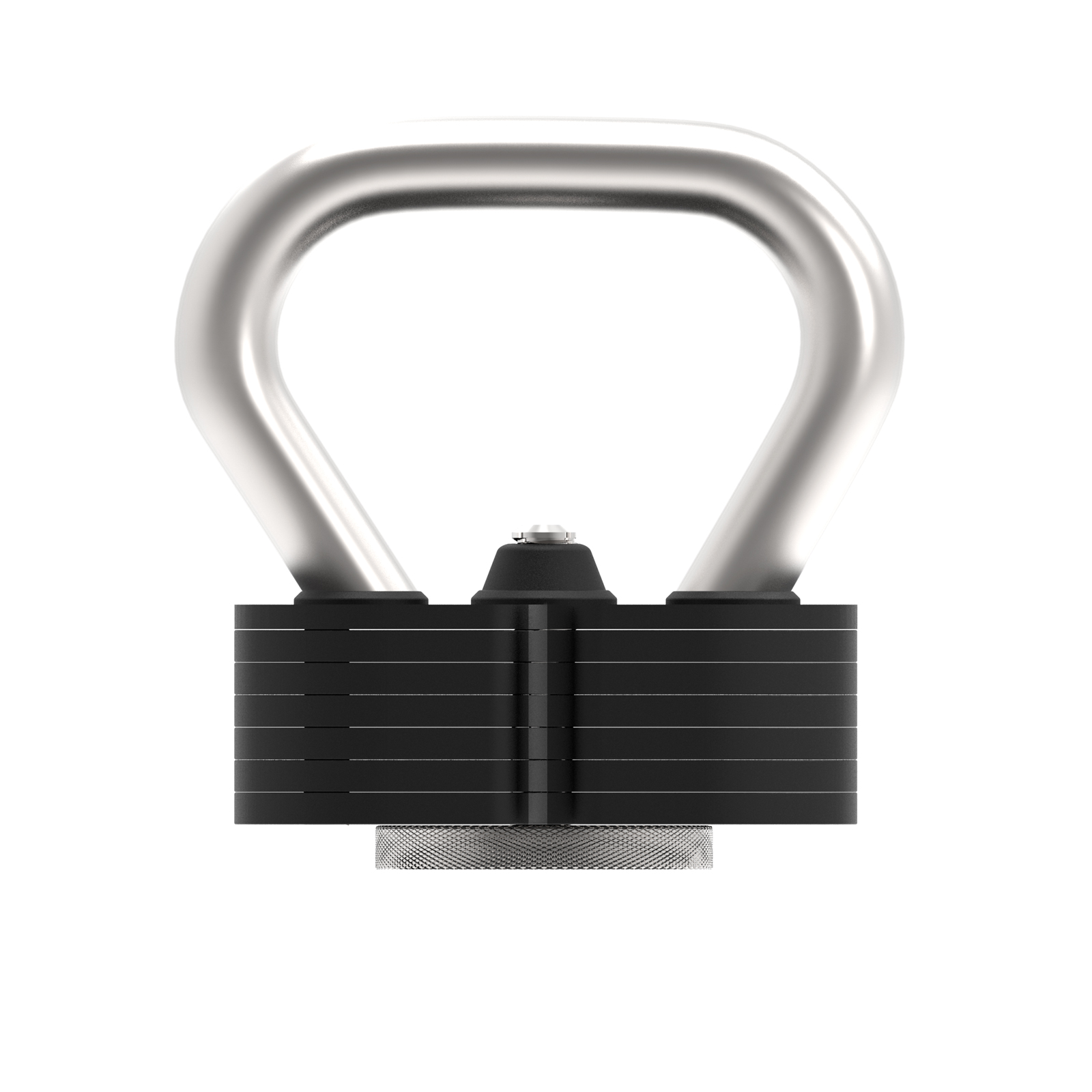
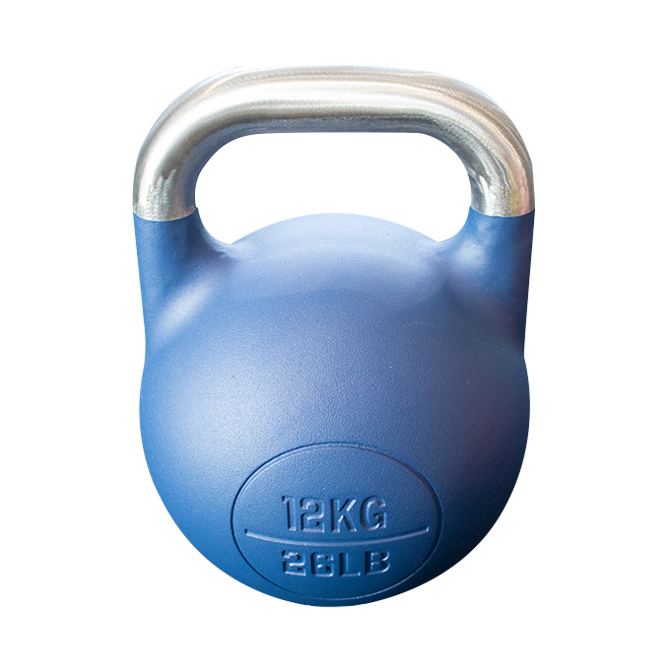
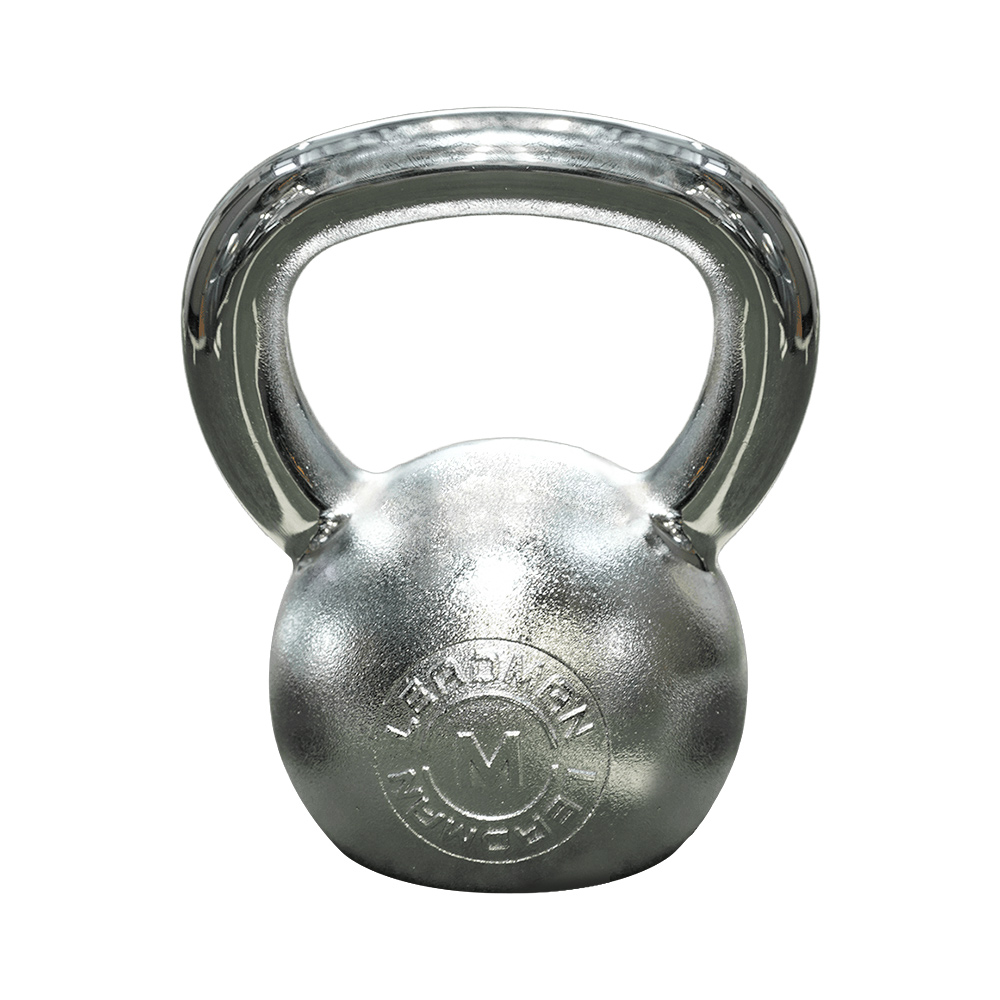
Weight Plate Calibration Manufacturer: Export Ready China
The Role of a Professional Weight Plate Calibration Manufacturer in Commercial Sourcing
A professional weight plate calibration manufacturer provides high-precision weight standards essential for commercial fitness environments. For importers and distributors, sourcing from a specialized factory ensures that every unit meets strict weight tolerance requirements, reducing the risk of uneven loading and ensuring long-term commercial reliability.
For distributors and large-scale warehouse operators, the primary risk in bulk procurement is the hidden cost of weight variance. When a precision weight plate supplier delivers inconsistent batches, the resulting dissatisfaction from gym owners leads to high returns and expensive replacement costs. These issues directly erode your profit margins and damage your reputation as a reliable supplier. By partnering with a commercial gym plate manufacturer that utilizes rigorous calibration processes, you ensure that the landed cost of your inventory remains predictable and that your customers receive the exact specifications promised.
Maintaining high margins requires more than just low wholesale pricing; it requires consistency. Whether you are managing a high-volume sourcing project or a specialized OEM order, the precision of the calibration process determines the frequency of after-sales claims. A weight plate calibration manufacturer that integrates weight spot-checks and concentricity verification into their standard production line helps distributors avoid the logistical nightmare of shipping heavy, non-compliant products back to the China factory.
Standardized Comparison for Procurement Decision-Making
To optimize your inventory selection, it is essential to understand how different manufacturing tiers impact your long-term commercial utility. A professional weight plate calibration manufacturer will typically offer various tiers of production based on the intended use and target market. For high-volume distribution, choosing between standard cast iron and precision-machined options is a critical decision for balancing upfront wholesale costs against the total cost of ownership (TCO).
The following table illustrates the qualitative differences between common production tiers. This comparison helps procurement leads determine the appropriate level of precision required for their specific client base, whether they are stocking budget-friendly fitness centers or high-end performance facilities.
| Material | Process | Key Component | Commercial Duty | MOQ Impact | Factory QC Point |
|---|---|---|---|---|---|
| Cast Iron | Sand Casting | Base Flatness | Budget/Entry-Level | Lower | Weight Spot-Check |
| Painted/Enamel | Casting & Coating | Coating Adhesion | Standard Commercial | Moderate | Surface Uniformity |
| Steel/Chrome | Machining & Calibration | Concentricity | Premium/Competition | Higher | Tolerance Verification |
When evaluating a precision weight plate supplier, consider how these material and process variables affect your shipping efficiency and warehouse management. For instance, while standard cast iron plates offer a lower wholesale entry point, high-end steel plates with precision machining provide the consistency required for professional strength platforms. As a commercial gym plate manufacturer, we recommend aligning your sourcing strategy with the specific durability and precision needs of your target demographic to protect your distributor margins.
Optimizing Logistics and Export Readiness
Efficient wholesale operations depend heavily on the logistical capabilities of your partner. A specialized weight plate calibration manufacturer understands that heavy, high-density goods require more than just precise weight; they require optimized volume management and robust protection for long-distance sea freight. For distributors managing large-scale bulk orders, the ability to secure predictable lead time and reliable shipping schedules is just as vital as the product's technical specifications.
To protect your distributor margin, our China factory employs standardized export-ready protocols designed to minimize transit damage and maximize container utilization. This includes high-strength corrugated cartons, reinforced corner protection, and professional palletization to ensure stability during maritime transport. Furthermore, we offer flexible OEM and ODM solutions, allowing you to implement custom branding or specialized packaging that aligns with your unique market positioning. Whether you are requesting a small wholesale replenishment or a large-scale sourcing project, our focus remains on reducing your landed cost through efficient load planning and rigorous pre-shipment inspection.
We invite procurement professionals to contact us to request a detailed spec sheet, confirm current MOQ levels, or discuss specialized OEM requirements for your next inventory cycle.
Material Selection and Production Standards for High-Precision Plates
For distributors and gym equipment importers, the structural integrity of a weight plate begins with the raw material grade. A professional weight plate calibration manufacturer must prioritize consistent density to ensure that the finished product meets strict weight tolerances. Sourcing high-quality cast iron is the standard for most commercial-grade production, as it provides the necessary density and durability required for high-traffic fitness environments.
When sourcing from China, buyers should evaluate how the material interacts with subsequent manufacturing stages. For instance, a precision weight plate supplier typically utilizes a casting process followed by CNC machining to refine the central bore and the outer diameter. This ensures the plate remains concentric and balanced during use. To enhance longevity and aesthetic appeal, many commercial gym plate manufacturer operations apply a high-grade powder coating. This process not only protects the base metal from oxidation but also provides a consistent surface finish that is essential for high-volume wholesale orders where visual uniformity across different batches is a critical requirement for a distributor.
Material and Coating Tier Comparison for Procurement
Selecting the appropriate material-to-coating configuration is a critical decision for procurement managers aiming to optimize the Total Cost of Ownership (TCO). While base cast iron remains the industry standard for stability, the secondary coating process determines the long-term maintenance load and replacement frequency for a gym facility. A professional weight plate calibration manufacturer will offer various tiers to accommodate different budget and durability requirements.
For high-volume wholesale distribution, understanding the trade-off between production complexity and durability is essential. For example, while sand casting provides a cost-effective foundation for budget-tier commercial sets, advanced urethane coating or high-grade powder coating is preferred for premium facilities to minimize floor impact and noise. When evaluating your next batch, consider how these material choices impact your MOQ and long-term landed cost.
| Material | Surface Finish | Durability Level | Best Use Case | Sourcing Advantage |
|---|---|---|---|---|
| Cast Iron | Paint or Enamel | Standard Commercial | Budget-conscious gym setups | Low cost, high volume availability |
| Cast Iron | Powder Coating | High-Traffic Commercial | Standard strength training halls | Consistent finish, high abrasion resistance |
| Steel/Iron Core | Urethane Coating | Premium/High-Impact | High-end fitness clubs & studios | Reduced noise, enhanced floor protection |
| Precision Steel | Machined/Chrome | Competition/Specialty | Weightlifting-specific training | Extreme precision and balance |
For those looking for wholesale calibrated weight plates, the choice of coating significantly affects the shipping weight and the final protection of the internal metal core. A reliable supplier will ensure that the coating adhesion is tested during the pre-shipment QC to prevent peeling or chipping during transit or high-intensity commercial use.
Production Workflow and Pre-Shipment Inspection Standards
A reliable weight plate calibration manufacturer follows a rigorous production sequence to minimize the risk of weight discrepancies and physical defects. The workflow typically begins with high-density sand casting to establish the base form, followed by precision CNC machining of the central bore. This machining stage is vital for ensuring concentricity, preventing the uneven weight distribution that can damage high-end barbell sleeves. Once the physical dimensions are finalized, the plates undergo a surface treatment—such as powder coating or enamel application—before entering the final calibration phase.
For importers managing large-scale wholesale orders, the final pre-shipment QC is the most critical stage to reduce landed cost and return rates. A professional supplier does not merely check the weight; they perform spot-checks on bore fitment, coating adhesion, and edge smoothness. This thorough inspection ensures that every unit in a bulk shipment meets the expected commercial-grade specifications. For OEM or ODM clients, this level of oversight prevents the costly delays associated with shipping non-conforming products. Furthermore, high-standard export packaging—including reinforced carton corners and palletized loading—is essential to protect the calibrated surfaces during long-distance transit, ensuring your inventory arrives ready for immediate distribution.
Comparing Commercial Grade Weight Plate Manufacturing Options
For distributors and warehouse operators, selecting the right tier of production is a critical decision that impacts both your inventory diversity and your long-term landed cost. When sourcing from a China factory, understanding the distinction between high-volume commodity casting and precision-engineered units is essential for maintaining healthy distributor margins. A professional weight plate calibration manufacturer provides the necessary oversight to ensure that the weight increments you promise your clients are actually delivered, reducing the risk of costly returns and client dissatisfaction.
The following table outlines the standard manufacturing tiers available through a precision weight plate supplier to help you align your procurement strategy with your target market segments.
| Material Tier | Typical Process | Primary Market | Stocking Efficiency | QC Focus Point |
|---|---|---|---|---|
| Cast Iron (Painted) | Sand Casting & Paint | Budget Gyms / General Retail | High (Standard SKUs) | Surface Finish & Coating Adhesion |
| Rubber Coated | Casting & Rubber Dip | Commercial Fitness Centers | Medium (Specialized SKUs) | Edge Bonding & Weight Consistency |
| Machined Steel | CNC Machining & Calibration | Premium Training Facilities | Low (High-Precision Demand) | Weight Tolerance & Concentricity |
| Urethane/PU | Multi-layer Injection | High-End Studios / Competition | Low (Premium Tier) | Encapsulation Integrity |
Choosing a commercial gym plate manufacturer that offers wholesale access to these various tiers allows you to build a comprehensive product catalog. Whether you are looking for high-volume wholesale calibrated weight plates for entry-level gym setups or specialized precision units for professional training centers, the goal remains the same: balancing manufacturing complexity with your required MOQ and shipping efficiency to optimize your total procurement ROI.
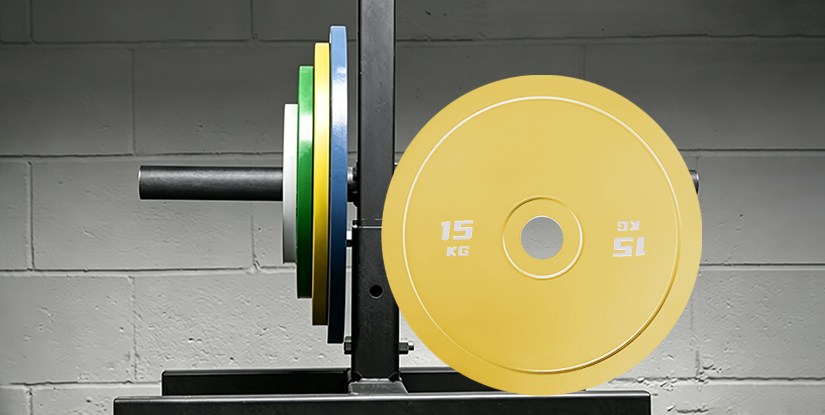
When evaluating your next batch, consider how the manufacturing route affects your total landed cost and after-sales support. A high-tier weight plate calibration manufacturer typically employs a more rigorous sequence—moving from sand casting to precision machining and finally to a controlled calibration stage—to ensure each unit meets strict commercial-grade specifications. For distributors, this means fewer discrepancies in weight and higher reliability for the end-user.
A reliable precision weight plate supplier will also offer guidance on how different materials impact your logistics and warehouse management. For instance, while cast iron options offer high density and lower costs, rubber or PU-coated units may require more specialized handling and specific export packaging to prevent surface damage during long-distance transit.
To maximize your distributor margins, we recommend requesting a detailed spec sheet for each material tier. Confirming the specific weight tolerance bands and the factory's pre-shipment inspection protocols for your chosen wholesale calibrated weight plates will ensure your inventory meets the high standards of your local commercial clients.
Ensuring Accuracy Through Rigorous Factory QC and Export Standards
For distributors and large-scale gym operators, the margin for error in weight accuracy is razor-thin. A professional weight plate calibration manufacturer understands that even minor discrepancies in weight can lead to significant commercial losses, damaged reputation, and increased returns. When sourcing high-volume orders, relying on a generic supplier without standardized calibration processes creates a high risk of inconsistent inventory. To protect your distributor margins, it is essential to partner with a factory that implements strict weight tolerance protocols during the production cycle.
In many commercial settings, weight variance often occurs during the casting or coating stages. A reliable precision weight plate supplier utilizes a systematic approach—moving from raw material casting to precision machining and final calibration—to ensure every unit meets the required commercial-grade accuracy. For those looking to scale, choosing a commercial gym plate manufacturer that offers transparent quality control documentation is the best way to ensure the landed cost of your shipment remains profitable and your product reputation stays intact.
Mitigating Procurement Risk via Calibration Standards
The difference between a budget-tier unit and a professional-grade plate often lies in the calibration depth. When managing wholesale orders, buyers must distinguish between simple weight-checking and true precision calibration. A professional weight plate calibration manufacturer will typically perform spot-checks on weight tolerance and concentricity to prevent the uneven loading that causes premature wear in commercial environments. This level of oversight is critical when managing high MOQ requirements, as a single faulty batch can compromise an entire container shipment.
| Material Type | Primary Process | Key Component | Commercial Duty | MOQ Impact | Factory QC Point |
|---|---|---|---|---|---|
| Cast Iron | Sand Casting | Base Flatness | Budget Commercial | Lower | Weight Tolerance |
| Machined Steel | CNC Machining | Center Bore | Premium Commercial | Higher | Concentricity |
| Rubber Coated | Molding/Dip | Coating Adhesion | High-Traffic Gym | Moderate | Edge Uniformity |
To ensure long-term efficiency, we recommend that importers request a detailed specification sheet and confirm the specific calibration methods used by the China factory before finalizing a bulk order. Whether you require OEM customization or standard stock, verifying the pre-shipment inspection protocols for weight consistency is a mandatory step in professional procurement.
Standardizing Export Quality and Logistics Safety
Beyond the precision of the product itself, the final stage of the supply chain is where many procurement professionals encounter unexpected costs. For a distributor managing large-scale inventory, the landed cost is heavily influenced by the effectiveness of the export packaging and the durability of the shipping containers. A high-tier weight plate calibration manufacturer does not merely focus on the weight of the plate, but also on the integrity of the packaging used to protect the shipment during long-haul maritime transit.
Typical export protocols for wholesale calibrated weight plates involve multi-layered protection to prevent surface damage and structural shifts. This includes utilizing heavy-duty corrugated cartons, reinforced corner protectors, and palletizing techniques designed to maximize container density without compromising safety. When you engage in sourcing with an experienced supplier, you should verify that the pre-shipment inspection includes a thorough check of the center bore fit and the adhesion of any surface coatings. Ensuring that the packaging can withstand standard logistics handling is a vital step in protecting your profit margins and reducing the frequency of replacement-related claims.
To optimize your procurement process, we suggest requesting a sample of the export packaging or a detailed loading plan during your initial consultation. Confirming the specific MOQ for custom branding or specialized packaging can help you better plan your warehouse space and distribution timelines. Whether you are looking for a standard production run or a specialized ODM solution, a transparent discussion regarding lead times and shipping-ready quality control is the foundation of a successful long-term partnership.
Optimizing Your Inventory with OEM and Private Label Solutions
For international distributors and gym equipment importers, the ability to scale a product line without the overhead of original R&D is a critical competitive advantage. Working with a professional weight plate calibration manufacturer allows you to move beyond generic stock and transition into a specialized provider of branded strength solutions. By leveraging OEM and ODM services, you can control your product's visual and functional identity, ensuring your catalog meets specific regional market demands.
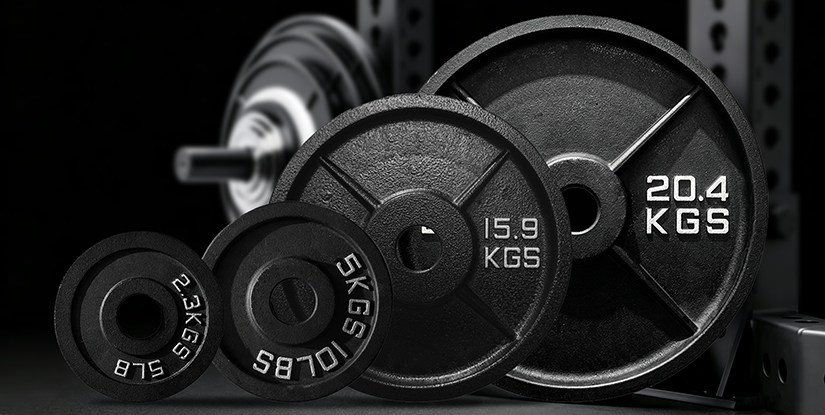
The strategic value of private label manufacturing extends far beyond simple aesthetics; it is about protecting your distributor margin and building long-term equity. When you source through a China factory that offers deep customization options, you are not just buying a commodity—you are investing in a proprietary product line. This approach allows you to differentiate your offerings from standard wholesale units, providing a higher perceived value to your end-users while maintaining a manageable landed cost through efficient bulk sourcing.
A reliable precision weight plate supplier can adapt to your specific branding requirements, from custom silk-screened weight markings to unique color-coded edges. This level of wholesale flexibility ensures that your brand identity remains consistent across all product tiers, whether you are supplying budget-friendly cast iron sets or premium competition-grade steel plates. By establishing these partnerships early, you can better manage your inventory replenishment cycles and ensure your specialized SKU breadth remains a core strength of your distribution business.
Comparison of Sourcing Models for Commercial Inventory
Selecting the appropriate procurement model depends on your business scale and the target market segment. A professional weight plate calibration manufacturer typically offers two distinct pathways: standard stock procurement for rapid replenishment or full-scale customization for brand-building. Understanding these differences is essential for calculating your long-term ROI and managing your warehouse space efficiently.
When sourcing wholesale calibrated weight plates, the primary objective is often high-volume, low-complexity fulfillment. In contrast, working with a commercial gym plate manufacturer for specialized orders allows for higher differentiation through proprietary design. The following table outlines the operational differences to help you determine the best fit for your current distribution strategy.
| Sourcing Model | Customization Level | Branding Options | Typical MOQ | Lead Time | Landed Cost Impact |
|---|---|---|---|---|---|
| Standard Wholesale | Standard industry specifications | Generic or existing factory logo | Lower / Volume-based | Short / Ready-to-ship | Optimized for high-turnover |
| Custom OEM/Private Label | Custom colors, textures, and dimensions | Full proprietary brand identity | Higher / Production-based | Longer / Production cycle | Higher initial investment |
For distributors focusing on high-volume, budget-tier commercial gyms, the standard wholesale model provides the fastest way to replenish stock and maintain low landed cost. However, if your goal is to establish a premium brand presence, investing in a precision weight plate supplier that supports OEM development will allow you to control every detail, from the weight marking style to the specific finish of the cast iron, ultimately increasing your competitive advantage in specialized markets.
Branding, Packaging, and Export-Ready Logistics
Precision in branding is as vital as precision in weight. A professional weight plate calibration manufacturer understands that for a distributor, the product must arrive looking like a premium, proprietary unit. This includes high-visibility logo placement—whether via high-durability silk-screened weight markings or recessed casting—to ensure your brand identity remains intact through years of heavy commercial use. Whether you require specific color-coding for weight identification or a specific finish, the China factory can align production with your visual standards.
Beyond the product itself, professional custom packaging is a non-negotiable requirement for minimizing transit damage and optimizing container utilization. For bulk order shipments, we implement reinforced carton structures and palletization protocols designed to withstand the rigors of international sea freight. This focus on export-ready logistics ensures that your shipping efficiency remains high, reducing the risk of crushed corners or damaged surfaces upon arrival at your warehouse. Every batch undergoes a rigorous QC inspection, covering weight spot-checks, coating adhesion, and bore fitment to ensure that the high-precision standards of your wholesale order are met before the container is sealed.
Streamlining International Logistics and Bulk Procurement
For international distributors and large-scale gym operators, the complexity of global supply chains often dictates the final profitability of a product line. Selecting a professional weight plate calibration manufacturer is not merely about the precision of the iron, but about the efficiency of the entire fulfillment ecosystem. When managing high-volume inventory, your primary concerns shift from individual unit specs to the logistics of bulk wholesale fulfillment, container utilization, and the reduction of the total landed cost.
Inefficient container loading strategies or improper export packaging can lead to wasted cubic capacity, effectively increasing your shipping cost per unit. A professional precision weight plate supplier understands that weight plates are high-density, low-volume goods that require strategic stacking to optimize 20ft or 40ft HQ containers. By utilizing specialized palletization and optimized boxing configurations, a China factory can significantly enhance shipping efficiency, ensuring that every inch of container space is utilized to maximize your import volume.
Ultimately, the goal of sourcing directly from a commercial gym plate manufacturer is to stabilize your supply chain while protecting your margins. By controlling the process from the initial casting through to the final wholesale packing stage, you reduce the risk of transit damage and minimize the unexpected expenses that often plague secondary traders. This direct-to-factory approach ensures a predictable landed cost, allowing you to plan your inventory replenishment and distributor pricing with greater financial confidence.
Evaluating Procurement Models for Maximum Margin
Distributors must decide between the speed of local trading companies and the cost-efficiency of a direct weight plate calibration manufacturer. While traders offer smaller volumes, a China factory provides the scalability required for high-margin wholesale operations. Choosing the right model depends on whether your business priority is rapid stock replenishment or long-term OEM branding and cost control.
| Procurement Model | Typical MOQ | Lead Time | Customization Capability | Primary Commercial Advantage |
|---|---|---|---|---|
| Direct Factory Sourcing | Higher | Longer (Production + Sea Freight) | High (Full OEM & ODM Support) | Lowest Landed Cost & Higher Margins |
| Trading Company / Agent | Lower | Shorter (Ready-to-Ship Stock) | Limited (Standardized Products) | High Flexibility for Small Batches |
| Precision Weight Plate Supplier (Tier-1) | Medium | Moderate (Planned Production Cycles) | High (Custom Branding/Color) | Balanced Reliability & Scale |
For those seeking to build a proprietary product line, engaging in ODM or OEM services allows for specialized weight markings and custom branding that differentiates your catalog. When evaluating your next wholesale order, always confirm the specific MOQ requirements for customized colors or logo engravings to ensure your procurement timeline aligns with your seasonal demand. We recommend requesting a detailed spec sheet and confirming the lead time for both standard stock and custom production runs before finalizing your purchase agreement.
Standardizing Export Packaging and Pre-Shipment QC
The integrity of your shipment depends heavily on the rigor of the pre-shipment QC protocols established by your weight plate calibration manufacturer. For high-density items like calibrated plates, standard domestic packaging is insufficient. Professional wholesale calibrated weight plates must undergo a multi-stage inspection process that includes a final weight tolerance check to ensure every unit meets the specified commercial standard before it is boxed. This prevents the costly issue of receiving mismatched or non-compliant weight sets that can damage your reputation with end-users.
To protect your investment during long-haul maritime transit, high-standard export packaging is mandatory. This typically involves heavy-duty, reinforced corrugated cartons and specialized palletization to prevent shifting within the container. A reliable supplier will utilize heat-treated pallets and secure shrink-wrapping to ensure structural stability. By prioritizing these professional logistics standards, importers can minimize the risk of edge damage or dimensional deformation, ensuring that the product arrives at your warehouse in the same condition it left the China factory, thereby protecting your long-term distributor margins.