Bumper Plate Wholesale Factory: Coating and Material
The Economic Impact of Material Selection in Bumper Plate Sourcing
Many importers fail by prioritizing the lowest initial unit price, only to face high replacement costs and damaged facility floors due to substandard rubber density. A more profitable strategy involves sourcing from a professional bumper plate wholesale factory that balances high-density materials with durable surface finishes to ensure long-term product life. Selecting the correct material profile is not just about the weight; it is a strategic decision that dictates your landed cost and the overall longevity of your inventory in a commercial environment.
When you partner with a reliable commercial bumper plate manufacturer, you gain access to tiered material options that allow you to optimize your distributor margin based on your target market. For instance, a budget-tier rubber bumper plate OEM might utilize a lower-density recycled rubber core to reduce weight and cost, whereas a premium supplier will provide high-density virgin rubber or polyurethane (PU) coatings. This distinction is critical because the wrong choice can lead to premature cracking or uneven weight distribution, resulting in costly returns and diminished brand reputation for the distributor.
Tiered Material and Coating Comparison for Bulk Procurement
To effectively manage your inventory and client expectations, you must understand how material density and coating applications affect the total cost of ownership. A professional bumper plate wholesale factory provides tiered options so that you can match specific product qualities to your target market's budget and durability requirements. Using a qualitative approach to selection helps mitigate the risks of high return rates or product failure during heavy commercial use.
| Material/Coating Type | Durability Level | Typical Use Case | Sourcing/MOQ Impact | Factory QC Focus |
|---|---|---|---|---|
| Recycled Rubber Core | Standard/Budget | General fitness centers and light commercial studios | Lower MOQ and optimized shipping volume | Density uniformity and surface consistency |
| High-Density Virgin Rubber | Commercial-Grade | High-traffic strength and conditioning facilities | Standardized wholesale pricing structures | Coating adhesion and impact resistance |
| Polyurethane (PU) Coated | Premium/High-End | Professional competition and high-performance gyms | Higher sourcing costs with specific OEM requirements | Weight tolerance and concentricity precision |
When evaluating these tiers, consider that premium coatings like PU offer superior weight stability and a more refined finish, which is essential for high-end branding. Conversely, standard rubber options are excellent for volume-driven distribution where cost-efficiency is the primary driver. We recommend requesting a sample evaluation or a detailed spec sheet from your factory to verify the material density and coating thickness before finalizing any large-scale purchase order.
Logistics and Maintenance Implications for Global Importers
The relationship between material quality and your long-term landed cost extends far beyond the initial invoice. For a professional distributor, the durability of the coating and the integrity of the internal core directly impact shipping efficiency and post-sale maintenance. A China factory that utilizes high-quality, consistent molding processes ensures that each unit maintains its shape and weight tolerance even after long-distance ocean freight. Substandard materials often suffer from structural deformation or surface cracking during transit, which can lead to high replacement rates and diminished trust among your end-users.
Effective replacement planning requires a deep understanding of how different coatings behave under heavy commercial use. While standard rubber may be cost-effective for high-volume wholesale orders, high-end facilities often demand the precision of PU-coated units to minimize floor impact and maintenance frequency. When managing your sourcing strategy, we suggest coordinating with your supplier to confirm specific export packaging standards—such as reinforced corner protection and heavy-duty crating—to ensure your bulk shipment arrives in a condition that meets your brand's quality expectations. To optimize your procurement cycle, we recommend confirming the lead time and MOQ for custom-branded runs well in advance of peak seasonal demand.
Core Material Profiles: Rubber vs. Pu vs. Steel Hubs
Selecting the right material profile is a critical decision for importers managing long-term replacement cycles and floor protection costs. When sourcing from a bumper plate wholesale factory, understanding the distinction between impact absorption and precision is essential for maintaining high commercial durability across high-traffic facilities.
For distributors focusing on high-impact environments like CrossFit boxes or heavy lifting zones, a rubber bumper plate OEM solution typically utilizes a high-density rubber outer shell around a central steel hub to maximize shock absorption. Conversely, for premium studios where aesthetic longevity and weight precision are prioritized, polyurethane (PU) coatings offer a more durable, non-abrasive surface that resists cracking better than standard rubber in many commercial settings. A professional commercial bumper plate manufacturer will offer these distinct profiles to help you match the specific TCO (Total Cost of Ownership) requirements of your clients, whether they need budget-friendly impact protection or high-end, precision-engineered equipment.
Commercial Durability and Material Selection Comparison
Procurement professionals must evaluate the trade-offs between impact resilience and long-term surface integrity. Choosing the wrong material profile can lead to premature cracking or floor damage, increasing the maintenance load for your end-users. To assist in your sourcing strategy, the following table outlines how different material configurations impact commercial performance and your total landed cost.
| Material Type | Primary Coating | Commercial Use Case | Durability Level | Sourcing Profile |
|---|---|---|---|---|
| Rubber-Encapsulated Steel | High-Density Rubber | CrossFit and Heavy Lifting | High Impact/Shock Absorption | Budget/Standard |
| Polyurethane (PU) | PU Coating | Premium Fitness Studios | High Abrasion Resistance | Premium/High-End |
| Steel Core with Thin Film | Vinyl or Thin Rubber | Light Commercial/Home Gym | Moderate Impact/Lower Longevity | Value-Oriented |
A professional bumper plate wholesale factory manages these specifications through strict control of the molding and assembly stages. For instance, a high-quality commercial bumper plate manufacturer ensures the bond between the central steel hub and the outer coating—whether rubber or PU—is seamless to prevent delamination during heavy drops. When evaluating a rubber bumper plate OEM, we recommend requesting technical details regarding the hub-to-shell assembly and the density of the outer layer to ensure the product meets the rigorous demands of professional training environments.
Beyond material selection, the long-term ROI for a distributor depends heavily on the precision of the assembly and the reliability of the coating adhesion. A common failure mode in lower-tier sourcing is the premature separation of the outer shell from the steel core, which significantly increases replacement frequency and client dissatisfaction. To mitigate these risks, a reputable commercial bumper plate manufacturer implements rigorous pre-shipment QC protocols that focus specifically on the structural integrity of the hub-to-shell junction and the uniform thickness of the encapsulation layer.
For large-scale procurement, the impact on shipping weight and volume is a direct variable in your landed cost. While high-density rubber provides superior shock absorption, it can increase the volumetric weight compared to thinner-profile alternatives. When coordinating with your rubber bumper plate OEM, it is advisable to confirm the exact dimensions and weight tolerances to optimize container loading efficiency. High-quality production processes, such as centrifugal casting or precision molding, ensure that the weight remains consistent across the entire production run, preventing costly discrepancies in your bulk orders. We recommend that buyers request a detailed spec sheet and confirm the specific density and hub assembly method to ensure the equipment meets the professional standards required for your target market.
Manufacturing Processes and Surface Finishing Standards
When sourcing from a bumper plate wholesale factory, procurement professionals must look beyond the initial unit price to the long-term Total Cost of Ownership (TCO). For distributors and gym operators, the durability of the surface coating and the integrity of the internal core determine how often a product requires replacement or maintenance. Selecting a high-quality commercial bumper plate manufacturer ensures that the material transition—from the internal steel or high-density rubber to the outer protective layer—is engineered to withstand high-volume impact without delamination or structural failure.
The relationship between material selection and TCO is often dictated by the sophistication of the rubber bumper plate OEM production line. For instance, a factory utilizing advanced injection molding or high-grade polyurethane (PU) coating will offer a product with superior coating adhesion compared to lower-tier alternatives. While the initial wholesale cost may be higher, the reduction in replacement frequency and the extended lifespan of the equipment significantly improve the return on investment for commercial facilities.
| Material Type | Common Coating/Finish | Durability Profile | Typical Commercial Use | TCO Impact |
|---|---|---|---|---|
| High-Density Rubber | Integrated Rubber/PU | High Impact Resistance | CrossFit & Olympic Lifting | Low Maintenance |
| Steel Core | Powder Coating | Standard Durability | General Strength Training | Moderate Replacement Risk |
| Cast Iron Base | Vinyl or Enamel Dip | Moderate Impact Resistance | Standard Commercial Gyms | Higher Wear Potential |
To ensure optimal results, we recommend that buyers request a technical spec sheet to verify the specific manufacturing sequence—such as the transition from casting to calibration—and confirm the MOQ for custom OEM branding requests. Evaluating these technical standards during the sourcing phase prevents the high landed costs associated with premature equipment failure.
Optimizing Selection via Technical Specifications
Understanding the nuances between different production methods is essential for effective sourcing. For example, a bumper plate wholesale factory may offer both single-piece cast versions and multi-piece assembly models. While a single-piece construction typically offers higher structural integrity, a two-piece assembly with a steel hub and integrated rubber molding can provide a more cost-effective solution for high-volume distribution. Buyers should evaluate the specific manufacturing sequence—from the initial casting or molding to the final weight calibration—to ensure the product meets the required commercial standards for their specific market.
When evaluating a commercial bumper plate manufacturer, it is also critical to inspect the precision of the internal components. A high-quality production process will include a strict concentricity check and weight tolerance spot-check to ensure every unit in a bulk order remains consistent. This attention to detail during the pre-shipment phase minimizes the risk of uneven wear or weight discrepancies, which can negatively impact a distributor's reputation and long-term profitability.
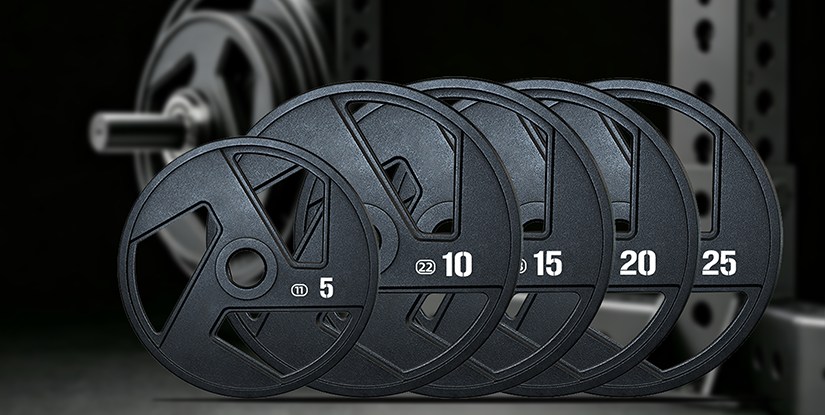
Before finalizing any bulk order, we suggest that procurement leads confirm the specific coating adhesion methods used by the factory. Whether you are pursuing a rubber bumper plate OEM partnership for custom branding or ordering standard stock, requesting a sample for physical inspection is a standard best practice. This allows you to verify the texture, thickness, and durability of the finish, ensuring the final landed cost aligns with your quality expectations and long-term maintenance budget.
Critical QC Checkpoints for China Factory Export Orders
For professional importers and distributors, the cost of a single bad batch can exceed the savings gained from low-tier pricing. When sourcing from a bumper plate wholesale factory, relying solely on high-level photos is a risk to your landed cost and brand reputation. A rigorous pre-shipment inspection is the only way to ensure that your bulk order meets the durability standards required for high-traffic commercial gyms.
A professional commercial bumper plate manufacturer must implement a multi-stage quality control protocol that covers every critical touchpoint. This begins with a weight tolerance spot-check to ensure consistency across the entire shipment, preventing discrepancies that lead to customer disputes. Furthermore, inspectors must verify coating adhesion by testing the bond between the rubber/PU layer and the steel hub to prevent premature peeling or bubbling during heavy use.
Finally, the rubber bumper plate OEM process is not complete until the export packaging is validated. For high-volume orders, ensuring that crates are structurally sound and reinforced for sea freight is essential to prevent damage during transit. By auditing these specific technical details, distributors can protect their margins and ensure a reliable supply chain from the China factory to the end-user.
Technical Inspection Checklist for Bulk Procurement
To mitigate the risks of sourcing high-volume inventory, procurement leads should implement a standardized inspection checklist during the pre-shipment phase. This ensures that the rubber bumper plate OEM specifications align with the promised commercial-grade durability and that the material consistency remains stable across the entire production run.
The following checklist focuses on the critical physical properties that impact long-term commercial utility and the total cost of ownership for your clients:
| Inspection Category | Critical Focus Area | Standard Commercial Requirement | B2B Sourcing Impact |
|---|---|---|---|
| Weight Precision | Weight calibration | Consistent weight distribution across the batch | Reduces dispute risk and ensures professional accuracy |
| Surface Integrity | Surface finish | Uniform coating without bubbles or uneven thickness | Protects brand identity and prevents premature wear |
| Structural Bond | Material consistency | Secure adhesion between rubber layer and steel hub | Minimizes replacement costs and maintenance load |
| Logistics Readiness | Shipping durability | Reinforced crates and stable stacking capability | Reduces damage rates and stabilizes landed cost |
When finalizing your wholesale agreement, always request the factory to provide a detailed specification sheet and confirm the MOQ for custom branding. For large-scale distribution, it is highly recommended to schedule a third-party inspection to verify the lead time and technical compliance before the container is sealed at the China factory.
| Inspection Category | Focus Area | Commercial Impact | Typical QC Method |
|---|---|---|---|
| Weight Precision | Weight calibration | Reduces dispute risk and ensures professional accuracy | Batch sample weight verification |
| Surface Integrity | Surface finish | Protects brand identity and prevents premature wear | Visual inspection for bubbles or unevenness |
| Structural Bond | Material consistency | Minimizes replacement costs and maintenance load | Adhesion strength spot-check |
| Logistics Readiness | Shipping durability | Reduces damage rates and stabilizes landed cost | Reinforced crate and stacking test |
When finalizing your wholesale agreement, always request the factory to provide a detailed specification sheet and confirm the MOQ for custom branding. For large-scale distribution, it is highly recommended to schedule a third-party inspection to verify the lead time and technical compliance before the container is sealed at the China factory.
Customization Capabilities: OEM and Private Labeling Options
For distributors seeking to move beyond generic inventory, leveraging a bumper plate wholesale factory for custom development is a strategic move to secure higher margins and long-term client loyalty. Rather than competing solely on price for unbranded goods, professional buyers utilize OEM and ODM services to build a recognizable brand identity that stands out in a crowded commercial market.
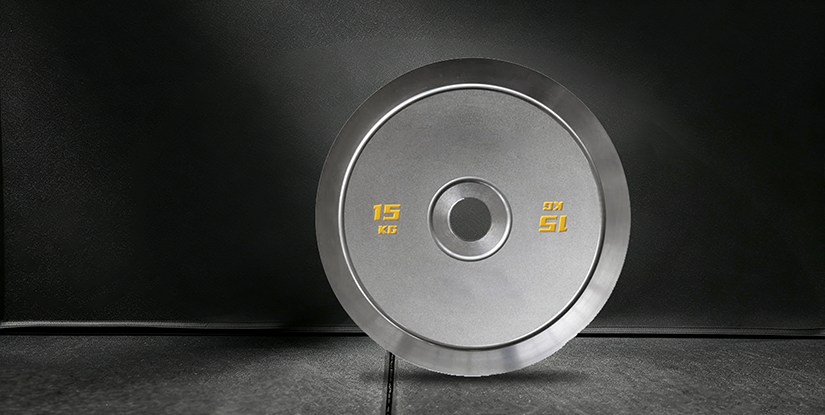
The ability to implement private label solutions allows you to control the aesthetic and functional specifications of your product line. Whether you require specific color-coded weight markings for high-visibility gym floors or customized logo placement via silk-screen or recessed casting, a professional commercial bumper plate manufacturer can align production with your specific market positioning. While standard stock items offer faster lead times, customized runs allow for greater market differentiation through unique material finishes or specialized packaging. Note that specialized OEM requests typically involve a higher MOQ compared to standard wholesale orders to account for tooling adjustments and specialized production line setups.
Strategic Customization: Branding and Coating Tiers
Selecting the right customization level is a critical procurement decision that directly impacts your product's perceived value and the final landed cost. When sourcing a rubber bumper plate OEM solution, buyers must balance the complexity of the branding method against the intended durability of the commercial environment. For instance, high-volume distributors often choose between surface-level branding for budget-tier facilities and integrated, high-durability methods for premium strength centers.
| Customization Tier | Branding Method | Coating Type | Target Market | MOQ Impact | Factory QC Focus |
|---|---|---|---|---|---|
| Budget / Entry | Standard Silk-Screen | Basic Color Coating | Local Gyms / Home Studios | Lower | Color Consistency |
| Commercial / Standard | Embossed / Recessed Logo | Standard Rubber/PU | Commercial Fitness Centers | Medium | Adhesion & Fit |
| Premium / Elite | Precision Laser/Multi-Layer | High-Grade Polyurethane | Professional Competition | Higher | Tolerance & Finish |
A professional rubber bumper plate OEM provides various options to ensure your brand identity survives rigorous usage. In many commercial settings, simple silk-screening may wear down under heavy impact, making recessed casting or high-grade polyurethane encapsulation a more cost-effective long-term solution for high-traffic facilities. When evaluating your next batch, consider how these specialized finishes affect your landed cost and long-term maintenance requirements. We recommend requesting a detailed spec sheet or a sample evaluation to confirm that the chosen branding method meets your quality standards before proceeding with a full wholesale production run.
Execution Excellence: Quality Control and Export Logistics
Reliable sourcing requires more than just selecting a design; it demands a rigorous verification of the production and shipping workflow. A high-tier China factory manages the transition from raw material to finished export unit through a structured sequence of calibration and inspection. For a bumper plate wholesale factory, maintaining consistency across large-scale production runs is the primary defense against high return rates and damaged inventory upon arrival.
The production cycle typically follows a strict sequence: casting or molding, followed by precision machining of the center hub to ensure concentricity, surface treatment, and weight calibration. Before any container is loaded, a comprehensive pre-shipment inspection is essential. This process includes weight tolerance spot-checks to ensure each unit meets the specified weight within industry-standard margins, as well as inspecting the coating adhesion and the integrity of the inner ring. For distributors, this level of quality control minimizes the risk of receiving unbalanced or improperly finished plates that could damage a client's reputation.
Logistical efficiency is equally vital to managing your total landed cost. Professional manufacturers utilize specialized export packaging designed to withstand the rigors of ocean freight and multi-stage handling. This often includes heavy-duty corrugated boxes and reinforced corner protection to prevent edge chipping or deformation during transit. When planning your next bulk order, we suggest confirming the specific lead time for your OEM or ODM request, as customized production cycles and specialized packaging requirements can influence the final delivery schedule. We invite you to request a formal quote or discuss your specific MOQ requirements to ensure your procurement timeline aligns with your market demand.
Optimizing Your Procurement Strategy for Bulk Orders
When sourcing high-volume fitness inventory, professional distributors must look beyond the initial unit price to understand the total cost of ownership. Selecting a reliable bumper plate wholesale factory involves evaluating how material science and manufacturing precision impact long-term replacement cycles and shipping efficiency. For many importers, the difference between a budget-tier product and a premium commercial bumper plate manufacturer lies in the stability of the weight tolerance and the durability of the outer shell under heavy use.
In the global supply chain, choosing a rubber bumper plate OEM partner allows you to customize the protective layers to suit specific market demands, such as high-impact crossfit boxes or standard commercial gyms. A strategic material selection—deciding between standard rubber or high-density urethane coatings—directly dictates the product's lifespan and your eventual landed cost. By optimizing these technical specifications during the sourcing phase, distributors can minimize after-sales claims and maximize profit margins through superior product longevity.
Material and Coating Comparison for Commercial Tiers
Understanding the technical hierarchy of materials is essential for managing inventory diversity and client expectations. A professional bumper plate wholesale factory typically offers several tiers of construction to balance durability against the client's budget. For high-traffic facilities, the choice of outer shell and internal filler determines whether a product remains a long-term asset or becomes a frequent replacement cost.
| Material Type | Coating/Finish | Typical Use Case | Durability Level | Sourcing Advantage | QC Focus Point |
|---|---|---|---|---|---|
| High-Density Rubber | Vulcanized Rubber | CrossFit Boxes & High-Impact Zones | Premium | High Margin/Low Maintenance | Coating Adhesion & Edge Uniformity |
| Polyurethane (PU) | PU Encapsulation | Premium Commercial Gyms | High-End | Low Odor/High Durability | Surface Smoothness & Internal Weight Stability |
| Standard Rubber | Dip/Spray Coating | Standard Commercial Gyms | Commercial | High Volume/Cost Efficiency | Thickness Consistency & Smell Profile |
| Vinyl/PVC | Vinyl Dip | Studio & Boutique Fitness | Budget | Fast Turnaround/Low MOQ | Seamlessness & Coating Integrity |
When negotiating with a commercial bumper plate manufacturer, we recommend requesting specific samples to evaluate the density of the rubber or the thickness of the PU layer. For buyers focusing on a rubber bumper plate OEM partnership, it is standard practice to confirm how the factory handles the weight calibration of the internal steel hub versus the outer shell. Verifying these technical details during the initial sourcing phase ensures that your bulk order meets the rigorous demands of professional athletic environments while maintaining a competitive landed cost.
Production Standards and Export Readiness
To maintain high-tier distributor margins, a professional bumper plate wholesale factory must implement a rigorous production sequence that prevents common failure modes such as coating peeling or weight drift. The process typically follows a strict path from the casting of the internal steel hub to the precision machining of the inner ring, followed by the application of the rubber or PU layer. During the rubber bumper plate OEM process, ensuring high coating adhesion is critical; without proper surface preparation, the outer layer can separate from the core under heavy impact, leading to costly replacement cycles for your end users.
Reliable sourcing also requires a focus on the final stages of the manufacturing cycle. A reputable commercial bumper plate manufacturer will conduct a multi-step pre-shipment QC, which includes weight calibration spot-checks and inspecting the concentricity of the center hole. Beyond the product itself, the efficiency of the China factory is often judged by its export packaging standards. Utilizing heavy-duty, reinforced cartons and optimized palletizing is essential to minimize shipping volume and prevent damage during long-haul ocean freight. When evaluating your next bulk order, always confirm the specific MOQ, estimated lead time, and the factory's ability to provide customized export-ready packaging to ensure your landed cost remains optimized and your inventory arrives in pristine condition.