Kettlebell Brand OEM Manufacturer: Export Ready China
Kettlebell Brand OEM Manufacturer: Strategic Sourcing for Global Distributors
When a multi-location fitness chain or a high-traffic boutique studio undergoes a full-scale equipment refresh, the procurement focus shifts from individual aesthetics to long-term operational efficiency. For these high-volume gym deployments, sourcing from a professional kettlebell brand OEM manufacturer ensures that every unit meets the rigorous demands of constant commercial use. Unlike retail-grade products, professional-grade kettlebells must withstand heavy daily throughput without compromising structural integrity or surface finish, making a reliable China factory a critical partner in your supply chain.
Reliable commercial kettlebell wholesale procurement requires more than just finding a low price; it requires a partner capable of managing complex sourcing requirements, from consistent weight tolerances to customized branding. Whether you are expanding a franchise or stocking a regional distribution warehouse, working with a custom branded kettlebell factory allows you to control the total cost of ownership (TCO) by ensuring the hardware is built for durability and minimal maintenance in high-intensity environments.
Material Selection and Commercial Duty Comparison
The selection of kettlebell materials directly dictates the long-term maintenance load and floor protection requirements of a commercial facility. For distributors and gym owners, understanding the trade-offs between traditional cast iron and modern coated options is essential for optimizing landed cost and product longevity. High-traffic environments often face the risk of floor damage or coating degradation, which can impact the perceived value of your brand's equipment lineup.
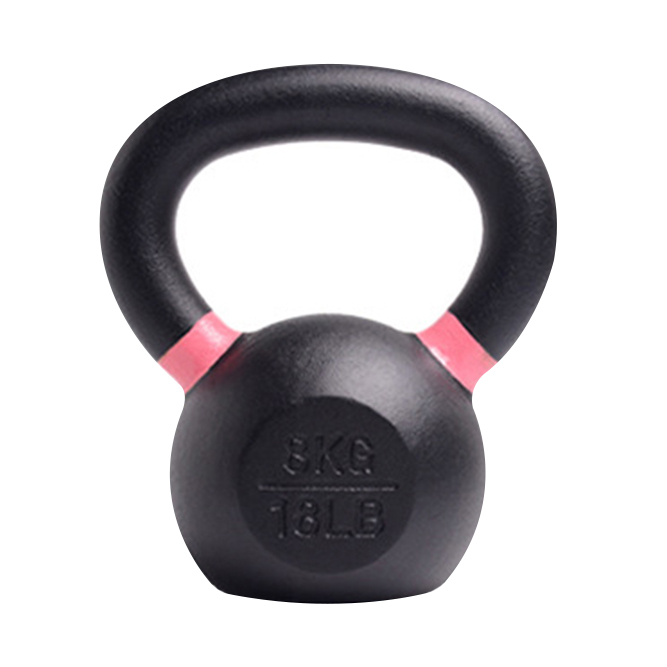
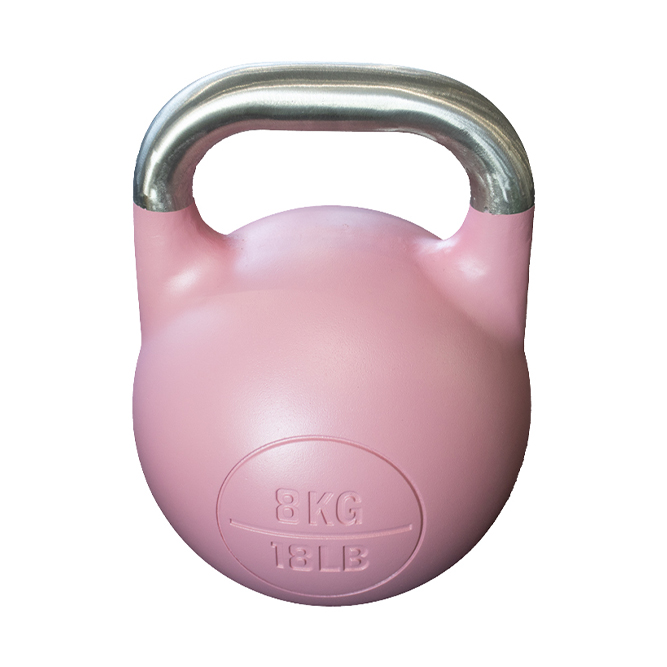
Choosing the right material profile helps prevent common failure modes, such as coating peeling or handle oxidation. A professional kellebell brand OEM manufacturer will provide various finishing options to suit different deployment scenarios, ranging from high-durability powder-coated iron for strength zones to premium PU-coated units for boutique studios where aesthetics and noise reduction are paramount.
| Material Type | Manufacturing Process | Key Component/Finish | Commercial Duty Tier | MOQ Impact | Factory QC Point |
|---|---|---|---|---|---|
| Cast Iron | Sand Casting & Machining | Powder Coating | Standard Commercial | Lower MOQ typically | Base Flatness |
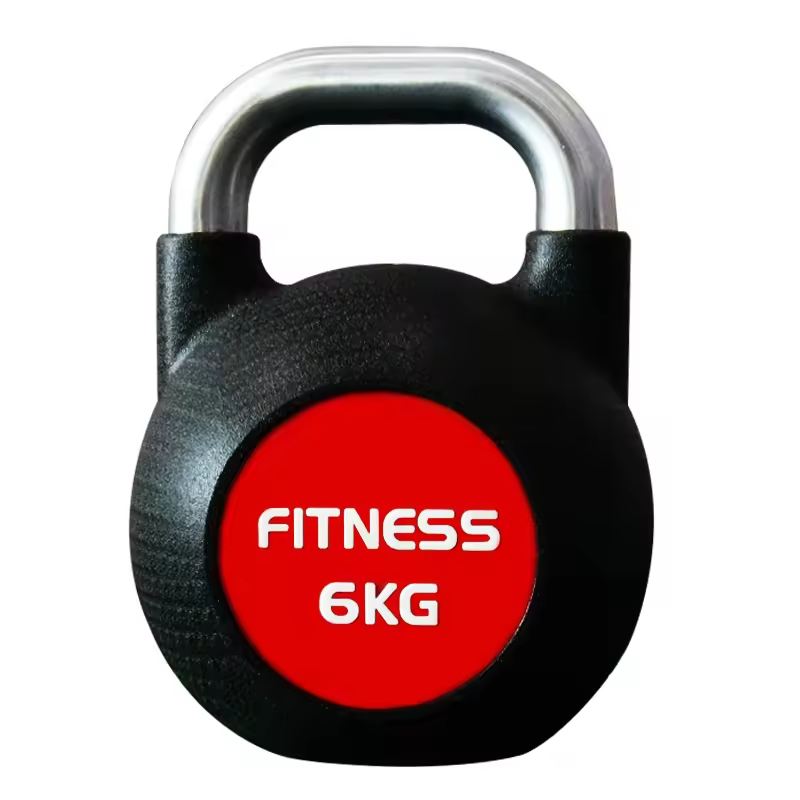
| PU Coated | Injection Molding/Dip | Polyurethane Layer | Premium/Boutique | Higher MOQ for custom colors | Coating Adhesion |
| Rubber Coated | Encapsulation | Rubber/Neoprene Shell | High-Impact/Functional | Variable by weight range | Handle-to-Body Junction |
When evaluating your next batch, consider how the finish affects the weight tolerance and handling. For instance, while PU coatings offer a premium feel and better grip for studio environments, the casting process for the core must remain highly consistent to ensure weight accuracy. A reputable supplier will perform regular weight spot-checks and concentricity inspections during the production of both coated and bare iron units to ensure all exported goods meet international commercial standards.
Optimizing Logistics and Procurement Efficiency
For international distributors and large-scale gym operators, the complexity of a procurement cycle extends far beyond the physical product. Managing the variables of lead time, shipping volumes, and landed cost is essential to maintaining healthy distributor margins. A professional kettlebell brand OEM manufacturer understands that a delay in production or a failure in export packaging can disrupt an entire seasonal product launch or a massive facility installation. Therefore, the focus remains on creating a predictable and scalable supply chain through transparent communication and standardized manufacturing workflows.
Effective wholesale procurement also requires a deep understanding of how product dimensions and packaging density affect container loading efficiency. When ordering from a custom branded kettlebell factory, buyers should coordinate closely on export packaging specifications—such as reinforced carton durability and palletization methods—to minimize breakage and optimize shipping volumes. By establishing clear MOQ tiers and predictable production schedules, you can better manage inventory turnover and ensure that your branded stock arrives at the warehouse ready for immediate commercial deployment.
Before finalizing a bulk order, we recommend professional buyers engage in a multi-step validation process to ensure long-term success. This includes requesting a detailed specification sheet for the specific coating or casting type, confirming the exact MOQ for custom color or branding requests, and arranging for a sample approval. For large-scale deployments, we also support pre-shipment inspections and factory audits to verify that weight tolerance and coating adhesion meet your brand's commercial standards before the cargo leaves the factory.
Material Selection and Surface Finishing for Commercial Durability
Selecting the right kettlebell brand OEM manufacturer requires an understanding of how base materials and surface treatments dictate long-term commercial durability. For distributors and gym operators, the initial purchase price is only one component of the total cost of ownership; the durability of the casting and the adhesion of the finish determine how often a replacement cycle is required.
In high-traffic commercial environments, the choice between bare iron and advanced coatings directly impacts maintenance and floor protection. When sourcing equipment in bulk, professional buyers must evaluate the relationship between material density and surface resilience to ensure the product survives heavy daily throughput without premature degradation.
Commercial Grade Material and Coating Comparison
| Material Type | Surface Process | Primary Commercial Use | Durability Tier | Maintenance Requirement |
|---|---|---|---|---|
| Cast Iron | Powder Coating | Standard Commercial Gyms | High | Low (Periodic wipe) |
| Cast Iron | Enamel / Paint | Budget/Studio Settings | Moderate | Medium (Chip monitoring) |
| Solid Steel | PU/Polyurethane | Premium Fitness Clubs | Premium | Minimal (High impact resistance) |
| Iron | Bare / Phosphate | Functional Training/Outdoor | Variable | High (Rust prevention) |
A reliable custom branded kettlebell factory will utilize industry-standard powder coating to ensure the finish remains intact despite constant friction and impact. This process is critical for commercial kettlebell wholesale buyers because a high-quality coating prevents the underlying cast iron from oxidizing, thereby extending the product's lifespan and improving the TCO for the end-user.
When evaluating a kettlebell brand OEM manufacturer, procurement leads should verify the stability of the handle-to-body junction and the consistency of the weight distribution. High-volume wholesale orders should always be preceded by a sample approval process to ensure the factory meets the specific coating adhesion and casting concentricity standards required for your brand's identity.
The decision between different surface treatments often hinges on the specific training environment and the desired brand positioning. For example, while powder coating is a standard for most commercial gym deployments due to its cost-efficiency and ruggedness, PU coating offers a more premium feel and superior impact absorption, which is essential for high-end boutique studios or premium hotel fitness centers.
In the context of commercial kettlebell wholesale, understanding these material nuances helps prevent high return rates caused by coating chips or handle discomfort. A professional kettlebell brand OEM manufacturer will provide detailed specifications regarding the surface finish to ensure the product aligns with your target market's expectations for both aesthetics and functional longevity.
Before finalizing a bulk sourcing contract, we recommend requesting a specification sheet that details the specific coating application method. Whether you are prioritizing the durability of a standard cast iron unit or the premium feel of a polyurethane-wrapped model, confirming these technical details during the initial inquiry stage will ensure your shipment meets all commercial-grade requirements.
The decision between different surface treatments often hinges on the specific training environment and the desired brand positioning. For example, while powder coating is a standard for most commercial gym deployments due to its cost-efficiency and ruggedness, PU coating offers a more premium feel and superior impact absorption, which is essential for high-end boutique studios or premium hotel fitness centers.
In the context of commercial kettlebell wholesale, understanding these material nuances helps prevent high return rates caused by coating chips or handle discomfort. A professional kettlebell brand OEM manufacturer will provide detailed specifications regarding the surface finish to ensure the product aligns with your target market's expectations for both aesthetics and functional longevity.
Before finalizing a bulk sourcing contract, we recommend requesting a specification sheet that details the specific coating application method. Whether you are prioritizing the durability of a standard cast iron unit or the premium feel of a polyurethane-wrapped model, confirming these technical details during the initial inquiry stage will ensure your shipment meets all commercial-grade requirements.
Manufacturing Processes: From Sand Casting to Precision Calibration
Reliable procurement begins with understanding the technical rigor of the kettlebell brand OEM manufacturer. For high-volume gym deployments, the transition from raw material to a finished product requires a disciplined manufacturing sequence to ensure every unit meets commercial-grade standards. High-quality production typically begins with sand casting using gray iron to create the foundational bell shape, followed by secondary machining to refine the handle and ensure structural integrity.
The engineering complexity extends beyond the initial pour. A professional custom branded kettlebell factory must implement a strict weight calibration and concentricity check to prevent uneven weight distribution, which can cause ergonomic instability during high-intensity training. This precision is vital for distributors to minimize replacement costs and maintain high service standards for their end-users. By prioritizing these technical steps, a kettlebell brand OEM manufacturer ensures that even under heavy wholesale demand, the product remains consistent in both balance and durability.
Failure to monitor these technical transitions often results in eccentric weights or uneven coating adhesion. For importers, selecting a supplier that treats weight calibration and handle-to-body junction integrity as non-negotiable steps is the most effective way to protect long-term distributor margins and reduce the frequency of defective returns.
Technical Specification Comparison: Casting and Surface Treatment
Selecting the appropriate specification is a critical procurement decision for buyers managing diverse facility portfolios. Whether you are sourcing for a high-traffic commercial gym or a high-end boutique studio, the choice between casting methods and surface coatings directly impacts the total cost of ownership (TCO) and long-term maintenance requirements. A professional kettlebell brand OEM manufacturer will provide detailed technical profiles for each tier to ensure your inventory matches your market positioning.
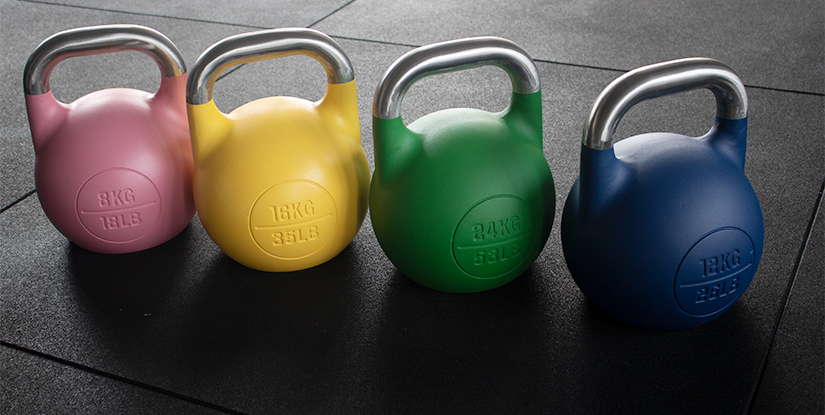
For example, budget-tier commercial deployments often rely on standard sand casting with a powder coating, which provides a durable, cost-effective finish. In contrast, premium studio environments frequently demand PU coating or specialized rubberized finishes to enhance floor protection and aesthetic appeal. Understanding these trade-offs allows importers to optimize their landed cost while meeting specific client expectations for equipment durability and tactile feel.
| Material & Process | Key Component Focus | Commercial Duty Tier | MOQ Impact | Factory QC Point |
|---|---|---|---|---|
| Sand Casting + Powder Coating | Handle-to-body junction | Budget / Standard Commercial | Lower MOQ typical | Coating adhesion & surface smoothness |
| Sand Casting + PU Coating | Base flatness & grip texture | Premium Studio / Boutique | Higher MOQ required | Encapsulation thickness & weight tolerance |
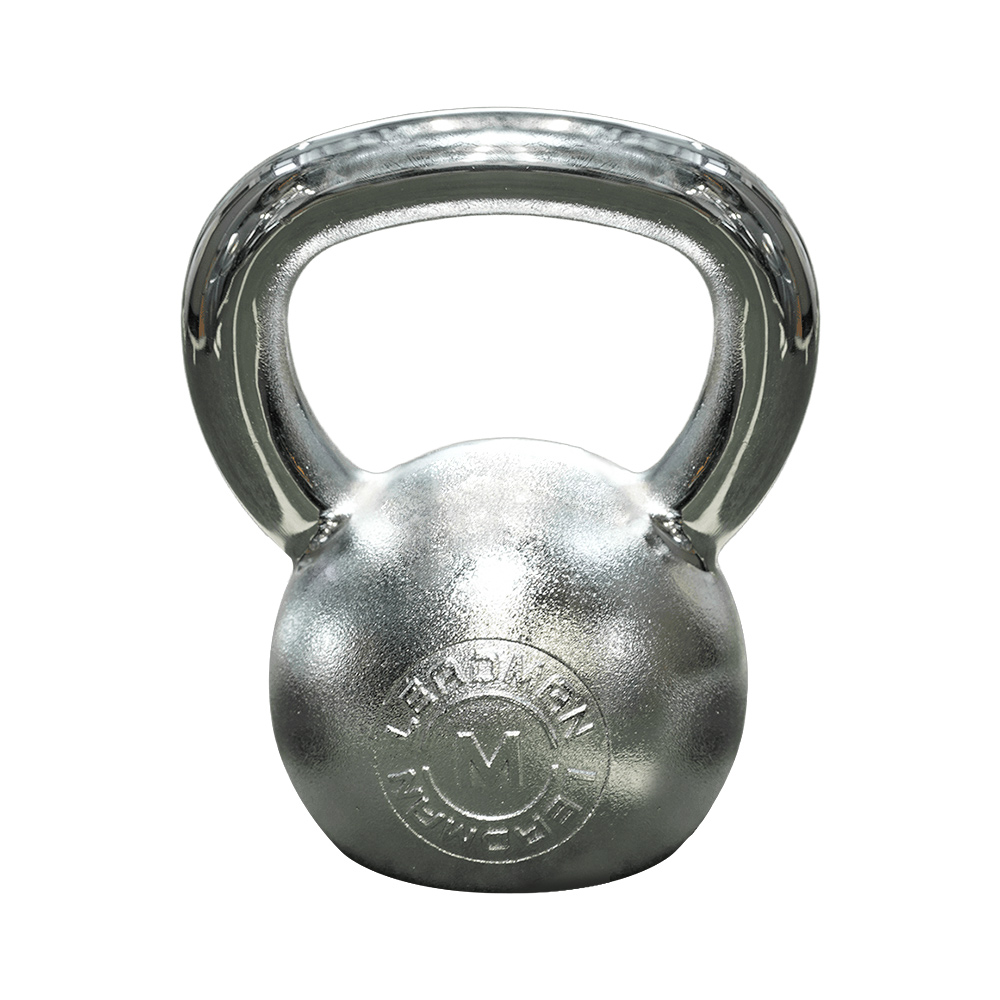
| Die Casting + Chrome Finish | Concentricity & precision knurling | Competition / Elite Training | Significant MOQ/Lead time | Weight calibration & handle balance |
When evaluating your next batch of commercial kettlebell wholesale orders, consider how the surface treatment affects shipping and warehousing. While PU coated units offer superior floor protection and a premium hand feel, they may require more complex handling during the export process compared to standard powder-coated iron. We recommend requesting a sample evaluation for each coating type to verify the tactile quality and durability before committing to a full-scale production run.
Custom Branded Kettlebell Factory: OEM and Private Label Capabilities
Transitioning from a general distributor to a recognized fitness authority requires a strategic shift from sourcing generic stock to developing a unique brand identity. A professional kettlebell brand OEM manufacturer provides the infrastructure necessary to move beyond commodity trading into high-margin private label solutions. Whether you are launching a boutique studio line or a specialized strength equipment brand, leveraging a custom branded kettlebell factory allows you to control the aesthetic and functional specifications that differentiate your catalog in a competitive market.
For importers and distributors, the primary value of OEM and ODM services lies in the ability to customize the physical attributes of the equipment to match specific market segments. This includes selecting specific material finishes, such as premium PU coated textures for high-end studios or rugged powder coating for heavy-duty commercial gyms. Beyond the surface, customization extends to the technical architecture of the product, including handle knurling patterns, base flatness, and even the weight increments provided within a specific range. Engaging a factory for these services ensures that your brand identity is embedded into the hardware itself, rather than just a sticker or a temporary marking.
Scalable Customization and Branding Options
Effective sourcing for a private label line requires a clear understanding of the technical variables available during the production phase. A specialized China factory can offer various tiers of customization depending on your MOQ and target market positioning. For instance, a brand focusing on high-end boutique fitness may require seamless PU coated bells with specific color palettes, while a traditional strength brand may opt for embossed logos on cast iron bodies. Understanding these trade-offs is essential for calculating your final landed cost and determining your potential wholesale margins.
| Branding Tier | Primary Material | Customization Depth | Typical Branding Method | Commercial Application |
|---|---|---|---|---|
| Entry Level | Cast Iron | Standard Colors | Pad Printing / Decal | Budget Gyms / Retail |
| Mid-Tier | Powder Coated Steel | Custom Color Palette | Embedded Logo / Stencil | Commercial Strength Clubs |
| Premium / Professional | PU or Rubber Coated | Full Color & Texture Control | Integrated Molded Logo | Boutique Studios / High-End Gyms |
When negotiating custom branded kettlebell factory terms, buyers should clarify the specific OEM capabilities regarding handle textures and weight tolerance bands. High-quality commercial kettlebell wholesale orders often require a balance between aesthetic uniformity and technical precision. For example, specifying a certain level of knurling depth or a specific coating adhesion standard is vital for ensuring that the private label product maintains its premium feel through heavy commercial use. We recommend requesting a sample evaluation to verify that the custom branding meets your brand's quality expectations before proceeding with full-scale bulk production.
Navigating the complexities of production schedules and minimum orders is a critical step for any professional buyer. A reliable kettlebell brand OEM manufacturer will provide transparency regarding how customization depth directly influences your lead time and total procurement costs. While standardized stock items can often be shipped quickly, a specialized ODM request involving custom molds or unique coating specifications will naturally extend the production cycle. For large-scale distributors, understanding these variables is essential for accurate inventory planning and maintaining a consistent supply chain.
Strategic Sourcing: Customization vs. Production Efficiency
The decision to pursue deep customization depends on your specific business model and the desired market positioning of your product line. For many importers, the goal is to optimize the balance between a unique brand presence and a competitive landed cost. A custom branded kettlebell factory can offer varying levels of service, ranging from simple color changes to complete structural modifications. It is vital to align these requests with your MOQ requirements to ensure that the production scale remains cost-effective for your specific volume.
| Customization Level | Primary Focus | Impact on Lead Time | Typical MOQ Requirement | Sourcing Efficiency |
|---|---|---|---|---|
| Standard Wholesale | Color & Basic Logo | Short / Standard | Lower | High (Ready-to-Ship) |
| Standard OEM | Custom Coating & Texture | Moderate | Medium | Balanced |
| Full ODM | Custom Mold & Specification | Long / Extended | Higher | Strategic (Custom Build) |
When evaluating your next commercial kettlebell wholesale order, we suggest a phased approach to minimize risk. For new brand launches, starting with a standard OEM model—utilizing existing molds with custom branding methods like laser engraving or silk screen—allows for faster market entry and shorter lead time. As your volume grows, transitioning to a full ODM path allows you to develop proprietary designs that offer higher differentiation. To ensure seamless execution, we recommend confirming all technical specs, including handle-to-body junction standards and weight calibration protocols, during the initial sample approval phase.
Optimizing Lead Time and Production Scalability
For professional distributors, the distinction between speed and customization is a critical factor in inventory management. A standard wholesale order of existing stock typically offers the fastest turnaround, making it ideal for rapid replenishment. However, when utilizing OEM or ODM services to develop a unique product line, buyers must account for an extended lead time. This additional period is necessary for the specialized manufacturing processes required to meet custom specifications, such as proprietary handle knurling or specific color-matched PU coated finishes.
To maintain a competitive edge, we recommend a tiered approach to your sourcing strategy. For high-volume, predictable demand, standardizing certain technical attributes can reduce your MOQ pressure and streamline the factory output. Conversely, for premium product launches where brand differentiation is the priority, investing in a dedicated production window for custom molds ensures a unique market position. Aligning these decisions with your projected landed cost and market entry timeline is essential for successful large-scale deployment.
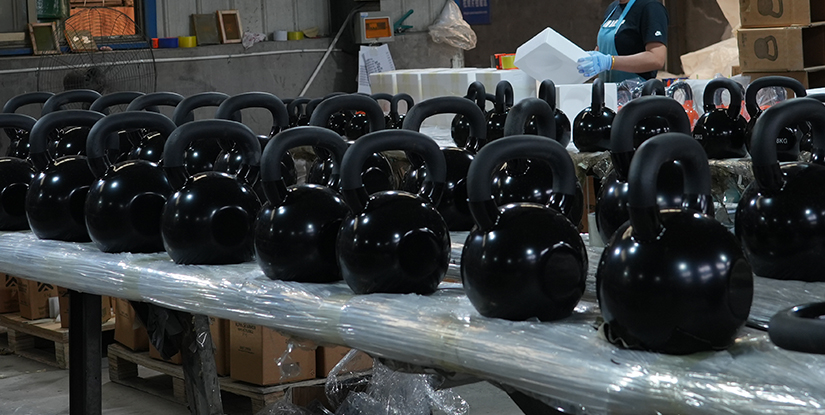
Before finalizing any bulk procurement contract, we advise professional buyers to undergo a formal sample approval process. This step should include a thorough review of the weight calibration, coating adhesion, and branding precision. By confirming these technical details during the initial factory audit or sample evaluation, you mitigate the risk of inconsistency in large-scale commercial kettlebell wholesale shipments, ensuring your brand reputation remains intact across all global territories.
Quality Control Protocols and Export-Ready Inspection Standards
Maintaining strict oversight during the production cycle is a non-negotiable requirement for any professional kettlebell brand OEM manufacturer. For distributors and gym equipment importers, the cost of receiving a shipment with inconsistent weights or defective coatings far exceeds the initial savings of a low-tier supplier. High-volume procurement demands a systematic approach to quality to ensure every unit meets the expected commercial-grade standards before leaving the China factory.
Effective commercial kettlebell wholesale operations rely on a multi-stage inspection process that begins during the initial commercial casting phase. A professional custom branded kettlebell factory does not simply check the final product; they monitor the density and structural integrity of the gray iron or steel during the casting process to prevent internal air pockets or structural weaknesses. This proactive approach minimizes the risk of breakage during high-impact training sessions in commercial environments.
Beyond the structural core, a reliable supplier focuses heavily on surface integrity and precision. Our QC protocols include rigorous checks on the surface finish—ensuring that powder coating or PU layers exhibit high adhesion and are free from bubbles or peeling. Additionally, every batch undergoes a weight tolerance spot-check to ensure that the actual mass aligns with the labeled weight, preventing the legal and professional friction caused by inaccurate equipment. These export-ready standards ensure that when your container arrives at the port, the product is ready for immediate deployment in premium fitness facilities.
Technical Inspection Checklist for High-Volume Shipments
To mitigate the risks of high landed costs and high return rates, a professional kettlebell brand OEM manufacturer implements a granular inspection framework. This technical checklist is designed specifically for the requirements of large-scale gym deployments and professional distributor stock replenishment. By focusing on the critical failure points of cast and coated equipment, we ensure that every unit shipped meets the rigorous demands of a high-traffic commercial setting.
The inspection process targets four critical dimensions of product durability and usability:
- Casting Integrity and Concentricity: Inspectors perform a visual and tactile assessment of the bell's body to identify casting imperfections, such as surface cracks or structural irregularities. A concentricity check is essential to ensure the center of mass is stable and the base remains flat during use.
- Coating Adhesion and Surface Uniformity: For units featuring powder coating or PU layers, the QC team evaluates the bond strength. This prevents the common failure mode of coating peeling or bubbling under heavy use, which can compromise the brand identity of a custom branded kettlebell factory's output.
- Handle Ergonomics and Knurling Consistency: The handle-to-body junction and the texture of the grip are scrutinized. We verify that the knurling depth is consistent and that the handle profile provides a comfortable, secure grip without sharp edges that could cause user injury.
- Packaging Durability for Global Transit: Given the high density and weight of these products, the final stage of commercial kettlebell wholesale QC involves inspecting the export-grade packaging. This includes verifying the thickness of the inner protective layers and the strength of the outer cartons to prevent damage during sea freight and long-distance container loading.
Before finalizing any bulk order, we recommend that buyers request a pre-shipment inspection report or a sample approval session to confirm these technical specifications align with your brand's quality expectations.
| Inspection Category | Standard Check | Commercial Requirement | Impact on Landed Cost |
|---|---|---|---|
| Structural Integrity | Casting and Concentricity | Uniform mass distribution and stable base flatness | Reduces returns due to imbalanced or unstable units |
| Surface Quality | Coating Adhesion | Consistent thickness without bubbling or peeling | Protects brand identity and lowers replacement rates |
| Grip Performance | Handle and Knurling | Smooth edges and consistent texture depth | Minimizes liability and user injury complaints |
| Weight Accuracy | Mass Tolerance Spot-check | Alignment with labeled weight within industry-standard bands | Prevents disputes regarding product value and compliance |
| Export Readiness | Packaging and Palletization | Reinforced cartons and moisture-resistant layers | Lowers damage rates during long-distance sea freight |
When sourcing from a kettlebell brand OEM manufacturer, evaluating these technical benchmarks is essential for long-term profitability. A high-performing custom branded kettlebell factory uses these metrics to ensure that the final shipment is optimized for both durability and logistics efficiency. We suggest that procurement managers confirm these specific QC points during the sample evaluation stage or via a formal factory audit to ensure your distributor margins remain protected.
Optimizing Landed Costs Through Efficient Export Packaging and Logistics
For professional distributors and gym equipment importers, the true cost of a shipment extends far beyond the unit price. A professional kettlebell brand OEM manufacturer understands that optimizing the landed cost requires more than just competitive factory-direct pricing; it requires strategic control over volume and weight. When managing bulk orders, even minor inefficiencies in how products are palletized or how containers are loaded can erode distributor margins and increase the total cost of ownership.
Standardizing export packaging is a critical step in maintaining shipping efficiency. Because kettlebells are high-density, heavy-duty items, the primary goal is volume optimization—maximizing the weight capacity of a 20ft or 40ft container without leaving wasted air space. A skilled custom branded kettlebell factory will utilize heavy-duty reinforced cartons and customized pallet layouts to ensure that every cubic meter is utilized effectively. This precision reduces the number of containers required for large-scale gym deployments, directly lowering the freight cost per unit.
Furthermore, a reliable China factory provides value by managing the complexities of international logistics through standardized loading protocols. By coordinating closely with freight forwarders to ensure commercial kettlebell wholesale shipments are balanced and secured, manufacturers prevent damage during transit and minimize the risk of costly insurance claims. Whether you are sourcing for a single studio or a national distribution network, focusing on these logistics-driven variables ensures your procurement strategy remains profitable and scalable.
Shipping and Packaging Configuration Comparison
To assist procurement officers in evaluating the most cost-effective sourcing strategy, we have outlined the typical configurations used for international shipments. The choice between air and sea freight, or between individual unit packaging and bulk palletization, significantly impacts your final landed cost. High-volume commercial kettlebell wholesale orders almost exclusively utilize sea freight and heavy-duty palletization to maintain distributor margins.
| Configuration Type | Primary Packaging Method | Shipping Density | Best Use Case | Logistics Profile |
|---|---|---|---|---|
| Individual Retail Ready | Reinforced Color Box | Low (High Volume/Weight) | Premium Studio Branding | Fastest transit, highest cost per unit |
| Standard Commercial | Heavy-Duty Brown Carton | Medium (Optimized Weight) | Gym/Distributor Inventory | Standard sea freight/LCL or FCL |
| Bulk Wholesale/Bulk Pack | Industrial Palletized Case | High (Maximum Density) | Large-Scale Gym Deployments | Lowest freight cost per unit via FCL |
When working with a kettlebell brand OEM manufacturer, we recommend discussing your specific palletization requirements during the initial MOQ and sample approval phase. Selecting a configuration that balances weight-bearing capacity with volume efficiency is essential for maximizing the return on your container space. Please contact our team to request a detailed packing list or to confirm the optimal shipping specifications for your next bulk order.
Pre-Shipment QC and Transit Protection Protocols
Protecting your investment during long-distance transit is a non-negotiable requirement for high-volume commercial kettlebell wholesale procurement. A professional kettlebell brand OEM manufacturer implements a rigorous pre-shipment QC protocol that goes beyond simple weight checks. For heavy-density iron products, the risk of surface abrasion or structural shifting during ocean transit is high. Therefore, a high-tier custom branded kettlebell factory integrates specific protective layers into the packaging workflow to mitigate these risks.
Typical industry-standard protocols include moisture control and pallet stability. To prevent oxidation of the cast iron or degradation of the coating during sea transit, many manufacturers utilize moisture-absorbent silica packets and heavy-duty plastic wrapping within the master cartons. Furthermore, ensuring the structural integrity of the entire shipment requires precise palletization. Each pallet is typically secured with high-tensile stretch film and reinforced edge protectors to prevent the shifting of heavy kettlebells during vessel movement. This attention to detail ensures that when your shipment arrives at the port, the products remain in showroom condition, protecting your distributor margins and reducing the need for replacement parts.
To ensure seamless integration into your supply chain, we encourage buyers to finalize all packaging and loading specifications during the initial MOQ negotiation. Whether you require individual retail-ready boxes for boutique studios or industrial-grade bulk packing for large-scale gym deployments, our factory provides full transparency regarding lead time and container utilization. Contact us today to request a formal quote, discuss your custom branding requirements, or schedule a factory audit to review our export-grade protection standards.