Cast Iron Kettlebell Made in China: Casting and Coating
Standardized Casting and Coating for Cast Iron Kettlebell Made in China
When sourcing high-volume fitness inventory, professional buyers must evaluate three critical risk factors: structural integrity, surface consistency, and weight precision. A poorly managed cast iron kettlebell made in China can lead to significant issues, such as uneven weight distribution or coating failure, which increases long-term maintenance costs for distributors. To ensure a stable commercial grade product, importers should verify that the China factory adheres to a rigorous production sequence involving precise sand casting and standardized finishing to minimize the risk of defective shipments.
The manufacturing of a high-quality cast iron kettlebell made in China begins with the sand casting process. In this stage, molten gray iron is poured into specialized molds to create the fundamental shape of the bell and handle. For commercial kettlebell manufacturing, the quality of the mold is essential to ensure a smooth handle-to-body junction and a consistent base flatness. Any imperfections in the casting stage can result in structural weaknesses or weight deviations that complicate the sourcing process for large-scale gym setups.
Once the raw cast shape is finalized, the unit undergoes several refinement steps to meet export standards. This typically involves machining the handle area to ensure ergonomic comfort and performing a weight calibration check to maintain a tight weight tolerance. A high-tier China factory will implement these steps to ensure that every unit in a wholesale order meets the required specifications before the final coating phase. This level of control is vital for distributors who rely on consistent product density and balance across their entire inventory.
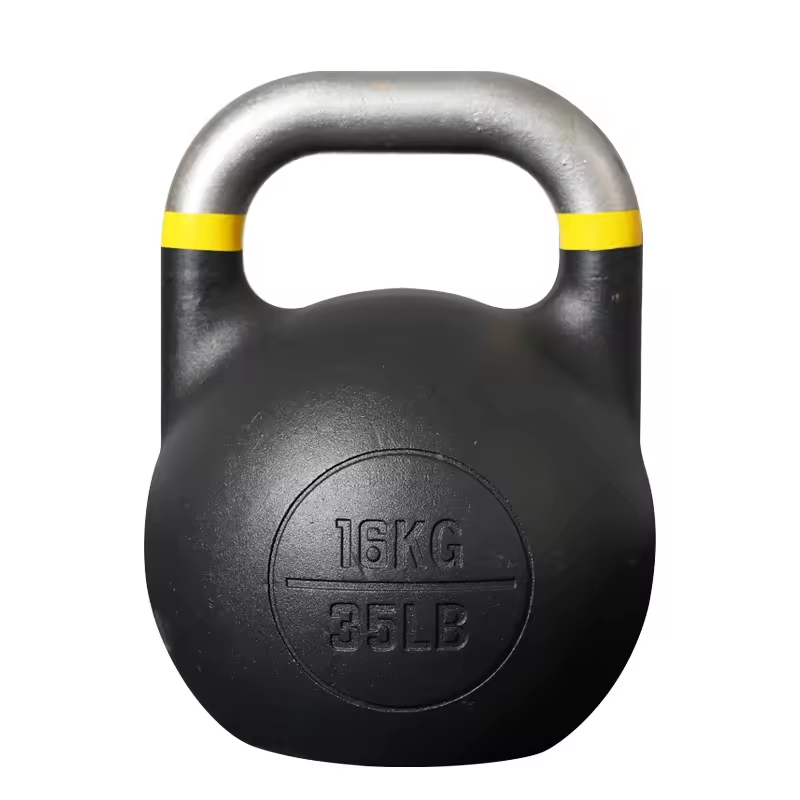
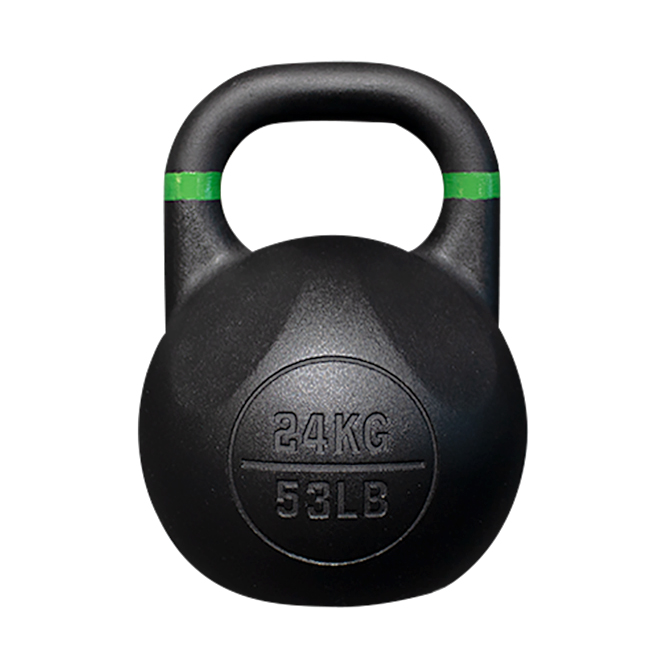
The final layer of protection is applied through professional powder coating or other surface treatments. This process is not merely aesthetic; it is a functional requirement to prevent oxidation and ensure durability in high-traffic commercial environments. A well-applied coating ensures high adhesion and resistance to chipping, which reduces the total cost of ownership for the end-user. When managing cast iron kettlebell wholesale accounts, verifying the thickness and durability of this coating is a standard part of the pre-shipment inspection to prevent costly returns or replacement claims.
Technical Specifications for Commercial Selection
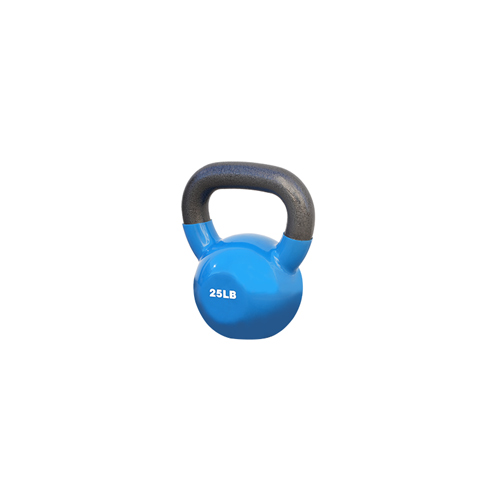
Selecting the appropriate finish is a vital part of your procurement decision, as the coating directly impacts the maintenance load and the lifespan of the unit. For example, a standard powder coating offers excellent durability for heavy-duty gym environments, whereas a PU coating provides a more premium, ergonomic grip often preferred for high-end boutique studios. Understanding these variations helps importers optimize their landed cost versus the target market's quality expectations.
| Material & Finish | Primary Process | Key Component Detail | Commercial Duty Tier | MOQ Impact | Factory QC Point |
|---|---|---|---|---|---|
| Bare Iron | Sand Casting & Polishing | Smooth Handle Surface | Budget / Basic Commercial | Low | Weight Tolerance Spot-check |
| Paint / Enamel | Liquid Spray Application | Standard Grip Texture | Standard Commercial | Medium | Coating Adhesion |
| Powder Coating | Electrostatic Powder Application | Consistent Surface Density | Premium Commercial | Medium to High | Base Flatness & Smoothness |
| PU Coated | Polyurethane Dip/Molding | Ergonomic Soft-Touch Grip | High-End / Boutique | High | Encapsulation Layer Integrity |
When executing China factory kettlebell OEM orders, it is essential to align the chosen finish with your specific distribution strategy. A wholesale buyer targeting budget-friendly strength centers may prioritize bare iron or standard paint to keep costs low, while a premium distributor should request specialized PU coating or high-grade powder finishes to justify a higher retail price point. We recommend requesting a physical sample to verify the coating thickness and handle ergonomics before finalizing a large-scale OEM production run.
Pre-Shipment Inspection and Export Standards
To mitigate the risk of receiving defective inventory, professional importers must implement a strict pre-shipment inspection protocol. For a cast iron kettlebell made in China, quality control should focus on three specific physical attributes: the integrity of the handle texture, the level of coating adhesion, and the precision of the base flatness. A failure in any of these areas can lead to high return rates and damaged brand reputation for the distributor.
During the final quality check, a reliable China factory will perform a manual inspection of the handle-to-body junction to ensure no casting flash or sharp edges remain. This is a critical step for commercial kettlebell manufacturing, as it directly affects user safety and grip stability. Additionally, inspectors should verify that the coating adhesion is uniform across the entire surface, ensuring that the weight marking area remains legible and the finish does not chip under standard usage conditions.
Beyond the physical product, the export packaging process is a vital component of reducing the total landed cost. High-volume cast iron kettlebell wholesale orders require robust, reinforced cartons and optimized palletizing configurations to prevent movement and impact damage during long-haul maritime transit. We suggest that OEM buyers confirm the specific packaging dimensions and load-bearing capacity with their supplier to ensure container loading efficiency and minimize breakage-related losses upon arrival at the warehouse.
{ "title": "Cast Iron Kettlebell Made in China: Casting and Coating", "seo_description": "Explore the professional manufacturing standards for a cast iron kettlebell made in China. Learn about casting, handle finishing, and coating QC for commercial", "seo_keywords": "cast iron kettlebell made in China, commercial kettlebell manufacturing, cast iron kettlebell wholesale, China factory kettlebell OEM", "slug": "cast-iron-kettlebell-made-in-china-casting-coating", "page_faqs": [ "What is the standard casting method for commercial kettlebells?===Most high-volume commercial orders utilize sand casting with gray iron to ensure structural density and consistent weight distribution. This method is standard for a cast iron kettlebell made in China intended for heavy-duty gym use.", "How do I ensure the coating quality before bulk shipping?===We recommend requesting a coating adhesion test and a sample evaluation from your supplier. For commercial kettlebell manufacturing, a powder coating or PU coating should be inspected for evenness and resistance to chipping under high-frequency use.", "Can I customize the branding on the cast iron surface?===Yes, most manufacturers offering China factory kettlebell OEM services can integrate your logo or brand identity into the mold during the sand casting stage, ensuring the branding is part of the physical structure rather than just a surface print." ], "html_content": { "htmlfilename": "cast-iron-kettlebell-made-in-china-casting-coating.html", "origin": "", "content": "Material Selection and Surface Finishing Processes
When sourcing a cast iron kettlebell made in China, procurement professionals must prioritize the structural integrity of the core material and the durability of the exterior finish. High-quality commercial kettlebell manufacturing relies on stable raw materials to minimize replacement costs and ensure long-term commercial durability in high-traffic environments.
The production typically begins with sand casting using high-grade gray iron. This process ensures a solid, single-piece construction that maintains weight consistency across a full set. For distributors, choosing a factory that manages the full sequence—from the initial pour to the final surface treatment—is essential for maintaining a predictable landed cost and reducing the risk of weight tolerance discrepancies.
Technical Specifications for Surface Durability
The finishing process determines how the equipment handles friction and environmental exposure. A common industry-standard approach involves a multi-step sequence: casting, followed by CNC machining to smooth the handle-to-body junction, and finally, a professional coating application. This ensures the grip remains comfortable and the surface remains resistant to oxidation.
| Material Type | Surface Process | Commercial Duty Tier | Primary Benefit for Importers |
|---|---|---|---|
| Gray Iron | Bare Iron / Phosphate | Standard Commercial | Lowest cost for high-volume wholesale |
| Cast Iron | Powder Coating | Premium Commercial | High resistance to chipping and rust |
| Cast Iron | PU Coated | High-End Studio | Enhanced grip and floor protection |
For buyers focused on cast iron kettlebell wholesale, understanding these tiers allows for better alignment with client needs, whether supplying a budget-friendly garage gym or a premium boutique studio. If you are looking to establish a private label line, we recommend specifying the coating thickness and adhesion requirements during the OEM design phase to ensure your brand identity meets professional standards.
" } }Evaluating Coating Performance and TCO
The distinction between powder coating and liquid paint is a critical factor in calculating the Total Cost of Ownership (TCO) for gym operators. While liquid paint is often used in budget-tier production to reduce initial costs, it lacks the durability required for high-frequency commercial environments. Professional commercial kettlebell manufacturing typically favors electrostatic powder coating due to its superior adhesion properties and thickness. This prevents premature chipping and oxidation, which are common failure modes in lower-quality units that lead to increased maintenance loads and early replacement cycles.
When managing a wholesale order, procurement leads should evaluate the coating process through the lens of long-term maintenance costs. A robust powder coating or high-grade PU coating protects the gray iron core from moisture and sweat, preserving the weight markings and aesthetic integrity of the bell. For a China factory to meet international commercial standards, they must demonstrate consistent coating adhesion and a smooth finish on the handle-to-body junction to ensure user safety and comfort.
Choosing the correct finish during the China factory kettlebell OEM stage allows distributors to segment their product offerings effectively. While bare iron offers the lowest landed cost, premium coatings provide the durability and "premium feel" required for high-end studio environments. We recommend requesting a sample evaluation to inspect the coating adhesion and handle texture before finalizing large-scale production or bulk shipments.
Critical Inspection Points for Commercial Kettlebell Manufacturing
Ensuring the structural integrity of a cast iron kettlebell made in China is a vital step in the procurement process for international distributors. When managing high-volume orders, professional buyers must look beyond surface aesthetics to verify the fundamental safety of the unit. A failure in weight consistency or handle stability can lead to increased maintenance costs and damaged reputation for your fitness brand.
Standard commercial kettlebell manufacturing protocols require rigorous verification of the casting density and the handle-to-body junction. Importers should prioritize a factory that performs systematic weight tolerance spot-checks and surface adhesion testing to ensure the product meets the demands of high-traffic commercial environments. During the QC phase, inspectors must verify the base flatness and the concentricity of the bell to prevent uneven wear or dangerous instability during use.
Structural Safety and Weight Precision
For any China factory kettlebell OEM project, the most critical technical requirement is the precision of the weight distribution. In many commercial settings, a cast iron kettlebell made in China undergoes a calibration step to ensure that the deviation remains within industry-standard limits. This prevents the liability issues often associated with low-quality, inconsistent casting found in non-professional batches.
Beyond weight, handle integrity is a non-negotiable safety parameter. The transition point where the handle meets the main bell body must be inspected for any structural micro-fractures or casting voids. High-tier commercial kettlebell manufacturing involves checking the knurling depth and the smoothness of the grip area to ensure long-term durability and user safety, which directly impacts the total cost of ownership (TCO) for the end-user.
Technical Comparison of Casting and Coating Standards
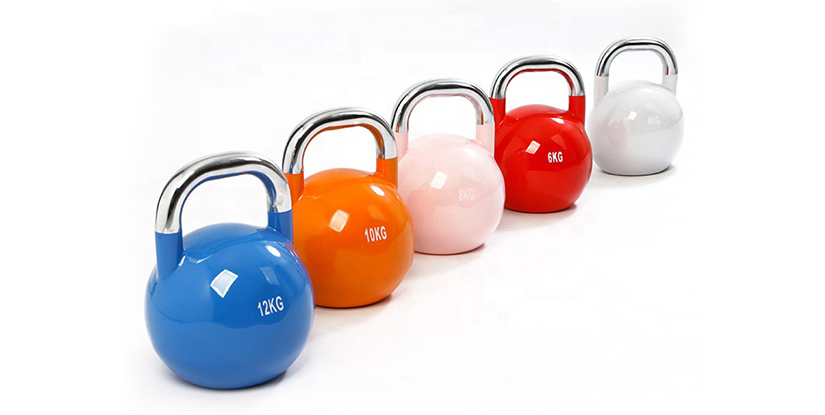
When evaluating a cast iron kettlebell made in China, professional buyers must distinguish between different production tiers to optimize their landed cost and product longevity. Selecting the correct specification depends on your target market, whether you are sourcing for budget-friendly boutique studios or premium commercial fitness centers. A clear understanding of these material-process hierarchies allows for more accurate procurement planning and better distributor margins.
The following table provides a technical overview for cast iron kettlebell wholesale buyers to assess quality levels during the sourcing process. It outlines the typical material-process-component relationships found across different manufacturing tiers.
| Material Tier | Casting Method | Surface Finish | Key Component Focus | Commercial Duty | MOQ Impact | Factory QC Point |
|---|---|---|---|---|---|---|
| Gray Iron | Sand Casting | Paint or Enamel | Base Flatness | Budget/Standard | Lower | Weight Tolerance |
| Cast Iron | Sand Casting | Powder Coating | Handle Texture | Commercial-Grade | Moderate | Coating Adhesion |
| Solid Steel | Machined/CNC | Chrome or PU | Handle-to-Body Junction | Premium/Competition | Higher | Concentricity |
Understanding these distinctions is essential when requesting a China factory kettlebell OEM sample. For example, while a painted finish may offer a lower initial cost, a professional supplier will typically recommend powder coating for high-traffic environments due to its superior durability and resistance to chipping. We suggest requesting detailed specifications regarding the coating adhesion and the precision of the handle-to-body junction during your initial inquiry to ensure the final product meets your brand's quality standards.
Pre-Shipment Inspection and Logistics Reliability
For distributors managing large-scale inventory, the final stage of cast iron kettlebell wholesale procurement is the pre-shipment inspection (PSI). Relying solely on factory assurances is a risk; instead, professional importers should verify the physical attributes of the batch before it leaves the warehouse. This stage is where the true value of a professional China factory kettlebell OEM partnership is realized, as it protects your landed cost from being inflated by subsequent replacement or return claims.
A critical focus during inspection should be the handle texture and coating adhesion. In high-volume commercial kettlebell manufacturing, the powder coating or enamel layer must be tested for its ability to withstand repeated impact and friction without peeling. Furthermore, inspectors should check for consistent handle ergonomics and the smoothness of the grip area to ensure no casting burrs remain. Verifying these details during the pre-shipment QC phase ensures that your shipment arrives with the durability expected by commercial gym operators, securing your long-term wholesale reliability and protecting your margins.
To optimize your sourcing strategy, we recommend requesting a sample approval and a detailed inspection report that covers weight calibration, surface finish, and packaging integrity. Contact us to confirm current MOQ requirements, discuss custom branding options, or request a technical specification sheet for your next bulk order.
OEM and Custom Branding Capabilities for Global Distributors
For international distributors and fitness equipment importers, the ability to differentiate a product line is critical for maintaining healthy margins. A professional cast iron kettlebell made in China offers significant competitive advantages through high-level OEM and ODM services. Rather than competing solely on price, partners can leverage private label solutions to build brand equity and professional authority within their local markets.
The scope of customization extends far beyond simple weight variations. A capable China factory can integrate custom branding directly into the production workflow, ensuring that your identity is inseparable from the product. This includes precision logo placement, which can be achieved through sandblasting, raised casting textures, or high-durability paint stenciling. Furthermore, color/coating customization allows distributors to match specific commercial gym branding requirements, utilizing various finishes such as matte powder coating or specialized enamel colors to meet aesthetic and functional standards.
To maintain efficient inventory turnover and predictable sourcing cycles, most customization requests are managed through a structured MOQ framework. This ensures that specialized finishes or unique handle textures do not compromise the wholesale scalability of your order. Whether you require a standard commercial finish or a bespoke aesthetic for a premium studio line, our commercial kettlebell manufacturing processes are designed to bridge the gap between mass production efficiency and high-end brand identity.
Customization Tiers for Professional Procurement
When evaluating a cast iron kettlebell made in China, procurement leads must distinguish between standard stock availability and specialized customization. Higher-tier customization often involves adjustments to the physical grip and surface finish to meet specific regional market demands or premium studio aesthetics. Selecting the appropriate tier allows for better control over both the landed cost and the unique value proposition of your brand.
| Customization Tier | Material & Handle Detail | Finish & Aesthetic Options | Typical MOQ Impact | Commercial Duty Level |
|---|---|---|---|---|
| Standard Wholesale | Gray iron with standard cast handle | Basic black powder coating or bare iron | Lower MOQ for rapid restocking | General commercial/gym use |
| Premium OEM | Enhanced knurling or custom handle texture | Multiple powder coating colors or PU coating | Higher MOQ due to specialized production runs | High-end studios & boutique fitness |
| Full ODM | Bespoke mold shape or weight distribution | Custom branding & unique color schemes | Significant MOQ & extended lead time | Specialized professional/competition lines |
Diversifying your product catalog through cast iron kettlebell wholesale channels requires a clear understanding of these technical trade-offs. For example, requesting a specific custom handle texture or a non-standard powder coating colors selection will naturally shift the production timeline and volume requirements. We recommend confirming these specifications during the initial sourcing phase to ensure that your customized orders align with your seasonal inventory planning and distributor margins.
Logistics and Quality Control Integration for Bulk Orders
Efficient bulk order logistics are as critical as the casting process itself when managing international supply chains. For professional importers, the complexity of shipping high-density iron products requires a seamless integration of production and export-ready packaging. A reliable China factory kettlebell OEM partner must demonstrate competence in managing the entire journey from the casting floor to the final container loading, ensuring that the landed cost remains predictable and the product arrives in retail-ready condition.
To mitigate the risks of transit damage or weight discrepancies, we implement a rigorous pre-shipment QC protocol. This process involves a multi-stage inspection of every cast iron kettlebell made in China, focusing on critical points such as the handle-to-body junction, the adhesion of the coating, and the precision of the weight markings. Only after passing these internal audits is the product moved to the final stage of export-ready preparation.
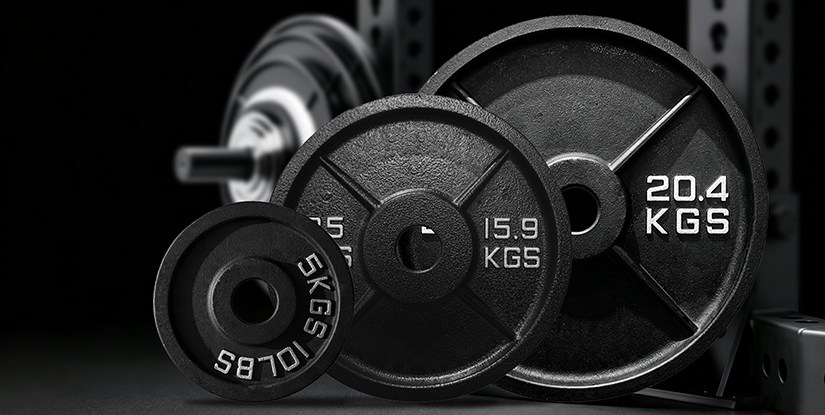
Effective export packaging is designed to maximize container utilization while protecting the integrity of the cast iron. We utilize heavy-duty, reinforced cartons and optimized palletizing techniques to prevent shifting during sea freight. By coordinating closely on lead time and shipping schedules, we help distributors manage their inventory turnover efficiently. Whether you are managing a single container or multiple shipments, our goal is to provide a transparent sourcing experience that stabilizes your supply chain and protects your distributor margins.
Optimizing Bulk Sourcing: MOQ, Lead Times, and Export Logistics
Managing a large-scale inventory requires more than just selecting a reliable cast iron kettlebell made in China; it requires a sophisticated understanding of the procurement cycle. For distributors and warehouse managers, the primary challenge lies in balancing stock availability with capital efficiency. Navigating the complexities of commercial kettlebell manufacturing involves more than just placing an order; it requires precise coordination regarding production capacity and global shipping schedules to maintain healthy profit margins.
To ensure seamless cast iron kettlebell wholesale operations, professional buyers must account for several variables. First, the MOQ (Minimum Order Quantity) often dictates the scale of the initial investment and the potential for OEM customization. A factory that offers tiered pricing based on volume can significantly improve your landed cost. Additionally, lead time management is critical; production cycles for cast iron products typically involve multiple stages, including casting, machining, and coating, which can be influenced by seasonal demand fluctuations in the global fitness market.
Effective inventory planning must also integrate shipping logistics to avoid stockouts or excessive warehousing fees. When sourcing from a China factory, distributors should factor in both sea freight transit times and the time required for pre-shipment QC. By aligning your procurement schedule with the production cycles of your supplier, you can optimize your supply chain, reduce overhead, and ensure that your facility remains fully stocked for high-demand periods.
Sourcing Model Comparison: Stock vs. Customization
Choosing the right procurement path depends on your specific business model and capital availability. For many distributors, the decision between purchasing existing stock or initiating a China factory kettlebell OEM project is a balance of speed versus brand equity. While standard units offer rapid deployment, custom orders allow for a unique market position through specialized finishes or branded aesthetics.
The following table illustrates the typical trade-offs between these two common sourcing strategies to assist in your procurement planning:
| Sourcing Model | Customization Capability | Typical Lead Time | Primary Advantage | Ideal For |
|---|---|---|---|---|
| Standard Wholesale Stock | Limited to standard colors/weights | Short (Ready to ship) | High turnover and low risk | Retailers and small studios |
| OEM / Private Label | Full branding and finish control | Extended (Production + Sea Freight) | Higher distributor margins | Large-scale distributors |
| Custom Mold Development | Unique shape and handle specs | Very Long (Includes mold creation) | Market differentiation | Premium fitness brands |
When evaluating your next batch, consider that a wholesale order of standard units provides the fastest way to replenish inventory. However, if you aim to build long-term brand identity, working directly with a supplier for custom specifications can provide a more significant competitive edge. We recommend requesting a detailed spec sheet and confirming the current MOQ for both stock and custom runs to ensure your landed cost aligns with your projected ROI. To move forward, you may contact us to request a quote or schedule a factory audit to verify our production standards.
Protecting Margins Through Export Packaging and Container Loading
For high-volume importers, the most significant threat to the final landed cost is not the unit price, but the hidden expenses caused by transit damage. A single damaged pallet of a cast iron kettlebell made in China can erode the entire profit margin for a shipment. Robust export packaging is a non-negotiable standard for professional procurement. This includes high-density corrugated outer boxes, reinforced corner protectors, and moisture-resistant liners to prevent oxidation during long-sea transit. A reliable China factory will implement weight-specific layering, ensuring that heavier kettlebells do not crush lighter units or compromise the structural integrity of the carton during handling.
Optimizing container loading is a critical skill for any distributor looking to maximize shipping efficiency. Because cast iron is a high-density material, the primary goal is to achieve maximum weight capacity without exceeding the legal limits of the shipping container. Professionals should work closely with their supplier to determine the optimal mix of weights and packaging dimensions. This strategic approach minimizes the number of containers required per shipment, effectively lowering the freight cost per unit and enhancing the overall commercial viability of the wholesale order.
To mitigate risk, we mandate a rigorous pre-shipment QC protocol that focuses specifically on the readiness for international export. This includes a final inspection of the cast iron kettlebell made in China to ensure the coating adhesion is secure and the weight tolerances are within the agreed-upon industry standards. Furthermore, our pre-shipment procedures involve a full verification of the palletization strength and the security of the load within the container. By prioritizing damage prevention at the source, we help you reduce the frequency of insurance claims and ensure that your inventory arrives at your warehouse in a condition that is ready for immediate commercial sale.
Evaluating Total Cost of Ownership and Maintenance Scheduling
For international distributors and gym equipment importers, the initial purchase price is only one variable in the long-term financial equation. When sourcing a cast iron kettlebell made in China, professional buyers must prioritize the Total Cost of Ownership (TCO) to ensure sustainable profit margins. A low-cost unit that suffers from rapid surface degradation or structural flaws will inevitably lead to higher replacement cycles and increased maintenance costs for the end-user, ultimately damaging your reputation as a reliable supplier.
The relationship between high-standard commercial kettlebell manufacturing and long-term value is rooted in structural integrity. Inferior cast iron kettlebell wholesale options often feature high rates of casting defects, such as air pockets or uneven density, which can lead to cracking under heavy use. Furthermore, poor surface durability—caused by inadequate phosphate treatment or thin powder coating—results in premature oxidation and chipping. By selecting a China factory that utilizes consistent sand casting and multi-stage coating processes, distributors can offer products that withstand high-traffic commercial environments, effectively reducing the frequency of client complaints and product returns.
Tier-Based Comparison of Manufacturing Standards and Long-Term Value
Understanding the trade-offs between different production levels is essential for optimizing your procurement strategy. For example, a distributor choosing a budget-tier product might enjoy a lower initial landed cost, but a premium-tier cast iron kettlebell made in China offers a much lower maintenance frequency and higher resale value in the secondary market. When managing bulk orders, selecting the correct tier prevents the high cost of frequent replacements and protects your brand identity.
| Material & Finish Tier | Primary Process | Key Component Focus | Commercial Duty Level | Maintenance Frequency | Sourcing Advantage |
|---|---|---|---|---|---|
| Standard Cast Iron | Sand Casting | Base Flatness | Budget / Basic Commercial | High (Requires Rust Prevention) | Low MOQ / High Volume |
| Powder Coated Iron | Sand Casting + Powder Coating | Coating Adhesion | Mid-Tier Commercial | Moderate (Standard Cleaning) | Optimized for Wholesale |
| Premium PU/Rubber Coated | Precision Casting + Molding | Handle-to-Body Junction | High-End Studio / Premium | Low (Minimal Surface Care) | High Margin / Brand Value |
When evaluating a China factory kettlebell OEM proposal, we recommend reviewing the specific coating application method. A high-quality powder coating application provides a much more durable barrier against moisture and impact than standard liquid paint, which is critical for minimizing the cost of replacement parts over a five-year cycle. If your business model relies on high-turnover retail or high-traffic gym supply, investing in the premium tier ensures better long-term ROI for your clients and reduces your after-sales support burden.
To move forward with your procurement planning, we suggest requesting a detailed specification sheet or a sample evaluation to verify coating adhesion and weight tolerance. We can also provide guidance on how different OEM customization options might impact your total lead time and shipping volume efficiency. Contact our team to confirm your current requirements, discuss customized MOQ tiers, or book a factory audit to ensure your quality standards are met before production begins.
To optimize your inventory management and logistics, it is vital to align your procurement cycles with the technical reliability of the products. For high-volume distributors, a single shipment of a cast iron kettlebell made in China should ideally serve as a long-term asset rather than a recurring replacement expense. Unreliable manufacturing leads to unpredictable stock-outs and high return rates, which directly erode your profit margins and disrupt your supply chain. By prioritizing a China factory kettlebell OEM partner that maintains strict pre-shipment protocols, you can ensure that your inventory turnover remains high and your replacement costs remain low.
Effective scaling requires a deep understanding of how manufacturing stability affects your business. When you engage in commercial kettlebell manufacturing through a professional wholesale partner, you are not just buying hardware; you are securing a predictable supply chain. A well-managed lead time depends on the factory's ability to maintain consistent casting and coating outputs without compromising on quality. Whether you are managing a small boutique studio supply or a large-scale distributor network, selecting a supplier with a robust QC process ensures that every batch meets the necessary commercial-grade specifications, thereby protecting your long-term ROI and brand reputation.