One Piece Casting Kettlebell Wholesale Manufacturer: Factory
The Strategic Value of a One Piece Casting Kettlebell Wholesale Manufacturer
A professional one piece casting kettlebell wholesale manufacturer provides integrated production solutions that prioritize structural integrity and long-term durability. For commercial gym operators and distributors, sourcing single-mold units ensures a seamless, non-separable handle-to-body junction, significantly reducing maintenance costs and replacement frequency in high-traffic environments.
When managing large-scale procurement for a commercial gym, the distinction between two-piece assembly and single-mold casting becomes a critical factor in total cost of ownership. Utilizing a one piece casting kettlebell wholesale manufacturer mitigates the risk of handle separation or structural failure, which is a common liability in high-intensity training settings. By establishing a direct relationship with a China factory, importers can secure consistent weight tolerances and superior surface finishes that meet international commercial standards.
Strategic sourcing from a specialized commercial kettlebell OEM factory allows distributors to optimize their product mix through wholesale volume advantages. Rather than dealing with fragmented supply chains, professional buyers can consolidate cast iron kettlebell production orders to ensure uniform powder coating adhesion and consistent handle texture across all weight increments. This level of control is essential for maintaining brand reputation and ensuring high durability for end-users.
Choosing a reliable one piece casting kettlebell wholesale manufacturer is a decision that directly impacts your long-term TCO and operational efficiency. In high-volume environments, the mechanical stress on equipment is constant; therefore, the structural uniformity provided by single-mold casting is superior to assembly-based models. This manufacturing approach eliminates the weak points found in handle-to-body welds, ensuring that the weight remains balanced and the unit remains intact under heavy use. For a professional one piece casting kettlebell wholesale manufacturer, maintaining a strict weight tolerance and high-quality surface finish is not just a standard, but a necessity for commercial-grade reliability.
When evaluating your next bulk order, consider the technical advantages of professional cast iron kettlebell production. A single-piece casting process typically involves a more rigorous sequence—from sand casting to precision machining and final coating—resulting in a more cohesive product. This reduces the risk of surface chipping or handle loosening, which are common failure modes in lower-tier equipment. For distributors looking to maximize their margins, securing a partner capable of high-standard commercial kettlebell OEM factory services ensures that every unit delivered meets the rigorous durability requirements of the global fitness market.
Procurement Comparison: Single-Piece Casting vs. Two-Piece Assembly
For procurement specialists and distributors, understanding the technical trade-offs between manufacturing methods is essential for calculating long-term value. While two-piece assembly models may offer lower initial unit costs, they often introduce higher long-term maintenance and replacement liabilities. A professional one piece casting kettlebell wholesale manufacturer focuses on creating a monolithic structure that eliminates the mechanical weak points inherent in welded or joined components.
The following table outlines the qualitative differences between these two production standards to assist in your sourcing decisions for commercial-grade inventory.
| Material & Process | Key Component Focus | Commercial Use Tier | Logistics & Maintenance | Procurement Advantage |
|---|---|---|---|---|
| Single-piece Casting | Handle-to-body junction integrity | Premium / High-Traffic | Low maintenance; high durability | Reduced TCO and replacement frequency |
| Two-piece Assembly | Handle weld or junction point | Budget / Light Commercial | Higher maintenance; potential failure risk | Lower initial landed cost |
When managing bulk wholesale orders, selecting a one piece casting kettlebell wholesale manufacturer ensures that your inventory can withstand the rigorous demands of professional training environments. By prioritizing single-piece casting, distributors can offer a more reliable product line that minimizes after-sales service requests and maximizes client satisfaction. We recommend requesting a sample or a detailed specification sheet from your supplier to verify the weight calibration and surface finish consistency before confirming your final MOQ and production schedule.
Material Selection and Casting Precision for Commercial Durability
For distributors and gym equipment importers, the long-term value of a product is dictated by its ability to withstand high-frequency use without structural failure. Selecting a professional one piece casting kettlebell wholesale manufacturer ensures that your inventory consists of single-mold units rather than multi-part assemblies that may fail under stress. In high-traffic commercial settings, the integrity of the cast iron body is the primary defense against cracks or handle separation, directly impacting your replacement costs and customer satisfaction.
Reliable cast iron kettlebell production relies heavily on the quality of the sand casting process. A high-quality factory utilizes controlled sand casting techniques to ensure the density of the iron is uniform throughout the bell. This precision is vital for maintaining a consistent weight tolerance across a full set, preventing the discrepancies that often plague lower-tier production lines. When sourcing at scale, understanding these metallurgical foundations helps in evaluating the total cost of ownership and the long-term durability of your shipment.
| Material Type | Manufacturing Process | Commercial Duty Tier | Primary Benefit | Procurement Focus |
|---|---|---|---|---|
| Single-Piece Cast Iron | Sand Casting | Premium Commercial | Maximum structural integrity | Weight consistency |
| Two-Piece Assembly | Welded/Bolted Construction | Budget/Entry-Level | Lower initial cost | Joint durability |
| Ductile Iron | Advanced Casting | High-End Professional | Enhanced impact resistance | Long-term lifecycle |
When evaluating a commercial kettlebell OEM factory, procurement leads should prioritize manufacturers that implement rigorous weight calibration and concentricity checks. A professional one piece casting kettlebell wholesale manufacturer will typically perform spot-checks on the base flatness and handle-to-body transition to ensure the unit remains balanced during high-intensity movement. This level of commercial durability is essential for maintaining high distributor margins and reducing the frequency of after-sales claims in the North American market.
Surface Finishing and Coating Adhesion Standards
Beyond the structural integrity of the iron, the final surface finish is a critical factor in determining the maintenance load for gym operators. For high-volume wholesale orders, the quality of the powder coating application can make or break the product's lifespan. In many commercial settings, a poorly applied coating will peel or chip during heavy use, leading to oxidation and a degraded aesthetic that diminishes the perceived value of your brand or the facility's equipment.
A professional one piece casting kettlebell wholesale manufacturer employs a multi-stage surface treatment process to ensure long-term adhesion. This typically begins with a phosphate treatment or a thorough degreasing stage to remove any casting residues or oils. Following this, the powder coating is applied in a controlled environment to ensure a uniform layer across the bell and the handle. This process is vital for preventing rust and ensuring the grip remains consistent over years of service, which ultimately lowers the total cost of ownership for your end-users.
When conducting a factory audit or reviewing technical specifications, procurement specialists should ask about the specific surface finish protocols. High-tier commercial duty units often undergo adhesion testing to ensure the coating can withstand the impact and friction inherent in professional strength training. By verifying these technical details during the sourcing phase, importers can avoid the logistical headaches and replacement costs associated with substandard surface treatments.
Essential QC Protocols and Pre-Shipment Inspection
For professional importers, the final stage of the supply chain is often the most critical for mitigating risk. A reputable one piece casting kettlebell wholesale manufacturer does not rely solely on the initial casting quality; they implement a rigorous quality control framework that covers every physical dimension of the product. This is especially important when managing large-scale wholesale shipments where a high percentage of defective units can quickly erode your profit margins and damage your reputation with gym clients.
A comprehensive pre-shipment inspection at a leading China factory should prioritize several key physical attributes that impact both safety and user experience. First, technicians must verify the base flatness to ensure the kettlebell sits securely on the floor without wobbling, which is a fundamental requirement for commercial-grade equipment. Second, the handle texture and knurling must be inspected for uniformity; a consistent grip is essential for professional athletes and prevents the tactile inconsistencies often found in budget-tier production.
Furthermore, precise weight calibration is the hallmark of a professional commercial kettlebell OEM factory. Because even minor deviations in mass can affect training accuracy and regulatory compliance in certain commercial settings, manufacturers must perform regular spot-checks using calibrated scales. This ensures that the weight listed on the bell matches the actual mass within industry-standard tolerances. By focusing on these specific technical details during your sourcing process, you can secure a high-quality, reliable inventory that meets the exacting standards of the North American commercial fitness market.
Manufacturing Processes: Single-Piece Casting vs. Assembly Models
When sourcing from a one piece casting kettlebell wholesale manufacturer, procurement professionals must distinguish between high-durability single-piece units and lower-cost assembly models. For distributors and gym operators, the structural integrity of the bell directly dictates the long-term maintenance load and the total cost of ownership (TCO) for the end-user facility.
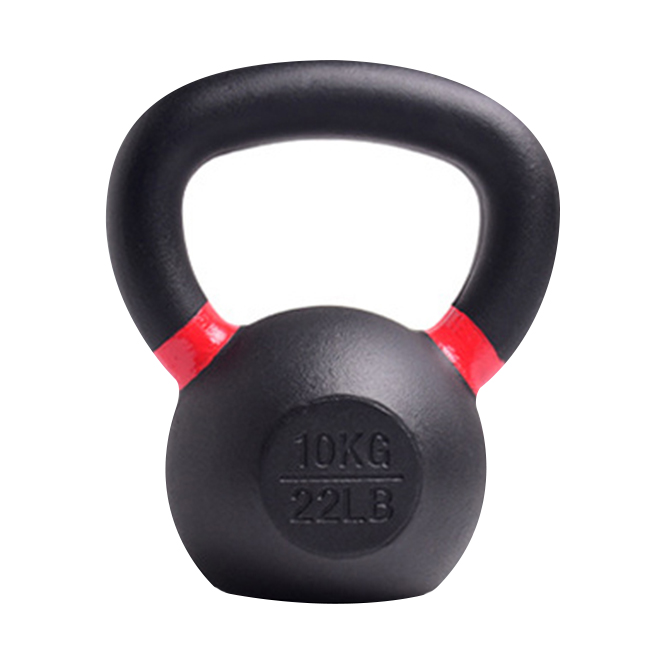
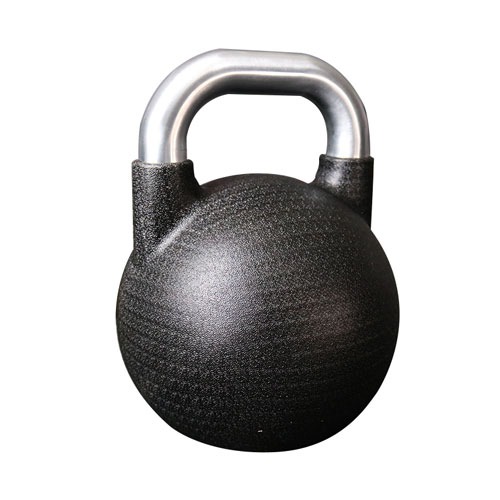
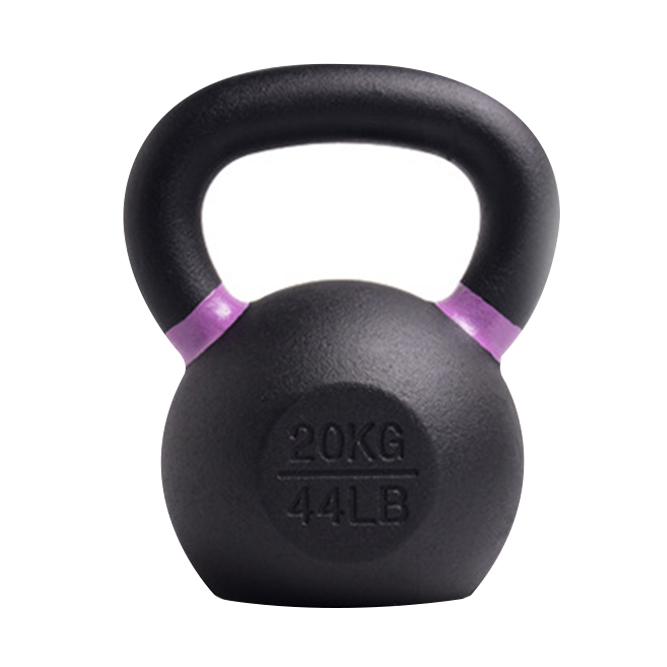
Single-piece casting involves pouring molten iron into a single mold, creating a monolithic structure where the handle and body are one continuous piece of metal. This method is the industry standard for high-traffic commercial environments because it eliminates the failure points found in assembly models, such as loose handles or structural cracks at the junction. While the initial wholesale unit cost may be slightly higher due to the specialized cast iron kettlebell production requirements, the lack of moving parts or seams significantly reduces replacement frequency and long-term maintenance costs.
In contrast, assembly models often utilize a separate handle welded or joined to a pre-cast body. While these are more cost-effective for low-volume orders, they present a higher risk of structural fatigue in high-intensity commercial settings. For professional sourcing, choosing a commercial kettlebell OEM factory that prioritizes single-piece casting ensures a more stable product that meets strict commercial gym standards for safety and longevity.
Technical Comparison: Single-Piece vs. Assembly Models
For procurement managers evaluating the total cost of ownership, the choice between a monolithic structure and an assembled unit is a critical decision. While assembly models may offer a lower initial landed cost, the long-term durability of the equipment depends heavily on the manufacturing route. A professional one piece casting kettlebell wholesale manufacturer will typically provide a qualitative tiering system to help importers align their inventory with specific market segments, from budget-friendly studios to premium commercial gyms.
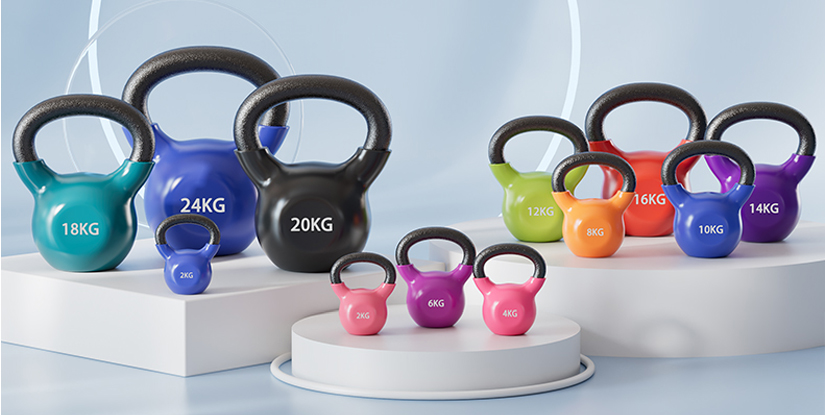
| Material & Structure | Production Process | Key Component Detail | Commercial Duty Tier | MOQ Impact | Factory QC Point |
|---|---|---|---|---|---|
| Single-Piece Cast Iron | Sand Casting | Monolithic handle-to-body junction | Premium Commercial | Higher (Standard Batch) | Concentricity & Base Flatness |
| Two-Piece Assembly | Casting + Welding | Welded handle-to-body junction | Standard/Budget | Lower (Flexible) | Weld Integrity & Joint Strength |
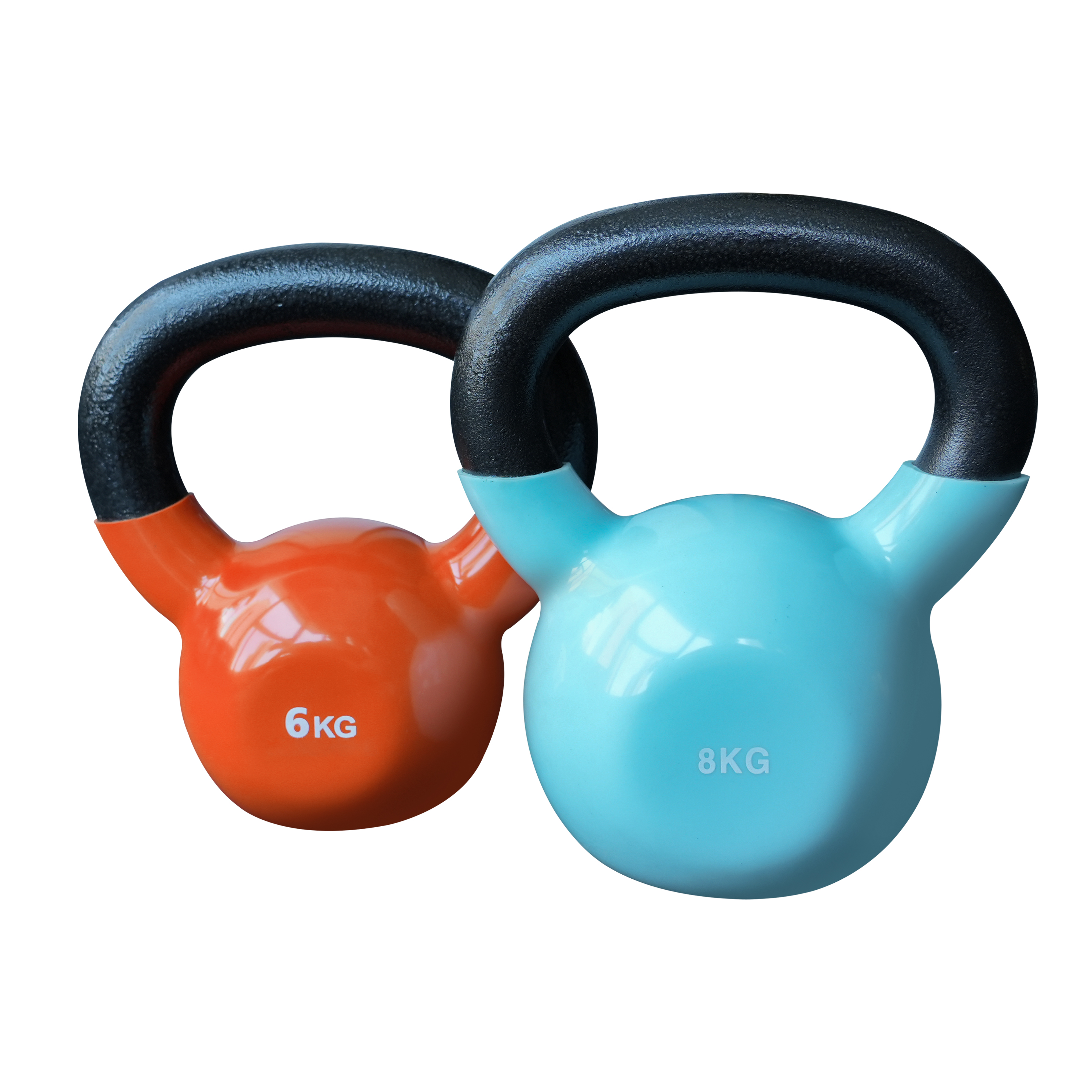
| Coated/Encapsulated | Casting + Molding | Integrated handle grip | High-End/Specialty | Highest (Customized) | Coating Adhesion & Layer Uniformity |
When managing a commercial kettlebell OEM factory order, it is essential to consider how these variations affect your distributor margins. Single-piece units, produced through rigorous cast iron kettlebell production, offer the highest stability for high-impact training. We recommend that importers request a sample approval or a factory audit to verify that the weight tolerance and surface finish meet their specific brand identity requirements before proceeding with a bulk order.
Optimizing the landed cost of a shipment requires more than just negotiating a low unit price; it requires a deep understanding of how a one piece casting kettlebell wholesale manufacturer manages the logistical complexities of high-volume export. For professional importers, the risk of receiving inconsistent batches or facing unexpected delays can erode distributor margins and damage brand reputation. A reliable factory must demonstrate control over every stage of the production-to-shipping pipeline.
Effective quality control begins long before the product reaches a container. In a professional cast iron kettlebell production environment, QC protocols must include rigorous weight tolerance spot-checks to ensure consistency across the entire weight range. Furthermore, because single-piece units are often used in high-impact settings, inspections must focus on the concentricity of the bell and the smoothness of the handle texture. A failure to verify these technical specs during the pre-shipment phase can lead to costly returns or replacement claims once the inventory reaches the end-user.
Beyond the physical product, managing the lead time is critical for maintaining steady inventory levels in the North American and global markets. A structured commercial kettlebell OEM factory will provide transparent timelines that account for both the casting cycle and the surface finishing stages. This includes time for the powder coating or enamel application to cure and stabilize. When planning a wholesale shipment, buyers should factor in these production windows alongside sea freight schedules to avoid stockouts during peak seasons.
Finally, the integrity of the shipment depends on professional export packaging. For heavy cast iron goods, standard packaging is often insufficient to prevent damage or rust during long-distance transit. We recommend that distributors confirm the use of reinforced cartons and moisture-resistant liners to protect the coating adhesion and prevent oxidation. Whether you are managing a small MOQ for a boutique studio or a massive container for a national distributor, ensuring that the packaging meets international shipping standards is a vital step in securing a predictable and efficient sourcing process.
Optimizing Procurement via China Factory Direct Sourcing
For international distributors and large-scale gym developers, the most effective way to optimize the landed cost of heavy iron equipment is to bypass middle-tier traders and secure a direct partnership with a one piece casting kettlebell wholesale manufacturer. Sourcing directly from a China factory eliminates unnecessary markup layers, allowing for higher profit margins on bulk orders and more predictable supply chain management.
A professional one piece casting kettlebell wholesale manufacturer provides more than just competitive pricing; they offer the structural stability required for high-traffic commercial environments. By managing cast iron kettlebell production in-house, a factory can maintain strict control over the entire manufacturing sequence—from the initial sand casting to the final powder coating—ensuring that every unit meets the rigorous weight and concentricity standards expected by global wholesale buyers. Whether you are looking for a standard commercial kettlebell OEM factory to develop a private label line or seeking to fulfill a large-scale equipment contract, direct sourcing ensures your MOQ requirements are met with consistent quality and optimized shipping volumes.
Technical Standards for Commercial-Grade Quality Control
Evaluating a potential one piece casting kettlebell wholesale manufacturer requires a technical assessment of their manufacturing tiers. High-traffic gym environments demand equipment that can withstand constant impact and heavy usage without structural failure. Procurement professionals must distinguish between budget-tier casting and premium-grade production to avoid high replacement rates and maintenance overhead in their client facilities.
| Material & Process | Key Component | Commercial Duty Tier | Factory QC Point |
|---|---|---|---|
| Single-piece Sand Casting | Handle-to-body junction | Premium Commercial | Concentricity & Base Flatness |
| Standard Cast Iron | Surface Coating | Standard Commercial | Coating Adhesion & Texture |
| Two-piece Assembly | Handle Grip | Budget/Light Use | Handle-to-body Weld Strength |
During cast iron kettlebell production, the most critical quality control factor is the weight tolerance and the integrity of the handle-to-body junction. In a single-piece cast model, the handle and the bell are a continuous unit, which inherently eliminates the failure points found in welded or assembled alternatives. When conducting a factory audit or requesting a sample, importers should inspect the surface finishing—specifically the powder coating or phosphate treatment—to ensure it provides sufficient grip and prevents premature oxidation. A reliable commercial kettlebell OEM factory will also perform routine weight calibration and concentricity checks to ensure each unit remains balanced during high-velocity movements, protecting your brand identity and long-term product reliability.
Customization and Branding Capabilities for Global Distributors
To differentiate your product catalog in competitive markets, leveraging the OEM and ODM capabilities of a professional one piece casting kettlebell wholesale manufacturer is essential. High-tier distributors often require more than just generic stock; they need the ability to implement custom branding to strengthen their market presence. This can range from precision-etched logos directly into the cast iron mold to specialized surface finishes that align with a specific brand identity. A sophisticated commercial kettlebell OEM factory can accommodate these requests by integrating branding into the early stages of the sand casting process, ensuring a permanent and professional finish that cannot be easily worn away by heavy use.
Beyond aesthetic customization, efficient sourcing requires a partner capable of managing complex logistics and specialized export packaging. For heavy iron products, packaging is not merely about protection but about optimizing container loading density to reduce the landed cost per unit. A professional factory will utilize reinforced, heavy-duty cartons and standardized palletization to prevent shifting and damage during long-haul maritime transit. When negotiating your next bulk order, it is highly recommended to confirm the lead time for both standard stock and customized private label runs. Clarifying these timelines and discussing MOQ thresholds for custom-molded handles or specific powder coating colors will ensure your inventory management remains seamless and your distributor margins stay protected.
Quality Control Standards and Export Packaging Protocols
For professional distributors and gym equipment importers, the risk of receiving batches with inconsistent weight or poor surface integrity can severely impact distributor margins and long-term brand reputation. A professional one piece casting kettlebell wholesale manufacturer mitigates these procurement risks by implementing rigorous inspection protocols at every stage of cast iron kettlebell production. Reliable sourcing requires verifying that the China factory maintains strict oversight over both the physical dimensions and the surface durability of each unit before they enter the export pipeline.
Standard quality control must address three critical commercial pillars: weight accuracy, handle ergonomics, and coating longevity. In a high-volume commercial kettlebell OEM factory, the inspection process typically begins with a concentricity check to ensure the single-piece cast body is perfectly balanced. Following this, a weight tolerance spot-check is conducted to ensure the units meet the specified commercial grade requirements. Finally, the surface finish consistency is evaluated, specifically testing the coating adhesion to prevent premature peeling or rusting during high-frequency commercial use. These steps are essential for maintaining the commercial durability expected by professional fitness facilities and high-end studio operators.
Standardized Pre-Shipment Inspection and Global Logistics Safety
To protect the landed cost and prevent damage during long-haul transit, a reputable one piece casting kettlebell wholesale manufacturer must prioritize robust export packaging protocols. For bulk orders, the risk of dented casting or scratched coatings is high if standard retail methods are used. Instead, professional cast iron kettlebell production lines utilize heavy-duty, reinforced packaging designed specifically for sea freight. This includes industrial-grade corrugated boxes and palletization techniques that ensure structural stability within a shipping container.
Effective commercial kettlebell OEM factory logistics involve a multi-layered protection strategy. Typically, each unit is individually wrapped or placed in customized dividers to prevent metal-on-metal impact. For large-scale wholesale shipments, the entire pallet is secured with high-tenseness stretch wrap and edge protectors before being loaded. This meticulous approach to shipping safety and container loading minimizes the risk of product loss, ensuring that your inventory arrives in a retail-ready state. We recommend that all buyers confirm specific packaging requirements and pallet dimensions during the initial quote process to optimize warehouse space and shipping efficiency.
Technical QC Checkpoint Matrix for Importers
To facilitate efficient factory audits and streamline your procurement workflow, we have outlined the essential inspection benchmarks used during the final stages of production. When evaluating a one piece casting kettlebell wholesale manufacturer, use this matrix to verify that their internal standards align with the requirements of your commercial clients. A high-performing commercial kettlebell OEM factory will provide transparency regarding these specific checkpoints to ensure long-term product reliability.
| QC Checkpoint | Inspection Method | Commercial Standard | Sourcing Value |
|---|---|---|---|
| Weight Accuracy | Periodic scale calibration and spot-check | Consistent weight tolerance within industry-standard bands | Ensures compliance with commercial weight specifications and prevents margin loss |
| Handle Ergonomics | Manual tactile inspection and visual check | Smooth knurling and seamless single-piece cast junction | Reduces user injury risks and enhances commercial durability |
| Surface Integrity | Coating adhesion and visual inspection | Uniform finish without pitting, cracks, or uneven coating | Prevents premature rust and maintains brand identity during high-use cycles |
| Base Flatness | Level surface testing | Stable, non-wobbling base for high-frequency use | Minimizes floor damage and ensures stability in professional gym settings |
| Export Packaging | Visual and structural load test | Reinforced corrugated boxes and secure palletization | Protects landed cost by minimizing transit-related damage |
When finalizing your cast iron kettlebell production order, we suggest requesting a sample evaluation or a detailed pre-shipment report. Confirming these technical details early—including specific MOQ tiers and custom branding options—will allow you to optimize your lead time and ensure the final shipment meets your exact commercial-grade specifications. Contact our team to discuss bulk pricing or to initiate a factory audit process.
Customization and Branding via OEM/ODM Services
For distributors and large-scale gym equipment importers, standard stock products often lack the distinctive identity required to build a premium brand presence. Engaging a professional one piece casting kettlebell wholesale manufacturer allows you to transition from a simple reseller to a specialized brand owner. By leveraging OEM and ODM capabilities, you can move beyond generic inventory to offer specialized product lines that meet specific commercial gym requirements, such as unique weight increments or specific handle textures.
The distinction between standard production and custom branding lies in the depth of technical control. While standard wholesale orders involve purchasing existing molds, ODM services provide the opportunity to develop proprietary molds, ensuring your product's silhouette and handle ergonomics are unique to your label. This level of private label development is essential for established suppliers looking to secure higher margins and long-term market positioning. Whether you require a specific China factory to adjust the powder coating color or embed a specialized logo into the casting, these services are designed to scale with your business growth.
Effective procurement planning requires a clear understanding of how customization affects your sourcing logistics. Specialized branding requests typically influence the MOQ and the overall lead time for shipment. For instance, a standard order of cast iron units may move quickly through the production line, but a custom branding project involving unique paint finishes or specialized packaging requires additional steps in the factory workflow, including specialized coating application and individual QC verification. We recommend coordinating these details during the initial wholesale inquiry to ensure your landed cost and delivery schedules remain predictable.
Sourcing Strategy: Standard Wholesale vs. Custom OEM/ODM
Selecting the right procurement model depends on your target market segment and capital allocation strategy. While standard bulk orders offer speed and lower entry costs, customized solutions through a commercial kettlebell OEM factory allow for greater market differentiation. Understanding these trade-offs is essential for optimizing your distributor margins and long-term inventory turnover.
| Procurement Dimension | Standard Wholesale Order | Custom OEM/ODM Project |
|---|---|---|
| Production Basis | Existing factory molds and standard colors | Proprietary molds and custom branding |
| Customization Scope | Limited to standard weight increments | Custom weights, colors, and handle textures |
| Production Complexity | Low; utilizes established cast iron kettlebell production lines | High; involves new mold development and specialized finishing |
| Typical MOQ | Lower; optimized for rapid stock replenishment | Higher; required to offset tooling and setup costs |
| Lead Time | Short; follows standard production and QC cycles | Extended; accounts for mold creation and custom powder coating |
| Commercial Value | Ideal for general retail and budget gym setups | Designed for premium branding and niche market leadership |
When evaluating your next batch, consider whether your business model favors high-volume turnover of stock items or the high-margin potential of a specialized private label. A professional one piece casting kettlebell wholesale manufacturer can support both paths, but the sourcing requirements differ significantly. For high-spec projects, we recommend requesting a detailed technical spec sheet and a sample evaluation to confirm that your custom specifications—such as specific knurling depth or branding placement—meet your brand's quality standards before full-scale production begins.
Technical Execution of Custom Branding and Quality Control
The technical integrity of a custom order depends on how well the one piece casting kettlebell wholesale manufacturer integrates branding into the fundamental manufacturing sequence. Unlike superficial labeling, high-end customization begins during the sand casting stage. This allows for permanent logo embossing directly into the iron body, ensuring that your brand identity remains intact even after years of heavy commercial use and surface abrasion. This method is preferred by premium distributors as it eliminates the risk of logo peeling or fading common with surface-only printing.
Following the casting process, the surface finishing stage becomes critical for both aesthetics and durability. For specialized orders, the application of powder coating must be strictly controlled to ensure high adhesion and a uniform thickness that does not compromise the handle ergonomics. A professional commercial kettlebell OEM factory utilizes specialized coating lines to prevent bubbling or cracking, which are common failure modes in lower-tier production. This level of detail is vital for maintaining a consistent brand image across your entire product catalog.
To mitigate the risks associated with custom production, a rigorous pre-shipment QC protocol is mandatory. Before any batch leaves the factory, inspectors must verify that the custom branding, coating adhesion, and weight tolerances align perfectly with your approved samples. Furthermore, because custom orders often involve non-standard dimensions or finishes, the export packaging must be reinforced to protect the specialized surfaces during long-distance transit. We advise all importers to book a factory audit or a third-party inspection to confirm that these technical specifications are met before the final container loading, ensuring your landed cost is not impacted by damaged or non-compliant inventory.