Adjustable Kettlebell China Manufacturer: Private Label OEM
Optimizing Commercial Floor Layouts with Adjustable Kettlebells
Boutique fitness studios and high-end hotel gyms often face the challenge of maximizing high-value square footage while maintaining a diverse training environment. Relying on a massive set of fixed-weight kettlebells requires significant floor real estate and creates fragmented training zones. By partnering with a professional adjustable kettlebell China manufacturer, operators can consolidate multiple weight increments into a single, compact station. This transition from static sets to versatile systems allows for more fluid movement patterns and a more open, premium aesthetic in the training area.
From a procurement standpoint, sourcing through an adjustable kettlebell wholesale model offers significant advantages in both space efficiency and long-term inventory management. Instead of managing dozens of individual SKUs and dedicated storage racks for every weight increment, a single high-quality adjustable unit covers a wide weight range coverage. This reduction in physical footprint directly improves the commercial floor layout, allowing distributors and gym owners to allocate more space to high-traffic functional training zones or specialized strength areas, ultimately increasing the utility of the facility.
For distributors looking to optimize their warehouse and shipping logistics, the commercial adjustable kettlebell supplier model provides a more streamlined approach to inventory. Rather than stocking a vast array of single-weight cast iron units, which are heavy and volume-intensive to ship, adjustable systems offer a higher value-to-volume ratio. This optimization helps in managing landed costs and simplifies the complexity of bulk orders, as a single product line can satisfy a broad spectrum of client needs, from strength training to metabolic conditioning.
Efficiency Comparison: Adjustable vs. Fixed Kettlebell Systems
When evaluating procurement strategies for functional training zones, decision-makers must weigh the immediate lower cost of fixed units against the long-term operational efficiency of adjustable systems. For many professional buyers, the decision is not merely about the initial purchase price, but about the total cost of ownership and the optimization of facility assets. A professional China kettlebell factory OEM can provide varied configurations that balance mechanical durability with high-density storage capabilities.
The following table outlines the qualitative differences between these two equipment types to assist in your sourcing and facility planning. This comparison focuses on the metrics most critical to distributors and commercial gym operators, such as space-to-weight ratio and maintenance requirements.
| Metric | Fixed Cast Iron Kettlebells | Adjustable Kettlebell Systems |
|---|---|---|
| Space-to-Weight Ratio | Low (requires large footprints for weight progression) | High (consolidates multiple weights into one unit) |
| Storage Footprint | Extensive (requires multiple heavy-duty racks) | Compact (minimal storage area per weight increment) |
| Procurement Cost | Lower per individual unit | Higher per unit, but lower per weight increment coverage |
| Maintenance | Low (simple surface coating upkeep) | Moderate (requires mechanical/adjustment check) |
| Durability | High (solid single-piece construction) | High (depending on internal mechanism quality) |
| Inventory Complexity | High (managing many individual SKUs) | Low (managing fewer, versatile SKUs) |
For distributors and gym owners, the primary advantage of selecting an adjustable kettlebell China manufacturer for their inventory is the ability to offer a high-performance training solution that scales with the user. While fixed iron bells are standard for traditional strength training, the adjustable model serves as a strategic tool for maximizing revenue-generating floor space. When planning your next bulk order, consider how the reduced storage footprint and versatile weight coverage can improve your facility's layout and long-term ROI.
| Metric | Fixed Cast Iron Kettlebells | Adjustable Kettlebell Systems |
|---|---|---|
| Space-to-Weight Ratio | Low (requires large footprints for weight progression) | High (consolidates multiple weights into one unit) |
| Storage Footprint | Extensive (requires multiple heavy-duty racks) | Compact (minimal storage area per weight increment) |
| Procurement Cost | Lower per individual unit | Higher per unit, but lower per weight increment coverage |
| Maintenance | Low (simple surface coating upkeep) | Moderate (requires mechanical/adjustment check) |
| Durability | High (solid single-piece construction) | High (depending on internal mechanism quality) |
| Inventory Complexity | High (managing many individual SKUs) | Low (managing fewer, versatile SKUs) |
For distributors and gym owners, the primary advantage of selecting an adjustable kettlebell China manufacturer for their inventory is the ability to offer a high-performance training solution that scales with the user. While fixed iron bells are standard for traditional strength training, the adjustable model serves as a strategic tool for maximizing revenue-generating floor space. When planning your next bulk order, consider how the reduced storage footprint and versatile weight coverage can improve your facility's layout and long-term ROI.
Material Standards for High-Volume Sourcing: Cast Iron vs. Steel
Selecting the correct base material is a critical sourcing decision that directly impacts the total cost of ownership for distributors and gym operators. When engaging an adjustable kettlebell China manufacturer, procurement professionals must distinguish between the traditional durability of cast iron and the precision-engineered characteristics of steel-based units. Choosing the wrong material profile can lead to higher maintenance costs and diminished ROI in high-traffic commercial environments.
For many importers, the choice depends on the intended market tier. While cast iron remains a staple for standard commercial gym wholesale orders due to its cost-effective production, steel-based adjustable models often provide a more compact footprint and higher precision. Understanding these material trade-offs is essential when evaluating a commercial adjustable kettlebell supplier to ensure the final product meets the rigorous demands of professional strength training facilities.
| Material Type | Primary Manufacturing Process | Commercial Duty Tier | Maintenance Profile | Impact on Landed Cost |
|---|---|---|---|---|
| Cast Iron | Sand Casting | Standard Commercial | Moderate (Requires coating upkeep) | Lower (Ideal for high-volume wholesale) |
| Steel (Plate-based) | Precision Machining & Assembly | Premium/Competition | Low (High durability/stability) | Higher (Reflects precision engineering) |
| Ductile Iron | Advanced Casting | High-Impact Commercial | Low (Better impact resistance) | Mid-Range |
When negotiating with a China kettlebell factory OEM, buyers should request specific details regarding the handle-to-body junction and the weight calibration methods used for each material. A professional adjustable kettlebell China manufacturer will typically offer different OEM specifications based on whether the unit utilizes a single-piece cast design or a multi-component steel assembly, ensuring the product aligns with your brand's quality positioning.
A common failure mode in lower-tier procurement is the neglect of the surface finish and handle texture, which can lead to rapid degradation in high-use environments. For example, in standard sand casting, the quality of the phosphate treatment or the thickness of the powder coating determines how well the unit resists oxidation and surface wear. When auditing a China kettlebell factory OEM, it is standard practice to inspect the coating adhesion and the precision of the knurling on the handle, as these components are the first to show signs of wear under heavy commercial use.
To mitigate long-term maintenance costs, we recommend requesting sample evaluations that focus on the base flatness and the weight tolerance spot-check. A reliable adjustable kettlebell China manufacturer will provide clear documentation on their weight calibration process, ensuring that the internal components of the steel or iron units remain stable during high-frequency transitions. For distributors, prioritizing units with a high-quality coating or a robust single-piece cast design can significantly reduce replacement frequency and improve the overall value of your adjustable kettlebell wholesale inventory.
The distinction between cast iron and steel-based construction goes beyond surface aesthetics; it is a fundamental factor in long-term maintenance and precision. In high-traffic facilities, the precision of weight increments is a primary concern for professional users. While sand casting is a standard, cost-effective method for bulk wholesale orders, it can sometimes result in slight variations in weight tolerance if the factory does not implement rigorous calibration. Conversely, steel-based adjustable systems often rely on more intricate machining processes to ensure consistent weight shifts and a tighter precision standard, making them a preferred choice for premium commercial studio clients.
Surface durability also dictates the frequency of replacement and the overall maintenance load for a distributor. A high-quality powder coating application is essential to prevent oxidation and handle degradation. When sourcing from a commercial adjustable kettlebell supplier, it is vital to verify the durability of the finish. A robust powder coating or phosphate treatment ensures that the equipment remains visually and functionally intact despite heavy use and environmental exposure. Neglecting these technical specifications during the sourcing phase often leads to increased after-sales support requests and higher replacement costs for the end-user.
To ensure your inventory meets professional standards, we recommend a structured pre-shipment inspection protocol. When coordinating with your adjustable kettlebell China manufacturer, request specific data on lead time and production capacity for your OEM or ODM requirements. It is highly effective to request samples that specifically demonstrate the weight tolerance stability and the adhesion strength of the powder coating. Confirming these technical benchmarks before finalizing a bulk order will protect your margins and ensure your brand is associated with reliable, high-performance commercial equipment.
Manufacturing Processes and Precision in Adjustable Kettlebell Production
For professional distributors and gym equipment importers, the structural integrity of an adjustable kettlebell China manufacturer determines the long-term TCO (Total Cost of Ownership) and brand reputation. Unlike standard single-weight units, adjustable models require a sophisticated integration of casting and mechanical engineering to ensure weight stability during high-intensity training.
A reliable China kettlebell factory OEM typically employs a multi-stage production sequence to ensure commercial-grade durability. The process begins with high-quality cast iron, often utilizing sand casting to create the primary bell shape. Once the raw casting is complete, the components undergo CNC machining to ensure the precision of the handle-to-body junction and the internal weight tracks. This precision is critical for the adjustable mechanism, as any misalignment can lead to friction or mechanical failure during use.
To meet international commercial standards, a professional commercial adjustable kettlebell supplier must implement rigorous weight calibration and concentricity checks. This ensures that the center of gravity remains consistent as weights are added or removed. Furthermore, the surface finish—whether it be a powder coating or a specialized enamel—must undergo adhesion testing to prevent peeling under heavy use, a common failure mode in lower-tier production. For buyers focusing on adjustable kettlebell wholesale, verifying these technical steps during a factory audit is essential for minimizing after-sales replacement costs.
Technical Comparison of Surface Finishes and Production Methods
When sourcing for premium studios or high-traffic commercial facilities, the choice between different surface treatments directly impacts both the landed cost and the long-term maintenance load. A professional adjustable kettlebell China manufacturer will offer various finishing options to suit different market segments, ranging from standard commercial-grade to high-end premium tiers. Understanding these technical trade-offs is vital for distributors managing inventory diversity and client expectations.
| Production Method | Surface Finish | Durability Level | Commercial Application | Maintenance Requirement |
|---|---|---|---|---|
| Sand Casting & Machining | Powder Coating | High | Standard Commercial Gyms | Low; resistant to oxidation |
| Precision Casting | PU Coating | Premium | Boutique Studios & High-End Training | Minimal; protects against impact |
| Die Casting | Enamel / Paint | Moderate | Budget-Conscious Training Centers | Moderate; prone to chipping over time |
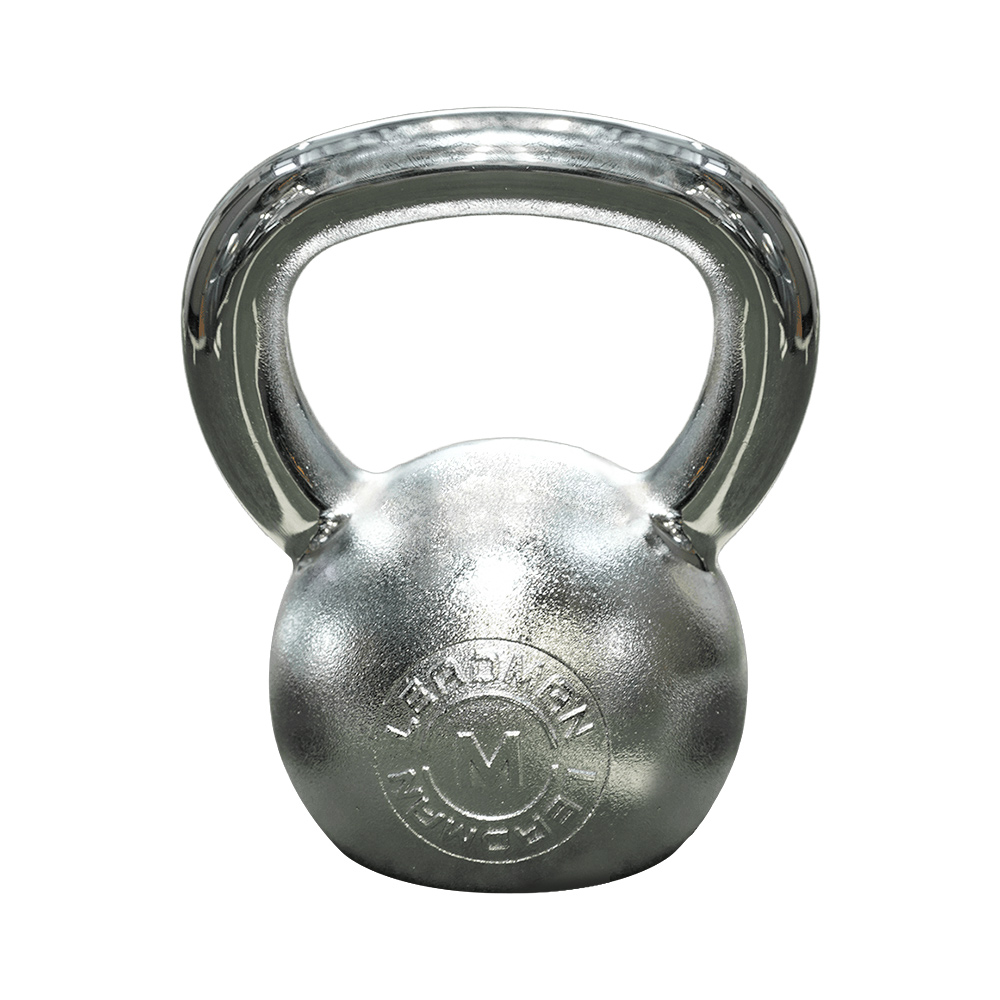
| Machined Steel Assembly | Chrome Finish | Professional | Competition & High-Performance Training | Low; high resistance to wear |
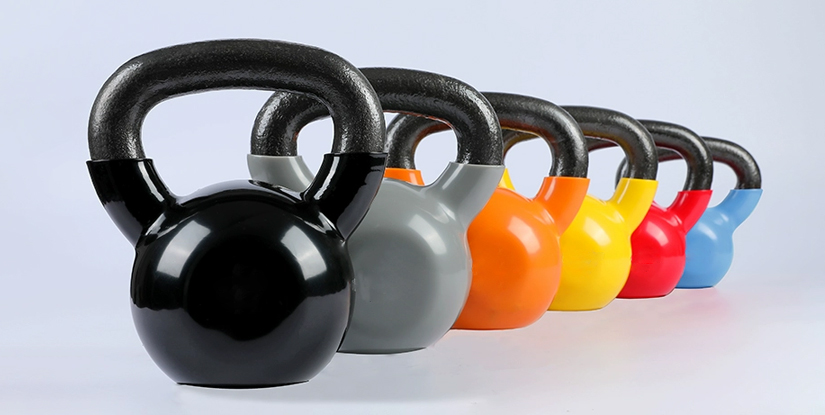
For importers focusing on high-volume adjustable kettlebell wholesale, the distinction between powder coating and PU coating is a key decision point. Powder coating provides a robust, textured grip and excellent resistance to scratches, making it a standard for heavy-duty gym environments. In contrast, a high-quality PU coating offers a smoother, more ergonomic feel and enhanced floor protection, which is often preferred for premium lifestyle brands. When evaluating a China kettlebell factory OEM, we recommend requesting sample evaluations of the coating adhesion to ensure the finish can withstand the mechanical friction inherent in adjustable weight systems.
Internal Mechanism and Assembly Integrity
The reliability of an adjustable system rests heavily on the internal weight mechanism and the precision of the handle-to-body junction. In many commercial settings, the most common failure point is the mechanical friction caused by uneven weight distribution or loose assembly. A high-tier adjustable kettlebell China manufacturer ensures that the internal tracks are free of casting debris and that the movement of weight plates or pins is fluid and consistent. This mechanical stability is vital for maintaining a balanced center of gravity, which directly affects the user experience and the long-term durability of the product.
Before any bulk order is palletized, a professional commercial adjustable kettlebell supplier must conduct a thorough pre-shipment QC. This includes a weight tolerance spot-check to ensure that every unit in the shipment meets the specified weight range without significant deviation. Furthermore, the assembly of the handle and the connection points must be inspected for structural rigidity to prevent loosening during high-velocity movements. For distributors and importers, these rigorous QC protocols are the best defense against high return rates and protect the distributor margin by ensuring the landed cost is not offset by unexpected replacement expenses.
Critical QC Checkpoints for China Kettlebell Factory OEM Orders
When managing high-volume procurement, the risk of high landed costs often stems from overlooked defects in the manufacturing stage. For distributors and gym chains, a single faulty batch can lead to significant replacement expenses and damaged brand reputation. Selecting a reliable adjustable kettlebell China manufacturer ensures that every unit meets strict commercial-grade standards before leaving the factory.
A professional commercial adjustable kettlebell supplier must implement rigorous inspection protocols to mitigate bulk order risks. In many commercial settings, the most common failure modes involve inconsistent weight tolerance or compromised mechanism reliability within the adjustable weight compartments. Without standardized pre-shipment testing, importers may face high return rates due to components that do not align or weight increments that deviate from the specified scale.
To ensure long-term ROI and minimize maintenance-related downtime, procurement teams should prioritize sourcing partners that utilize systematic quality control. A qualified China kettlebell factory OEM will typically perform multi-stage inspections—ranging from the initial casting and machining of the internal weight plates to the final calibration of the adjustment mechanism—ensuring that the wholesale units are durable enough for high-traffic commercial environments.
Technical Inspection Checklist for High-Volume Procurement
To prevent post-delivery disputes and ensure a high standard of durability, professional buyers must evaluate specific mechanical and surface-level attributes. When you engage an OEM partner, your technical audit should focus on the structural integrity of the moving parts and the longevity of the exterior finish.
A thorough pre-shipment inspection should verify the following technical specifications to ensure the adjustable kettlebell wholesale order meets commercial expectations:
- Mechanism Precision: Test the handle mechanism and weight selection increments. The internal components must move smoothly without catching or jamming, ensuring the weight remains stable during high-intensity use.
- Weight Calibration: Verify that the weight distribution is concentric. Importers should request that the China kettlebell factory OEM performs regular spot-checks to ensure the actual weight aligns with the branded markings.
- Coating Adhesion: Inspect the surface finish, particularly the powder coating or encapsulation layer. The coating must show no signs of peeling or bubbling, which is essential for preventing rust and maintaining aesthetics in humid gym environments.
- Assembly Precision: Examine the handle-to-body junction and any fastening points. The assembly must be seamless to prevent ergonomic discomfort or structural failure under heavy load.
- Base Flatness: Ensure the bottom of the kettlebell is level to prevent wobbling, which can cause instability during floor-based exercises.
By implementing these specific inspection points, distributors can minimize the total cost of ownership (TCO) and reduce the need for after-sales support. We recommend requesting a sample or a detailed technical specification sheet to confirm that your adjustable kettlebell China manufacturer adheres to these industry-standard commercial benchmarks before finalizing your bulk order.
| Material & Process Tier | Key Component Focus | Commercial Duty Level | Typical Procurement Context | Factory QC Priority |
|---|---|---|---|---|
| Cast Iron with Powder Coating | Handle-to-body junction & grip texture | Standard Commercial | High-volume retail & budget gym wholesale | Coating adhesion & base flatness |
| Ductile Iron with Precision Machining | Internal weight plate concentricity | Premium Commercial | High-traffic studios & boutique fitness sourcing | Weight tolerance & mechanism smoothness |
| Advanced Steel with Multi-layer Finish | Adjustment mechanism & locking pins | Elite/Competition Grade | Specialized training facilities & OEM branding | Mechanical movement & component durability |
Evaluating these tiers allows importers to align their adjustable kettlebell wholesale strategy with their specific market positioning. Whether you require a cost-effective solution for general fitness distribution or a high-precision unit for professional strength training, understanding the relationship between manufacturing complexity and commercial durability is essential for long-term profitability.
Custom Branding and Private Label Capabilities for Distributors
For professional distributors and equipment importers, transitioning from selling generic fitness products to establishing a recognized brand is a critical strategic move. Relying on a professional adjustable kettlebell China manufacturer allows you to move beyond simple commodity trading and into high-margin brand building. By leveraging private label services, you can integrate your unique brand identity directly into the product through custom logo plates, specific colorway requirements, or specialized handle textures, ensuring your catalog stands out in a crowded commercial market.
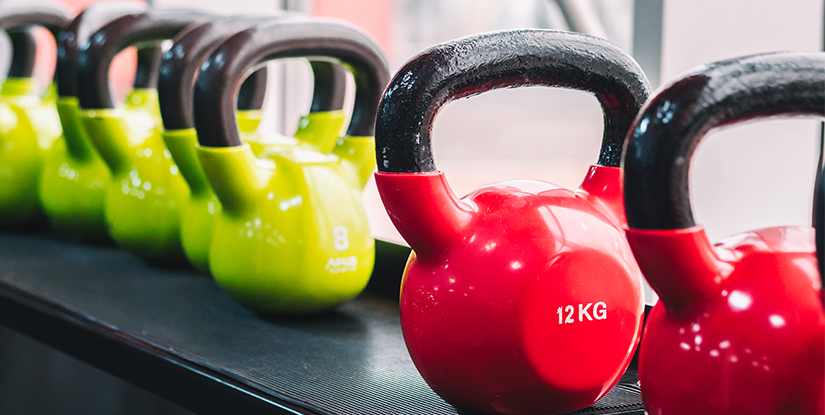
The primary advantage of this approach is the significant increase in distributor margin. When you source through OEM or ODM workflows, you are no longer competing solely on the lowest unit price of a generic item; instead, you are offering a proprietary solution that carries your market authority. A specialized China factory can accommodate these customization requests by integrating your branding during the casting or coating stages, such as precision laser-etched logos on the base or custom powder coating colors that align with your brand aesthetic. While these customized orders typically require a specific MOQ to ensure production efficiency, the long-term value lies in the market differentiation and the ability to build customer loyalty through a consistent, professional product line.
Technical Execution of Custom Branding and Surface Finishing
Achieving a professional aesthetic requires more than just a simple sticker; it requires a deep integration of branding into the manufacturing workflow. A high-tier adjustable kettlebell China manufacturer utilizes several industry-standard methods to ensure your logo survives the high-impact environment of a commercial gym. For premium clients, we offer laser etching or CNC machining on the metal surfaces to create a permanent, recessed logo that cannot be worn away by repeated use. For higher volume wholesale orders where cost-efficiency is a priority, silk screen printing or heat-transfer methods are commonly used to apply high-contrast graphics to the body or handle.
Beyond logos, color customization is a vital tool for distributors looking to match specific studio aesthetics. We provide various surface finishing options, most notably high-durability powder coating. Unlike standard liquid paint, which may chip or peel under heavy use, industrial powder coating is applied electrostatically and cured under heat to create a thick, resilient layer. This process ensures superior commercial durability and prevents the oxidation of the underlying metal. Whether you require a matte black finish for a minimalist strength studio or vibrant colors for a boutique fitness brand, our China kettlebell factory OEM capabilities allow for precise color matching to maintain your brand consistency across all product lines.
To ensure the highest quality control standards, every customized unit undergoes a rigorous inspection of its coating adhesion and surface uniformity. This includes checking that the custom branding remains legible and that the finish is free of bubbles or uneven thickness before the units are cleared for export. For those pursuing adjustable kettlebell wholesale, these technical details are what differentiate a budget-tier product from a professional-grade implement that protects your reputation as a reliable supplier.
Comparison of Sourcing Models for Commercial Importers
Selecting the correct procurement path depends on your target market segment and the scale of your distribution network. While standard wholesale orders offer speed and lower initial costs, a specialized commercial adjustable kettlebell supplier can provide deeper customization to enhance your brand authority. The following table illustrates the typical trade-offs between purchasing stock items and utilizing full manufacturing services to assist in your decision-making process.
| Feature / Sourcing Tier | Standard Wholesale (Stock) | Custom OEM/ODM Solution |
|---|---|---|
| Customization Level | Minimal (Standard colors/sizes) | High (Custom logos, colors, & specs) |
| Branding Options | Generic or standard manufacturer mark | Full private label integration |
| Packaging | Standard export cartons | Customized branded packaging/sleeves |
| Typical Lead Time | Short (Ready-to-ship) | Extended (Production + QC cycles) |
| MOQ Requirement | Lower / Flexible | Higher (To ensure production efficiency) |
| Cost Impact | Lower unit cost (High volume/low risk) | Higher initial investment (High margin) |
| Long-term ROI | Fast turnover of commodity goods | Builds long-term brand equity & loyalty |
When evaluating your next batch, consider whether your business model prioritizes rapid inventory turnover or the establishment of a premium product line. For distributors seeking to minimize landed cost while maintaining a competitive edge, a hybrid approach—ordering high-volume stock for immediate availability and specialized OEM batches for your flagship collections—is a common industry practice. We recommend requesting a detailed spec sheet or discussing your specific MOQ requirements with us to determine the most efficient path for your upcoming procurement cycle.
Sourcing Strategy: MOQ, Lead Times, and Export Logistics
Optimizing your procurement pipeline requires a deep understanding of how an adjustable kettlebell China manufacturer manages production cycles against global demand. For distributors and gym equipment importers, the relationship between order volume and logistics is the primary driver of landed cost and inventory turnover. Efficient wholesale procurement relies on aligning your seasonal stock requirements with the factory production schedule to avoid stockouts or excessive warehousing fees.
When planning bulk orders, professional buyers must account for the inherent customization complexity of adjustable units. Unlike single-piece cast iron models, adjustable versions involve multiple moving components, internal weight mechanisms, and precision-fit shells. This complexity directly impacts the production cycle and the lead time required from the moment a China factory confirms your OEM or ODM specifications to the final pre-shipment inspection.
Managing these variables is essential for a commercial adjustable kettlebell supplier to ensure consistent margins. Higher volume tiers typically allow for more competitive pricing and stabilized shipping windows, whereas smaller, highly customized runs may face extended wait times due to specialized assembly requirements. A structured sourcing plan that accounts for these fluctuations will ultimately protect your ROI and ensure your facility or retail network remains fully operational.
Comparison of Sourcing Models for Commercial Distributors
To maximize distributor margins, procurement leads must choose between ready-to-ship stock and customized production. Selecting a commercial adjustable kettlebell supplier involves evaluating whether the immediate availability of standard models outweighs the long-term brand equity gained through custom specifications. For many, the decision hinges on balancing the landed cost against the need for a unique product identity in a competitive market.
| Sourcing Model | Customization Level | Inventory Impact | Typical MOQ | Logistics Focus |
|---|---|---|---|---|
| Standard Wholesale | Low (Standard colors/logos) | Fast turnover; low storage risk | Lower | Standard export packaging |
| China kettlebell factory OEM | High (Custom weights/materials) | Requires planned warehousing | Higher | Customized palletization |
| Adjustable kettlebell wholesale (Stock) | Minimal (Pre-set configurations) | Immediate shipping availability | Variable | Optimized container loading |
When pursuing adjustable kettlebell wholesale through a China kettlebell factory OEM model, buyers should request a detailed breakdown of the shipping and inventory management protocols. A professional supplier will provide clear timelines for customization, including the time required for specialized component sourcing and the subsequent pre-shipment quality checks. We recommend confirming the MOQ and total landed cost early in the negotiation phase to ensure your sourcing strategy aligns with your annual budget and warehouse capacity.
Ensuring Product Integrity Through Export-Grade QC and Packaging
Long-distance maritime transit presents significant physical risks to precision-engineered equipment. For a professional adjustable kettlebell China manufacturer, the final stage of the production line is as critical as the casting process itself. Without rigorous protocols, the complex internal mechanisms of adjustable units are vulnerable to vibration, impact, and moisture during container loading and sea freight. To protect your wholesale margins and ensure a high level of customer satisfaction, every batch must undergo a standardized verification sequence before leaving the factory.
A reliable supplier implements a multi-stage quality control process that focuses on both structural and functional integrity. During the pre-shipment phase, technical inspectors perform a weight tolerance spot-check to ensure every unit meets the specified commercial grade. Beyond weight, the inspection must verify the handle durability and the concentricity of the assembly to prevent mechanical binding. This scrutiny ensures that the precision-fit components required for an adjustable kettlebell China manufacturer standard are maintained, regardless of the volume of the bulk order.
The final layer of defense is professional export packaging designed for heavy-duty logistics. Standard retail packaging is insufficient for the weight and density of kettlebell shipments. Instead, a professional China factory utilizes reinforced corrugated cartons, high-density foam inserts to protect the grip and knurling, and heavy-duty corner protection. For adjustable kettlebell wholesale orders, items are typically palletized and shrink-wrapped to maximize shipping safety and optimize container loading efficiency. This meticulous approach minimizes the risk of transit-related damage, reducing your replacement costs and ensuring the product arrives ready for immediate commercial use.