Private Label Kettlebell Guide: China Factory OEM/ODM
Strategic Value of a Private Label Kettlebell Guide for Global Distributors
Many distributors fail by acting as mere resellers of generic stock, leaving them vulnerable to price wars and low distributor margin. A professional private label kettlebell guide reveals a superior path: transitioning from a middleman to a brand owner by leveraging direct China factory capabilities. By utilizing OEM and ODM services, you move beyond commodity trading to build a proprietary brand identity that commands higher market value and long-term customer loyalty.
The transition from purchasing off-the-shelf products to developing custom branded kettlebells allows for better control over product differentiation. When you work with a specialized wholesale kettlebell manufacturer, you are no longer just buying weight; you are investing in a scalable business model. This strategic shift ensures that your inventory reflects your specific quality standards and aesthetic requirements, rather than the generic specifications of a standard supplier.
Understanding the economic shift between standard procurement and specialized manufacturing is essential for long-term scalability. The following comparison highlights how moving toward private label fitness equipment solutions impacts your operational efficiency and market positioning.
| Sourcing Dimension | Generic Wholesale Model | Private Label (OEM/ODM) Model |
|---|---|---|
| Brand Control | None; selling unbranded or generic items | Full control over brand identity and logo |
| Product Differentiation | Low; identical to all other resellers | High; unique colors, textures, and specs |
| Profit Margin | Limited by high market competition | Optimized through direct factory-to-distributor value |
| Quality Consistency | Variable; dependent on current batch luck | Standardized via strict factory QC protocols |
| Market Position | Price-taker in a commodity market | Price-setter with a proprietary brand |
| Sourcing Complexity | Low; simple one-off bulk orders | Moderate; requires technical spec alignment |
For professional importers, the decision to move from simple wholesale purchasing to a structured private label kettlebell guide approach is a decision to stabilize your supply chain. While generic sourcing offers immediate speed, the OEM model provides the structural foundation required to scale a professional fitness brand across global markets.
Optimizing your procurement strategy requires a deep understanding of the total landed cost beyond the initial unit price. For high-volume importers, the true cost of a shipment is determined by the intersection of MOQ, shipping efficiency, and rigorous quality control. A professional private label kettlebell guide emphasizes that sourcing directly from a China factory allows you to mitigate the risks of hidden expenses, such as high return rates from defective batches or unexpected duties caused by improper HS code classification. By aligning your order with a specialized wholesale kettlebell manufacturer , you can optimize container loading patterns to reduce per-unit shipping costs, effectively lowering your total landed cost while increasing your competitive edge in the local market. Scalability is often limited by the lack of control over lead time and production capacity. When distributors rely on trading companies rather than direct sourcing from an OEM or ODM facility, they frequently encounter inconsistent stock availability and unpredictable delivery windows. A structured approach to private label fitness equipment ensures that as your demand grows, your production partner can scale alongside you. This includes implementing strict pre-shipment QC protocols to maintain brand reputation and ensuring that export packaging is rugged enough for international maritime transit. Ultimately, professionalized procurement transforms your supply chain from a recurring expense into a predictable, scalable asset.
Technical Specifications and Material Selection for Commercial Use
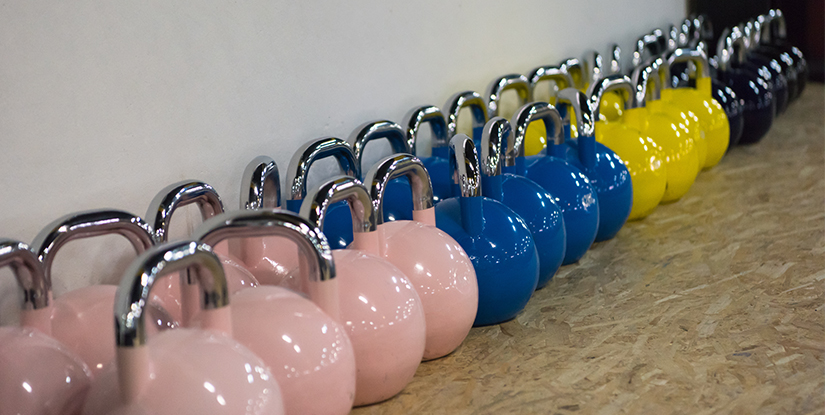
Selecting the right base material is a critical decision in any private label kettlebell guide, as it directly dictates the long-term replacement cycle and total cost of ownership for your clients. When sourcing from a China factory, distributors must evaluate how different casting methods affect commercial durability and weight tolerance to ensure consistent wholesale value.
The choice between cast iron vs steel affects not only the aesthetic finish but also the structural integrity under high-volume usage. For high-traffic commercial facilities, material consistency is non-negotiable; a single batch with uneven weight distribution can damage a distributor's reputation. Utilizing a professional wholesale kettlebell manufacturer ensures that every unit meets strict industrial standards for density and balance.
| Material Type | Durability Profile | Weight Tolerance | Ideal Sourcing Use Case |
|---|---|---|---|
| Cast Iron | High impact resistance | Standard industrial precision | Mass-market custom branded kettlebells |
| Steel Shell/Sand-Filled | Excellent for high-impact | High precision/consistency | Premium private label fitness equipment |
| Solid Steel | Maximum longevity | Extreme precision | Elite professional training lines |
Beyond structural integrity, the surface finish and coating application are essential variables in the private label kettlebell guide. A poorly executed coating can lead to premature peeling or oxidation, increasing maintenance costs for the end-user and reducing the perceived value of your custom branded kettlebells. Professional buyers should verify the coating thickness and adhesion strength during the pre-shipment inspection process to ensure long-term reliability in high-humidity or high-use environments.
| Material / Coating Type | Surface Finish Characteristics | Maintenance Requirement | Best For Wholesale Application |
|---|---|---|---|
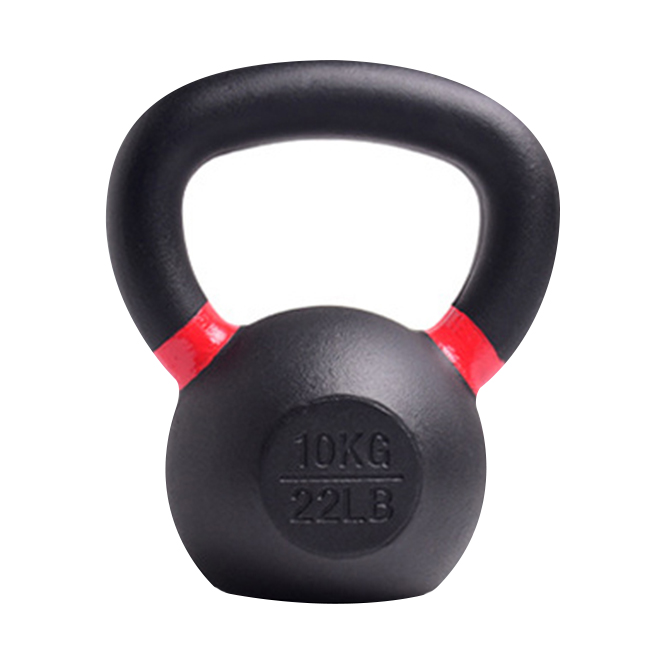
| Powder Coated Cast Iron | Matte or textured, high grip | Low; resistant to minor scuffs | Standard commercial gym sets |
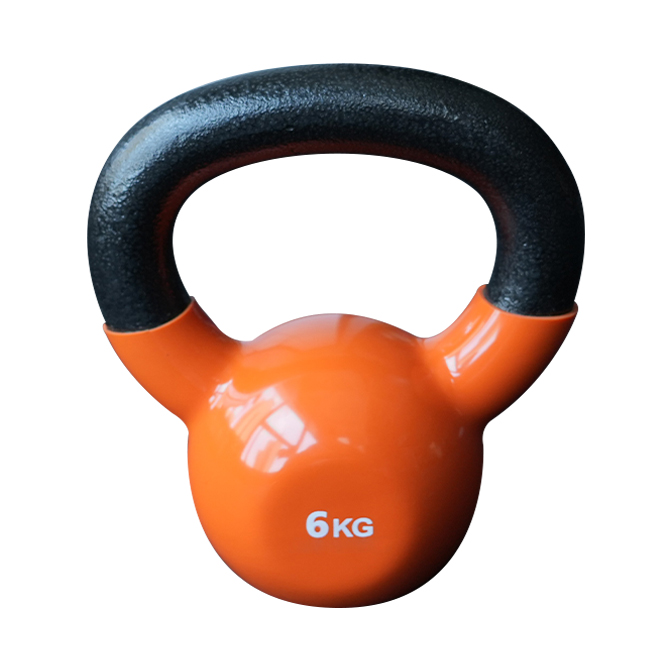
| Vinyl / Neoprene Coated | Smooth, color-customizable | Moderate; prone to tearing/peeling | Studio-based or boutique fitness |
| Painted Steel | Glossy or satin finish | High; susceptible to impact chips | Lightweight or specialized training |
| Raw / Uncoated Iron | Industrial, rugged aesthetic | High; requires oiling to prevent rust | Traditional strength and conditioning |
When evaluating your next batch, consider how these surface options align with your brand identity and the specific environment of your target clients. A wholesale kettlebell manufacturer can often provide customized color options via powder coating to differentiate your product line. To ensure these finishes meet your standards, we recommend requesting a sample evaluation or a detailed spec sheet to confirm that the coating thickness and durability align with your expected landed cost and quality requirements.
Ergonomics and Manufacturing Precision in Bulk Production
While material density is fundamental, the tactile experience of the user is defined by handle ergonomics and manufacturing precision. For distributors, a failure in these fine details can lead to high return rates and diminished brand trust. A professional wholesale kettlebell manufacturer must ensure that the handle diameter and grip texture are consistent across all weight increments, as deviations in handle geometry can cause user fatigue or safety concerns in a high-volume commercial setting.
Precision in the casting and molding stages is critical to avoid structural flaws. When developing custom branded kettlebells, the internal weight distribution must be perfectly centered to prevent "wobble" during high-velocity movement. This level of accuracy requires advanced tooling and a rigorous quality control (QC) protocol. Buyers should demand specific tolerances for both the handle clearance and the overall weight deviation to ensure that every unit in a bulk shipment performs identically to the approved sample.
Furthermore, the application of the surface coating—whether it is a rugged powder coating or a sleek paint finish—must be uniform across the entire surface and the handle area. Inconsistent application can lead to grip issues or premature wear, which increases the maintenance load for gym operators. To mitigate these risks, we advise all professional buyers to include a formal pre-shipment inspection in their sourcing strategy. This allows you to verify that the surface texture, handle ergonomics, and coating adhesion meet the high standards required for your private label fitness equipment line before the final container loading.
OEM and ODM Capabilities: Customizing Your Brand Identity
Understanding the technical nuances of the private label kettlebell guide is essential for distributors looking to move beyond generic stock. Whether you are scaling a fitness brand or launching a specialized strength line, choosing between manufacturing models determines your control over product differentiation and long-term brand equity.
For professional importers, the private label kettlebell guide distinguishes between two primary production paths: OEM and ODM. An OEM (Original Equipment Manufacturer) approach allows you to use a standard, high-quality base design from the China factory and apply your specific branding. This typically involves custom branding through precision logo application, such as laser etching or high-durability silk screening, alongside color/texture customization to match your brand identity. This is the most efficient route for maintaining high margins while establishing a recognizable market presence.
Conversely, an ODM (Original Design Manufacturer) engagement offers deeper integration. This is ideal for distributors seeking custom branded kettlebells with unique structural or ergonomic features that deviate from standard industry specifications. With ODM, you are not just adding a logo; you are collaborating on the mold design, handle diameter, or specialized coatings. While this requires a higher MOQ and longer lead time, it provides a significant competitive advantage by allowing you to own a unique product specification that cannot be easily replicated by competitors sourcing from a standard wholesale kettlebell manufacturer.
| Feature/Requirement | OEM Model | ODM Model |
|---|---|---|
| Product Design | Standard factory molds | Custom mold development |
| Branding Scope | Logo and color application | Full structural and aesthetic customization |
| Sourcing Complexity | Lower; faster to market | Higher; requires design validation |
| Typical MOQ | Lower for standard SKUs | Higher due to tooling costs |
| Brand Differentiation | Visual identity focus | Structural and functional exclusivity |
When executing your private label fitness equipment strategy, we recommend evaluating your landed cost against your desired market positioning. For rapid market entry, OEM provides a streamlined sourcing path. For long-term market leadership with proprietary designs, ODM offers the ultimate tool for brand differentiation.
Selecting the appropriate development path is a critical decision for any procurement manager evaluating the private label kettlebell guide. The choice between these two models directly impacts your initial capital expenditure, inventory turnover speed, and the long-term exclusivity of your product catalog.
Strategic Decision Matrix for Procurement Managers
A common pitfall in professional sourcing is underestimating the impact of customization depth on the total landed cost. While a standard OEM order allows for rapid scaling and predictable margins, an ODM project requires a more intensive investment in tooling and design validation. To assist in your decision-making, the following table compares the two primary workflows used by a professional wholesale kettlebell manufacturer to support global distributors.
| Dimension | OEM (Standard Customization) | ODM (Full Product Development) |
|---|---|---|
| Design Ownership | Factory-owned molds and specs | Buyer-directed or unique design |
| Development Depth | Branding and color adjustments | Structural and ergonomic engineering |
| Production Lead Time | Short; based on standard cycles | Extended; includes mold creation |
| Typical MOQ | Lower; optimized for stock SKUs | Higher; driven by tooling investment |
| Cost Impact | Lower; optimized for volume | Higher; includes R&D and tooling |
| Market Advantage | High efficiency and reliability | High exclusivity and differentiation |
Before finalizing your procurement plan, we suggest reviewing your specific volume requirements and target retail price points. We recommend requesting a detailed spec sheet for standard models or scheduling a technical consultation to discuss custom mold requirements for your next bulk order.
Technical Implementation of Branding and Quality Assurance
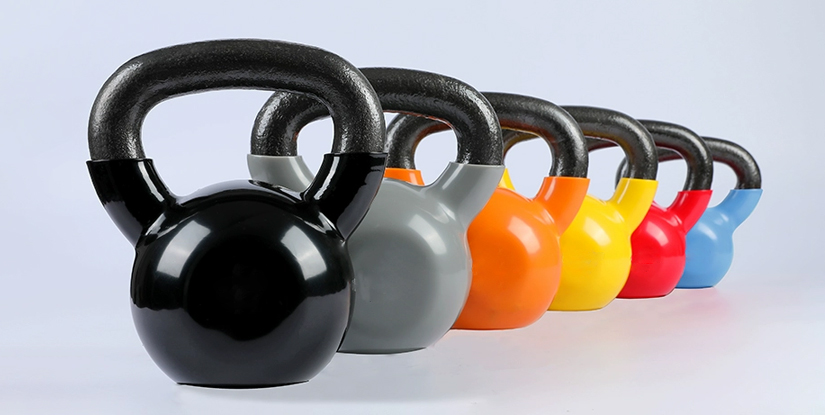
Precision in branding execution is a critical factor in the private label kettlebell guide. For distributors, the method of logo application is not merely aesthetic; it directly affects the long-term durability and resale value of the equipment. High-quality custom branded kettlebells require specialized techniques to ensure the brand identity withstands high-impact commercial use and environmental exposure.
Standard branding methods provided by a professional wholesale kettlebell manufacturer include precision laser engraving, which is ideal for cast iron to prevent peeling, and high-durability silk screening or painting for vinyl or powder-coated models. For premium tier-one units, embossing or recessed casting is often preferred to create a permanent, high-end tactile feel. When managing private label fitness equipment, we advise buyers to match the branding method to the material specification—ensuring that the application method does not compromise the structural integrity or the weight accuracy of the unit.
To maintain high standards during bulk production, a rigorous QC (Quality Control) protocol must be integrated into the manufacturing workflow. This includes weight tolerance verification, handle diameter consistency, and coating adhesion testing. Effective sourcing requires a transparent view of the production timeline; while OEM orders benefit from shorter lead time, more complex ODM projects must account for additional time for mold validation and material testing. For large-scale distributors, verifying these technical specifications during the pre-shipment stage is essential to protecting profit margins and minimizing replacement costs.
China Factory Production Standards and Quality Control Protocols
A comprehensive private label kettlebell guide must prioritize the technical rigor of the manufacturing process to ensure long-term commercial viability. For distributors and importers, the primary risk in bulk sourcing is not merely the unit cost, but the potential for batch-wide defects that compromise brand reputation and increase replacement liabilities. High-tier wholesale procurement requires a strict quality control framework that addresses weight accuracy, structural integrity, and surface consistency across every single production run.
When managing custom branded kettlebells, a professional China factory must implement multi-stage inspections to mitigate the following commercial risks:
- Weight Precision: Ensuring each unit meets the specified tolerance levels to maintain professional standards for commercial gyms.
- Surface Finish Integrity: Verifying that powder coatings or vinyl layers are free of bubbles, cracks, or uneven textures that lead to premature wear.
- Structural Durability: Testing handle grip strength and cast iron density to prevent fractures during high-volume usage.
- Batch Consistency: Guaranteeing that the hundredth unit is identical in color, weight, and finish to the first, protecting your brand identity.
Establishing these protocols during the OEM or ODM development phase is essential for reducing the total cost of ownership (TCO) and minimizing after-sales claims. By working with a wholesale kettlebell manufacturer that utilizes standardized pre-shipment inspections, buyers can secure predictable private label fitness equipment that meets international commercial specifications.
Technical Inspection Checklist for Pre-Shipment Validation
To minimize the risk of receiving sub-standard inventory, professional buyers should utilize a standardized inspection matrix during the final stages of production. Relying on a generic private label kettlebell guide is insufficient; you must demand specific technical metrics from your wholesale kettlebell manufacturer to ensure every shipment aligns with your brand's quality promises. A rigorous pre-shipment inspection (PSI) acts as a final safeguard for your landed cost and distributor margins.
| Inspection Category | Critical Technical Metric | Commercial Impact of Failure |
|---|---|---|
| Weight Accuracy | Tolerance within +/- 1% to 3% of labeled weight | Inaccurate weight leads to customer disputes and loss of professional trust |
| Handle Smoothness | Zero sharp edges or casting burrs on the grip area | Rough handles increase injury risk and decrease commercial durability |
| Coating Integrity | Uniform thickness with no bubbling, peeling, or uneven texture | Poor coating results in premature oxidation and high replacement rates |
| Casting Defects | Absence of air pockets, cracks, or structural voids | Internal flaws compromise the safety of high-volume commercial use |
| Packaging Strength | Double-walled corrugated boxes and reinforced palletizing | Weak packaging leads to transit damage and increased return logistics costs |
| Branding Clarity | Logo precision, font legibility, and color matching (Pantone) | Low-quality branding diminishes the perceived value of your custom identity |
Before finalizing any bulk order, we recommend requesting a sample batch that undergoes these specific tests. A professional China factory will provide detailed inspection reports or allow for third-party audits to verify that your custom branded kettlebells meet the strict export standards required for your local market. Confirming these technical benchmarks during the initial sourcing phase protects your long-term ROI and ensures consistent product performance across all weight increments.
Documentation and Compliance for Global Distribution
For a professional importer, the true value of a private label fitness equipment partnership is found in the transparency of its documentation. A reliable wholesale kettlebell manufacturer does not just ship products; they provide a comprehensive data trail that validates every technical claim. This documentation is critical for passing customs clearance, satisfying insurance requirements for commercial gyms, and ensuring that your brand identity is backed by verifiable quality standards.
To protect your landed cost and prevent delays in your supply chain, ensure your sourcing agreement includes the following mandatory documentation and verification steps:
- Material Certification: Official documentation verifying the chemical composition and density of the cast iron or steel, ensuring compliance with international safety standards.
- Batch Testing Reports: Individualized test results for each production run, confirming that weight tolerances and handle ergonomics remain consistent across the entire order.
- Pre-shipment Inspection (PSI) Protocols: A formal process where a third-party or internal auditor verifies the physical integrity and packaging strength before the container is sealed.
- Shipping Safety and Loading Plans: Detailed palletization and container loading diagrams to prevent shifting and structural damage during long-haul maritime transit.
Effective pre-shipment inspection and rigorous documentation management are the final pillars of a successful private label kettlebell guide. By requiring these specific material certifications and batch reports, you mitigate the risk of unexpected replacement costs and protect your distributor margins. Before moving to the final production stage, we suggest requesting a full documentation sample and a detailed lead time schedule to ensure your logistics planning remains seamless.
Optimizing Logistics: MOQ, Lead Times, and Export Packaging
Navigating the complexities of international procurement requires a clear understanding of how production cycles impact your inventory turnover. This private label kettlebell guide emphasizes that successful China factory sourcing depends on balancing minimum order requirements with predictable shipping windows to protect your distributor margins.
When working with a wholesale kettlebell manufacturer, your landed cost is determined by more than just the unit price. Factors such as MOQ, freight volumes, and lead time variability directly influence your ability to maintain consistent stock levels for your clients without overextending warehouse capacity.
| Procurement Model | Typical MOQ | Average Lead Time | Logistics Focus |
|---|---|---|---|
| Standard Stock Order | Low | Short (15-30 days) | Rapid replenishment of existing SKUs |
| Custom Branded Kettlebells | Medium to High | Extended (45-60 days) | Brand identity and unique specifications |
| Full OEM Production | High | Long (60-90+ days) | Complete control over tool molding and packaging |
To mitigate supply chain risks, we recommend requesting a detailed production schedule during your initial sourcing phase. Confirming lead time buffers and verifying export packaging durability ensures that your private label fitness equipment arrives at your distribution center in professional, retail-ready condition.
Choosing between a rapid replenishment model and a full ODM approach requires a strategic look at your long-term inventory goals. While stock orders offer speed, they often limit your ability to build a distinct market presence. Conversely, investing in a specialized China factory production run allows for deeper differentiation through customized textures, handle ergonomics, and high-end finishes that set your catalog apart from generic competitors.
Effective procurement planning must also account for the dimensional weight and density of kettlebell shipments. Because these products are high-density steel or cast iron, optimizing container loading efficiency is critical to lowering your total landed cost. We advise distributors to coordinate closely with their supplier to ensure that custom packaging—whether it be color-coded boxes or reinforced heavy-duty cartons—is designed to withstand long-haul ocean freight without compromising the structural integrity of the product or the professional presentation of your brand.
The integrity of your private label fitness equipment relies heavily on the robustness of the final mile and the middle-mile transit. For distributors, the primary risk during long-distance sea freight is not just product breakage, but the degradation of unboxing experiences due to substandard packaging. A professional wholesale kettlebell manufacturer must implement a multi-layered protection strategy to prevent surface oxidation, dented handles, or crushed cartons that can erode your brand value and increase return rates.
To ensure maximum durability during transit, we utilize high-density reinforced corrugated boxes and specialized internal dividers. This level of export packaging is specifically engineered for high-density metal goods to prevent shifting within the container. By prioritizing rigorous QC protocols and pre-shipment inspections, we ensure that every unit meets commercial-grade standards before it ever reaches the port. This focus on shipping damage prevention allows you to manage your bulk orders with confidence, knowing that your inventory will arrive at your warehouse ready for immediate distribution or retail-ready display.
Calculating Landed Cost and Maximizing Distributor Margins
Understanding the total landed cost is a critical step in any private label kettlebell guide for professional importers. For a distributor, the unit price from a China factory is only one variable in a complex equation that determines final profitability and market competitiveness.
To protect your margins, you must account for the transition from EXW or FOB terms to the final destination. This includes the base product cost, international ocean freight, import duties, and local port handling fees. Because kettlebells are high-density, high-weight items, the impact of weight and volume on freight costs is significant. A wholesale kettlebell manufacturer can help optimize these costs by providing precise dimensional data and container loading optimization to ensure you are not paying for empty space.
Landed Cost Component Breakdown
| Cost Component | Description for Importers | Impact on Margin |
|---|---|---|
| EXW/FOB Price | The base manufacturing cost per unit from the supplier | Primary driver of unit cost |
| Ocean Freight | Shipping costs based on container volume and weight | High impact due to high density of iron products |
| Import Duties | Customs tariffs applied based on HS Code classification | Fixed percentage of CIF value |
| Port & Local Fees | Drayage, documentation, and warehouse handling | Variable based on local logistics infrastructure |
When sourcing custom branded kettlebells, working directly with an OEM partner allows for better control over packaging efficiency. Optimized palletization and container loading patterns can significantly reduce the freight-to-weight ratio, directly improving your ROI and overall private label fitness equipment profitability.
Incoterms and Sourcing Strategy Comparison
Choosing the correct Incoterms is a strategic decision that dictates how much risk and logistical control you assume. For distributors, the choice between different shipping terms can fluctuate your final landed cost and influence the scalability of your private label fitness equipment business model. A direct relationship with a China factory often provides more transparency in these negotiations.
| Shipping Term | Responsibility & Control | Typical Impact on Distributor Margin |
|---|---|---|
| EXW (Ex Works) | Buyer manages all transport from the factory gate. | Lowest unit price, but highest risk and logistical complexity. |
| FOB (Free On Board) | Supplier delivers goods to the port of loading. | Balanced control; common for large-scale bulk orders. |
| DDP (Delivered Duty Paid) | Supplier manages all costs, including duties and delivery. | Highest unit price, but provides predictable final costs. |
When evaluating your next procurement cycle, consider that higher MOQ levels often unlock better pricing tiers and more favorable shipping terms. If you are developing custom branded kettlebells, requesting a quote that includes specific container loading optimization (CLO) can help you maximize every cubic meter of space. We recommend confirming all weight-to-volume ratios and requesting a detailed spec sheet before finalizing your bulk order to ensure your logistics provider can handle the high-density cargo effectively.
Strategic Procurement Steps for High-Margin Sourcing
Optimizing your procurement cycle requires more than just comparing unit prices. To successfully implement a private label kettlebell guide strategy, distributors must move beyond simple ordering and toward comprehensive supply chain integration. This involves assessing how customization, packaging, and shipping terms intersect to form your total cost of ownership.
Effective sourcing involves several critical validation steps. First, confirm the specific MOQ required for your custom branding requests, as lower volumes may impact your ability to negotiate competitive freight rates. Second, request a detailed container loading plan to ensure that the high density of your order is matched with efficient palletization. Finally, always verify the factory's ability to provide standardized export packaging that protects the product during long-distance ocean transit, minimizing the risk of damage-related losses upon arrival.
To ensure long-term success with your custom branded kettlebells, we recommend initiating a formal inquiry to request a detailed spec sheet and a comprehensive quote. This should include a breakdown of the FOB price, estimated lead times for production, and any potential costs associated with your specific OEM or ODM requirements. Proactive communication with your China factory regarding pre-shipment inspection protocols and packaging standards will safeguard your distributor margins and ensure product consistency across all bulk shipments.
Final Procurement Checklist for Bulk Sourcing
Navigating the complexities of international procurement requires a structured approach to minimize risk and maximize distributor margins. This private label kettlebell guide outlines the critical logistical and technical dimensions necessary for high-volume orders. Success in global sourcing depends on moving beyond simple product selection to a deep understanding of the wholesale kettlebell manufacturer ecosystem, ensuring that every unit meets commercial-grade durability standards while maintaining a competitive landed cost.
A common pitfall for importers is failing to account for the total cost of ownership, which includes not just the unit price, but also the MOQ requirements, shipping efficiencies, and potential replacement costs. By establishing clear protocols for QC and export packaging during the initial sourcing phase, professional buyers can ensure that their custom branded kettlebells arrive in optimal condition, ready for immediate distribution or gym deployment.
Core Sourcing Dimensions and Logistics
When transitioning from a single sample to a full-scale production run, the focus must shift toward scalability and supply chain reliability. A professional China factory will provide specific data points to help you calculate your final margins and inventory turnover. Use the following comparison to evaluate your procurement strategy:
| Procurement Dimension | Standard Wholesale (Stock) | Private Label (OEM/ODM) |
|---|---|---|
| Customization Level | Limited to color or basic logo | Full brand identity and custom molds |
| MOQ Requirement | Lower, suitable for testing markets | Higher, required for production setup |
| Lead Time | Short, based on existing inventory | Longer, due to custom manufacturing |
| Landed Cost Control | Predictable, standard packaging | Optimized via custom export packaging |
| Brand Value | Generic commercial-grade unit | High-value private label fitness equipment |
To ensure a seamless transition from the factory to your warehouse, we recommend requesting a detailed specification sheet and a formal quote that clearly defines the lead time and shipping terms (FOB/CIF). Before finalizing any bulk order, always confirm the export packaging standards to ensure container loading efficiency and to protect your investment during long-haul transit.
Navigating the complexities of international procurement requires a structured approach to minimize risk and maximize distributor margins. This private label kettlebell guide outlines the critical logistical and technical dimensions necessary for high-volume orders. Success in global sourcing depends on moving beyond simple product selection to a deep understanding of the wholesale kettlebell manufacturer ecosystem, ensuring that every unit meets commercial-grade durability standards while maintaining a competitive landed cost.
A common pitfall for importers is failing to account for the total cost of ownership, which includes not just the unit price, but also the MOQ requirements, shipping efficiencies, and potential replacement costs. By establishing clear protocols for QC and export packaging during the initial sourcing phase, professional buyers can ensure that their custom branded kettlebells arrive in optimal condition, ready for immediate distribution or gym deployment.