8kg Kettlebell: Private Label OEM Factory Manufacturing
Procurement Standards for 8kg Kettlebell Sourcing
Professional distributors and gym procurement leads prioritize 8kg kettlebell units that balance precision weight distribution with structural resilience. Sourcing high-standard equipment from a specialized China factory ensures that bulk orders meet the rigorous demands of high-traffic commercial facilities while maintaining a competitive landed cost.
Material Integrity and Commercial Durability
In high-traffic gym environments, the longevity of your inventory depends on the metallurgical quality and surface finish of the equipment. Choosing a reliable commercial kettlebell manufacturer means evaluating the difference between standard cast iron and high-grade powder coating. While cast iron provides a dense, consistent core, the outer coating determines the product's resistance to chipping and oxidation during intensive use.
When managing large-scale wholesale 8kg kettlebell orders, the technical tolerance of the weight becomes a critical variable. Low-quality production often results in significant weight deviations, which can compromise professional training standards and lead to high replacement rates. Premium custom branded kettlebell production focuses on tight weight tolerances to ensure every unit in a multi-SKU set remains consistent, protecting your brand reputation and reducing long-term maintenance overhead.
Technical Comparison of Finishing Options for TCO Optimization
Procurement officers must evaluate the Total Cost of Ownership (TCO) beyond the initial purchase price. Selecting the correct material finish for your 8kg kettlebell inventory directly impacts both the replacement frequency and the long-term maintenance load of a commercial facility. A higher upfront cost for a premium coating often results in a lower long-term expenditure due to reduced wear and tear.
| Material Finish | Durability Rating | Maintenance Requirements | Best Use Case for Bulk Sourcing |
|---|---|---|---|
| Cast Iron (Powder Coated) | High | Low; occasional wipe-down to prevent oxidation | Standard commercial gyms and high-traffic strength zones |
| Vinyl Coated | Moderate | Medium; susceptible to punctures or tearing | Boutique studios or home-gym oriented retail distribution |
| Rubber Coated | Very High | Low; excellent impact resistance | CrossFit boxes and heavy-duty functional training centers |
When coordinating with a supplier, request technical specification sheets for each finish to confirm the thickness of the protective layer. For distributors focused on high-volume turnover, ensuring that your wholesale 8kg kettlebell selection matches the specific durability requirements of your target client—whether it be a high-intensity functional training center or a light-use studio—is essential for maximizing your profit margins and client satisfaction.
Beyond physical durability, a professional procurement strategy must include rigorous oversight of the manufacturing process. For importers and distributors, the stability of a product line depends on the strictness of the factory's internal protocols. Relying on a qualified OEM partner ensures that your customized specifications are translated accurately into a finished, high-performance product that meets international commercial standards.
Quality Control and Weight Precision Protocols
The integrity of a custom branded kettlebell is defined by its consistency. For a professional buyer, a batch of weight sets that shows significant variance in weight or surface texture is a liability that increases return rates and damages brand trust. High-tier manufacturing facilities utilize standardized testing to manage several critical variables during production.
First, weight accuracy is non-negotiable. A professional supplier must implement precise calibration to ensure that the 8kg designation is consistent across thousands of units. Second, surface finish consistency—specifically the uniformity of the handle texture and the thickness of the coating—is essential for user safety and grip stability. Finally, ensuring that the center of gravity remains centered within the cast iron core prevents imbalance during high-speed movements. By vetting a factory that utilizes these specific QC standards, you mitigate the risks of receiving substandard inventory and ensure your branded products maintain a premium market position.
Engineering Integrity and Safety Specifications
For distributors and gym owners, the long-term TCO (Total Cost of Ownership) of a training program depends heavily on the mechanical reliability of the equipment. When sourcing an 8kg kettlebell, the primary risk is not just surface finish, but internal structural flaws that lead to catastrophic failure during high-intensity training. A professional commercial kettlebell manufacturer must prioritize a seamless casting process to ensure there are no internal voids or air pockets that could compromise the unit's density.
Reliable wholesale 8kg kettlebell inventory requires strict adherence to weight consistency and material density. If the internal weight distribution is uneven, it creates an ergonomic imbalance that increases the risk of repetitive strain for the end-user. This is why high-tier custom branded kettlebell production relies on standardized mold precision and controlled cooling cycles to guarantee that every unit in a bulk shipment meets the exact specification required for professional environments.
To mitigate the risk of receiving substandard batches, we implement rigorous QC protocols at our China factory. This includes density verification and dimensional accuracy checks to ensure that your landed cost is protected by a product that will not require frequent replacement or cause liability issues in a commercial setting.
| Procurement Factor | Standard Grade Unbranded | Professional Grade OEM/ODM |
|---|---|---|
| Casting Method | Standard Sand Casting | Precision Centrifugal or High-Density Casting |
| Weight Consistency | Variable Tolerance | Strict +/- 1% Tolerance Standard |
| Structural Integrity | Prone to internal air pockets | High-density seamless construction |
| Commercial Durability | Basic usage only | Optimized for high-frequency commercial use |
Technical Specifications for Bulk Procurement
When evaluating a custom branded kettlebell for a global distribution network, the distinction between tiers lies in the precision of the technical execution. A professional OEM or ODM approach ensures that surface finishes and ergonomic components are engineered for heavy-duty use, rather than just aesthetic appeal. For importers, choosing the correct manufacturing standard is critical to avoiding the high replacement costs associated with substandard, low-density cast products.
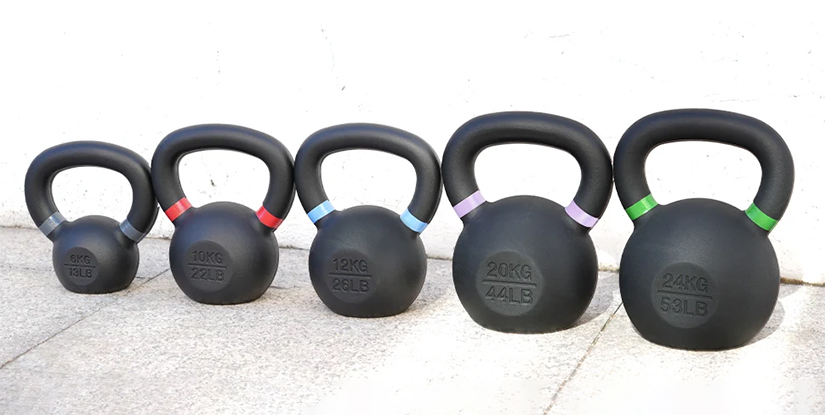
| Specification Feature | Standard Commercial Spec | Premium 8kg kettlebell Spec |
|---|---|---|
| Material Density | Standard cast iron with potential voids | High-density, seamless structural casting |
| Surface Finish | Rough texture or basic paint | Precision-coated for grip and durability |
| Handle Ergonomics | Basic shape, variable thickness | Uniform, smooth-flow transition for grip stability |
| Weight Tolerance | +/- 5% variation common | Strict professional-grade precision |
| Sourcing Reliability | Standard stock availability | Consistent wholesale batch uniformity |
Understanding these nuances allows a procurement officer to better calculate the long-term value of their order. High-tier manufacturing, particularly when working with a specialized factory, provides the structural assurance needed for high-traffic fitness environments. We recommend that buyers request a detailed technical spec sheet and confirm the specific tolerances for any bulk order to ensure the final product aligns with your brand's quality standards.
Material Durability and Impact Resistance
In high-traffic commercial environments, the durability of a single unit affects the entire facility's operational efficiency. A poorly manufactured 8kg kettlebell often suffers from brittle casting, which can lead to cracks or chipping when dropped during intense training sessions. For distributors, this lack of impact resistance translates directly into high replacement rates and diminished customer trust. By sourcing through a specialized China factory, buyers can ensure that the material composition is optimized for high-impact durability, reducing the long-term maintenance load for the end-user.
Beyond structural integrity, the surface coating of a custom branded kettlebell plays a vital role in both safety and longevity. In a commercial setting, moisture from hands or sweat can lead to oxidation if the coating is substandard. Professional-grade finishing ensures that the equipment remains resistant to corrosion and maintains a consistent grip under varying conditions. When managing a large-scale sourcing project, prioritizing these technical coatings is a key strategy for mitigating the risk of premature product degradation and ensuring a stable return on investment for your clients.
Custom Branding and Private Label Capabilities
Developing a distinct market presence requires more than just generic inventory; it requires a professional 8kg kettlebell that reflects your organization's standards. For distributors and large-scale gym operators, leveraging OEM and ODM services from a specialized China factory allows for the integration of specific design elements and logos that reinforce a professional brand identity. This transition from a pure importer to a branded provider is a critical step in increasing long-term customer loyalty and perceived value in the commercial fitness market.
When you opt for a custom branded kettlebell, you are not merely adding a logo; you are customizing the tactile and visual specifications of the equipment to match your professional requirements. Whether it is a specific powder coating color, a unique handle texture, or a precision-etched weight marking, these details differentiate your catalog from standard market offerings. For a distributor, this level of control over the final product ensures that the wholesale 8kg kettlebell arriving in your warehouse meets the exact aesthetic and functional benchmarks of your target clientele, thereby protecting your distributor margin through premium positioning.
Effective professional sourcing involves more than finding a supplier; it involves finding a manufacturing partner capable of executing complex branding requests without compromising structural integrity. By utilizing ODM capabilities, buyers can request modifications to the casting mold or handle ergonomics to suit specific regional preferences or ergonomic standards. This strategic approach minimizes the risk of product obsolescence and ensures that your branded inventory remains a competitive asset in a crowded commercial landscape.
Technical Comparison: Standard Stock vs. Custom OEM/ODM Orders
Selecting the correct procurement path depends on your balance between speed to market and brand differentiation. For many importers, choosing between standard stock and a full custom branded kettlebell involves evaluating the trade-offs between immediate availability and long-term market positioning. A standard 8kg kettlebell is ideal for rapid replenishment, whereas customized production allows a commercial kettlebell manufacturer to align the product exactly with your specific commercial requirements.
The following table outlines the typical technical and logistical differences between sourcing standard stock units and engaging in a dedicated OEM production run for a wholesale 8kg kettlebell order.
| Specification Category | Standard Stock Units | Custom OEM/ODM Orders |
|---|---|---|
| Color & Aesthetic | Industry-standard colors (Black/Red/Blue) | Full spectrum color customization |
| Logo Application | Standard weight markings only | Precision laser etching or silk-screened branding |
| Surface Texture | Standard cast iron or powder coat | Custom grip texture or premium matte finishes |
| Branding Elements | Generic/No branding | Full custom branding integration |
| Packaging Design | Standard export cartons | Customized retail-ready or distributor-specific packaging |
| Minimum Order Quantity | Low/Standardized | Defined MOQ per specification |
| Lead Time | Short/Immediate availability | Extended production and QC cycles |
| Landed Cost Profile | Lower per-unit cost, low setup fees | Higher initial setup, optimized for bulk ROI |
For professional buyers, the decision to move from stock to custom production is often driven by the need to optimize the total landed cost through massive volume or to establish a premium product tier. While stock orders provide the fastest path to filling warehouse gaps, the ODM route offers a strategic advantage for distributors looking to build a proprietary product line. Before finalizing your procurement plan, we recommend requesting a detailed specification sheet and a formal quote to confirm the current MOQ and expected lead times for your specific customization requirements.
Ensuring Precision: Quality Control and Export Readiness
Scaling your inventory through a China factory requires absolute confidence in the consistency of every unit produced. For a professional commercial kettlebell manufacturer, the challenge is not just in the initial casting, but in maintaining strict tolerances across massive bulk orders. A single deviation in weight or surface finish can compromise a distributor's reputation and increase the total cost of ownership for the end-user. Therefore, a rigorous quality control protocol is the most critical component of the sourcing process.
Our production workflow incorporates multiple inspection stages to ensure that every 8kg kettlebell meets international commercial standards. This includes raw material verification, dimensional accuracy testing for the handle diameter, and weight verification via calibrated scales. By implementing these checks at the factory level, we mitigate the risk of receiving substandard goods that could lead to costly returns or client dissatisfaction. This systematic approach ensures that the product integrity remains high, regardless of whether you are sourcing a small replenishment or a full container load.
Beyond product specifications, the final stage of the procurement cycle focuses on export packaging and logistical efficiency. For international distributors, the way a product is packed is as important as the product itself. We utilize reinforced, high-density corrugated cartons designed to withstand the rigors of sea freight and long-distance transit. Optimized palletization and container loading patterns are calculated to maximize space efficiency, directly reducing your landed cost per unit. This attention to detail ensures that your wholesale 8kg kettlebell shipment arrives at your warehouse in pristine condition, ready for immediate distribution or retail display.
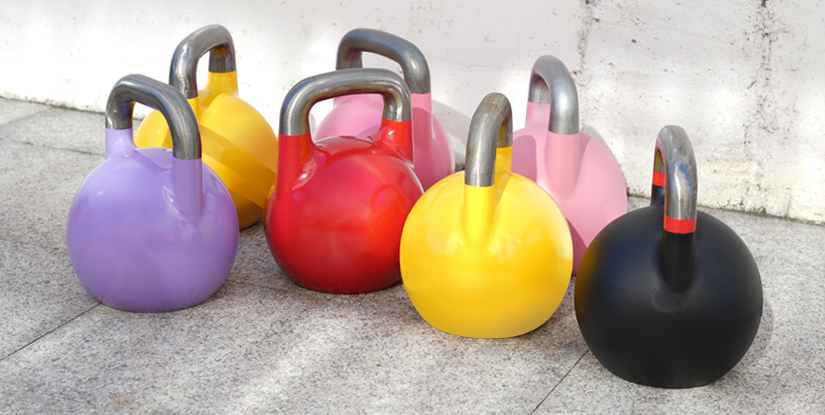
Manufacturing Processes and Factory QC Protocols
Ensuring dimensional precision and material density is critical for distributors sourcing heavy equipment. As a professional commercial kettlebell manufacturer, our factory maintains strict production stages to ensure every unit meets international commercial standards. For an 8kg kettlebell, the process begins with high-grade iron or steel selection to guarantee long-term structural integrity during high-volume gym use.
The standardized workflow utilizes a precision casting/molding process to achieve uniform density. During the casting/molding process, we monitor temperature and cooling rates to prevent internal air pockets or surface cracks. This rigor ensures material consistency across your entire shipment, reducing the risk of uneven weight distribution that can lead to customer returns or liability issues.
Accuracy in weight tolerance is our primary focus during the final refining stage. Unlike lower-tier suppliers, we implement multi-stage verification to ensure the 8kg kettlebell remains within a tight tolerance range. This level of technical reliability is essential for professional distributors who require predictable performance and consistent branding for their custom branded kettlebell orders. By controlling these variables at the source, we help you minimize replacement costs and maximize your distributor margins.
Rigorous Weight and Surface Verification
Reliability in weight precision is a non-negotiable requirement for any wholesale 8kg kettlebell order. To mitigate the risk of inaccurate mass—a common failure in lower-quality batches—our technical team executes a strict weight verification protocol. Every unit is subjected to calibrated digital testing to ensure the center of gravity remains stable and the weight deviation falls within industry-standard tolerances. This precision prevents the logistical headaches associated with substandard batches and protects your reputation as a premium provider.
Beyond mass, we focus heavily on the tactile and visual integrity of the finish. Our surface finish inspection evaluates the coating uniformity and handle ergonomics to ensure smooth transitions during high-repetition training. For clients pursuing a custom branded kettlebell, we also inspect the clarity and adhesion of any applied logos or color coatings. This ensures your brand identity remains intact even under rigorous commercial use, preventing premature peeling or fading that could diminish the perceived value of your stock.
Before any container is sealed, a comprehensive pre-shipment inspection is conducted. This final stage involves durability testing to simulate the impact and friction common in high-traffic fitness environments. By auditing the structural strength and coating resilience at the factory level, we reduce the likelihood of transit-related damage or early-stage product failure. This rigorous quality control framework allows importers to manage their landed cost more effectively by minimizing the need for after-sales replacements or damage claims.
Technical Comparison: Standard vs. Premium QC Protocols
When managing high-volume procurement, understanding the technical distinction between mass-market production and professional-grade manufacturing is essential for calculating long-term TCO. A low-quality 8kg kettlebell may appear identical to a premium unit on a surface level, but the internal density and coating adhesion often vary significantly. To assist in your decision-making and help you select the right tier for your specific market or distribution model, we have provided a comparative breakdown of quality control benchmarks.
The following table outlines the inspection points required to ensure your inventory meets the expectations of high-end commercial fitness facilities and professional distributors.
| Inspection Parameter | Standard Batch (Generic) | Premium Commercial Grade (Our Standard) |
|---|---|---|
| Weight Tolerance | Higher deviation; inconsistent center of gravity | Strict precision; optimized balance for high-repetition use |
| Surface Coating | Basic paint; prone to chipping and uneven texture | High-adhesion powder coating; uniform thickness and durability |
| Handle Ergonomics | Rough casting; potential for grip discomfort | Smooth, precision-finished grip for professional training |
| Branding Integrity | Standard screen print; high risk of fading | High-durability custom branded kettlebell specs; stable logo adhesion |
| Material Density | Variable; possible air pockets or internal voids | Uniform density; optimized for long-term commercial durability |
For distributors seeking to build a reliable product line, choosing a tier-one 8kg kettlebell with verified technical specs reduces the frequency of after-sales claims and protects your brand reputation. We recommend reviewing these technical benchmarks during your initial sample approval phase. Once you have finalized your specifications, our team can provide a detailed quote based on your required MOQ and custom branding needs.
Global Logistics and Export Packaging Standards
Optimizing the 8kg kettlebell supply chain requires more than just manufacturing precision; it demands rigorous logistics planning to protect your margins. For distributors and large-scale importers, the way a wholesale 8kg kettlebell batch is packed directly influences the final landed cost. Inefficient packaging leads to wasted shipping volume or, worse, high damage rates during long-distance transit, both of which erode the profitability of a bulk order.
When sourcing from a China factory, understanding the distinction between standard domestic packing and professional export packaging is vital. High-density packing configurations are designed to maximize container utilization, ensuring that your sea freight or air freight costs per unit remain as low as possible. Proper damage prevention protocols—such as reinforced outer cartons and moisture-resistant liners—ensure that the 8kg kettlebell units arrive at your warehouse in pristine, saleable condition, ready for immediate distribution.
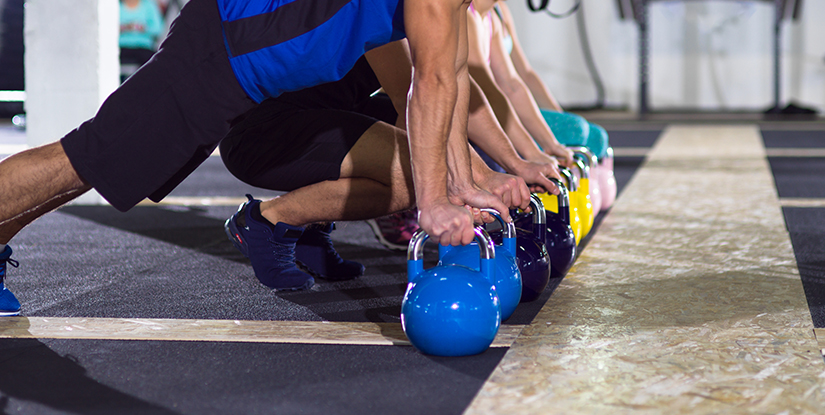
Logistics and Stocking Efficiency Comparison
| Sourcing Model | Packaging Focus | Shipping Efficiency | Risk Profile |
|---|---|---|---|
| Standard Domestic Order | Basic single-box packing | Low volume utilization | Higher damage risk in sea freight |
| Custom Branded Kettlebell OEM | Reinforced export-grade cartons | Optimized shipping volume | Minimal damage during transit |
| Commercial Kettlebell Manufacturer Bulk Order | Palletized/High-density loading | Maximum container density | Lowest landed cost via sea freight |
Efficiently managing your landed cost requires a strategic approach to palletization and container load optimization. For a professional commercial kettlebell manufacturer, the goal is to balance weight distribution with volume efficiency to ensure every cubic meter of a sea container is utilized. This is especially critical when importing 8kg units, where high quantities can quickly lead to excessive shipping volumes if the packing density is not precisely calculated.
Distributors should evaluate whether their MOQ requirements align with optimized loading patterns. While standard single-unit boxes are easier for small-scale retail, a wholesale model often benefits from high-density bulk crates or specialized master cartons. By optimizing the container loading efficiency through professional OEM or ODM packing configurations, importers can significantly reduce the per-unit shipping expense. We recommend reviewing the final loading plan and weight-to-volume ratio with your supplier before the pre-shipment stage to ensure your logistics budget remains optimized for maximum ROI.
Optimizing Inventory with Wholesale Orders
Maximizing your 8kg kettlebell inventory efficiency requires a strategic approach to sourcing. For distributors and large-scale importers, moving away from fragmented small-batch purchasing toward a direct wholesale 8kg kettlebell model is essential for maintaining a competitive edge in the North American market.
Sourcing directly from a commercial kettlebell manufacturer allows you to bypass the markup associated with multiple middle-tier agents. By establishing a direct line to a China factory, you can better manage your landed cost, ensuring that shipping, duties, and unit prices are optimized for your specific volume requirements. This direct-to-source strategy significantly improves your distributor margin by reducing the number of hands the product passes through before reaching your warehouse.
Supply Chain Efficiency and Volume Sourcing
Managing a professional warehouse requires predictable logistics. When you negotiate a specific MOQ for your orders, you gain greater control over both your stock levels and your capital expenditure. A well-planned sourcing strategy ensures that you are not over-investing in slow-moving SKUs while maintaining enough depth in high-demand weights like the 8kg unit.
Working with an experienced OEM partner also provides the ability to coordinate container loading more effectively. Instead of receiving disjointed shipments, you can integrate your 8kg kettlebell orders with other strength equipment to optimize container utilization, further driving down the cost per unit and improving the overall ROI of your international freight.
| Sourcing Model | Procurement Structure | Unit Cost Efficiency | Customization Potential | Shipping & Logistics |
|---|---|---|---|---|
| Traditional Trading Model | Third-party agent or middle-tier distributor | Higher unit cost due to multiple markups | Limited to existing stock options | Standardized packaging; less control over volume |
| Direct Factory-to-Distributor | Direct wholesale 8kg kettlebell procurement | Optimized for maximum distributor margin | Full custom branded kettlebell capabilities | Optimized container loading and sourcing control |
Choosing a professional commercial kettlebell manufacturer over a general trader directly impacts your long-term profitability. While trading models may offer lower entry barriers, they often introduce hidden costs in the form of reduced margins and limited ability to execute a custom branded kettlebell strategy. By selecting a direct factory partner, you secure the ability to implement specific brand identities and manage the total landed cost with greater precision.
To move forward with your procurement planning, we recommend contacting our team to request a detailed specification sheet, confirm current MOQ tiers, or schedule a formal factory audit to ensure our production standards align with your commercial requirements.
Strategic logistics management begins with the integrity of your export packaging. High-volume shipments of the 8kg kettlebell require standardized, heavy-duty boxing and reinforced palletizing to prevent damage during maritime transit. A professional commercial kettlebell manufacturer understands that a single damaged shipment can negatively impact your inventory turnover and overall profitability. We implement rigorous pre-shipment inspection protocols to ensure that every unit meets dimensional and weight tolerances before being loaded into a container.
For distributors managing complex supply chains, optimizing the shipping process is as critical as the product itself. Whether you are executing a full container load (FCL) or a less-than-container load (LCL) arrangement, coordinating with a direct China factory allows for superior volume-based shipping optimization. By consolidating your 8kg kettlebell orders with other strength-training implements, you maximize container volume and significantly reduce the per-unit shipping cost, which is a vital component of your total landed cost calculation.
To finalize your seasonal procurement or prepare for a new product launch, please contact our sales department to request a formal quote, verify the current MOQ for your specific customization needs, or discuss long-term sourcing agreements for your upcoming inventory cycles.