Wholesale Fitness: Factory Direct Export and Sourcing Guide
Strategic Procurement Framework for Bulk Fitness Acquisitions
Effective wholesale fitness procurement requires transitioning from simple product selection to rigorous supply chain management. Professional importers and distributors prioritize factory-direct partnerships to secure predictable quality control standards, optimized landed costs, and scalable manufacturing capacity for large-scale commercial installations.
A professional procurement checklist must go beyond aesthetic preferences to evaluate technical durability and logistical feasibility. For those managing commercial gym equipment wholesale, the goal is to minimize long-term TCO (Total Cost of Ownership) by auditing supply chain reliability and ensuring every unit meets international commercial-grade specifications before it leaves the China factory.
Essential Sourcing Verification Steps
Before committing to high-volume orders, procurement leads should verify the manufacturer's ability to handle complex export requirements. This includes auditing the bulk gym supplies production lines and confirming that the factory maintains strict pre-shipment inspection protocols to prevent costly onsite assembly issues or premature component failure in high-traffic environments.
Failure to establish these benchmarks often results in unexpected maintenance loads or significant downtime for end-users. Instead of reactive purchasing, strategic buyers utilize a structured approach to validate MOQ levels, lead times, and the manufacturer's capacity for specialized OEM requests to ensure the final shipment aligns perfectly with their distribution or installation timeline.
Sourcing Model Comparison: Factory-Direct vs. Trading Company
Choosing the correct procurement path is critical for maintaining distributor margins and ensuring product consistency. While trading companies offer convenience, direct engagement with a fitness equipment importer or a primary manufacturer provides superior control over the technical specifications of your shipment.
| Procurement Metric | Factory-Direct (Manufacturer) | Trading Company (Agent) |
|---|---|---|
| MOQ (Minimum Order Quantity) | Strictly defined by production lines; optimized for bulk | More flexible; often allows smaller, mixed-SKU orders |
| OEM/ODM Capability | High; direct control over branding and engineering | Limited; dependent on the underlying factory's willingness |
| Lead Time Control | Direct visibility into production schedules | Indirect; subject to agent-to-factory communication lags |
| Quality Control (QC) | On-site pre-shipment inspections at the source | Dependent on third-party agency oversight |
| Landed Cost Efficiency | Lower; removes middleman markup and service fees | Higher; includes service premiums and agent margins |
For large-scale commercial projects, the wholesale fitness advantage is most realized through direct manufacturer engagement. This model allows for granular adjustments to machine tension, upholstery density, and steel gauge, ensuring the final product meets the specific durability requirements of your local market. We recommend requesting a detailed spec sheet and confirming MOQ thresholds during the initial inquiry phase to align your capital expenditure with realistic shipping volumes.
To mitigate the financial risks of international procurement, buyers must implement a standardized verification process for every shipment. This involves a three-tier validation strategy: technical specification auditing, physical inspection, and logistical oversight. For high-volume bulk gym supplies, relying solely on photo documentation is insufficient; professional buyers must mandate a formal pre-shipment inspection to verify mechanical tolerances, weld integrity, and upholstery durability under load.
Furthermore, optimizing the shipping logistics framework is essential for protecting your profit margins. This includes verifying the durability of export packaging—such as reinforced 5-layer cartons and heavy-duty wooden crates—to prevent transit damage during sea freight. A comprehensive documentation review, covering packing lists, certificates of origin, and compliance certifications, ensures smooth customs clearance and minimizes the risk of port delays or unexpected duties that can inflate your total landed cost.
Evaluating Commercial-Grade Durability and TCO
For professional distributors and gym operators, the initial purchase price is only one component of the long-term financial equation. When sourcing wholesale fitness solutions, the true cost is dictated by the Total Cost of Ownership (TCO), which encompasses maintenance frequency, component longevity, and equipment downtime. Choosing lower-tier alternatives to save on upfront capital expenditure often results in higher operational expenses due to accelerated wear in high-traffic environments.
High-performance facilities require equipment engineered for high-frequency usage. Standard consumer-grade builds often fail under the mechanical stress of a commercial setting, leading to premature replacement cycles. By prioritizing factory-direct quality standards, procurement leads can mitigate the risks of frequent part replacements and labor-intensive repairs, ensuring a more predictable landed cost and higher ROI for the end-user.
| Procurement Factor | Standard Wholesale Option | Premium Factory-Direct Sourcing |
|---|---|---|
| Primary Material Grade | Lightweight steel / basic coatings | High-gauge steel / industrial powder coating |
| Expected Lifecycle | Short-term (1–3 years) | Long-term (5–10+ years) |
| Maintenance Load | High; frequent part replacement | Low; optimized for durability |
| TCO Impact | Low initial cost; high OPEX | Higher initial investment; low OPEX |
| Target Environment | Light commercial / Home gym | Full-scale commercial / High-traffic clubs |
Investing in commercial gym equipment wholesale that meets rigorous industrial specifications protects your margins. A fitness equipment importer must weigh the immediate savings of low-quality bulk gym supplies against the inevitable maintenance costs and brand reputation damage caused by equipment failure. Selecting a supplier that emphasizes structural integrity ensures your facility remains operational and profitable for years to come.
To effectively differentiate between tiers, procurement specialists must analyze specific mechanical engineering metrics. Relying on superficial descriptions during sourcing often leads to unexpected technical failures. A professional fitness equipment importer should demand granular data regarding structural components to ensure the equipment can withstand the mechanical stress of 12+ hours of daily operation.
Technical Specification Comparison: Consumer vs. Commercial
| Technical Metric | Consumer/Home-Grade Spec | Commercial-Grade Specification |
|---|---|---|
| Steel Gauge | 18–22 Gauge (Thin/Lightweight) | 11–14 Gauge (Heavy-Duty/High-Density) |
| Upholstery Density | Standard Foam (Quick compression/tear) | High-Density PU/High-Resilience Foam |
| Bearing Systems | Plastic or Basic Ball Bearings | Sealed Industrial Grade/Precision Bearings |
| Load Capacity | Low/Static Weight Limits | High/Dynamic High-Volume Capacity |
| Frame Construction | Single-wall/Lightweight tubes | Reinforced/Double-wall structural steel |
Understanding these nuances is vital when evaluating bulk gym supplies for high-traffic environments. While consumer-grade products may offer a lower initial price point, they lack the structural density required for professional use. We recommend that buyers request full technical spec sheets and material certifications from their China factory partners to verify that all components—from the steel gauge to the bearing systems—meet international commercial standards before finalizing any large-scale order.
Mitigating Risk Through Rigorous Quality Control
The most significant risk in large-scale procurement is the discrepancy between a sample approval and the final mass production. For a professional fitness equipment importer, a single faulty batch can compromise an entire shipment's profitability and increase the total landed cost through returns and technical support. This is why establishing a strict QC (Quality Control) protocol is non-negotiable when working with a factory-direct partner.
Reliable manufacturers do not rely on visual inspection alone. A professional China factory specializing in export-grade products should implement multi-stage durability testing, including load-bearing stress tests, salt spray tests for coating resilience, and high-cycle fatigue testing for moving parts. These rigorous pre-shipment checks ensure that every unit in a bulk procurement order meets the same structural integrity standards, regardless of the volume ordered.
Furthermore, high-tier sourcing involves more than just checking finished goods; it includes verifying the provenance of raw materials. When utilizing OEM/ODM services to develop custom or branded lines, buyers should confirm that the steel grade and bearing specifications match the approved technical drawings. This level of transparency allows distributors to offer long-term warranties with confidence, knowing that the wholesale fitness solutions they provide are built for the mechanical rigors of professional athletics.
```htmlCustomization Capabilities: OEM and ODM Solutions
For distributors and large-scale gym operators, relying solely on off-the-shelf inventory limits your ability to build a unique market presence. Utilizing wholesale fitness customization options allows you to transition from a mere reseller to a branded entity. Through OEM and ODM services, you can control product specifications to meet specific regional durability standards or aesthetic trends, ensuring your catalog stands out from generic competitors.
The strategic value of customization levels depends on your procurement depth. While ODM allows you to leverage a China factory's existing engineering for minor adjustments, true OEM capabilities enable you to develop proprietary designs or unique brand identity elements. This level of control is essential for commercial gym equipment wholesale buyers looking to establish long-term brand identity and high-margin private label product lines.
Technical Comparison: OEM vs. ODM for Procurement Decision-Making
Selecting the appropriate manufacturing model is a critical decision for a fitness equipment importer. The choice between OEM and ODM directly impacts your intellectual property rights, initial R&D investment, and long-term distributor margins. While both pathways offer paths to differentiation, they require different levels of technical oversight and capital commitment.
| Feature / Specification | OEM (Original Equipment Manufacturer) | ODM (Original Design Manufacturer) |
|---|---|---|
| Design Ownership | Buyer owns the proprietary design and technical drawings. | Manufacturer typically retains the base design rights. |
| Manufacturing Scope | Production based on buyer-provided blueprints and specific components. | Production based on the factory's existing engineered products. |
| Customization Depth | High: Full control over materials, dimensions, and mechanics. | Moderate: Adjustments to color, branding, or minor spec tweaks. |
| Typical MOQ | Higher: Requires significant volume to justify custom tooling. | Lower: Often follows standard bulk gym supplies tiers. |
| Lead Time | Longer: Includes time for prototyping and custom mold creation. | Shorter: Leverages existing production cycles and tooling. |
| R&D Requirement | High: Buyer must provide engineering or technical specifications. | Low: Buyer selects from a pre-validated product catalog. |
When evaluating bulk gym supplies, consider your technical capacity. If your goal is to launch a signature line of strength equipment with unique biomechanics, a high-tier OEM partnership is necessary. However, if you aim to rapidly expand your catalog with reliable, high-durability machines, utilizing the factory's ODM expertise can significantly reduce your sourcing complexity and time-to-market.
Practical Implementation: Branding, Colorways, and Component Tuning
Effective private label execution extends beyond simple aesthetics; it is about creating a cohesive brand experience that justifies a premium price point in your local market. For a professional fitness equipment importer, this begins with precise logo application. Whether utilizing high-durability laser etching, UV printing, or recessed metal plates, the method must withstand the high-friction environment of a commercial gym to maintain brand integrity over time.
Beyond branding, sophisticated color schemes allow you to align your product line with specific gym aesthetics—from high-intensity industrial aesthetics to boutique wellness tones. This customization often involves technical component adjustment to meet regional ergonomic or mechanical preferences. For instance, adjusting the tension of a cable machine or the density of upholstery foam can differentiate your offerings. While these adjustments require higher MOQ thresholds, they are essential for distributors aiming to provide high-spec, market-specific solutions that move beyond standard wholesale fitness catalogs.
Quality Control Protocols and Pre-Shipment Inspection Standards
For professional importers, the highest risk in wholesale fitness procurement is the discrepancy between a sample approved in a showroom and the bulk shipment arriving at a port. Without rigorous oversight, a single batch of sub-standard components can escalate your landed cost through excessive replacement fees and damaged brand reputation. Relying on a factory-direct model requires a structured approach to mitigate these variables before the container is sealed.
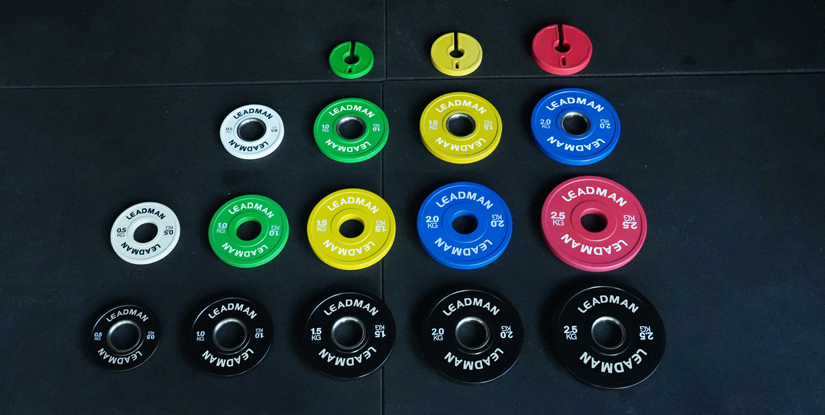
A professional commercial gym equipment wholesale workflow must integrate multiple quality control checkpoints to ensure long-term durability and operational safety. We categorize these into three critical inspection stages: raw material verification, in-process monitoring, and final pre-shipment testing. This systematic oversight ensures that every piece of equipment meets the high-stress requirements of commercial environments.
Standardized Inspection Framework
Effective sourcing from a China factory involves more than just checking the final product; it requires validating the structural integrity of the assembly. For example, during the welding phase, ultrasonic testing is often used to ensure joint strength, while the coating process undergoes salt spray testing to verify resistance to humidity and sweat. These technical validations are essential for distributors who prioritize low maintenance loads and high ROI for their clients.
To minimize procurement friction, we recommend that buyers schedule a third-party inspection or a direct factory audit before the final payment is released. This step validates that the bulk gym supplies match the technical specifications (dimensions, steel gauge, and upholstery density) agreed upon during the initial OEM or ODM negotiation. A successful inspection prevents the high cost of post-import defects and ensures your inventory is ready for immediate commercial deployment.
| Inspection Type | Core Focus Area | B2B Procurement Impact |
|---|---|---|
| Material Testing | Steel gauge, upholstery density, and coating thickness | Ensures long-term durability and reduces TCO |
| Functional Testing | Mechanical movement, weight stack smoothness, and electronics | Prevents high maintenance loads and downtime |
| Pre-shipment Inspection | Full assembly check and component compatibility | Reduces the risk of faulty units arriving at the warehouse |
| Packaging Verification | Crating strength, moisture protection, and labeling | Minimizes transit damage and optimizes container loading |
A thorough pre-shipment inspection acts as your final safeguard against the high costs of international returns. For a fitness equipment importer, verifying that the packaging verification protocols are strictly followed is as critical as the machine's mechanics; improper crating can lead to structural deformation during long-haul sea freight, instantly erasing your distributor margins. By prioritizing these technical checkpoints, you ensure that your bulk order arrives as a high-performance asset ready for immediate commercial deployment.
Beyond mechanical integrity, the logistical success of your wholesale fitness order depends on the synergy between OEM/ODM customization and export-grade protection. When you engage in branding consistency, the factory must ensure that custom logos, color codes (RAL/Pantone), and upholstery textures remain uniform across thousands of units. A mismatch in color shades between a shipment of treadmills and strength machines can compromise your professional brand image and reduce the perceived value of your distributed inventory.
To mitigate the risks of long-haul transit, we implement rigorous shipping safety protocols designed for high-density ocean freight. This includes heavy-duty reinforced cartons, moisture-absorbent silica packs, and customized wooden crates for high-value electronic components. For the fitness equipment importer, this level of detail is non-negotiable; it ensures that the landed cost remains predictable by preventing the arrival of damaged or corroded goods that would otherwise require costly local repairs or full-unit replacements.
Optimizing International Logistics and Export Packaging
For professional importers, the true cost of wholesale fitness procurement extends far beyond the initial unit price. Understanding the landed cost is critical to maintaining healthy distributor margins and predictable CAPEX. This figure represents the total value of a product once it has arrived at your warehouse, encompassing the factory-direct price, international freight, customs duties, insurance, and local handling fees.
Failure to account for shipping overhead during the sourcing phase can erode profitability, especially when dealing with heavy commercial gym equipment wholesale. A common pitfall is ignoring the impact of volumetric weight—where large, lightweight items like foam rollers or oversized padding consume excessive container space without adding significant mass. To optimize your budget, you must evaluate the trade-offs between sea freight vs air freight based on your lead time requirements and the density of your bulk gym supplies order.
Logistics and Cost Comparison Matrix
| Logistics Factor | Sea Freight (LCL/FCL) | Air Freight |
|---|---|---|
| Primary Use Case | High-volume bulk equipment (Strength machines, racks) | Small components, high-value electronics, or urgent samples |
| Cost Impact | Lower cost per unit; optimized for landed cost efficiency | High shipping overhead; impacts overall margin significantly |
| Volume Sensitivity | High impact of volumetric weight in container loading | Extreme sensitivity to dimensional weight and packaging size |
| Lead Time | Extended transit times (30–45+ days typical) | Rapid delivery (5–10 days typical) |
To further minimize the total landed cost, professional buyers must also select the appropriate packaging tier. Choosing between standard retail-style packaging and heavy-duty export-grade crating is not just a matter of protection; it is a strategic decision involving warehouse storage efficiency and the risk of transit-related damage claims.
Packaging Type vs. Protection Strategy
| Packaging Tier | Typical Construction | Ideal For | Impact on bulk gym supplies Logistics |
|---|---|---|---|
| Standard Export Carton | Double-walled corrugated cardboard with EPE foam inserts | Small accessories, dumbbells, and lightweight items | High space efficiency; low protection for heavy machinery |
| Reinforced Wooden Crate | Solid timber or plywood with internal bracing | Strength machines, heavy racks, and large equipment | Maximum durability; requires more container volume |
| Customized OEM Packaging | Branded, high-density protection tailored to SKU dimensions | Premium distributor-branded product lines | Optimized for both brand presentation and safety |
When negotiating with a fitness equipment importer or a direct China factory, always request a detailed packing list and a 3D loading plan. A well-optimized loading plan reduces empty space in a 40HQ container, effectively lowering your per-unit shipping expense. Before finalizing any high-volume order, we recommend requesting a sample of the export packaging to ensure it meets your local delivery and warehouse handling standards.
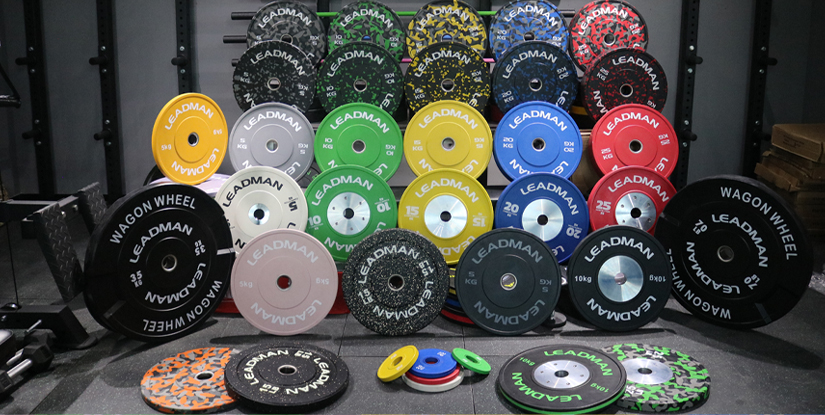
Prioritizing Damage Prevention and QC Protocols
The risk of receiving damaged components is a significant pain point for any professional buyer. Even with high-quality manufacturing, the rigors of international maritime transit—including extreme humidity, heavy stacking, and frequent container handling—can compromise product integrity. Relying on standard retail packaging for heavy machinery is a mistake that leads to costly returns and diminished ROI. To mitigate this, a professional factory-direct partner must implement rigorous export packaging protocols specifically designed for long-haul transit.
Effective damage prevention requires more than just thicker cardboard; it demands a multi-layered approach. This includes high-density EPE foam for impact absorption, moisture-resistant barriers to prevent oxidation of steel components, and heavy-duty wooden crates for structural stability. For high-value or high-precision items, specialized palletization is essential to ensure that the center of gravity remains stable during sea transit, preventing shifting and crushing within the container.
Beyond physical protection, a robust QC (Quality Control) process is the final line of defense. A reliable supplier does not just check the product at the assembly line; they perform pre-shipment inspections that include a final structural check and a verification of the packaging's integrity. This includes testing the crate's ability to withstand weight loads and ensuring all fasteners and moving parts are secured for transport. By demanding strict adherence to these standards, distributors can ensure that their bulk orders arrive in showroom condition, ready for immediate deployment and long-term commercial use.
Finalizing Your Global Sourcing Partnership
Before finalizing any wholesale fitness procurement contract, professional buyers must transition from product selection to rigorous logistics and quality validation. Relying solely on digital specifications is a high-risk strategy that can lead to significant landed cost increases or damaged inventory upon arrival.
To mitigate these risks, we recommend a structured pre-shipment inspection protocol. Engaging a third-party inspector or requesting a video-based factory QC audit ensures that the mechanical tolerances and upholstery quality of your commercial gym equipment wholesale order meet international standards before the container is sealed.
Standardizing Export and Quality Protocols
A reliable fitness equipment importer understands that durability is determined during the final assembly stage. High-tier China factory partners typically provide detailed testing reports for load-bearing components and electronic consoles to ensure long-term commercial viability.
Furthermore, specialized export packaging standards are non-negotiable for heavy-duty items like power racks or weight stacks. Ensuring that all bulk gym supplies are secured in reinforced, moisture-resistant crates prevents transit damage, protecting your distributor margins and reducing the need for costly after-sales replacements.
Next Steps for Procurement Professionals:
- Request a detailed technical specification sheet for all major SKUs.
- Confirm the exact MOQ for custom OEM branding or colorway requests.
- Schedule a virtual factory audit or a physical inspection of the production line.
- Verify the lead time and shipping terms (FOB/CIF) to calculate total landed cost.
Evaluating the structural differences between supply models is critical for long-term profitability. For many distributors, the decision to move from a trading company to a direct source involves a trade-off between administrative ease and cost-efficiency. The following comparison outlines the typical variables encountered when managing large-scale wholesale fitness procurement.
Primary Value| Procurement Variable | Trading Company / Agent | Direct Factory-Direct Model |
|---|---|---|
| Landed Cost | Higher (Includes markup/service fees) | Lower (Direct manufacturer pricing) |
| MOQ Requirements | Lower (Easier for small/medium orders) | Higher (Optimized for bulk/volume) |
| OEM/ODM Capability | Limited (Depends on partner factory) | High (Direct control over specifications) |
| Lead Time | Variable (Subject to agent coordination) | Standardized (Direct production control) |
| Quality Control | Indirect (Relies on agent's oversight) | Direct (Internal factory/QC protocols) |
| Convenience & Sourcing Diversity | Margin Maximization & Customization |
Choosing the right model depends on your current scaling phase. While a trader may offer more flexibility for diverse, low-volume catalogs, a factory-direct relationship is the most effective way to secure stable margins and deep customization for specialized commercial lines.
Choosing the right model depends on your current scaling phase. While a trader may offer more flexibility for diverse, low-volume catalogs, a factory-direct relationship is the most effective way to secure stable margins and deep customization for specialized commercial lines.