Cast Iron Kettlebell vs Steel Kettlebell: Factory Direct
Cast Iron Kettlebell vs Steel Kettlebell: Procurement Fundamentals
When evaluating the cast iron kettlebell vs steel kettlebell distinction, procurement officers must consider the trade-off between initial unit cost and long-term operational durability. While cast iron offers a cost-effective solution for high-volume wholesale cast iron kettlebells orders, steel variants often provide superior structural integrity for high-traffic facilities.
The decision between these two materials directly impacts your total cost of ownership (TCO) and replacement frequency. For distributors looking to maximize margins, sourcing through a commercial steel kettlebell supplier allows for more precise weight tolerances and specialized coatings. However, for large-scale gym setups where budget-friendly volume is the priority, a China factory producing cast iron units can significantly lower the landed cost per unit. Choosing the wrong material can lead to premature surface degradation or weight inaccuracies, increasing the maintenance load and shortening the lifecycle of your inventory.
TCO and Durability Analysis for Commercial Inventory
In high-intensity commercial environments, the durability of your equipment determines your long-term ROI. Cast iron units are typically molded in a single piece, making them incredibly rugged, yet they are more susceptible to chipping if the coating is not applied via professional OEM standards. Conversely, steel kettlebells—often constructed from welded plates or solid steel—offer a different profile of resilience and precision.
For professional gym equipment sourcing, understanding these material behaviors is essential to avoid the hidden costs of frequent replacements. A robust factory-direct approach ensures that whether you choose the density of cast iron or the precision of steel, the product meets the rigorous demands of a commercial setting without unexpected downtime.
| Technical Property | Cast Iron Profile | Steel/Plate Construction |
|---|---|---|
| Material Density | High density, uniform single-mold structure | Variable density depending on plate/shell design |
| Surface Finish | Often textured or powder-coated to prevent rust | Smooth, precision-machined or heavy-duty coating |
| Coating Durability | Moderate; susceptible to chipping in high-impact zones | High; designed for intense commercial friction |
| Weight Precision | Standard commercial tolerances | High precision for specialized training |
| Primary Sourcing Value | Optimized for high-volume wholesale | Optimized for premium brand identity |
| Commercial Suitability | General strength & conditioning environments | High-traffic boutique or elite performance studios |
This technical breakdown illustrates why the cast iron kettlebell vs steel kettlebell debate is more than just a preference; it is a strategic procurement decision. When you manage wholesale cast iron kettlebells, you are prioritizing a rugged, single-piece unit that offers high value for large-scale facility deployments. When you partner with a commercial steel kettlebell supplier, you are often investing in a more specialized product with enhanced surface resilience.
To ensure your inventory meets global standards, we recommend that buyers request a detailed specification sheet and confirm the specific coating method used by your chosen supplier. For distributors looking to expand their product lines, we also offer OEM and ODM services to customize the weight increments and branding to your exact requirements. Please contact our team to discuss your MOQ and request a formal quote for your next bulk shipment.
Logistics and Landed Cost Optimization
Beyond material density, the physical characteristics of your selection impact your total landed cost. When managing the cast iron kettlebell vs steel kettlebell procurement, shipping weight and volume are the primary drivers of ocean freight expenses. Cast iron, while durable, offers a high density-to-volume ratio that is predictable for standard container loading. However, the sheer weight of a full container of cast iron can reach strict maritime limits faster than lighter-profile steel alternatives, requiring precise logistics planning to maximize container utilization.
To optimize your gym equipment sourcing, professional buyers must look beyond the unit price and calculate the total cost including freight, duties, and warehousing. A direct relationship with a factory allows for better coordination of export packaging and palletization strategies. For instance, optimizing the stackability of your orders can significantly reduce the volumetric footprint in a 20ft or 40ft HQ container. We recommend requesting a volumetric weight report and a detailed packing list during the initial quote stage to ensure your shipping budget aligns with your actual inventory needs.
Evaluating Material Durability and Maintenance Costs
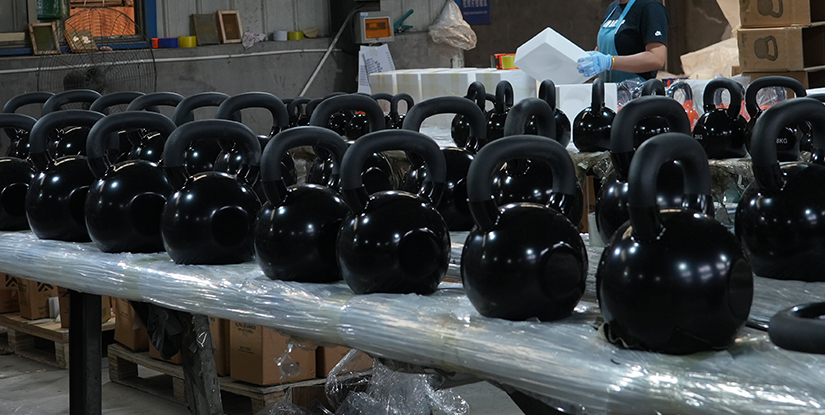
When procurement leads evaluate cast iron kettlebell vs steel kettlebell options, the decision often rests on the long-term maintenance load and the impact on the total cost of ownership. For distributors and gym owners sourcing in bulk from a China factory, understanding how material degradation affects replacement cycles is critical for maintaining healthy profit margins and minimizing operational downtime.
Cast iron units are typically preferred for high-volume commercial settings where ruggedness is the priority. While they require specific environmental controls to prevent oxidation, their structural integrity remains high under heavy use. Conversely, steel-encased or solid steel options offer different durability profiles that can influence your gym equipment sourcing strategy depending on whether your target market prioritizes a premium aesthetic or pure utility.
Commercial Durability and TCO Comparison
The following table outlines the primary procurement factors when deciding between cast iron kettlebell vs steel kettlebell configurations to optimize your long-term ROI.
| Procurement Factor | Cast Iron Configuration | Steel/Steel-Coated Configuration |
|---|---|---|
| Surface Durability | High resistance to impact; prone to surface oxidation if humidity is not controlled | Excellent resistance to chipping; maintains finish longer in high-traffic areas |
| Maintenance Requirement | Periodic inspection for rust; requires stable indoor environments | Low maintenance; highly resilient to standard commercial cleaning protocols |
| Long-term Wear Profile | Consistent density; maintains weight accuracy over many years of use | Highly durable coating; protects against internal structural fatigue |
| Wholesale Value Proposition | Lower initial unit cost; ideal for high-volume, budget-conscious gym builds | Higher initial investment; lower replacement frequency for premium studios |
Selecting the right material is not just about the initial purchase price, but about the wholesale cast iron kettlebells or steel alternatives' ability to withstand years of commercial use without requiring frequent replacement. A strategic commercial steel kettlebell supplier will provide detailed specifications regarding coating thickness and steel grade to help you calculate the most accurate TCO for your clients.
Beyond the immediate unit price, the long-term operational expense is driven by how each material reacts to a commercial environment. When determining the optimal cast iron kettlebell vs steel kettlebell configuration for a large-scale facility, procurement professionals must account for the subtle differences in surface treatment and environmental resilience to prevent unexpected replacement costs.
While many importers focus on the lowest landed cost, the most successful distributors evaluate the maintenance-to-durability ratio. A high-quality commercial steel kettlebell supplier will often provide options with advanced powder coating or specialized finishes that mitigate the risks of surface degradation, whereas cast iron requires a more disciplined approach to humidity and storage to maintain its premium appearance.
To ensure your inventory meets the rigorous demands of high-traffic training centers, we recommend requesting detailed material certificates or sample approval during your initial gym equipment sourcing phase. This allows your team to verify the thickness of protective layers and the quality of the casting before committing to large-scale production or container loading.
Successful importers must look beyond the initial unit price to understand the complete financial impact of their shipment. When navigating the choice between cast iron kettlebell vs steel kettlebell, the density and volume of the products significantly influence container loading efficiency and total logistics expenses. A professional commercial steel kettlebell supplier will provide precise volumetric data to help you maximize every cubic meter of shipping space, ensuring your freight costs remain optimized.
For high-volume distributors, the weight-to-volume ratio is a decisive factor in calculating the final landed cost. While cast iron offers a highly dense and compact profile, steel-encased or plated models may have different dimensional footprints that affect how many units fit into a standard 20ft or 40ft container. To prevent margin erosion, we recommend working with a factory that offers specialized export packaging designed to prevent shifting and impact damage during long-haul maritime transit.
To mitigate risks during the procurement cycle, we advise integrating strict QC protocols into your order management. A reliable China factory will support your requirements by offering comprehensive pre-shipment inspection reports and detailed weight-tolerance certifications. Before finalizing your bulk order, you should request a full breakdown of the landed cost—including FOB or CIF terms—to ensure your gym equipment sourcing strategy remains competitive in your local market.
Optimizing Inventory with Wholesale Cast Iron Kettlebells
Selecting the right material profile for your inventory requires a deep understanding of the cast iron kettlebell vs steel kettlebell trade-off regarding durability and unit cost. For distributors and gym equipment importers, the decision often hinges on balancing high-volume wholesale cast iron kettlebells against the premium positioning of steel-based units to maximize ROI and inventory turnover.
When sourcing directly from a China factory, procurement professionals must account for the total landed cost, which includes not only the unit price but also shipping volumes and weight-related freight expenses. While cast iron offers a cost-effective solution for high-density weight coverage, steel variants may offer different branding advantages for high-end boutique studios. A professional commercial steel kettlebell supplier can provide diverse options, but the most efficient sourcing strategy involves aligning material choice with your specific market segment and MOQ requirements.
| Procurement Dimension | Cast Iron Options | Steel/Plate Options |
|---|---|---|
| Unit Cost Profile | Lower per-unit cost for high-volume orders | Higher per-unit cost for premium builds |
| Typical Sourcing Use | Mass-market commercial gyms and CrossFit boxes | Boutique studios and high-end functional training centers |
| Shipping Density | High weight-to-volume ratio | Variable depending on thickness and coating |
| Customization Potential | High suitability for OEM paint and texture | Excellent for precision ODM and laser branding |
Strategic Inventory Selection for Commercial Buyers
Deciding between a cast iron kettlebell vs steel kettlebell depends heavily on your target client base and long-term maintenance budget. For high-traffic commercial environments, the density of cast iron provides a reliable, traditional weight profile that is highly cost-effective for bulk replenishment. Conversely, steel-based models often appeal to specialized studios looking for a more refined aesthetic and specific weight tolerances. When managing your gym equipment sourcing, it is vital to calculate how each material impacts your warehouse space and freight logistics.
A professional commercial steel kettlebell supplier can offer high-precision options, but the most significant margin gains for distributors often come from optimizing the wholesale cast iron kettlebells supply chain. Because cast iron is more cost-efficient to manufacture in large batches, it allows for more competitive pricing when you meet a higher MOQ. We recommend requesting a detailed weight tolerance spec sheet and a freight volume estimate during your initial inquiry to ensure the most accurate landed cost calculation for your next container shipment.
Maximizing Distributor Margins Through OEM and ODM Capabilities
For professional distributors, the ability to scale a brand identity is often tied to the manufacturing flexibility of their partner. Relying on stock products limits your market position, whereas leveraging OEM and ODM services allows you to control the aesthetic and functional specifications of your product line. Whether you are looking to add a custom logo to a classic silhouette or develop a unique handle texture for a premium series, working with a direct factory provides the technical infrastructure needed to transition from a mere reseller to a specialized brand owner.
The choice between a cast iron kettlebell vs steel kettlebell architecture also dictates your customization ceiling. Cast iron is highly receptive to diverse powder coating colors and textured finishes, making it an ideal candidate for custom branding projects aimed at boutique fitness chains. Meanwhile, steel-based construction offers precision for high-end, specialized weight increments. By integrating these customization options into your gym equipment sourcing, you can create a proprietary product feel that protects your distributor margin from generic market competition. To ensure your specifications meet international commercial standards, we suggest initiating a sample approval process and a formal factory audit before committing to full-scale production runs.
Customization and Branding via Commercial Steel Kettlebell Supplier
For distributors and large-scale gym chains, relying solely on generic stock can limit market reach. Choosing a professional commercial steel kettlebell supplier allows you to move beyond commodity trading into high-margin brand building. By leveraging advanced OEM/ODM capabilities, you can transform standard equipment into a signature product line that reflects your specific market positioning.
The strategic decision between a cast iron kettlebell vs steel kettlebell often hinges on how much control you require over the final aesthetic and functional specifications. While cast iron is traditional, steel offers a superior canvas for custom branding and specialized finishes. Whether you require specific color coatings, laser-etched logos, or unique handle diameters, a direct factory partnership ensures your brand identity remains consistent across every SKU. This level of commercial gym equipment differentiation is essential for suppliers looking to establish a premium presence in the North American market through private label solutions.
Technical Execution of Customization and Branding
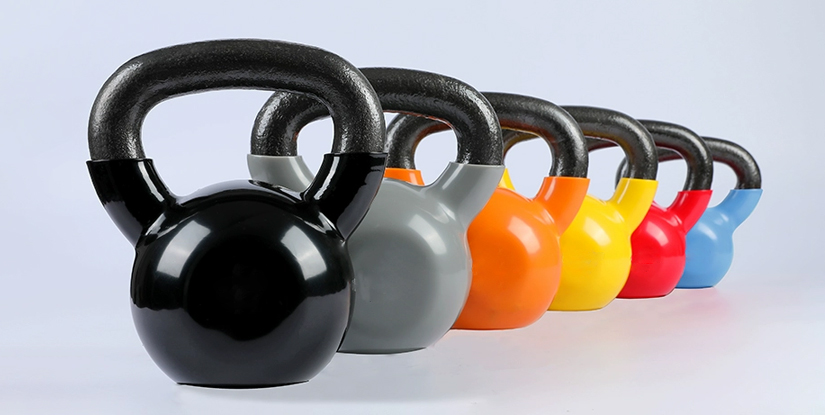
To achieve a premium market position, high-volume importers must move beyond basic color requests. A professional commercial steel kettlebell supplier provides advanced surface treatments that differentiate your inventory. For steel-based units, we implement high-grade powder coating processes, allowing you to select specific textures—from matte to gloss—and colors that align with your brand's visual identity. This ensures long-term durability in high-traffic commercial environments while maintaining a high-end aesthetic.
For clients prioritizing precision, we offer sophisticated laser engraving for permanent, high-definition logo application. Unlike stamped or painted logos that may wear over time, laser-etched branding remains crisp, protecting your brand equity during heavy usage. For those seeking deeper customization, our mold customization services allow for unique handle geometries or specialized weight distributions. When managing gym equipment sourcing at scale, these technical details are critical for reducing long-term replacement costs and increasing the perceived value of your wholesale cast iron kettlebells or steel product lines.
Every customization request is governed by strict QC standards to ensure uniformity across large batches. Whether you are ordering a standard weight range or a specialized private label collection, our factory-direct customization process includes rigorous pre-shipment inspections. This transparency allows distributors to confirm exact specifications before the production lead time concludes, ensuring that your landed cost remains predictable and your high-volume shipments arrive ready for immediate commercial deployment.
| Customization Dimension | Cast Iron Specifications | Steel/Powder Coated Specifications | B2B Procurement Impact |
|---|---|---|---|
| Logo Application | Raised relief/molded casting | Laser engraving or high-durention paint | Brand longevity vs. aesthetic precision |
| Color Versatility | Limited (standard black atural) | High (full spectrum powder coating) | Visual branding consistency |
| Surface Texture | Traditional textured/rough | Smooth, matte, or granular finish | User grip preference and premium feel |
| Manufacturing Complexity | Lower (Standardized casting) | Higher (Precision machining + coating) | Impact on MOQ and lead time |
| Custom Branding Depth | Standard weight-based molding | Full OEM design control | Market differentiation capability |
Understanding the technical divergence in the cast iron kettlebell vs steel kettlebell comparison is vital for managing your inventory ROI. While cast iron is often favored for its classic, rugged profile in bulk wholesale cast iron kettlebells orders, steel provides the versatility required for high-end boutique studio branding. When conducting gym equipment sourcing, procurement officers must weigh the lower manufacturing complexity of cast iron against the superior customization depth of steel to ensure the final product meets both the functional and aesthetic demands of their target commercial clients.
Decisions regarding material choice should be finalized during the initial sourcing phase to avoid unexpected increases in landed cost. If your business model relies on high-volume, standardized weight sets, cast iron offers predictable stability. However, if your goal is to establish a premium private label line with specific color palettes and high-definition branding, a specialized supplier capable of advanced steel fabrication is the more efficient long-term investment for your product portfolio.
Quality Control and Pre-Shipment Inspection Standards
When managing high-volume orders, understanding the technical divergence in cast iron kettlebell vs steel kettlebell production is vital for maintaining inventory consistency. For professional distributors, a failure in factory QC results in high return rates and diminished brand reputation. While cast iron requires strict oversight of mold integrity and cooling cycles, steel units demand precision in welding and surface coating consistency to meet commercial gym standards.
A professional commercial steel kettlebell supplier must implement a multi-stage inspection protocol to mitigate risks. For cast iron, the surface finish inspection focuses on identifying air bubbles, cracks, or uneven textures that can compromise the handle grip. Conversely, for steel-based models, the inspection must prioritize the structural integrity of the weld points and the uniformity of the powder coating to prevent premature oxidation in high-traffic environments.
Weight accuracy is another critical variable in gym equipment sourcing. A reliable factory will utilize calibrated digital scales to ensure that cast iron kettlebell vs steel kettlebell weight tolerances remain within a strict +/- 1% to 3% margin. For bulk wholesale orders, even minor deviations across a large shipment can lead to significant discrepancies in your landed cost and product certification compliance. We recommend that buyers request a formal pre-shipment inspection report or a sample approval process to verify that the China factory adheres to these specific weight and finish requirements before final container loading.
Technical Parameter Comparison for Procurement Audits
To streamline your procurement process, we have provided a technical comparison table below. This data allows procurement managers to evaluate the specific quality control parameters required when deciding between cast iron kettlebell vs steel kettlebell options. Utilizing these metrics during your factory audit ensures that your wholesale cast iron kettlebells or steel inventory meets the rigorous demands of high-use commercial facilities.
| Inspection Parameter | Cast Iron Specification | Steel/Powder Coated Specification | Procurement Focus |
|---|---|---|---|
| Weight Accuracy | +/- 3% tolerance typical | +/- 1% to 2% tolerance typical | Strict weight consistency for sets |
| Surface Smoothness | Mold-cast texture; requires grinding | High-smoothness powder coating | Grip comfort and skin safety |
| Coating Durability | Paint or enamel layer stability | Multi-layer powder coating adhesion | Resistance to chipping and rust |
| Structural Integrity | Single-piece mold stability | Weld point and seam strength | Longevity under heavy impact |
| Handle Ergonomics | Integral cast shape | Smooth, uniform diameter | Consistency across all weights |
When conducting gym equipment sourcing, do not rely solely on visual inspections. A professional supplier should provide detailed documentation regarding the metallurgical composition and the thickness of the protective coating. For distributors managing high-turnover stock, verifying these technical thresholds via a pre-shipment inspection is the most effective way to protect your margins and ensure long-term product reliability.
To ensure long-term ROI, procurement specialists must also prioritize shipping safety and container loading optimization. The density differences inherent in the cast iron kettlebell vs steel kettlebell debate directly impact your volumetric efficiency and landed cost. While cast iron is highly compact, steel-based units often require more specialized protective packaging to prevent denting or coating damage during sea freight. A professional supplier will implement reinforced palletization and heavy-duty corrugated boxing to protect your investment during transit.
For large-scale distributors, managing the lead time and shipping logistics is just as critical as the product itself. When placing bulk orders, we recommend coordinating with your China factory to synchronize production cycles with vessel availability. This prevents unnecessary warehousing costs and ensures that your inventory arrives exactly when needed for seasonal demand. By confirming the specific export packaging requirements and weight-to-volume ratios during the initial sourcing phase, you can better predict your total landed cost and optimize container utilization for every shipment.
Logistics and Export Packaging for Global Distribution
When evaluating the cast iron kettlebell vs steel kettlebell decision, procurement professionals must look beyond unit price to the total landed cost. For high-volume distributors, the weight-to-volume ratio of your order dictates how many units fit into a standard 20ft or 40ft container, directly impacting your shipping efficiency and overall profit margins.
Cast iron units typically offer higher density, which is advantageous for maximizing weight per cubic meter in a container. However, the dimensional footprint of the handle and bell shape can impact shipping volume. Conversely, certain steel kettlebell configurations may offer different stacking efficiencies. A professional commercial steel kettlebell supplier will provide precise volumetric data and weight specifications to assist with container optimization, ensuring your wholesale cast iron kettlebells or steel alternatives are packed to minimize air gaps and reduce per-unit freight expenses.
Optimizing your gym equipment sourcing strategy requires a deep understanding of how these physical properties interact with international freight. A factory that specializes in heavy iron goods will utilize reinforced export packaging and optimized palletization to protect your investment during long-haul transit, ensuring that the high density of the product does not lead to crushed outer cartons or damaged handles upon arrival at your warehouse.
Logistics Profile and Shipping Efficiency Comparison
To assist in precise budget forecasting, the following table compares the logistical characteristics of both material types. For professional importers, understanding these nuances is critical when calculating the final landed cost for large-scale inventory replenishment.
| Logistics Metric | Cast Iron Profile | Steel/Plate-Steel Profile |
|---|---|---|
| Density & Volume | High density; smaller footprint per kg | Variable; often larger surface area |
| Stacking Efficiency | Requires heavy-duty palletization | Optimized for nested or stackable configurations |
| Container Optimization | Weight-limited (Maxes out weight before volume) | Volume-limited (Maxes out volume before weight) |
| Packaging Requirement | Reinforced corrugated boxes & heavy-duty crates | Standard commercial-grade export packaging |
| Typical Shipping Profile | High weight-to-volume ratio | Moderate weight-to-volume ratio |
When managing a wholesale cast iron kettlebells order, your primary constraint is often the maximum weight capacity of the shipping container. Because cast iron is extremely dense, you will reach the weight limit of a 40ft container long before the container is physically full. In contrast, when working with a commercial steel kettlebell supplier, you may find that the lighter or more voluminous nature of the steel builds allows for higher unit counts by volume, though this can sometimes increase the total freight cost per unit due to the larger space occupied. A reliable factory will provide detailed packing lists and volumetric weight data to ensure your gym equipment sourcing remains within budget and avoids unexpected demurrage or overweight surcharges at the port of entry.
Standardized QC and Export Protection Protocols
To mitigate the risks associated with long-distance sea freight, a professional factory must implement rigorous pre-shipment inspection protocols. When managing the cast iron kettlebell vs steel kettlebell procurement process, the primary concern for distributors is breakage prevention and surface integrity. Cast iron, while durable, can be susceptible to structural micro-fractures if subjected to extreme impact during container loading or rough sea transit. Therefore, high-tier gym equipment sourcing mandates that every batch undergoes strict weight tolerance testing and surface finish audits before being cleared for export.
Our export-grade packaging is engineered specifically for the heavy-duty nature of these products. To ensure the highest level of product integrity, we utilize reinforced corrugated cartons and heavy-duty pallets that can withstand the high-pressure environment of a shipping container. For wholesale cast iron kettlebells, we often implement extra cushioning and corner protection to prevent any metal-on-metal contact that could lead to chipping or surface degradation. This meticulous approach to export packaging ensures that your inventory arrives at your warehouse in a retail-ready state, protecting your distributor margins and reducing the need for costly replacements or returns due to transit damage.
Strategic Gym Equipment Sourcing for Long-Term ROI
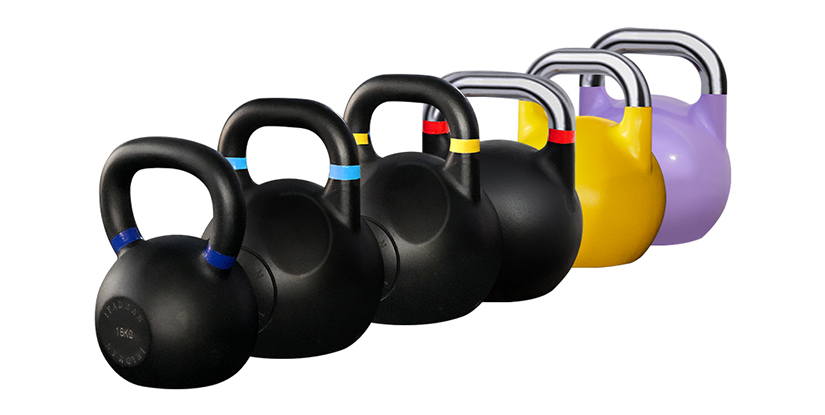
Optimizing your commercial gym equipment inventory requires a deep understanding of how material selection impacts the total cost of ownership. When procurement officers evaluate cast iron kettlebell vs steel kettlebell options, the decision extends far beyond the initial unit price. For distributors and large-scale facility operators, the long-term ROI is dictated by how effectively a product withstands high-volume usage without requiring frequent replacement or intensive maintenance.
Selecting the wrong material can lead to unexpected expenses in labor and replacement cycles. For instance, while certain steel options offer high precision, the durability and maintenance requirements differ significantly from traditional iron. Professional gym equipment sourcing must account for these variables to ensure that the landed cost remains competitive over a five-to-ten-year depreciation cycle. By working directly with a wholesale partner, importers can better predict these long-term operational costs.
A strategic commercial steel kettlebell supplier will provide transparency regarding material density and coating longevity. This allows a factory to produce units that meet specific commercial-grade standards, ensuring that your investment in wholesale cast iron kettlebells or steel alternatives aligns with your facility's durability requirements and budget constraints.
Technical Comparison for Procurement Decision-Making
To assist in your selection process, the following table outlines the technical and logistical distinctions between the two primary material types. This comparison focuses on the variables that most impact your long-term inventory value and supply chain efficiency.
| Feature/Metric | Cast Iron Options | Steel (Plate/Shell) Options |
|---|---|---|
| Manufacturing Process | Sand casting or centrifugal casting | Metal plate welding or CNC machining |
| Weight Consistency | Standard industrial tolerances | High precision for specific weight increments |
| Material Durability | High impact resistance; extremely rugged | Excellent structural integrity; thinner profile |
| Maintenance Load | Requires occasional rust prevention | Low maintenance if powder-coated correctly |
| Primary B2B Use | High-traffic commercial/outdoor gyms | Premium studios and boutique facilities |
| Typical Sourcing MOQ | Higher volume for cost-efficiency | Flexible depending on customization |
| Lead Time Profile | Standardized for bulk production | Variable based on precision requirements |
When conducting a cast iron kettlebell vs steel kettlebell analysis, procurement managers should consider the total lifecycle cost. While steel variants often provide a more compact footprint, wholesale cast iron kettlebells remain the industry standard for heavy-duty, high-impact environments due to their sheer mass and proven durability. We recommend requesting a detailed specification sheet and confirming the MOQ for your specific weight range to ensure your order aligns with your shipping container optimization and budget. Contact our team to discuss bulk pricing or to initiate a sample evaluation for your upcoming project.